Can You Compost Bones? 8 Proven Methods and Tips for Success
Can you compost bones? Yes, you can compost bones at home, but it takes effort.
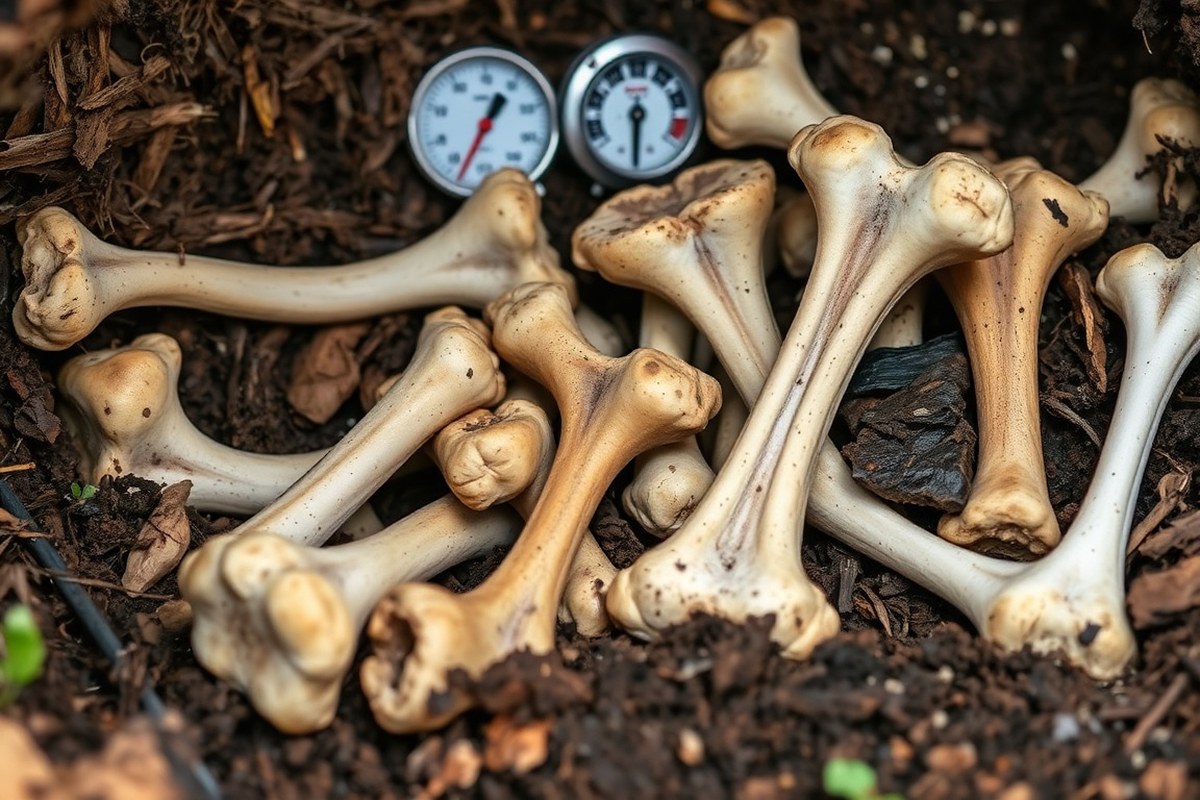
Bones need hot, steady heat to break down properly. You can place them deep in your compost pile where it’s hottest.
Chicken bones can compost in 3 to 6 months when handled correctly. First, remove all meat and dry the bones well. Keeping bones under 10% of your compost volume helps maintain balance.
Make sure your compost stays between 140 and 160 degrees Fahrenheit. This heat kills pathogens and speeds decomposition. Checking with a compost thermometer helps you keep the right temperature.
Crushing bones into smaller pieces speeds up their breakdown. Avoid adding large bones all at once, as they take longer to compost. Mixing bones with carbon-rich materials like dry leaves balances moisture and odor.
Key Takeaways
- Place bones at least 6, 8 inches deep inside your compost pile.
- Remove flesh and dry bones until moisture is below 10%.
- Keep bone content under 10% of the total compost volume.
- Maintain compost pile temperatures between 140 and 160°F for best results.
- Use a compost thermometer to monitor temperature regularly.
- Chicken bones break down in about 3 to 6 months.
1. Can You Compost Bones in a Home Compost Pile?
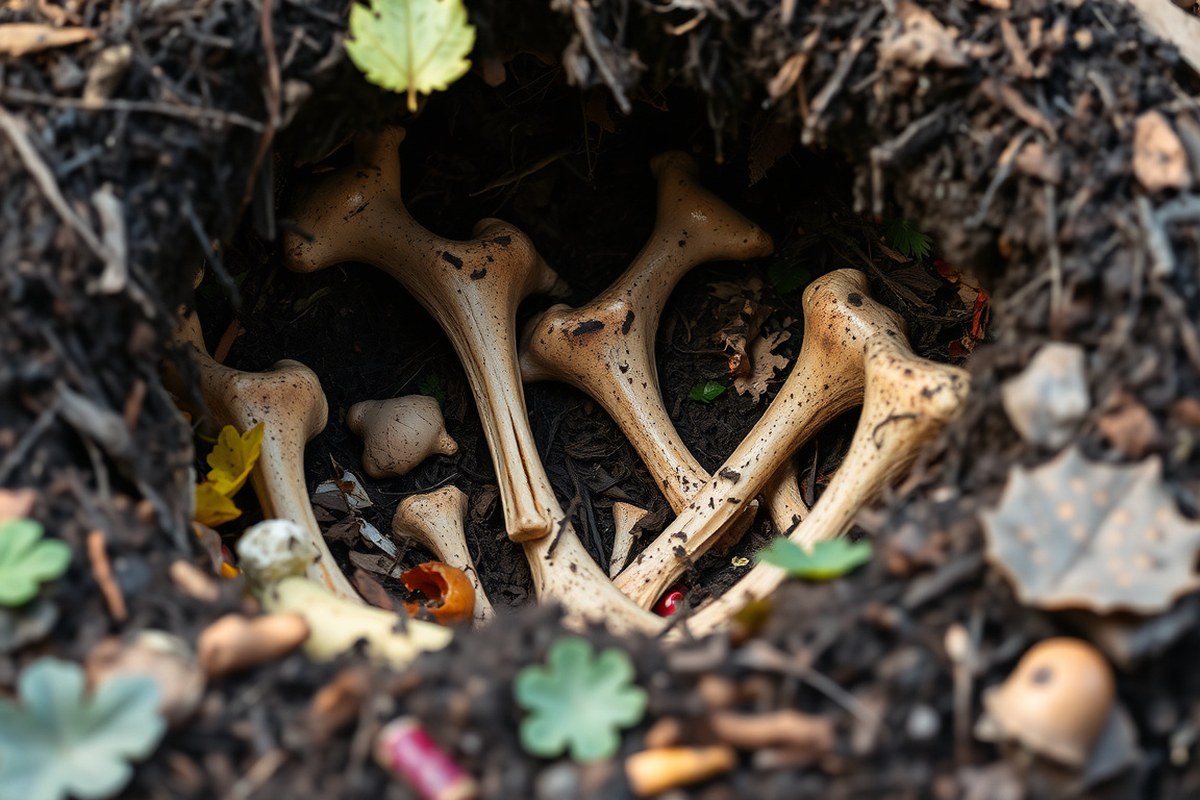
Bones can be composted at home, but it’s not easy in typical backyard bins. Their dense structure slows decomposition. Temperatures often stay too low to break them down quickly.
Many gardeners see bones remain whole for a long time. This can make composting bones frustrating. It takes lots of time for them to break down.
Your compost pile must reach 140 to 160 degrees Fahrenheit. This is most important near the center. You need this heat to compost bones well.
Maintaining this heat for several weeks helps break down bones faster. Crushing bones into pieces smaller than one inch before adding them also speeds up the process.
Most home setups struggle to keep these conditions. That’s why many compost guides recommend skipping bones and animal byproducts in regular backyard bins. Bones can attract scavengers and cause bad smells, making them tricky to handle without special care.
Bones provide valuable nutrients such as calcium and phosphate to soil. Limit bones to less than 10% of your compost heap’s total size. Bury bones in the pile’s hot center and cover the compost to deter pests.
Both cooked and raw bones are technically safe to add. But if your compost pile stays cool or doesn’t turn often, bones stay intact far longer. For faster results, breaking bones into small pieces and keeping the pile very hot is key.
Breaking down bones takes patience. It can take 3 to 6 months or longer. Good composting effort helps speed this process.
2. Which Types of Bones Are Best for Composting?
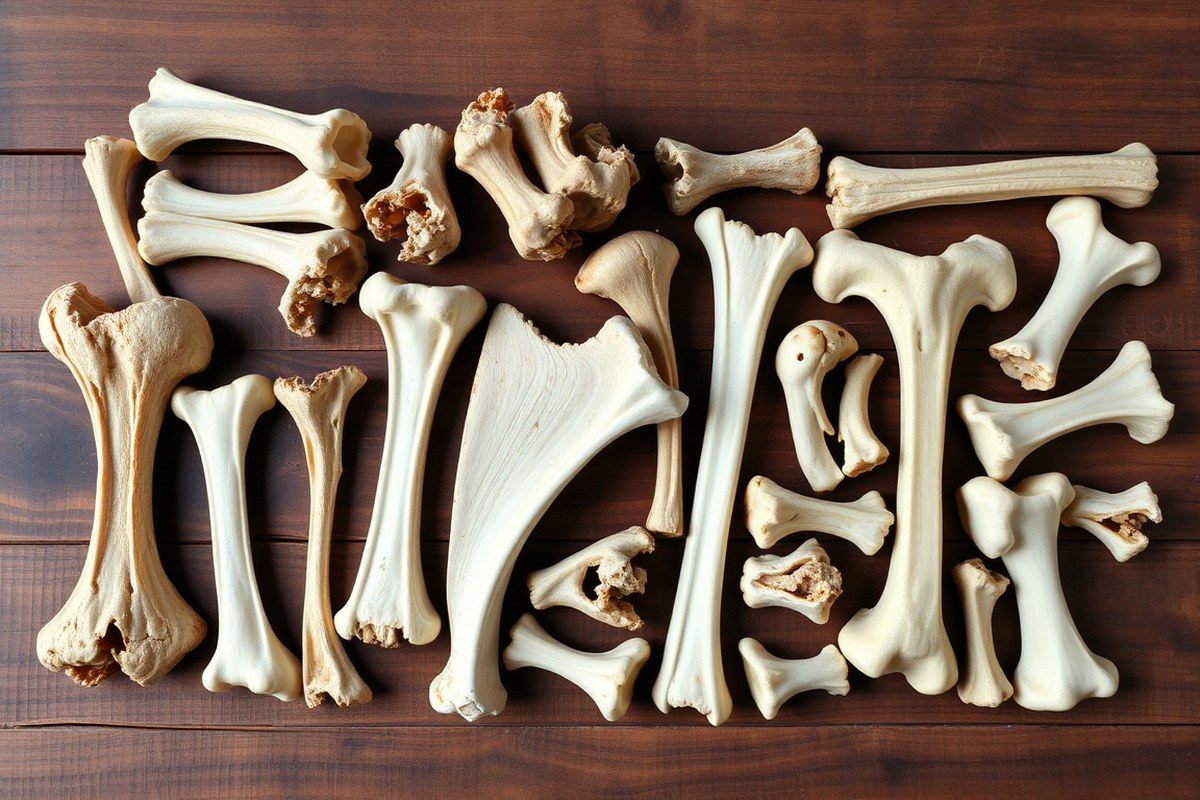
Some types of bones compost faster and easier than others. Small bones, like fish and chicken bones, usually break down within a few months. Large bones from beef or pork take much longer, often over a year.
Small vs Large Bones
Small bones like fish bones are thin and break down fast. They are less dense and smaller in size. This helps them decompose quicker in compost.
They typically compost in about 2 to 3 months. Chicken bones, though a bit denser, also decompose relatively fast, often between 3 to 6 months.
Large bones like beef or pork ribs are dense and thick. These can take anywhere from 9 months to more than a year to decompose fully. Their size and toughness slow the composting process, leaving large pieces visible for a long time.
Cooked vs Raw Bones
Cooked bones generally become more brittle and easier to break down than raw bones. For example, cooked chicken or fish bones may crumble when crushed, speeding decomposition. Raw bones stay dense and hold together longer, slowing the process.
Boiling raw bones before adding them to compost can help soften them. This reduces odor and speeds up breakdown. Don’t put large raw bones in the pile untreated.
They take longer to break down and attract pests. Treat or process them first to avoid problems.
Animal Species Differences
Fish bones are the easiest to compost since they are small and thin. They dissolve in 2 to 3 months, faster than chicken bones. Chicken bones compost in 3 to 6 months due to moderate density.
Pork ribs usually take about 6 to 9 months to break down. Beef bones are the slowest, often lasting 9 to 12 months or more. Large wild game bones, such as deer or elk, act like beef bones.
They also need extra care or processing before composting. Treat them the same way.
Here is a comparison table showing how long different bones generally take to compost:
| Bone Type | Decomposition Time |
|---|---|
| Small fish bones | 2-3 months |
| Chicken bones | 3-6 months |
| Pork ribs | 6-9 months |
| Beef bones | 9-12 months or longer |
Using this table helps plan what bones to compost and when to check your pile. Smaller bones are better if you want quick results. Larger bones require patience or extra steps, like crushing or pre-treating.
Tip: Crush or grind small cooked bones to speed up composting and avoid pests.
3. How to Prepare Bones for Faster Composting
You can speed up bone composting by cleaning, boiling or baking, and breaking them down. These steps remove odors and flesh, soften bones, and create small pieces that compost faster. Follow each step carefully to help your bones decompose more quickly.
Cleaning and Removing Flesh
Removing meat, fat, and other residues stops odors and pests. Flesh also slows decomposition and attracts unwanted animals. Cleaning bones first makes your compost pile neater and safer during breakdown.
Boiling is the easiest way to loosen any stuck-on flesh. You don’t have to strip every bit; removing most of it is enough. Flesh left on bones can cause bad smells in your compost.
It won’t stop breakdown if your compost gets hot enough. High heat helps decompose the bones and any leftover flesh.
Boiling and Baking Bones
Boiling cleans bones and softens them to speed composting. It takes 30 to 60 minutes to boil bones, depending on their size. Baking afterwards dries and makes them brittle, ready for crushing or grinding.
The heat from boiling kills bacteria and removes leftover meat. Baking at about 250°F (120°C) for 30 to 60 minutes hardens bones for easy breaking. These processes reduce odor and prep bones for faster breakdown in your compost.
Breaking and Grinding Bones
Smaller bone pieces compost noticeably faster than whole bones. Ideally, crush bones into fragments or grind them into powder, called bone meal. Tiny pieces expose more surface area to bacteria and moisture.
You can use a hammer, sturdy mallet, or specialized grinder for size reduction. Avoid large chunks because they take far longer to rot. Pulverized bones mix better into compost and act as natural fertilizer faster than big pieces.
Follow these steps to prepare bones for composting:
- Remove excess flesh by scraping or trimming with a knife.
- Boil bones in water for 30 to 60 minutes to clean and soften them.
- Drain and let bones cool on a tray or rack.
- Bake bones in a preheated oven at 250°F for 30 to 60 minutes to dry.
- Crush baked bones using a hammer or mallet into small fragments.
- Grind fragments further with a mortar and pestle or grinder, if desired.
- Mix bone pieces evenly into your compost pile or bin.
- Keep compost conditions hot and moist to speed remaining breakdown.
4. Which Composting Methods Work Best for Bones?
You can compost bones, but how you do it matters a lot. Hot composting, bokashi, and municipal composting handle bones differently. Cold composting usually isn’t good enough for breaking down bones well.
Hot Composting at Home
Hot composting works best for bones because it keeps the pile above 130-160°F (54-71°C). These temperatures speed up bone breakdown fast compared to a cold pile. You need to turn the pile often.
Add enough nitrogen and moisture. This keeps it hot and active.
Chicken bones usually compost within 2-3 months in a well-managed hot pile. Beef or pork bones take longer, sometimes up to two years.
Using acidic materials can help speed this process. But most home piles take a long time.
Setting up a hot compost area costs $50 to $100. This covers a bin or tools.
You also need time to monitor temperatures and turn the pile. Hot composting is the most hands-on method that actually works for bones at home.
Bokashi Fermentation Method
Bokashi uses microbes to ferment kitchen scraps including bones inside a sealed bucket. This method does not fully break down bones. It softens them.
Bones then decompose faster when buried outside. The process takes about 10 days of fermentation inside the bucket.
After fermentation, you bury the pretreated bones in your garden or compost heap. Final decomposition can still take months depending on conditions. But bokashi lets you compost meat and bones where regular piles can’t.
The startup cost for a bokashi system is $20 to $50. This includes a bucket and bran.
Bokashi works well if you want to compost bones without a hot compost pile. It’s less hands-on during fermentation but requires space outside for burying afterwards. This method is a good alternative for small-scale or urban composters.
Industrial and Municipal Composting
Many municipal compost facilities handle bones regularly because they maintain very high temperatures. Industrial composting heats materials well above 158-160°F, breaking down bones much faster than home piles. This kind of facility converts bones into usable nutrients within a few months.
Subscription compost services often send meat scraps and bones to these industrial plants. These facilities use equipment and conditions you can’t replicate at home. Bones breaking down in them shows it’s possible, just not easy for backyard composters.
Cold composting or regular backyard piles rarely reach the heat needed for bones. Without steady high heat, bones stay mostly intact for a long time.
This causes problems in your compost. Municipal composting offers a convenient solution if you can drop off bones in your yard waste.
Here’s a quick comparison of composting methods for bones:
| Method | Cost Range | Temperature Range | Timeframe for Bones | Key Notes |
|---|---|---|---|---|
| Hot Composting | $50-100 | 130-160°F (54-71°C) | 2-24 months | Active management, best for chicken bones |
| Bokashi | $20-50 | Ambient (fermentation) | 10 days ferment + months burying | Ferments bones, requires burial for final breakdown |
| Municipal/Industrial | Varies, often free | Above 158°F (70°C) | Few months | Handles bones routinely, high heat |
| Cold Composting | Free | Ambient | Often 1+ years (poor) | Usually leaves bones mostly intact |
Choosing the right method depends on your budget, space, and time. Hot composting or bokashi offer home-friendly ways, but require effort or extra steps.
Municipal composting is easier but depends on local service availability. Cold composting rarely works well for bones.
5. What Composting Conditions Speed Up Bone Decomposition?
The best temperature for composting bones is between 90 and 140 degrees Fahrenheit. This range keeps microbes active enough to break down tough bone material. If your pile stays cooler, bones will decay much slower, sometimes taking years.
Moisture plays a big role. Bones that are too wet can cause smelly, anaerobic conditions.
Keep your pile damp but not soggy to help microbes work efficiently. Avoid adding wet bones directly; let them dry first.
Aeration keeps air flowing around the bones and stops bad smells. Turning your compost often brings oxygen in and helps break down bones faster. Compact piles trap moisture and slow decomposition.
- Keep the pile temperature around 120°F for active decomposition.
- Break bones into small pieces to speed up breakdown.
- Maintain moisture like a wrung-out sponge, neither dry nor drenched.
- Turn the compost every week or two to add oxygen.
- Add carbon-rich materials like dry leaves or paper to balance nitrogen.
- Keep the pile in a shaded area to prevent overheating.
- Use a sealed compost bin to keep pests away and maintain conditions.
The carbon-to-nitrogen ratio matters too. Bones are high in nitrogen.
So mix in plenty of carbon items like shredded paper or dried leaves. This combo keeps the pile balanced and encourages fast microbial action.
Don’t forget to break bones into smaller parts before adding them to compost.
6. How Long Do Bones Take to Fully Compost?
Chicken bones usually break down in about 2 to 3 months in a hot compost pile. These bones are smaller and softer.
So heat and microbes can break them down faster. You’ll see the bones getting brittle and crumbly well before they vanish.
Large beef bones take much longer, sometimes several years, especially if they stay whole and uncut. The dense, hard structure makes it tough for microbes to break them down quickly.
Check them every few months. They’ll slowly lose weight and crumble around the edges as progress happens.
Fish bones fall on the quicker side, often decomposing within a few months. Cooler or slower compost piles take longer to break down bones. All bones can need between one and five years to disappear.
It depends on the pile’s temperature and moisture. Regularly turning your pile speeds this up by exposing more surface area to microbes.
Track bone decay by checking their texture and appearance. Start by noting when you add bones to compost.
After a month, test a bone by trying to snap it, softer means more breakdown. At three months, small bones should feel weaker and crumble when squeezed.
For bigger bones, look for cracks and rough, chalky surfaces after six months. These signs mean decomposition is underway. Bones that stay shiny and hard after a year show trouble.
Your compost pile may be too cool or dry to break bones down. You should check the system’s conditions to fix this. Boost warmth or moisture, then check again in a few months.
7. How to Avoid Pests and Odors When Composting Bones
Bones can attract pests like rodents, raccoons, and stray dogs if left exposed. They create strong odors during decomposition that draw unwanted visitors. Keeping your compost covered and handling bones carefully helps stop this problem before it starts.
Boiling bones before composting reduces bacteria and odor, making them less tempting to pests. Skipping boiling means raw bones break down slower and may smell bad. Using a closed compost bin or tumbler also lowers the chance of pests reaching the bones.
- Boil bones for 30 to 60 minutes to kill bacteria and reduce smell.
- Chop or crush bones into small pieces to speed decomposition.
- Mix bones deep into the compost, at least 8 inches below the surface.
- Add a thick layer of brown materials such as leaves or straw on top of your compost.
- Use a compost bin with a secure lid or mesh to keep pests out.
- Avoid adding bones if you notice signs of rodents or raccoons nearby.
- Keep compost moist but not wet to prevent strong foul odors.
Thick covers of carbon-rich materials block smells and keep bones hidden from animals. Keeping the pile moist helps bacteria break down bones without creating rotten smells. Using a sealed bin adds another layer of pest protection and reduces odor risks.
Failing to cover bones or leaving them near the surface invites pests and smells quickly. Cold or uncovered piles help bones rot slowly, creating worse odors and attracting more critters. Proper preparation and containment prevent these issues and make your compost safer and cleaner.
8. Common Composting Mistakes with Bones and How to Fix Them
Bones stay undecomposed after months mostly because the compost pile lacks enough heat and mixing. Cold piles don’t reach the 130°F to 160°F needed to break down dense materials like bones. Also, adding many bones in one spot slows decomposition and invites pests.
Adding bones all in one place lets pests easily find them. This creates hot spots that don’t mix well with other compost. You want bones buried deep in the hot compost pile center.
Don’t leave them stacked on edges or on top. This helps them break down faster.
Cold compost piles struggle with bones because they don’t generate enough heat. To fix this, you must increase the temperature and improve airflow. Turn the pile every few days and add nitrogen-rich materials like kitchen scraps or manure.
- Avoid adding too many bones at once; spread them out evenly.
- Mix bones thoroughly into the pile to improve airflow and heat.
- Bury all exposed bones deep inside the compost center.
- Keep your pile hot by adding nitrogen sources and turning regularly.
- Dry fish bones before adding them to reduce smells.
Never leave bones exposed on the surface; pests will dig them up fast.
These steps cost little but take consistent effort. Good results mean bones become crumbly or break down in 3 to 6 months.
Without them, bones may sit for many months, attracting animals and creating odors. Regularly turning and balancing materials lets heat reach bones all over the pile.
Step-by-Step Action Plan for Composting Bones at Home
Follow this plan to compost bones safely and efficiently in your home setup. Each step helps you avoid common problems and speeds up decomposition.
- Before You Start: Collect clean bones and remove all meat scraps. This cuts down smells and pests.
- Day 1: Break the bones into small pieces using a hammer or saw. Smaller pieces compost faster.
- Week 1: Put bones in a hot compost pile. Add lots of nitrogen-rich stuff like grass clippings. Keep the pile warm for best results. Heat helps break down tough bones.
- Week 2: Turn the compost pile regularly to add air and mix materials. This keeps the process aerobic and prevents odors.
- Week 4: Check pile temperature stays around 130-160°F (54-71°C). Use a compost thermometer for accuracy.
- Weeks 6-8: Monitor for any pests or strong smells. Add more carbon material like shredded leaves if needed to balance the pile.
- After 2 Months: Test bone pieces for softness. Break the bones into smaller pieces if they are hard to compost. Keep mixing them in and composting.
Frequently Asked Questions
Can You Add Bones to a Worm Composting Bin?
No, bones don’t break down well in worm bins. Worms avoid hard, dense materials like bones that can harm them.
Are Crushed Bones Better for Composting Than Whole Bones?
Yes, crushed bones decompose faster than whole bones. Smaller pieces increase surface area and speed up breakdown.
Can You Compost Cooked Bones Differently from Raw Bones?
Cooked bones break down slower and attract pests more. Raw bones are easier to compost if handled properly.
Is It Safe to Compost Fish Bones in a Home Pile?
Yes, fish bones can compost but may smell and attract pests. Bury them deep to reduce problems.
Do Bones Add Nutrients to Your Finished Compost?
Yes, bones add calcium, phosphate, and carbonate to your compost mix. These help improve soil health when compost is used.
Can Adding Too Many Bones Harm the Compost Pile?
Yes, bones should stay under 10% of total compost volume. Overloading slows decomposition and increases odor risk.
Wrapping Up
Yes, you can compost bones if you prepare and manage them right. Start small, break them into pieces, and keep your pile hot and well balanced.
Add small bone bits to your compost today. Watch how they break down over the next two months.