What Does NPK Stand for in Fertilizer? A Complete Guide with Tips & Examples
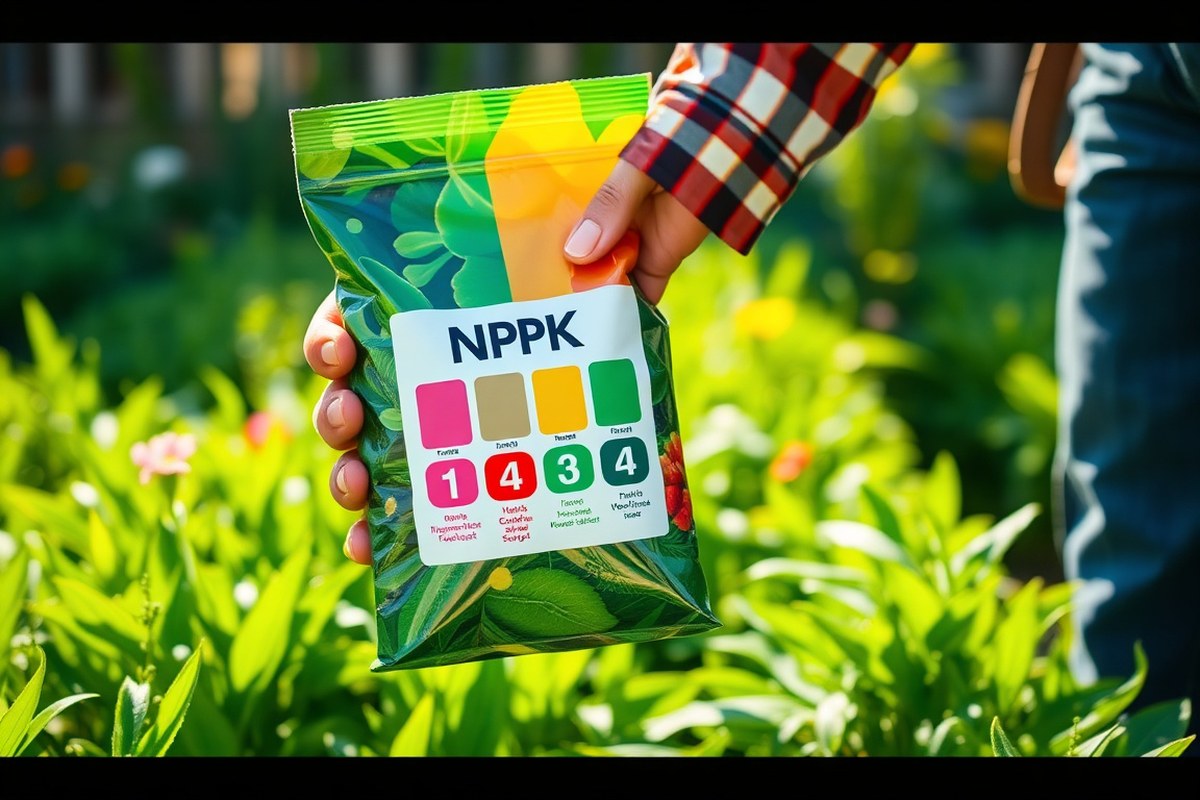
NPK on fertilizer labels stands for nitrogen, phosphorus, and potassium, the three key nutrients plants need. The numbers indicate the percentage by weight of each nutrient in the fertilizer mix. This information guides you in choosing fertilizer suited to your plant’s growth stage and type.
Nitrogen mainly supports leaf and stem growth, making plants lush and green. Phosphorus focuses on root development and flower production, which is essential for fruiting plants. Potassium improves overall plant health, helping plants resist diseases and manage drought stress.
Understanding the NPK ratio helps you avoid nutrient imbalances that can weaken plants. For example, too much nitrogen can lead to leafy growth but weak flowers. Always follow label directions and adjust based on your soil test results or plant needs.
Key Takeaways
- A fertilizer labeled 10-5-5 has 10% nitrogen, 5% phosphorus, and 5% potassium.
- Choose a balanced fertilizer like 10-10-10 for most vegetable gardens.
- Use lawn-specific fertilizers with a ratio like 3-1-2 for best results.
- Always check the bag weight to calculate how much actual nutrient you get.
- Slow-release fertilizers feed plants gradually and reduce fertilizer burn risk.
- Soil testing guides you on which NPK ratio works best before buying fertilizer.
What Does NPK Mean on Fertilizer Labels?
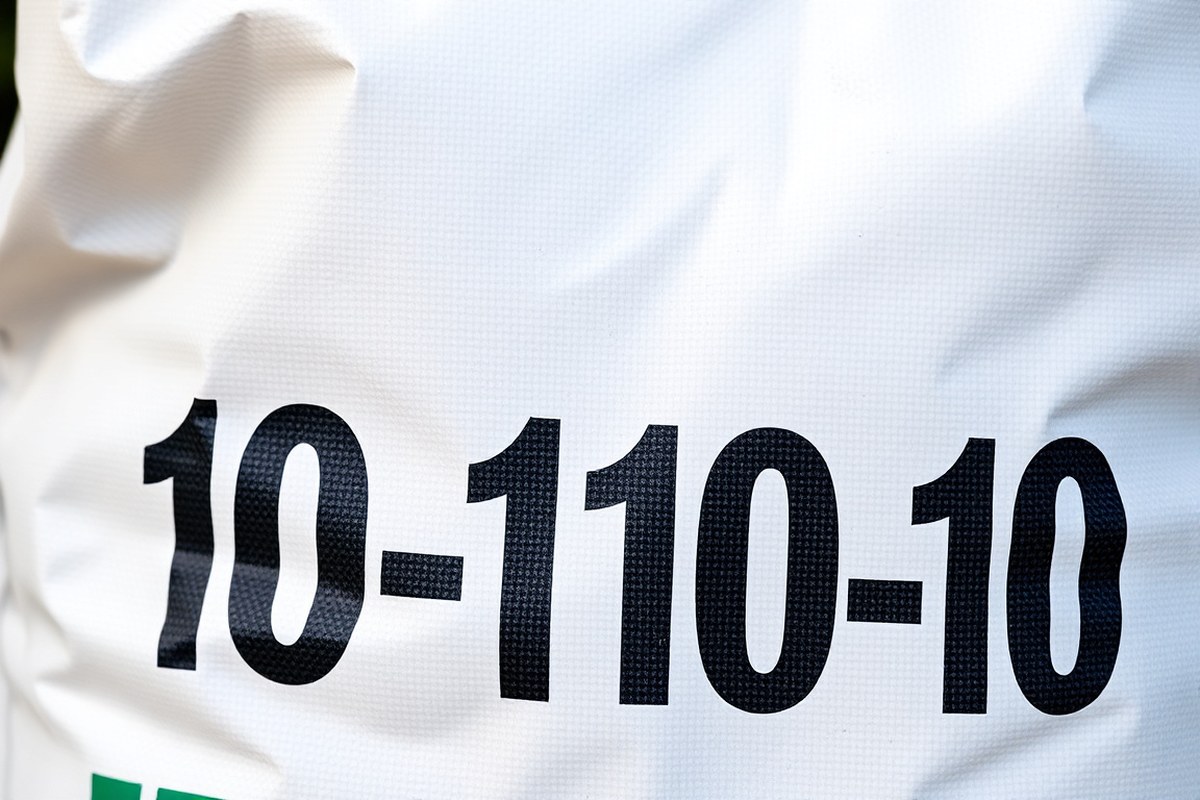
NPK stands for nitrogen, phosphorus, and potassium in fertilizer. These three nutrients are essential for plants to grow well. Each letter stands for one important element plants need.
The three numbers on a fertilizer package show the percentage by weight of each nutrient. They always appear in the order: nitrogen, phosphorus, then potassium. A 10-10-10 bag means it has 10% nitrogen by weight.
It also contains 10% phosphorus and 10% potassium. These percentages show how much of each nutrient is inside.
The numbers don’t show real elemental phosphorus or potassium. Instead, they represent their oxide forms in the fertilizer. This means the actual nutrient amounts differ slightly.
Phosphorus is listed as %P₂O₅, and potassium as %K₂O. So a 10-10-10 fertilizer actually has 10% nitrogen, about 4.36% phosphorus, and about 8.3% potassium by elemental weight.
To understand nutrient amounts, multiply the total fertilizer weight by the percentage number. Say you buy 50 pounds of 10-5-5 fertilizer.
It has 10% nitrogen, so 50 pounds × 0.10 equals 5 pounds of nitrogen. For phosphorus, 50 × 0.05 equals 2.5 pounds, and potassium is also 2.5 pounds.
Knowing these numbers matters because it shows you exactly how much nutrient you’re applying. This helps avoid over- or under-fertilizing your garden.
For instance, compost usually has an average NPK around 1-1-1 with low nutrients. So you can apply it more freely without risking burns.
The NPK ratio guides you to pick the right fertilizer. A lawn may need high nitrogen for green growth.
Flowering plants benefit from more phosphorus and potassium. Reading these numbers carefully can save money and protect your plants from nutrient problems.
What Role Do Nitrogen, Phosphorus, and Potassium Play in Plant Growth?
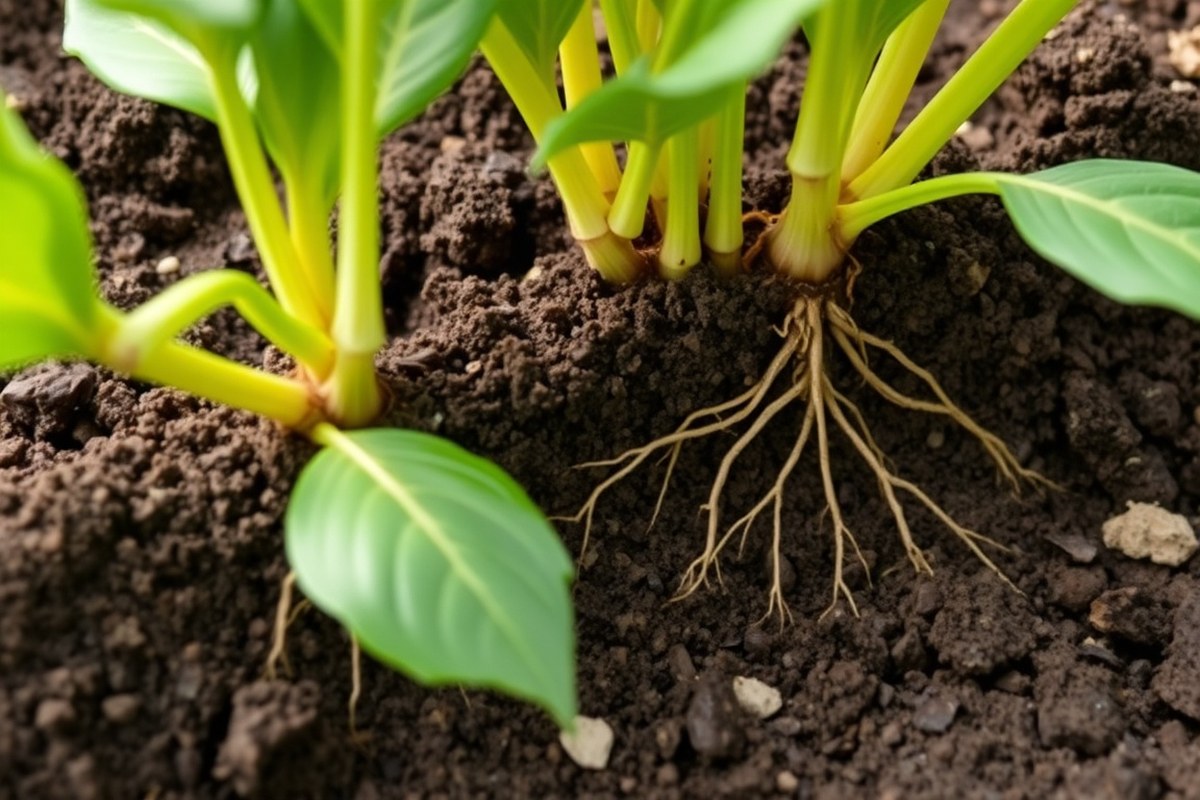
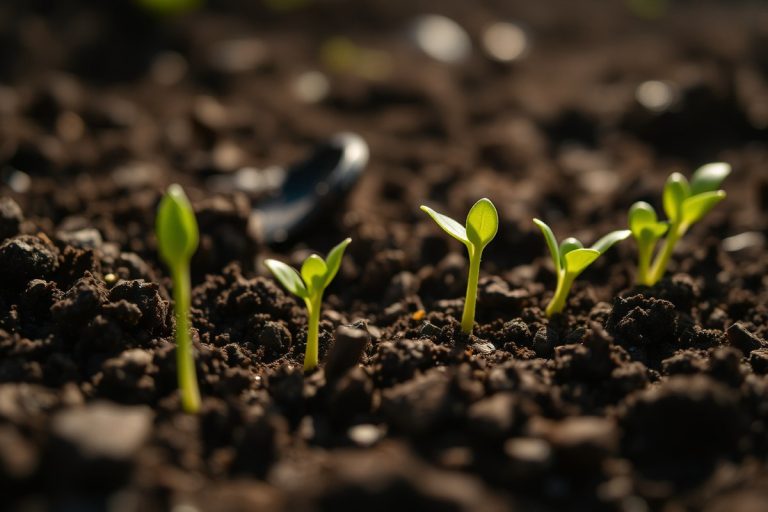
Nitrogen plays a key role in making plants grow quickly and develop green leaves. It fuels the creation of chlorophyll, which plants use to turn sunlight into energy.
Without enough nitrogen, leaves turn yellow, especially the older ones. New growth may stay green.
Phosphorus helps plants build strong roots and encourages flowers and fruits to form. It supports seedling growth, which makes plants sturdy right from the start. Using fertilizer with more phosphorus helps build strong roots.
This is great for young plants. It also supports more blossoms or fruits.
Potassium boosts overall plant health and helps plants handle stress. This includes dealing better with heat, cold, and disease pressures.
When plants struggle with weather or illness, potassium helps them stay strong. It helps plants survive tough conditions.
Choosing the right fertilizer means balancing these nutrients based on plant needs. For leafy plants or early growth, use higher nitrogen.
For blooming or root crops, a boost in phosphorus helps. Potassium should be included to keep plants hardy.
Be cautious with high-nitrogen fertilizers; they can cause lush leaves but fewer flowers. Too much nitrogen may also burn roots if overapplied.
How to Interpret and Use Different NPK Ratios Effectively
Choosing the right NPK ratio depends on your plants and their growth stage. Balanced fertilizers suit many plants.
But you’ll often need to adjust ratios for lawns, vegetables, or houseplants. Changing the NPK mix as plants grow helps them thrive and produce better results.
Balanced NPK Ratios for General Use
A balanced fertilizer has equal or nearly equal parts nitrogen, phosphorus, and potassium. Ratios like 10-10-10 or 5-5-5 are safe for most vegetables and flowers. These provide steady growth, root development, and overall plant health without stressing the soil.
Balanced formulas such as 20-20-20 also work well for many houseplants and flowers. They feed plants evenly when you aren’t sure of specific nutrient needs. Use balanced fertilizers early in the growing season to support new growth and leaf development.
NPK Ratios for Specific Plants
Some plants respond better to tailored NPK ratios instead of balanced ones. Lawns usually prefer a higher nitrogen level for lush, green blades. Use ratios like 30-10-10 or 20-10-10 on grass for strong, leafy growth.
Vegetables often do well with balanced fertilizers like 5-10-5 or 10-10-10. These ratios support the roots and overall plant growth. Houseplants need extra phosphorus for strong roots and flowers.
Ratios close to 15-30-15 or 20-20-20 work well. These support healthy growth and blooms.
- Lawns: high nitrogen, e.g., 30-10-10
- Vegetables: balanced low to midrange, e.g., 5-10-5
- Houseplants: more phosphorus for roots and flowers, e.g., 15-30-15
- Flowers: balanced around 10-10-10 or 20-20-20
- New seedlings: gentle formulas with low NPK like 4-4-4
- Acid-loving plants: adjust fertilizer based on soil pH
Picking the right ratio saves you money and prevents nutrient overload or deficiencies. Marginal plants often mean wrong ratios or too much fertilizer at once.
Adjusting NPK for Growth Stages
Plants need different nutrients during their lifecycle. Early growth favors nitrogen to build leaves and stems. Use fertilizers around 6-2-2 or 10-3-4 during this stage.
Once plants flower or fruit, switch to fertilizers with higher phosphorus and potassium. This change supports blossoms and fruit production. Choose something like 5-10-10 or 10-10-20 at flowering time to improve yields.
Slow-release formulas feeding over 6 to 12 weeks help keep nutrients steady. Add water-soluble fertilizers for a quick boost during active growth or flowering periods.
How to Calculate Actual Nutrient Amounts from NPK Numbers
Multiply the bag’s weight by the nutrient percentage on the label. This shows you how many pounds of each nutrient are inside. This tells you the pounds of nitrogen (N), phosphorus (P), and potassium (K).
You then know what you apply to your garden. Doing this helps you follow soil recommendations and avoid over-fertilizing.
Formula for Calculating Nutrients
Check the three numbers on the fertilizer bag, the NPK ratio. These are percentages by weight of each nutrient. Multiply each percentage by the total bag weight to get pounds of each nutrient.
For example, a bag labeled 10-10-10 means 10% nitrogen, 10% phosphorus, and 10% potassium. The bag weighs 50 pounds.
Multiply 50 by 0.10 for each nutrient. This shows the pounds you’ll spread in your garden.
Example Calculation for a 50-Pound Bag
Suppose you have a 50-pound bag labeled 10-10-10. Here’s an easy way to find the pounds of nutrients in the bag.
Multiply the bag weight by each nutrient’s percent label. This example shows the math used for all fertilizer bags and labels.
- Look at the fertilizer label percentages: 10% nitrogen, phosphorus, and potassium.
- Note the total bag weight: 50 pounds.
- Convert the percentages to decimals: 10% = 0.10.
- Multiply the total weight by each decimal: 50 × 0.10 = 5 pounds per nutrient.
- Write down results: 5 pounds of nitrogen, 5 pounds of phosphorus, 5 pounds of potassium.
That means your bag supplies 5 pounds each of nitrogen, phosphorus, and potassium. You can use the same steps for any bag size and label.
Estimating Application Rates for Your Garden Size
Knowing pounds per bag lets you figure out how much nutrient you apply per square foot. Divide the pounds of nutrient by the garden’s square footage. This helps you avoid applying too much or too little fertilizer.
Your garden is 1,000 square feet. Spreading 5 pounds of nitrogen means you apply 0 pounds of nutrient.005 pounds of nitrogen per square foot. You can adjust the application amount based on your soil test recommendations and garden size.
Using this method guides you to use fertilizer efficiently. You protect your plants and save money by not using excess nutrients.
Why Soil Testing Is Essential Before Choosing Fertilizer
Testing your soil tells you exactly what nutrients it needs. Many gardeners buy fertilizer without testing and end up wasting money or harming plants.
Soil nutrients like nitrogen, phosphorus, and potassium naturally vary. So knowing your soil’s makeup helps you pick the right fertilizer type and amount.
Soil testing is simple with a kit from the store. You can also send soil samples to a lab. Both methods give useful results for your garden.
The test usually measures pH, nitrogen, phosphorus, potassium, and sometimes micronutrients like iron or zinc. For home gardens, labs charge about $15 to $30 per sample. Take small soil samples from many spots in your garden.
Mix all samples together well. Put a cup of this mix in a clean container to send.
Test your soil every 2 to 3 years or whenever you notice poor plant growth. This keeps your fertilizing on track because soil changes over time. Record test results and fertilizer use to track what works best in your garden.
- Collect eight to ten small soil samples from different garden areas.
- Mix samples together in a clean bucket and remove stones or debris.
- Place about one cup of soil into a test bag or container provided.
- Label the sample with your name and location details.
- Follow lab instructions for submitting soil samples and payment.
- Review your results, focusing on nitrogen, phosphorus, potassium, and pH.
- Match fertilizer type and NPK ratio to your soil’s nutrient needs.
Don’t add fertilizer before testing. Too much phosphorus or potassium can harm plants and soil biology.
You avoid guessing and buying ‘just in case’ fertilizer, which often wastes money. Soil tests prevent excess nutrients that can runoff or burn plants. Knowing your soil’s normal nutrient levels helps a lot.
It shows when dry soil, not lack of nutrients, stresses plants. This helps you fix the real problem. This way, you feed your garden exactly what it needs without overdoing it.
Organic vs. Synthetic Fertilizers: Differences in NPK and Usage
Organic and synthetic fertilizers both supply nitrogen, phosphorus, and potassium, or NPK. Organics feed plants slowly while building soil health.
Synthetics provide nutrients fast but don’t improve soil structure much. Knowing their differences helps you pick what fits your garden and goals.
Sources of Nitrogen, Phosphorus, and Potassium in Organics
Organic fertilizers get their NPK from natural materials like compost, manure, and bone meal. These sources release nutrients slowly as soil microbes break them down. That slow release feeds plants steadily over weeks or months.
It doesn’t dump all nutrients at once. This keeps plants nourished longer.
Typical organic fertilizers have lower NPK ratios like 3-2-2, reflecting gentler nutrient levels. For example, a 10-pound bag might contain 0.3 pounds nitrogen, 0.2 pounds phosphorus, and 0.2 pounds potassium. Besides these three, organic fertilizers add organic matter that feeds soil life and helps retain moisture.
Synthetic Fertilizer Composition and Fast-Release Benefits
Synthetic fertilizers usually have higher NPK numbers and precise nutrient ratios. Many use a 3-1-2 ratio, putting most weight on nitrogen for leafy growth. These fertilizers are water-soluble, so nutrients are immediately available to plants after application.
The fast release suits quick-growth plants or when you want fast results from a single feeding. You can measure exact amounts easily since the NPK percentages are clear. However, they don’t add organic matter and can cause nutrient runoff if overused or watered heavily.
Environmental and Soil Health Considerations
Organic fertilizers improve soil health over time by adding organic matter and feeding beneficial microbes. That tends to improve water retention, soil structure, and nutrient cycling. It’s best for gardeners aiming for sustainable, long-term soil fertility.
Synthetic fertilizers can boost plant growth quickly but may degrade soil quality after repeated use. They also carry a risk of leaching nutrients into groundwater or nearby water bodies. Many gardeners balance both types to get fast growth without harming the soil.
Common Mistakes with NPK Fertilizers and How to Avoid Them
Overapplying nitrogen can cause plants to grow too fast and weak. Leaves may turn yellow or brown at the tips from fertilizer burn. This happens when synthetic fertilizers stay too concentrated around roots.
To prevent burn, apply fertilizer evenly and don’t exceed 1 pound of nitrogen per treatment. Use a spreader or measuring cup to get the amount right. Water the soil after applying to help nutrients soak in and lower risk.
Using the wrong NPK ratio can also hurt plants. Too much nitrogen without enough phosphorus or potassium can delay blooms or cause poor root growth. Flowering plants often do better with balanced or higher phosphorus ratios like 4-8-5 or 3-6-3.
- Check the NPK label carefully and match it to your plant type.
- Avoid applying fertilizer if soil testing hasn’t shown a need.
- Follow recommended amounts on the package, especially synthetic types.
- Time your fertilizer for active growth periods, not dormancy.
- Water well right after fertilizing to move nutrients into the soil.
- Use organic sources like compost for gentler feeding and fewer risks.
Misreading labels is common and leads to over or underfeeding. For example, a 10-0-0 fertilizer delivers only nitrogen, none of the other nutrients. Knowing this helps avoid missing needed phosphorus or potassium.
Fertilizing your grass or garden plants on a schedule can help. But adjust if plants react badly.
Yellowing leaves or slow growth means check your application rates and nutrient balance again. Paying attention to NPK and timing helps keep plants healthy and lush.
How and When to Apply Fertilizer for Best Results
Fertilizer works best when applied at the right time for your plants. Most garden veggies and flowers do well with a feeding right after planting and again mid-season. Lawns prefer fertilizing in early spring and late fall to support steady growth.
Slow-release fertilizers break down gradually, feeding plants over weeks or months. These are great for potted plants, lawns, and beds where you can’t fertilize often. Fast-release fertilizers dissolve quickly and give plants a quick boost.
You must time your application carefully to avoid burning them. These fertilizers work fast but need careful handling.
Adjust the amount and frequency of fertilizer seasonally. Apply more nitrogen in spring for leafy growth.
Cut back on nitrogen and boost phosphorus and potassium later for flowers or fruit production. Use soil tests to fine-tune rates and avoid overfeeding.
- Apply slow-release granules in early spring for steady nutrition.
- Use organic fertilizers at planting for root development.
- Top-dress lawns with fertilizer in fall to prepare for winter.
- Water in granular fertilizers well to activate nutrients.
- Repeat fast-release feedings every 4 to 6 weeks during growing season.
- Reduce fertilizer in hot summer months to prevent stress.
- Follow label instructions for exact amounts per square foot or plant.
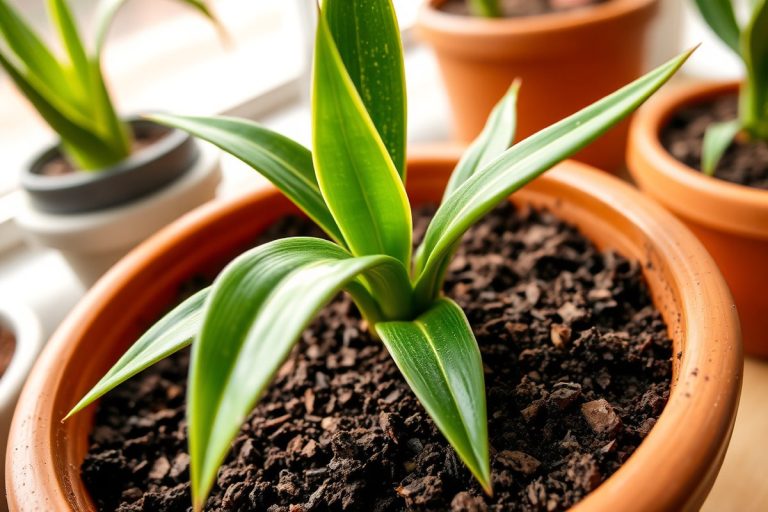
Adding fertilizer directly into the planting hole helps new plants get started. For container plants, sprinkle slow-release fertilizer on the soil surface and water it in. Avoid applying fertilizers during drought or extreme heat to reduce plant stress.
Always water your plants after applying fertilizer to prevent root burn and help absorption.
Step-by-Step Action Plan for Using NPK Fertilizer Effectively
Follow these steps to pick and apply the right fertilizer with NPK numbers. Watch your plants closely to see how they respond.
- Before planting: Test your soil to know what nutrients it lacks. Use a home test kit or send your soil to a lab. They measure nitrogen, phosphorus, and potassium in your soil. This helps you understand what your plants need.
- Day 1: Choose a fertilizer with NPK numbers that fill your soil’s nutrient gaps. For example, pick 10-20-10 for phosphorus-deficient soil to boost root growth.
- Week 1: Spread fertilizer evenly around your plants. Avoid getting it on stems or leaves. This prevents burning and keeps plants safe. Water it in lightly to help nutrients reach roots.
- Week 3: Check new growth for signs of improvement, like greener leaves or stronger stems. Your fertilizer is working when your plants start to look healthier.
- Week 6: If growth slows or yellow leaves appear, review your fertilizer type and soil needs. Adjust your NPK ratio or timing as needed.
- Before next planting season: Test your soil again to see any changes. Choose fertilizer based on the new soil needs. Keep notes on plant responses for better choices next time.
Frequently Asked Questions
What Does NPK Stand for on Fertilizer Packages?
NPK stands for nitrogen, phosphorus, and potassium. These elements are key nutrients plants need for growth. The numbers show how much of each is in the fertilizer.
How Do the NPK Numbers Relate to Nutrient Percentages?
The numbers on fertilizer show the nutrient percentages by weight. For example, 10-10-10 means 10% nitrogen, about 4.36% phosphorus, and 8.3% potassium.
Why Is the P Number on Fertilizer Different from Pure Phosphorus?
The P number is shown as a percentage of P2O5, not pure phosphorus. This is a standard method to express phosphorus content in fertilizers.
What Does a Balanced NPK Ratio Mean?
A balanced NPK ratio means the fertilizer contains similar amounts of nitrogen, phosphorus, and potassium. This suits many plants, including common vegetables and houseplants.
Can I Use Compost Instead of Commercial Fertilizers with NPK Values?
Compost has a balanced but low NPK ratio near 1-1-1. It adds nutrients slowly over time, which is helpful. But it might not provide enough nutrients in busy growing seasons.
Why Is It Important to Understand NPK Before Buying Fertilizer?
Understanding NPK helps you pick fertilizer that matches your plant’s nutrient needs. It avoids wasting money and prevents nutrient buildup or deficiency.
Key Points to Remember
NPK means nitrogen, phosphorus, and potassium. These nutrients help plants grow strong and healthy. Start with a soil test, then adjust feeding as your plants change.