Do You Cut Back Clematis? Complete Guide to Pruning Groups and Timing
Do you cut back clematis to prepare for winter? Not all types need cutting back before winter. Only Group 3 clematis require a hard prune in late winter or early spring.
This helps them grow better. The other groups need little or no pruning before winter arrives.
Group 3 clematis bloom on new wood. Cutting them back to about 12-18 inches encourages fresh growth.
Cutting too early or too hard on other types can harm their blooms. Always check your clematis group before pruning to avoid cutting off the wrong stems.
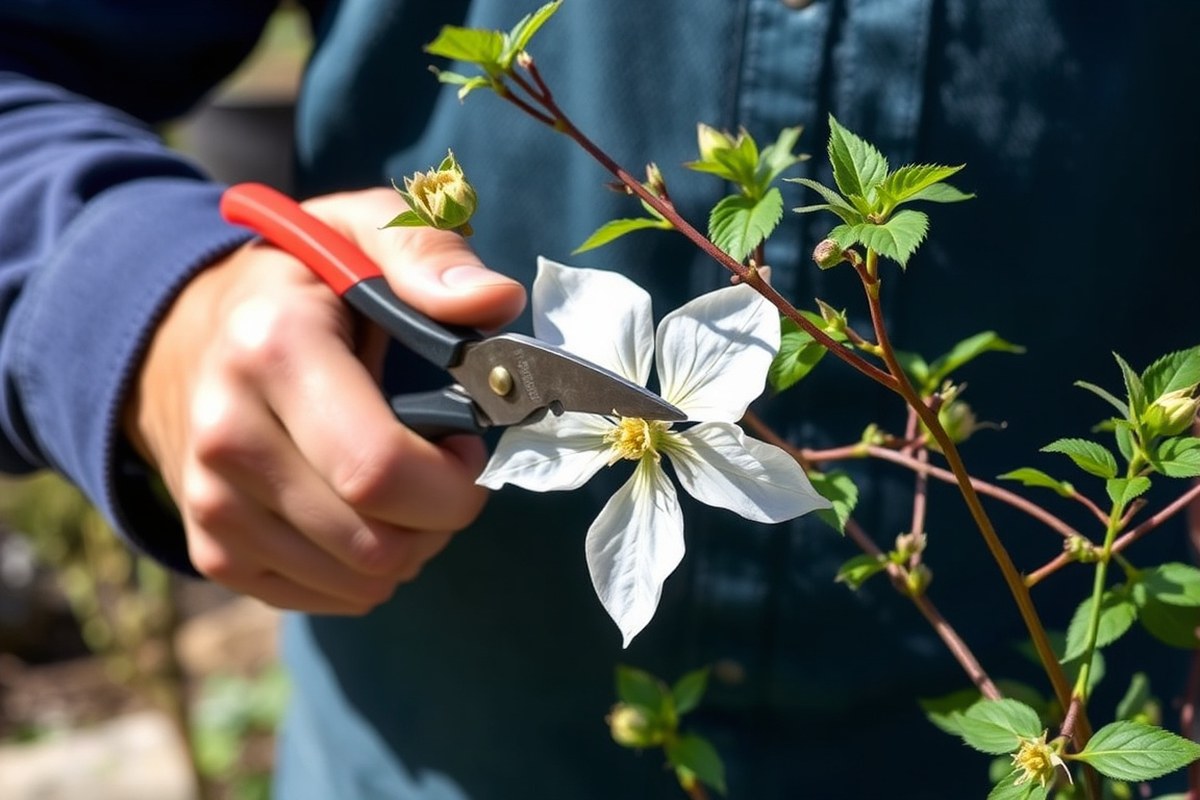
Make cuts at a 45° angle just above healthy buds to help your clematis heal well. Avoid piling too much mulch. A 2-4 inch layer around the base protects roots without suffocating them.
Key Takeaways
- Only Group 3 clematis need hard cutting back in late winter or early spring.
- Cut Group 3 stems to 12-18 inches from the ground for strong new growth.
- Group 1 clematis require minimal pruning, usually right after spring blooms fade.
- Make cuts at a 45° angle just above healthy buds for better healing.
- Light pruning may be needed for Group 2 clematis in late winter.
- Apply 2 to 4 inches of mulch around clematis roots to protect them in winter.
Do You Need to Cut Back Clematis for Winter?
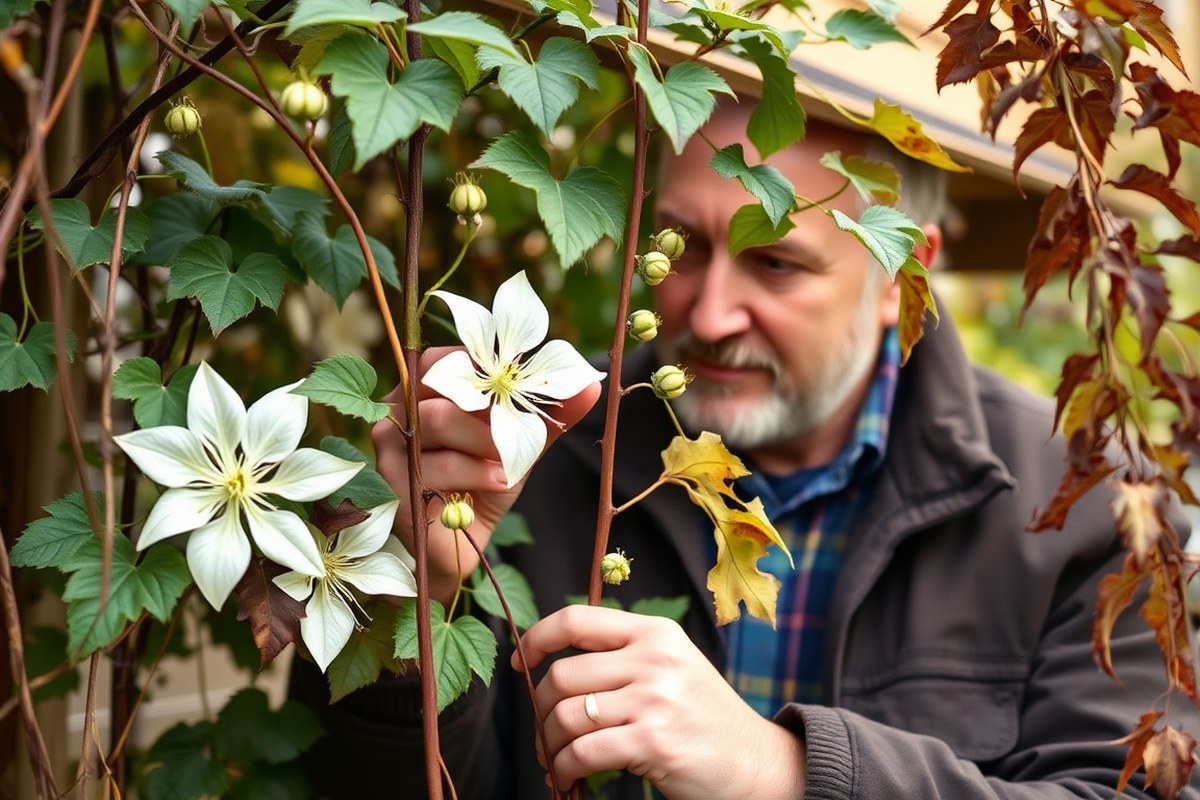
Not all clematis need cutting back before winter. Only Group 3 clematis require a hard cut back. But this should happen in late winter or early spring, not before winter arrives.
These plants bloom on new growth. Cutting them down to 12 to 18 inches helps.
This prepares them to send up fresh shoots. Wait until the weather warms to prune.
Group 2 clematis might have light pruning in late winter. Remove weak stems then. Also cut dead stems to help growth.
This is gentle trimming, not a full cut back. It keeps the plant tidy and encourages healthy growth for spring and summer flowers.
You don’t have to prune Group 1 clematis before winter. These bloom on old wood. So pruning is best done right after flowering in early spring.
Leaving them alone over winter helps the buds survive cold weather. This approach avoids cutting away flower buds and losing blooms.
Some garden plants like sedums need trimming before frost. Black-eyed Susans do too. This stops winter damage.
Clematis differs since it copes well with cold without early pruning. Cutting back too soon can harm buds or reduce next season’s flowers.
Pruning clematis before winter helps avoid tangled stems. It keeps old and new stems separate by spring. This makes growth easier.
This careful schedule helps prevent disease and keeps your clematis producing loads of flowers. The timing depends on your local last frost date. But aim for late winter or very early spring for the best results.
How to Identify Your Clematis Pruning Group
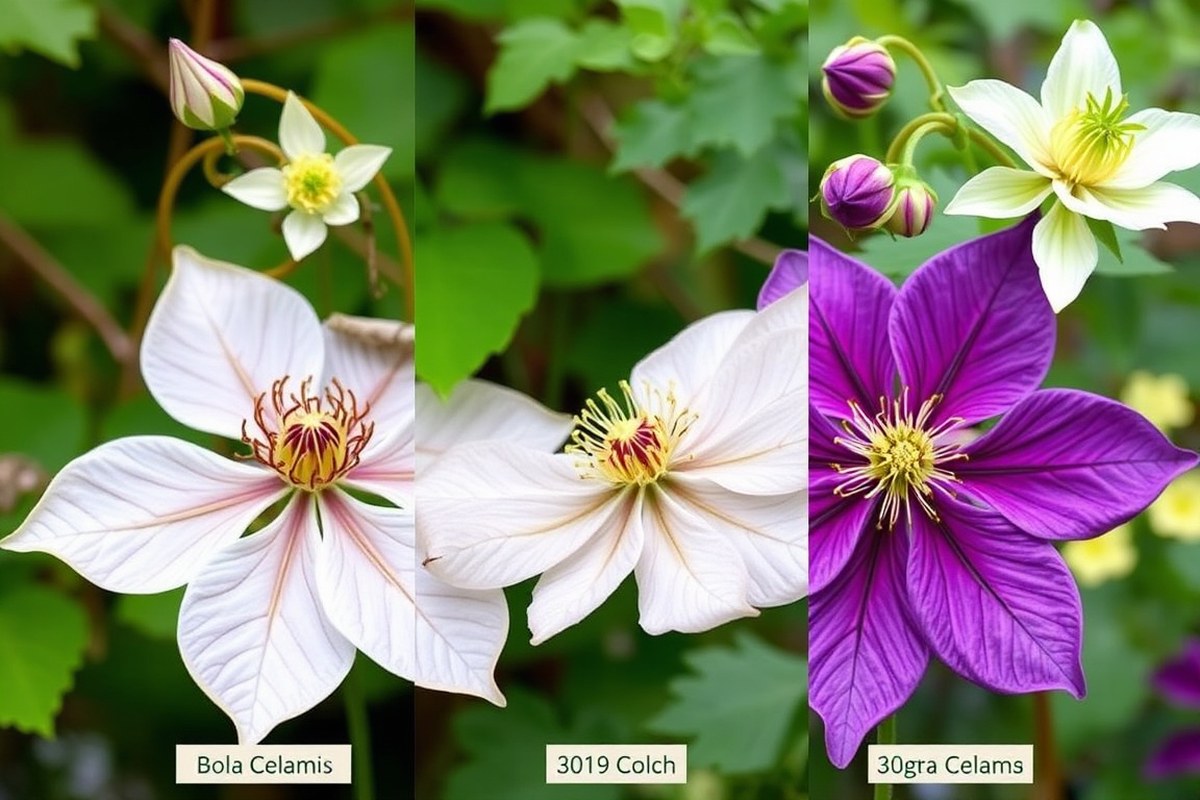
Knowing your clematis pruning group shows when and how much to trim. Each group blooms at different times, so cutting at the wrong time reduces flowers. You can tell your group by the bloom time or variety you grow.
Group 1 blooms early, on last year’s wood. These are the clematis that flower in spring. They need very light pruning right after they finish blooming.
Group 2 plants bloom twice, once in late spring and again on new shoots in summer. Group 3 blooms only on new wood, mostly in mid to late summer. This group needs heavier pruning in late winter.
Here’s a simple table to help spot your clematis group and plan pruning:
| Pruning Group | Bloom Time | Pruning Timing | Pruning Intensity |
|---|---|---|---|
| Group 1 | Early spring (old wood) | Right after spring bloom fades | Minimal, mostly trimming dead growth |
| Group 2 | Late spring and summer (old and new wood) | Light prune after first bloom, heavier in late winter | Moderate, cutting back some stems |
| Group 3 | Summer (new wood only) | Late winter, before growth starts | Aggressive, cut stems about 12 inches from ground |
Most clematis varieties belong clearly to one group, but some hybrids can be trickier. When unsure, watch your plant’s bloom time carefully.
The timing you see flowers tells you your group. For example, those that bloom early spring belong to Group 1.
Pruning type truly depends on that group. Group 3 clematis handles hard cuts and still blooms strong on new growth. Group 1 hates heavy cuts and may lose flowers for a whole year if pruned badly.
On Group 3 clematis, cut only about a foot from the ground. Doing this helps avoid killing the plant. Keep your cuts short and careful.
When Is the Best Time to Cut Back Clematis?
The best time to cut back clematis depends on the pruning group and your local climate. Early spring often works, but details vary by species and growing conditions. Watch for plant signals and seasonal cues to get the timing right.
Timing for Group 1 Clematis
Group 1 blooms on old wood, so pruning happens right after flowering. You should prune it in late spring or early summer, about a month after it blooms. This timing stops you from cutting off next year’s flower buds.
Look for finished flowers and healthy stems before you prune. Prune too early, and you could lose this season’s flowers. Removing dead or weak stems also helps keep the vine healthy.
When to Trim Group 2 Clematis
Prune Group 2 clematis in late winter or early spring, around February or March. This group blooms on old and new growth, so light pruning encourages new flowers. Cut back weak stems to about 12 to 18 inches tall.
Your area has late frost risk? Wait until buds start swelling before pruning.
Swollen buds indicate the plant is ready for new growth. Avoid pruning too early in cold climates to protect fragile shoots.
Pruning Schedule for Group 3 Clematis
Group 3 clematis blooms only on new wood. So it needs a hard pruning in early spring.
Cut back all stems to 6 to 12 inches from the ground, usually by March. This promotes strong, tall new growth and large flowers in summer.
Watch for swollen leaf buds before you prune. Buds still small or brown?
Wait a week, then check again. Pruning too early can expose the plant to frost damage in some climates.
Reading Plant Signals for Pruning
Check stems for signs of life before cutting. Healthy stems have green under the bark; dead ones look brown and dry. Snapping a stem shows if it’s alive.
Green stems bend and break. Dead ones snap clean.
Look for swelling buds near the base and along stems. Buds that are plump or softened mean the plant is about to grow. Avoid pruning when buds are still small and dry to prevent stress.
Considering Your Local Climate
Cooler regions might delay pruning to avoid frost damage on new growth. In warmer climates, pruning earlier helps the clematis grow stronger before summer blooms. Pay attention to the average last frost date and local weather trends.
Late winter pruning is best in moderate climates. Protecting new shoots with mulch can help in colder zones. Adjust pruning timing slightly each year based on how early spring arrives where you live.
How to Prune Clematis Correctly by Group
Pruning clematis varies by group, telling you how much to trim and when. Use clean, sharp bypass pruners on a dry, cloudy day in late winter or early spring. Follow the pruning rules for each group to keep buds and flowers healthy.
Pruning Group 1 Clematis After Flowering
Group 1 clematis bloom on last year’s wood, so prune after they finish flowering. Avoid cutting back hard in winter, or you risk losing next season’s flowers. A light trim helps tidy the plant and remove weak stems.
Remove dead or weak growth, then cut back flowering stems just above healthy buds. Clearing old stems keeps plants healthy and encourages fresh growth for the next season’s blooms.
Light Pruning Techniques for Group 2 Clematis
Group 2 clematis have two flowering periods and need careful pruning. Prune lightly in late winter to shape the plant and remove damaged wood. After the first bloom, trim the long new shoots to encourage a second flush of flowers.
Trim most stems back to 12 to 18 inches (30 to 45 cm) in early spring. This helps prepare the plant for new growth. Use clean tools to make smooth cuts.
After flowers fade, cut long stems to about 6 inches (15 cm) above last summer’s blooms. This encourages fresh shoots and more blossoms.
Be gentle to avoid damaging new buds. This keeps the plant tidy and ready for late-season blooms.
- Choose a dry, cloudy day during late winter or early spring to prune. This reduces stress on your clematis and limits disease risk. Avoid pruning on wet or sunny days.
- Use sharp bypass pruners to cleanly cut stems.
- Remove any dead or weak growth entirely.
- Trim remaining stems back to 12, 18 inches tall.
- Wait until after the first bloom.
- Cut back new growth to about 6 inches above the summer flowers.
Hard Cutting Back for Group 3 Clematis in Early Spring
Group 3 clematis flower on new wood and require heavy pruning in late winter or early spring. Cut back hard to promote strong fresh growth. This pruning keeps your plant healthy and blooming.
Cut stems back to about 6 to 12 inches (15 to 30 cm) above the ground. This strong prune encourages healthy new shoots and maximizes flowering.
Cutting too early in late fall can encourage weak growth. Wait for consistently warmer weather and prune once stems show no signs of frost damage. Clean cuts close to a pair of healthy buds work best.
Choosing and Using the Right Tools for Pruning Clematis
Use sharp, clean tools to prune clematis properly. This helps you make clean cuts that heal quickly. Choose tools suited to the size of clematis stems and keep them well maintained.
Essential Pruning Tools for Clematis
Gardening shears with sharp blades work best for most clematis pruning. Use bypass pruners rather than anvil types to avoid crushing stems. For thicker branches, loppers or pruning saws may be needed.
Choose tools with comfortable handles to reduce hand fatigue. Expect to spend around $15 to $40 for quality pruners. Keeping the blades sharp saves you effort and prevents plant damage.
How to Care for Your Pruning Tools
Clean tools before and after pruning to prevent disease spread. Wipe blades with rubbing alcohol or soapy water to remove sap and dirt. Dry them well to avoid rust.
Sharpen blades regularly using a sharpening stone or file. Store tools in a dry place, ideally with blade covers or in a toolbox. This helps keep them ready for your next job.
Pruning Techniques and Cutting Angles
Cutting clematis just above a healthy bud encourages strong new growth. Find a bud where the stem looks plump and green. Avoid cutting too close, which can damage the bud, or too far, which leaves weak growth.
Make cuts at a 45-degree angle, slanting away from the bud. This allows water to run off and reduces the risk of rot. Use smooth, clean cuts without crushing the stem to help the plant heal quickly.
Safety Tips for Pruning Clematis
Wear gloves to prevent scratches from tough stems or thorns. Use eye protection if you tackle thick branches or work under dense foliage. Keep your footing firm, especially on uneven or slippery ground.
Clean any cuts on your hands right away to avoid infection. Make sure your tools are in good shape.
Tighten handles or blades if loose. These small steps keep pruning safe and effective.
Cut at a slight angle just above a healthy bud. This helps promote strong regrowth. It also prevents damage to the plant.
How to Spot Healthy Buds for Cutting
Healthy buds look like small, rounded bumps on the stem and feel firm. They often appear green or reddish, not brown or shriveled. Select the buds that are spaced evenly along the stem for balanced growth.
Cut above buds that face outward from the plant’s center. This directs new growth away from crowded areas. Avoid cutting above any damaged or unhealthy buds to keep your clematis thriving.
Mulching and Winter Care After Pruning Clematis
After pruning clematis, adding a layer of organic mulch helps protect its roots. Apply about 2 to 4 inches of mulch around the base of your plant. This thickness is enough to keep the soil moist and regulate temperature through winter.
Use materials like shredded leaves, bark, or compost for your mulch. Avoid piling mulch against the clematis stems to prevent rot. Mulch acts like a blanket, slowing soil freezing and thawing that can damage roots.
Pruning doesn’t just tidy your vine; it also reduces disease risks during winter. Removing dead or weak stems cuts down places where pests hide. Less clutter means better airflow, which helps keep your plant healthy throughout cold months.
In colder areas, clematis needs extra care to survive the freeze. Keep it protected during harsh winter cold. This is especially true if the plant grows in a pot.
Move potted clematis indoors or to a sheltered spot before frost sets in. In-ground plants benefit most from mulch. But covering with burlap adds a shield against biting winds.
Setting mulch down right after pruning is key. Do this in late fall, before hard freezes arrive. Mulching before heavy winter rains can keep roots drier than soggy, frozen soil.
Watch out for too much mulch, which can trap moisture and cause root rot. Keep the mulch layer thin and airy enough to avoid suffocating the roots. Check in late winter to fluff or pull mulch back if it’s compacted.
Common Clematis Pruning Mistakes and How to Fix Them
Pruning clematis at the wrong time usually stops blooms from appearing. Cutting too early often removes flower buds that need the whole season to mature. Wait until after the flowering period or a plant’s dormant season to avoid losing blooms.
Cutting back too much is a common problem. Some gardeners get rid of all the stems, not knowing clematis needs old growth to flower. Try to leave some healthy stems on your clematis.
Only cut all stems if it blooms on new wood. This helps the plant grow well next season. Cutting too little can keep dead or weak stems, which crowd the plant and reduce flowering.
To prevent these mistakes, first identify your clematis pruning group. Use the group to guide how hard and when you cut. For example, Group 1 blooms on old wood.
So pruning should be light and done after flowers fade. Group 3 blooms on new growth. So you can prune more strongly in late winter or early spring.
Check plant health before pruning. Remove dead, damaged, or tangled stems to improve air circulation. Avoid cutting live healthy growth too early.
Use sharp tools to make clean cuts. Cut around 12 to 18 inches from the base. The exact height depends on your clematis type.
Watch your plant closely during the growing season. This is important if you prune too early or too hard. You may get fewer flowers this year but healthy regrowth usually follows.
Later, adjust pruning timing according to the results you see. This approach helps the plant recover and improves flowering over time.
Remember, your outdoor temperature and hardiness zone affect timing. Most clematis types can survive cold winters in colder U.S. Zones.
But prune after frost risk passes. This timing avoids cutting into stems damaged by cold, which slows regrowth and flowering.
Common slip-ups include removing flower buds when cutting too close to the base. Leave stems that look green and firm rather than brown and dry. Trimming at the wrong height can damage buds.
Watch your cuts so new growth can develop well. Label plants or keep notes on pruning dates to track what works for your clematis.
How Pruning Affects Clematis Growth and Flowering
Pruning clematis plays a big role in keeping the plant healthy and full of flowers. Cutting back old or weak stems removes clutter. It lets fresh growth get more light and air.
This helps the plant stay strong. It encourages new shoots for next season’s blooms.
For group 3 clematis, prune hard. Cut stems 6 to 12 inches above ground. This stimulates strong, fresh growth that brings late summer flowers.
Group 1 and 2 clematis need lighter pruning, removing only dead wood and weak stems. So you don’t disturb their earlier blooming wood.
Pruning also shapes your clematis, keeping it tidy and preventing it from choking nearby plants. You can cut back leggy or sprawling branches to encourage a fuller appearance. This care avoids wasted energy on weak growth and focuses the plant’s resources on flower production.
Be careful not to prune new green shoots too soon, as they carry next year’s flowers.
Removing old wood and weak stems avoids disease buildup and reduces spider mite or mildew chances. It lets you spot any insect damage sooner and keeps your clematis vigorous.
Good pruning shows in healthy, plentiful flowers. Branches look strong, not thin or weak.
Skipping pruning can leave your plant tangled and reduce blooming. Old dead wood blocks sunlight and pulls energy from new growth. So your flowers may become sparse.
Pruning takes time, about 15 to 30 minutes per plant. It improves shape and bloom.
Pruning controls clematis size and encourages flowers. It also helps catch dead wood early. You don’t need fancy tools, clean pruning shears and gloves work great.
Follow group-specific pruning rules for best results. Remove old and weak growth carefully.
Step-by-Step Action Plan for Cutting Back Clematis
Follow these clear steps to prune your clematis for healthy growth and blooms. Use the timing to get it right.
- Before Spring: Identify your clematis pruning group by checking bloom times and stem types.
- Early Spring: For Group 1, prune lightly after flowering; cut back dead stems only.
- Late Winter: Remove dead stems from Group 2 plants. Cut weak growth back to 12-18 inches tall.
- Late Winter: For Group 3, cut all stems back to about 6, 12 inches above ground.
- After Pruning: Apply mulch to protect roots through winter and improve soil moisture.
- Spring and Summer: Regularly check growth and trim any dead or weak stems to boost health.
- After Flowering (Group 1 and 2): Lightly prune spent flowers to encourage more blooms.
Frequently Asked Questions
Do You Cut Back All Clematis in the Same Way?
No, you prune clematis differently based on their group. Each group has unique pruning needs tied to their bloom cycle. This helps keep the plant healthy and flowering well.
Can You Prune Clematis During Summer?
Generally, summer pruning is not recommended for most types. It could remove flower buds and reduce blooms. Only light trimming of dead or weak stems might be okay.
How Does Pruning Influence Clematis Flowering Time?
Pruning affects when and how many flowers appear. Group 1 flowers on old wood, so pruning is minimal and after flowering. Groups 2 and 3 need pruning to encourage new flower growth.
Is It Okay to Leave Dead Clematis Stems over Winter?
Leaving dead stems can invite pests and diseases. It’s better to remove them during your pruning time. This keeps the plant cleaner and ready for fresh growth.
Should You Fertilize Clematis After Pruning?
Yes, feeding clematis after pruning supports new growth. Use a balanced, slow-release fertilizer or compost in early spring. This gives the plant needed nutrients for strong stems and blooms.
Does Pruning Damage Clematis If Done Incorrectly?
Pruning the plant wrong might remove buds or invite disease. Cut about 45° above a good bud for best results. Keep your tools sharp and clean to stop harm.
Key Points to Remember
Cutting back clematis depends on your plant’s pruning group. Correct pruning helps your clematis bloom better and stay healthy. Start by identifying its group today before the next growth season.