Do Calla Lilies Come Back Each Year? A Complete Guide for Gardeners
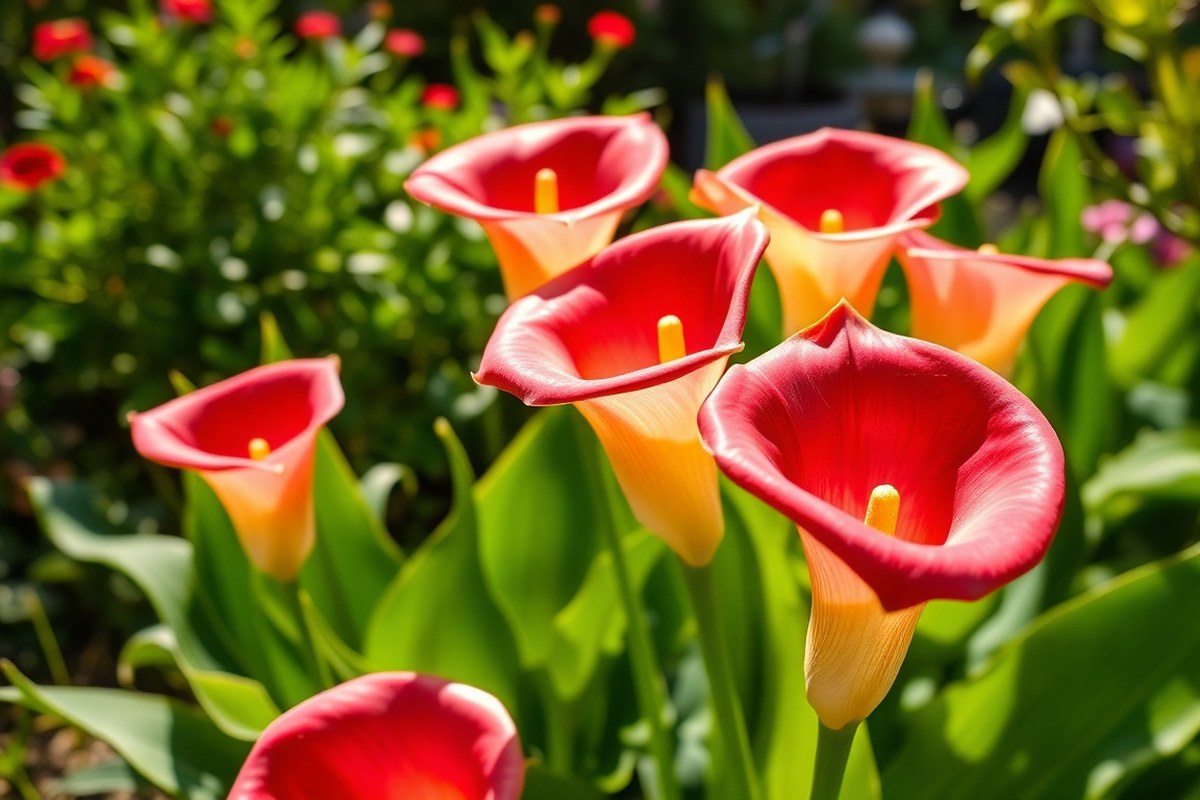
Calla lilies do come back each year in the right climates. They reliably return in USDA Zones 8 through 10, where winters are mild and rarely drop below 25°F. These conditions allow them to survive outdoors without extra care.
In colder areas, you’ll need to dig up the rhizomes before winter. Store them indoors to protect them from freezing temperatures. Calla lilies rest for 2 to 3 months annually, which helps improve their blooms the next season.
Only cut back the foliage once it turns brown and dry. Removing leaves too soon can damage the plant. Plant the rhizomes in spring after the frost passes, spacing them about 6 inches apart and planting 4 inches deep.
Key Takeaways
- Calla lilies return yearly in USDA Zones 8 to 10 without special winter care.
- Dig up and store calla rhizomes indoors in colder zones to protect them.
- Give calla lilies a dry rest period of 2 to 3 months annually for best blooms.
- Wait until leaves turn brown and papery before cutting back calla lily foliage.
- Plant calla lilies in spring after frost, when soil reaches at least 65°F.
- Space calla lilies about 6 inches apart to allow room for growth.
Do Calla Lilies Come Back Each Year?
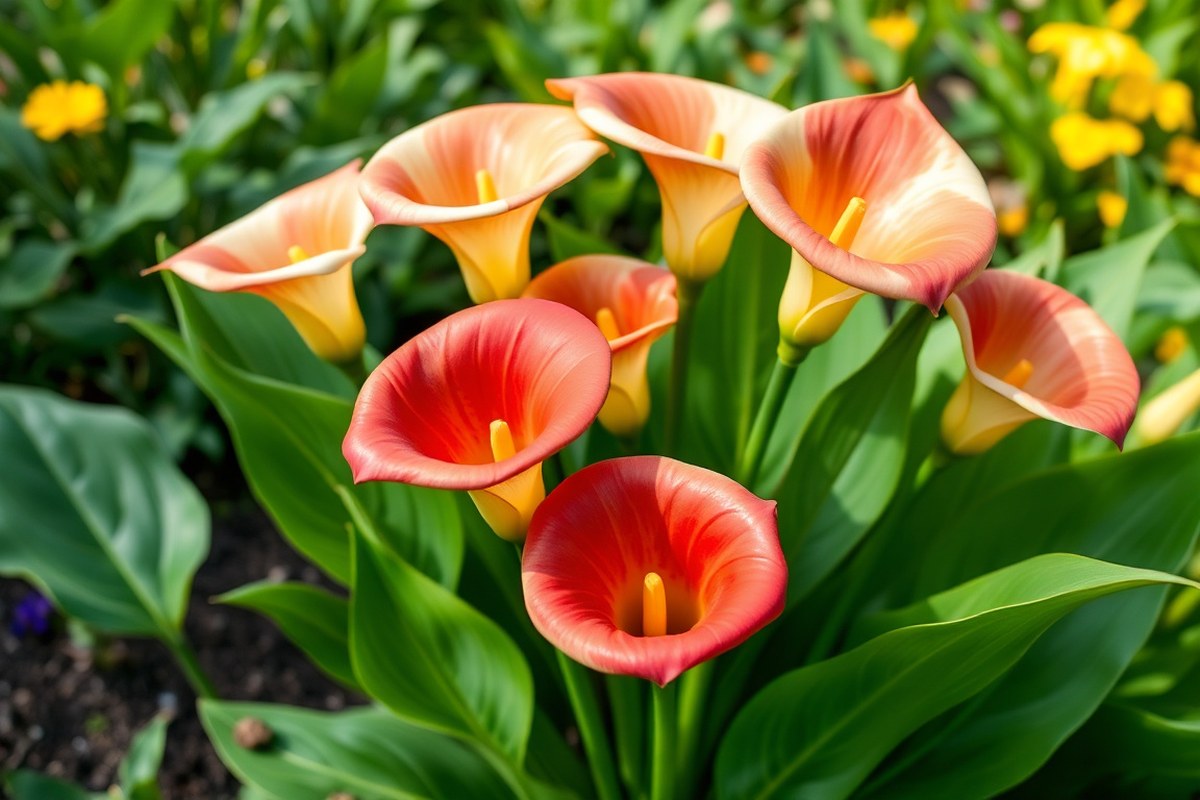
Calla lilies are perennial plants, meaning they usually come back every year. They reliably return without special care in USDA Zones 8 to 10. Winter temperatures stay above 25°F in these zones.
That’s why they survive well there. You can leave them in the ground in these zones.
They will re-emerge each growing season. No need to dig them up.
Outside Zones 8 to 10, calla lilies may not survive the winter soil freezes. In colder regions, you need to dig up the rhizomes in late fall before frost hits. Store them in a cool dry place around 50°F during dormancy.
Replant in spring to see new growth. It takes 6 to 8 weeks to grow.
In warm climates, calla lilies go dormant naturally and come back early summer with flowers. They often die back after flowering but keep their rootstock in the soil. Keep an eye on soil moisture during dormancy.
Too much water or freezing can cause the bulb to rot. But proper care means these lilies return to bloom year after year.
How USDA Zones Affect Calla Lily Survival and Regrowth
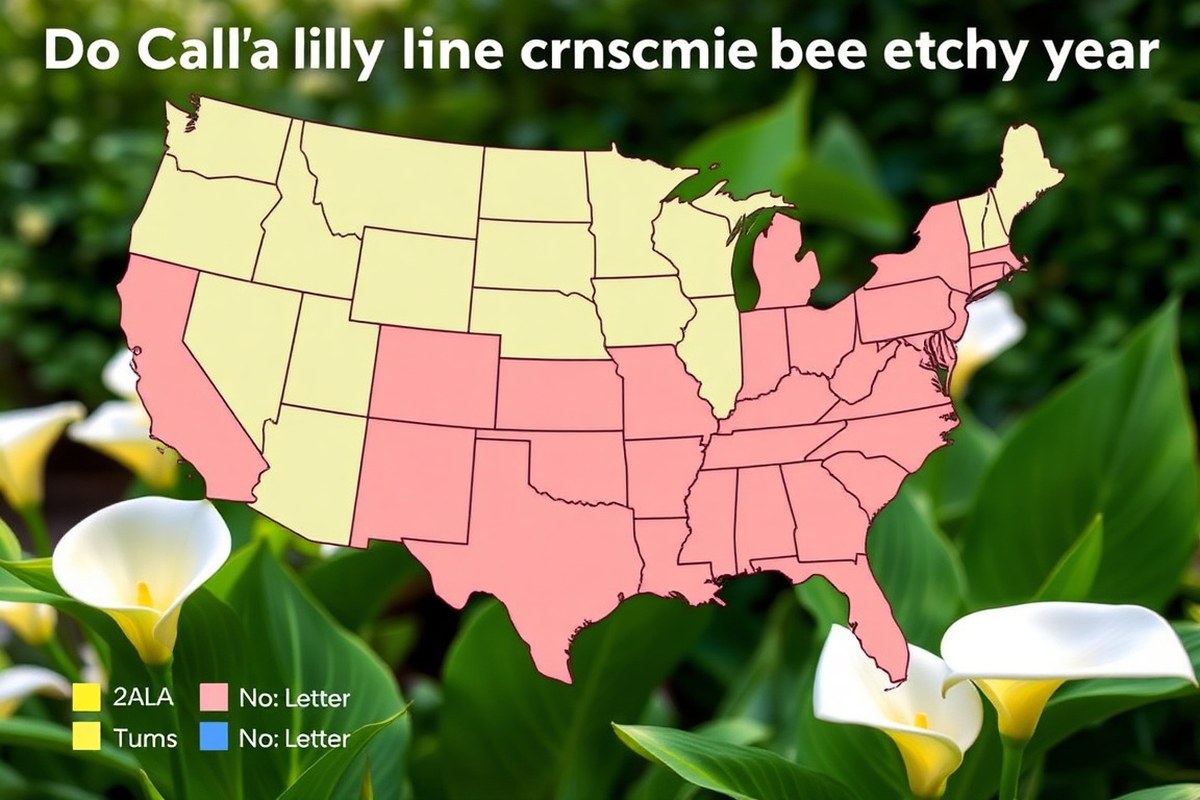
Calla lilies come back naturally in USDA zones 8 to 10 outdoors. They cannot survive freezing winters in zones below 8 without lifting rhizomes. Gardeners in cooler zones must dig up rhizomes before winter and store them indoors.
Zones 8 to 10: Perennial Outdoors
Calla lilies grow as perennials in zones 8 to 10 and survive winter outdoors. The soil rarely freezes hard enough to damage the rhizomes in these zones. You can leave rhizomes in the ground during winter.
Cut back the foliage after it turns yellow. New growth should appear in spring.
This zone range offers mild winters that help callas regrow without extra care. You only need to clear dead leaves and mulch well for extra protection. This makes gardening easier, saving time on lifting rhizomes.
Zones Below 8: Require Lifting and Indoor Storage
Climates in zones 7 and below freeze too deeply for calla lily rhizomes to survive outdoors. Gardeners must dig rhizomes up after frost blackens foliage. Use a garden fork to lift rhizomes carefully.
Lift about 6 inches away from the base. This helps avoid damaging them.
Once lifted, store rhizomes in a dry spot around 55°F (13°C). This indoor winter storage stops rhizomes from rotting or freezing. Plant them out again in mid-spring when soil warms above 60°F.
Protect rhizomes from moisture while stored to prevent mold or rot.
Temperature Thresholds for Rhizome Survival
Calla lily rhizomes die when exposed to temperatures below 20°F (-6ºC) for an extended time. This is why they cannot overwinter outdoors in cold zones. Zone 8 minimum temperatures usually stay above this dangerous frost level.
USDA zones reflect average annual extreme low temperatures and guide if rhizomes will survive. Zone 7 has average lows between 0 and 10°F. This cold can kill calla rhizomes outdoors.
Take precautions if you garden in Zone 7. Zones 3 to 7 generally treat callas as annuals, replanting new bulbs yearly.
| USDA Zone | Average Minimum Temperature (°F) | Winter Care for Calla Lilies |
|---|---|---|
| 8 to 10 | 10 to 40°F | Leave rhizomes in ground; mulch for winter |
| 7 | 0 to 10°F | Lift rhizomes and store indoors during winter |
| 3 to 6 | -40 to 0°F | Dig and store rhizomes indoors; treat as annuals |
Always check your local zone on the USDA map to plan overwinter care. Microclimates and soil drainage can affect survival. So extra mulch may help in borderline areas.
Winter Care Strategies for Different Climates
Calla lilies need different winter care based on where you live. In warm climates, mulching can protect rhizomes left in the ground. In colder zones, dig up the rhizomes, cure them, and store indoors at the right temperatures.
Mulching and Leaving Rhizomes In-Ground
In zones with mild winters, you can leave calla lilies in the ground. Make sure soil drains well to avoid rot, especially if rain is common. Cover the rhizomes with 3 to 4 inches of mulch.
This helps keep the temperature steady. It also stops the soil from freezing.
This mulch layer acts as insulation shielding roots from temperature swings. Use straw, pine needles, or shredded leaves. Remove the mulch early in spring to let the plants wake up and grow again.
Digging and Curing Rhizomes Properly
In colder zones, dig up rhizomes before the first hard freeze. Carefully lift the rhizomes, keeping the roots intact. Lay them in a dry, warm spot to cure for 2 to 3 days.
Curing helps the rhizomes dry out a bit preventing rot in storage. After curing, clean off excess soil and remove any damaged parts. Store rhizomes in dry peat moss or vermiculite to keep them from drying out or molding.
Here’s a step-by-step guide to dig and cure rhizomes:
- Wait until leaves die back or frost hits to stop growth.
- Use a shovel or fork to gently lift rhizomes from the soil.
- Brush off loose soil without washing them.
- Let rhizomes dry for 2 to 3 days in 65, 75°F in a shaded spot.
- Trim away damaged or soft areas to avoid rot.
- Pack rhizomes in dry peat moss or vermiculite for storage.
- Keep stored rhizomes in a well-ventilated, frost-free area around 50, 60°F.
Indoor Storage and Care Temperature Guidelines
Store dug rhizomes at 50 to 60°F with low humidity. This temperature range slows growth but prevents rot. Avoid damp or cold areas like basements that can get below 50°F.
For overwintering potted calla lilies, keep plants in bright, indirect light indoors. Water sparingly to keep soil lightly moist but never soggy. Calla lilies need an 8 to 12 week dormancy period.
The soil temperature should stay below 55°F during this time. This rest period resets their growth cycle.
Check stored rhizomes regularly. Remove any that show mold or soft spots. Providing the right dry, cool conditions keeps rhizomes healthy for replanting the following spring.
Calla Lily Dormancy: Its Role in Annual Regrowth
Calla lilies enter a dormant phase each year after roughly four months of growth. During this time, their leaves yellow and die back naturally, signaling the plant to slow down.
This rest period lasts about two to three months. It helps the bulbs prepare for strong blooming next season.
For healthy regrowth, you need to manage dormancy carefully by stopping water once the foliage dies. Cut leaves back to ground level.
Keep bulbs dry in soil or lift them out. Applying a thick mulch layer around outdoor plants helps protect the bulbs through dormancy.
Skipping or shortening dormancy reduces flowering the next year. Calla lilies rely on this dry rest to recharge energy in their bulbs. Without it, they won’t develop enough stored nutrients, leading to fewer or no blossoms.
For potted calla lilies, cut back dead leaves. Move pots indoors to a cool, dry spot. This mimics natural dormancy and prevents rot.
Wait until the foliage is fully yellow in garden beds. Then mulch the area. Hold off watering until new growth appears.
Dividing your bulbs during dormancy also helps keep plants healthy. Overcrowded bulbs can struggle to bloom.
Divide bulbs during their rest period for best results. Replant them or store in a dry place until spring.
Remember, dormancy isn’t about ignoring the plants but giving them the right break. The bulbs need to dry out but not freeze.
So temperatures around 50°F to 60°F work well indoors. Outdoor bulbs benefit from mulch that keeps temperatures steady and soil from becoming too wet.
Planting and Spacing Tips for Yearly Return
Plant calla lilies in spring after the last frost passes. They need soil temperatures above 60°F for good growth. Wait until the ground feels warm to touch before planting.
Place the rhizomes about 4 inches deep with the eyes facing upward. This depth protects them from cold and supports moisture retention. Cover them well but avoid packing the soil too tightly.
Space each rhizome 12 to 18 inches apart to avoid crowding. Crowded bulbs produce fewer flowers and weaker growth. Leaving enough room also helps air circulate and reduces disease risks.
- Plant in soil with good drainage and rich organic matter
- Set rhizomes 4 inches deep, eyes pointed upward
- Space rhizomes 12 to 18 inches apart for healthy growth
- Plant after last frost when soil temperature is 60°F or higher
- Expect sprouting 2 to 3 weeks after planting
- Water regularly but don’t overwater, soil should be moist, not soggy
- Mulch to keep soil temperature steady and reduce weeds
Calla lilies usually sprout within 2 to 3 weeks after planting. Flowering comes later, often in late summer. Check temperature and moisture if you notice slow growth in your plants.
Don’t plant calla lilies too shallow or they risk drying out and rotting.
Replant divided rhizomes every few years to prevent crowding and maintain strong blooms. You should dig up and separate the bulbs when flowers are fewer or growth is stunted. Keeping them spaced well ensures they come back healthier each year.
Common Reasons Calla Lilies Fail to Come Back
Calla lilies often fail to come back if their bulbs suffer damage over winter. Bulbs exposed to freezing temperatures below 25°F will likely die or weaken. In colder areas, bulbs left in the ground without protection do not survive well.
Too much water can also stop calla lilies from reblooming. Overwatering causes bulbs to rot, especially in heavy soil that stays wet for long periods. Excess nitrogen in fertilizers leads to lush leaves but weak flowers and poor bulb development.
Other common issues come from old, crowded bulbs. Mature calla lilies should be divided every 3 to 4 years before growth slows.
Crowded bulbs produce fewer flowers and weaker plants. Cutting back the foliage too early or too late also affects next year’s bloom.
- Stop watering when leaves start to yellow and die back
- Use balanced fertilizer with low nitrogen after budding ends
- Divide overcrowded clumps every few years in spring or fall
- Bring container plants indoors during winter to avoid freeze damage
- Cut back leaves only after they turn brown and papery
- Mulch outdoor bulbs with straw or leaves when frost hits
- Plant bulbs 4 to 6 inches deep in well-draining soil
Freezing freezes the water inside bulbs, forming ice crystals that tear cells. Bulbs in pots need to be moved indoors in cold zones.
Keep them in a cool, dry place until spring returns. Outdoor bulbs should get a 3-4 inch mulch layer when frost is expected.
Wait 3 to 4 weeks after leaves turn yellow. This helps bulbs gather enough energy. This energy supports growth for next year.
Cutting foliage too soon wastes stored energy and stops the bulbs from building strength. These care steps stop common mistakes.
They keep calla lilies growing every year. Follow them to enjoy your plants longer.
Dividing and Multiplying Calla Lilies for Long-Term Gardens
Dividing calla lilies keeps them healthy and encourages more blooms. You should divide mature clumps every few years to avoid overcrowding. Proper division helps maintain plant vigor and improves flower quality.
Signs It’s Time to Divide
Watch for crowded growth or fewer blooms. If your calla lilies look scruffy or don’t flower well, they may need dividing. Notice if the clump spreads beyond 12 inches wide or if stems grow weak.
Another sign is when new shoots shrink in size. This shows the rhizomes compete for nutrients and space. Dividing will restore the clump’s strength and boost its bloom.
Best Time of Year for Division
The best time to divide calla lilies is after they finish blooming. This usually happens in late summer or early fall. The plants go dormant soon after, making it easier to handle the rhizomes.
Wait until the foliage yellows and dies back naturally. Dividing too early might stress the plant or stunt growth. Doing it in dormancy lets new roots form before spring.
Step-by-Step Division and Replanting
Use these steps to divide calla lilies safely and set them up for strong regrowth. Prepare your tools and soil before digging up the clump. You’ll need clean gardening gloves and a sharp knife or spade.
- Dig around the base of the plant to lift the entire clump.
- Gently shake off excess soil to expose the rhizomes.
- Use a sharp knife to cut the clump into sections, each with roots and shoots.
- Trim off any damaged or soft parts from the rhizomes.
- Let the divided pieces dry in a shaded spot for a day to reduce rot risk.
- Plant each division 3 to 4 inches deep in well-draining soil.
- Space divisions 12 inches apart to allow room for growth.
- Water thoroughly but don’t let the soil stay soggy.
Keep the replanted lilies moist during their first two weeks to help root establishment. Dividing rejuvenates the clump and usually doubles your plants over time. Avoid dividing every year since doing it every 3 to 4 years works best.
Growing Calla Lilies in Containers for Yearly Comebacks
Calla lilies can come back yearly in pots if you care for them properly. Containers need good drainage and a quality potting mix, not garden soil. Space each tuber 4 to 6 inches apart in the pot.
This gives them room to grow. Avoid crowding the tubers.
Watering differs from garden plants because containers dry out faster. Keep the soil moist but not soggy during the growing season. When blooming ends and leaves die back, cut watering slowly.
This helps the plant enter dormancy. Don’t stop watering all at once.
After the leaves die, stop watering the plant. Let it rest indoors in a cool, dark place. This pause helps the plant recover.
Around mid-fall, bring pots inside if you live where cold freezes occur. You can leave the dormant rhizomes in the pot, which saves effort and risk.
Resume watering in the early spring as new growth appears, usually around March. Calla lilies in containers do best on their own. Place them where there’s bright light but no harsh midday sun.
Avoid direct afternoon rays. Avoid overwatering when you restart care, which can rot the rhizomes.
The pot size matters too; choose containers at least 8 to 12 inches wide. This size supports root health and reduces soil drying speed. Fertilize lightly once growth restarts to boost yearly bloom quality.
Stop watering your potted calla lilies in fall to let them enter dormancy. This step is key to yearly regrowth indoors.
Step-by-Step Action Plan for Yearly Calla Lily Comebacks
Follow these simple steps to help your calla lilies return each year. You’ll see signs of new growth as proof your efforts work.
- Early Spring: Check the soil temperature; it should be 60°F or above before planting. Healthy shoots that appear within two weeks show success.
- Just After Planting: Plant bulbs 4 inches deep and space them 12 inches apart. Bulbs placed too shallow may fail to sprout.
- Mid-Summer: Water deeply once a week. Wilted or yellow leaves can mean under or overwatering, so adjust as needed.
- Late Summer: Stop watering gradually to signal the plant to enter dormancy. Look for foliage to turn yellow and dry out.
- Fall: In colder zones, dig up bulbs before the first frost. Clean each bulb well. Store them in a cool, dry place. Firm and plump bulbs indicate good storage.
- Winter: Check stored bulbs regularly for softness or mold, discarding any that show signs of rot.
- Early Spring (next year): Replant bulbs outdoors or refresh container soil to restart the cycle. New green shoots confirm success.
Frequently Asked Questions
Do Calla Lilies Come Back Each Year?
Yes, calla lilies are perennials and usually come back each year with the right care. They go dormant in winter and regrow in spring or when conditions improve.
Can I Grow Calla Lilies Outdoors Year-Round?
Only in USDA Zones 8 to 10, where winter temperatures stay above 25°F. Colder zones need extra protection or indoor storage.
How Long Do Calla Lily Flowers Typically Last?
Calla lily blooms last between 6 to 12 weeks. Duration depends on the variety and how well you care for them.
Should Calla Lilies Be Cut Back After Flowering?
Yes, cutting back helps the plant focus energy on its roots. Remove faded blooms and yellow leaves to promote healthy growth.
Can I Leave Calla Lily Bulbs in the Ground During Winter?
In warm climates (Zones 8, 10), yes. In colder areas, lifting and storing the bulbs prevents frost damage.
Do Container-Grown Calla Lilies Behave Differently Than Those in the Ground?
Potted calla lilies can stay active year-round with good care. They may go dormant if conditions get cooler but usually recover.
Final Thoughts
Calla lilies can come back each year with the right care and winter protection. Start by checking your local zone and adjusting care based on that. Taking action now will set you up for thriving calla lilies next season.