What Size Is a Standard Water Hose? Detailed Guide for Perfect Selection
What size is a standard water hose? For most garden hoses, the typical diameter is 5/8 inch inside.
This size works best for everyday lawn care and watering plants. It balances water flow and pressure for most household needs.
The hose fitting size is usually 3/4-inch GHT, which stands for garden hose thread. This is the standard thread for connecting hoses to faucets and accessories. You can find most garden hose fittings sized at 3/4-11.5 NH or 5/8-11.5 NH.
Length matters too. Many garden hoses come in lengths between 50 and 100 feet. Add 10 to 20 feet to your tape measure length.
This gives you extra room to work with. You avoid stretching your hose too tight.
Key Takeaways
- The most common garden hose diameter is 5/8 inch inside for everyday use.
- 3/4-inch GHT is the standard thread size for garden hose fittings.
- Choose hose lengths between 50 and 100 feet for most yard tasks.
- Add 10 to 20 extra feet to your hose measurement for flexibility.
- 1/2-inch hoses are light-duty and best for small watering jobs.
- 3/4-inch hoses handle more water flow, useful for large yards.
What Is the Standard Size of a Garden Hose?
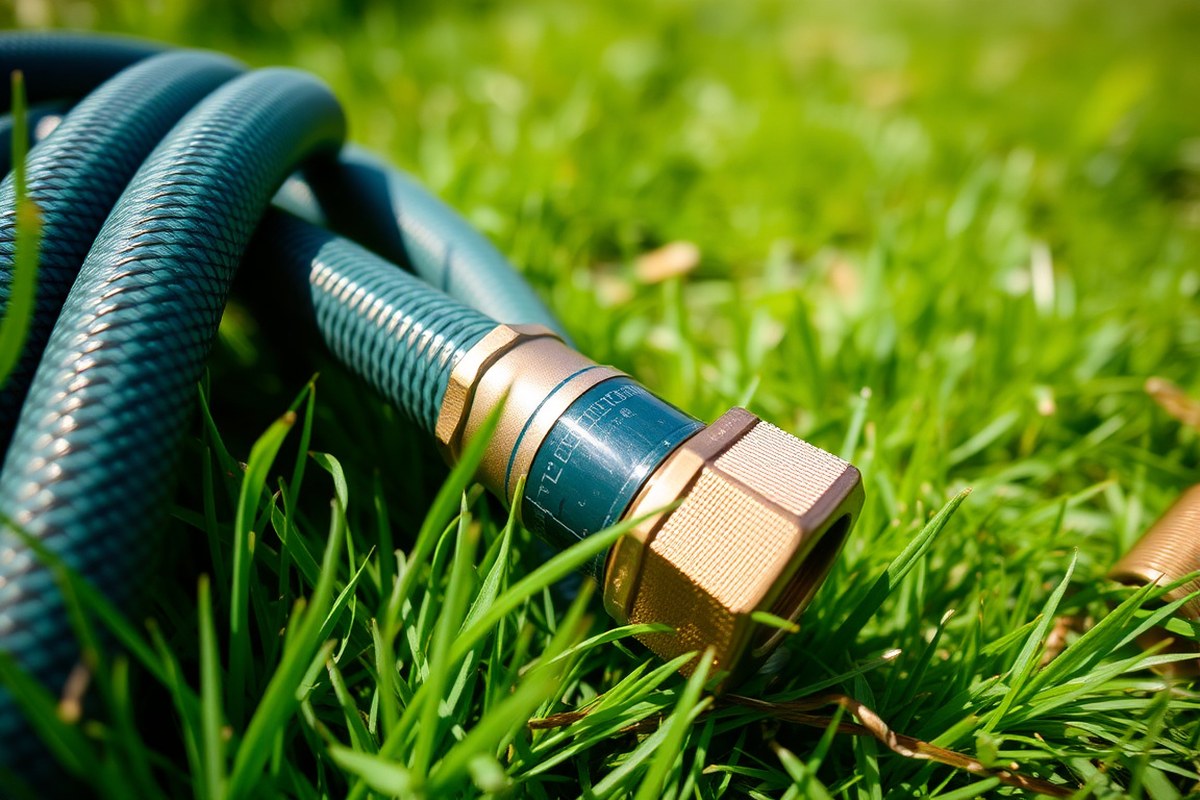
The standard size of a garden hose usually refers to its inner diameter and fitting size. Most garden hoses have a 5/8-inch diameter.
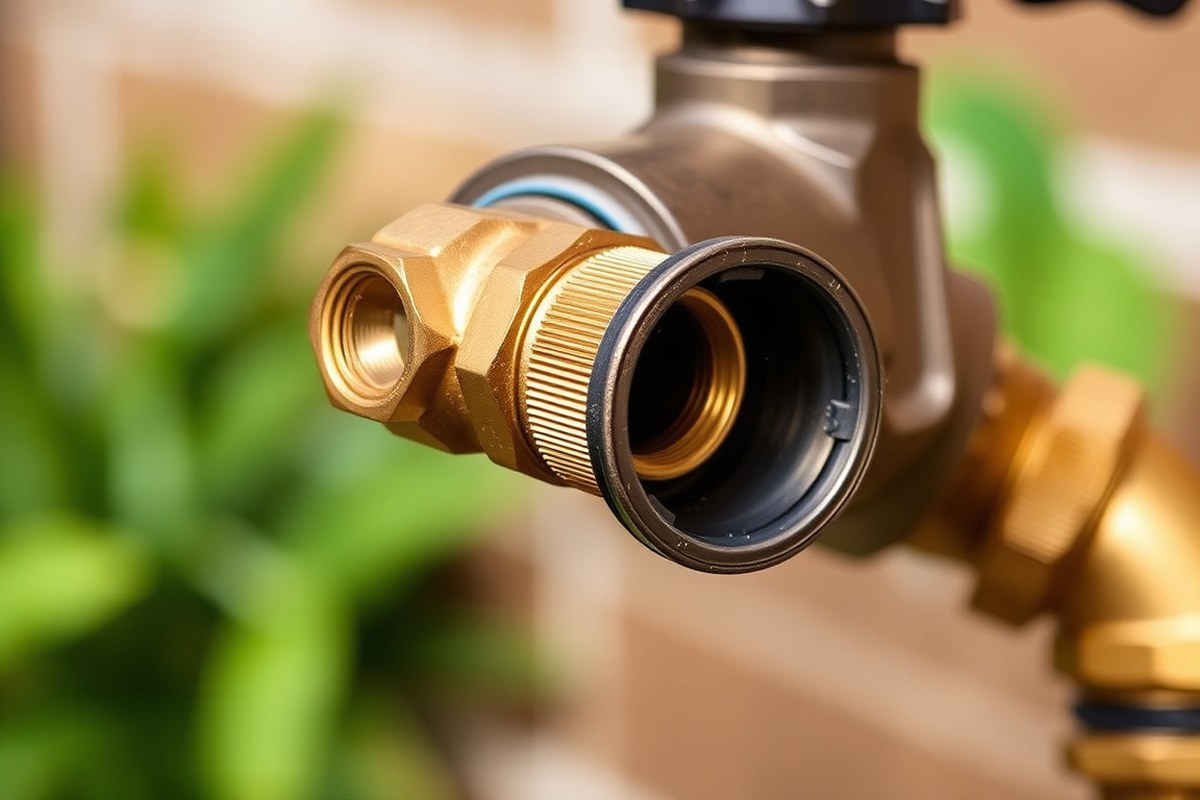
Their fittings match the Garden Hose Thread (GHT) standard. The typical fitting size for hoses and spigots is 3/4-inch GHT.
Common Hose Diameters
Garden hoses usually have one of three inner diameters: 1/2 inch, 5/8 inch, or 3/4 inch. The 5/8-inch size fits most home uses. Heavy-duty hoses often use the 3/4-inch size for better water flow and pressure.
Each diameter fits different watering needs. A 1/2-inch hose works well for drip irrigation or small garden areas. Larger diameters like 3/4 inch help maintain strong water pressure over long distances or for sprinklers.
Standard Hose Thread Sizes (GHT)
Garden hoses and outdoor faucets in the U.S. Use the Garden Hose Thread (GHT) standard. This thread size is 3/4-inch with 11.5 threads per inch, known as 3/4″-11.5 NH thread. Both hose fittings and spigots match this size for compatibility.
It’s important to use fittings with the GHT standard to avoid leaks or connection problems. Pipe threads like NPT differ and require adapters to connect to garden hoses.
Most garden hose fittings have male or female 3/4″ GHT ends. These fit taps and nozzles.
Typical Washer Sizes
Washers inside hose fittings provide a watertight seal where the hose connects. The washer size normally matches the hose diameter. For example, a 5/8-inch hose uses a 5/8-inch washer for the best seal.
Using the correct washer size prevents drips and keeps water pressure steady. Always replace worn washers with the matching size to maintain a good seal. This is an easy fix when you notice leaks at hose connections.
Below is a comparison of common hose diameters and their fitting details:
| Diameter Size | Fitting Size | Washer Size |
|---|---|---|
| 1/2 inch | 12.5 mm (approx. 1/2″) | 1/2 inch |
| 5/8 inch | 15 mm (approx. 5/8″) | 5/8 inch |
| 3/4 inch | 19 mm (approx. 3/4″) | 3/4 inch |
Pick the right diameter and fitting size for your hose. This helps it connect well to faucets and watering tools.
Double-check your hose’s inner diameter and the fitting type before buying new accessories. Buying parts that don’t match can cause leaks or connection issues, wasting water and time.
How Hose Diameter Affects Water Flow and Pressure
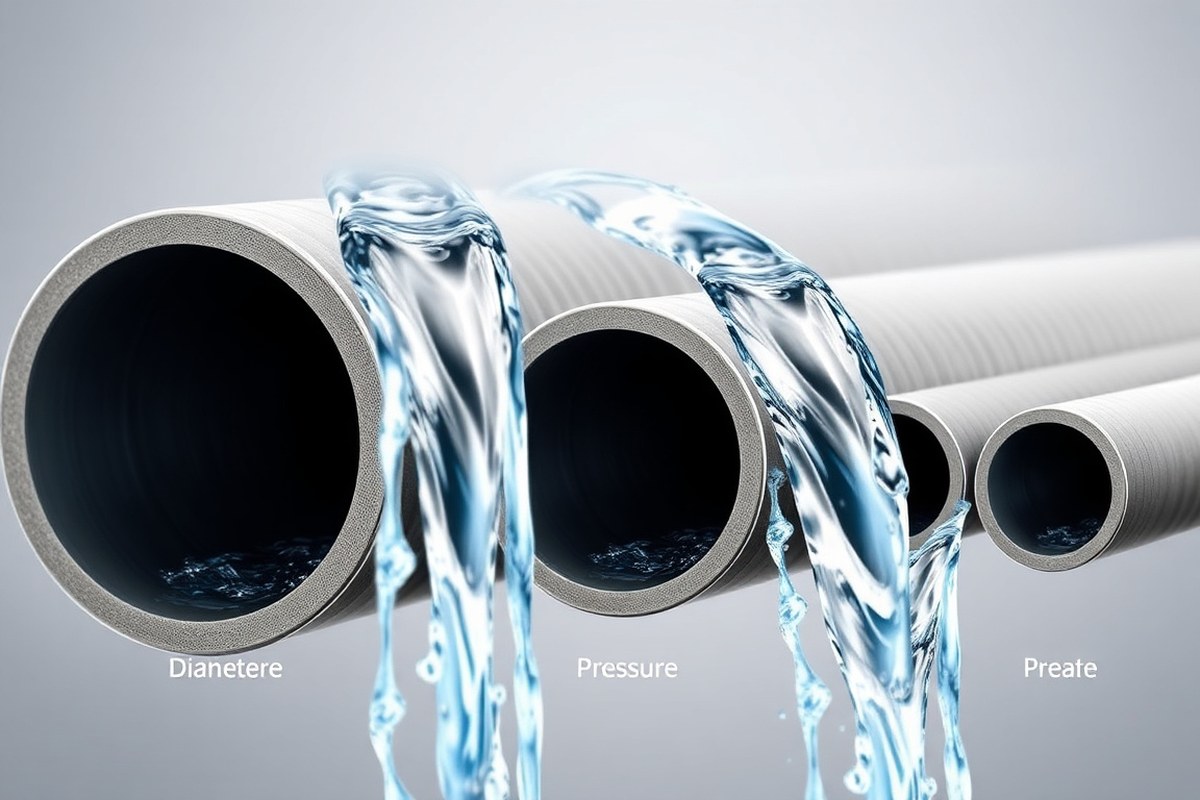
The inner diameter of a garden hose controls how much water flows through it. A wider hose lets more water pass with less resistance. For instance, a 1/2-inch hose can deliver about 9 gallons per minute (GPM).
A 5/8-inch hose moves roughly 15 GPM. A 3/4-inch hose can handle up to 23 GPM.
As water flows through a hose, friction inside the tubing reduces pressure. Narrow hoses show more pressure loss, especially when long. At 10 GPM, a 1/2-inch hose loses 15 PSI every 100 feet.
A 5/8-inch hose loses about 4 PSI. A larger hose loses even less pressure.5 PSI for a 3/4-inch one. This means bigger diameter hoses keep pressure higher over distance.
A larger diameter hose usually improves flow and helps maintain water pressure. But only up to your source’s supply limit. Your tap or pump must provide enough water.
A wider hose won’t increase pressure otherwise. Using too narrow a hose slows water flow.
It causes more pressure loss. This makes watering lawns or running sprinklers harder.
You have a 75-foot garden hose. A 5/8-inch diameter is typical and works fine for medium lawns. A 1/2-inch hose on this length may lower water pressure.
This slows down your watering time noticeably. For 100-foot hoses, choose 3/4-inch diameter sizes.
This reduces pressure loss and keeps water flow strong. It helps with sprinklers or pressure washers.
Pick hose diameter by your water source’s flow and hose length. This stops weak water pressure problems.
You water few small pots or beds close by. A 1/2-inch hose saves money and is easier to use. But for larger yards, washing cars, or filling pools, pick 5/8-inch or 3/4-inch hoses.
Bigger hoses have higher flow rates. They lose less pressure. This finishes your jobs faster with less strain.
Remember, hose diameter is one part of the water pressure puzzle. Hose length also impacts pressure loss. So the longer your hose, the wider the diameter you’ll want.
Balancing flow and hose size saves water and energy. You avoid forcing water through a tiny hose that can’t keep up.
Typical Garden Hose Lengths and Their Uses
Most garden hoses come in lengths between 25 and 100 feet. The standard length you see in stores often falls in the 50- to 100-foot range.
Longer hoses can make it easier to water larger yards. But they reduce water pressure the farther the water travels.
Water pressure loss happens because friction inside the hose builds with length. Buying a hose longer than you need can make your spray weak or uneven.
Measure from your outdoor faucet to the farthest watering spot. Use this measurement to decide the hose length you need.
- Small patios or flower beds need a 25- to 50-foot hose.
- Medium-sized yards typically require 50- to 75-foot hoses.
- Larger lawns often use 75- to 100-foot hoses or multiple hoses joined.
- For pressure washers or spraying, keep hoses shorter to avoid pressure drop.
- Consider hose diameter with length, a wider hose keeps pressure better over longer distances.
- Avoid buying excessively long hoses just in case; coil and store unused parts.
Use a shorter hose if you want strong water flow for cleaning or spraying. A longer, thinner hose suits light watering but can slow flow. For big yards, multiple shorter hoses can connect as needed to balance flexibility and pressure.
How to Measure Hose Size Accurately at Home
To measure your garden hose size accurately, focus on the inner diameter. This size matters because fittings and nozzles match the hose’s internal space, not its outer material. You’ll also want to check the threads on your hose fittings to ensure a proper replacement.
Measuring Inner Diameter
The inner diameter (ID) refers to the empty space inside the hose where water flows. Measuring this diameter helps you get the right hose size for fittings and water flow. Use a ruler or caliper to measure inside the hose opening.
Do not include the hose walls when measuring. Measure from edge to edge inside the hose.
Hold your hose end steady and flat. Put the ruler across the inside opening.
Common hose sizes are 1/2, 5/8, and 3/4 inch. Most homeowners use 5/8 inch hoses.
Measuring Hose Fittings and Thread Count
Fittings usually have standard thread sizes that fit the garden spigot or nozzle. Count the threads on the hose to find threads per inch (TPI). Count how many threads appear in one inch of the hose.
This tells you the thread pattern density. This tells you if you need a coarse or fine thread. But most garden hoses use the same TPI for easy replacement.
To measure threads, you’ll need a thread pitch gauge or a ruler. Place the hose thread side flat to count threads. Count how many threads fit in one inch.
This number shows the thread pitch of the hose. Most outdoor hose fittings have a 3/4-inch diameter and 11.5 TPI, known as GHT (Garden Hose Thread).
Identifying Washer and Gasket Sizes
Washers or gaskets inside hose fittings prevent leaks by sealing the connection. The common washer size inside garden hoses is 5/8 inch, matching the standard hose diameter. You may have to remove old washers carefully and measure them flat across the widest point.
Use a ruler or caliper to measure the washer’s outer diameter. Make sure to replace worn washers with the same size to avoid dripping. Buying a set with common hose sizes can save time.
Choose a pack if you’re unsure about your size. It prevents needing to buy parts twice.
- Cut a short section off your hose or use the open end for measurement.
- Place a ruler or caliper inside the hose opening to measure inner diameter.
- Record the number in inches or fractions, ignoring the hose wall thickness.
- Inspect the metal or plastic fitting threads on your hose ends.
- Use a thread pitch gauge or ruler to count threads per inch (TPI).
- Note the fitting diameter and TPI; most garden hoses use 3/4-inch GHT.
- Remove washers from fittings if possible, and measure their outer diameter.
- Buy replacements that match the inner diameter and washer size for a tight fit.
Garden Hose Materials and Their Impact on Size and Weight
Garden hoses come in several materials that affect size, weight, flexibility, and durability. Common types include rubber, vinyl, and polyurethane. These materials shape how well your hose performs and how easy it is to handle.
| Material | Durability | Kink Resistance | Weight |
|---|---|---|---|
| Vinyl | Low | Low | Very Light |
| Rubber | High | High | Heavy |
| Polyurethane | High | Medium | Light |
| Expandable | Medium | High | Featherweight |
This chart helps compare your choices by key factors. Weight affects how easy it is to move the hose.
Durability shows how long it will last outdoors. Kink resistance matters when you want steady water flow.
Rubber Hoses
Rubber hoses are tough and last a long time. They resist kinks very well and work well in cold weather. These hoses tend to be heavier and harder to carry around.
They handle rough use and frequent bending without damage. Rubber hoses often cost more but require less frequent replacement. Use heavy-duty rubber hoses for high-volume watering or prolonged use.
Vinyl Hoses
Vinyl hoses are the lightest and cheapest option. You can easily drag them around the yard without strain. The downside is they don’t last as long and kink easily.
They may break down faster under hot sun. Heat can cause them to leak chemicals into the water.
Vinyl hoses work best for light gardening or short-term tasks. Avoid using vinyl hoses for heavy watering or high temperatures.
Polyurethane Hoses
Polyurethane hoses are a middle ground between rubber and vinyl. They weigh less than rubber but last almost as long. These hoses resist kinks better than vinyl but not as much as rubber.
They usually cost a bit more than vinyl but offer good durability for most garden tasks. A 5/8-inch polyurethane hose with brass fittings is a smart choice for everyday use. Use heavier rubber hoses only for high water volume or fixed setups.
For best results, store hoses out of direct sunlight to prevent material breakdown over time.
Choosing the Right Hose Size for Your Garden or Lawn
Choosing the Right Hose Size for Your Garden or Lawn
Small gardens and light watering tasks work well with ½-inch or ⅝-inch hose diameters. These sizes deliver enough water for pots, flowerbeds, and hanging baskets without overkill. They are lighter and easier to handle, making daily garden care more manageable.
Larger lawns or gardens that need wide coverage require at least a ⅝-inch diameter hose. This size maintains better water flow over longer distances and pairs nicely with most sprinklers. For heavy-duty watering, use a ¾-inch hose.
It works well with larger equipment. This size helps prevent pressure drops.
Matching your hose diameter to the tools ensures you get full water pressure. For sprinklers, a ⅝-inch hose usually works unless the sprinkler needs more volume. Pressure washers often require a ¾-inch hose for consistent pressure and flow rate.
- Use ½ inch hose for small pots or light watering under 25 feet
- Choose ⅝ inch hose for medium gardens or sprinklers over 25 to 50 feet
- Pick ¾ inch hose for large gardens, long distances, or pressure washers
- Keep hose length as short as practical to reduce pressure loss
- Match hose threads with your watering tools to avoid leaks
Longer hoses or larger diameters increase cost and weight but improve water delivery. Avoid a hose that’s too long or thin.
It will weaken water pressure and slow tasks. Check the watering device’s specs to ensure your hose fits their flow needs before buying.
How Hose Length and Diameter Influence Water Pressure Loss
Water pressure drops because water rubs against the hose’s interior walls. This rubbing creates friction that slows water flow.
The longer the hose, the more friction builds up. So pressure is lower at the nozzle.
Smaller diameters increase friction also, since water has less space to flow. A 5/8-inch hose loses pressure faster than a 3/4-inch hose of the same length. That’s why using a wider hose helps keep pressure steady on long runs.
For example, to water 150 feet away, use 3/4-inch hose for the first 100 feet. This reduces friction. You can switch to a 5/8-inch hose for the last 50 feet.
This saves weight and keeps pressure loss low. This approach balances pressure and ease of use.
The wider hose holds more water volume and keeps pressure from dropping too much. But if your water source has low pressure, a bigger hose may carry less force. In those cases, shorter hose lengths are better to avoid big pressure drops.
To keep pressure steady, avoid very long hoses with small diameters. Use a bigger diameter hose at the start to reach far.
Limit hose length to under 100 feet for narrow hoses whenever possible. Carry spare connectors to change hose diameter along the run.
Heavy gardening or pro work often uses 3/4-inch hoses. These keep good pressure over longer distances.
For small yards, a 5/8-inch hose under 50 feet usually works fine. Always consider where you’ll move the hose and how much pressure your sprinkler or nozzle needs.
Common Mistakes When Choosing Hose Size and How to Avoid Them
One common mistake is picking a hose diameter too small for the job. A narrow hose, like 1/2 inch, can cause low water pressure in long runs. It might make watering slow and frustrating.
Larger diameters, such as 3/4 inch, handle higher water flow and keep pressure steady. Always match the hose size to your water source and garden size.
Ignoring hose length often causes trouble. Longer hoses cause pressure drops, especially if too thin. Using a 100-foot hose with 1/2-inch diameter often results in weak water flow.
If you need extra length, pick a wider hose to keep pressure strong. Avoid coils or tight bends that reduce water flow even more.
Fittings matter a lot but get overlooked. Using the wrong size connector causes leaks or pressure loss. Female connectors must fit your hose ends snugly.
Tighten fittings firmly to stop leaks without damaging threads. Different brands sometimes have slight size differences. Check connectors before buying a new hose or attachment.
- Choose hose diameter based on your watering needs and hose length
- Use wider hoses for long distances to maintain pressure
- Match fittings carefully to hose size and type
- Tighten connections but avoid over-tightening
- Check for leaks or drips at fittings after installation
- Replace worn or cracked connectors promptly
Always test new hoses with water before using them in your garden. Look for leaks or weak flow points.
Undersized hoses often mean slow watering or poor pressure. Avoid this by measuring needed length and using a wider hose if over 50 feet. Larger hoses cost a bit more, around $5 to $10 extra for a 50-foot length.
But save time and water in the long run. For smaller gardens or short reaches, a standard 5/8 or 1/2-inch hose usually works. Checking these details now prevents hassle later.
Step-by-Step Action Plan to Pick the Right Garden Hose Size
Follow these steps to choose a garden hose that fits your needs well. Check results along the way to avoid common sizing mistakes.
- Before you buy: Measure the distance from your water source to your farthest watering spot. Confirm this with a tape measure to avoid getting a hose that’s too short.
- Right after measuring: Decide on hose length based on your measurement. Add a few extra feet for flexibility around corners or plants.
- Day 1: Pick a hose diameter based on your water pressure needs. For most homes, a 5/8 inch diameter gives a good balance of flow and manageable weight.
- Within a day: Choose the hose material that matches your garden tasks. Lightweight vinyl works for light watering. But rubber or reinforced hoses hold up better and last longer.
- After buying: Test your hose by running water through it fully extended. Check for good pressure and no kinks or leaks.
- Week 1: Watch how easily you can handle the hose daily. See if watering all your plants feels comfortable. Check that the hose reaches every spot you need. Adjust your setup or hose placement as needed.
- Every few months: Inspect your hose for wear or clogs. Replace or repair promptly to keep your garden watering efficient.
Frequently Asked Questions
What Size Is a Standard Water Hose Fitting?
The standard garden hose fitting size is 3/4-inch GHT. This size matches most outdoor faucets and hose connections.
Is 5/8 Inch a Common Hose Diameter?
Yes, 5/8 inch is the typical inner diameter for garden hoses in the US. It balances water flow and pressure well for everyday use.
Can I Use a Garden Hose with 1/2 Inch Diameter?
You can, but it’s less common and may reduce water flow. It’s better for lightweight or short-use tasks.
What Does NH Mean in Hose Fittings Like 3/4-11.5 NH?
NH means National Hose thread, a common standard for garden hose fittings. It ensures compatibility between hoses and connectors.
Does the Hose Diameter Affect Water Pressure?
Yes, larger diameters reduce pressure loss over long lengths. A 5/8-inch hose handles pressure better than smaller sizes.
Are All Garden Hose Threads the Same Size?
The most common size is 3/4-inch GHT. But some use 1/2-inch or 3/4-inch NPT pipes. Adapters are needed for different thread types.
Wrapping Up
The standard garden hose size usually balances 5/8 inch diameter with lengths around 50 feet. That size works well for most home gardening needs. Measure your garden’s length and width carefully.
Choose a hose that fits this space well. Also, consider your water pressure for good watering results.