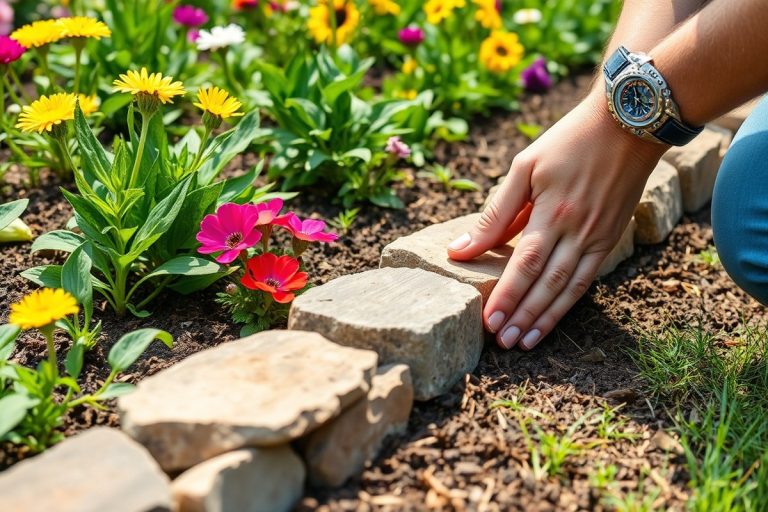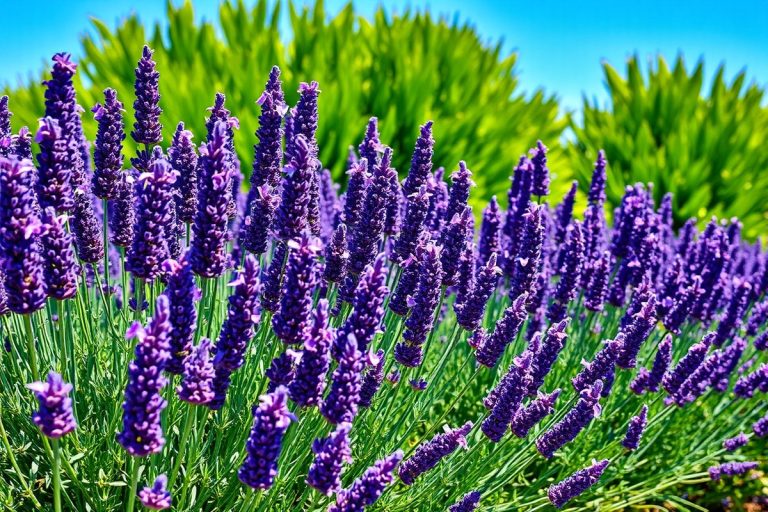
Does Annuals or Perennials Come Back Every Year? A Complete Guide That Helps You Choose
Does annuals or perennials come back every year? The short answer is perennials do, while annuals do not.
Perennials survive winter by regrowing from their roots or crowns each season. Annuals finish their life cycle in one growing season and die after cold weather arrives.
That means you must replant annuals each spring to enjoy fresh blooms. Perennials, on the other hand, can fill your garden without yearly replanting. But keep in mind, some perennials need dividing every few years to stay healthy and flowering.
Start by learning what plants are true perennials and which are annuals. Watch for the first frost before cutting back perennials to around four inches. This helps protect their root systems over winter for a strong return in spring.
Key Takeaways
- Perennials come back every year by regrowing from roots or crowns.
- Annuals die after one season and need replanting each spring.
- Divide most perennials every 3, 5 years to prevent overcrowding.
- Cut back perennials after first frost to protect them over winter.
- Check plant labels or guides to confirm if a plant is perennial.
- Some annuals self-seed but don’t technically return from the same plant.
Do Annuals or Perennials Come Back Every Year?
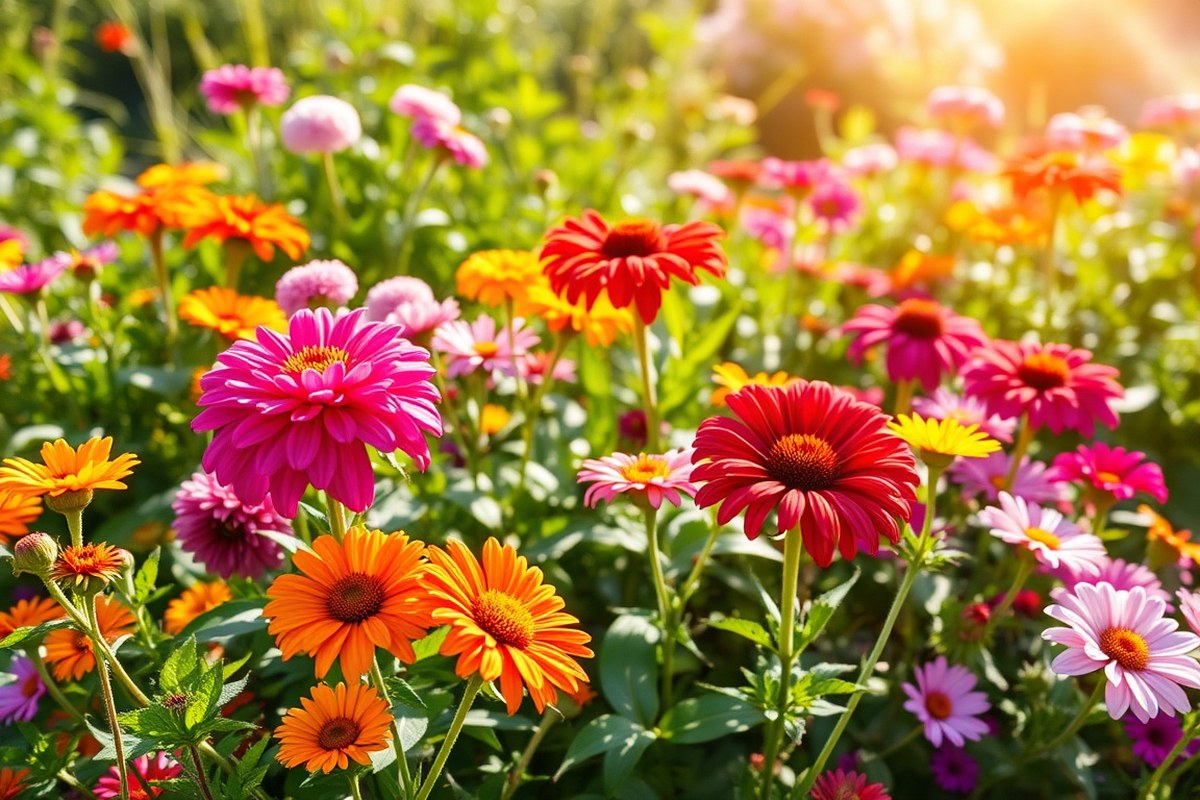
Annuals complete their entire life cycle within one growing season. After they flower and produce seeds, these plants die because they cannot survive cold weather. This means you must replant annuals every spring if you want to enjoy their blooms again.
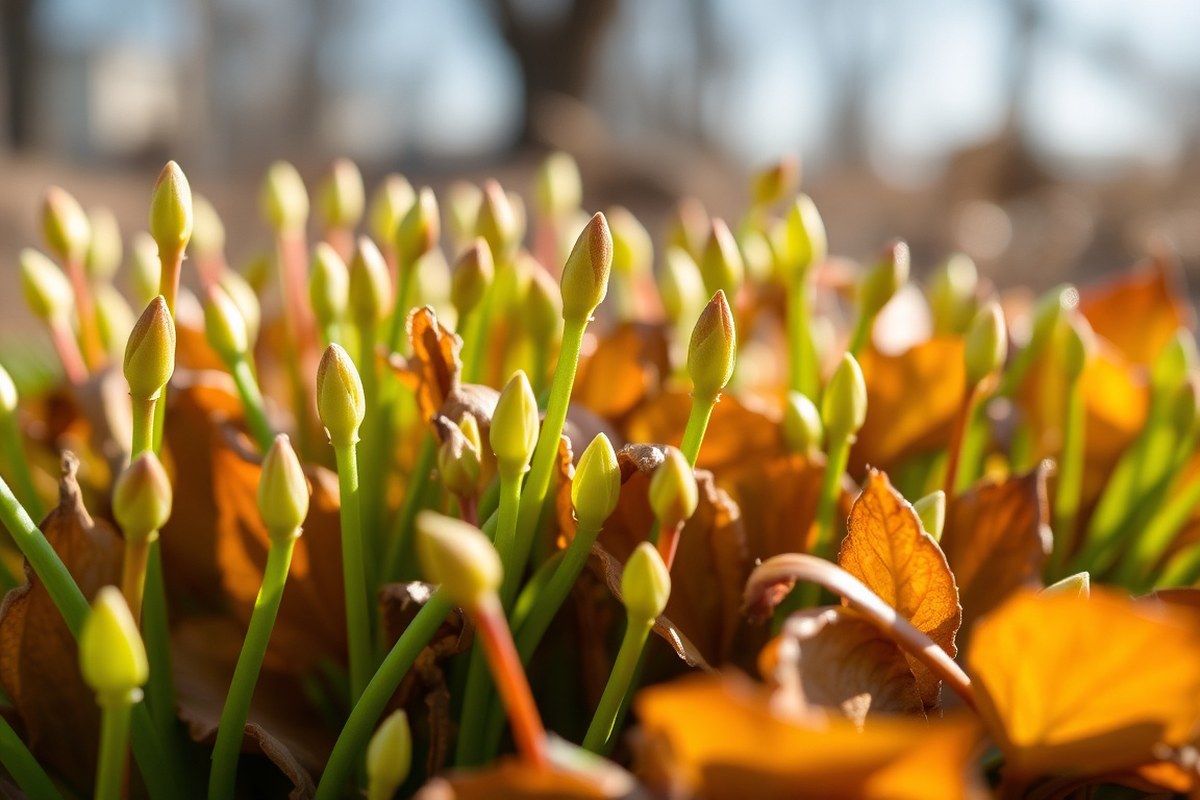
On the other hand, perennials come back year after year from the same root system. They die back during cold months but regrow when temperatures warm. For example, coneflowers and hostas return in spring, often growing larger if cared for well.
Understanding their lifecycles saves you time and effort. Annuals offer vibrant color but require fresh planting each year. Perennials cost more upfront but provide long-term value by regrowing consistently without replanting.
How Climate Zones Influence Perennials’ Return
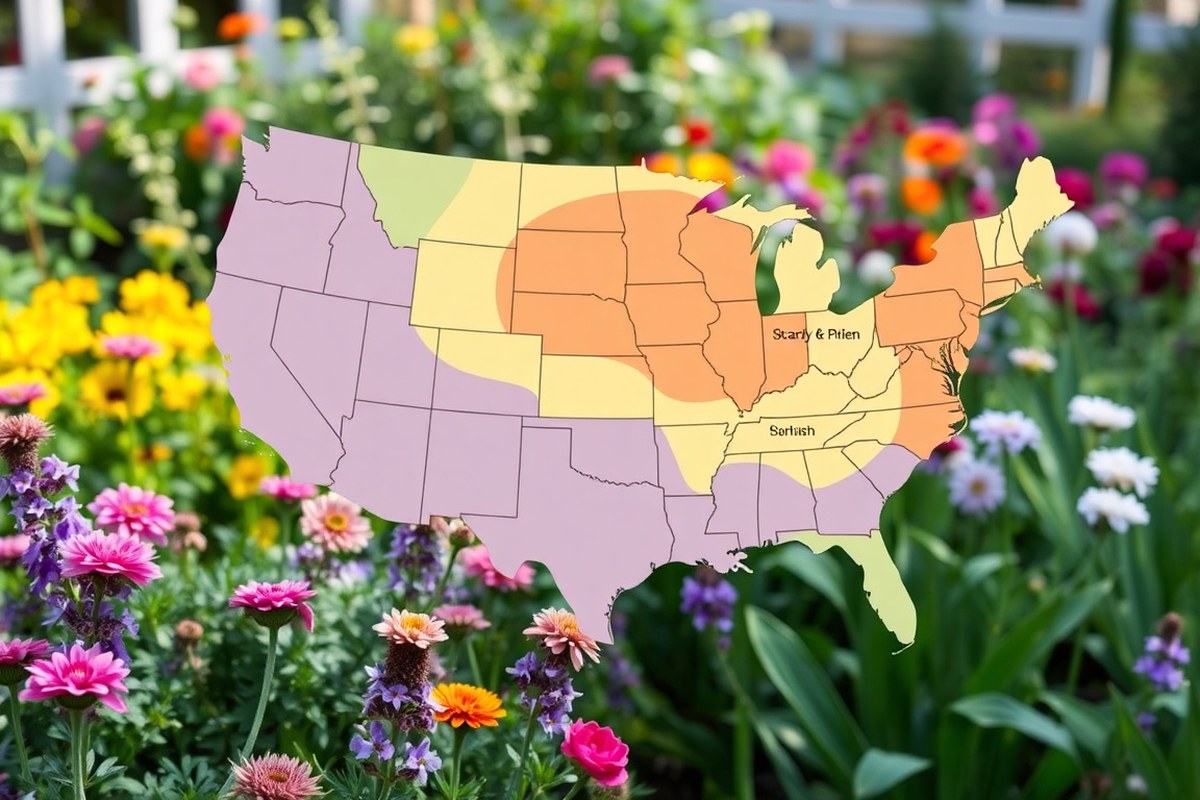
Perennials come back yearly if their roots survive winter cold. The USDA hardiness zone shows the minimum winter temperature your area reaches. Coneflowers grow well in zones 3 to 9.
They survive cold down to -40°F in zone 3. Their roots handle low temperatures. Dahlias are tender perennials.
They die in freezing air in zones 3 to 5. You must dig them up each fall.
Tender perennials act like annuals in cold zones because they can’t survive frost. You might grow dahlias or gladiolus outside in zone 9 or warmer. They’ll return each spring.
In colder zones, they die at the first frost. So you dig and store their tubers indoors.
This extra step costs time and some effort. But it saves the plants for next season.
Planting perennials suited to your hardiness zone reduces yearly work and disappointment. Adding 2 inches of mulch over crowns helps roots stay warmer in zones with milder winters. Without mulch in cold zones, even hardy perennials risk damage if the ground freezes deeply.
Pick plants that fit your climate. Mulch helps them go dormant safely. They will grow again in spring.
Don’t expect tender perennials to overwinter outdoors in cold zones. Store their roots indoors to keep them alive.
Annuals That Seem to Come Back: Self-Seeding Explained
Some annual plants seem to return each year. They drop seeds that grow next season. Those seeds sprout new plants on their own.
This process is called self-seeding, where new plants grow from last year’s seeds. It’s different from perennials that regrow from the same roots every year.
Common Annuals That Self-Seed
Many annuals produce plenty of seeds that fall to the ground and sprout the next spring. You might notice new plants popping up without replanting. Let plants stand until the seed heads dry.
This usually happens by late October or early November. This helps seeds develop fully.
Examples of annuals that self-seed easily include cosmos, nasturtium, and calendula. Sunflowers (Helianthus annuus) also reseed, but note that few sunflower species are actually perennial.
Differences Between Reseeding and Perennial Roots
Annual plants die after one growing season. They won’t regrow from their roots the following year. Instead, their seeds create new plants in the same spot.
Perennials survive through their root system. They send up new shoots from the same root crown each spring. Check your plant for new growth from the old root zone.
Don’t just look at new seedlings nearby. New shoots from roots mean the plant has come back.
Managing Volunteer Seedlings Effectively
To identify self-sown plants, watch for clusters of young seedlings where last year’s annuals grew. They often look smaller and less established at first. Pull or thin unwanted seedlings early in spring to control their spread.
Here are ways to manage reseeding annuals:
- Leave seed heads on plants until they dry and rattle in late fall.
- Collect or shake seeds over target beds to encourage growth where wanted.
- Thin seedlings in early spring to prevent overcrowding.
- Remove volunteers that grow in unwanted areas.
- Mulch bare soil to reduce accidental seed germination.
- Plant new annuals to outcompete unwanted volunteers for sunlight and nutrients.
Letting annuals self-seed saves money but needs some garden effort. Without control, volunteers can crowd out other plants or look messy. Careful planning helps you enjoy annuals “coming back” while managing your garden’s appearance.
Biennials: The Two-Year Lifecycle Middle Ground
Biennials have a two-year life cycle that sets them apart. In the first year, biennials grow leaves, stems, and roots. They bloom and produce seeds only in their second year, then die.
This cycle differs from annuals and perennials, which makes biennials unique. Annuals grow, bloom, set seed, and die all in one year. Perennials live for many years, blooming each season after their first.
Understanding these differences helps you plan when and how to plant each type. Knowing biennials bloom in their second year means you’ll wait to see flowers. They also often tolerate cooler climates better than annuals but don’t return like perennials do.
Here’s a simple table to compare these plant types:
| Plant Type | Life Cycle Length | Bloom Time | Lifespan | Example |
|---|---|---|---|---|
| Annual | 1 year | Same year as planted | One growing season | Marigold, Zinnia |
| Biennial | 2 years | Second year after planting | Two growing seasons | Foxglove, Sweet William |
| Perennial | Multiple years | Each year after maturity | Several years or more | Peony, Coneflower |
When you plant biennials, expect leaves the first year and blooms the next. They fill a gap between fast annuals and long-lasting perennials. Growing a mix of all three extends your blooming season from spring to frost.
Biennials require patience but reward you with blooms year two. Watch for their unique cycle to avoid mistaking them for perennials or short-lived annuals. Their two-year lifecycle adds variety and timing to your garden plan.
How Root Structure Affects Perennial Longevity and Annual Lifespan
Perennials have deep root systems that help them survive winter and come back every year. Their roots can grow 2 to 4 feet deep, reaching moisture and nutrients other plants cannot. These roots store energy during dormancy.
They help new growth start in spring. Growth begins when soil warms above 45°F.
Annuals have shallow, fibrous roots. These roots grow only 6 to 10 inches deep. Because of this, they rely heavily on frequent watering and nutrient-rich topsoil.
Their roots lack the energy stores needed to survive cold weather. So the plants die after one growing season.
To help perennials thrive, you can avoid disturbing their roots when planting. Mulch around their base to keep the soil moist but not waterlogged.
Deeper roots mean they tolerate drought better. But young perennials still need regular watering until established.
Do not overwater perennials; deep roots prefer consistent moisture, not soggy soil.
Annuals need closer attention. Water them once or twice a week, depending on rainfall. Their shallow roots dry out faster.
So inconsistent watering can stunt growth or cause premature death before the growing season ends. Consider soil amendments to boost nutrient retention where annuals grow.
Identifying Perennials That Will Return: Crown Inspection Guide
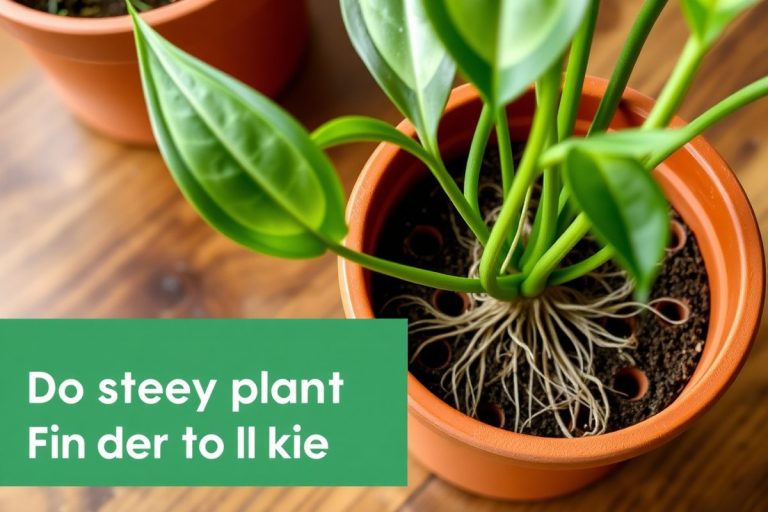
Inspecting the crown helps you tell if a perennial will come back next year. You look for new growth or healthy tissue at the base where the stems meet roots. A firm, moist crown usually means the plant is alive and will regrow after winter.
Preparing the Site for Crown Inspection
Start by clearing the area around the plant’s base. Remove any mulch or debris carefully so you can see the crown clearly. Avoid disturbing roots, especially for older perennials, since that can damage the plant.
Use clean gloves and a small hand tool like a trowel or your fingers. Inspect crowns in late winter or early spring when the plant is just waking up. This timing lets you catch early signs of life before new shoots appear above ground.
Signs of Healthy Meristematic Tissue
Healthy crown tissue looks firm and moist, not dry or mushy. The growth points or buds near the crown are round and plump.
You might see tiny green tips under protective scales. This shows the plant is getting ready to sprout.
For example, Russian sage dies back in winter but regrows strong from its crown by spring. The crown may be struggling when it feels spongy or rotten. Look for any new root shoots or leaf buds as a clear sign of recovery.
Distinguishing Dead vs. Dormant Crowns
Dead crowns usually feel dry, brittle, or shriveled. They break apart easily when you pinch them gently.
Dormant crowns stay firm. They may show some color under the outer layer when lightly scratched.
Scratch a small patch of the crown’s surface off with your fingernail. Green or white underneath means the plant is dormant. It is not dead.
A brown or black underlayer suggests the crown has died. This test works well for many hardy perennials.
- Clear away mulch and soil around the plant’s crown carefully.
- Use gloves to protect your hands and avoid infection.
- Check the crown’s firmness by gently pressing with your fingers.
- Look for buds or tiny green shoots near the growth points.
- Scratch the outer layer to check for live tissue underneath.
- Note if the crown is moist; dryness often means plant death.
- Check again in early spring for any new leaf or root growth.
Overwintering Tender Perennials to Ensure Yearly Return
Tender perennials need extra care to survive winter cold. You must lift and store them indoors before freezing temperatures hit. This stops damage and ensures they grow back next season.
Types of Tender Perennials Needing Protection
Tender perennials like cannas, dahlias, calla lilies, and elephant ears can’t survive hard freezes. Their roots and stems are sensitive to cold and will rot if left outside. You should plan to dig these plants up once frost threatens.
Woody and tuberous types also need special treatment. Tubers and rhizomes store energy underground but can’t handle wet, freezing soil. These include tuberous begonias and some iris species.
Step-by-Step Lifting and Storing Instructions
Start digging up tubers and roots before the first hard freeze. This usually happens when night temps fall to about 32°F. Do this to protect plants from freezing damage.
Carefully dig around the plant without damaging roots. Clean off soil gently and let the roots dry for a day in a shaded spot.
Wrap the dry tubers and rhizomes loosely in damp peat moss, sawdust, or shredded newspaper. This keeps them from drying out but prevents rot. Place wrapped roots in breathable containers like cardboard boxes or mesh bags.
- Check soil temperatures weekly starting in late fall
- Dig up tender plants before ground freezes hard
- Let roots dry 24 hours before packing
- Wrap tubers in slightly damp, breathable material
- Store in a cool, dark place at 40, 50°F
- Inspect monthly for mold or shriveling
- Discard any rotted or soft tubers immediately
Label containers with the plant name and date. Store pots with woody perennials in a heated garage or basement. Keep soil barely moist but never soggy to stop root rot.
Best Storage Conditions and Common Mistakes
Ideal storage keeps tubers at 40 to 50 degrees Fahrenheit with about 50% humidity. Cool, dark conditions slow growth and prevent drying out. Avoid freezing or hot spots, which will kill the plants.
Common mistakes include storing in plastic bags without airflow, causing mold. Overwatering or letting tubers dry out also leads to poor survival. Check stored roots regularly and discard any with mold or soft patches.
Keeping them in a heated garage or basement works for most gardeners. Low humidity? Place a damp cloth near your storage containers.
This helps keep the moisture level right for your tubers. This effort protects your plants and saves money since you won’t buy replacements yearly.
Best Practices: Caring for Annuals and Perennials Year-Round
Annuals need clearing at the end of the growing season. Pull them out once their flowers fade or frost hits.
Leaving dead plants can invite pests or diseases into your garden next year. You can compost healthy plant material but toss diseased parts in the trash.
Perennials benefit from division every few years to keep them healthy and blooming well. Late winter or early spring is best, before new growth starts. Dig up the clump carefully.
Separate roots and shoots gently. Replant each piece with fresh soil and mulch.
Fertilizing helps both annuals and perennials grow strong. Annuals need feeding every 2-3 weeks during active growth with a balanced fertilizer.
For perennials, apply a slow-release fertilizer just once in early spring or late fall. Over-fertilizing perennials can cause weak stems and fewer flowers.
- Clear annuals after frost or when blooms fade.
- Divide perennials every 3 to 5 years in late winter.
- Use balanced fertilizer on annuals every 2-3 weeks.
- Apply slow-release fertilizer to perennials once a year.
- Deadhead flowers regularly to encourage more blooms.
- Water annuals frequently; perennials need less irrigation.
Remove dead flower heads from both plant types throughout the season. This boosts more blooms and keeps plants tidy.
You’ll notice annuals will keep flowering longer with regular deadheading. For perennials, it promotes healthier growth and prevents seed spread if you don’t want self-seeding.
Don’t save seeds from F1 hybrid sunflowers. They won’t grow true to the parent plant.
Good soil preparation also helps annuals and perennials thrive. Add compost before planting to improve nutrients and drainage.
Watch how much water your plants get and adjust during dry spells. Annuals need more water than most established perennials, which handle drought better once settled.
Step-by-Step Action Plan for Annuals and Perennials
Follow these steps to manage your garden plants well and know what to expect each year.
- Before planting: Check your USDA hardiness zone. Only plant perennials suited for your zone to ensure they come back.
- Planting day: Choose healthy perennials with firm crowns or self-seeding annuals. This increases chances of yearly return.
- After planting: Water deeply but less often. Healthy roots help perennials survive winters and annuals grow strong.
- End of first growing season: Check crowns carefully for any damage. Add mulch around perennials. This helps protect their roots during winter.
- Late fall: Remove annual plants before frost kills them. Collect seeds if you want new plants next year.
- Early spring: Cut back old growth on perennials and check for new shoots to confirm return.
- Summer: Deadhead annuals and perennials to encourage more blooms and prevent unwanted self-seeding.
- Off-season care: For tender perennials, dig them up and store indoors or use frost covers outside.
Frequently Asked Questions
Can Perennials Die Out If Neglected for Several Years?
Yes, perennials can weaken or die without care. They need some watering and occasional fertilizing to stay healthy.
Do All Perennials Flower Every Year?
No, not all perennials bloom every year. Some focus on growing foliage and may not flower annually.
Can Annuals Be Used to Improve Soil for Perennials?
Yes, annuals can add organic matter and nutrients when turned into the soil. This helps perennials grow better over time.
What Are the Signs That a Perennial Is Struggling to Return?
Wilting leaves, reduced growth, or no new shoots show a struggling perennial. Adjust watering and location to help it recover.
Are There Perennials That Only Come Back in Certain Climates?
Some perennials will only return in specific zones. Choose plants suited for your USDA climate zone for best success.
How Does Mulch Affect Whether Plants Come Back Each Year?
Mulch protects roots in winter and keeps moisture in. This support helps perennials survive and return reliably.
Key Points to Remember
Perennials usually come back, annuals do not unless they self-seed. Your choice depends on how much effort you want each year. Start by checking which plants fit your climate zone for best results.