How Long Does Earthworms Live? Lifespan Insights and Care Tips
How long does earthworms live depends on their species and environment. Most earthworms live between 1 and 6 years.
But some can reach 4 to 8 years. Garden worms usually live 1 to 3 years because of soil quality and climate risks.
Earthworms need the right temperature and moisture to live longer. They grow best between 55°F and 80°F. They can survive a freeze for up to a month.
The freeze must have perfect conditions for them to survive. Avoid pesticides and soil damage to keep them healthy.
Earthworms grow fast and start reproducing after about 12 months. Keeping your garden soil healthy helps them reach their lifespan potential. Watch how you water and protect your soil to give them the best chance.
Key Takeaways
- Most earthworms live between 1 and 6 years depending on species.
- Garden earthworms often live only 1 to 3 years due to risks.
- Ideal temperature for earthworms is between 55°F and 80°F.
- Earthworms can survive a freeze for up to 1 month if conditions are right.
- They begin reproducing at about 12 months old.
- Pesticides and soil damage can drastically shorten worm lifespans.
How Long Do Earthworms Usually Live?
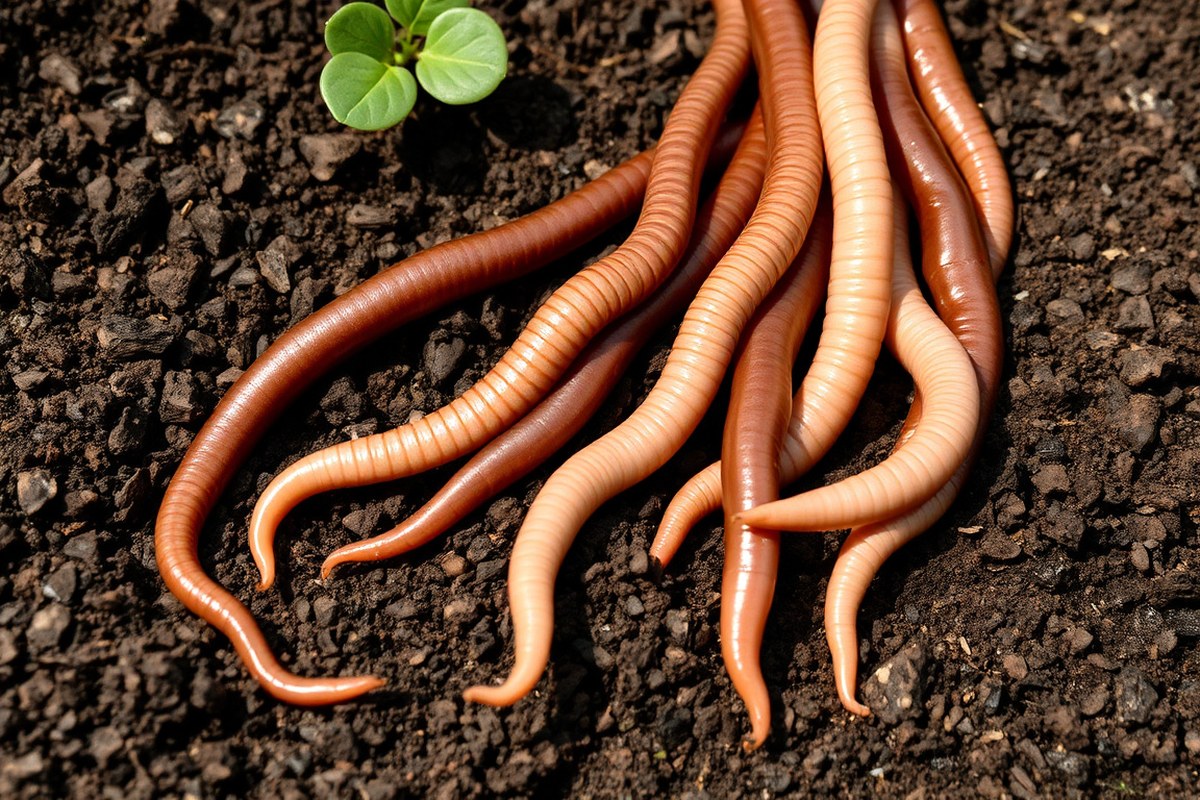
Earthworms usually live between 1 and 6 years, depending heavily on their species. Some species live shorter lives, around 1 to 3 years. Others can survive up to 8 years in optimal conditions.
Those differences matter. Knowing each species’ lifespan helps you understand their role. It also shows how they work in your garden or compost.
Species like the European Nightcrawler typically live 1 to 3 years on average. Some may reach 5 years, especially if conditions stay favorable.
Red Wigglers often have slightly shorter lives, closer to 1 or 2 years. But they are fast breeders which helps maintain their populations.
Other species often live longer. This is true especially in natural, undisturbed soils. Some reports say they live 4 to 8 years.
Larger species like the giant Gippsland earthworm are known for their size. The UK’s giant Dave is another big one.
They tend to live near the upper lifespan range. Here’s a simple comparison:
| Earthworm Species | Typical Lifespan | Notes |
|---|---|---|
| European Nightcrawler | 1, 3 years | Sometimes up to 5 years |
| Red Wiggler | 1, 2 years | Fast reproduction |
| Wild Native Species | 4, 8 years | Longer lifespan in natural soil |
| Giant Gippsland worm | 4, 8 years | Very large size |
| Giant Dave (UK) | 4, 8 years | Up to 40 cm long |
These ranges show something important. The average lifespan you get depends on the species you find. Different species live different lengths of time.
Garden earthworms often face more hazards and live shorter lives. In better natural habitats, they live years longer due to fewer stresses and better soil quality.
Some earthworms can survive freezing for up to a month. This happens if they meet other survival needs. They are quite tough that way.
Though freezing is harsh, they manage by slowing their metabolism until the environment improves. This ability helps some live longer in varying climates.
What Are the Life Stages of an Earthworm and Their Durations?
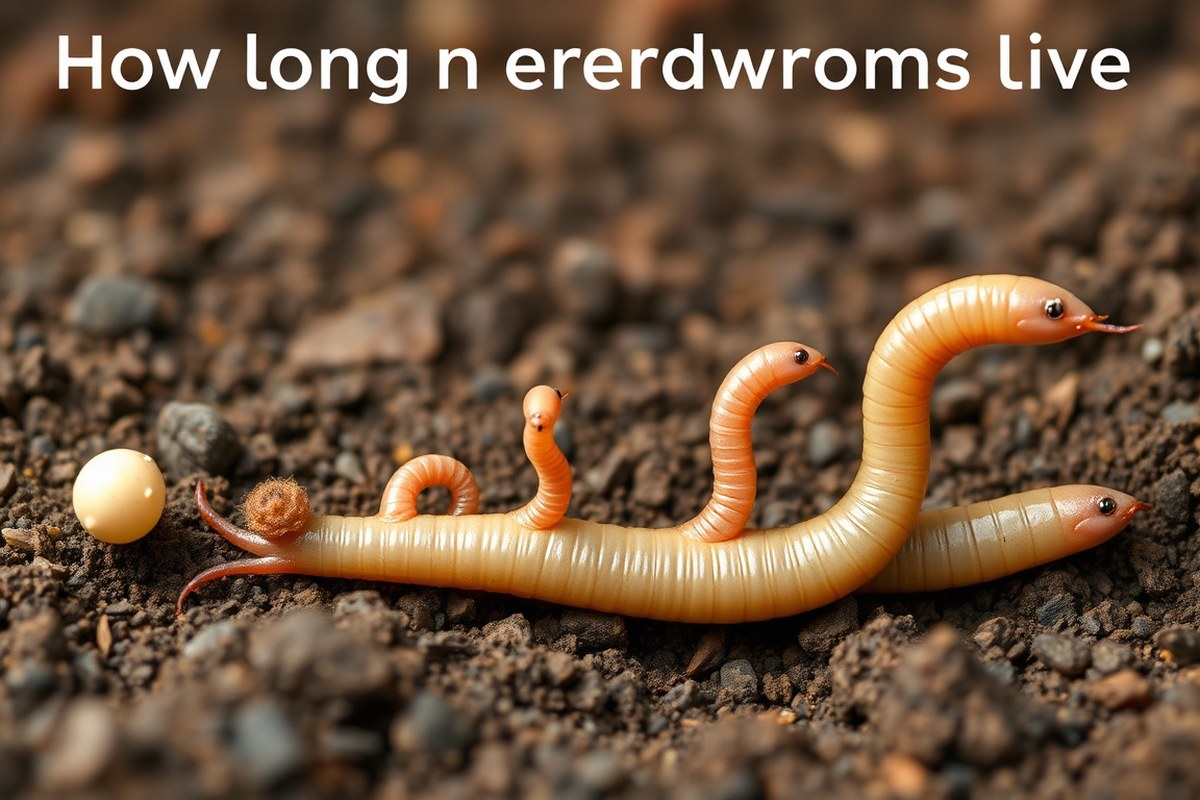
Earthworms grow through several clear stages: egg, hatchling, juvenile, and adult. They hatch from cocoons. They grow into adults in 6 to 9 months.
After that, they start reproducing. Understanding these stages helps you support them in your garden or compost.
Egg and Cocoon Phase Duration
Worms start inside small cocoons, which protect the developing eggs. These cocoons can be tough and last several weeks before hatching. Depending on the species and temperature, cocoons usually hatch in 2 to 4 weeks.
Temperature plays a big role in hatching speed. Cooler soil slows things down, while about 68°F (20°C) is ideal for quick development. Harsh acidity, below pH 5.5, can reduce hatching success by harming soil microbes.
Hatchling and Juvenile Growth
Once hatched, young earthworms are tiny and called hatchlings. They grow steadily during the juvenile phase, which lasts about 6 to 9 months. Growth depends on food availability and soil conditions.
Juveniles focus on getting bigger before they can reproduce. Moist, nutrient-rich soil helps speed their progress. Without good conditions, their growth and health slow down significantly.
Adult Maturity and Reproduction Timing
Earthworms become adults around 6 to 9 months old. After reaching maturity, they start producing cocoons themselves. Some species can lay between 3 and 80 cocoons every year.
Adult earthworms are hermaphrodites, so each worm holds both male and female organs. They can mate with any other mature worm nearby.
Lifespan varies widely: those in rich, natural environments live around 8 years. City garden worms typically last 1 to 2 years.
Keep soil moist and near neutral pH to help worms hatch and grow healthily.
How Do Environmental Conditions Affect Earthworm Lifespan?
Environmental conditions strongly affect how long earthworms live. Their lifespan depends on soil quality, moisture, temperature, and pH. Managing these factors helps earthworms thrive naturally.
Optimal Moisture and Humidity Levels
Earthworms need moist soil to breathe and move. Humidity around 65% to 75% helps protect them from drying out. Without enough moisture, worms shrink and die quickly.
Too much water floods their burrows and reduces oxygen. Soil should feel damp, not soggy. In compost bins or gardens, keep bedding moist but avoid standing water.
- Maintain soil humidity between 65% and 75%
- Water soil lightly if it dries out
- Use mulch to help keep moisture steady
- Avoid flushing soil with excess water
- Check moisture weekly, especially in hot weather
- Watch for signs of drying or waterlogging
Proper moisture also speeds egg hatching and juvenile growth. Low humidity causes cocoons to take longer to develop, cutting lifespan.
Ideal Soil pH and Composition
Earthworms prefer neutral to slightly acidic soil with a pH between 6.0 and 7.0. Soil outside this range can stress worms and reduce survival. Clay or sandy soils often hold too little water or lack nutrients they need.
Loamy soil with plenty of organic matter is best. Worms feed on decayed leaves and roots, so nutritious soil extends their lives. Poor soil limits food and slows growth.
- Test soil pH and aim for 6.0, 7.0
- Add organic compost to improve nutrients
- Mix soil to reduce compacted hard layers
- Use leaf litter or aged mulch for food
- Replace poor soil gradually over time
- Avoid chemical fertilizers and pesticides
Good soil keeps soil particles loose, so worms can tunnel easily. That lets them breathe and move without injury.
Temperature Ranges That Promote Longevity
Earthworms live best between 50°F to 77°F (10°C, 25°C). Outside this range, worm activity slows and lifespan shortens. Cold weather causes dormancy; extreme heat increases mortality.
In hot climates, earthworms burrow deeper to escape heat. In gardens or bins, try to keep temperature stable by shading and proper ventilation. Sudden temperature swings harm their survival.
- Keep soil temperature from 50°F to 77°F
- Shade soil to avoid overheating
- Provide ventilation to reduce heat inside bins
- Mulch beds to regulate soil temperature
- Move containers indoors or to cooler spots if hot
Red Wigglers, a common compost worm, live 1 to 5 years if temperature stays steady. Maintaining this range extends natural earthworm lifespans, often 4 to 7 years.
Impact of Soil Disturbance and Pollution
Frequent soil tilling harms earthworms by damaging tunnels and crushing them. No-till or low-till methods double earthworm numbers compared to heavy plowing. Soil pollution with chemicals can poison worms and reduce longevity.
Wild earthworms face many risks from pesticides and fertilizers. Avoid chemical treatments in worm-rich areas. Pollution also lowers the soil quality worms need for food and moisture.
- Reduce soil disturbance with no-till gardening
- Avoid pesticides and toxic chemicals
- Use organic mulches and compost for soil health
- Prevent soil contamination from runoff or spills
- Encourage plants that improve soil structure
Stable soil environments promote worm health and longer survival. Constant disruptions or polluted environments shorten their lives drastically.
What Threats Shorten Earthworm Lifespan in Nature and Gardens?
Earthworms face many threats in nature and gardens that cut their lives short. Predators like birds, beetles, and other animals eat earthworms regularly. This predation alone keeps most wild earthworms living only one to two years.
Besides predators, harsh weather and soil conditions also reduce earthworm lifespan. Drought dries out worms quickly since they breathe through their skin, which must stay moist. Flooding can drown them or wash them away from their home tunnels.
Human activities add risks too. Gardeners sometimes expose worms by digging or using chemicals.
Roadkill affects earthworms when heavy rains wash them onto streets. Pollution, pesticides, and soil compaction harm worms and lower survival rates.
- Natural predators include birds, moles, beetles, and ants
- Droughts cause skin drying and suffocation
- Flooding drowns worms or displaces them
- Garden tilling exposes worms to predators and sun
- Using pesticides and herbicides poisons earthworms
- Pollution and soil compaction reduce worm habitat quality
- Roadkill happens when worms wash onto roads during rain
Predators shorten earthworm lives badly by constant hunting. Earthworms rarely survive over two years outdoors because of this pressure. Using harsh chemicals can kill worms outright or weaken them for disease.
Weather extremes are natural risks but gardeners can limit their effects. Keeping soil moist and loose helps worms avoid drying and injury. Avoiding chemicals and digging only when necessary protects worms from harm.
How Does Earthworm Regeneration Influence Their Survival?
Earthworms can regenerate lost body parts, but this ability has limits. Usually, if the front part with the important organs survives, the worm can regrow its tail. If the cut is too close to the head, the worm struggles.
It often can’t fully recover. Sometimes, it does not survive.
Regeneration takes weeks, based on how much was lost. Temperature also affects the process. Soils between 55°F and 80°F help worms regenerate faster.
Warmer soils boost their metabolism. During this time, the earthworm’s movement might slow down as it focuses energy on healing.
Regeneration helps earthworms survive accidents like attacks from predators or getting cut by gardening tools. Regrowth uses energy. Worms eat up to one third their body weight daily.
They must balance food intake with repair. Damage from chemicals or acidic soils weakens their ability to regenerate, as their overall health declines.
Worms rarely live longer just from regenerating because repeated injuries can exhaust their resources. Older worms show wear like losing segments or moving slower. This means their regeneration drops.
Worms can’t grow a new head after serious injury. This injury ends the worm’s life.
Handle worms gently in your garden to avoid injuries that they cannot regenerate.
How Do Human Activities Impact Earthworm Lifespan?
Human activities like farming, pesticide use, and urbanization often reduce earthworm lifespan. Some actions physically harm worms or destroy their habitat. Other efforts in conservation can help earthworms survive longer in gardens and soil.
Effects of Soil Tillage and Plowing
Digging and plowing soil breaks up worm tunnels and exposes them to predators. Tillage can reduce earthworm populations by as much as 70% after five years. It’s common to see fewer earthworms in fields that are regularly plowed compared to no-till fields.
Switching to no-till or reduced-till farming helps protect earthworm habitats underground. It takes persistence, farmers must avoid deep soil turning year after year. Over time, worm populations can rebound and improve soil health.
In gardens, avoid frequent deep digging or turning soil aggressively. Lightly loosening the topsoil works better and disturbs worms less. This keeps them safe and lets their tunnels stay intact for oxygen and moisture flow.
Impact of Chemicals and Pollution
Pesticides and chemical fertilizers can be toxic to earthworms, shortening their lifespan. Some chemicals affect worm health even at low levels by harming their skin or digestive systems. Runoff from farms and urban areas also pollutes soil where worms live.
To help worms, use organic or natural fertilizers like compost or manure instead of synthetic ones. Avoid applying pesticides on windy or rainy days to reduce chemical spread. Testing soil for contamination helps you know if the site is safe for worms.
In urban gardens, be cautious with lawn chemicals or weed killers. They can persist in soil and harm earthworms over time. Choosing organic pest control methods reduces risk and supports worm survival.
Conservation and Sustainable Practices
Adding organic matter like leaves, straw, or compost feeds earthworms and extends their lifespan. Regular mulching also protects soil moisture and temperature, helping worms thrive. Aim for a layer about 2 to 4 inches thick on garden beds.
Creating habitats with diverse plants and avoiding soil compaction encourages worm activity. Avoid heavy machinery on garden beds and paths to prevent crushing. Watering deeply but not too often keeps soil moist but not soggy, ideal for worms.
Community composting or worm bins provide safe spaces to grow worm populations for gardeners. These controlled environments cut down risks from pollution or predators. Feeding worms a balanced diet of vegetable scraps keeps them healthy and living longer.
How to Extend Earthworm Lifespan in Your Garden or Compost Bin?
Earthworms tend to live longer in controlled spaces like compost bins than in wild soil. Keep their habitat moist but not soggy.
Soil temperature should be 55°F to 77°F. This helps them thrive. This range mimics their natural environment and reduces stress that can shorten their life.
Feeding earthworms regularly keeps their energy up. Add fresh organic scraps every week. Avoid citrus, onion, or meat because these disrupt their digestion or attract pests.
A good bin has 12 to 24 worms per gallon of bedding. This amount balances food and space well.
- Keep the compost moist, about as damp as a wrung-out sponge
- Maintain soil temperatures between 55°F and 77°F consistently
- Add a fresh layer of organic scraps weekly for food
- Limit worm population to around 12-24 worms per gallon of bedding
- Avoid acidic or salty food scraps, like citrus or processed foods
- Turn the compost every couple of weeks to provide oxygen
- Check for safe conditions weekly to prevent mold or pests
Turning the compost introduces oxygen, which earthworms need. Overcrowding causes stress and lowers lifespan, while too few worms slow composting.
Monitoring once a week means you catch and fix issues early. A healthy bin produces mild, earthy smell with no strong odors.
Worms live 1 to 3 years or longer depending on species. Care also affects their lifespan in captivity. Good care helps worms live 4 or 5 years.
Stable food, moisture, and temperature support this. Poor conditions make worms weak, slow reproduction, or cause deaths.
What Common Myths and Facts About Earthworm Lifespan Should You Know?
Many people think earthworms can live after being cut in half. This is mostly a myth. Only certain species can regenerate small parts.
Usually only the tail end survives if the cut is behind the clitellum. The front half, which holds important organs, rarely survives if severed.
Some believe earthworms do not feel pain. Research shows they have simple nervous systems, but lack a brain like mammals. They react to touch and light.
But that doesn’t mean they experience pain as you or I do. Treating them gently is still the best practice.
People often guess earthworms live much longer than they do. In reality, many face threats such as predators, drought, and soil conditions.
These dangers usually prevent worms from reaching their full lifespan. This leads to overestimates of how long they truly live in the wild.
Earthworms are split into three groups based on their habitat depth and lifespan. Surface dwellers tend to live shorter lives, about 1 to 2 years.
Deeper dwelling worms can live up to 8 years. These differences can confuse gardeners who expect all worms to live the same length of time.
A cut earthworm can’t regrow into two worms. So avoid injuring them during garden work.
Step-by-Step Action Plan to Help Earthworms Live Longer
Follow these steps to create a healthy home for your earthworms. Watch for signs they are active and growing well.
- Before you start: Choose rich, organic soil free of chemicals. Worms thrive in clean environments.
- Day 1: Add plenty of moist, decomposed organic matter. Look for worms burrowing and eating.
- Week 1: Keep soil moist but not soggy. Check soil every few days; it should feel like a wrung-out sponge.
- Week 2: Add some calcium carbonate to balance soil pH. Worms prefer neutral soil around pH 6-7.
- Month 1: Mix in shredded leaves and veggie scraps regularly. Worms need a steady food supply to stay healthy.
- Month 2: Avoid using pesticides or herbicides nearby. Chemicals shorten worm lifespan and harm their habitat.
- Every month: Remove excess water and add dry bedding if soil feels too wet. Prevent drowning and mold buildup.
- Ongoing: Harvest worm castings gently every few months. Too much disturbance can stress or injure worms.
Frequently Asked Questions
Can Earthworms Survive Freezing Temperatures?
Yes, some earthworms can survive freezing for up to one month if conditions are right. They enter a state that protects their cells during cold spells.
What Is the Maximum Recorded Lifespan of an Earthworm?
Some species live up to 8 years. Usually, they last 4 to 7 years.
This is common in natural settings. Lifespan varies with species and environment.
Do Earthworm Sizes Affect Their Lifespan?
Generally, larger earthworms like the giant types can live longer. Their size allows better energy storage and hardier survival.
How Fast Do Earthworms Mature and Begin Reproducing?
Earthworms become ready to reproduce within 12 months. Mature worms can produce up to 80 cocoons yearly.
Can Earthworms Live in Extreme Environments Like Deserts?
No, earthworms can’t live in deserts or in regions with permanent ice or permafrost. They need moist, temperate soil to survive.
Does Earthworm Anatomy Determine Survival Chances?
Survival depends on the anterior end’s length. This includes the clitellum and segments beyond it.
It’s very important. This body part is key for regeneration.
Key Points to Remember
Earthworms usually live for several years when cared for properly. Giving them clean soil and plenty of food helps them thrive. Start by setting up a healthy, chemical-free space today.