Do Pears Have Seeds? A Complete Guide with Seed Facts and Growing Tips
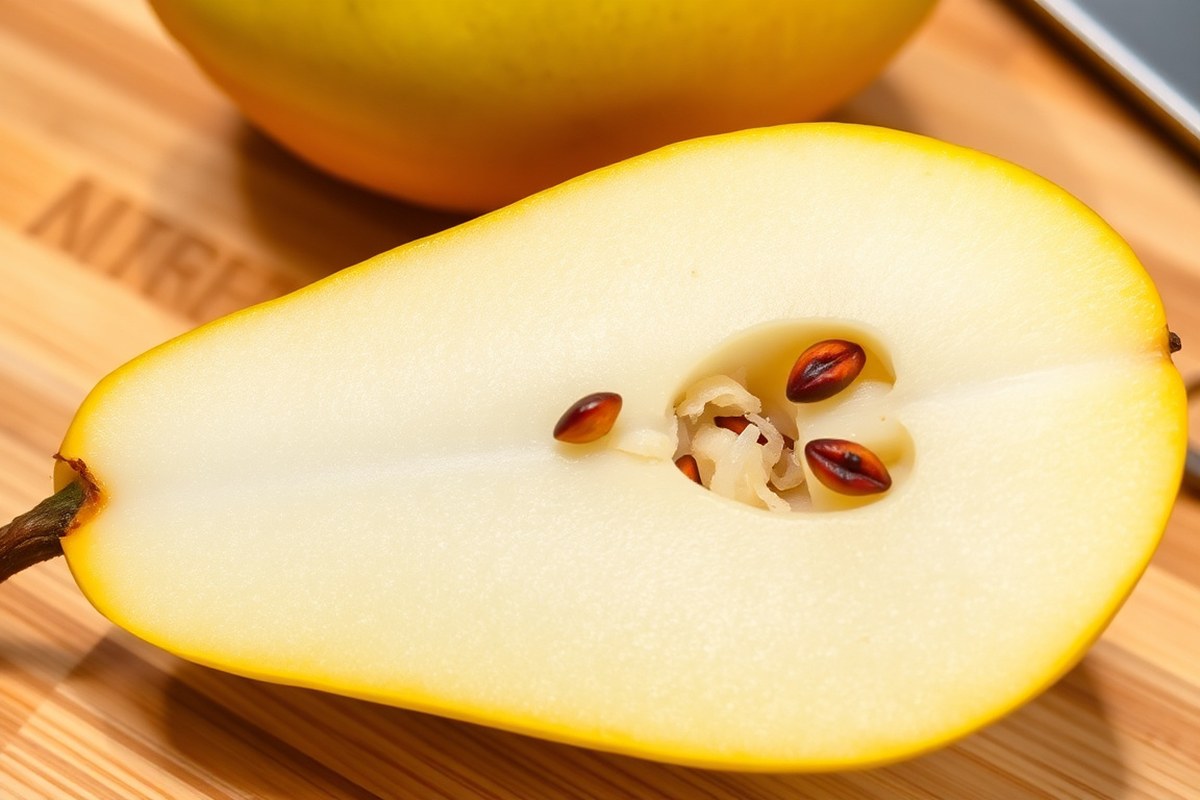
Do pears have seeds? Yes, most pears contain small seeds inside their core.
These seeds are usually brown, firm, and shaped like tiny teardrops. You can see them clearly when you slice the pear in half.
Seeds in pears help grow new pear trees, but they’re not meant for eating. The seeds taste bitter and can be hard to chew.
If you want to plant pear seeds, you’ll need to prepare them just right. It starts with removing the seeds and soaking them before planting.
Some pear types may have more seeds than others. Seedless pears are rare because pears rely on these seeds to reproduce naturally.
Pear seeds need a cold period to sprout, mimicking winter conditions. This cold step helps trigger germination in the spring.
Key Takeaways
- Pear seeds are found inside the core, usually brown and teardrop-shaped.
- Most pears have seeds; true seedless varieties are rare.
- To grow pears from seed, start by soaking them in warm water.
- Pear seeds need a cold period of 60 to 90 days to germinate.
- Remove seeds from the fridge when outdoor temps stay above 40°F.
- Seeds must be buried 2 to 3 inches deep in moist peat moss.
Do Pears Have Seeds? What You Need to Know
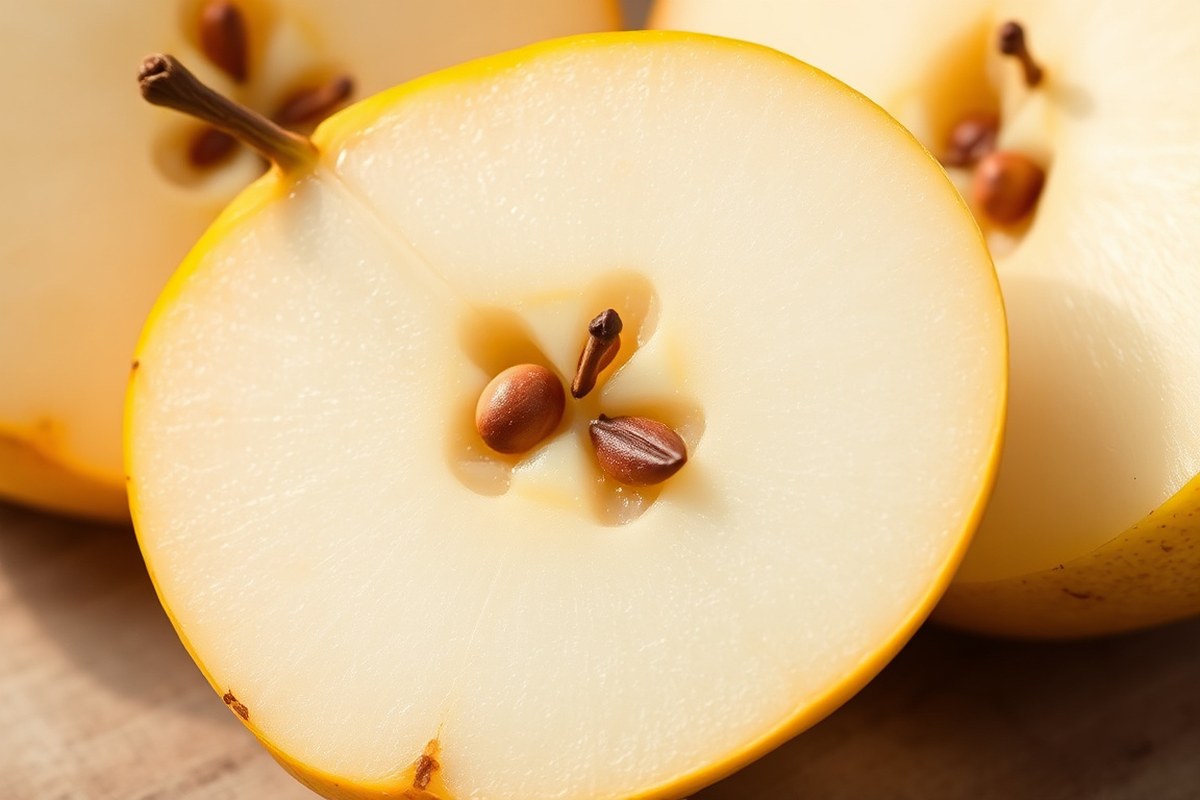
Yes, pears do have seeds. They grow at the center of the fruit inside small chambers. Each pear usually contains seeds grouped in five inner chambers.
The number of seeds varies. But typically a pear holds between two and ten seeds.
Each chamber often contains around two seeds. When the pear is ripe, the seeds are mature and dark brown.
Finding the seeds is easy. Cut the pear in half or quarters to expose the core area.
The seeds sit inside the core, surrounded by the fruit’s flesh. These seeds are hard and stone-like, perfect for planting.
Picking ripe pears ensures the seeds inside are fully developed. Unripe pears may have immature seeds that won’t grow well. For best results, wait until the fruit softens and smells sweet before removing the seeds.
The size and seed count can differ across pear types and growing conditions. Some wild pears have more seeds, while cultivated varieties may have fewer. In warm climates, pears tend to develop fully mature seeds more often.
What Do Pear Seeds Look Like and Are They Safe to Eat?
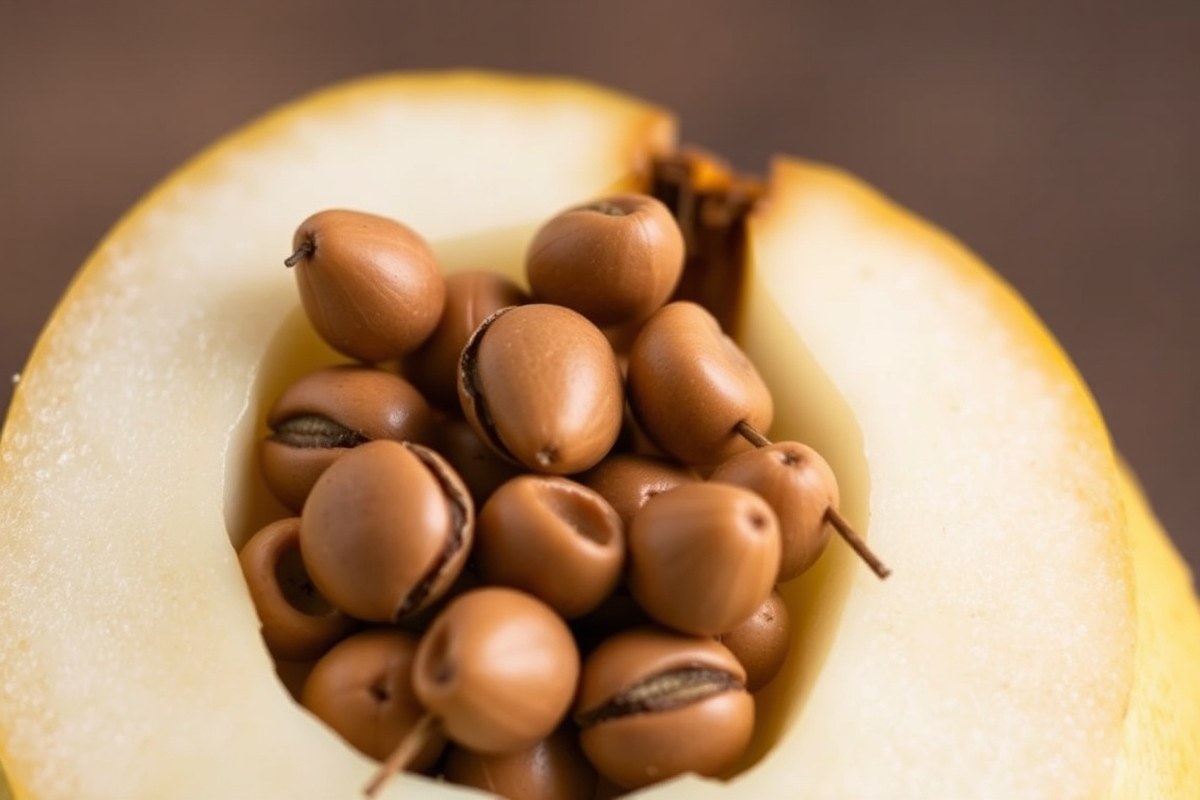
Pear seeds are small, hard, and brown with a smooth, shiny surface. They hide inside the pear core in small compartments, usually five or fewer seeds per fruit. Pear seeds are oval and about 1/4 inch long.
You can spot them when cutting the pear open. They are easy to see inside the fruit.
Eating pear seeds by accident isn’t dangerous. They have a tiny amount of amygdalin naturally. This substance is harmless in small amounts.
This compound can release cyanide when broken down. But the seed coat protects you from this unless crushed or chewed in large amounts. Swallowing a few whole pear seeds rarely harms you.
They pass through your digestive system intact. The seeds don’t break down inside.
For kids, it’s safer to remove the pear core and seeds before eating. Seeds pose a choking hazard, especially for toddlers and small children. Always scoop out pear seeds with a knife or spoon.
This avoids any small risk from the seeds. It also makes the pear easier to eat.
Always remove pear seeds for young children to prevent choking, even though the seeds aren’t toxic.
Sometimes pears have fewer seeds or none at all. This happens if they aren’t properly pollinated. Seedless pear varieties also have no seeds.
Seedless pears are specially bred. So trying to find fully seed-free pears means picking those types. With regular pears, the core with seeds should be expected and removed before serving kids.
Which Pear Varieties Have Seeds and What About Seedless Types?
Most common pear varieties contain seeds, but their number and size vary. Wild pears typically have more developed seeds than cultivated varieties.
Some modern pears are nearly seedless due to selective breeding. But fully seedless pears are rare.
Seedless pear varieties have small, underdeveloped, and non-viable seeds. They are popular because they offer a more consistent sweetness and texture. Breeders focus on genes controlling seed formation to create these types.
| Pear Variety | Seed Content | Notes |
|---|---|---|
| Bartlett | Several mature seeds | Traditional, widely grown, distinct sweetness |
| Comice | Moderate seeds | Large fruit, often used for fresh eating |
| Bosc | Several seeds | Common cooking pear, crisp texture |
| Seedless types (e.g. “Encore”) | Few, small, underdeveloped seeds | Developed through breeding, sweeter and smoother |
| Wild pears (Pyrus communis) | Many mature seeds | Ancestors to cultivated pears, tough skin |
Breeding for seedless pears involves understanding seed gene control. Cooler storage can also disrupt seed formation in some types. This effort provides consumers with pears easier to eat without concern for seeds.
You won’t find pear trees that grow exactly like their parent from seed. But saving seeds from a favorite pear can still be rewarding. Select the right variety because not all pears grow well from seeds.
How Environmental Factors Affect Seed Development in Pears
Climate and soil quality shape how seeds form inside pears. Warm temperatures and steady water help flowers get fertilized, which turns ovules into seeds. Poor soil lacking nutrients can stop seeds from fully developing or make them weak.
Good pollination is needed to grow strong seeds. Bees and wind move pollen between flowers.
Without enough pollination, pears might have few seeds or none at all. You should pick pear varieties suited for your local climate to boost seed growth.
Soil also matters after seeds form. Hard clay soil holds water poorly and can stress trees, leading to smaller or fewer seeds.
About 45 inches of rainfall yearly supports healthy pear growth in zone 6 climates. Too much water or soggy soil can harm seeds inside developing pears.
Pears can lose seeds during storage or transport. When a pear is picked, the seed’s connection inside the fruit weakens.
Rough handling or long storage at warm temperatures increases seed drop. Keep pears cool, around 32 to 40 degrees Fahrenheit, to keep seeds inside longer.
Seed retention can also change if pears get bruised. Damaged areas speed seed loosening. Quick cooling after harvest preserves seed attachment.
Keep pears on soft padding when you store them in a fridge. This helps avoid bumps. You can use cloth or paper towels as padding.
To grow pear seeds, use seed-starting mix or container soil, never garden dirt. Garden soil stays too wet, which can rot seeds.
Plant one seed per small pot about 1 inch deep. Water gently to keep soil moist but not soaked.
Sunlight, soil drainage, watering, and careful handling affect seed growth. These factors also impact whether seeds stay inside pears. Taking care improves seed formation.
Choosing the right variety helps protect seeds. Keeping fruit cold extends seed life. This works until you want to plant or eat them.
How to Harvest, Prepare, and Stratify Pear Seeds for Planting
To get pear seeds ready for planting, start with ripe fruit. Extract the seeds, clean them well, and dry them. Cold stratify the seeds in moist conditions for 60 to 90 days.
Do this before planting them in peat pots. Keep the seeds damp and cool during this time.
Harvesting Seeds from Ripe Pears
Choose pears that are fully ripe because mature seeds germinate better. Cut open the fruit and scoop out the dark brown or black seeds. Avoid seeds that look soft or shriveled, which may not sprout well.
Collect seeds from several pears to improve genetic diversity. After gathering, you can plant some seeds soon or store others for later use. The best time to harvest is when the pears reach peak ripeness.
Cleaning and Drying the Seeds
Rinse the seeds under cool water to remove any fruit residue. Gently rub them with your fingers to clean off leftover pulp. Avoid using soap or harsh chemicals that might damage the seeds.
Spread the cleaned seeds on a paper towel or screen to dry. Let them air dry in a cool, shaded spot for a few days. Keep them away from direct sunlight to prevent drying out too quickly.
Cold Stratification and Storage
Put the dried seeds in a plastic bag with moist peat moss or soil. Seal the bag tightly and chill it in the refrigerator at 34°F to 41°F. Store there for 60 to 90 days to help the seeds sprout.
After cold stratification, soak the seeds in warm water for 2 days before planting. After drying, store seeds in an airtight container. Keep them in a cool, dry spot.
This helps the seeds stay good for later use. However, fresh seeds tend to germinate better than older ones.
- Cut ripe pears to access the seeds.
- Extract dark brown or black mature seeds.
- Rinse seeds thoroughly to remove pulp.
- Pat seeds dry and air-dry away from sunlight.
- Place seeds in a sealed bag with moist peat moss.
- Store bag in refrigerator for 60 to 90 days.
- Soak seeds in warm water for 48 hours before planting.
- Plant seeds in peat pots indoors during spring after soaking.
Keep the peat moss moist during stratification but avoid soaking it too much.
Growing Pear Trees from Seeds: Care and Planting Guidelines
You can grow a pear tree from the seeds inside grocery store pears. Plant the seeds carefully, care for the seedlings indoors, then transplant them outdoors. Space the young trees 20 to 25 feet apart to give them room to grow well.
Planting Seeds After Stratification
After you save and cold-treat pear seeds, you’re ready to plant. Stratification mimics winter and helps seeds sprout.
Use seed trays or small pots filled with moist potting soil. Plant each seed about 1/2 inch deep. Keep the soil warm, around 65 to 70°F, and moist but not soggy.
- Fill seed trays with well-draining potting mix.
- Plant pear seeds 1/2 inch below surface.
- Water gently to moisten soil without flooding.
- Place trays in a warm, bright spot away from direct sun.
- Keep soil moist, watering anytime top feels dry.
- Watch for sprouts, which can take several weeks.
Seedling Care and Light Requirements
Seedlings need plenty of light to grow strong and healthy. A sunny window or a grow light working 12 to 16 hours daily works well.
Water the seedlings when their soil surface feels dry. Avoid overwatering, which can cause root rot. Use small pots to keep roots cozy until they get bigger.
Transplanting Seedlings Outdoors
Wait to transplant seedlings outdoors until they are about 6 inches tall and weather is warm. Choose a sunny spot with well-drained soil.
Prepare the planting area by loosening soil and mixing in compost. Dig a hole twice as wide as the seedling’s root ball for easy planting.
Place each seedling 20 to 25 feet apart. Stake young trees to protect them from wind until they are sturdy.
Timeline and Expectations for Pear Trees Grown from Seed
Pear trees grown from seeds usually start producing fruit after about five years. Some pear trees take longer, between three and ten years, to bloom and set fruit. Expect to wait at least a handful of years before enjoying homegrown pears.
Once your pear trees begin flowering, the fruits take three to five months to fully develop. This timeline gives the seeds inside enough time to mature properly. The seed ripening process happens alongside the fruit’s growth on the tree, so patience is key.
A common mistake is expecting your tree to grow the same pears. Seed-grown pear trees often differ from the parent tree. The fruit can change in size, taste, and shape.
Seed-grown trees may yield different fruit traits from their parents. Another slip-up is not pruning or watering regularly, which slows growth and fruiting.
Maintaining your young pear tree by watering consistently during dry spells keeps roots healthy. Prune your tree in late winter or early spring. This shapes the tree and helps air flow better.
It also boosts fruit production during the season. Skipping these steps usually means slower growth and less fruit.
Mature pear trees can live up to 75 years and produce heavy crops. Dwarf varieties produce 22 to 70 kilograms of pears each season, needing less space and care. Standard trees yield even more but take up more room.
Safety Tips and Common Mistakes with Pear Seeds and Seedlings
Pear seeds are generally safe to eat in very small amounts. But they contain trace toxins. You should remove seeds before serving pears to young children to avoid choking and reduce risk.
Growing pear trees from seed can have common problems. Poor germination and weak seedlings often cause issues. Watch for these mistakes to improve your chances.
Removing Seeds to Prevent Choking
Always cut pears open and remove all seeds before giving them to children. Seeds are small and hard, making them a choking hazard for toddlers. Even older kids should be warned not to swallow pear seeds whole.
Pear seeds contain a tiny amount of amygdalin. This breaks down into cyanide. But one seed has very low amounts, so it’s usually safe.
Still, regularly eating whole seeds is not recommended. Better safe than sorry, remove seeds each time you serve pears.
Don’t let kids eat pear slices with seeds intact to avoid choking risks.
Dealing with Germination Problems
Check soil temperature first when pear seeds don’t sprout. Seeds need the right warmth to grow well.
Seeds germinate best between 60 and 80 degrees Fahrenheit. Cooler soil slows growth; warmer soil dries seeds out.
Chill pear seeds in damp sand for six to eight weeks. This process is called stratification. Proper stratification helps seeds sprout better.
Sometimes seeds need this cold period to break dormancy. Try fresh seeds if they still won’t sprout. You can also test germination using a damp paper towel.
Avoiding Seedling Legginess
Seedlings getting tall and thin mean they are not getting enough light. Too little sun makes them stretch toward the bright spot, making stems weak. Place your seedlings near a sunny window or use a grow light for 12-16 hours daily.
Keep seedlings cool but not cold, around 65 to 70 degrees is best for healthy growth. Avoid overcrowding so each plant gets enough light and air movement. Sturdy seedlings make it easier for young trees to survive when transplanted.
Proper Seedling Spacing
Give each seedling space to grow by planting seeds at least two inches apart. Crowded plants compete for nutrients and light, leading to poor development. Thin out weaker seedlings once leaves fully form.
Keep the strongest seedlings spaced three to four inches apart. This helps them grow better.
When moving seedlings outdoors, space young trees about 15 to 20 feet apart. This gives roots room to expand and prevents crowding that invites pests or disease. Proper spacing helps pears grow strong and produce plenty of fruit years later.
Step-by-Step Action Plan to Grow Pear Trees from Seeds
Follow this simple plan to start growing pear trees from the seeds you collect. Each step helps you check if you’re on the right track.
- Day 1: Collect ripe pears and remove their seeds carefully. The seeds should look brown and smooth.
- Week 1: Clean the seeds gently to remove any fruit bits. Healthy seeds don’t have mold or soft spots.
- Weeks 2-8: Put the seeds in a moist paper towel. Place the towel inside a plastic bag. Keep the bag somewhere cool and check it each week. Keep them in the fridge below 40°F. Check weekly for mold and moisture.
- Week 9: Plant the seeds in seed-starting mix about 1 inch deep. The soil should stay moist but not wet.
- Weeks 10-16: Place pots in a warm, sunny spot and water lightly. Sprouts should appear within a month if conditions are right.
- Months 4-6: Thin seedlings if more than one sprouts per pot. Choose the strongest one to keep growing.
- Month 7: Transplant seedlings outdoors when they are 6-12 inches tall. Pick a spot with full sun and well-draining soil.
- Year 1 and beyond: Water young trees regularly and watch for pests or diseases. Growth should increase each season.
Frequently Asked Questions
Can Pear Seeds Germinate After Drying?
Yes, pear seeds can germinate after drying. Dry them fully before cold stratification to improve success.
Do All Pear Seeds Taste the Same?
No, pear seed taste varies by variety. Most seeds are bitter, not meant to eat.
How Long Do Pear Seeds Stay Viable?
Pear seeds usually stay viable for about 3 years. Store them cool and dry for longer life.
Can You Eat Pear Seeds Accidentally?
Swallowing a few pear seeds accidentally is generally safe. Avoid biting down on them to prevent bitterness.
Do Seedless Pears Contain Any Trace Seeds?
Seedless pear varieties may contain tiny immature seeds. They’re usually soft and not noticeable when eating.
Are Pear Seeds Toxic to Pets?
Pear seeds contain small amounts of cyanide compounds. Keep them away from pets to prevent poisoning risk.
Before You Go
Pears do have seeds, and these seeds can grow into healthy trees with care. Start by collecting and preparing seeds from ripe fruit. Plant your seeds following the right steps to enjoy growing your own pear tree over time.