Do Bell Peppers Need a Trellis? Complete Guide with Support Tips
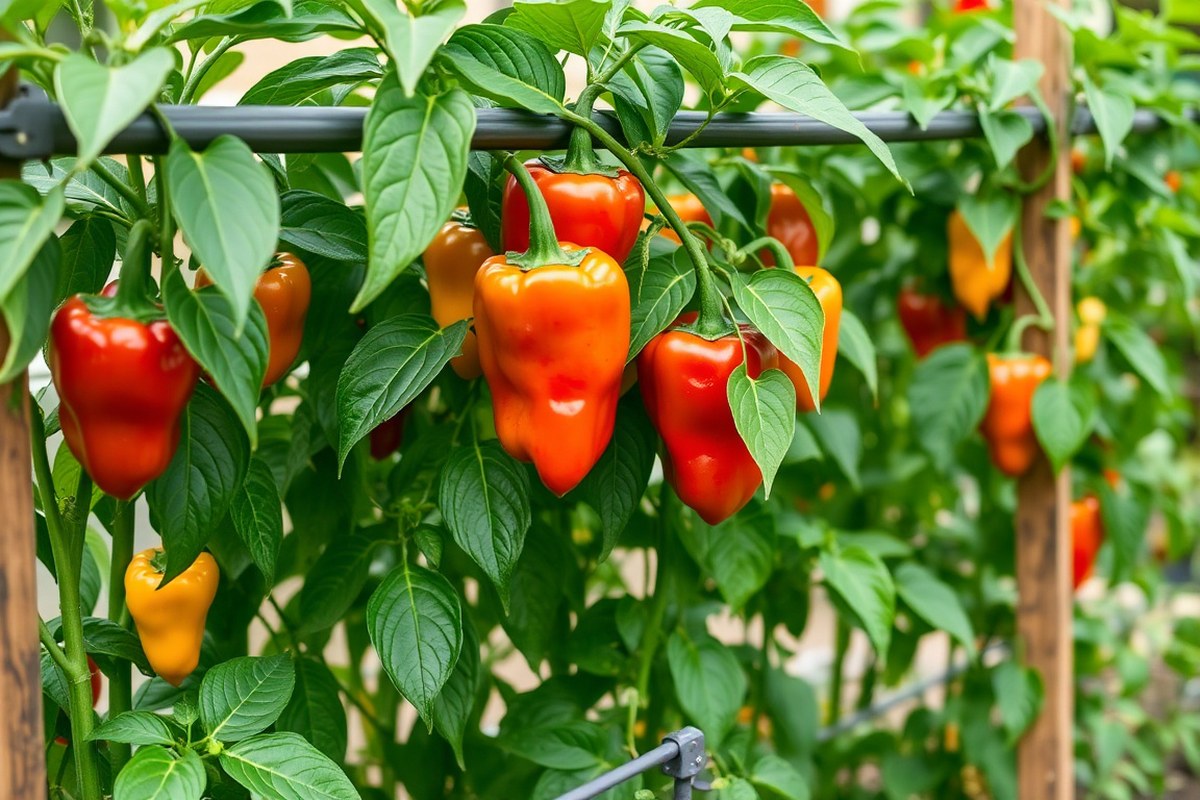
Do bell peppers need a trellis? Not always, but many benefit from one.
A trellis supports plants as they grow and keeps heavy fruit from weighing branches down. This helps peppers develop without breaking limbs or dragging on the ground.
Installing a trellis when pepper plants reach 6 to 8 inches tall works best. You can then guide the stems gently with ties to avoid damage. This approach keeps plants stable through the season and reduces fruit spoilage.
If you grow peppers in windy spots or heavy soil, a trellis adds extra support. It also makes harvesting easier by keeping peppers visible and within easy reach. So, trellising is not required but often improves plant health and yield.
Key Takeaways
- Install a trellis once seedlings reach 6-8 inches tall for best support.
- Use soft ties to secure stems loosely, preventing stem damage.
- Place trellises in windy areas to prevent plants from falling over.
- Choose a trellis about 3-4 feet high to accommodate mature pepper plants.
- Trellising improves airflow, reducing disease risk around plants.
- Support helps keep fruit off the ground, limiting rot and pests.
Do Bell Peppers Need a Trellis for Successful Growth?
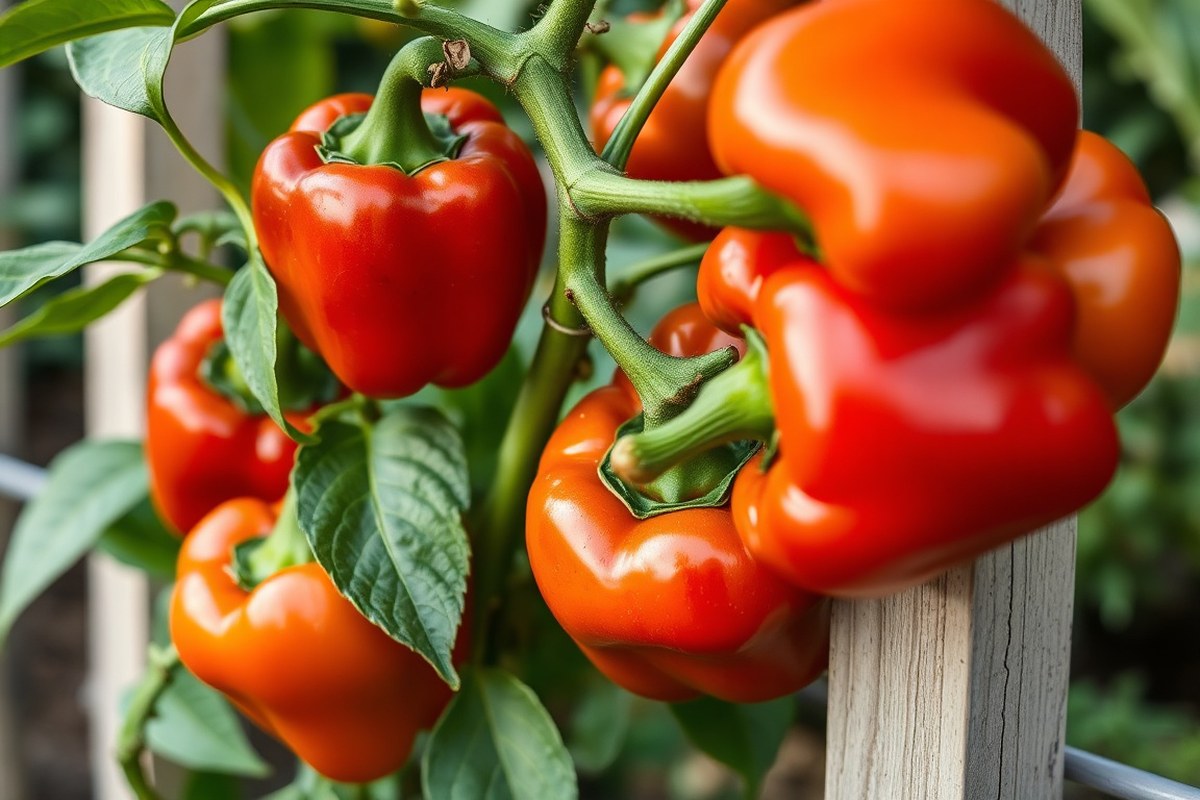
Bell pepper plants usually don’t require a trellis to grow well. Most bell pepper varieties stay compact and can support their fruit without extra help. Small to medium-sized peppers rarely weigh enough to pull down the branches or damage the plant.
You should consider a trellis for large or tall, leggy peppers. Some pepper varieties grow tall and need extra support. A trellis can keep them sturdy.
When fruits grow heavier than 0.3 to 0.5 pounds each, the weight can bend or break stems. A red or yellow bell pepper may grow 3 inches or more. Peppers this size often need extra support.
This helps prevent breakage. Put up a trellis when large peppers start to show.
It keeps branches upright. It also stops peppers from touching the ground.
A trellis also improves air circulation around the plants. This helps prevent fungal diseases, especially in humid or wet conditions. Without support, heavy branches may rest on the soil, leading to rot or pest problems.
Using a simple cage or vertical netting allows stems to grow straight. You can set one up during planting or add it later once your peppers start fruiting.
Don’t support heavy-fruited peppers, and expect flattened or broken stems. The fruits might end up touching damp soil. This can cause problems.
These issues reduce yields and increase disease risk. Smaller bell peppers have sturdy stems. They usually don’t need a trellis.
They hold up well on their own. Just watch your plants as fruits develop to decide if support is needed.
Bell peppers need trellising when fruits get large and heavy. Also, use a trellis if plants grow taller than 18 inches. This prevents bending stems and broken branches.
Peppers smaller than 18 inches don’t need a trellis. However, a trellis can keep plants neat and tidy. It helps with garden appearance.
Supporting pepper plants costs about $10-$20 for a basic cage or netting. This investment makes harvesting easier and protects fruit quality through the season.
Signs Your Bell Pepper Plants Need Support
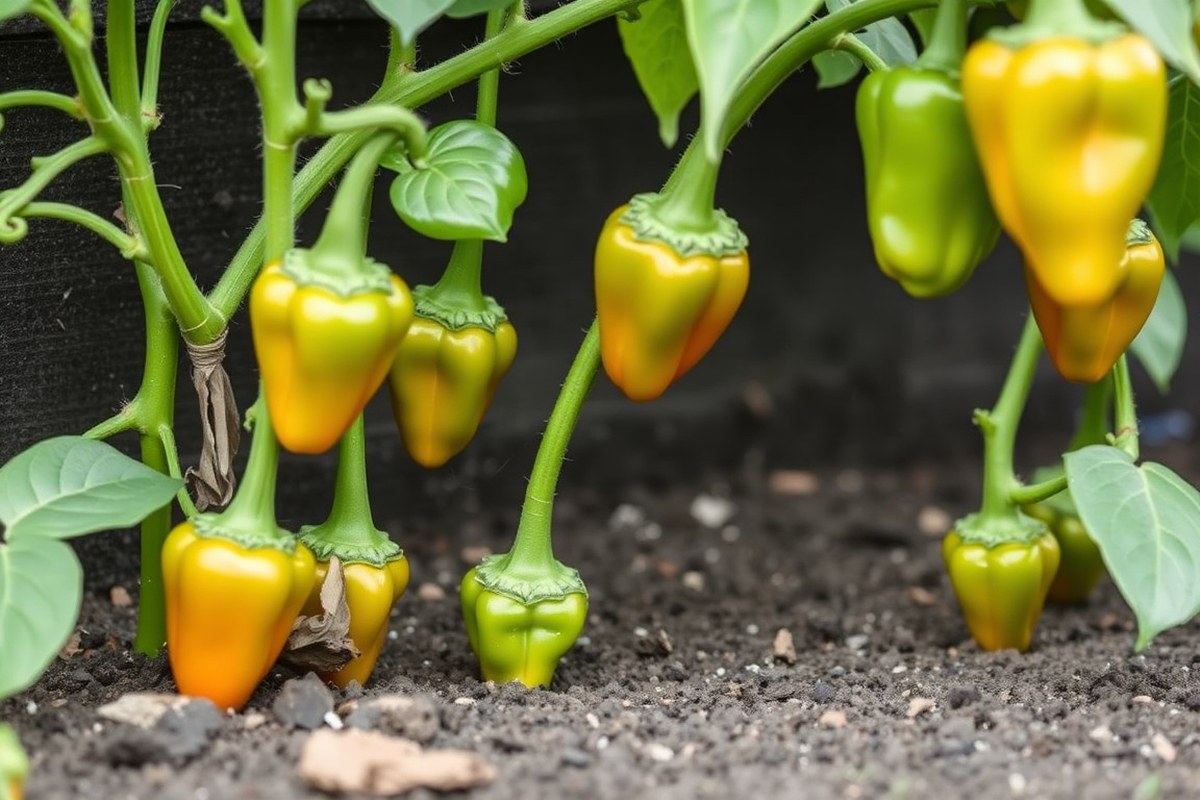
Bell pepper plants start needing support when their stems begin bending under fruit weight. The stem holds pepper fruits only up to half its diameter. Beyond that, the stem may lean.
It can also snap under too much weight. Large peppers that touch the ground may rot or attract pests.
This risk is higher for indeterminate plants. These plants grow longer branches with many fruits.
Restricted airflow happens as dense leaf growth blocks the breeze around peppers. This creates wet, humid spots that encourage diseases like anthracnose. You’ll notice wilting or yellowing lower leaves when airflow is poor.
Determinate pepper plants stay compact and need less support. Indeterminate types grow taller and spread more. They need extra help to stay upright.
- Stems bending or leaning under pepper weight
- Fruit touching or resting directly on soil
- Lower leaves yellowing or spotting from poor airflow
- Plant height exceeding 3, 4 feet without support
- Dense foliage blocking air circulation
- Small pepper varieties generally standing firm alone
- Larger or indeterminate types sprawling beyond stakes
Indeterminate peppers grow tall with fruit clusters along flexible stems. You can identify them by these features. They keep growing through the season.
Determinate varieties are shorter with fruit closer to the main branch tips. Peppers taller than 3 feet or fruits longer than 3 inches need early support.
Use stakes or trellises to prevent breakage. This also keeps fruits off the ground.
Secure young pepper plants gently without twisting stems. That prevents damage before you see bending.
Supporting your bell peppers helps them avoid stem cracks and disease. Watching for these visible signs lets you act early, before fruit and leaves suffer harm. Supporting plants keeps your peppers clean and plants healthy.
It lowers the chance of pests hiding under ground-level fruits. This means a better harvest overall.
Common Methods to Support Bell Pepper Plants
Bell peppers can benefit from support to keep plants upright and fruit off the ground. Common methods include stakes, cages, and trellises, each with their own pros and cons.
Choosing a method depends on your garden size and pepper type. It also depends on how much effort you want to spend.
Tomato cages often fit bell pepper plants well since they are similar in size. Small tomato cages can hold plants neatly. But many are flimsy or too short once peppers grow heavy with fruit.
Stakes use less material and cost less. But they require tying plants carefully throughout the season. Trellises need more work to set up.
They improve air flow. They help you grow peppers vertically.
| Support Type | Description | Cost & Effort | Best Use | Limitations |
|---|---|---|---|---|
| Stakes | Single poles to tie stems for basic support | Low cost; moderate tying effort | Small gardens; fewer or bushy plants | Less stable; requires frequent tying |
| Trellises | Vertical frame for training plants upward | Moderate-to-high setup effort, reusable | Large or dense gardens; maximizing space | Needs pruning and training; more time |
| Cages | Wire or plastic frames enclosing plants | Moderate cost; easy setup | Medium gardens; multi-stem plants | Can be flimsy; size may limit plant growth |
Use stakes for small peppers or shorter plants that don’t bear heavy fruit. Stakes are cheap but need attention to prevent branches from drooping. Cages give easy support without much tying.
Some commercial cages might not hold big peppers well. They still work well for many gardeners.
Trellising is best for larger gardens or when space is tight. They let you grow peppers upward, improving air flow and sunlight exposure.
That can reduce fungal diseases and speed harvesting. However, training peppers on trellises involves tying and pruning, which takes more time and skill.
Choosing the right support often depends on your bell pepper variety. Smaller peppers suit stakes or cages. Larger, heavy-fruiting varieties benefit most from sturdier trellises.
Gardeners with limited space will find trellises make better use of vertical room. Pick a support based on garden size and pepper habits. Also consider how much time you want to spend.
How and When to Install a Trellis for Bell Peppers
Install a trellis when your bell pepper plants reach 6 to 8 inches tall. This timing helps avoid disturbing roots and supports the plant as it grows. Use loose ties to secure stems without damage.
Ideal Plant Height for Trellis Installation
Wait until the seedlings reach between 6 and 8 inches tall before installing a trellis. The plants are strong enough to grow upward now. They won’t risk much root damage.
You can start supporting growth. Younger plants have fragile roots that can tear if you install support too early.
Setting up the trellis too late makes training growth harder. Stems may bend or break. It’s best to set it early.
Start training shoots when plants reach 6 to 8 inches. This helps guide them gently upward. It prevents tops from getting crowding or heavy.
Materials Needed for Trellis Setup
Select trellis materials that match your garden space and bell pepper size. Use a simple string trellis or wired frame. Make it 3 to 4 feet tall.
Both work well for support. Use wooden stakes or metal poles spaced 12 to 18 inches apart for stability.
You’ll also need soft ties such as garden twine, cloth strips, or plant velcro. These prevent cutting into the pepper stems while holding them securely. Avoid materials like wire or string that can constrict or damage stems.
Proper Tying Techniques and Tools
Secure bell pepper stems loosely to avoid damage. Wrap a soft tie around the stem and support. Leave about half an inch for stem growth.
This prevents damage. Tight tying causes stem bruising or breaks, hurting the plant and fruit production.
Use scissors or garden pruners to trim tie ends cleanly to prevent snagging. Check ties weekly and loosen or adjust as needed to accommodate growth. Too tight or ignored ties can girdle stems and slow growth.
How to Protect Roots When Installing Supports
Install your trellis carefully to avoid root damage. Work around the plant base rather than digging close to the roots. Put stakes or poles 3 to 4 inches from the main stem.
This gives roots space to grow well. Avoid placing them too close.
Loosen the soil gently with a hand trowel if needed instead of heavy digging. Avoid pulling or shifting the plant during installation to keep roots intact. Root injury weakens plants and reduces fruit yields.
Managing Growth After Trellis Installation
Guide new shoots upward as they grow using your trellis and ties. Regularly check plants to adjust ties and prevent crowding or bending. Remove any damaged or weak branches to keep growth balanced and air flowing.
Water and fertilize the peppers consistently after installing the trellis. The added airflow and lifted fruit speed drying and help prevent diseases. Support your peppers until harvest by maintaining ties and replacing supports that wear out.
- Choose stakes or poles 3 to 4 feet tall, spaced every 12 to 18 inches.
- Gently loosen soil 3 to 4 inches from each pepper plant’s base.
- Insert stakes or poles firmly without disturbing roots.
- Attach horizontal wires or strings between stakes to build the frame.
- Place soft ties loosely around stems and support lines.
- Check ties weekly, loosening or retying as plants grow.
- Prune weak or overcrowded branches to encourage healthy growth.
- Water and fertilize plants regularly to support fruit development.
Impact of Trellising on Bell Pepper Health and Yield
Supporting bell pepper plants with a trellis lifts heavy fruit off the ground. This reduces fruit rot caused by moisture, especially in humid conditions. It also helps air flow freely around your plants.
This lowers the risk of fungal diseases. Leaves and stems dry faster, making plants healthier.
Good airflow helps prevent powdery mildew and other common pepper diseases. When peppers rest on damp soil, they become vulnerable to bacteria and decay.
Trellising keeps the fruit improve and spaced. So the plant stays healthier and productive longer.
Plants with proper support bear fruit better because their branches don’t break under the weight. A trellis spreads out the branches and peppers, letting more light reach each one. This encourages better photosynthesis, which is key for fruit growth and quality.
Trellising also makes harvesting easier. You can see ripe peppers clearly and pick them without damaging the plant. Regular pruning alongside trellising redirects energy into fruit, producing larger, tastier peppers.
Watering and feeding change slightly with a trellised plant. Since airflow improves, soil dries somewhat faster, so check moisture levels often.
Consistent watering supports steady fruit development, but avoid soggy soil. Fertilize based on plant growth, adjusting as peppers mature on the trellis.
Adding a simple stake or low trellis costs little and takes minimal time. Use soft ties or clips to secure stems gently. Prune as peppers grow to keep plants from getting too large for the support.
Look for branches leaning or fruit touching the soil. These signs mean a trellis can help your peppers. It protects fruit from damage and disease.
Trellising Bell Peppers in Containers and Raised Beds
Container-grown bell peppers really need support. This helps keep them upright. It also keeps the plants healthy.
Choose a container at least 12 inches deep with drainage holes to avoid waterlogging. Use a small trellis or a tomato cage.
This keeps the plant steady as it grows. It also makes harvesting easier.
For raised beds, you can use taller trellises or stakes since space is less limited. Put stakes 12 to 18 inches into the soil near plants. Tie the stems loosely with garden twine.
This supports the plant. This prevents branches from breaking and keeps peppers off the ground, reducing rot and pest problems.
Installing trellises varies by container size and bed depth. In containers, keep trellises compact, about 2 feet tall, so they fit without tipping. Raised beds allow taller supports, up to 3 feet, for more vertical growth.
Attach trellis parts firmly but gently to avoid damaging plants. You can build simple wooden frames or buy metal tomato cages for under $20.
Watering changes when bell peppers climb a trellis in containers. The soil dries faster because it’s more exposed to air and sun. Water when the top inch of soil feels dry.
This is usually every 2 to 3 days. It works best in warm weather.
Raised beds retain moisture longer, but check soil regularly. Both setups benefit from mulch to keep roots cool and moist.
Using a trellis also helps maximize space in small gardens. Vertical growth reduces horizontal spread, letting you plant more peppers in less area. A small trellis keeps peppers neat and upright in containers.
This works well on balconies or patios. It makes the space productive. Raised beds with trellised peppers fit more rows.
The plants stay upright and don’t crowd each other. This saves space.
Good results show through strong, healthy stems, well-exposed leaves, and clean fruit. Peppers hanging off the ground avoid rot and insects better.
Watch out for heavy fruit loads bending the stems, add extra ties as peppers grow heavier. Without support, peppers might sprawl, making the garden look messy and increasing disease risk.
Maintaining and Adjusting Trellised Bell Pepper Plants Throughout the Season
Trellising bell peppers needs ongoing care to keep plants healthy and supported. Prune damaged leaves, adjust ties, and extend the trellis as plants grow taller. Watch for pests and stress to protect your pepper yield.
Pruning Dead and Diseased Leaves
Remove dead or diseased leaves as soon as you see them to keep plants healthy. This limits disease spread and improves airflow around the peppers. Use clean, sharp scissors or pruning shears to avoid harming the plant.
Focus on leaves that look yellow, spotted, or wilted. Cut these off at the stem base to prevent infection. Regular pruning also helps the plant put energy into fruit production instead of damaged parts.
Retightening and Adjusting Ties
Check ties supporting your bell peppers every week. As the plant grows, loosen or retie stems to avoid cutting into them. Use soft fabric strips or garden twine that won’t damage the stem.
Replace ties that have become brittle or too tight. Gently slide ties upward if the stem has grown taller. This keeps plants upright without stressful bending or breakage.
Extending Trellis Height Safely
For taller, indeterminate bell peppers, you may need to extend your trellis as the season progresses. Add extra stakes or taller supports to prevent plants from falling over. Attach extensions securely without shaking the existing structure.
Use lightweight materials like bamboo poles or thin metal rods. Fasten ties to the new poles in several spots for solid support. Monitor the trellis after wind or storms and retighten as needed.
Preventing Stem Damage and Stress
Don’t tie stems too tightly to avoid damaging the pepper plant’s vascular system. Leave enough slack for slight movement in the wind. Avoid forcing plants into unnatural positions against the trellis.
Support heavy branches with additional ties or soft padding. This reduces the risk of breaks and helps plants survive storms or strong breezes. Keep stakes firmly in the ground to avoid leaning.
- Use soft, stretchy ties to prevent stem cuts
- Avoid overcrowding pepper plants to improve airflow
- Check ties weekly and adjust as plants grow
- Support heavy branches with extra ties or padding
- Secure trellis poles deeply in soil for stability
- Don’t prune too much at once to avoid stress
Managing Pests and Disease on Trellised Plants
Keep an eye out for tiny pests like thrips, which can harm leaves and fruit. Inspect leaves weekly, especially on hidden or lower parts of the plant. Remove seriously damaged leaves and dispose of them away from healthy plants.
Use organic insecticides or insecticidal soap if pests become a problem. Good airflow around trellised plants helps reduce humidity and disease risk. Clean tools and remove plant debris regularly to prevent infections.
Choosing Bell Pepper Varieties Based on Support Needs and Growing Conditions
Choosing the right bell pepper variety helps decide if you’ll need a trellis or not. Large, heavy-fruited and indeterminate types usually need support to stay upright. Smaller or determinate varieties can often grow without a trellis, especially in mild climates or containers.
Determinate vs Indeterminate Varieties
Determinate bell peppers grow to a certain size and stop. They produce most of their fruit in a short time and tend to be bushy. Because of this, they usually hold up well without trellises.
Indeterminate varieties keep growing and bearing fruit all season. Their stems get long and can flop over without support. You’ll notice these types often need a trellis to handle the growing weight.
Picking a variety depends on how much space and effort you want to spend on support. Indeterminate varieties demand more time installing and maintaining trellises or cages.
Heavy vs Light Fruiting Types
Big, heavy bell peppers pull plant branches down as they mature. These types benefit the most from trellising to avoid broken stems. The support keeps fruits off the ground and reduces rotting risk.
Light or smaller fruiting varieties usually don’t get heavy enough to need extra support. They grow upright without bending or breaking even when loaded with peppers.
Watch for sagging branches during fruiting season. Heavy fruits on determinate plants might also cause drooping that calls for some kind of support.
Climate Influence on Plant Structure
Warmer regions often produce larger fruit and faster growth. Those plants become heavier and flop easier without support. In hot climates, a trellis helps prevent damage from sun and wind as well.
Cooler climates slow growth, leading to shorter plants with fewer heavy fruits. Support needs decrease because plants stay more compact. You might skip a trellis in these areas if you pick determinate or light-fruited varieties.
Humidity and rain also affect how plants handle weight. Wet conditions make branches weaker, raising the chance of breakage without strong support.
Varieties Suited for No-Support or Minimal Support
Compact, early-maturing bell peppers grow well in containers without a trellis. Varieties like ‘Mini Belle’ or ‘Sweet Banana’ are good examples. They stay small and produce manageable fruit loads.
For smaller gardens or patios, choose bushy types bred for container growth. They usually require only a short stake or cage for support, saving you time and effort.
Using disease-resistant varieties combined with minimal support lowers plant stress. Clean garden debris yearly to reduce disease risk no matter the variety’s support needs.
Pick a pepper variety first, then plan support based on its growth type and fruit weight.
Step-by-Step Action Plan for Supporting Bell Pepper Plants
Follow these steps to keep your bell peppers strong and productive through the season.
- Before planting: Choose sturdy stakes or a simple trellis system. Make sure it fits your garden space and pepper variety.
- At planting: Insert stakes or frame the trellis near each plant gently without damaging roots. This holds plants upright early.
- After 2 weeks: Begin tying stems loosely with soft ties to the support. Check that ties hold but don’t squeeze stems.
- Mid-season: Watch for heavy fruit loads and add extra ties if stems start leaning. Adjust ties as plants grow taller.
- Weekly maintenance: Remove damaged leaves and prune overgrown branches. This helps air flow and keeps plants healthy.
- Harvest time: Continue supporting plants while picking peppers. This prevents breakage and encourages new flowers.
- End of season: Remove trellises and clean ties. Compost plant remains away from next year’s beds to reduce pests.
Frequently Asked Questions
Do Bell Peppers Need a Trellis?
Yes, bell peppers do need a trellis to support heavy fruit and prevent stem breakage. A trellis keeps peppers off the ground, reducing pest and disease risks.
Do Bell Peppers Do Better in Pots or in the Ground?
Bell peppers usually grow better in the ground due to more space and root depth. Pots can work but need regular watering and feeding to match soil growth conditions.
What Cannot Be Planted Near Bell Peppers?
Avoid planting fennel or kohlrabi near bell peppers because they can stunt growth. Instead, try nasturtium or catnip nearby to help repel pests naturally.
How Long Do Bell Peppers Take to Reach Full Size?
Bell peppers take about 85 to 90 days to reach full size from outdoor planting. Full size usually means glossy, firm fruit ready for harvest.
What Is the Trick to Growing Bell Peppers?
The trick is to plant peppers in full sun and provide steady moisture without waterlogging. Using supports like a trellis helps plants bear fruit without damage.
Can I Grow Bell Peppers Without Staking or Trellising?
You can grow bell peppers without support. But fruit may touch the ground and risk damage. Staking or trellising improves air circulation and makes harvesting easier.
The Bottom Line
Bell peppers do well with support, especially as fruits get heavy. Start early and keep ties loose for best results. Try adding a trellis with your next round of peppers for easier harvesting and better yields.