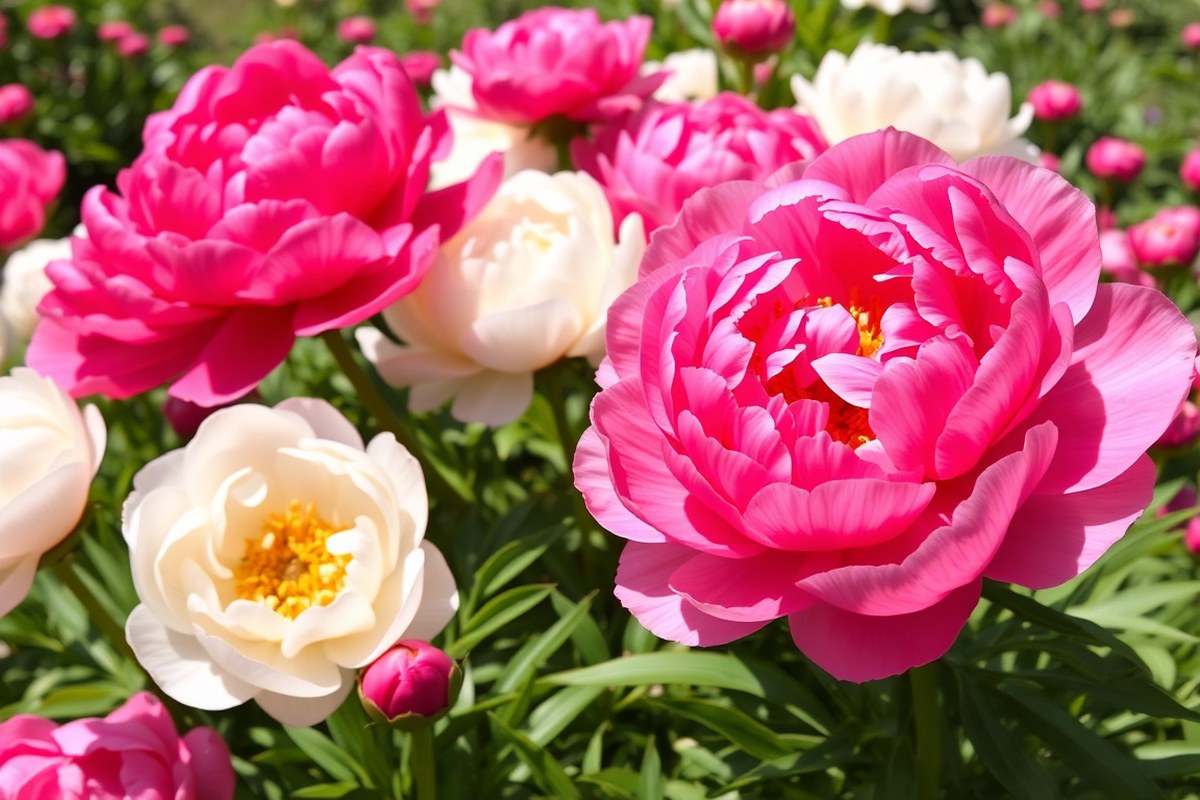
Do Peonies Bloom All Summer? What You Need to Know to Extend Flower Time
Do peonies bloom all summer? The short answer is no.
Peonies usually bloom once in spring. Their flowers last about 7 to 10 days.
You can extend the blooming period by planting different peony varieties. Some types bloom earlier in spring while others flower later. Combining early, mid, and late-season peonies lets you enjoy blooms for several weeks.
Peonies need full sun daily for the best flowers. Plant the buds just a couple of inches below the soil surface. This depth encourages strong roots and healthy blooms.
With good care, your peonies can brighten the garden for up to six weeks. Each flower still only lasts a few days, but staggered blooms stretch their show. Planning helps you get the most out of your peony plants.
Key Takeaways
- A single peony plant blooms for only 7 to 10 days each spring.
- Mix peony types to get flowers blooming over multiple weeks.
- Herbaceous peonies can bloom up to 4 to 6 weeks with variety blends.
- Tree and intersectional peonies bloom intensely but for shorter periods.
- Ensure peonies get at least 6 to 8 hours of direct sunlight daily.
- Plant peony buds (eyes) just 1 to 2 inches below the soil surface.
Do Peonies Bloom All Summer or Just Once?
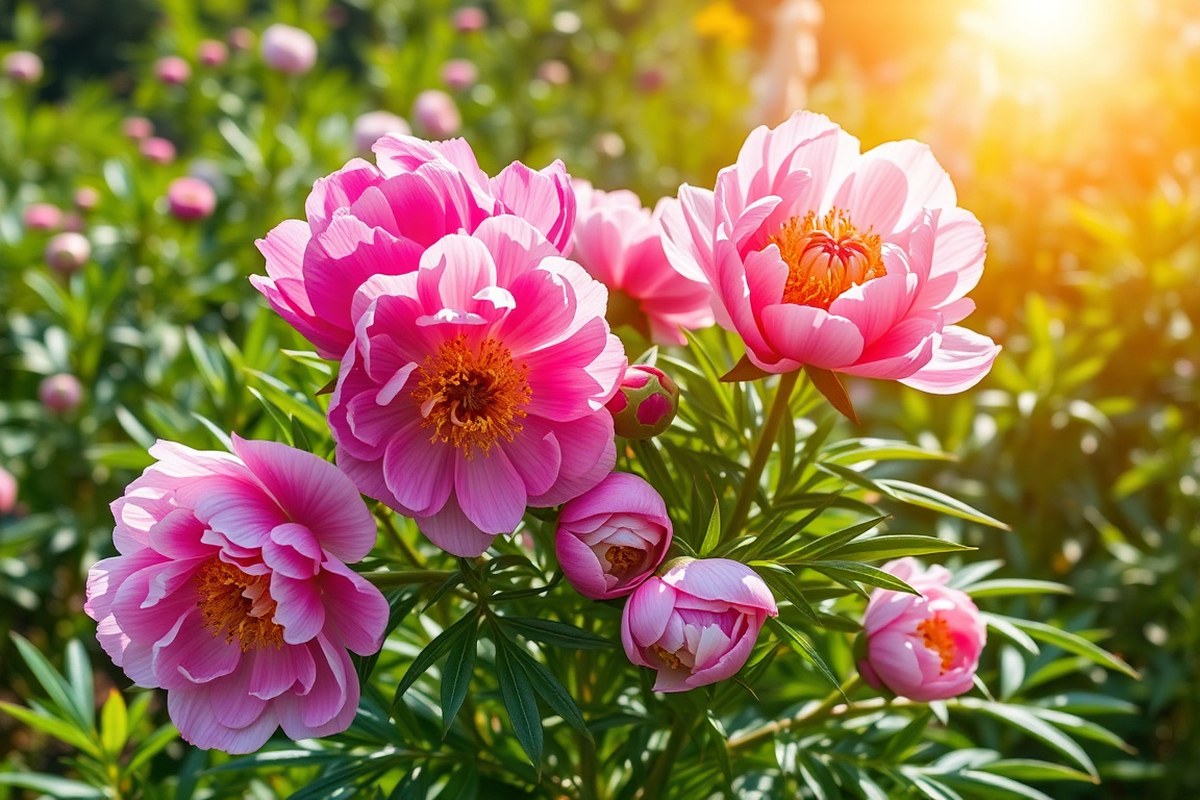
Peonies do not bloom all summer. They usually have one main bloom cycle in spring that lasts about 7 to 10 days. After that, the flowers fade, and the plant moves into growth or dormancy.
Most traditional peony types flower once and do not produce more blooms later. This single bloom period happens because peonies flower fast. They bloom before summer heat and drought arrive.
This helps them survive harsh weather. The group waits out summer in leafy form without repeats.
Some special peony varieties, like repeat bloomers or everbloomers, can bloom more than once. For example, Itoh peonies are a mix of two types. They often have many flowers that open one by one.
This gives a longer flowering time. This can stretch the bloom time to a few weeks, sometimes into mid-summer.
To get a second bloom cycle, you need those specific types with repeat-bloom genes. Even then, the plant must stay healthy without heat stress or water problems.
You can try deadheading spent flowers to help encourage new buds. But with most peonies, this won’t bring another round of blooms.
To get peonies that flower longer, choose “repeat bloomer” varieties. These bloom more than once in a season. It helps extend the flowering period.”
These have been bred to open new flowers after the first flush. However, continuous summer blooms are rare and usually only occur in ideal growing conditions.
Typical Peony Bloom Times and Season Lengths
Peonies typically bloom once each year during late spring to early summer. The bloom period changes by type and climate. It can last from one week to six weeks.
Bloom length depends on the variety you grow. Knowing the differences helps you plan your garden for the longest display of flowers.
Herbaceous Peonies Bloom Duration
Herbaceous peonies start blooming in late spring and usually bloom for 4 to 6 weeks. Their flowers last about 7 to 10 days each.
But the plant produces many blooms over the period. This continuous succession gives your garden a solid month or more of color.
The bloom time is shorter in cooler climates where the growing season ends sooner. In warmer areas, blooms can stretch toward early summer but rarely last beyond June. Fertilizing in summer can support healthy growth but won’t extend individual bloom periods.
Tree Peonies Bloom Timing
Tree peonies bloom later than herbaceous types, usually from late spring to early summer. Their flowers open over about one month but often appear more intense. The blooms tend to last longer than herbaceous flowers but with fewer total blossoms.
These peonies do well in climates with mild springs and cooler summers. They rarely bloom past early July and don’t rebloom once finished. Tree peonies need patience to grow well.
They are not as common as other types. Sometimes nurseries don’t have them in stock.
Itoh Peonies Bloom Characteristics
Intersectional or Itoh peonies bloom later than other peonies. Each plant flowers for roughly 2 to 3 weeks.
Planting many can give you 6 to 8 weeks of color. These peonies handle heat better than most.
These hybrids combine strong stems and large flowers, making them popular for longer-lasting displays. They tend to bloom from late spring until early summer but stop once the blooms finish. Like tree peonies, Itoh types won’t bloom continuously through summer.
Here’s a simple table outlining bloom times for each peony type:
| Peony Type | Typical Bloom Start | Bloom Duration | Bloom Peak Period |
|---|---|---|---|
| Herbaceous | Late April to Early May | 4 to 6 weeks | 7, 10 days per flower |
| Tree | Late May to Early June | Up to 1 month | Long but intense bloom |
| Itoh (Intersectional) | Late May to Mid June | 2 to 3 weeks (per plant) | Longer season when grouped |
Planting a mix of types lets you enjoy peony flowers across a longer season. This staggered blooming reduces the gap between when one type fades and another begins. You can plan your garden layout based on bloom timing for almost continuous color.
Plant peony types with staggered bloom times to extend your garden’s flowering season.
Which Peony Varieties Have the Longest Bloom Periods?
Peony varieties differ in how long their flowers last. Single plants bloom for about 7 to 10 days. You can stretch peony blooms over six weeks by planting types with staggered flowering times.
Herbaceous peonies flower early to mid-season but usually don’t last more than a week. Itoh peonies are easier to spot for longer bloom periods. Their petals tolerate heat better and keep looking fresh longer.
| Peony Type | Bloom Duration (per plant) | Bloom Period | Sample Cultivars with Long Bloom |
|---|---|---|---|
| Herbaceous | 7, 10 days | Early to mid-season | ‘Sarah Bernhardt’, ‘Festiva Maxima’ |
| Itoh (Intersectional) | 10+ days | Mid to late-season | ‘Bartzella’, ‘Cora Louise’, ‘Pastel Splendor’ |
| Tree Peony | Up to 2 weeks | Mid to late-season | ‘Hana Kisoi’, ‘Renkaku’ |
Choosing a mix of early, mid, and late bloomers lets you enjoy peonies longer. Early herbaceous types bloom first, then Itoh and tree peonies follow. Plan for overlapping bloom times to avoid gaps.
To extend bloom, pair ‘Sarah Bernhardt’ early with Itoh ‘Bartzella’. You’ll first see herbaceous flowers then Itoh peonies in late spring. Tree peonies can add waves of color well into early summer.
Environmental Factors That Affect Peony Bloom Duration
Peonies require six hours of direct sunlight daily for best growth. This sunlight helps flower buds grow healthy and last longer. Without enough sun, peony blooms will be smaller and fade quickly.
Temperature affects how long peony flowers last. Hot days above 85°F can stress plants, causing petals to wilt or drop sooner. Cool nights near 50°F help blooms stay fresh by slowing their aging process.
Soil moisture plays a key role in bloom health. Keep soil evenly moist but not soggy to avoid root rot. Deep watering once a week works well, especially in dry spells during blooming.
Mulching with 2 to 3 inches of organic material protects roots from heat. It holds soil moisture and keeps temperatures steady, helping flowers last longer. Check mulch yearly and replenish as it breaks down.
Plant peonies where they get full sun every day. Water deeply once a week during dry spells. Mulch helps keep the soil cool and moist.
Avoid overwatering to prevent soggy soil. Monitor for heat waves above 85°F and provide shade if you can.
How to Care for Peonies to Maximize Bloom Time
You can help peonies bloom longer by following key care steps. Proper feeding, pruning, and watering make a difference. Adding support also keeps flowers healthy and upright.
Fertilizing Best Practices
Feed your peonies in spring when stems reach about 6 inches tall. Use a balanced fertilizer with low nitrogen to avoid too much leafy growth. Careful timing helps support strong blooms without tiring the plant.
Fertilizing during summer can hurt bloom longevity. Too much nitrogen encourages leaves over flowers. Focus on spring feeding and only lightly fertilize later if the soil is poor.
- Choose a balanced fertilizer with a ratio like 10-10-10 or 10-20-10.
- Apply fertilizer evenly around the base, avoiding direct contact with stems.
- Use about 1/4 pound (or the package’s recommended rate) per plant area.
- Water the plants well after applying fertilizer to help absorption.
- Hold off on summer fertilizing unless leaves look pale or growth is weak.
Applying too much nitrogen in summer will reduce flower production significantly.
Pruning and Deadheading Tips
Deadheading spent blooms removes old flowers and encourages tidy growth. While peonies bloom once each season, removing faded flowers keeps the plant focused and healthy. That helps the stem hold strong longer.
Cut stems back to the first set of healthy-looking leaves. Don’t cut all the way to the ground. Leave the bottom parts intact.
After blooms finish, wait for foliage to yellow in fall before pruning fully. This keeps the plant’s energy stored for next year.
- Pinch or cut off dead flowers just above the nearest leaf pair.
- Avoid cutting green stems prematurely during blooming.
- Support the plant with a cage or stakes before blooms open.
- In late fall, cut back all foliage to ground level once leaves yellow.
Deadheading won’t cause a second bloom but keeps plants neat and vigorous.
Watering and Soil Moisture Management
Peonies need steady moisture to keep blooms fresh but dislike soggy soil. Water deeply when the top 1 inch feels dry. Consistent moisture prevents stress that shortens bloom times.
Avoid watering directly on flowers or leaves to reduce disease risk. Mulch around peonies to keep soil moist longer and cool roots. Proper drainage stops root rot, which can weaken plants.
- Check soil moisture regularly, especially during dry or hot spells.
- Water slowly and deeply once or twice weekly, providing about 1 inch per week.
- Mulch 2-3 inches around plants but keep mulch 1-2 inches from stems.
- Ensure garden beds drain well to prevent standing water around roots.
Overwatering or poor drainage can cause root diseases that kill peonies fast.
Extending Peony Bloom Season by Strategic Planting
Planting multiple peony types with different bloom times can stretch your flowering display to six weeks. Start by selecting early-, mid-, and late-blooming varieties. This way, as one finishes blooming, another begins.
Choose one or two cultivars from each bloom period for the best results. Pair early types like ‘Bowl of Beauty’ with mid-season ones. Add late bloomers such as ‘Karl Rosenfield’ to your garden.’ This mix offers overlapping flowers over several weeks.
Place early-blooming peonies where they catch morning sun to encourage fast blooming. Mid-season and late peonies thrive in full sun.
Good afternoon shade helps stop heat stress. Arrange plants so taller or bushier types don’t block smaller ones, keeping blooms visible.
Plant three to five of each variety together. This gives a fuller look and steady blooms. Space plants about 3 feet apart to allow strong air circulation and reduce disease risk.
Plant roots no deeper than 2 inches below soil. Deeper roots can cause your peonies to not bloom.
Adding a tree peony or Itoh hybrid adds variety. It also extends the blooming period.
These types tend to bloom slightly outside typical peony periods. Their unique height and flower form add contrast while filling gaps in the flowering calendar.
This strategy costs more upfront since you buy several plants. But the pay off lasts years.
Peonies are long-lived perennials that can live over 100 years in the right spot. Over time, you’ll have a reliable floral show from late spring into summer without gaps.
Keep in mind that hot, humid weather can cause fungal problems and reduce bloom quality. Providing good sun and space between plants helps prevent these issues. With care, your staggered peony planting can deliver fresh flowers week after week for months.
Common Mistakes That Shorten Peony Bloom Periods and How to Fix Them
Planting peonies too deep is a common mistake that stops blooms. Peony eyes, or buds, should sit no more than 2 inches below the soil. Dig a hole deep enough for the eyes to rest just below soil.
Fill the hole back with soil. Press the soil firmly but avoid packing it tightly.
Planting deeper than 2 inches can delay or prevent flower buds from emerging. When you fix this, peonies bloom fully in spring through early summer. Worry about frost?
Cover late frost-prone plants lightly. Don’t plant them extra deep.
Watering errors also shorten bloom periods. Too little water during dry spells stresses peonies and cuts blooms short.
Water deeply once a week if rain falls less than an inch. Overwatering leads to root rot, so ensure soil drains well.
Full sun is key for longer peony blooms. They need 6 or more hours of sun each day. Shade blocks energy needed to form flowers, making blooms fewer and smaller.
Your spot might be shady. Try moving plants to sunnier spots. Choose places with most sun during the day.
Hot afternoon sun can stress peonies, especially in warm climates. Provide some afternoon shade by planting near taller shrubs or using shade cloth in summer. This protects buds and helps blooms last longer.
Avoid too much nitrogen fertilizer. It produces lots of leaves but fewer flowers.
Use balanced fertilizers and follow label instructions. Feed peonies once in early spring and again after blooming stops.
Cutting stems at the wrong time can also affect bloom cycles. Remove spent flowers after they fade but leave healthy leaves on. Those leaves feed roots and build strong blooms for next season.
Watch for pests and diseases. Insects and fungi reduce plant vigor and bloom length. Check peonies regularly and treat problems quickly with safe sprays or removal of affected parts.
How Temperature and Climate Influence Peony Bloom Longevity
Peony blooms respond strongly to temperature and climate. The best results happen in moderate temperatures, not too hot or cold. These conditions affect how long flowers stay fresh and vibrant on your bush.
Optimal Temperature Range for Peony Blooms
Peonies bloom best in temperatures between 60 and 70 degrees Fahrenheit. Cooler nights help blooms last longer by slowing petal drop. When daytime temps stay in this range, flowers can stay fresh for up to two weeks.
Temperatures above 85°F cause petals to wilt and drop quickly. This shortens the bloom cycle from two weeks down to just a few days. You can expect blooms to fade faster during hot spells in summer.
Effects of Heat and Cold on Flower Duration
Heat waves accelerate blossom aging. When temps jump past 85°F, petals dry out faster. Flowers may open early but will fade sharply, often in three to four days.
On the flip side, peonies need a cold rest in winter to grow strong buds. In zones with mild winters, flowers might bloom less or stretch out time before blooming starts. Cold helps set up a normal, dependable flowering cycle.
Too much heat near blooming time shortens flowers dramatically. So consider shade during afternoon sun.
USDA Hardiness Zones for Peony Success
Peonies do well in USDA zones 3 through 8. These zones provide enough chill in winter and a cool spring. Both are needed for strong buds and longer flowering periods.
Zone 8 and warmer zones may challenge peony growth. Hot summers and mild winters shorten blooms and can cause weak plants. In these warmer zones, look for heat-tolerant varieties or partial shade spots.
Step-by-Step Action Plan to Extend Peony Blooms
Follow this plan to get the longest bloom time from your peonies. Each step has an easy action to help you see results.
- Early Spring: Apply a balanced fertilizer to encourage strong growth. Look for sturdy, healthy shoots within two weeks.
- Before Blooming: Remove old mulch and add fresh mulch to keep soil moist and cool. The soil should stay evenly damp but not soggy.
- At First Bud Show: Pinch off any weak buds to funnel energy to strong flowers. You’ll notice bigger, healthier blooms as a result.
- During Bloom: Deadhead spent flowers every few days. This prevents seed formation and encourages more blooms.
- After Bloom: Cut back the flower stems but leave the leaves. The leaves feed roots and help next year’s blooms grow strong.
- Late Summer: Water deeply once a week if no rain falls. Peonies need consistent moisture to store energy for next spring.
- Fall: Apply a slow-release fertilizer. It supports root growth and prepares the plant for winter.
- Before Winter: Add a light layer of mulch. This protects roots without trapping excess moisture.
Frequently Asked Questions
Do Peonies Bloom All Summer?
No, peonies usually bloom once in spring for 7-10 days. Some repeat-blooming varieties may flower again in mid-summer.
Is Peony a Summer Flower?
Peonies are spring bloomers, not true summer flowers. They bloom in early summer depending on location.
Do I Need to Cut Back My Peonies in the Fall?
Yes, herbaceous peonies die back and should be cut to ground level in fall. This helps with winter health and next year’s growth.
Do Peonies Need a Lot of Water?
Peonies need regular watering, especially in dry spells, to support blooming. They do best with deep watering once or twice a week.
Do Peony Plants Bloom the First Year?
Peonies rarely bloom the first year after planting. Expect blooms in the second or third year as the plant establishes.
How Much Sunlight Do Peonies Need to Bloom Well?
Peonies need full sun, about 6 hours daily, to produce strong blooms. Less sun means fewer flowers.
The Bottom Line
Peonies don’t bloom all summer but careful care can stretch their season. Focus on soil, watering, and trimming spent blooms. Start by watching for buds early next spring and prepare your garden for great results.