Do Perennials Flower Every Year? Expert Answers and Care Tips
Do perennials flower every year? Most do, but not always without care.
Many perennials bloom annually when they get proper soil, watering, and sunlight. Their ability to flower depends on their species and how well you care for them.
Some perennials last just a few years. Others need dividing every 3 to 5 years. Dividing helps them keep blooming.
Plants like asters and chrysanthemums need dividing more often to avoid crowding and losing flowers. Watching your plants’ health and spacing can help keep those blooms coming each season.
Hardiness zones and winter care also affect yearly flowering. Perennials that survive cold winters or are lifted and stored properly will bloom again in spring. Starting with healthy plants and matching them to your garden’s conditions sets you up for success.
Key Takeaways
- Divide most perennials every 3 to 5 years to maintain flowering health.
- Watch asters and chrysanthemums closely; they need dividing every 1 to 2 years.
- Ensure perennials get enough light and water for annual blooms.
- Lift tender perennials before frost and store them in a cool, dark place.
- Choose perennials suited to your hardiness zone for reliable yearly flowering.
- Space plants well to prevent crowding and reduce non-flowering growth.
Do Perennial Flowers Bloom Every Year Without Fail?
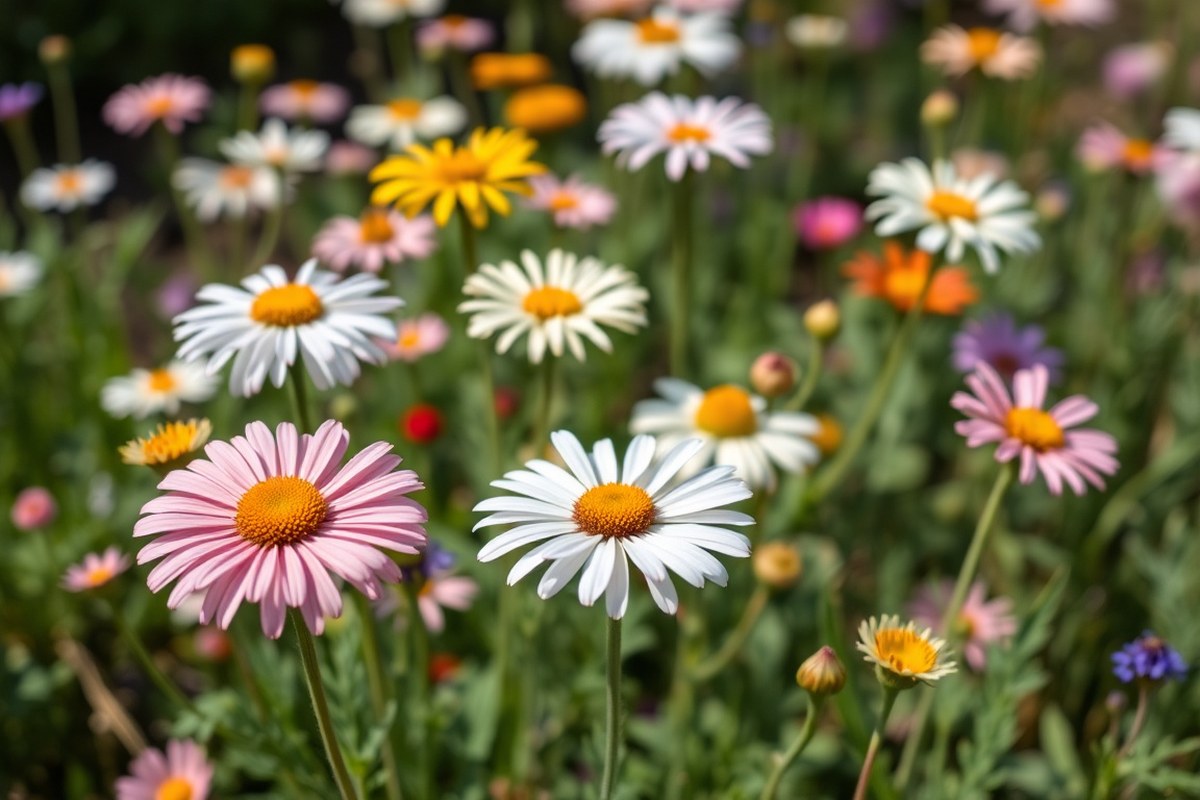
Perennials generally flower every year once they are established. A perennial is a plant that returns every spring. It blooms again each season.
These plants live for multiple years. For example, coneflowers, or echinacea, return every year with bright blooms that attract pollinators and birds.
Not all perennials bloom reliably every single year, though. Some plants like hostas may skip flowering depending on their age, growing conditions, or genetics. Other factors such as climate can also influence yearly blooming.
Some perennials need cold to go dormant. They may not bloom well in warm zones 9 or 10. These areas stay warm through winter.
Blanket flowers and astilbe are good hardy perennials. They usually bloom yearly. They need the right growing conditions to flower well.
Perennials grow, then rest during winter. They grow back from their roots in spring.
Some have woody stems but still bloom every year. These plants bloom once a year and don’t need replanting.
How Long Do Perennials Live and Keep Blooming?
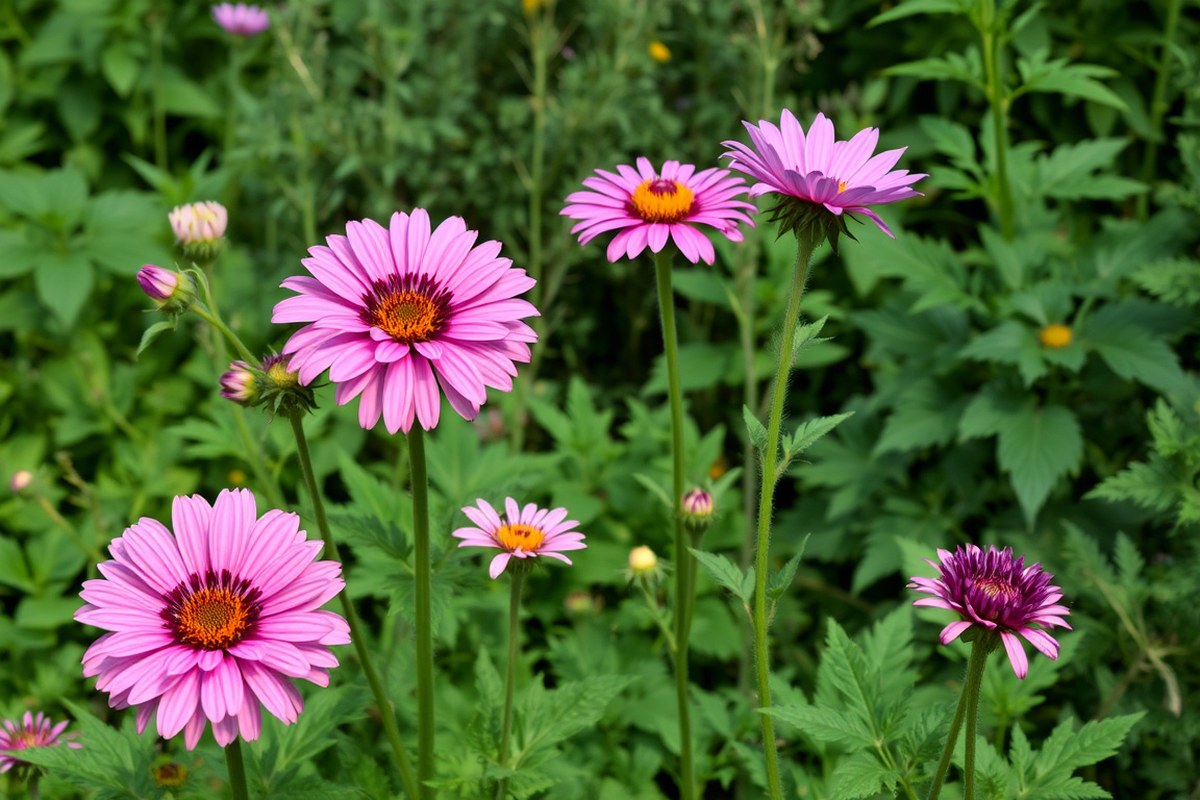
Perennials typically live for several years, often returning to bloom annually for a decade or more. Most bloom well during their prime years. Flowering may slow down after 5 to 10 years.
Some might stop blooming altogether after that time. Woody perennials like rose bushes can live much longer.
They may flower for decades if conditions are good. Shrubs also can live and bloom for many years.
The length of flowering varies widely among species. Some perennials offer long bloom seasons that extend through many months. Some perennials bloom brightly but only for weeks each year.
This affects how you plan your garden’s color show. You need to time their bloom for the best display.
| Plant | Average Lifespan | Bloom Duration | Notes |
|---|---|---|---|
| Cardinal flower (Lobelia cardinalis) | Several years | Early July to end of September | Long summer bloom, good for fading summer gardens |
| Black-eyed Susan | 3, 7 years | Summer to early fall | Blooms after many spring flowers have faded |
| Shasta Daisy | 5, 7 years | Extra-long bloom in full sun | Requires dividing every 3, 5 years for best blooms |
| Lavender | 5, 8 years | Early summer | Fragrant flowers, prefers well-drained soil |
| Daylily | 10+ years | Varies by variety, often midsummer bloom | Very tough and adaptable |
| Rose bushes | 10, 50 years | Depends on variety, often multiple blooms | Woody perennial, needs specific care |
Knowing a perennial’s lifespan helps you plan replacement or dividing schedules. Dividing every 3 to 5 years improves bloom quality for many species like Shasta daisies. Long-living shrubs and woody perennials like roses benefit from yearly pruning to extend flowering life.
Many perennials bloom well in their middle years. Later, they slow flower production but may still grow. Eventually, they lose vigor and bloom less over time.
Plant perennials after the last frost or before the first frost. This timing helps them grow strong roots.
Strong roots are key for long-lasting plants. Gardeners often see a decline in blooms if plants become crowded or unhealthy with age.
Divide crowded perennials every few years to keep blooms strong and plants healthy.
What Factors Affect How Often Perennials Flower?
Climate and temperature have a strong impact on how often perennials flower. Most perennials do best in specific hardiness zones. For example, Platycodon thrives in zones 3 through 8 and likes full sun.
Below freezing temperatures can cause some perennial blooms to die back. So choosing plants suited to your zone helps them flower each year.
Soil plays a big role in flowering too. Well-drained, neutral to slightly acidic soil works for many types. Sandy, poor soil suits drought-tolerant perennials like Blanket Flower, which can handle hot, dry conditions.
If soil stays soggy, roots can rot, and blooms will suffer. Adding compost or mulch improves soil health and encourages better flowering.
Pests and diseases can definitely stop your perennials from blooming as expected. Aphids, spider mites, and slugs attack leaves and stems.
Diseases like powdery mildew and rust damage plants and reduce flower production. Managing these threats with regular checks and targeted treatments keeps plants healthy throughout the season.
- Choose perennials matched to your USDA hardiness zone
- Plant in full sun (6+ hours) unless the variety prefers partial shade
- Use well-drained soil rich in organic matter or suited to species needs
- Water deeply but infrequently to avoid soggy roots
- Inspect plants weekly for pests like aphids and spider mites
- Use organic or chemical controls early to limit damage
- Remove diseased foliage promptly to prevent spread
Providing the right sun exposure is key to regular flowering. Perennials like asters will bloom from summer into fall if they get full sun. Too much shade reduces flower buds and weakens plants.
Regular trimming and fertilizing can boost bloom size and frequency. Keeping up with these steps means your perennials will reward you with flowers year after year.
How to Care for Perennials to Maximize Blooming Each Year
Taking good care of your perennials helps them flower year after year. You need to water, prune, fertilize, and sometimes divide these plants. Doing these tasks the right way keeps your garden full of healthy blooms.
Watering Best Practices
Perennials usually need about an inch of water each week, more during hot spells. Water deeply early in the morning to reach the roots and reduce evaporation. Avoid overhead watering to prevent disease; drip irrigation or soaker hoses work well.
Here are some watering tips to help your flowers thrive:
- Check soil moisture before watering to avoid overwatering
- Water at the base of plants, not on leaves or flowers
- Increase watering during dry, hot weather or when plants bloom heavily
- Mulch around plants to retain soil moisture and cool roots
- Reduce watering in fall as plants prepare for dormancy
Following these steps keeps roots healthy and supports strong flowering. Too little or too much water can cause stress and fewer blooms.
Pruning Techniques to Boost Blooms
Pruning, including deadheading, encourages plants to produce new flowers. Remove spent blooms regularly to stop seeds from forming and extend the flowering period. Cutting back woody or herbaceous growth helps shape plants and promotes vigorous growth.
Prune at different times depending on the plant type:
- Deadhead weekly during bloom to encourage more flowers
- Cut back herbaceous perennials in fall after frost or early spring before growth starts
- Trim woody perennials in late winter or early spring
- Remove damaged or diseased stems anytime you notice them
This pruning timing keeps your plants healthy and blooming longer each season.
Dividing Perennials for Health and Flowers
Dividing crowded perennials every 3 to 5 years renews their energy and boosts flowering. Dividing also controls size and prevents disease build-up in dense clumps. The best time to divide is early spring or fall.
Adjust the timing based on your USDA zone. Move it earlier or later depending on local weather conditions.
To divide perennials, follow these steps:
- Dig up the entire plant carefully to keep roots intact
- Use a sharp knife or garden fork to split root clumps into smaller sections
- Replant divisions at the same depth they grew before
- Water well after dividing and keep soil moist for a couple of weeks
Healthy new divisions bloom better, while overcrowded plants may stop flowering.
Fertilizing Tips for Flowering Success
Fertilize your perennials to give them nutrients for strong growth and flowers. Use a balanced slow-release fertilizer in early spring as new growth appears. Avoid high nitrogen fertilizers that encourage leaves but block flowers.
Try these fertilizing tips to improve your blooms:
- Apply fertilizer once or twice per growing season, depending on soil quality
- Use a formula with more phosphorus to support flowering, for example, 10-20-10
- Work fertilizer lightly into soil around the base of plants, avoiding direct contact with stems
- Water after fertilizing to help nutrients reach roots
- Test your soil every few years to adjust fertilizer type and amount
Applying fertilizer correctly helps perennials use energy to make flowers, not just leaves.
Differences Between Herbaceous and Woody Perennials in Flowering
Perennials come in two main types: herbaceous and woody. Herbaceous perennials die back to the ground each winter. Woody perennials keep their stems above ground through the cold months.
This difference affects how they flower. Herbaceous types regrow fresh stems and leaves each growing season.
Their flowers appear on new growth. Woody perennials flower on older, persistent stems or branches.
| Type | Above Ground in Winter? | Replant Needed? | Examples |
|---|---|---|---|
| Herbaceous Perennial | No, dies back to crown | No | Coneflower, hosta, daylily |
| Woody Perennial | Yes, stems persist | No | Rose, lavender, hydrangea |
| Annual | No, entire plant dies | Yes, every year | Marigold, zinnia, petunia |
| Biennial | Rosette only (year 1) | No (self-seeds) | Foxglove, hollyhock |
Woody perennials usually flower every year on the same branches or new growth off those branches. They often need pruning to keep flowering strong. If you don’t prune, some woody types may bloom less.
Herbaceous perennials depend on healthy crowns underground. They send up new shoots yearly, so their flowers come fresh every season. You don’t have to plant them again, but dividing clumps every few years helps.
Prune woody perennials after flowering to encourage next year’s blooms and avoid fewer flowers.
Which Perennials Bloom Multiple Times or Have Extended Flowering Seasons?
Some perennials bloom more than once a year or have long blooming seasons. Knowing which ones do helps you keep your garden colorful for months. You can pick plants that rebloom or flower from spring through fall.
Perennials with Re-Blooming Varieties
Certain perennials flower multiple times each year. Catmint is a good example, blooming from late spring to early fall. Some catmint types even rebloom if you deadhead spent flowers.
Daylilies also offer reblooming varieties. These produce more flower waves through summer and sometimes into early fall. Repeated flowering depends on removing old blooms regularly.
- Catmint: blooms late spring to early fall, reblooms with deadheading
- Reblooming daylilies: summer to fall, flowers again after cutting spent blooms
- Coreopsis: many varieties rebloom through summer with light pruning
- Salvia: long bloom season, often reblooms if deadheaded
- Phlox paniculata: some types rebloom with regular deadheading
Look for varieties labeled “reblooming” or “repeat blooming” at nurseries. These usually need routine maintenance but reward you with extra flowers.
Long-Blooming Perennials for Season-Long Color
Some perennials don’t rebloom but bloom continuously over months. Catmint again fits here, offering steady flowers from late spring to fall. Black-eyed Susans bloom heavily through summer and into fall.
Japanese anemones are late bloomers. They flower from late summer into fall, extending color in your garden when other blooms fade. Asters also add fall color after summer bloomers finish.
- Catmint: late spring to early fall
- Black-eyed Susans: summer to fall
- Japanese anemones: late summer to fall
- Asters: fall bloomers, adding late color
- Sedum: blooms late summer to fall
These plants give a long bloom window without extra pruning. You just need to pick the right ones to cover different parts of the growing season.
Choosing Perennials for Your Climate and Garden Style
Matching perennials to your zone matters. For example, catmint thrives in zones 3 to 8 and likes full sun with well-drained soil. Japanese anemones do well in zones 4 to 8 and prefer partial shade.
Planting times also help them establish. Plant spring bloomers like black-eyed Susans in fall.
Fall bloomers like asters in spring. This encourages strong roots before they bloom.
- Check your hardiness zone before buying perennials
- Match sunlight and soil needs of plants to your garden
- Plant spring bloomers in late summer or early fall
- Plant fall bloomers in spring to help root growth
- Use container-grown perennials for flexible planting during the growing season
Planning which perennials bloom at different times ensures your garden has color all growing season. This approach fits any garden style, from cottage to formal layouts.
How Hardiness Zones Influence Perennial Flowering Success
Plant hardiness zones group areas by their average minimum winter temperatures. They help you pick perennials that survive your local cold.
Zones range from 1 (coldest) to 13 (warmest). Most gardens fall between zones 3 and 9.
Zones affect whether a perennial can overwinter and come back each spring. Plants rated for your zone will usually flower year after year. Picking perennials too tender for your zone risks winter dieback or no bloom at all.
You can find your zone by using the USDA Hardiness Zone Map online. It shows your exact zone based on the coldest winter temperatures. With this info, choose perennials labeled hardy for your zone or colder.
For example, if you live in zone 5, pick perennials rated from zones 3 to 5. These plants tolerate your winter cold and flower reliably. Avoid zone 6 or warmer plants, as they may not survive your winters well.
Most proven perennial hybrids do well in zones 3 to 9. These plants need full sun and loose, sandy soil to perform their best. They generally bloom from late summer into fall, giving consistent color in their zones.
When you select perennials by zone, give them time to establish. Many take a year before blooming fully like their photos. If you buy a plant rated for zone 7 but you live in zone 4, expect weaker growth or possible winter loss.
Zone-specific care also helps. In colder zones, mulch heavily to protect roots through freezing winters.
In warmer zones, watch for heat stress and provide afternoon shade if needed. Adjust watering for local climate too.
Choosing plants for your zone reduces the chance of disappointing blooms or lost plants. Your zone guides you to perennials that thrive and flower reliably every year. Use the zone map before buying to match plants to your garden’s conditions.
Common Problems That Prevent Perennials from Flowering Annually
Perennials may stop flowering because of overcrowding, pests, soil problems, or pruning mistakes. These issues make plants stressed and weaken their ability to bloom. You can fix many common problems with simple garden care steps.
Overcrowding and the Need for Division
When perennials grow too close together, they compete for sunlight, water, and nutrients. Crowded roots also reduce air circulation and space for new growth. This stress can cause plants to produce few or no flowers.
Dividing your perennials every 2 to 3 years helps keep them healthy and blooming. Do this in early spring or right after they finish flowering. Dig up the clump carefully.
Split it into smaller sections. Replant each piece with 12 to 24 inches space, depending on type.
This process renews the plant’s energy and opens space for new shoots. Overcrowded plants often stop blooming until they get more room and nutrients again.
Pest and Disease Impact on Blooms
Common pests like aphids, slugs, or spider mites suck plant juices and weaken leaves. Disease problems, such as powdery mildew or root rot, reduce photosynthesis and energy for flowers. Both issues leave your perennials less likely to produce blooms.
Look for damaged leaves, sticky residue, or holes during regular garden checks. Use insecticidal soap or natural predators like ladybugs to control pests safely. Removing infected leaves and improving air flow lowers disease risk.
Quick action to identify and treat pests keeps flowers healthy and strong.
Here’s a checklist for pest and disease control:
- Inspect plants weekly for bugs or fungus signs.
- Water early in the day to allow leaves to dry.
- Remove weeds that attract pests or harbor diseases.
- Apply organic insecticide if natural methods fail.
- Avoid overhead watering to cut fungal spores spread.
- Use resistant perennial varieties if pests are a recurring problem.
Nutrient and Soil Deficiencies
Lack of key nutrients like phosphorus often causes weak or no flowering. Poor soil drainage or very sandy soils can also reduce root health. Without good nutrients and moisture, plants focus on survival, not blooms.
Test your soil to check pH and nutrient levels every few years. Amend soil with compost or balanced fertilizer in early spring or after bloom.
Phosphorus helps flower buds develop. So check for products labeled with higher middle numbers (such as 10-20-10).
Too much nitrogen causes lots of leaf growth but few flowers. Apply fertilizer carefully following package directions and avoid late-season feeding that delays dormancy.
Pruning and Timing Errors
Pruning at the wrong time cuts off flower buds before they can bloom. Some perennials form buds on last year’s wood.
So pruning too early means no flowers next season. Others bloom on new growth, where late pruning helps encourage blooms.
Learn each plant’s specific pruning needs. For example, peonies need no heavy pruning until after blooming.
Siberian irises benefit from cutting back foliage in fall. Avoid cutting back too late in the season to prevent damage to new flower buds.
Proper pruning keeps plants healthy and shaped well. Remove old, weak stems first.
This helps fresh growth and more flowers. Too much or too little pruning often leads to fewer blooms.
Step-by-Step Action Plan to Help Your Perennials Bloom Year After Year
Follow this plan to keep your perennials healthy and flowering each season. Check results by seeing new buds or fresh growth regularly.
- Before planting: Choose perennials suited to your zone and soil. Healthy starts mean better blooms.
- Spring: Add compost or balanced fertilizer around plants. Look for new green shoots to confirm feeding worked.
- Early summer: Deadhead spent flowers to encourage more blooms. Notice if new buds form after trimming.
- Mid-summer: Water deeply once a week if no rain falls. Watch leaves stay firm and vibrant.
- Late summer: Cut back faded plants lightly to prepare for next bloom. Check for fresh leaf growth afterward.
- Fall: Mulch around perennials with 2-3 inches of organic material to protect roots. Soil stays cooler and moist.
- Winter: Remove mulch if your zone gets mild. Otherwise, leave it to protect plants from frost.
- Early next spring: Prune dead or damaged stems to renew growth. Bright green shoots should show soon.
Frequently Asked Questions
Can Perennials Stop Flowering After a Few Years?
Yes, some perennials may stop flowering after several years. This can happen if soil nutrients drop or the plant becomes overcrowded. Dividing or feeding the plant often helps bring back blooms.
Do All Perennials Bloom at the Same Time Each Year?
No, perennials bloom at different times depending on the species and conditions. Some flower in spring while others bloom in summer or fall. Choosing a mix can keep your garden colorful longer.
Can Deadheading Increase the Flowering of Perennials?
Yes, removing spent flowers, called deadheading, often encourages more blooms. It redirects the plant’s energy from seed production to flower growth. This can extend the bloom period significantly.
Do Perennials Flower Better in Full Sun or Shade?
Most perennials flower better in full sun but some prefer partial shade. For example, astilbe thrives in shade and still blooms well. Know your plant’s light needs to boost flowering.
Will Perennials Flower After Being Transplanted?
Perennials usually flower after transplanting, but it may take a year to recover. Transplant in early spring or fall for best results. Keep soil moist and avoid stressing the plant.
Are All Woody Perennials Reliable Bloomers Every Year?
No, not all woody perennials bloom yearly. Some take longer to mature and bloom less often. Pruning after flowering helps many woody types produce good blooms annually.
The Bottom Line
Perennials can flower every year with the right care and conditions. Watch your plants closely and act on their needs. Start today by choosing the right plants for your garden’s zone.