Do Lavender Plants Come Back Every Year? A Complete Guide to Ensure Regrowth
Lavender plants usually come back every year, but it varies by climate and care. This semi-woody shrub can live beyond 10 years in mild zones. Regular trimming and plenty of sun help it grow back season after season.
Cold winters can stop lavender from coming back outdoors. These plants don’t like temperatures below 30°F, so they may not survive harsh frosts. In such cases, gardeners often grow lavender as an annual or bring it indoors during winter.
Using well-drained soil benefits lavender growth. Swap clay soil for a mix of 60% sand and gravel for better drainage. Give young lavender 8 to 10 weeks to establish before cold weather arrives.
Planting lavender in raised beds or containers can protect roots during wet winters. Mulching with straw or pine needles adds extra insulation without trapping moisture. Avoid overwatering, especially in cooler months, to prevent root rot.
Key Takeaways
- Prune lavender plants every spring, cutting woody stems to about 6 inches.
- Ensure your lavender gets at least 6 hours of sun daily for strong growth.
- Use sandy, well-draining soil to prevent root rot over winter.
- Plant lavender early enough to give it 8 to 10 weeks before the first frost.
- In zones with cold winters, protect lavender with mulch or grow it in pots indoors.
- Choose cold-hardy lavender varieties if your area regularly dips below freezing.
Do Lavender Plants Come Back Every Year?
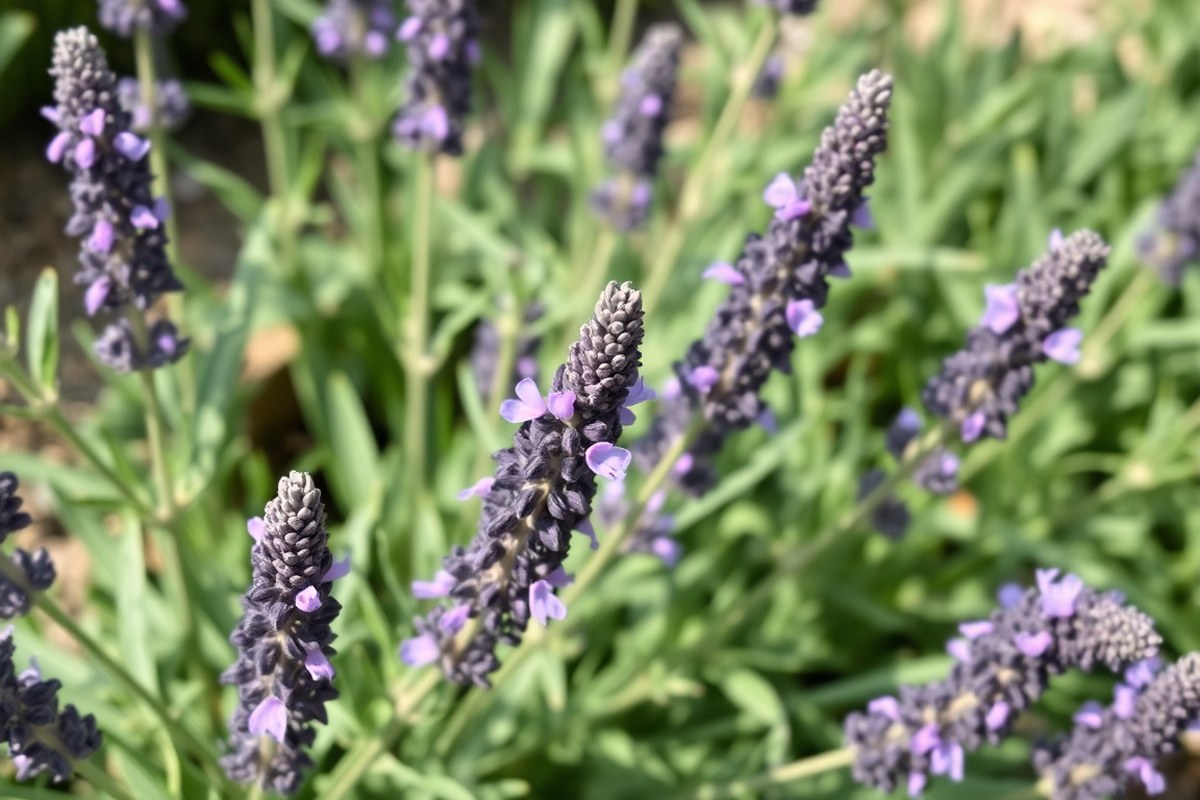
Lavender is a perennial plant, so it can come back every year. This means it can survive several growing seasons if cared for right. The plant usually goes dormant in winter, then grows again in spring.
How well lavender returns depends on your local climate and the variety you picked. In places with mild winters, lavender tends to come back easily. Cold zones with frost and freezing temps can kill some types, especially French lavenders.
Regular pruning is key to keeping lavender healthy year after year. Cutting back old stems to about 6 inches every spring encourages new growth. Give your lavender plenty of sunlight every day.
Water it just a little to keep it healthy. Too much water can harm it.
Winter survival depends largely on avoiding too much moisture and severe cold. When winters get harsh, move potted lavender indoors.
This protects it from cold damage. In-ground plants might need gravel mulch or other protection to prevent root rot and freeze damage.
Lavender often lives for three to five years with good care. Some gardeners have revived neglected plants simply by pruning them heavily in early spring. Keep an eye out for new buds on your plant.
They show it’s waking up from rest. Buds mean it will bloom again soon.
How Climate and USDA Zones Impact Lavender’s Return
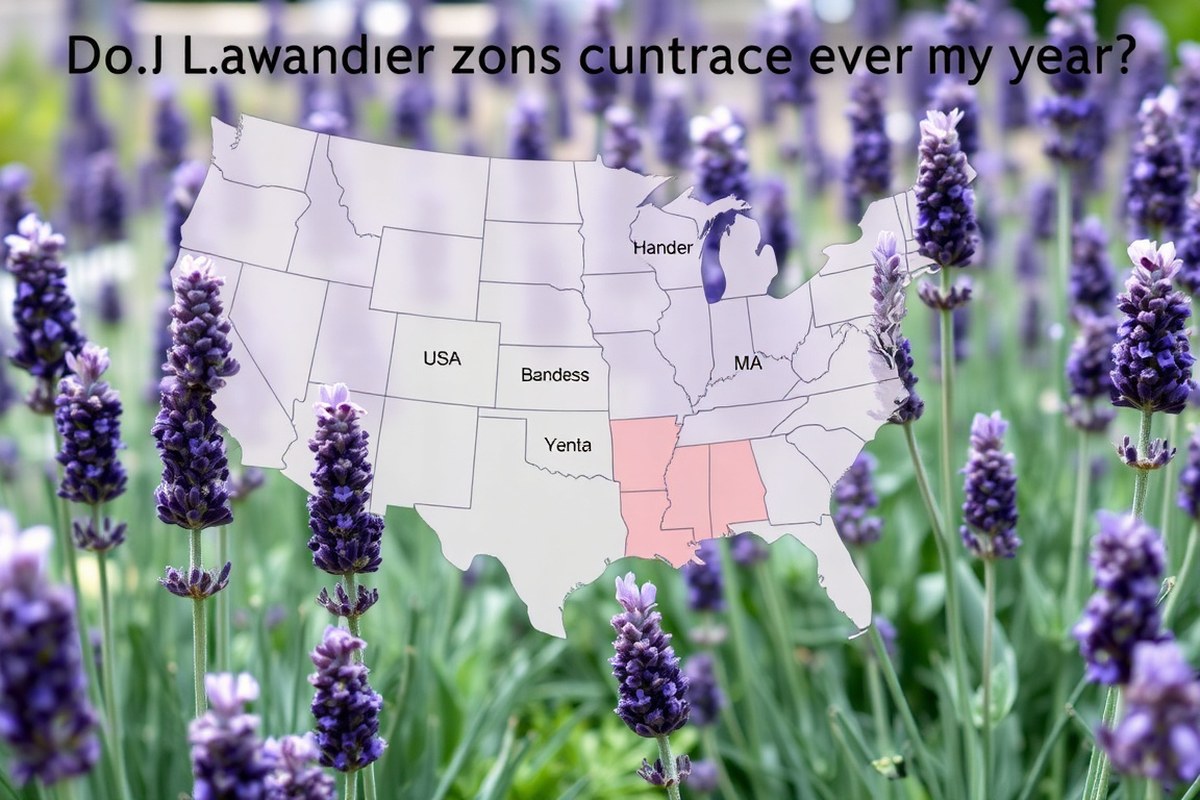
Lavender’s ability to return each year depends largely on the USDA Hardiness Zone where you live. This zone shows how cold winters get and indicates which plants survive outdoors.
Most lavender types thrive in zones 5 through 10. But colder zones need special care or the plant won’t survive.
Cold winters below -10°F can damage lavender roots or kill the plant. English lavender tends to handle cold better than French or Spanish varieties.
In very cold zones like 3 or 4, lavender may die back. It often won’t return unless you protect it or treat it like an annual.
You live in a colder zone. Take extra steps to protect your lavender in winter. Using gravel mulch and burlap wrap in zone 5 or 6 greatly boosts survival.
Zones 7 and 8 might only need a light straw layer to keep plants safe. Warmer zones 9 and above usually don’t require cover. But too much heat can stress the plants.
| Zone Range | Winter Protection | Survival Rate |
|---|---|---|
| 5-6 | Gravel mulch + burlap | High |
| 7-8 | Light straw layer | Moderate |
| 9+ | No cover needed | Low (heat stress) |
Spanish lavender grows best in mild zones 8 through 10. French lavender grows well up to zone 11. In colder zones, it needs to be replanted yearly or covered in winter.
English lavender often outperforms both in cold climates. Knowing your zone helps you pick the right variety and winter care.
Avoid overwatering lavender in winter. This plant prefers well-draining soil, especially when temperatures drop.
Waterlogged soil and freezing cold can kill lavender roots fast. This will stop your lavender from coming back next spring.
Protect lavender during winter with mulch layers in colder zones to prevent root freeze damage.
Choosing the Right Lavender Varieties for Longevity
Picking the right lavender variety is key to having plants that come back year after year. Some types handle cold winters better and live longer as perennials. Your choice affects how much care and attention your lavender needs to survive and thrive.
Here is a table listing common lavender types with their hardiness and longevity traits. This helps you match the variety to your climate and gardening skills.
| Lavender Variety | USDA Hardiness Zone | Cold Tolerance (°F) | Perennial Habit | Care Needs |
|---|---|---|---|---|
| English Lavender (Lavandula angustifolia) | 5, 9 | Down to -20°F | Strong perennial | Good drainage, full sun, regular pruning |
| Lavandin (Lavandula x intermedia) | 5, 9 | Down to -15°F | Perennial, less hardy | Needs well-drained soil, prefers warmer zones |
| French Lavender (Lavandula dentata) | 8, 11 | Does not tolerate frost | Often grown as annual or tender perennial | Warm climates, protection from frost |
| Spanish Lavender (Lavandula stoechas) | 7, 10 | Down to about 15°F | Short-lived perennial | Well-drained soil, needs warm, dry summers |
English lavender is the go-to if you want a hardy plant that lasts through cold winters. It handles temps down to -20°F and grows back reliably in zones 5 through 9.
Lavandin hybrids also come back yearly. But they prefer slightly warmer spots and can struggle in harsher climates.
French and Spanish lavenders do not freeze well and act like annuals in colder zones. You need to protect them or plant new ones each year in frost-prone areas. Choose your lavender variety based on your growing zone.
This lowers winter damage risks. You might also skip extra winter covers.
Pruning Techniques to Help Lavender Regrow Annually
Pruning lavender at the right time and in the right way helps it regrow each year. You should prune in spring or early summer, avoiding fall. Cutting back too far or at the wrong time can harm the plant.
Timing for Lavender Pruning
Prune lavender after the last frost but before it blooms fully. This timing lets the plant focus energy on new growth. Avoid pruning in the fall since it can cause winter damage to new tender shoots.
Spring pruning encourages healthy growth and maintains the plant’s shape. For French lavender and tender varieties, prune them in early summer to prevent damage. Regular annual pruning helps lavender last longer and flower better.
Step-by-Step Pruning Method
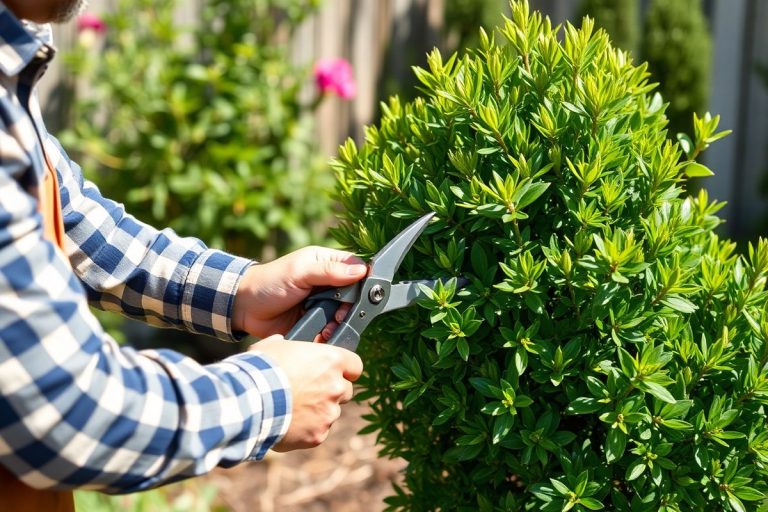
Prune lavender by cutting back growth carefully without hitting old, leafless wood. Avoid cutting into the woody base because lavender rarely grows from it. Aim to remove about one-third of the plant’s height to keep it healthy and productive.
- Wait until early spring just after frost danger passes.
- Use clean, sharp pruning shears to avoid crushing stems.
- Cut back about 1/3 of the plant’s green growth but stop above woody base.
- Trim flower stems once blooms fade to encourage a second flush, if needed.
- Remove dead or damaged branches to improve air circulation.
- Shape the plant evenly, rounding the edges but avoiding harsh lines.
- Clean up cuttings to prevent disease or pests.
This process promotes vigorous growth and more flowers in the next season. Over-cutting hurts regrowth and can kill the plant. Take your time to check each stem before cutting to avoid damage.
Common Pruning Mistakes to Avoid
Cutting lavender in fall is a common mistake that risks winter damage. Plants trimmed late may push tender shoots that freeze back.
Another error is cutting too low into the old wood. That kills the plant’s ability to regrow.
Pruning too often, like more than once a year, can stress the plant. Stick to annual pruning unless you’re just removing spent flower stalks.
Finally, using dull tools can crush stems and cause disease entry. Keep tools clean and sharp for best results.
Preparing Lavender for Winter Survival and Spring Return
Lavender needs well-draining soil, light pruning, and some shelter to survive winter. Avoid heavy mulching, but a thin layer of pebbles helps protect roots. Water the soil regularly before the ground freezes for the best chance of spring growth.
Mulching Materials and Techniques
Heavy mulch can trap moisture and cause root rot in lavender plants. Instead, use a thin layer of light-colored pebbles or gravel. This keeps soil temperatures stable without holding too much water near the crown.
Only add mulch around the base, about 1 inch thick, and avoid covering the stem. Thick organic mulches like leaves or straw are not recommended, especially in wet climates.
- Use light-colored pebbles, about ½ inch size
- Apply a thin layer, about 1 inch deep
- Keep mulch away from plant stems
- Do not use heavy organic mulches
- Remove any thick old mulch before winter
Adding too much mulch can hold moisture and harm your lavender’s roots during winter.
Shelter Methods for Colder Regions
Lavender can survive frost and some snow but struggles in prolonged freezing, wet conditions. For colder zones, shelter is essential to block wind and freezing rain.
Build a simple windbreak with burlap screens or plant evergreen shrubs nearby. Consider placing frost cloth over plants during very cold snaps. But remove it once temperatures rise.
Delay fall pruning, since fresh cuts can trigger new growth that frost kills. Wait until early spring to cut your lavender back hard.
Watering and Soil Prep Before Winter
Keep soil moist but not soggy before the first frost to prevent winter dehydration. Water deeply once or twice in late fall if there is little rain.
Prepare the soil by clearing dead plants and debris around lavender. This reduces pests and helps soil recover nutrients, making spring care easier.
Ensure soil drains quickly since waterlogged roots are vulnerable to freeze damage. If needed, improve drainage by adding grit or sand around the plants.
How to Tell If Your Lavender Will Come Back After Winter
After winter, lavender plants may look gray or brown. But they can still be alive. It usually takes a few weeks into spring for new growth to appear.
Check the stems and roots to see if lavender will return. Look for fresh shoots as signs of new growth. These tell you if it’s coming back.
Early Spring Growth Indicators
Lavender usually shows new shoots about 2 to 4 weeks after the last frost. Look for tiny green tips at the base of old stems or at ground level. These new buds often start as small rounded leaves or soft shoots.
You might have a struggling or dead plant by late spring without new growth. Give your lavender time in a cool spring. Growth slows when soil stays cold.
Be patient and watch for changes. Wait to prune until you clearly see the plant is alive. Pruning too soon can cut healthy new shoots.
Stem and Root Health Checks
Snip a few stems about 1 to 2 inches long. Check the tissue under the bark for health signs.
Fresh, bright green under the bark means the stem is alive. Brown, dry tissue means that part of the stem is dead and should be pruned off.
Check roots by gently digging around the base. Healthy roots are firm and white or cream-colored inside.
Mushy, black, or brittle roots usually mean root rot or death. Removing dead material helps the plant focus energy on recovery.
Common Issues Mistaken for Death
Gray or brown leaves might make you think the lavender is dead. But it could just be dormant.
Drought stress or cold injury often causes this discoloration. The plant can still recover if the root system remains healthy.
Look out for these signs that don’t necessarily mean death:
- Leaves turning gray or brown but stems stay green under bark
- Leaf drop in early spring before new shoots show up
- Dry or brittle tips with green growth only at base
- Slow start due to a cool or wet spring
- Faded color but firm stems and roots when gently pulled
Wait patiently if your lavender looks like this. Keep watering it moderately for now.
Avoid fertilizing until growth fully restarts to prevent burning weak roots or shoots. This helps you avoid cutting off or removing a plant that can bounce back.
Soil and Watering Practices for Lavender’s Winter Return
Lavender needs well-draining soil to survive year to year. Soil that holds water risks root rot and kills plants in winter. Adding sand or gravel to garden soil speeds drainage and helps keep roots dry.
Planting lavender in raised beds can improve drainage, especially in wet or clay-heavy soil. This avoids water pooling around the base and damaging roots during cold months. The soil should be slightly alkaline, with a pH between 6.7 and 7.3, to mimic lavender’s native environment.
Water lavender deeply but infrequently to encourage healthy roots. Let the top 1 to 2 inches of soil dry out before watering again.
In hot months, this might mean watering once or twice a week. Cooler weather or rainy periods need less watering, sometimes none at all.
Overwatering kills lavender faster than drought. It doesn’t like soggy soil, which causes crown and root rot.
Yellowing leaves or slow growth mean you should check soil moisture. Cut back on watering if the soil feels wet.
Lavender in pots needs containers with drainage holes to avoid water buildup. Water only when the soil feels dry an inch below the surface.
For outdoor pots, move plants to a covered area during heavy rain. This helps stop too much moisture around their roots.
Dormant lavender in winter requires very little water. Too much moisture combined with cold can hurt the plant’s chances of returning. Water lightly just enough to keep the soil from completely drying out during dry spells.
Alternative Strategies for Ensuring Lavender Returns Annually
Growing lavender indoors during winter can save plants from harsh cold. Use a bright, cool spot with temperatures between 50 and 60°F. Avoid overwatering. Soil should dry out between waterings to prevent root rot.
Propagation helps replace plants that don’t survive winter. You can take softwood cuttings in early summer or use woody cuttings later. Rooting cuttings in a well-draining mix gives you new plants ready for spring.
Replanting lavender after a freeze requires patience. Give the soil time to warm up in spring.
Avoid planting in spots prone to standing water. Use a gritty soil mix with 60% sand and gravel for best drainage.
Here’s a simple step-by-step to protect and propagate lavender for annual returns:
- Choose a healthy lavender branch about 4 to 6 inches long.
- Cut just below a leaf node using sharp, clean scissors.
- Remove leaves from the bottom half to expose the stem.
- Dip the cutting’s base in rooting hormone powder if available.
- Plant cuttings in small pots filled with sandy, well-draining soil.
- Keep the soil lightly moist and place pots in indirect light.
- After 3-4 weeks, check for roots by gently tugging on the cuttings.
- Once roots develop, transplant outdoors after the last frost date.
Keep cuttings away from direct sun and avoid soggy soil to stop mold.
To overwinter plants indoors, keep them dry but not bone dry. Place lavender in a sunny window or under grow lights for about 6 hours daily.
Watch for signs of stress. Wilted leaves mean too little water or too low humidity.
Replant outdoor lavender only after the soil stays above 50°F consistently. Delays can cause slow growth or frost damage later. Using raised beds or mounded soil improves drainage and reduces root rot risk during thawing periods.
Step-by-Step Action Plan to Grow Lavender Year After Year
Follow this plan to help your lavender come back strong every season. Watch your plant for signs it’s thriving as you go.
- Early Spring: Check for new buds to confirm your lavender survived winter. Remove any dead wood carefully.
- Mid Spring: Prune the plant back by about one-third. This encourages fresh growth and a bushier shape.
- Late Spring: Apply a balanced, slow-release fertilizer. Watch for steady growth and healthy leaves as a good sign.
- Summer: Water deeply but only when the soil dries out. Avoid overwatering to prevent root rot.
- Late Summer: Harvest flowers before full bloom to promote more blooms next year.
- Early Fall: Mulch around the base with gravel or sand. This improves drainage and protects roots for winter.
- Late Fall: Stop watering when growth slows. Check for firm woody stems before the first frost.
- Winter: Protect your lavender with a breathable cover if you live in a cold area. Remove it as soon as the frost passes.
Frequently Asked Questions
Do Lavender Plants Come Back Every Year?
Yes, lavender plants can come back every year because they are perennials. They need proper care like sunlight and pruning to return season after season.
How Does Climate Affect Lavender’s Ability to Return Each Year?
Lavender might not come back in very cold climates due to frost sensitivity. Choose varieties suited for your zone for best returns.
What Lavender Varieties Last the Longest for Yearly Regrowth?
English lavender and Lavandula angustifolia are known for good longevity. They handle cold better than some types, making them reliable perennials.
How Does Pruning Influence Lavender’s Regrowth?
Regular pruning helps lavender stay healthy and encourages new growth. Trim after flowering to keep plants vigorous for the next season.
What Winter Preparations Ensure Lavender Plants Come Back?
Mulching and cutting back lavender reduces winter damage. Protect young plants from harsh freeze to help them survive till spring.
How Can You Tell If Lavender Will Come Back After Winter?
Check the base for green shoots or soft stems in spring. Dead wood means it might not recover, but healthy stems signal new growth soon.
Wrapping Up
Lavender plants can come back each year with the right care and variety choice. Start by picking a hardy type that fits your climate. Then use simple pruning and watering routines to support your plant’s yearly return.

2 Comments