How Dry Weed the Right Way a Complete Guide with Methods, Timing, and Tips
How dry weed is key to keeping its flavor, smell, and potency. You want a slow, steady dry that stops mold and keeps the buds’ quality. Aim for 18 to 22°C (65 to 72°F) with about 50% to 60% humidity during drying.
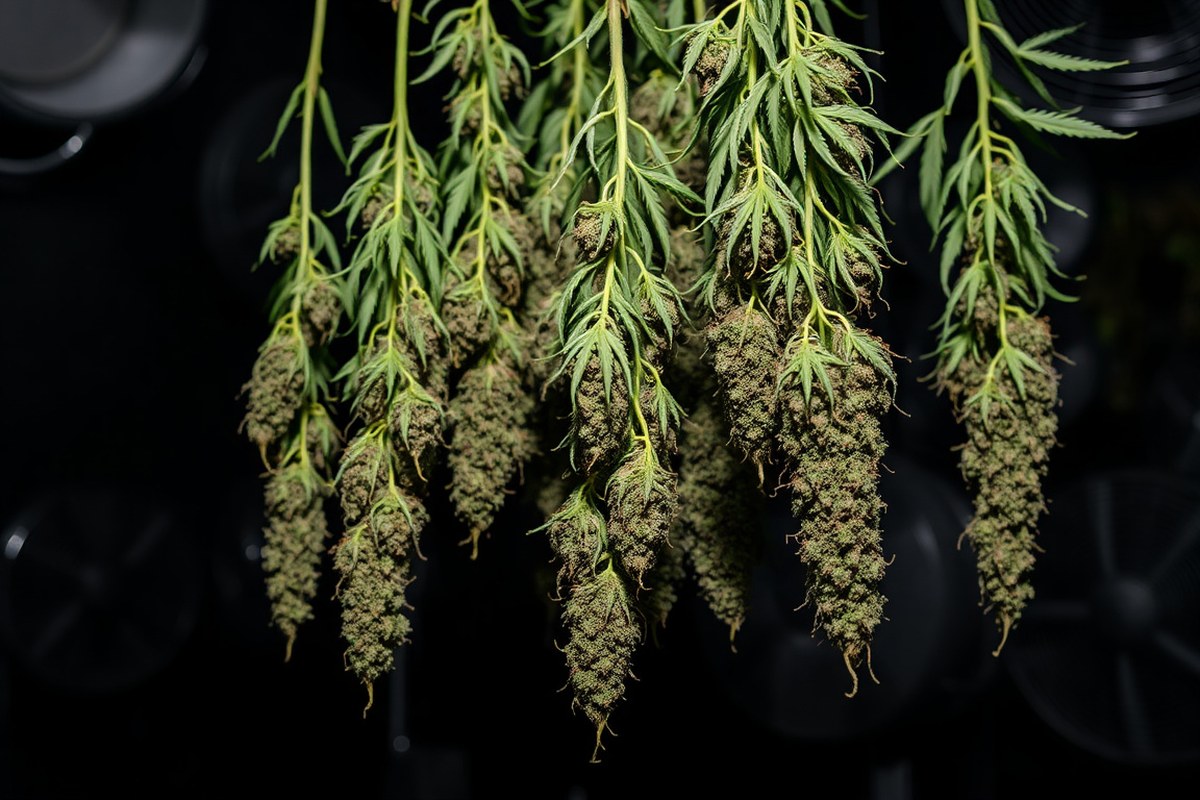
Start by hanging your trimmed buds upside down in a dark room with good airflow. Keep humidity near 50-60% to avoid drying too fast or letting mold grow. Check buds daily and adjust humidity with a humidifier or dehumidifier as needed.
Too dry air (under 40% humidity) will make buds brittle and harsh to smoke. If your room is very humid (over 60%), focus on stopping mold by increasing airflow or using a drying rack. Slow and steady drying preserves the best quality buds for curing.
Key Takeaways
- Dry buds at 18, 22°C (65, 72°F) for best flavor and potency.
- Keep drying humidity around 50-60% to avoid mold or over-dry buds.
- Hang buds upside down in a dark, well-ventilated space.
- Check buds daily and adjust airflow or humidity as needed.
- Use a drying rack to speed the process in humid rooms (7, 10 days).
- Buds usually take 7 to 14 days to dry properly before curing.
How to Dry Weed Properly for the Best Quality
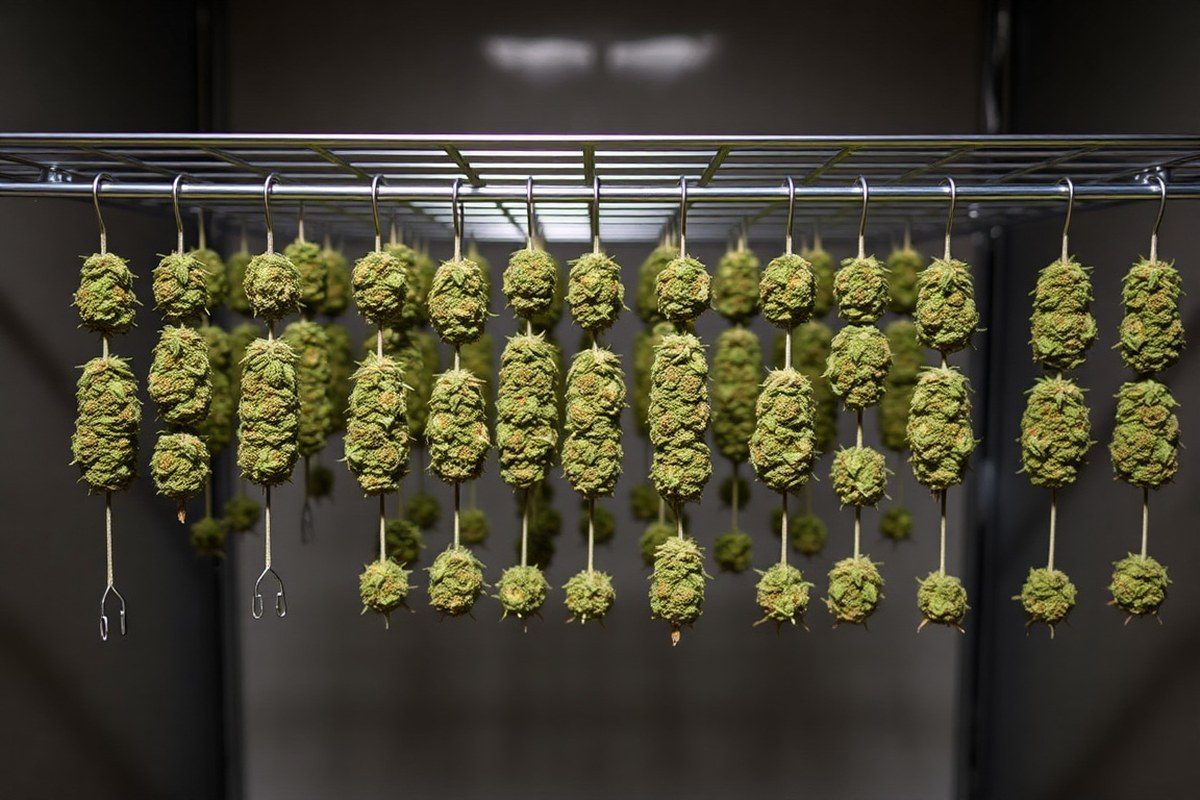
The main goal of drying weed is to remove moisture slowly while avoiding mold growth. You want the buds to dry firm enough to snap small stems cleanly, not bend. Taking your time preserves the flavor, potency, and smooth smoke quality of the cannabis.
Drying too fast can cause harsh smoke and loss of cannabinoids. Aim to dry your cannabis for about 7 to 14 days. Keep humidity between 50% and 60%.
Temperature should stay between 15 and 21°C (59 to 70°F). This slow pace lets water leave without damaging the delicate trichomes and terpene profile.
Your space must be less than 60% humidity. Lower it quickly to stop mold from forming. Use fans for soft airflow to help buds dry evenly.
Avoid blowing air directly on the buds. Fast drying can ruin bud quality. In drier conditions (under 40%), prioritize raising humidity to slow drying and avoid brittle buds.
Keep the drying area dark to prevent UV light breaking down THC. Space the buds so air can move freely around each one, helping moisture escape evenly. Vertical racks or screens maximize space and speed up drying slightly without sacrificing quality.
Finish drying when small stems snap cleanly, usually after about a week. Buds that stay soft or bend show they need more time.
After drying, you can trim and cure the buds to fully unlock flavor and smoothness. But drying right sets the stage for that next step.
Patience and control pay off here. You don’t need fancy gear to dry weed well. Watch humidity and temperature closely.
Give buds space and keep airflow gentle and indirect. Following these basics stops mold growth and keeps weed strong and tasty. Your weed then cures well or can be used right away.
How Long Does It Take to Dry Cannabis Effectively
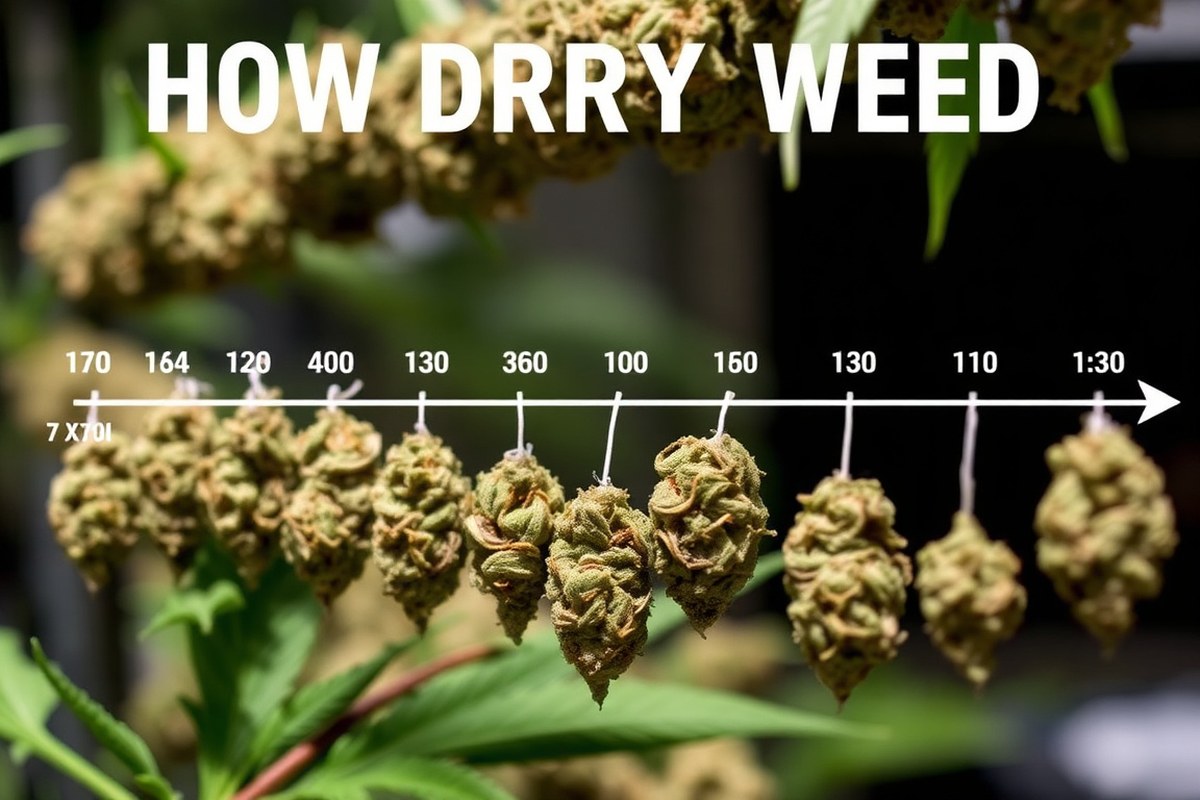
Drying cannabis usually takes between three to seven days. It depends on whether you wet trim or dry trim your plants. Dry trimming lets you dry your cannabis for a longer time.
The stems keep some moisture, which aids the drying process. This helps preserve more quality and flavor in your buds.
Different drying methods affect how long the buds take to dry. Temperature, humidity, and airflow also change the drying speed. Too fast drying at high heat can cause terpene loss and degrade quality.
| Method | Drying Time | Terpene Preservation | Space Required | Best When |
|---|---|---|---|---|
| Whole Plant | Up to 14 days | Best | High | The room controls schedule, plant fits fully |
| Branches | About 7 days (up to 14 for dense colas) | Very Good | Medium | Room holds schedule; default method |
| Flat Rack | 7-10 days | Good | Low | Wet-trimmed buds, limited space, >60% RH room |
A good indicator that the drying is done is the snap test. Bend a stem; a clean snap means buds are dry enough to cure. Usually, this happens after about a week at 50% humidity and 70°F.
Overdrying slows curing or can stop it, so watch your drying time closely.
After drying, buds should have around 10-15% moisture left. The curing space should be cooler and slightly more humid than the drying room. Check humidity and temperature regularly to keep conditions steady.
Best Temperature and Humidity Settings for Drying Weed
Keep the drying room temperature between 60 and 70 degrees Fahrenheit. This range slows drying enough to protect cannabinoids and terpenes. Temperatures above 70 degrees can degrade delicate compounds in your weed.
Maintain relative humidity around 50 to 60 percent for most of the drying. Start at about 60 percent to allow steady moisture loss from the buds. After two or three days, drop humidity closer to 50 percent to finish drying.
High humidity makes sticky buds much more likely to grow mold. Too low humidity dries cannabis too fast, breaking down flavor and aroma. Steady levels in this middle range keep your weed drying slowly and evenly.
Use a thermo-hygrometer to track temperature and humidity accurately day and night. This tool helps prevent dangerous swings and messy surprises. Plumbing low-wattage fans for gentle airflow also helps but don’t point fans directly at buds.
In tight spaces or dry climates, you may need a humidifier. In wetter areas, a dehumidifier can stop mold spores from settling.
The aim is consistency. Stable temperature and humidity prevent stress that lowers final quality.
Check buds daily for dryness and smell. They should feel dry but still springy. Trapped moisture causes weed to spoil fast and lose quality.
Main Methods to Dry Cannabis and How They Compare
Common ways to dry cannabis are hanging whole plants or drying buds. You can hang branches or use racks. Drying tents or boxes also work well.
Each method differs in setup, drying time, and space needs. Pick your drying method based on harvest size and environment.
Also consider how fast you want your weed dry. Your choice affects the drying process.
Hanging Whole Plants: Process and Benefits
Hanging entire cannabis plants upside down is the traditional approach. Cut the plant at its base. Hang it by the stem.
Use a dark, ventilated room for drying. Gravity pulls moisture downward slowly, especially through the main stem.
This method dries slower than others. The main stem holds a lot of water. It takes extra time to dry.
Slow drying helps preserve flavor and potency but needs 7 to 14 days depending on conditions. Whole plant hanging suits growers with plenty of space and time.
Drying Trimmed Branches or Buds on Racks
Cutting plants into smaller branches speeds up drying. You can hang these branches or lay trimmed buds flat on mesh racks. Using this method speeds drying up.
Air circulates better around the buds. Drying usually takes 5 to 10 days.
Drying branches takes less space than hanging whole plants and lets you check buds more easily. Racks let you dry buds individually. They help avoid mold from poor airflow.
This method reduces risks effectively. Buds dried on racks also tend to be easier to trim.
Using Drying Tents and Boxes
Drying tents or boxes offer a controlled environment to dry cannabis. They usually have hooks or racks inside and may include fans or humidifiers. Drying tents or boxes keep conditions steady.
These setups work well with little space. They help control humidity and airflow.
Costs range from $50 for basic boxes to $200 or more for tents with climate controls. Drying tents prevent outside contaminants from reaching buds and can shorten drying time with good airflow. Just avoid direct fan blasts that dry buds too fast.
Here’s a quick comparison of the main drying methods:
| Method | Setup | Drying Time | Space Usage | Airflow Needs |
|---|---|---|---|---|
| Hanging whole plants | Hang by main stem | 7, 14 days | High | Gentle, indirect |
| Drying branches | Hang or rack | 5, 10 days | Medium | Moderate, indirect |
| Drying on racks | Buds flat on mesh | 5, 8 days | Low | Good ventilation |
| Drying tents/boxes | Hooks or racks inside box | 4, 10 days | Varies | Controlled airflow |
Hanging whole plants suits growers who want a slow, gentle process and have enough space. Drying branches fits smaller spaces and faster results. Drying tents or boxes are for more control or limited setup areas.
How to Tell When Your Weed Is Dry Enough for Curing
Knowing when your weed is dry enough for curing is key. Your buds should feel dry outside, and stems should snap cleanly. The ideal moisture range is 8-12% before you start curing.
Performing the Stem Snap Test
The stem snap test helps check if buds have lost enough moisture. Snap a small stem between your fingers.
If it bends or feels rubbery, it needs more drying. A clean snap shows it is ready to enter curing.
Test several buds around your batch to ensure even drying. Different buds may dry faster, so don’t rely on just one stem. Getting it right helps prevent mold during curing and preserves quality.
- Pick a small stem from a dried bud.
- Bend the stem gently in your fingers.
- Listen and feel for a clean snap sound.
- Check that the bud’s outside feels dry to the touch.
- Repeat with stems from several buds across your batch.
- Mark buds that fail the test to dry longer.
- Don’t move to curing until most stems snap easily.
Do the snap test on multiple buds to avoid uneven drying issues.
Visual and Tactile Signs of Dry Buds
Look for dryness on the buds’ surface without shriveling or crumbling. Buds should feel firm but not overly crisp or crumbly. Slight moisture inside the buds is normal and improves curing.
Sticky or damp buds need more drying to avoid mold. Avoid drying too fast, as this can make buds brittle and harsh. Good dry buds look fresh with intact trichomes and maintain some springiness.
Measuring Moisture Content with Hygrometers
High-quality hygrometers estimate moisture inside your dried buds and jars. Aim for a moisture content between 8-12%, which balances dryness and prevents mold risk. Some growers target around 55% relative humidity in curing jars to keep buds safe.
Place a hygrometer inside your curing jar to monitor moisture daily. Use this data alongside the snap test for better accuracy. Avoid curing too wet, which causes mold, or too dry, which sacrifices flavor and smoothness.
Common Drying Mistakes and How to Fix Them Quickly
Drying weed too fast causes brittle buds and loss of flavor. Too slow drying invites mold, especially if humidity stays above 70% for over a day. Both affect your stash’s quality, potency, and shelf life.
Signs of mistakes include musty or sour smells, visible mold spots, or overly dry, crumbly buds. You may also notice uneven drying where some buds feel wet and others dry. These issues usually come from poor airflow or incorrect humidity.
Here’s a quick checklist of common drying mistakes and how to fix them:
- Drying too fast: slows down by lowering fan speed or removing direct airflow.
- Humidity above 70%: use a dehumidifier or improve ventilation immediately.
- Poor airflow: hang buds on branches separately to increase space around each.
- Using plastic bags during drying: switch to breathable paper bags or jars.
- Overcrowding drying space: spread buds out or use mesh racks carefully if humidity is high.
- Signs of mold: remove affected buds, clean the area, and reduce humidity below 60%.
Adjust how you dry by checking the room’s humidity daily. You must fix it quickly when it climbs or falls too much. Fans help keep air moving but avoid blowing air directly onto buds or drying too fast.
Hanging whole branches rather than loose buds helps air circulate better. This reduces damp spots that cause mold inside dense colas. Also, keep trimming areas clean since falling trichomes can gather dust and affect drying quality.
Most drying takes between 7 and 14 days, depending on branch size and room conditions. After about 7 days, you can set your dehumidifier to around 50% to finish drying.
Act fast when you see mold or bad smells. This helps save your harvest.
How to Adjust Drying Techniques for Different Climates
Drying weed in very humid places means you must focus on airflow and separation. Trim your buds well and hang them upside down or spread them on mesh racks. This helps air reach all sides and prevents mold growth during the longer drying time.
Keeping the drying room at about 60% humidity works best. A digital hygrometer helps you watch these levels closely.
When humidity goes above 60%, use a dehumidifier to bring it down. Keep it around 55-62% to stop buds from staying too wet.
In dry or cooler climates, your buds dry faster and can become brittle. To avoid this, you might want a humidipak like Boveda 58% packs inside your storage containers.
These keep your cannabis at just the right moisture after drying and during curing. So it doesn’t turn crumbly.
Also, keep temperatures between 60 and 70 °F. Temperatures below 60°F slow drying too much, and too warm speeds it. Quick drying causes harsh taste and loss of potency. So balance is key, especially in cooler spots.
Drying cannabis outside means checking the weather first. Make sure it is warm and dry outside.
Autumn’s cooler and damper days make outdoor drying riskier. Bringing your buds inside in these conditions can save them from mildew.
Use both a dehumidifier and a fan in indoor drying rooms. This combination helps speed drying safely. The buds won’t dry out too fast this way.
Set the fan to blow air gently around the buds. Avoid pointing it straight at the hanging flowers. That can cause uneven drying and damage the trichomes.
When cost matters, small dehumidifiers range from $30 to $100. Digital hygrometers cost about $10 to $20.
Humidipaks typically cost under $1 per pack and can last months. Using them smartly keeps your harvest just right.
Preparing Your Drying Space and Tools for Best Results
Setting up your drying space well makes a big difference in the final bud quality. You need the right tools, steady airflow, and a dark, clean room. These steps help avoid mold and preserve the aroma, flavor, and potency.
Tools and Equipment Needed for Drying
Start by gathering basic gear that fits your space and budget. You don’t need fancy tools, just items that keep things clean and controlled.
Common tools include drying racks or mesh screens to hang or lay buds flat. You’ll also want a hygrometer to track humidity between 45% and 55%.
This range slows drying and protects trichomes. A fan with adjustable speed helps circulate air gently, without blowing directly on buds.
Optimizing Airflow Without Direct Bud Exposure
Airflow keeps moisture from settling but direct fans can dry buds too fast and damage them. The air should move gently around, not slam onto the buds.
Put a small oscillating fan low in the room. Angle it to push air along walls or above buds.
Avoid face-on fan positions. Check that air enters and exits properly to avoid stagnant spots.
Close doors and windows to keep the air conditions steady. A portable dehumidifier can help in humid climates, maintaining 45-55% humidity.
Creating a Dark, Clean, and Stable Environment
Light breaks down cannabinoids and terpenes, so keep the room dark with blackout curtains. This means shutting off all lights or covering windows well.
Clean the drying area before use. Dust and plant debris encourage mold growth. Use a vacuum or damp cloth to wipe surfaces.
Keep temperature steady between 60-70°F (16-21°C) for gentle drying. Avoid heating devices that raise the heat fast or dry out buds unevenly. Follow these steps to prepare your drying room and tools:
- Choose a small, dark space free of sunlight and distractions.
- Install blackout curtains on any windows to block out light.
- Set up drying racks or hangers, spaced to let air flow freely around buds.
- Place a hygrometer to monitor humidity and a thermometer for temperature.
- Position a low-speed, oscillating fan away from buds, aiming airflow around the room.
- Clean the area thoroughly to prevent dust and mold spores before drying.
- Use a dehumidifier if your climate is very humid to keep 45-55% relative humidity.
Tip: Avoid pointing fans directly at buds. This leads to too-fast drying and harsh-tasting cannabis.
Step-by-Step Action Plan for Drying Your Cannabis
Follow these steps to dry your weed right and keep it fresh for curing. Each stage helps avoid mold and preserve flavor.
- Before you start: Set your drying space to 60-70°F and 45-55% humidity. Use a hygrometer to check these levels.
- Day 1: Cut branches and trim large leaves. Hang buds upside down with enough space to avoid crowding.
- Day 3 to 7: Check buds daily for dryness by lightly bending stems. When stems snap, your drying process is going well.
- Day 7 to 10: Move a few buds into small jars to test curing readiness. Buds that feel dry yet not brittle are ready.
- After 10 days: Stop drying if the stems break clean. Buds feel dry inside. Start curing in airtight containers.
- Throughout drying: Keep air moving with a fan nearby. But not blowing directly on buds. This stops mold growth.
- When humidity spikes: Use a dehumidifier or briefly open windows. Avoid rushing drying by stepping up heat.
Frequently Asked Questions
Is It Okay to Smoke Really Dry Weed?
Yes, you can smoke really dry weed, but it may taste harsh. Dry weed burns faster and might irritate your throat more than properly cured buds.
How Does Weed Become Dry?
Weed becomes dry as moisture evaporates from the buds after harvest. This slow process happens in a place with controlled temperature.
It also needs stable humidity to prevent mold and keep quality. This avoids problems during drying.
Does Drying Weed Make It Stronger?
Drying weed doesn’t make it stronger, but it concentrates cannabinoids by removing water. Proper drying preserves THC and terpenes, so the strength stays intact if done right.
Can You Smoke Buds After Drying?
Yes, you can smoke buds right after drying, but curing improves flavor and smoothness. Dry buds might taste harsher and burn unevenly without curing first.
How Long Can You Store Dried Weed Before It Goes Bad?
Dried weed lasts about six months in airtight jars stored in a cool, dark place. After that, potency and flavor start to degrade.
Can Drying Weed Too Fast Ruin Its Quality?
Yes, drying too fast can ruin quality by trapping chlorophyll and causing harsh flavors. Slow drying preserves taste and smooth smoke, so aim for 3 to 7 days.
The Bottom Line
Drying your weed carefully protects its taste, smell, and strength. Set your environment first and watch your buds each day. Start with proper airflow and timing, and you’ll get great results every time.