How to Take Care of Marigold Plant: A Complete Guide for Beginners
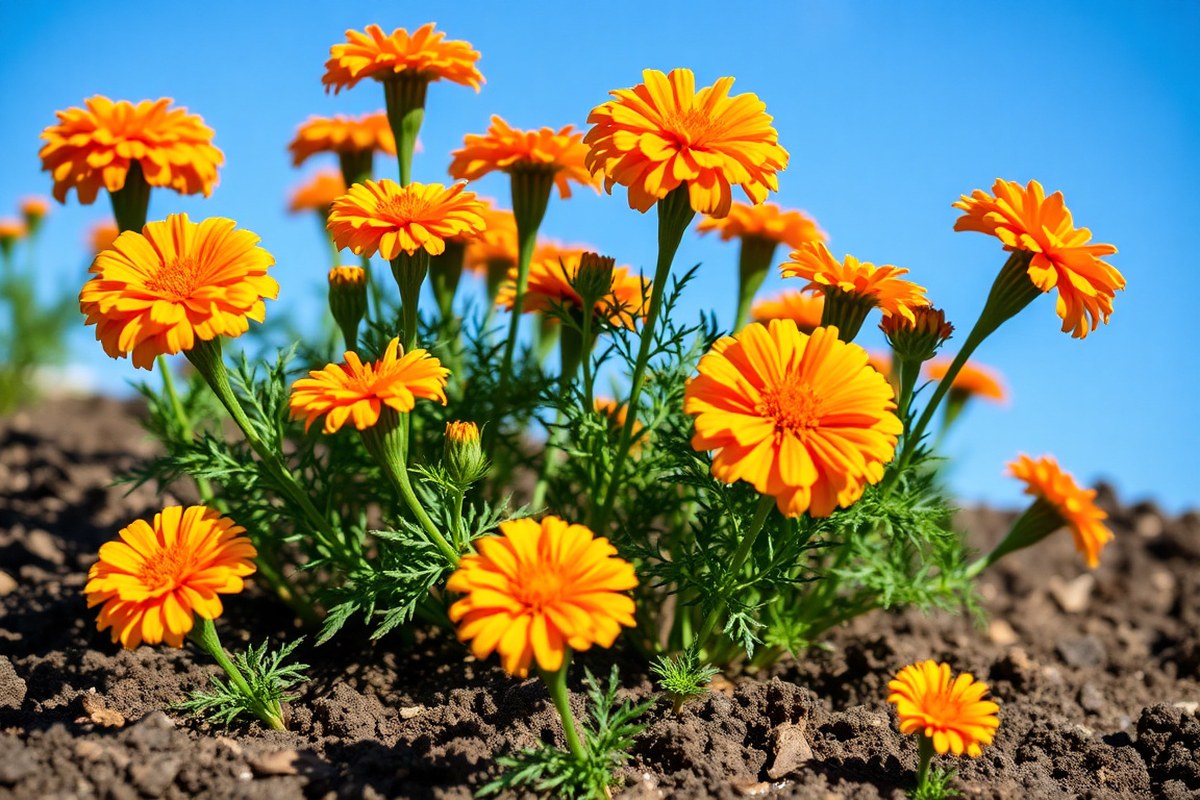
Marigolds grow best in full sun with well-drained soil. They need 6 to 8 hours of sunlight daily for strong, colorful blooms. Plant them where they can get plenty of sun.
Start seeds indoors 6 to 8 weeks before the last frost. This gives plants a strong start before moving outside. Keep the soil moist but not soggy to help seeds germinate faster.
Marigold seeds need soil temperatures between 70 and 75 °F to sprout. Don’t plant in cold or dry soil. Thin seedlings to avoid crowding, and space French marigolds 8 to 10 inches apart.
Each plant needs about 1 gallon of soil to grow healthy roots. This helps support stronger, healthier marigolds over time.
Key Takeaways
- Plant marigolds in full sun with at least 6 to 8 hours of light daily.
- Start seeds indoors 6 to 8 weeks before the last frost for best results.
- Space French marigolds 8 to 10 inches apart to prevent overcrowding.
- Keep soil moist but avoid overwatering to speed up seed sprouting.
- Use soil at 70 to 75 °F for faster and healthier seed germination.
- Thin seedlings to 10 to 12 inches apart once they’ve sprouted.
How to Properly Plant and Establish Marigold Plants
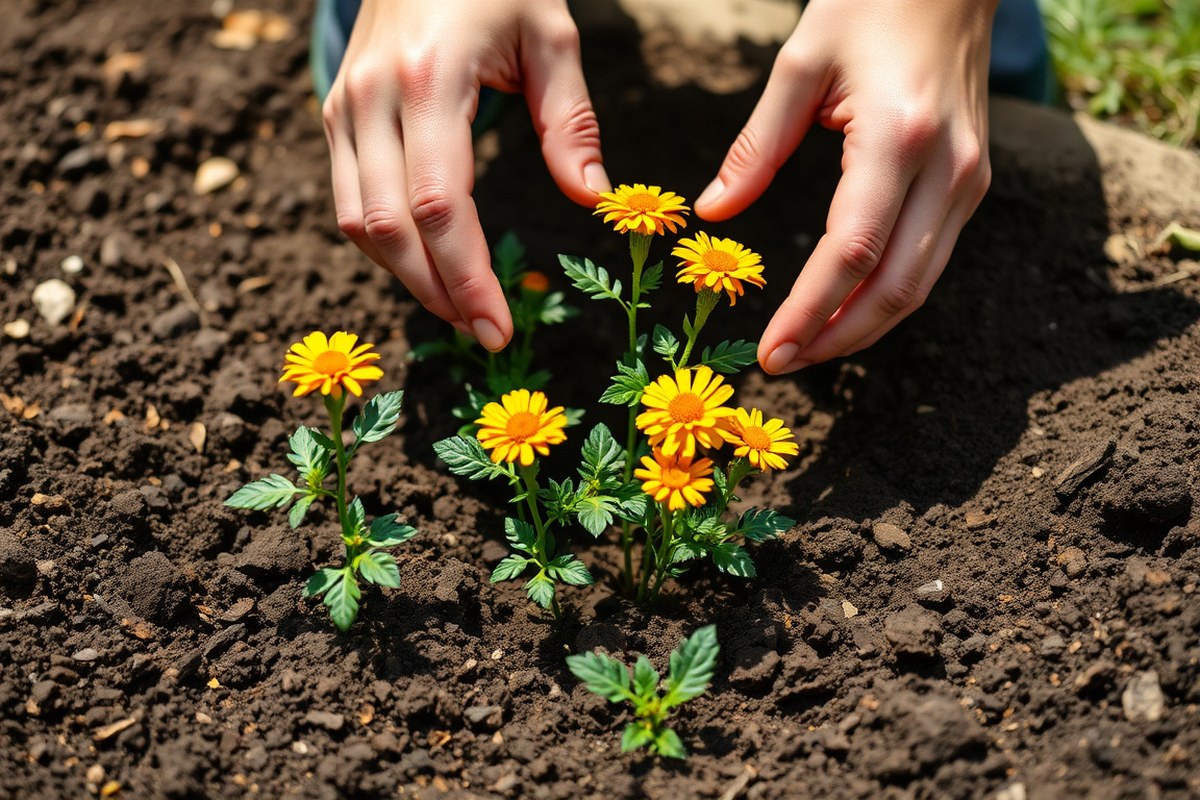
Plant marigold seeds inside 6 to 8 weeks before your last frost. Sow seeds outdoors only after the last frost and when soil feels warm. Use loose soil that drains well and space seeds by variety for best results.
Ideal Planting Times by Climate Zone
Start marigold seeds inside in zones 3 to 5. Do this 6 to 8 weeks before the last frost. Make sure to plan ahead for timing.
In warmer zones, direct sow seeds outdoors once the danger of frost has passed. Marigolds grow best in temperatures between 65°F and 75°F.
Cold soil delays or stops germination. So wait until soil temperature stays around 70°F. Avoid planting too early to prevent weak, leggy growth or seed rot. Perfect timing helps you get blooms during summer.
Preparing Soil and Testing Drainage
Marigolds prefer slightly acidic to neutral pH soil (6.0 to 7.0) with good drainage. Use garden soil mixed with compost or organic matter to boost nutrients and drainage. Avoid heavy clay soils that hold water and may cause root disease.
Check drainage by digging a hole 6 inches deep and filling it with water. Water drains well if it soaks in within 1 to 2 hours. This means your soil has good drainage.
Slow draining soil needs improvement. Poor drainage needs fixing with added sand or raised beds before planting.
Seed Starting Indoors vs Direct Sowing Outdoors
Sow marigold seeds about 1 inch deep in moist potting soil or seed-starting mix. Seeds usually sprout within 4 to 14 days if temperature and moisture are right. Start African varieties indoors or buy transplants since they bloom slower from seed.
Direct sow French marigolds outdoors for quicker blooms. Plant seed 1 inch deep and cover lightly.
Use fresh seeds, and keep soil moist but not wet. Seedlings need warmth and light, so indoor trays under grow lights work well.
Hardening Off Seedlings Before Transplant
Harden off marigold seedlings about 1 to 2 weeks before planting outdoors. Put the plants outside each day for a few hours in shade. Increase their sun exposure and outdoor time slowly.
Help them adjust to the new environment. This prevents transplant shock and helps plants adjust to wind and sun.
Keep seedlings moist while hardening off. Avoid planting on windy or very cold days. Proper hardening off helps seedlings grow stronger and start flowering sooner in your garden.
Spacing Guidelines for Different Marigold Varieties
Space French marigolds 8 to 10 inches apart to allow airflow and room to grow. Signet varieties need around 12 inches because they spread wider. Tall African marigolds require the most space, up to 18 inches apart.
Use at least 1 gallon of soil for each French marigold. Give signets 2 gallons and African marigolds 3 to 5 gallons. Space plants well to avoid disease and ensure sunlight and nutrients.
- Find your last frost date and count 6 to 8 weeks back. Start your marigold seeds indoors around that time. This gives plants a good head start.
- Prepare soil by mixing compost into well-draining garden soil with pH near 6.0, 7.0.
- Sow seeds 1 inch deep in seed-starting trays or loosened garden soil outdoors after frost.
- Water gently to keep soil evenly moist but not soggy during germination.
- Once seedlings grow a few inches tall, begin hardening off by exposing them outdoors.
- Space plants according to size: 8-10 inches apart for French, wider for others.
- Transplant hardened seedlings into the garden after the last frost date, choosing full sun spots.
- Water plants well after transplanting and monitor soil moisture as they establish.
Choosing the Right Soil and Sunlight for Vibrant Growth
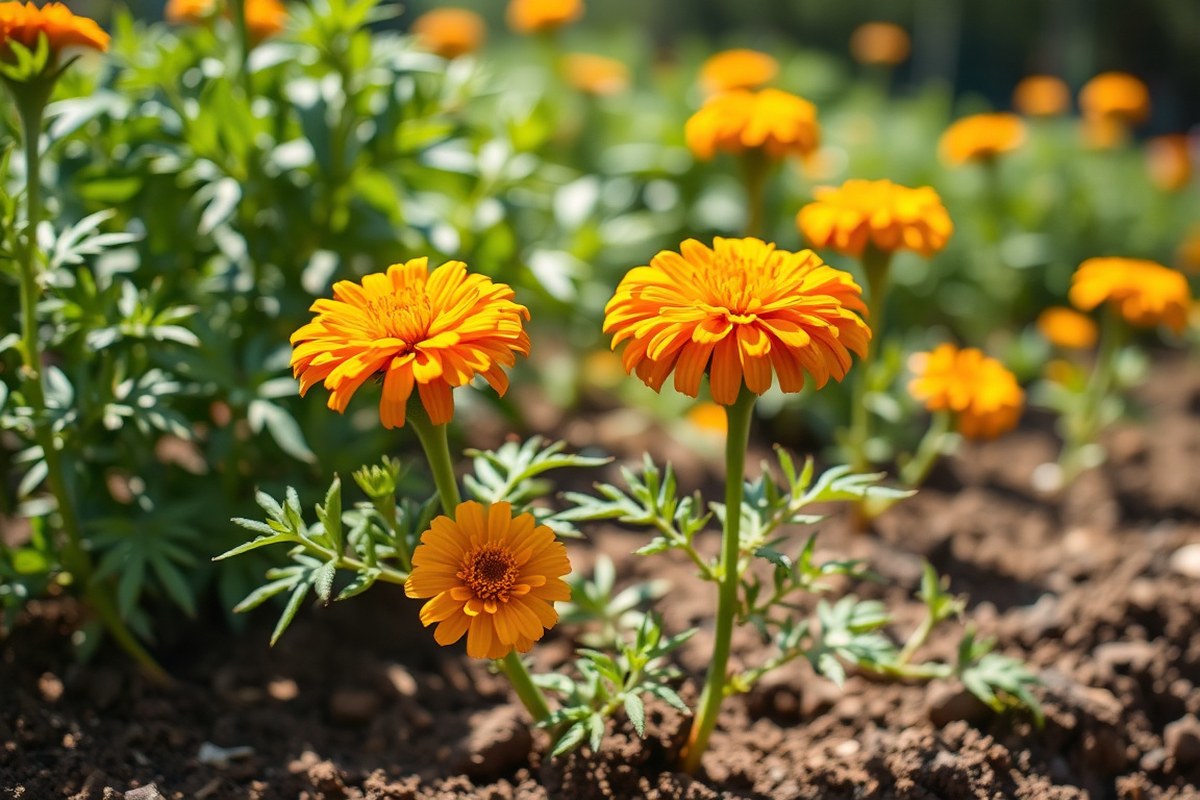
Marigolds do best in well-draining, loamy soil. This type of soil holds moisture without getting soggy. Poor drainage can lead to root rot, so avoid heavy clay or compacted soil.
You can check drainage by digging a small hole and filling it with water. Water sitting for more than a few hours means poor soil drainage.
You need to improve your soil’s drainage to fix this issue. Work in some sand or compost to help water move through better.
For soil pH, marigolds prefer a range of 6.0 to 7.0, which is slightly acidic to neutral. You can buy a soil test kit at garden stores or online. These kits cost around $10 to $20.
They are affordable and easy to use. Test your soil every two or three seasons to keep it in the right range. Your soil pH may need adjusting with garden lime or sulfur.
Garden lime raises pH while sulfur lowers it. Use the right one based on your soil test. Follow the package instructions carefully to avoid sudden soil shifts.
These plants love full sun, meaning at least 6 to 8 hours of direct sunlight daily. Choose a spot that gets morning sun and continues through the afternoon. A shaded area won’t kill them but will cause leggy, sparse flowers.
Plant marigolds where they get afternoon sun in partial shade areas. This helps them grow well despite some shade during the day. That stronger light helps the plants bloom well.
Wilting marigolds in wet soil often mean poor drainage; fix this before replanting.
Marigolds will grow in less-than-ideal soil but may not flower as much or look as healthy. Avoid heavy shade or soggy areas. Adding organic matter like compost can improve poor soil and help plants thrive.
Remember, these are heat-loving plants that do well in warm weather and plenty of light. Regularly recheck your soil’s condition and sunlight, especially as seasons change, to keep your marigolds vibrant.
Watering and Fertilizing: Best Practices for Healthy Marigolds
Water marigolds when the top inch of soil feels dry. They like consistent moisture but hate soggy roots. During hot spells, deep water twice weekly works best for African marigolds to keep roots healthy.
Use a watering technique that soaks soil, not leaves. Wet leaves invite fungal diseases like powdery mildew and white spots. Water early in the day so foliage dries by evening, reducing disease risk.
Fertilize marigolds lightly to keep flowers blooming vibrantly. A balanced, all-purpose fertilizer works well. Apply every 4 to 6 weeks during active growth.
Cut back in late summer. The plant slows down then.
Marigold plants need more water and nutrients in their early growing stage. Once established and flowering, reduce frequency to avoid stressing the plant. Mulch around marigolds helps keep soil moist longer and controls weeds.
Follow these steps to water and feed your marigolds properly:
- Check soil moisture by pressing your finger about an inch deep.
- Water only when the top inch feels dry to avoid overwatering.
- Apply water at the base of the plant, avoiding the leaves.
- Water early in the morning for best drying conditions.
- Use a balanced, all-purpose fertilizer at half strength every 4, 6 weeks.
- Switch to deep watering twice a week during heat waves or droughts.
- Keep a 2-inch layer of mulch around plants to hold moisture.
Following this schedule helps prevent common marigold problems like wilting or fungal disease. Watch for signs like curled leaves or white patches to catch trouble early. Adjust watering during rainy periods by reducing until soil dries out.
Pruning, Deadheading, and Supporting Marigold Plants
Cut off spent marigold flowers as soon as they fade to deadhead. You do this by pinching or cutting the flower stem just below the dead bloom. Deadheading keeps the plant from wasting energy on seed production and encourages new flowers to grow.
Pinch back the tips of young marigold plants before they start blooming. This early pruning helps the plant grow more side branches. So it becomes bushier and fuller.
Use clean scissors or your fingers to pinch off the top 1 to 2 inches. Do this when the plants are 4 to 6 inches tall.
Tall marigold varieties that grow 3 feet or more can flop over when they get heavy. Support these plants by staking them with bamboo or metal stakes. Place the stake a few inches away from the stem.
Tie the main stem loosely to the stake. Use soft garden ties or cloth strips. This helps prevent damage from wind or rain.
Prune marigolds carefully to shape them and remove any leggy or weak stems. Cut back long stems to just above a leaf node, about 1/4 inch above the joint.
So new branches will grow from the cut point. Avoid pruning more than 1/3 of the plant at once to reduce stress.
Deadheading works best every week during the growing season until fall frost. You can quickly spot spent flowers by their brown, shriveled petals. Removing these regularly prolongs blooming and keeps the plant tidy and healthy.
Use clean, sharp pruners or garden scissors to prevent crushing or tearing stems. Washing tools with rubbing alcohol before and after use lowers the risk of spreading diseases. Gloves can protect your hands from sticky sap or soil irritation.
Pinching back marigolds early gives you more flowers later in the season. The plant shifts energy from growing taller to producing more side shoots with blooms. This technique encourages sturdier growth and prevents the plant from becoming leggy and top-heavy.
Identifying and Managing Common Pests and Diseases
Small insects like aphids and spider mites sometimes attack marigold plants. These pests suck the sap and cause yellowing or curling leaves. Watch for tiny webs or sticky residue on leaves, which tell you spider mites are present.
Fungal diseases like powdery mildew show up as white, powdery spots on leaves and stems. This fungus thrives in damp, humid conditions and can spread quickly. Root and crown rot make stems soft or dark near soil.
This happens when soil stays too wet for too long. These conditions encourage fungal growth on your plants.
To manage pests naturally, use insecticidal soap or neem oil spray weekly. Apply on both leaf undersides and tops early in the morning to avoid leaf burn.
For stubborn infestations, low-toxicity chemical insecticides labeled for garden use are an option. But follow label instructions carefully.
Powdery mildew can disappear with improved air circulation and watering early in the day. Remove and dispose of infected leaves to reduce spread. Fungicides with sulfur or copper compounds help control mildew but apply before the problem worsens.
Avoid rot by keeping mulch and soil pulled away from marigold stems. Water at the soil base, not on leaves, especially in the evening. These steps keep the crown dry, making fungal infections less likely.
Try to prevent repeated issues by rotating your planting area each year. Healthy, vigorously growing marigolds resist most pests and diseases well.
When problems continue despite your care, contact a local extension office. A professional gardener there can suggest stronger treatments for your region.
Always check new marigold plants for pests before planting to stop infestations early.
Different Marigold Varieties and Their Care Needs Compared
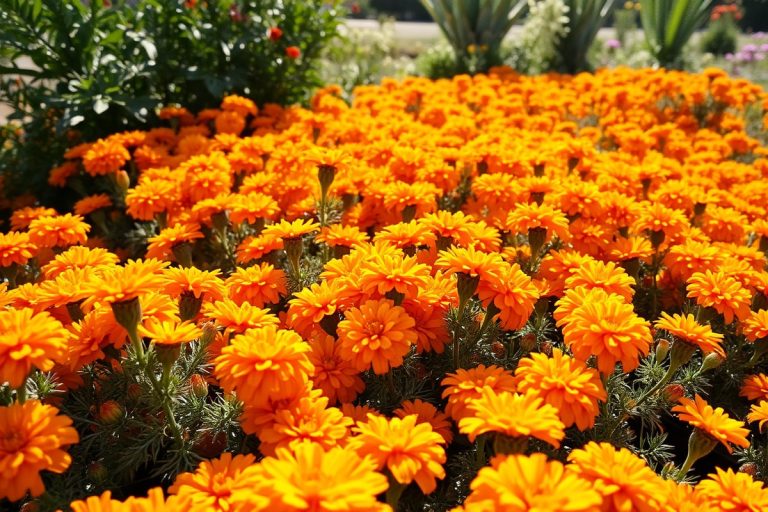
There are three main types of marigolds: African, French, and Signet. Each differs in size, bloom features, and care needs. Knowing which type you grow helps with spacing, watering, and garden placement.
African Marigolds: Size and Care Overview
African marigolds (Tagetes erecta) are the tallest, reaching up to 3 feet. Their blooms can be large, up to 4 inches across, often with double petals. They grow bushy and need more space, about 18 to 24 inches apart, to thrive.
They prefer to be planted after the last frost. Supporting stakes may help in windy areas because these marigolds can get quite tall. They need regular watering but should not sit in soggy soil.
French Marigolds: Key Characteristics
French marigolds (Tagetes patula) are shorter, usually growing 8 to 12 inches tall. Their blooms are smaller and come in a variety of ruffled colors. French types spread horizontally, making them a good ground cover.
Space French marigolds 8 to 12 inches apart to allow airflow. They hold up well in pots and edges, especially the compact varieties. They handle hot, humid summer nights better than African marigolds.
Signet Marigolds: Unique Traits and Uses
Signet marigolds (Tagetes tenuifolia) are the shortest, rarely reaching one foot tall. Their blooms are simple with five heart-shaped petals around a sunburst center. Signets have a more delicate look than French or African marigolds.
Signet marigolds work well in containers and smaller garden spaces. Their bloom size is the smallest, but they bloom for a long time. They prefer warmth and dry conditions.
Care Requirements by Variety
African types need wider spacing, roughly 18 to 24 inches, to avoid crowding. French marigolds need less space, about 8 to 12 inches, to keep air moving. Signet marigolds also like room but can fit smaller spaces due to their size.
All types need regular watering, but African marigolds dislike wet feet. French and Signet types tolerate heat and humidity better. For windy spots, stake tall African marigolds for support.
French types are shorter and don’t need staking. They stand firm on their own.
| Marigold Type | Height | Bloom Size | Spacing | Bloom Type | Best Uses |
|---|---|---|---|---|---|
| African (T. Erecta) | Up to 3 ft | Up to 4 inches, double petals | 18, 24 inches apart | Large, bushy, ruffled | Back borders, cutting gardens |
| French (T. Patula) | 8, 12 inches | Smaller, varied ruffled | 8, 12 inches apart | Compact, spread horizontally | Containers, edging |
| Signet (T. Tenuifolia) | Less than 1 ft | Small, simple, 5 petals | Similar to French | Delicate, sunburst center | Small containers, pots |
These differences help you pick the right marigold for your garden size and style. Taller African marigolds fill the back of a flower bed well. French and Signet types suit tighter spaces and containers better.
Ideal Uses and Garden Placement
African marigolds work best in large garden beds or cutting gardens. Their height makes them great for a bold background. Use stakes to support their tall stems in windy areas.
Compact French marigolds fit well in containers, along walkways, or at the garden edge. They provide colorful, dense blooms close to the soil. They also handle heat and humidity, so they’re good for summer pots.
Signet marigolds are perfect for small container gardens or spots with warm nights. They bloom longer and have a neat shape. Their smaller size and delicate leaves fit well in sunny patios.
They also work great in window boxes. You can easily find space for them.
Propagating Marigolds Using Seeds and Stem Cuttings
Growing marigolds from seeds and stem cuttings is simple and effective. Seeds sprout in about 4 to 14 days. Stem cuttings root fast if kept warm and dry.
Starting Marigold Seeds Indoors
Use seed trays or small pots with a light, well-draining mix. Seeds need warmth around 70°F to 75°F for quick germination.
Keep the soil moist but not wet. Overwatering can cause seeds to rot or seedlings to die.
- Fill trays with seed-starting mix and moisten it lightly.
- Press seeds into the surface, about ¼ inch deep.
- Cover seeds gently with a thin layer of soil or vermiculite.
- Place trays in a warm spot with indirect light or under grow lights.
- Keep soil damp by misting daily or using a humidity dome.
- Wait 4 to 14 days for seeds to sprout.
- Once seedlings have two sets of true leaves, thin to one per cell.
- Start feeding seedlings with diluted fertilizer after two weeks.
Direct Sowing Seeds Outdoors
Choose a sunny, well-drained spot for direct sowing. Do this after the last frost when the soil is at least 60°F.
Plant seeds about ¼ inch deep and keep the soil lightly moist. Mulching can help keep soil warm and moist.
- Clear the area of weeds and loosen the soil.
- Sow seeds thinly, spaced 6 to 12 inches apart.
- Cover seeds with a thin layer of soil.
- Water gently to avoid washing seeds away.
- Maintain moisture until seedlings emerge, about 4 to 14 days.
- Thin seedlings to about 12 inches apart once they are strong.
Preparing and Taking Stem Cuttings
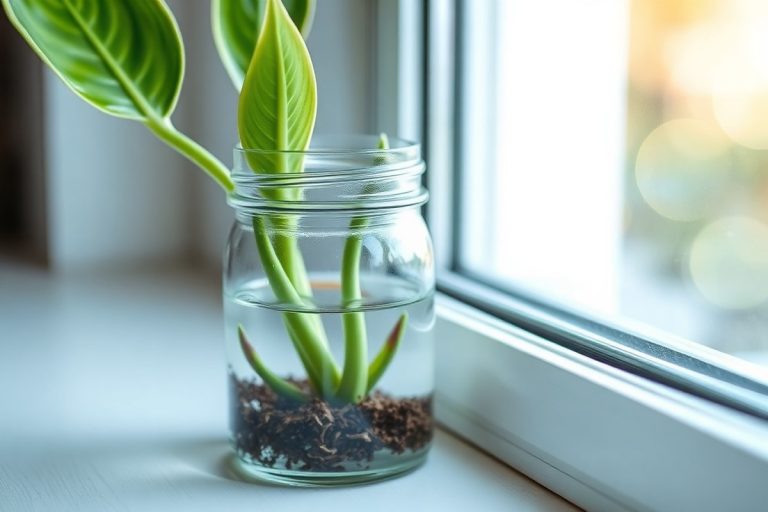
Early summer is the best time to take softwood cuttings from healthy plants. Choose non-flowering shoots about 4 inches long.
Cut below a leaf node with a clean, sharp knife or scissors. Remove the lower leaves to expose nodes.
- Select a healthy, soft stem about 4 inches long.
- Cut just below a leaf node with clean scissors.
- Remove leaves from the bottom half of the cutting.
- Trim any flower buds to direct energy to rooting.
- Use cuttings immediately or keep them cool and moist.
Using Rooting Hormones Effectively
Dipping cuttings in rooting hormone powder helps quick root formation. It’s best to use powder over liquid for marigolds.
Apply hormone to the bare stem just before planting in a well-draining mix. Avoid soaking cuttings too long to prevent rot.
- Moisten the cutting’s base before applying hormone powder.
- Dip the base about ½ inch into rooting hormone powder.
- Tap off excess powder gently.
- Plant cuttings in a moist, light soil mix like perlite and peat.
- Water sparingly to keep soil damp but not soggy.
- Put cuttings in a warm spot, around 70°F to 75°F, with indirect light.
Transplanting Rooted Cuttings
Roots usually form in 10 to 14 days. Check by gently tugging cuttings; resistance means roots have grown.
Move rooted cuttings to pots with regular potting soil before planting outside. Gradually increase sunlight exposure to harden off cuttings.
- Gently remove cuttings after 10 to 14 days and check root growth.
- Pot each cutting into a small pot with regular potting soil.
- Keep soil moist but avoid waterlogging.
- Place pots in partial sunlight for a few days.
- Gradually increase exposure to full sun over 7 to 10 days.
- Transplant outdoors when plants are strong and nighttime temperatures stay above 50°F.
Troubleshooting Common Marigold Problems and How to Fix Them
Seedlings that die shortly after sprouting often suffer from damping off. This happens when fungal spores attack young stems, causing them to turn black and collapse. Water seedlings with care.
Keep soil moist but not soggy. Make sure air flows well around them.
Marigolds growing tall can flop over easily due to weak stems or too much shade. African Marigolds can reach up to 3 feet. So a stake or support helps keep them upright.
Plant marigolds where they get full sun. This makes stems stronger. Strong stems stand up better in the wind.
Leggy or weak plants usually mean they aren’t getting enough light or nutrients. Midsummer weakness often comes from crowded plants or insufficient feeding.
Thin plants to at least 8 to 12 inches apart. Add balanced fertilizer every 4 to 6 weeks to strengthen growth.
Poor blooming results from many factors like overwatering, excess nitrogen, or lack of deadheading. Marigolds bloom best with moderate watering and fertilizer with lower nitrogen. Pinch off spent flowers regularly to encourage new blooms all season long.
Common mistakes include watering leaves instead of soil, planting in shaded spots, and overfertilizing. These cause diseases, weak growth, or fewer flowers.
Check soil moisture before watering your marigolds. Keep them in full sun for 6 hours daily.
Always water marigolds at the base early in the day to avoid fungal problems.
Step-by-Step Action Plan for Caring for Marigold Plants
Follow this plan to grow healthy marigolds with bright blooms fast. Check each step to stay on track.
- Before planting: Choose a sunny spot with well-draining soil. Test soil moisture by digging 2 inches deep. It should feel loose and not soggy.
- Day 1: Plant marigold seeds or seedlings about 8 to 10 inches apart. Confirm seedlings stand upright and soil is lightly pressed around roots.
- Week 1: Water marigolds gently every 2 to 3 days. Soil should stay moist but not wet; leaves should not droop.
- Week 2: Begin fertilizing with a balanced, water-soluble fertilizer every 2 weeks. Look for steady leaf growth and new buds.
- Week 3: Deadhead spent blooms weekly to encourage new flowers. Check that fresh buds appear regularly.
- Month 1: Inspect plants for pests like aphids or spider mites twice per week. If found, treat immediately with insecticidal soap.
- Month 2: Prune any leggy stems to shape the plant and boost growth. New shoots should fill in gaps within 2 weeks.
- After 2 months: Collect seeds from mature flower heads if you want to propagate next season. Seeds should be fully dry and brown before storing.
Frequently Asked Questions
How Often Should I Water Marigold Plants in Hot Weather?
Water marigolds every 1 to 2 days in hot weather. They dry out quickly and need consistent moisture to avoid stress. Avoid overwatering, which can cause root rot.
Can I Grow Marigolds in Containers on My Balcony?
Yes, marigolds do well in containers with good drainage. Use at least 1 gallon of soil for French types, more for bigger varieties. Place containers in full sun for best blooms.
How Can I Protect Marigolds from Deer and Rabbits?
Use physical barriers like fencing or netting around your marigolds. Deer and rabbits dislike strong scents, so applying repellents near plants helps. Check local advice for safe repellents.
Do Marigolds Attract Beneficial Insects to My Garden?
Yes, marigolds attract pollinators like bees and predatory insects that eat pests. This natural pest control benefits other plants nearby. Their scent can also repel some harmful insects.
Is It Necessary to Stake Tall Marigold Varieties?
Staking tall African marigolds helps prevent wind damage and keeps plants upright. Use soft ties to avoid stem injury. Skipping staking can cause plants to flop and lose their blooms.
Can Marigolds Grow in Partial Shade or Only Full Sun?
Marigolds grow best in full sun with 6 or more hours of direct light. They tolerate light shade but bloom less vibrantly. Avoid planting them in heavy shade to prevent weak growth.
Wrapping Up
Marigolds need steady care but reward you with cheerful blooms. Start with good soil and sunlight, then keep a simple routine. Try deadheading this week to see your marigolds bloom longer.