How Much Water Tomato Plants Need: A Complete Guide with Proven Tips
Wondering how much water tomato plants really need? They generally require about 1 to 1.5 inches of water each week, including rainfall. Give this water deeply in two or three sessions.
Avoid light daily sprinkles. Deep watering helps roots grow better.
It’s best to check the soil moisture regularly to avoid over- or under-watering. Stick your finger about 1 to 2 inches into the soil. Check the soil for dryness.
Water deeply when it’s dry. Water deeply enough to moisten the soil to about 6 inches.
During hot weather, like when temperatures rise above 85°F, monitor your plants daily. They might need water more often then, even if you watered just the day before. This helps prevent stress and keeps your tomatoes growing strong.
Key Takeaways
- Water tomato plants about 1 to 1.5 inches weekly, including rain.
- Apply water in 2 or 3 deep sessions rather than daily light watering.
- Check soil moisture by sticking your finger 1 to 2 inches deep.
- Water deeply until soil is moist at least 6 inches down.
- Monitor water needs daily during heat waves above 85°F.
- Seedlings need consistent moisture while mature plants tolerate slight dryness.
How Much Water Do Tomato Plants Need Weekly?
Your tomato plants need about 1 to 2 inches of water every week. This range depends on the plant’s age, weather, and soil type. Seedlings and newly transplanted tomatoes need closer to 1 to 1.5 inches weekly to keep soil moist while roots form.
Mature tomato plants usually require 1 to 1.5 inches per week, especially before fruit sets. During hot or dry weather, aim for up to 2 inches per week.
Heavy rainfall lowers how much extra watering your plants need. So always factor in recent rain when deciding.
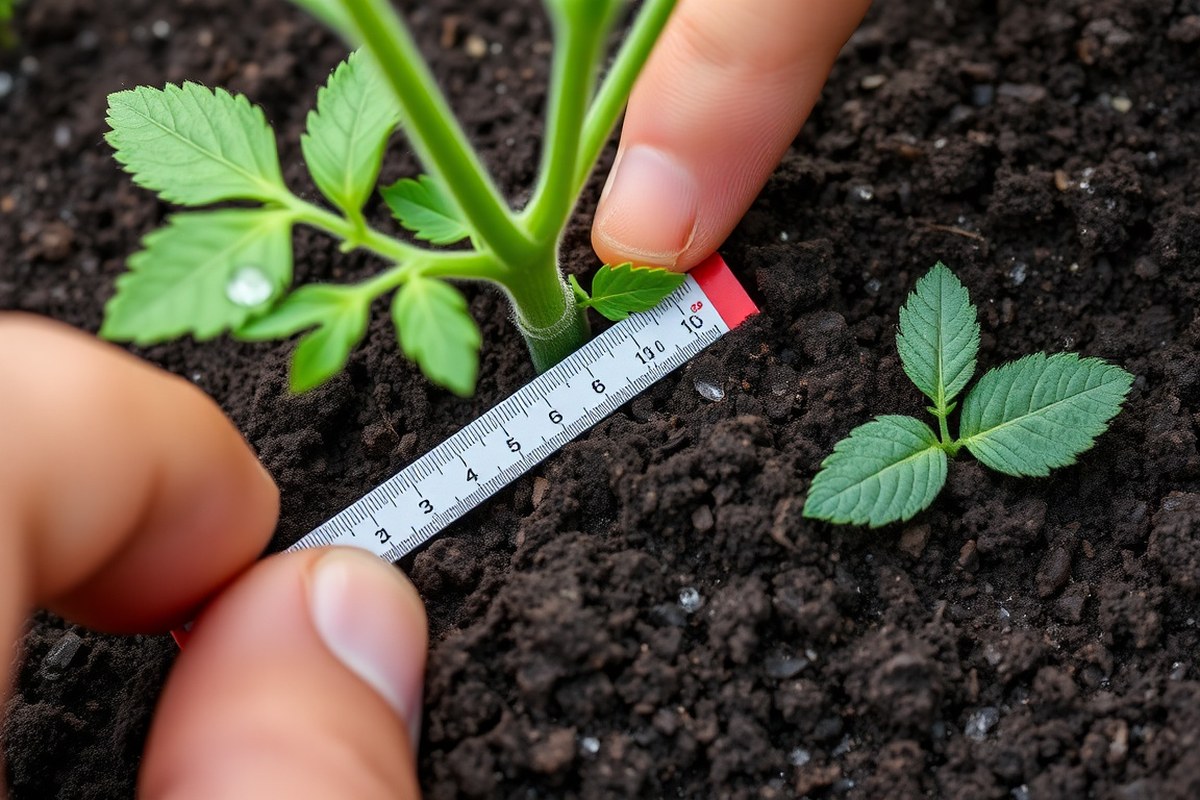
Water should soak the soil to a depth of 6 to 8 inches. This deep watering reaches the roots where tomatoes absorb moisture. To check, stick your finger into the soil 1 to 2 inches deep.
When the top layer feels dry, water your tomatoes deeply. This helps water reach deeper roots.
A practical way to know how much water to use is to measure your soil’s surface area. Then, apply water equal to about 1 or 2 inches across it.
For example, 1 inch of water on a 10 square foot tomato bed means about 0.1 cubic feet of water.6 gallons of water spread evenly. Multiply that by 1.5 inches for mature plants in sandy soil.
Water in 2 to 3 deep sessions weekly rather than daily light watering. Shallow watering only moistens the topsoil, encouraging weak roots. Deep watering pushes moisture down to encourage roots to grow strong and spread out.
When and How Often Should You Water Tomato Plants?
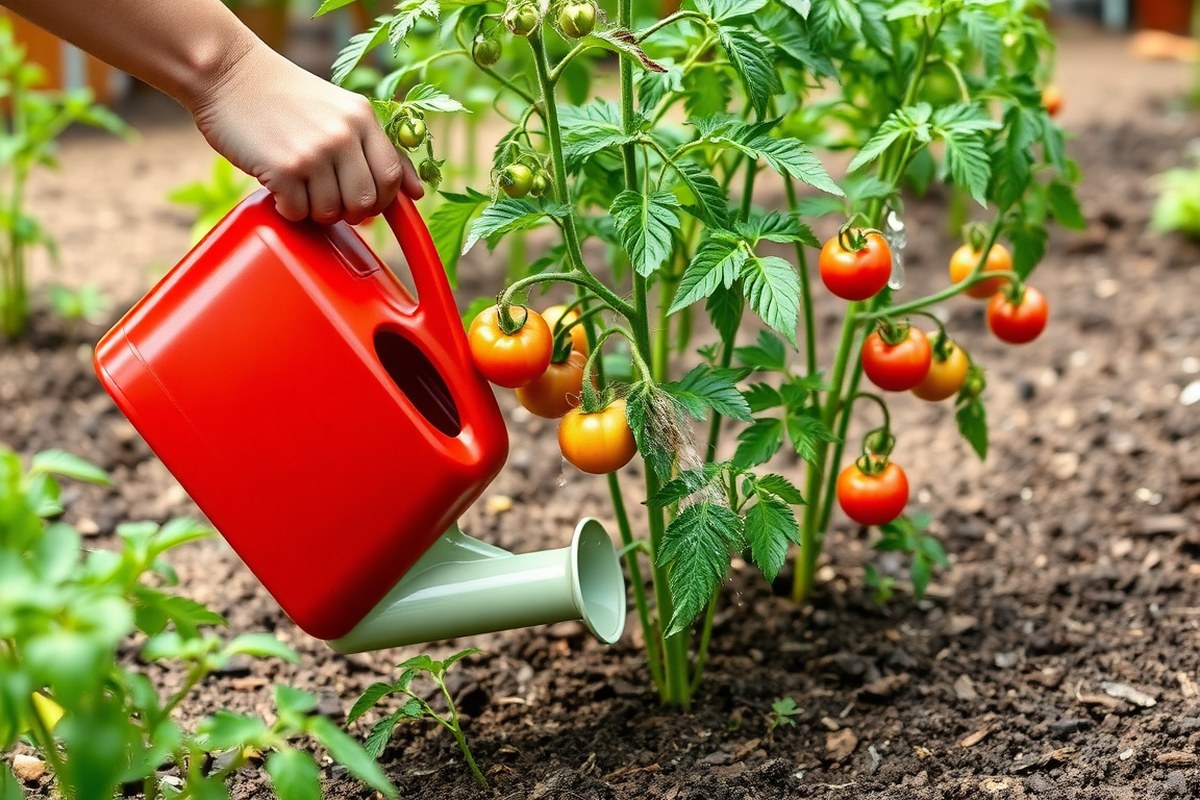
The best moment to water tomato plants is early morning. Morning watering lets leaves dry as the day warms. Avoid watering in the hot midday sun to save water from evaporation.
In hot weather, especially above 86°F (30°C), check soil moisture daily. Water tomatoes if the top 2 to 3 inches feel dry. Container tomatoes and plants under intense sun may need watering once or twice a day.
Cooler weather with temperatures between 60°F and 75°F needs watering every two or three days. This schedule usually keeps tomatoes healthy.
Natural rainfall means you should water less often. Skip watering if the soil is still moist from recent rain.
Young tomato plants need daily watering to help establish roots. When tomato plants start bearing fruit, water every two to three days under normal conditions. This helps maintain good soil moisture without overwatering.
Signs like fruit splitting or blossom end rot mean you should water more often. Keep a closer eye on the plants during dry spells.
Mulching helps keep soil moist longer and cuts down on how often you must water. Use a thick layer of straw or shredded leaves around the plants. This slows evaporation, especially on hot, sunny days.
Water tomato plants deeply to reach their roots. Avoid soaking the soil too much to prevent root rot.
How to Check If Tomato Plants Need Water
You can tell if your tomato plants need water by checking the soil. Look at the soil moisture first. Then watch the condition of the leaves.
Use your finger to test the soil a few inches deep. Look for leaf signs like drooping or curling before watering to avoid overdoing it.
Performing the Finger Test Correctly
Use your finger to feel the soil near the tomato plant roots. This simple test helps you know if the soil is dry enough to water without guessing. Follow these steps to check moisture accurately:
- Put your index finger 2 to 3 inches into the soil. Do this near the tomato plant’s base. Check how wet the soil feels there.
- Pull your finger out and feel the soil on your fingertip.
- Determine if the soil feels dry, slightly damp, or wet.
- Dry soil at this depth means it’s time to water deeply. Give your tomato plant a good, deep watering.
- Damp or moist soil means you can wait a day or two. Then check the soil again before watering.
- Repeat the test in different spots around the plant to check moisture evenly.
Identifying Water Stress Symptoms in Tomato Leaves
Tomato leaves show clear signs when the plant needs water. Check leaves in the cooler morning or evening when wilting is less likely to be heat-related. Look for these symptoms:
- Leaves drooping or curling downward in the early morning or late evening.
- Leaf edges turning crispy or brown as a sign of prolonged dryness.
- Yellowing or blistered leaves, which can indicate overwatering or underwatering.
- Wilting that happens in the afternoon despite recent watering may signal root issues, not drought.
Using Simple Tools to Measure Soil Moisture
Soil moisture meters are affordable and help take the guesswork out of watering. They can cost about $10 to $30 and usually come with simple probes. Here’s how to use a meter or a DIY moisture check:
- Insert the probe into the soil at root depth, near your tomato plant.
- Read the moisture level indicated, which often shows dry, moist, or wet zones.
- A dry meter reading means you should water deeply. Water until the moisture reaches the roots.
- Dig a hole 4 inches deep as a DIY soil check. Feel the soil inside the hole to see moisture. This helps decide if watering is needed.
- Soil that clumps but crumbles easily holds a good amount of moisture. This means your tomato plant probably doesn’t need water now. Powdery dry soil means your tomato plant needs water soon. Go ahead and water the soil thoroughly.
- Check soil moisture regularly, especially during heatwaves, since tomatoes dry out faster.
Watering Techniques That Maximize Tomato Plant Health
Drip irrigation, soaker hoses, and hand watering all work for tomato plants. Each has pros and cons based on garden size, time, and labor. Choosing the right method helps water reach roots efficiently without wetting leaves.
Drip Irrigation Benefits and Setup
Drip irrigation delivers water slowly right to tomato roots at soil level. It cuts down leaf wetness, lowering disease risk. Run it for 30 to 60 minutes, two to three times weekly for best results.
Setting a drip system takes one to two hours in small to medium gardens. You can automate it with a timer to reduce daily effort. This setup costs more than hand watering but saves time later, especially with many plants.
Drip irrigation prevents water loss by evaporation and runoff. Keeping water near roots helps tomatoes grow strong, deep roots. This method suits large gardens or gardeners who travel frequently.
Hand Watering Tips for Tomato Plants
Hand watering works well for small gardens with one to six plants. It takes about 10 to 20 minutes per session, depending on your hose and watering speed. Use a watering wand with a gentle spray to avoid damaging plants.
Water tomato roots directly and avoid splashing leaves to reduce disease risks. Pour water slowly so it soaks deeply, encouraging strong root growth. Stop when water starts pooling around the base to avoid overwatering.
Hand watering allows you to check soil moisture and plant health easily. It costs very little but requires more time and regular attention. This method suits beginner gardeners or those with few plants.
Using Soaker Hoses to Water Deeply
Soaker hoses slowly drip water along the garden row surface. Setup takes about 30 minutes, plus an automatic timer if you want. They work well for raised beds and tomato rows, delivering water gradually to roots.
Keep the hose at the soil level and cover with mulch to cut evaporation. Soaker hoses reduce leaf wetness like drip irrigation but need less precise installation. Run for 30 to 60 minutes per session, two to three times weekly.
This method is low cost and low effort after setup. It fits medium-sized gardens better than hand watering but needs some planning. Check hoses for clogs or leaks to keep water flow steady.
| System | Best for | Time Investment | Cost |
|---|---|---|---|
| Hand watering with hose | Small gardens, 1, 6 plants | 10, 20 min per session | Very low |
| Soaker hose | Garden rows and raised beds | Setup 30 min, then automatic | Low |
| Drip irrigation with timer | Large gardens, frequent travel | Setup 1, 2 hours, then automatic | Medium |
| Buried drip line | Permanent raised beds | Professional setup | Medium, high |
This table shows watering methods based on time and cost. Choose drip or soaker hoses for bigger gardens or less daily work.
Hand watering fits smaller spaces and tight budgets. Buried drip lines need professionals but offer long-term benefits.
Adjusting Watering Depending on Tomato Growth Stages
Tomato plants need less water as they mature but more during fruiting. Seedlings require frequent, light watering to keep soil moist. Mature plants need watering two to three times a week.
Give more water during fruit growth. Water deeply for best results.
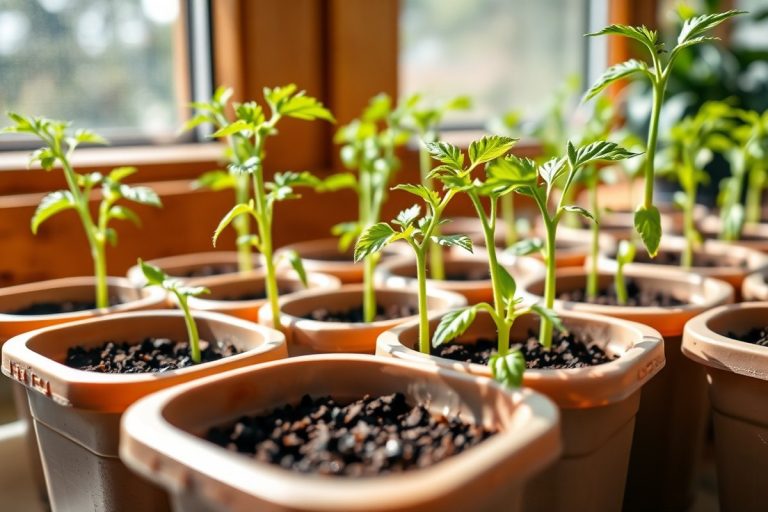
Watering Seedlings: Keeping Soil Consistently Moist
Seedlings have tiny root systems that dry out quickly. Water plants gently every day or every other day.
Keep soil moist but not too wet. Avoid overwatering to protect roots.
Use about 1/4 inch of water per day. This moistens soil about 1 inch deep.
Water enough but don’t saturate. Avoid letting the soil dry out, or seedlings will wilt and stall growth.
Soil moisture at this stage helps roots grow strong and prepares plants for transplanting.
Caring for Newly Transplanted Tomato Plants
After transplanting, tomato plants need more water because roots are still establishing. Water daily for the first week to maintain moisture about 6 to 8 inches deep.
Reduce watering frequency gradually starting week two to avoid overwatering. Aim for watering every other day, then every third day after four to six weeks.
Avoid waterlogging the soil; roots need air to grow. Adjust watering based on temperature and rainfall.
Managing Water Needs During Flowering and Fruiting
Fruiting tomato plants need extra water to support fruit development. Water deeply two to three times weekly to reach 6 to 8 inches below the surface.
Keep soil moist but not soggy to prevent blossom-end rot and cracked fruits. You may need to water more often in hot, dry weather. After fruit sets, steady moisture helps tomatoes stay healthy and productive without stressing the plant.
| Growth Stage | Water Amount | Frequency | Soil Depth |
|---|---|---|---|
| Seedlings | ~1/4 inch (light) | Daily or every other day | 1 inch |
| Newly Transplanted | 1/2 inch to 1 inch | Daily (week 1), then every 2-3 days | 6 to 8 inches |
| Mature, Flowering | 1 to 1.5 inches | 2 to 3 times per week | 6 to 8 inches |
| Fruiting | 1.5 to 2 inches (more if hot) | 2 to 3 times per week (adjust as needed) | 6 to 8 inches |
Follow these steps to adjust watering as your tomatoes grow:
- Check soil moisture depth regularly with a finger or moisture meter.
- Water seedlings lightly every day to keep topsoil moist.
- Increase water volume and depth when transplanting seedlings.
- Start reducing watering frequency after 4 to 6 weeks.
- Water mature plants deeply two to three times per week.
- Increase water during flowering and fruiting for consistent moisture.
- Adjust based on weather, add water on hot, dry days and reduce after rain.
Don’t let the soil dry out completely during flowering and fruiting to avoid fruit problems.
How Soil Type and Climate Affect Tomato Watering Needs
Sandy soil drains quickly and dries within hours, making frequent watering necessary. You should water tomato plants in sandy soil about three times per week. Check if the top 2 to 3 inches of soil feel dry before watering again.
Loamy soil holds moisture longer, usually two to four days. Watering twice a week suits loam best.
So check the upper 2 to 3 inches before watering. This soil type balances drainage and moisture well for tomatoes.
Clay soil holds moisture the longest, often five to seven days. Water your tomatoes just once per week and soak deeply to encourage strong roots. Only water when the top 3 inches of soil feel dry.
Watering too often can cause root rot. Let the soil dry before watering again.
Climate plays a big role too. Hot and dry regions need more watering. Water two to three times a week.
Sandy soil dries out faster and needs extra water. Humid or rainy climates need less watering.
Natural moisture keeps the soil damp longer. Water only when the soil surface is dry.
Avoid watering clay soil often in hot weather to reduce root rot risks. Raised beds with amended soil drain well. This soil type suits watering two to three times a week.
Avoid watering more to prevent soggy roots. Mulched beds retain moisture two to three days and help reduce watering frequency.
Adjust watering by checking soil dryness and factoring in rainfall. Use this rule: if the top couple of inches are dry, water your tomatoes. In hot, arid zones, expect to water more often and watch for soil drying faster.
A tomato in sandy soil might need water every other day. Dry climates increase how often you must water. Pay attention to soil dryness.
Clay soil in cooler, wetter areas needs less water. Water once a week or after rain fills the soil.
Overwatering in these soils can harm plants. Checking soil moisture by touch lets you adapt watering based on your exact conditions.
Watering Tomato Plants in Containers vs. Ground
Tomatoes in containers dry out faster because soil holds less water than garden beds. Pots expose soil to more air and sun, which speeds evaporation. This means you’ll need to water potted tomatoes more often than those in the ground.
Container-grown tomatoes often need daily watering during warm weather. Garden-grown tomatoes usually require watering every 2 to 3 days, depending on rainfall and soil type. Moisture levels drop quickly in pots, so frequent checks are necessary.
Use this table to compare watering needs for container and ground tomatoes:
| Aspect | Container Tomatoes | Ground Tomatoes |
|---|---|---|
| Watering Frequency | Once daily or every other day | Every 2, 3 days |
| Water Volume | 1 to 2 quarts per plant per watering | 2 to 3 quarts per plant per watering |
| Soil Moisture Checks | Daily check with finger test or moisture meter | Check every 2, 3 days, adjust after rain |
| Common Issues | Dries out fast, risk of overwatering | Usually more stable moisture |
Check container soil moisture daily by sticking your finger about 2 inches into the soil. If it feels dry, water until water drains out the bottom. Avoid letting containers sit in water; this clogs roots and causes rot.
Look for leaves curling or wilting as signs of underwatering in containers. Yellow leaves may mean overwatering or poor drainage. Drainage holes and a saucer to catch runoff help prevent water buildup problems.
Common Watering Mistakes and How to Fix Them
Wilting leaves and yellowing can mean your tomato plants are underwatered. Overwatered plants often have yellow leaves, limp stems, and soggy soil. Both conditions stress the plants and stunt growth or fruit production.
Compacted soil stops water reaching roots properly. You can fix this by loosening soil with a hand fork. Do this gently around the plant base.
Go about 2 to 3 inches deep. Avoid deep digging which can damage roots. Adding mulch after loosening keeps moisture in and blocks disease spores.
Adjust watering if you see fungal spots or mold on leaves and stems. Excess moisture on leaves encourages disease.
Water early in the day and aim water at the soil, not on the plant itself. Use drip irrigation or soaker hoses for best results.
- Water deeply once or twice a week, not daily for small plants
- Stop watering for a day or two if the soil stays soggy
- Apply 2 to 3 inches of mulch to keep soil moist and cool
- Use a moisture meter or finger check to guide watering
- Reduce watering frequency on cool, cloudy days
- Space plants so air circulates well, reducing disease risk
- Recover slowly from overwatering by pausing watering for 3 to 5 days
When correcting overwatering, cut back gradually to avoid plant shock. Water only when the top 2 inches of soil feel dry. After underwatering, give a thorough soak and return to the regular deep watering schedule.
Change watering based on the weather and plant size. Bigger plants need more water. Hot and dry weather means watering more often.
Mulching saves water and prevents soil from splashing onto leaves, cutting disease chances.
Step-by-Step Action Plan to Water Your Tomato Plants
Follow these steps to give your tomato plants the right amount of water. Watch your plants closely to see they stay healthy and strong.
- Before planting: Prepare soil with organic matter. Well-drained soil holds water but lets air in.
- Week 1: Water newly planted tomatoes lightly every day. Soil should feel moist but not soggy.
- Week 2 to 3: Water tomatoes deeply two to three times a week. Check soil moisture an inch down; it should be damp.
- Week 4 and after: Water once or twice a week with enough water to soak roots. Adjust if leaves look droopy or soil is dry.
- Heat waves or dry spells: Increase watering frequency to every other day. Feel the soil; it should not dry out completely.
- During fruit set: Keep watering steady without overwatering. Even moisture helps fruits grow well without splitting.
- Regular check: Look under leaves for wilting or yellow spots. These signs mean water needs adjusting.
Frequently Asked Questions
How Much Water Do Tomato Plants Need During Fruiting?
During fruiting, tomato plants need about 1 to 1.5 inches of water weekly. Keep watering consistent to avoid cracked fruit or blossom end rot.
Can You Overwater Tomato Plants and How to Tell?
Yes, overwatering can harm tomatoes. Signs include yellow leaves and soggy soil. Allow soil to dry slightly between sessions to prevent root rot.
Is Rain Enough for Watering Tomato Plants?
Rain helps but often isn’t enough alone. If weekly rainfall is below 1 inch, add watering to meet the 1 to 1.5 inches guideline.
How Does Mulching Affect How Much Water Tomato Plants Need?
Mulching reduces evaporation, so tomatoes need less frequent watering. Use organic mulch to keep soil moist longer and cut down watering sessions.
Should You Water Tomato Plants During Cloudy or Rainy Days?
Water less or skip watering if rain is sufficient. Always check soil moisture before watering to avoid overwatering.
Do Tomato Plants Need More Water in Pots Than in the Ground?
Yes, tomato plants in containers dry out faster and need more water. Water containers daily in hot weather, possibly twice a day if needed.
Wrapping Up
Tomato plants need consistent, deep watering to grow well. Check soil moisture regularly and adjust water if needed. Start today by feeling your soil and planning your watering schedule around your tomato plants’ needs.