How Long Does It Take Tomatoes to Germinate? Complete Guide for Fast, Reliable Results
Tomato seeds usually start to sprout between 5 and 10 days after planting. Seeds taken directly from ripe tomatoes tend to sprout faster, often in just 3 to 5 days.
The best temperature for quick germination is between 70 and 80 degrees Fahrenheit. Cooler temperatures slow down or stop the process, sometimes for weeks. Keep the soil warm and moist to give seeds the best start.
Seeds around one to two years old sprout the fastest. Older seeds take longer or might not sprout well. Start by using fresh seed, planting in warm soil, and watch for tiny green shoots soon.
Key Takeaways
- Tomato seeds usually germinate in 5 to 10 days with right warmth.
- Fresh seeds from ripe tomatoes can sprout faster, often in 3 to 5 days.
- Keep soil temperature between 70°F and 80°F to speed germination.
- Cooler soils below 65°F can delay or halt seed sprouting.
- Seeds 1 to 2 years old generally germinate more reliably than older seeds.
- Store seeds properly to extend viability up to 4 or 5 years.
How Long Does Tomato Seed Germination Typically Take?
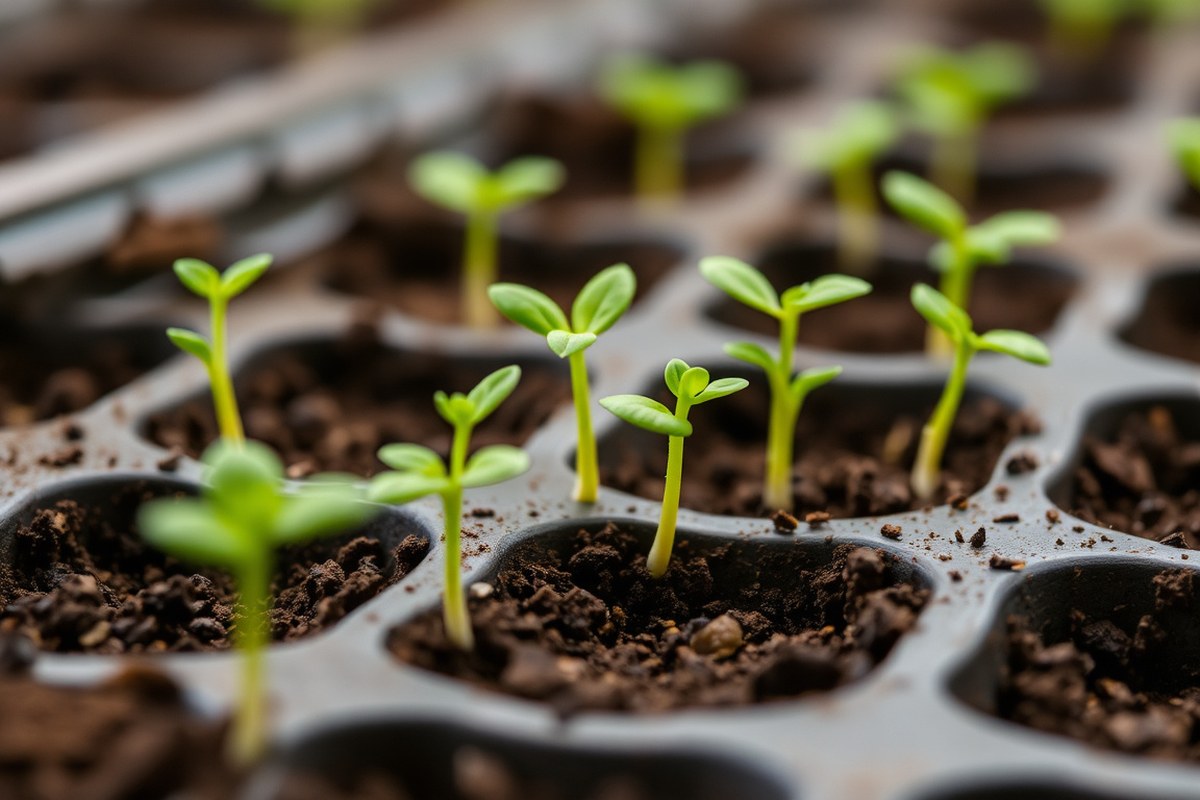
Tomato seeds usually sprout in 5 to 10 days under good conditions. This period changes mainly with temperature and moisture.
At about 80°F (27°C), seeds can germinate in as little as 4 to 6 days. That’s the fastest you’ll see, often using a heat mat to keep soil warm and steady.
Room temperature around 70°F (21°C) is typical for indoor seed starting. Here, seeds take 7 to 10 days to show tiny green sprouts.
If the soil dips below 65°F (18°C), germination slows down considerably. It may take 10 to 14 days or even longer. Some seeds might fail to sprout at all.
Almost all fresh tomato seeds fall into these time frames if you keep the soil moist. Dry soil or too much water can make seeds sit longer or rot before they sprout.
Which Temperature Range Ensures Fastest Tomato Seed Germination?
Tomato seeds sprout fastest when the soil temperature stays between 75°F and 85°F. This range keeps the seed’s metabolic processes active, helping roots and shoots develop quickly. Soil cooler than 70°F slows germination, making it uneven or sometimes incomplete.
Temperatures above 85°F can harm the seeds or even stop them from sprouting. Your soil feeling too warm can stress seeds and slow growth. Using heating mats is a common way to maintain steady warmth indoors, especially in early spring.
Here’s a quick guide on how temperature affects tomato seed sprouting:
| Soil Temperature (°F) | Effect on Germination |
|---|---|
| 75, 85 | Fast germination; 5, 10 days typical |
| 70, 75 | Normal germination; slightly slower |
| 60, 70 | Slow, uneven germination; risk of failure |
| Above 85 | Possible seed damage; germination may stop |
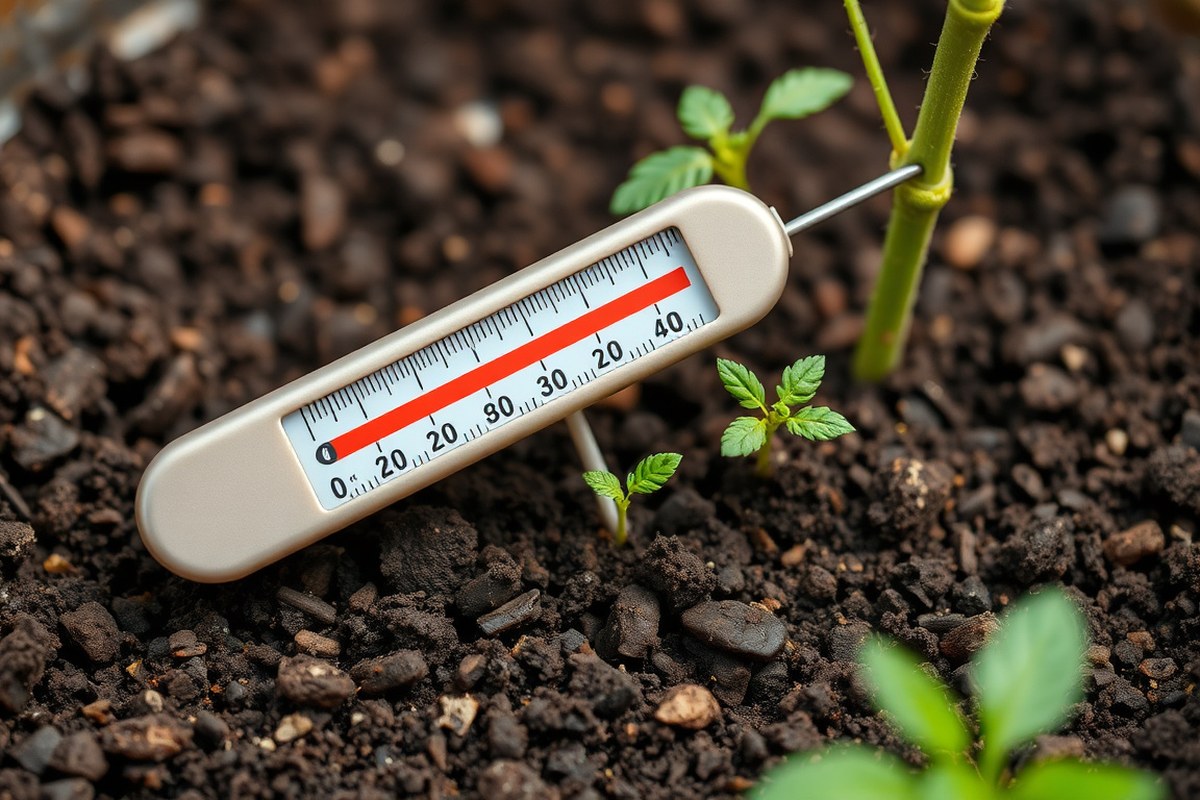
You can check soil temperature with a basic soil thermometer. Place it at seed depth to get accurate readings.
A seedling heat mat costs around $20 to $40 and plugs into any outlet. It gives steady, gentle warmth, raising soil temps into the ideal range safely.
Sometimes, room temperature alone won’t keep soil warm enough. A small seedling heat mat works well under your seed trays. It keeps soil temperature steady at 80°F on cold mornings.
Avoid heating the air alone; soil warmth directly affects seed roots the most. Turn off heat mats once seeds sprout. Then, move seedlings to bright light to help them grow strong.
Keep soil temperature steady and don’t guess, it’s the key to faster tomato seed sprouting.
What Are the Key Factors That Affect Tomato Seed Germination?
Tomato seed germination needs moist but not soaked soil. Plant seeds at the right depth.
Use good seeds and give light after they sprout. These factors affect how fast and well your seeds start growing.
Soil Moisture and Drainage
Seeds need moist soil to absorb water and start growing. Soil that is too dry slows down germination or stops it completely. But too much water can drown seedlings or cause mold and rot.
Good drainage lets excess water drain away and keeps the soil moist but not soggy. Using loose, well-draining soil helps maintain the right moisture level. You can check by touching the soil: it should feel damp, not wet.
- Water soil gently right after planting the seeds
- Keep soil moist by watering lightly once or twice daily
- Use a spray bottle for even moisture without washing seeds away
- Avoid overwatering to prevent soil from getting muddy or crusty
- Plant in loose soil that drains well to keep an even moisture level
Maintaining this balance speeds up germination and avoids problems like seed rot. Seeds won’t sprout in dry soil. Keep soil moist for them to grow.
Soggy soil can kill seeds before they sprout. Avoid overwatering your seeds.
Seed Age and Viability
Fresh tomato seeds usually sprout faster and in higher numbers. Older seeds can take longer to sprout, or fewer may germinate at all. Seed viability declines with age, especially after two or three years.
Store seeds in a cool, dry place to keep them viable longer. Seeds kept in a sealed container in the fridge can last several years.
Soak seeds overnight to test freshness. Seeds that sink usually sprout better.
- Use seeds no older than 1-2 years for best results
- Buy seeds from reputable sources for reliable viability
- Store leftover seeds in airtight containers in the refrigerator
- Do a germination test before planting old seeds
- Discard seeds that float during soaking, they often won’t sprout
Good-quality, fresh seeds mean more even and faster germination. Using very old seeds can lead to patchy growth and longer waits for sprouts.
Planting Depth and Soil Type
Tomato seeds need to be planted about 1/4 to 1/2 inch deep. Planting too deep delays sprouting or prevents it, since seedlings struggle to reach the surface. Planting too shallow risks drying out or washing away the seed.
Light, loose soil makes it easier for seedlings to break through. Heavy clay or compacted soil slows germination and causes uneven growth. A fine, well-prepared seed-starting mix works best.
- Plant seeds 1/4 to 1/2 inch below the soil surface
- Use fine, loose, well-draining soil like a seed-starting mix
- Avoid heavy garden soil that can compact and restrict roots
- Keep soil surface lightly moistened but not flooded
- Cover pots with plastic wrap to hold humidity until sprouts appear
Following these steps helps seeds sprout evenly and grow strong. Too deep or dense soil can cause uneven or delayed germination.
Light Requirements Before and After Sprouting
Tomato seeds don’t need light to germinate. So plant them in the dark or cover them with soil.
Once seedlings appear, they need full light to grow healthy and stay sturdy. Without enough light, seedlings become leggy and weak.
Place newly sprouted seedlings in bright windows or under grow lights. They’ll need about 12 to 16 hours a day of light for good growth. Use a timer to keep the light consistent, especially indoors.
- Cover seeds until sprouts appear, so they stay dark
- Move seedlings to light immediately after sprouting
- Provide 12, 16 hours of light daily for strong growth
- Use grow lights if natural light is insufficient
- Keep lights a few inches above seedling tops to prevent stretching
Too much light before sprouting doesn’t help seeds grow faster. After sprouting, light keeps seedlings compact and healthy. Lack of light causes thin, weak seedlings prone to falling over.
How to Prepare and Plant Tomato Seeds for Optimal Germination
Soaking tomato seeds for 4 to 6 hours softens the outer shell to boost germination. Testing seed viability with a paper towel ensures you plant only live seeds. Plant seeds about 1/4 inch deep in a loose, moist starter mix for the best start.
Pre-Soaking and Seed Viability Tests
Soaking tomato seeds in room-temperature water softens them. This speeds up germination by helping roots break through easier. Soak them no longer than 6 hours to avoid seed rot.
Use the paper towel method to test seed viability. Place seeds between damp paper towels and keep them warm. Check after 5 to 7 days for sprouted seeds, those are the ones you plant.
Planting Depth and Seed Starting Mix
Plant tomato seeds about 1/4 inch deep to give them enough soil cover. Too shallow, and they may dry out; too deep, and they struggle to emerge. Use a seed starting mix that holds moisture but drains well.
Seed starting mixes usually cost around $10 to $15 for a 2-quart bag. Look for ones labeled sterile and fine textured. Avoid regular garden soil, which can be too heavy or contain diseases.
Watering and Moisture Maintenance
Keep the seed starting mix evenly moist but not soggy after planting seeds. Overwatering can cause seeds to rot or fungus to grow. Use a spray bottle or gentle watering method to avoid displacing seeds.
Check moisture daily, especially in warm or dry rooms. Mist lightly if surface dries out, then cover to hold humidity. Good moisture encourages even germination within 5 to 10 days.
Using Heat Mats and Covering
Heat mats provide consistent warmth of about 70 to 80°F, speeding germination. Place seed trays on mats under grow lights or near a warm window. Avoid overheating, which can dry out seeds or kill embryos.
Cover seed trays with clear plastic lids or wrap to hold moisture and warmth. Remove covers as soon as seedlings appear to prevent mold. Good airflow after germination helps seedlings grow strong.
Follow these steps for planting tomato seeds right:
- Soak seeds in room-temperature water for 4 to 6 hours to soften.
- Test seed viability using the paper towel method to save time and space.
- Fill seed trays with a fine, sterile seed starting mix, moist but not wet.
- Plant seeds 1/4 inch deep, spacing them evenly to avoid crowding.
- Water gently with a spray bottle to moisten soil without washing seeds away.
- Place trays on heat mats set to 70-80°F for faster germination.
- Cover trays with clear plastic or lids to keep humidity steady.
- Remove covers and reduce heat once seedlings emerge to improve airflow.
How to Recognize and Fix Common Tomato Seed Germination Problems
Seeds that don’t sprout usually face water, temperature, or seed quality problems. Overwatering causes seeds to rot or grow mold.
Undercaring the moisture leaves seeds dry, which stops germination. Poor-quality or old seeds may fail to sprout altogether.
Mold or rot on seeds shows as fuzzy white, gray, or black patches. This happens when seeds stay too wet and lack airflow.
Using containers without drainage or letting seeds sit in water causes these issues. Warm, humid conditions also help mold spread fast.
Seeds starting to mold need quick action. Remove the bad seeds first. This can help save the rest.
Gently rinse healthy seeds in room-temperature water to clear off mold spores. Then spread them on a dry paper towel to air out. Replant only after they feel dry but before they harden.
Always use clean trays and fresh potting mix to avoid fungus problems.
- Water seeds lightly once daily, keeping soil damp but never soggy
- Keep soil temperature between 70 to 80°F for best germination
- Provide good airflow by removing lids or opening covers daily
- Plant fresh seeds instead of old or damaged ones
- Use sterile seed-starting mix, not garden soil, to prevent pests
- Remove any seedlings with disease to protect others
- Check seed packets for viability dates before planting
Uneven sprouting often comes from inconsistent moisture or temperature swings. Seeds in cooler spots may sprout slower or not at all.
Ensuring a steady warm environment helps all seeds break open near the same time. Using a heat mat under trays can keep soil warm evenly.
Failing seeds are easiest to replace early on. Fresh seeds from fully ripe tomatoes sometimes sprout in just 3 to 5 days. This is quicker than older or dried seeds bought in packets.
Wait two weeks for seeds to sprout. If none grow, start new seeds. This saves time and effort.
What to Expect in Tomato Seedling Development After Germination?
Tomato seedlings usually show their first true leaves between 8 and 14 days after germination. After sprouting, they need bright light right away to stay strong and short.
You can avoid weak seedlings by giving 14 to 16 hours of light. Keep the temperature steady around 70°F. This helps seedlings grow strong and healthy.
Sprout Appearance and Initial Care
The sprouts first pop out with tiny, smooth seed leaves called cotyledons. These leaves are round and look different from tomato’s jagged true leaves. At this stage, keep soil moist but not soaked to encourage steady root growth.
Handle seedlings gently when watering or moving them so you don’t break the delicate stem. Avoid overwatering, as soggy soil can rot young roots quickly. Place the container in a warm spot around 70°F for best growth.
True Leaf Development Timeline
True leaves with the classic tomato shape usually appear 8 to 14 days after sprouts emerge. These leaves have serrated edges, unlike the smooth cotyledons. Slow development can happen if temperatures drop below 70°F or light is weak.
Once true leaves appear, the seedling looks more like a mini tomato plant. At this point, it’s ok to begin thinning seedlings if several sprouted in the same pot. This helps the strongest ones get enough space and nutrients.
Lighting and Temperature After Germination
Seedlings need bright light right after sprouting to prevent stretching and weak stems. Use grow lights for 14 to 16 hours each day. Place the light 2 to 3 inches above seedlings.
This gives them the right amount of light. Adjust the light height as plants grow.
Keep daily temperatures near 70°F to speed leaf growth and avoid slow development. Cooler temperatures extend growth time and make seedlings leggy. You might need a heat mat if your home is cooler.
Common Seedling Care Mistakes
Many gardeners give seedlings too little light. This causes long, thin stems. Thin stems can’t support the plants as they grow.
Not using a grow light or a sunny window leads to this problem. Moving seedlings outdoors too early can shock them and stunt leaf growth.
Another mistake is overwatering, which kills roots and invites fungus problems. Water only when the top inch of soil is dry. Also, crowds of seedlings compete for light and nutrients, so thin them promptly.
When Should You Start Tomato Seeds Indoors for Best Growth?
Start tomato seeds indoors about 6 to 8 weeks before your area’s last frost date. This timing matches the seedling growth with outdoor planting conditions. Use local frost date charts or ask your county extension office for options near you.
Starting seeds too early can cause leggy, weak plants that suffer from transplant shock. Too late, and seedlings won’t have time to grow strong before outdoor planting. This 6-8 week window balances healthy growth without rushing or waiting too long.
You can adjust timing if you control growing conditions like temperature and light. With grow lights and a warm spot, seedlings can start earlier. But watch for excessive stretching.
Warm regions with long growing seasons should start seeds closer to 6 weeks. You can even start as early as 5 weeks before planting. Cooler areas with short seasons need the full 8 weeks.
Use a soilless seed-starting mix to avoid seedling diseases like damping off. Regular garden soil can hold too much moisture and cause fungal problems, setting you back weeks.
Keep the mix moist but not wet. Maintain temperatures around 70-75°F for fast germination.
Watch seedlings daily for growth and problems. Remove seedlings affected by damping off quickly. Change watering and improve air flow to stop the problem.
Healthy seedlings grow sturdy stems first. They also develop several sets of true leaves. This usually happens after 4 to 6 weeks.
Get your transplant site ready ahead of time. Harden off seedlings during the 7 to 10 days before planting. This helps them adjust to outdoor conditions.
Gradually expose seedlings to outdoor conditions to reduce shock. This transition supports strong root establishment and better tomato yields.
How Does Tomato Variety and Seed Age Influence Germination Time?
Most tomato varieties germinate at similar rates. Cherry tomatoes and slicers usually sprout within the same general timeframe. Choosing your variety won’t speed up germination significantly.
Seed age matters a lot for sprouting reliability. Fresh seeds, around 1 to 2 years old, germinate fastest. Older seeds lose viability and may take longer or fail to sprout.
Here’s a rough comparison of how seed age affects germination speed and success:
| Seed Age | Germination Speed | Viability Rate |
|---|---|---|
| Fresh (1, 2 years) | 7, 14 days | High (90%+) |
| 3, 4 years | Up to 21 days | Moderate (50, 75%) |
| Older than 5 years | More than 21 days or none | Low (under 50%) |
Seeds stored beyond two years might slowly lose their power to sprout promptly. Cooler, dryer storage helps keep them alive longer. But older seeds can still germinate with patience and care.
To revive old seeds, soak them overnight in warm water. This softens seed coats and speeds sprouting. Expect delayed germination and test batches before planting your garden.
Keep seed packets in a cool, dark place with low humidity. This extends seed life.
Using pre-germination techniques like soaking or paper towel sprouts can reduce the wait time. These tricks work regardless of tomato type and help older seeds show life faster. The best chance comes from planting fresh seeds kept in proper storage.
Step-by-Step Action Plan for Starting Tomato Seeds
Follow these steps to get your tomato seeds started and growing strong. Each step shows when to act and how to check if it’s working.
- Before you start: Choose fresh seeds from a good tomato variety. Fresh seeds sprout faster and stronger.
- Day 1: Plant seeds about ¼ inch deep in moist seed-starting mix. Keep the soil warm, around 70-80°F, to speed germination.
- Days 2 to 7: Keep the soil moist but not soggy. Check daily for tiny sprouts breaking through the soil.
- Week 1: Once seeds sprout, move them to a sunny window or under grow lights. Seedlings need 12 to 16 hours of light daily.
- Week 2: Thin seedlings by snipping weaker ones at soil level. This helps the strongest plants get enough space and nutrients.
- After 3 weeks: Harden off seedlings by placing them outside a few hours daily. Gradually increase time outside to prepare for transplanting.
- After 4 to 6 weeks: Move seedlings to bigger pots once they grow. Wait for the last frost before planting them outside. Strong seedlings adapt better to outdoor conditions.
Frequently Asked Questions
Why Have My Tomato Seeds Not Germinated?
Tomato seeds might not germinate because of low temperatures or dry soil. Make sure the soil stays moist and warm, ideally between 70 and 80°F. Poor seed quality or planting too deep can also cause problems.
How Can I Make Tomato Seeds Germinate Faster?
Use fresh seeds and keep the soil temperature steady around 75°F. Keeping soil moist helps seeds sprout faster. Starting seeds indoors speeds up germination compared to outside planting.
What Month Should You Start Tomato Seeds?
Start tomato seeds indoors six to eight weeks before last frost. Check the frost date for your area first. This timing ensures seedlings are strong enough to transplant outside when the weather warms.
Can I Just Throw Tomato Seeds in the Ground?
You can scatter seeds outdoors, but they may germinate unevenly or later. Starting seeds indoors gives you better control over moisture and heat. This control helps seeds sprout faster and more reliably.
Why Do Some Tomato Seeds Take Longer to Sprout?
Older seeds or certain tomato varieties naturally take more time to germinate. Cooler soil or inconsistent watering also slows sprouting. So controlling temperature and moisture is important.
Is It Better to Soak Tomato Seeds Before Planting?
Soaking seeds can speed up germination by softening the seed coat. Soak seeds in warm water for four to six hours only. Do not soak longer to avoid damaging the seeds.
Key Points to Remember
Tomato seeds usually germinate in about 5 to 10 days with the right warmth and moisture. Keeping soil temperature steady and avoiding overwatering really helps. Now, get your seeds started today and watch your garden begin to grow.