How Tall Does a Money Tree Grow Indoors and Outdoors? Complete Growth Guide
How tall a money tree grows depends on the conditions where it’s kept. Indoors, these trees usually reach about 6 to 8 feet tall over several years. Outdoors, in warm and humid climates, they can grow much taller, sometimes reaching 30 to 60 feet.
Their height depends on factors like light, water, and available space. They grow faster and taller with bright, indirect light and consistent watering. You can control how big they get by pruning regularly or picking the right pot size for root space.
Starting with a healthy plant is key for good growth indoors. Place your tree in a well-lit spot, away from direct sun or cold drafts. Monitor its growth so you can adjust care to keep it healthy and the size you want.
Key Takeaways
- Indoor money trees commonly grow 6 to 8 feet tall over several years.
- Outdoor money trees in warm zones often reach 30 to 60 feet tall.
- Money trees grow about 1 to 2 feet annually under good conditions.
- Bright, indirect light and regular water help money trees grow well.
- Use pruning and pot size to keep your money tree from getting too tall.
- Mature indoor money trees also spread 3 to 5 feet wide in space.
Typical Height of Money Trees Indoors and Outdoors
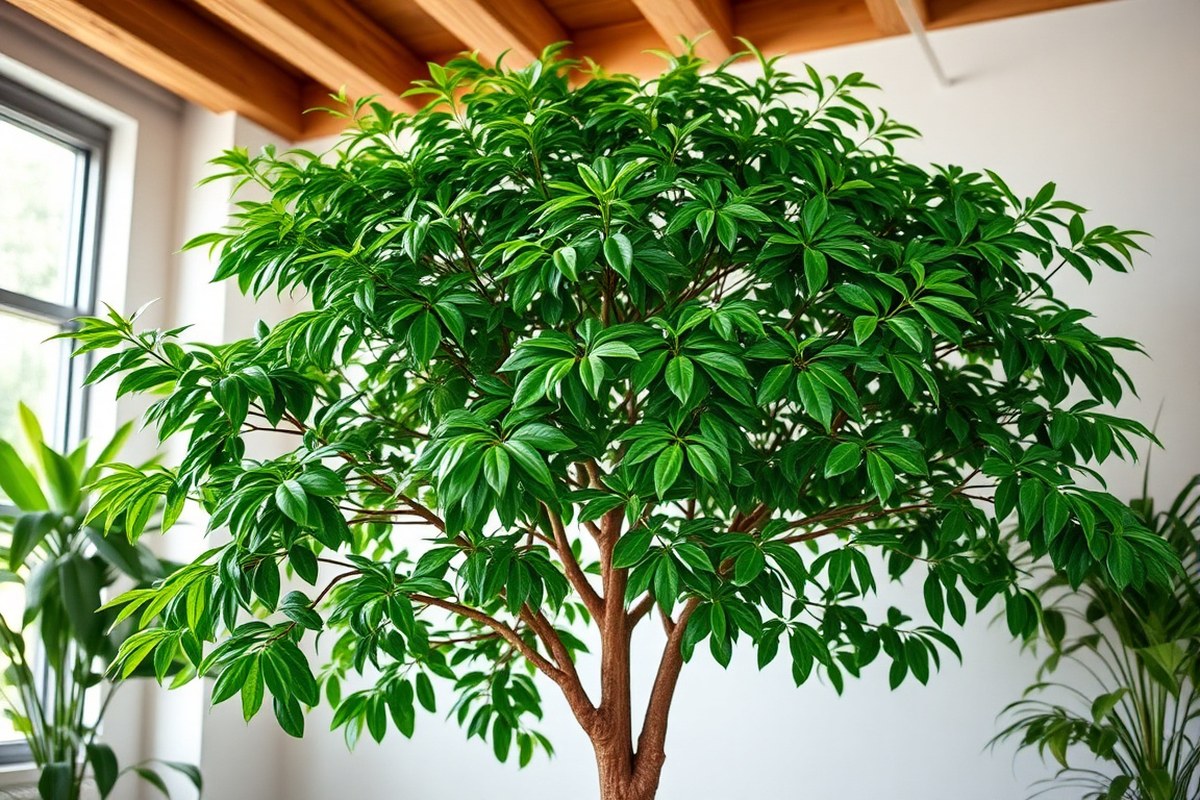
Money trees usually grow between 6 and 8 feet tall indoors. This height fits most homes since ceilings are often 8 feet high or more. You can expect a money tree to grow tall in some rooms.
Good light and care over years help this growth. It might even reach the ceiling height.
Outdoors, money trees grow much taller under the right tropical conditions. They commonly reach 30 to 60 feet, turning into large shade trees or striking garden features. Some trees grow taller than 60 feet in good settings.
They look impressive in open spaces. These trees add height to any landscape.
Indoor growth stops because of limited space and pot size. This keeps your money tree smaller than outdoor ones. It won’t get as tall indoors.
Outdoors, with plenty of room and proper climate, money trees have no such limits. You want a big leafy plant indoors, it usually grows to about 8 feet.
It can spread 3 to 5 feet wide. Plan your space for this size.
How Fast Does a Money Tree Grow Year by Year
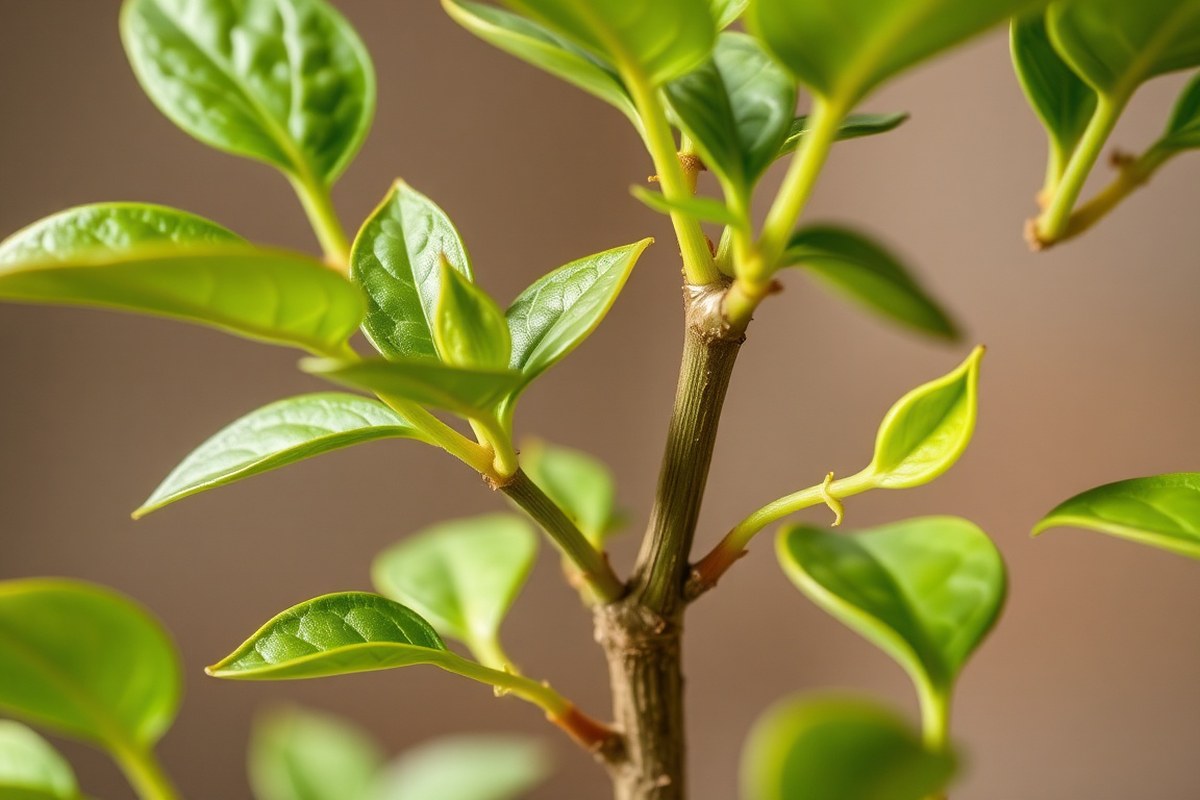
Money trees typically grow about 1 to 2 feet per year indoors. A young tree can grow 3 to 6 feet tall in a few years. This usually takes about three to five years.
Growth speed depends on conditions like light, humidity, and pot size. But this range fits most home environments.
It usually takes around five years for a money tree to reach full maturity indoors. At maturity, expect a sturdy trunk and a full canopy around 6 to 8 feet tall.
Outdoor trees can grow taller than indoor ones. Indoor trees stay smaller because of less space and controlled conditions.
In the first year, your money tree often grows between 1 and 1.5 feet. By the second year, it has a solid shape and more branches forming. After three years, trees grow slower.
They focus on thickening trunks. Leaves also fill out more.
Growth slows down in winter. Trees enter a resting phase. They barely grow until spring comes.
Pruning yearly can help maintain the size you want and encourage bushier growth. Using a 12- to 18-inch pot lets the roots spread just enough without overcrowding. This balance avoids stunted growth or overly tall, weak trunks.
Indoor money trees don’t grow as tall as outdoor ones. They won’t reach 30 feet. This happens in warm USDA zones only.
They stay manageable in size and add a tropical touch without overwhelming your space. With consistent care, you’ll see steady, measurable growth year by year.
How Light, Temperature, and Humidity Affect Growth
Bright, indirect light helps money trees grow taller and healthier. They do best near an east or west-facing window, where sunlight is gentle but steady.
Too much direct sun can scorch the leaves. Too little light slows growth and makes the plant leggy.
Winter months bring lower light levels. Move your money tree closer to a window. Use a grow light for 10 to 12 hours daily.
This helps the plant get enough light to grow well. Grow lights usually cost $30 to $60. They help keep your plant healthy all year.
This saves money by avoiding plant replacement costs. You’ll notice fuller, richer foliage and steady height gains with proper light.
Temperature plays a key role. Money trees prefer 65 to 80 degrees Fahrenheit during the day.
Nighttime temperatures should stay above 55 degrees. Sudden drops or drafts can slow growth and cause leaf drop, stunting your plant’s height.
In winter, keep your money tree away from cold drafts near doors or windows. Use a small space heater if room temperature dips too low. Keeping a stable warm environment encourages steady growth that pushes your tree taller.
Humidity levels between 50% and 60% help money trees thrive. They are native to tropical regions and enjoy moist air. Dry indoor air, especially in winter, can cause leaf browning and stunt growth.
To boost humidity, place your money tree on a tray with water and pebbles. Use a room humidifier if air stays too dry.
Grouping plants together also raises humidity naturally. Healthy, shiny leaves and steady growth come from the right humidity.
Controlling Money Tree Size with Pruning and Pot Choice
Pruning and pot size are the best ways to keep your money tree smaller. You can trim back the top growth regularly to stop it from getting too tall. Choose a pot just big enough for your tree’s roots.
This stops the tree from outgrowing its space. It helps the tree stay healthy and stable.
Pruning Techniques to Control Height
Regular pruning limits height and encourages your money tree to grow fuller. Cutting back taller stems shifts energy towards side branches, making it bushier. Prune once or twice a year, ideally in spring or early summer when growth kicks in.
Here’s how to keep your money tree compact without stressing it:
- Use clean, sharp pruning shears to avoid damaging branches.
- Remove any dead or yellow leaves first to tidy the tree.
- Cut stems just above a leaf node or side branch to promote new growth there.
- Trim the tallest stems by up to one-third to control height.
- Thin crowded branches to improve air circulation and light reach.
- Keep an eye on the tree every few months to maintain shape.
Be careful not to prune more than 30% at once. Too much pruning can shock the plant and slow growth.
Choosing the Right Pot Size
Pot size strongly affects how much your money tree can grow. A small pot limits root space, which slows growth and keeps the tree smaller. Too large a pot encourages big root growth and a taller tree.
Pick a pot with good drainage holes to prevent root rot. The pot should fit the trunk snugly. Leave 1 to 2 inches extra for spreading roots.
This gives roots room without too much space. For typical home trees, a 6 to 10 inch pot works well depending on tree size.
Repot your money tree every 2 to 3 years into just slightly bigger pots. This keeps root growth steady without encouraging the tree to get too tall.
Managing Braided Trunks During Pruning
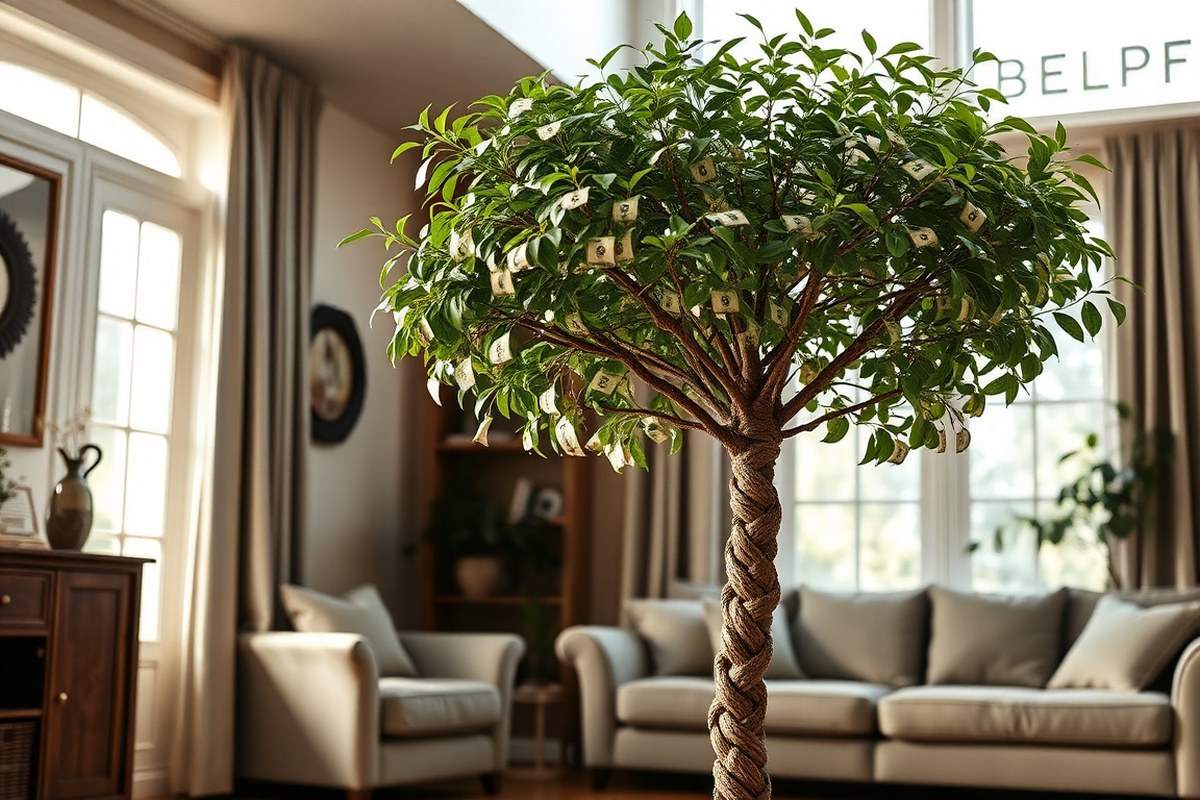
The braided trunk on many money trees adds charm and restricts some upward growth naturally. However, pruning requires care not to damage or undo the braid. Avoid cutting directly into the braid itself to keep it intact.
Focus pruning on the stems and branches above the braided section. Trim new shoots just above leaf joints without cutting the thick braided trunk. This technique keeps the braid healthy and your tree looking neat.
A braid that loosens or thickens needs pruning above it. Keep the pot size moderate to slow growth.
This prevents strain on the tree. Avoid forcing the braid into a smaller shape with ties, which can injure the plant.
Soil, Watering, and Feeding Practices for Optimal Growth
Your money tree grows best in well-draining soil with regular watering and proper feeding. Use a peat-based mix with good drainage to prevent root rot.
Water when the top two knuckles of soil feel dry. Fertilize lightly during the growing season to support height.
Ideal Soil Mix Components
Money trees prefer soil that drains well to avoid soggy roots. A potting mix rich in peat moss provides the right acidity, with a pH between 6.0 and 7.5. Adding perlite or sand improves drainage and aeration, essential for root health.
Good soil also retains some moisture but dries out between waterings. Keep your mix light and crumbly to allow air flow around the roots.
Watering Frequency and Techniques
Check soil moisture every few days by sticking your finger two knuckles deep into the soil. Water only when the soil feels dry at that depth to avoid overwatering.
Money trees typically need watering once a week. But this varies with humidity and temperature.
Water slowly until excess drains from the pot bottom. Avoid leaving the plant in standing water, which causes root damage. Choose a day when your tree also needs feeding to combine both tasks efficiently.
Overwatering is the most common cause of money tree problems. Always let soil dry slightly before watering again.
Fertilizer Type and Schedule
Use a balanced fertilizer with equal nitrogen, phosphorus, and potassium. Apply it during the growing season.
This usually means from spring through early fall. Feed your money tree once a month to promote steady growth and strong height development.
Dilute fertilizer to half the label’s recommended strength to prevent root burn. Stop feeding during winter when growth slows to avoid stressing the plant.
- Choose a water-soluble balanced fertilizer like 10-10-10 or 20-20-20
- Feed every 4 weeks, from early spring to early fall
- Use half-strength fertilizer solution for indoor plants
- Apply fertilizer on the same day as watering
- Pause feeding during winter dormancy
- Repot with fresh soil every 2, 3 years to renew nutrients
Differences Between Indoor and Outdoor Money Tree Growth
Outdoor money trees usually grow taller than indoor ones. They get more space, sunlight, and natural conditions. These help them reach greater heights.
Outdoors, they can reach heights between 6 and 8 feet as they mature. Indoors, light is limited and pots are smaller.
Space inside also restricts growth. This keeps them between three and six feet tall.
Indoor limits come from typical home conditions. Light levels inside are lower, which slows growth.
Pots restrict root space, and indoor temperatures are more stable but less ideal. These factors combined keep the money tree smaller and more compact.
Care also differs quite a bit. Outdoor money trees need more space and consistent watering. Indoors, you control watering carefully to avoid overwatering.
Light quality and humidity are more important inside to keep a money tree healthy. Below is a quick look at these differences.
| Aspect | Indoor Money Tree | Outdoor Money Tree |
|---|---|---|
| Typical Height | 3 to 6 feet | 6 to 8 feet |
| Growth Rate | Slower due to less light and limited space | Faster with full sun and room to grow |
| Light | Indirect, moderate to bright indoor light | Full or partial sun |
| Watering | Moderate, avoid overwatering | More frequent; natural rainfall helps |
| Humidity and Temperature | Controlled indoor environment; steady temps | Variable outdoor conditions; can be warmer |
| Space | Limited by pot size and indoor space | Room for roots to spread and grow tall |
Growing a money tree indoors takes more care. You must keep humidity just right. Avoid letting the soil get soggy.
Outdoor trees get natural watering cycles and better airflow, which supports taller growth. You can expect your money tree to stay smaller inside because of these differences.
Use a pot that’s big enough but not too large to help control height indoors. Keep it near a bright window but out of direct harsh sun.
Outdoor trees benefit from open space and more direct light. Adjust care as the season changes to match the environment.
Keeping Money Trees Small: Bonsai, Tabletop, and Miniature Options
Money trees can be kept under 1 foot tall by careful trimming, shaping, and pot choices. Miniature or tabletop money trees thrive with regular pruning and small containers. They need more attention to watering and feeding than larger plants do.
Shaping and Trimming for Miniature Size
Keeping a money tree small means trimming new growth regularly. Cut back any branches that grow longer than 6 to 8 inches. This encourages a bushier, more compact shape.
Trim in spring or early summer when the plant is actively growing. Use sharp, clean scissors or pruning shears to avoid damaging stems. Removing just a few inches at a time helps maintain size without stressing the plant.
To get a bonsai style, prune the roots every couple of years and trim branches frequently. Wiring branches can guide their shape. But don’t leave wires on longer than three months to avoid damage.
Choosing Suitable Pots for Bonsai Money Trees
Small pots limit root growth and keep your money tree petite. Choose containers between 4 and 6 inches wide for tabletop or bonsai sizes. Clay or ceramic pots with drainage holes work best to prevent waterlogging.
Repotting every 1 to 2 years is necessary to refresh soil and prune roots. Avoid pots that are too deep, as they encourage root expansion and more growth. Shallow pots force the plant to stay smaller and healthier.
Using bonsai trays or decorative shallow pots also keeps the tree manageable. These special containers usually come with a built-in drainage system. They may cost $10 to $30 depending on style and size.
Maintaining Health of Small Money Trees
Miniature money trees need slightly more frequent water checks than bigger ones. Water only when the top inch of soil feels dry to the touch. Overwatering leads to root rot, especially in small pots with less soil.
Feed tabletop money trees monthly from spring through fall. Use a balanced liquid fertilizer diluted to half strength for gentle feeding. Avoid over-fertilizing since small plants have less root mass.
Make sure your small money tree gets bright, indirect light for 6 to 8 hours daily. Keep it away from heat vents or drafts that can dry it out. Humidity trays or misting help miniature varieties stay lush and healthy.
- Choose a small pot, 4 to 6 inches with drainage holes.
- Trim branches longer than 6 to 8 inches regularly to control size.
- Prune roots every 1 to 2 years during repotting to restrict growth.
- Water only when the top inch of soil dries out.
- Feed monthly with half-strength liquid fertilizer in growing season.
- Provide 6 to 8 hours of bright, indirect light daily.
- Use wiring carefully for shaping, remove wires before 3 months.
- Maintain humidity by misting or placing the pot on a humidity tray.
Common Growth Problems and How to Fix Them
Slow or stunted growth often happens because your money tree isn’t getting what it needs. Too little light and inconsistent watering stunt its progress. Avoid temperatures under 50°F (10°C), which can cause leaf drop and weaken growth.
Overwatering is a common cause of root rot in money trees. Waterlogged soil suffocates roots and leads to yellowing leaves or mushy stems. Underwatering stresses the plant, causing dry, brittle leaves that fall off easily.
Check for root rot by gently removing the plant from its pot. Healthy roots look white and firm, while rotting roots are brown and soft. When rot shows up, cut off the bad roots right away.
Then repot your money tree in fresh, well-draining soil. Reduce watering frequency and ensure excess water drains away.
- Water only when the top 1-2 inches of soil feels dry
- Use pots with drainage holes to avoid water buildup
- Keep the plant in bright, indirect light, but away from drafts
- Maintain indoor temperatures above 50°F and humidity around 50%
- Inspect leaves weekly for yellowing, drooping, or spots
Adjust care if leaves drop or growth stalls despite following these tips. Sometimes pests or fungal issues need treatment with specific sprays.
Call a licensed plant specialist for severe root rot problems. Also, reach out if your plant keeps getting worse after changes.
Use a moisture meter or stick your finger into soil to avoid overwatering your money tree.
Step-by-Step Action Plan for Growing Your Money Tree
Follow this plan to help your money tree grow healthy and reach the right size. Each step shows what to do and how to tell if it’s working.
- Before you start: Choose a pot size that fits your space to control growth. When the tree is stable and the pot fits the spot, you’re set.
- Week 1: Place your money tree where it gets bright, indirect light. The leaves look bright and not scorched when it’s a good spot.
- Week 2: Water your tree when the top inch of soil feels dry. The leaves should look firm, not wilted or yellow.
- Month 1: Check humidity. Mist the leaves or use a humidifier if the air is dry. Leaf edges that stay green and not brown mean humidity is fine.
- Month 2: Feed your tree with a balanced liquid fertilizer once a month. Growth should be steady, with new leaves starting to appear.
- Month 3: Prune any tall or leggy branches to keep size in check. You’ll see new, bushier growth after pruning.
- Every 6 months: Repot your tree only if roots crowd the pot. Roots growing through drainage holes show it’s time to repot.
- Ongoing: Watch for common issues like yellowing leaves or pests. Healthy leaves and steady growth mean your tree is thriving.
Frequently Asked Questions
How Tall Does a Money Tree Grow Indoors?
A money tree usually grows 6 to 8 feet tall indoors. It forms a sturdy trunk and a full canopy over time.
Can a Money Tree Grow Taller Than 8 Feet Indoors?
Yes, but it’s rare because typical indoor conditions limit its height. Regular pruning keeps it manageable.
How Tall Can a Money Tree Get Outdoors?
Outdoors, money trees can grow 30 to 60 feet tall. Ideal tropical climates encourage taller growth.
Do Money Trees Grow Faster in Pots or the Ground?
Money trees grow faster in the ground due to more root space. Pots limit growth but help control size.
Can I Keep My Money Tree from Growing Taller Than 6 Feet?
Yes, pruning and pot size control the tree’s height effectively. Frequent trimming keeps it compact.
How Long Does It Take for a Money Tree to Reach 6 Feet?
It usually takes several years, around 3 to 5, depending on care. Good light and water speed growth.
Key Points to Remember
Money trees usually grow to about 6 feet tall indoors but can vary with care. Adjust light, water, and pot size to keep it the size you want. Start by moving your tree to bright indirect light today and watch it thrive.