Do Strawberries Need Acidic Soil? A Complete Guide for Healthy Growth
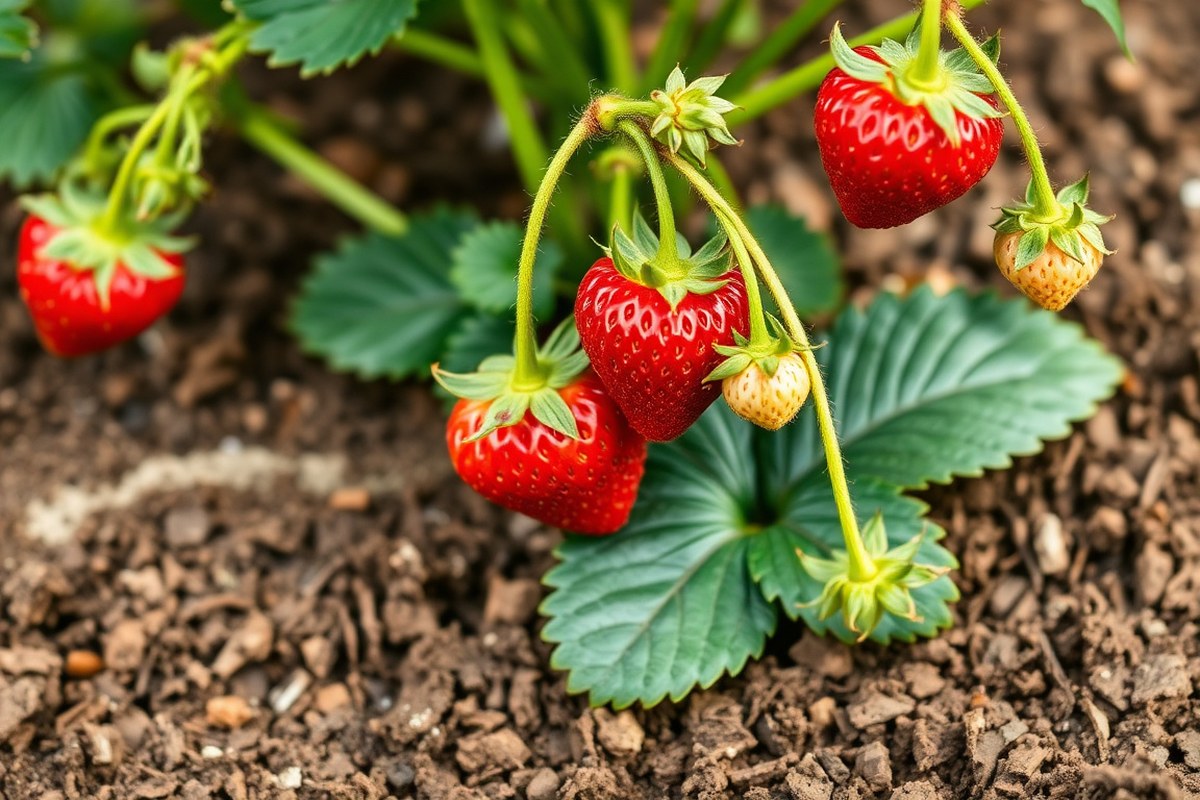
Do strawberries need acidic soil? Yes, they do best in slightly acidic soil.
Their ideal pH range is between 5.5 and 6.5. Within this range, strawberries absorb key nutrients like iron, phosphorus, and manganese better, which helps their growth and fruit production.
The soil’s pH level plays a big role in nutrient uptake. Soils that are too acidic or too alkaline block important minerals from reaching strawberry roots. Testing your soil pH before planting helps you know if you need to adjust it.
To keep strawberries healthy, plant them in well-draining soil that stays slightly acidic. Avoid heavy clay or overly sandy soils, which can mess with moisture and nutrients. Plant strawberries in early spring, when nighttime temps are above 35°F. So roots have the best chance to grow strong.
Key Takeaways
- Soil pH between 5.5 and 6.5 supports healthy strawberry growth.
- Test your soil pH before planting to avoid nutrient problems.
- Slightly acidic soil increases strawberries’ absorption of iron and phosphorus.
- Use well-draining soil to prevent root issues in strawberry plants.
- Plant strawberries in spring when nighttime temperatures are above 35°F.
- A soil pH below 5.5 may require adding lime to raise acidity.
Do Strawberries Need Acidic Soil to Thrive?
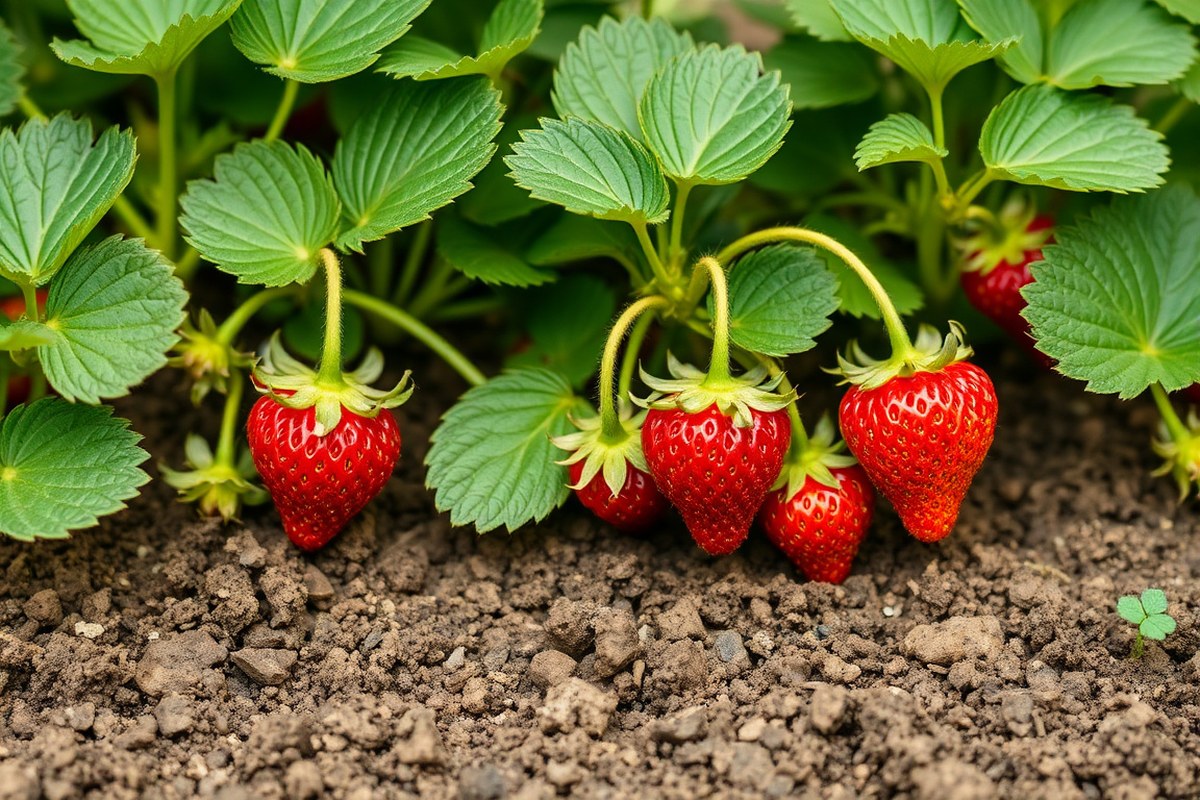
Strawberries grow best in slightly acidic soil, with an ideal pH range between 5.5 and 6.5. This range helps them absorb nutrients needed for healthy growth and fruit production. Soil outside this range can slow growth or reduce the sweetness and size of the berries.
They can handle neutral soils near pH 7.0 but usually don’t thrive in alkaline soils above that. Alkaline soil stops plants from absorbing some key nutrients. This can hurt your strawberry growth.
You might see weak plants or fewer berries. Your soil might need a lower pH for good strawberry growth.
Lowering pH helps strawberries access nutrients better. Test your soil pH to know for sure.
Maintaining soil slightly acidic means checking the pH regularly and amending it if needed. You can use natural materials like coffee grounds or peat moss to lower pH gradually. Avoid letting the soil become too acidic below 5.5, since that can also harm strawberries by reducing nutrient availability.
Why Soil pH Affects Nutrient Absorption in Strawberries
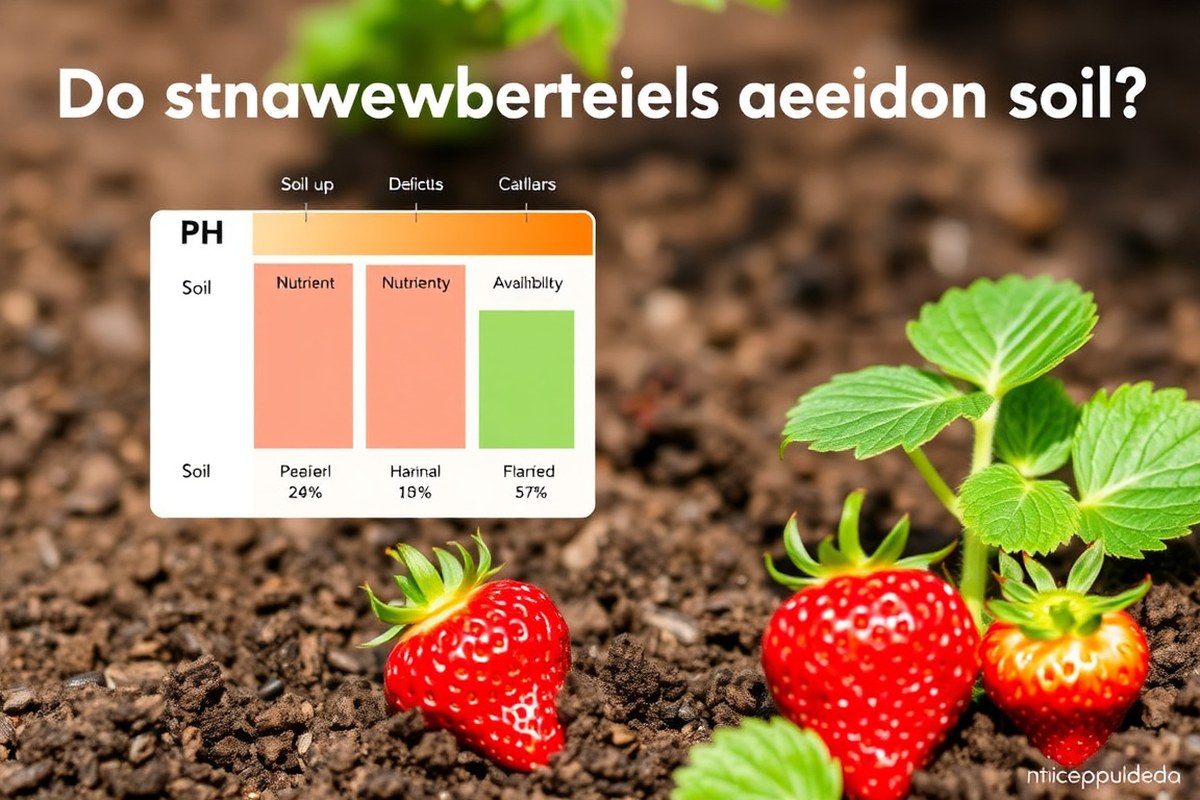
Soil pH changes how well strawberries soak up nutrients. They grow best in soil with a pH of 5.5 to 6.5.
Plants get iron, manganese, and phosphorus more easily in this range. These nutrients help them stay healthy and grow well.
When soil pH moves above 6.8, strawberries struggle to absorb iron. This often causes leaves to turn yellow, a condition called chlorosis.
Poor nutrient uptake also means weaker growth and smaller fruit. So keeping soil slightly acidic helps avoid these problems.
Low pH below 5.0 can also hurt plants by locking up nutrients like calcium and magnesium. This creates an imbalance that stunts root and leaf development.
You can fix this by adding dolomitic lime to your soil. It raises the pH gently and adds calcium and magnesium.
Test your soil pH yearly to keep it in the 5.5 to 6.5 range. This helps your strawberries absorb nutrients evenly and stay healthy.
Acidic soil also improves water uptake, which helps strawberries manage drought stress better. In contrast, alkaline soil repels water and limits nutrient flow.
Monitoring pH keeps your soil fertile and your plants strong. It helps you get many buds and fruit.
How to Test Your Soil’s pH for Strawberries
Testing your soil’s pH helps you keep strawberries in the right acidic range. You can use simple home kits, digital meters, or send samples to labs. Testing ahead gives you time to fix problems before planting.
Collecting a Soil Sample Correctly
Getting a good soil sample means checking several spots in your garden. Avoid spots that look different, like shady corners or spots with leftover compost. Mixing soil from different areas gives a better average pH reading.
Follow these steps to gather your soil sample for testing:
- Clear surface debris like leaves or mulch from the area.
- Use a trowel or garden spade to dig 4 to 6 inches deep.
- Take soil from about 5 different spots across your planting bed.
- Put all samples in a clean bucket and mix them well.
- Remove any roots or rocks from the mixed soil.
- Place about one cup of the mixed soil into a clean container.
- Label the container with the date and location.
Using DIY pH Test Kits and Meters
Home test kits are affordable and easy to use. They usually cost between $10 and $30 and give a pH range based on color changes. Digital meters provide faster results and can be reused but need calibration and batteries.
To test soil pH at home, mix soil with distilled water. Follow kit instructions on how much soil and water to use. Wait for the color change or digital reading before deciding if the soil pH suits strawberries.
These kits aren’t as precise as lab tests but help catch big pH problems early. Test soil before you plant and again during the growing season if you change soil treatments.
Benefits of Professional Lab Testing
Labs provide detailed analysis beyond pH, like nutrient levels and organic matter content. Results usually arrive in one to two weeks. Lab tests cost about $15 to $50 depending on the scope.
A lab report shows exact pH numbers and often suggests amendments. Sending samples before planting helps you plan soil adjustments carefully. Many local extension offices offer reliable testing services.
Use lab tests when you want precise numbers or if home tests show unusual results. It’s worth the effort if you grow strawberries commercially or want the best fruit quality.
Common Soil Amendments to Adjust pH for Strawberries
Adjusting soil pH for strawberries means adding certain amendments to either raise or lower acidity. You can use organic stuff like coffee grounds or pine needles. Chemical options include sulfur or lime.
Both help adjust soil pH. Choosing the right one depends on your soil’s current pH and how fast you want changes.
Sulfur and Elemental Sulfur for Lowering pH
Sulfur is the go-to amendment for lowering soil pH and making it more acidic. Elemental sulfur works slowly in soil. Bacteria change it into sulfuric acid.
This acid gradually lowers soil pH over weeks or months. Granulated sulfur is similar but needs time to break down. So your soil pH changes won’t be immediate.
You can also use iron sulfate or ammonium sulfate for quicker acidification. Ammonium sulfate acts fast but could affect nitrogen levels, so use it carefully.
Apply sulfur based on a soil test. Too much can harm plants by lowering pH too quickly.
Lime and Calcium Carbonate to Raise pH
When soil is too acidic for strawberries, lime or calcium carbonate helps raise the pH. Agricultural lime neutralizes acidity and makes the soil less acidic by adding calcium. Wood ashes raise soil pH quickly.
Use them carefully and in small amounts. Too much can raise pH too high.
For best results, spread lime evenly and work it into the top 6 inches of soil. Apply lime several months before planting strawberries to allow time for the pH change. Watching your soil after application helps avoid overcorrection, which can cause nutrient issues.
Organic Materials That Affect Soil Acidity
Organic matter like pine needles and coffee grounds lowers pH slowly. It also keeps soil pH steady over time. Peat moss works the same way.
These materials improve soil texture and moisture while gently acidifying the soil over time. Pine needle mulch creates a slightly acid environment particularly suited for strawberries.
Coffee grounds are a natural, mild acidifier that gardeners often add to soil or compost. Mixing them into the soil or using as mulch helps maintain acidity without harsh chemicals. Compost or well-rotted manure stabilizes soil pH, preventing drastic changes and supporting healthy plant growth.
| Soil Condition | Recommended Amendment |
|---|---|
| Too Acidic (pH < 5.5) | Calcium carbonate (lime) or wood ashes |
| Too Alkaline (pH > 6.8) | Sulfur or organic matter (e.g., compost) |
This table shows quick choices for fixing soil that’s off balance. Use lime and wood ashes to raise pH when soil is too acidic. Sulfur and organic matter help lower pH when the soil is too alkaline for strawberries.
How Long It Takes to Change Soil pH for Strawberries
Adjusting soil pH takes time, especially when using common amendments. Peat moss works quickly because it is naturally acidic and can lower pH right away. This also improves soil texture.
It is a good first step. Plant your strawberries soon afterward.
Other amendments like elemental sulfur take longer to affect soil pH. Sulfur reacts with soil bacteria and usually needs several weeks to fully lower pH. You might see changes starting after four weeks.
It might take up to three months. The soil needs time to stabilize. This happens at the target pH.
Wait after adding pH adjustment. Test the soil again after four to six weeks.
This gives the materials enough time to change the soil’s acidity. Testing too soon can give a misleading result and cause you to add too much amendment.
For strawberry planting, avoid pushing for a big harvest right after changing pH, especially in spring. You want the soil settled and well balanced first.
Planting a few weeks after adding fast-acting peat moss is usually safe. But slower amendments like sulfur need a longer wait before planting.
Keep an eye on the soil pH throughout the growing season. Even after adjusting, natural soil changes or watering can shift acidity.
Retest the soil a couple of times in the early months. This helps you make small corrections to keep strawberries healthy and juicy.
Don’t rush planting right after adding slow-acting amendments. Wait at least a month to avoid stressing your strawberries.
Signs Your Strawberry Soil’s pH Needs Adjustment
Yellowing leaves and weak fruit usually signal incorrect soil pH levels. Strawberries thrive in soil with a slightly acidic pH from 5.5 to 6.5. When pH is too high, plants cannot absorb nutrients properly, reducing growth and yield.
Some issues look like pests or diseases but are due to pH problems. Pests usually cause holes or spots on leaves.
Diseases might show as mold or wilting. PH-related problems cause uniform yellowing or stunted growth across many plants.
Testing soil pH when you see these signs confirms the issue. Use a home soil test kit, which costs $10 to $20. Or you can send a soil sample to your local Extension office.
They give more accurate results than home kits. Retest after a few months to see if any pH adjustments worked.
- Yellow, pale leaves without insect damage
- Small, poorly shaped strawberries
- Slow or stunted growth across the patch
- Leaf edges browning when pH is too low
- Plants looking unhealthy despite good watering and care
- Absence of typical pest or disease symptoms
- Symptoms showing in many plants at once
Soil testing helps tell if pH causes these problems or if another issue is at play. Without testing, you might treat pests or use fungicides unnecessarily. Staying in the 5.5 to 6.5 pH range keeps your strawberry plants absorbing nutrients well and fighting off disease.
Maintaining Ideal Soil pH Throughout the Growing Season
Check soil pH every 4 to 6 weeks during the growing season. Keeping the acidity steady helps strawberries absorb nutrients well. Use organic mulches and time your pH fixes right to keep soil balanced all season.
Seasonal Soil pH Testing Schedule
Test soil pH before planting to set a baseline. After that, test every month or six weeks while plants grow. Frequent checks catch shifts before they hurt your crop’s health.
Check more often if you add amendments like lime or sulfur. Those can change pH faster than compost or organic matter. Testing right after application shows if you need a second dose or if pH is stable.
Using Organic Mulch to Stabilize pH
Mulching with pine needles or shredded oak leaves helps keep soil acidic. These mulches break down slowly and add acid naturally. Avoid hardwood chips that can raise soil pH over time.
Apply a 2 to 3-inch layer of mulch around plants to hold moisture and protect roots. This mulch layer also reduces temperature swings, which keeps acidity steadier. Refresh mulch yearly to maintain its benefits.
Adjusting pH Post-Harvest vs. Pre-Planting
Adjust soil pH after harvest to give treatments time to settle before next season. Applying lime or sulfur in fall lets the soil change over months. This avoids stressing young plants in spring.
If you must adjust pH pre-planting, do it at least several weeks ahead. Mix amendments well into the soil and retest before planting. This ensures strawberries start in the right conditions.
Avoiding Mistakes When Adjusting Strawberry Soil pH
One common mistake is adding too much amendment at once. This can over-acidify or raise soil pH beyond the 5.5 to 6.5 range strawberries need. Start with small amounts and retest pH in two weeks before adding more.
Another error is mixing soil without testing it regularly. Soil pH can vary in different garden spots. Test multiple areas and adjust the soil only where needed to avoid uneven pH levels.
Use no more than 1 pound of elemental sulfur per 100 square feet. This helps lower soil pH safely. Apply it in small amounts to avoid harm.
Do not use more than 2 pounds of lime per 100 square feet. This raises soil pH without overdoing it.
Apply lime evenly for best results. Wait 2-4 weeks before retesting and adding more.
Follow a checklist to adjust soil pH well. First, test your soil. Then, calculate the right amount of amendment and spread it evenly.
Water the soil after applying, and retest in a few weeks. Follow this to avoid shock to the plants or nutrient lockout from rapid pH swings.
Remember that quick fixes like vinegar or baking soda harm soil health and strawberries. Slow, gradual adjustments with proper products prevent root damage and keep plants growing steady. Correction takes time, plan to adjust twice a year maximum.
Soil temperature matters too. Amend soil in cool, damp weather helps materials react better. Dry, hot soil slows chemical changes and can stress your strawberry plants.
Avoid applying too much soil amendment at once. This prevents nutrient problems for your strawberries. It also stops growth setbacks and keeps plants healthy.
Step-by-Step Action Plan for Healthy Strawberry Soil pH
Follow these steps to get your strawberry soil pH just right. Each step helps your strawberries absorb nutrients better.
- Before planting: Test your soil’s pH using a kit. Look for a reading between 5.5 and 6.5.
- Right after testing: Add soil amendments if pH is off. Use sulfur to lower pH or lime to raise it.
- One week later: Water your soil well to help amendments work in. Check soil texture for even moisture.
- Month 1: Retest soil pH. It should be close to the ideal range now.
- Before flowering: Mulch with organic material to stabilize pH and retain moisture.
- During the growing season: Monitor plant signs like leaf color or growth. Yellow leaves can mean pH issues.
- Every 2 months: Repeat soil pH tests to catch changes early. Adjust with small amendments if needed.
- After harvest: Add compost to help restore soil health for next year’s plants.
Frequently Asked Questions
What Happens If Strawberry Soil Is Too Alkaline?
Strawberries may struggle because essential nutrients become less available. Alkaline soil harms root growth and reduces fruit quality.
Can You Grow Strawberries in Neutral pH Soil?
Yes, strawberries can grow in neutral soil but may yield less. Slightly acidic soil is better for nutrient uptake and growth.
How Often Should You Test Strawberry Soil pH?
Test your soil pH once or twice a year for best results. Early spring and after harvesting are ideal times.
Does Compost Affect the Soil pH for Strawberries?
Compost usually lowers soil pH slightly by adding organic acids. It also improves soil texture and nutrient levels.
Can Acidic Soil Cause Strawberry Leaf Problems?
Yes, too acidic soil may cause leaf yellowing or poor growth. Adjust soil pH carefully to avoid nutrient imbalances.
Is Rainwater Good for Maintaining Strawberry Soil pH?
Rainwater is slightly acidic and can help keep soil pH balanced. It’s better than tap water, which may be alkaline.
The Bottom Line
Strawberries do best in slightly acidic soil, around pH 5.5 to 6.5. Keeping your soil in this range helps them absorb nutrients well and grow healthy. Start by testing your soil now, so you can fix pH problems before planting.