How to Apply Diatomaceous Earth Safely with 8 Proven Steps That Work
Knowing how to apply diatomaceous earth is key to pest control. The method you choose makes a big difference in its effectiveness.
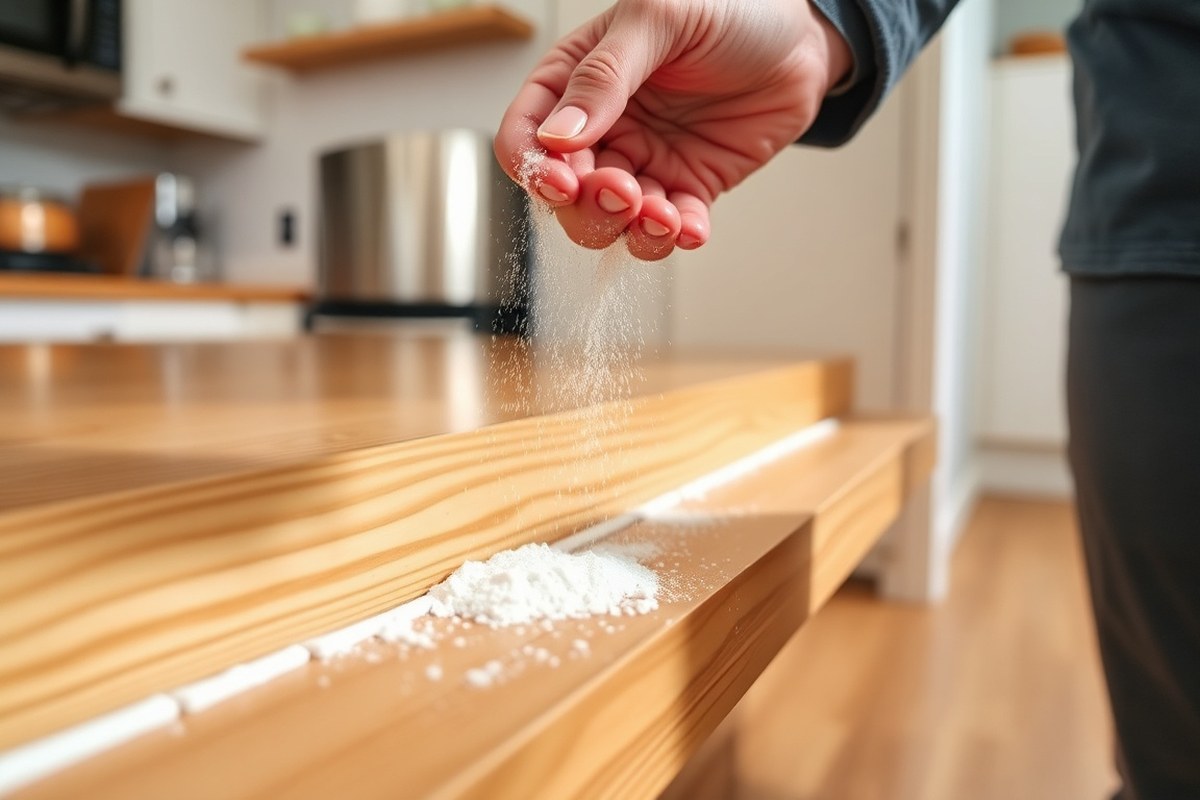
Start by picking food-grade diatomaceous earth for indoor use to avoid health risks. Spread it carefully on targeted pest areas to get the best results.
Apply it on dry surfaces, since moisture cuts down its power. Use a duster or sieve for even coverage without making a mess.
Avoid piling it up too thick because pests may avoid thick layers. Keep pets and children away while you work to prevent irritation.
Let it sit for 8 to 12 hours before vacuuming or cleaning up. Repeat the application every few days, especially after cleaning or rain outdoors.
Check spots like baseboards, cracks, and window sills where insects gather. Using it outdoors, spread thinly around plant stems or garden beds.
Key Takeaways
- Use only food-grade diatomaceous earth indoors to reduce health risks.
- Apply diatomaceous earth on dry, dust-free surfaces for best effect.
- Target specific pest locations rather than spraying everywhere.
- Sprinkle a thin, even layer using a hand duster or sieve.
- Keep pets and children away during and 4-6 hours after application.
- Allow the powder to sit 8-12 hours before vacuuming it up.
1. How to Apply Diatomaceous Earth Step-by-Step
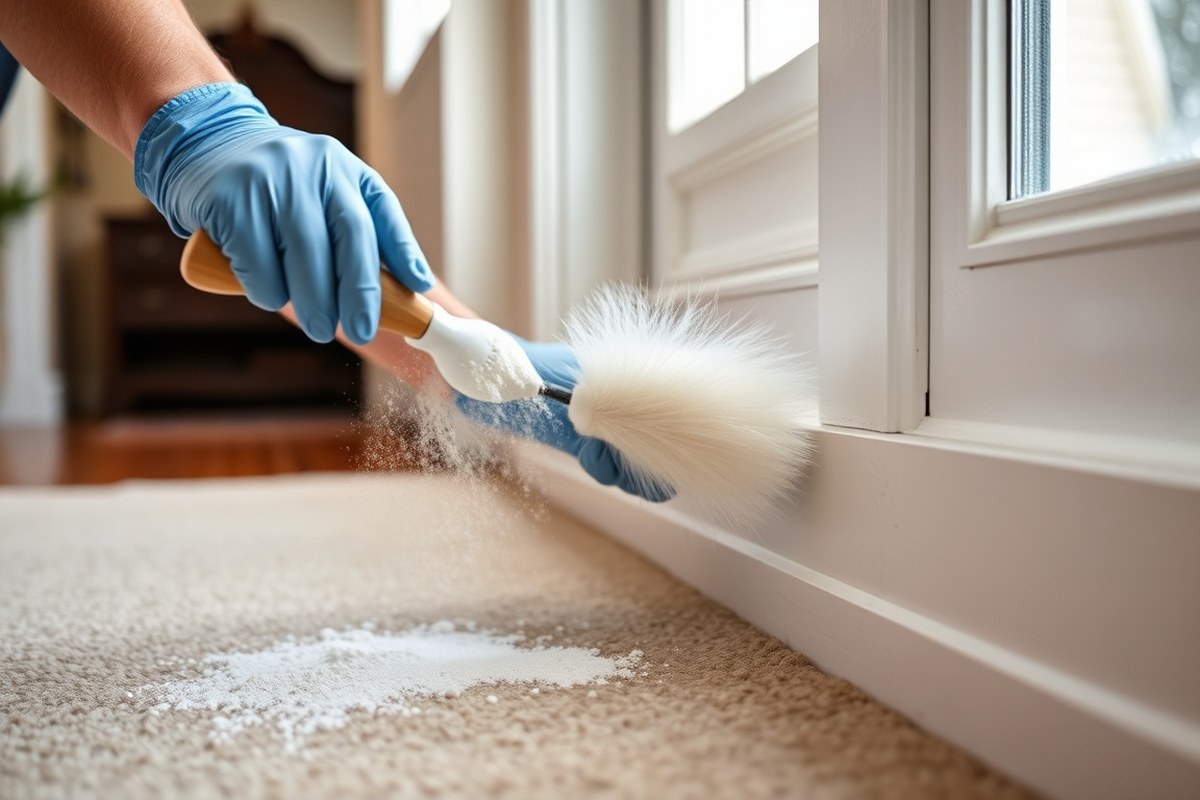
Diatomaceous earth (DE) works by sticking to insects and drying them out. It comes as a fine powder, so spreading it evenly matters. Use tools to apply it lightly; too much dust can cause clumps and mess.
You can apply DE dry or mixed with water for spray. But the method depends on the area.
Leave it down for about 8 to 12 hours so it can work. After that, clean up or reapply as needed, especially indoors every two weeks.
- Choose the right applicator. For indoor use, try a shaker bottle or dust applicator to spread a thin layer. Outdoors, use a hand spreader or sprinkle by hand.
- Wear protective gear. Put on a dust mask and gloves. DE dust can irritate your lungs and eyes if inhaled or touched.
- Target pest hideouts. Apply DE along cracks, baseboards, and under appliances indoors. For gardens, spread around plants or areas with pest activity.
- Apply lightly and evenly. Use about a teaspoon per square foot indoors. Outdoors, a thin dusting over the soil works well. Avoid thick piles, which reduce effectiveness.
- Optional: mix with water for spray. If you want to spray, add a few tablespoons of DE to a gallon of water. Use a sprayer for hard-to-reach spots, but check if your DE brand supports spraying.
- Let DE sit for 8 to 12 hours. This gives it time to kill pests by damaging their exoskeletons when they crawl over it.
- Clean up and reapply as needed. Indoors, vacuum after at least 12 hours and reapply every two weeks. Outside, reapply after rain or watering.
Using the right tools helps avoid mess and waste. Applying too much powder can clump and lose power.
Mixing with water only works if your product label allows. Otherwise, DE may lose effectiveness.
2. Choosing the Right Type for Your Needs
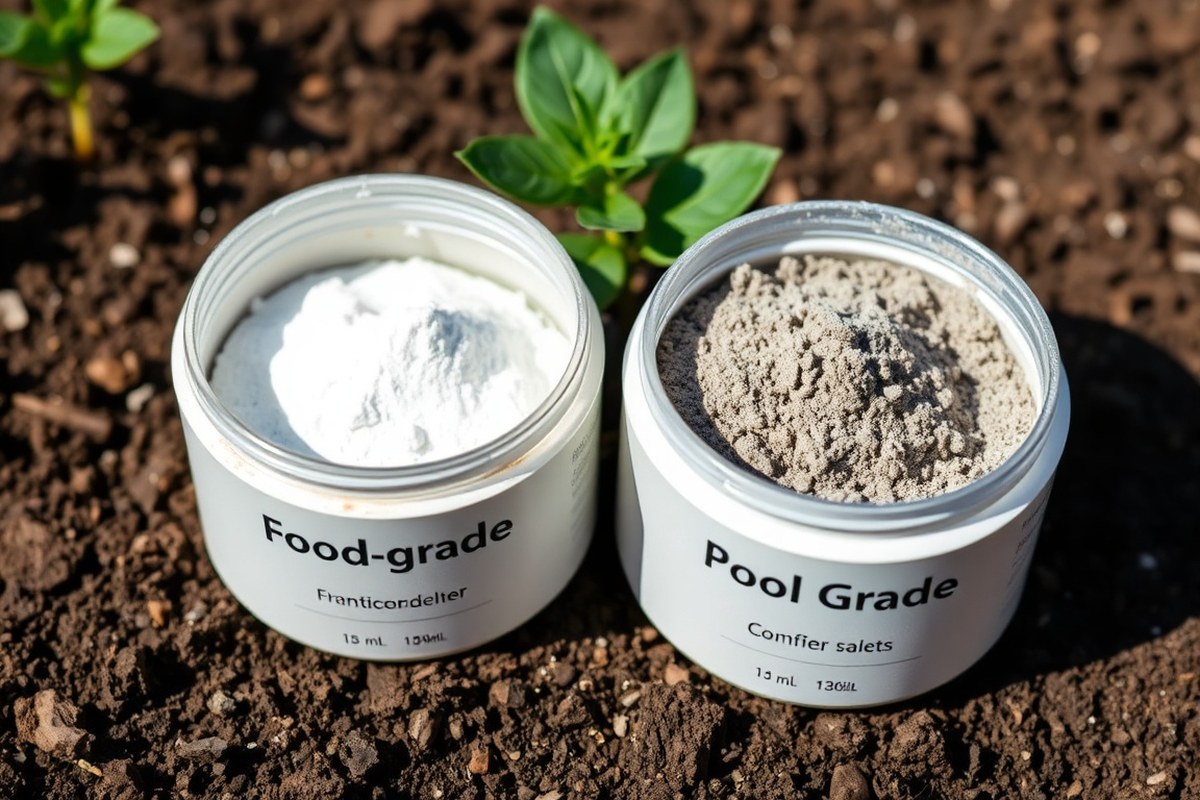
Diatomaceous earth comes in two main types: food-grade and pool-grade. Food-grade has less than 1% crystalline silica, making it safe for indoor use and around pets. Pool-grade contains more silica and is harsher, so it’s meant for pool filters only.
Use food-grade diatomaceous earth indoors on carpets, pet beds, and kitchens. It’s non-toxic enough to sprinkle near pets but avoid applying it directly on animals without guidance. Outdoors, food-grade works well in gardens and around plants to control pests.
| Type | Crystalline Silica Content | Safe Uses | Not Safe For | Common Pricing (per pound) |
|---|---|---|---|---|
| Food-Grade | Less than 1% | Indoor pest control, pets, garden plants | Pool filters, heavy industrial use | $10-15 |
| Pool-Grade | High (above 60%) | Swimming pool filters only | Indoor use, pets, garden plants | $5-8 |
Pool-grade diatomaceous earth has high silica, which can cause issues. Using it indoors or near pets can harm skin or lungs. You should avoid using pool-grade types inside your home or around animals.
Always pick food-grade for your indoor pest control to avoid health risks. Food-grade is safe if you apply it correctly and keep it dry.
Food-grade diatomaceous earth can be safe for pets in small doses. Use it only as a preventive mix in their food. Always measure carefully to avoid giving too much to your pets.
For flea control on pets, dust your carpets and pet beds lightly. Avoid applying large amounts directly on your animals without vet advice.
Always wear gloves when handling diatomaceous earth to protect your skin. Use a mask to avoid breathing in the dust. This helps prevent lung and skin irritation during application.
Choosing the right type also helps you get the expected pest control results without harm. Food-grade is effective for most home and garden pests when spread in thin layers. Keeping humidity below 40% indoors boosts its effect by speeding dehydration of insects.
3. Applying Diatomaceous Earth Indoors: Key Areas and Techniques
Diatomaceous earth works best indoors when placed in the right spots. Focus on pest entry points, resting areas, and hiding places. Using the right tools and prep steps keeps your home safe and furniture clean.
Top Indoor Application Zones
Target areas where pests hide or enter your home. Baseboards, corners, and cracks in floors or walls are common spots. Kitchens and bathrooms often need special attention because that’s where insects find food and moisture.
Dust beds, pet bedding, and upholstered furniture if you spot pests there. Don’t forget behind appliances like refrigerators and under sinks. These spots stay undisturbed, letting diatomaceous earth work longer.
- Along baseboards and floor edges
- Under and behind appliances
- Inside cracks and crevices
- On pet bedding and cushion seams
- In cupboards and pantry edges
- Under furniture legs and near legs’ joints
- Near doors and window frames
Bed bugs require treatment of mattresses, box springs, and bedding seams. Applying a thin layer there can reduce infestations effectively.
Preparing Rooms for Treatment
Clean and vacuum floors, rugs, and upholstery before applying. Removing dirt lets the powder stick better to surfaces. Close windows and doors to limit drafts that could blow the powder away.
Remove or cover food and dishes. Store pet food in sealed containers. Keep furniture and belongings clear of treatment zones or cover them loosely with cloth.
Vacuum again before dusting for a final debris removal. This increases the powder’s contact with pests. Use a bulb duster or a fine shaker to apply a light, uniform dusting.
Safety Tips for Indoor Use
Use only food-grade diatomaceous earth indoors to avoid health risks. Wear a dust mask and gloves to keep powder out of your nose and eyes. Keep pets and children away from freshly treated spots for at least 4 to 6 hours.
Avoid heavy dusting that leaves piles on furniture or floors. Excess powder can irritate sensitive skin or respiratory tracts.
Clear treated areas after a day or two with gentle vacuuming. But leave some dust in corners.
Keep your pets out of rooms treated if they lick or explore. Use doorstops or baby gates during and shortly after application to protect them.
Reapplication and Cleanup Guidelines
Reapply diatomaceous earth every 7 to 10 days, or after vacuuming the area. Light re-dusting keeps an active barrier against new pests. Replace powder with fresh if it appears dirty or damp.
Vacuum treated areas lightly after one to two weeks to remove dead insects and excess powder. Use a vacuum with a HEPA filter to avoid spreading fine dust particles into the air. Avoid wetting the powder indoors; moisture reduces its effectiveness.
Keep the treated zones dry and undisturbed for the best results. Regular monitoring of pest activity helps you decide when to retreat specific spots.
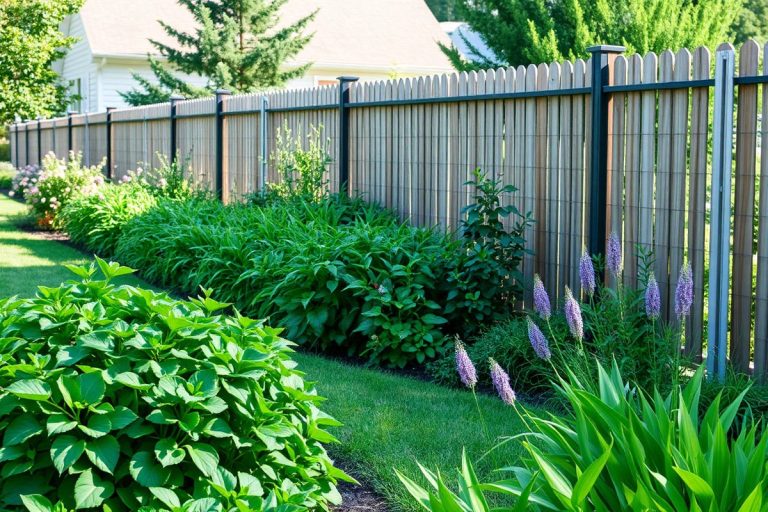
4. Outdoor and Garden Application Methods
Use diatomaceous earth by sprinkling it lightly on soil around plants and garden beds. Pay special attention to cracks, crevices, and areas pests hide. Dust the tops of leaves where insects feed.
Also dust under the leaves. This helps stop bugs like aphids and beetles.
Apply a thin barrier of powder around plant bases to keep crawling pests out. This works well against slugs and snails trying to reach your plants. Avoid heavy piles of powder, which can block water and harm plants rather than help.
Diatomaceous earth kills both pests and good insects. Check your garden for ladybugs and bees first. Avoid treating areas where helpers live.
Focus powder only where pests gather to protect good bugs. Try to apply early in the morning or late afternoon when pollinators are less active.
Use diatomaceous earth before bugs appear by spreading a thin layer. Put it around garden borders and outdoor structures. This helps keep pests away.
This helps stop ants and crawling insects from invading your plants. Reapply after rain or heavy watering, since water reduces DE’s effectiveness.
Adding it to soil can boost plant health while controlling pests. But do not overdo it. A light dusting every few weeks suits most gardens.
Watch your plants closely after application. Brown or dry leaves may mean too much powder or poor watering.
Outdoors, apply diatomaceous earth with a duster or use your hand to scatter it gently. Try to keep it dry and free from clumps. Staying consistent but light with each application saves product and keeps your garden safe.
5. Dry vs Wet Application: Which Method Is Best?
Dry application of diatomaceous earth works best for most pest control tasks. Apply a thin, even layer on dry surfaces like baseboards, cracks, and garden soil. It sticks well and kills pests that crawl through it.
Use a hand spreader or shake powder from a container. Apply about 5-7 pounds for every 1,000 square feet outdoors. Spread evenly to cover the area.
Wet application involves mixing diatomaceous earth with water to make a spray. Stir the mixture often because the powder settles quickly. Use a spray bottle or garden sprayer for hard spots.
Spray under leaves and on tree trunks carefully. These spots are harder to coat. This method helps places where dry powder won’t stick well.
Moisture reduces powder’s ability to cut insects. It also lowers its drying effect on insects. This dry effect kills many pests.
After applying powder on grass, water lightly. This washes powder down to the soil.
Insects often hide in soil there. Avoid heavy watering, which washes DE away.
| Aspect | Dry Application | Wet Application |
|---|---|---|
| Best Use | Cracks, soil, surfaces that stay dry | Hard-to-reach spots, plant leaves, tree trunks |
| Tools Needed | Hand spreader, shaker container | Spray bottle, garden sprayer, stirring stick |
| When to Reapply | Every 2-3 weeks if area gets wet | After heavy rain or every few weeks |
| Effect of Moisture | Powder loses effectiveness if wet | Applied with water but dries quickly to work |
| Application Rate | 5-7 pounds per 1,000 sq ft outdoor | Amount mixed varies; follow powder-to-water ratio on packaging |
| Best Result Time | 3-5 days for decreased pest signs | Similar timing once dried on surface |
For dry application, sprinkle a thin layer in the area. The layer should be almost invisible to the eye. Spread evenly on the target spot.
The powder must be dry to stick well and work as a physical barrier. Light watering after applying outdoors can settle the powder in grassy areas but don’t soak it.
For a wet spray, mix diatomaceous earth with water in a spray bottle or garden sprayer. Stir often while spraying because the powder settles fast.
Spray just enough to coat surfaces lightly. Avoid overwatering because the powder can clump or wash away if it stays wet too long.
Keep in mind, diatomaceous earth loses power if it gets soaked and stays moist for long.
6. Safety Precautions When Applying Diatomaceous Earth
Diatomaceous earth (DE) can irritate skin and lungs, so protect yourself well. Use gloves, masks, and air it out well during and after applying. Keep pets and children away until the dust settles.
This prevents breathing or contact risks. Let the area dry before allowing access.
Required Personal Protective Equipment
Wear gloves to stop your skin from drying out or getting irritated. A dust mask or respirator helps prevent inhaling fine particles that cause lung irritation. Goggles shield your eyes from dust that can make them red and itchy.
Loose, long clothes reduce skin exposure, especially if you apply outdoors. Disposable gloves work well and cost about $10 for a pack of 50. Basic dust masks cost $1 to $2 each at hardware stores.
Here’s a quick checklist to have on hand:
- Disposable gloves or rubber gloves
- Dust mask or N95 respirator
- Safety goggles or glasses
- Long sleeves and pants
- Closed-toe shoes
Handling and Ventilation Tips
Apply DE in calm weather to avoid dust spreading and inhaling. Open windows and use fans to ventilate indoor spaces during and after spreading. Close doors to untreated rooms to keep the dust contained where needed.
Avoid stirring up dust by gently sprinkling DE rather than pouring in clumps. Wait 2 to 3 hours indoors before letting people back in to allow dust to settle. Store unused DE in sealed containers to stop dust from escaping into the air.
Protecting Pets and Children
Keep children and pets away during application to prevent breathing in dust or licking treated surfaces. Wait 4 to 6 hours after applying outdoors before letting pets back where DE was spread. Exotic pets like birds and reptiles are especially sensitive to dust and need more distance.
Don’t apply DE where kids play or pets rest, and wipe spills promptly. Store DE products out of reach in sealed jars or containers. This small step prevents pets or toddlers from swallowing the dust.
It also stops skin irritation from contact. Being cautious helps keep everyone safe.
Safe Cleanup and Disposal
Use a vacuum with a HEPA filter to clean DE dust. This stops dust from spreading in the air. Regular vacuums might raise harmful dust.
Wear your dust mask and gloves during cleanup to prevent lung or skin irritation. Avoid dry sweeping or using compressed air, which can make dust airborne.
Dispose of vacuum contents outside in sealed plastic bags. Wash any surfaces where DE spilled with damp cloths to trap and remove particles safely. Proper cleanup stops dust buildup and protects your household’s health and comfort.
7. How Long Does It Take to Work and Signs of Success
Diatomaceous earth usually starts killing pests within 4 to 12 hours after contact. You might see dead insects around treated areas the next day. Smaller pests like ants or fleas can die faster, often within a few hours.
Look for fewer live pests in the treated spots after one or two days. You might see less leaf damage on plants. You may also spot no crawling bugs nearby.
These signs show fewer pest problems around your garden. The dust remains effective as long as it stays dry and undisturbed.
Moisture is the most common reason diatomaceous earth stops working. Water clumps the powder, reducing its sharp edges that damage pests’ outer layers. Rain or watering after applying will slow down results.
You may see no effects if the powder gets wet. Wait for dry weather to apply again.
Apply diatomaceous earth again every 1 to 2 weeks outdoors or after heavy rain. Indoors, reapply if dust is cleaned or wiped away. Repeating treatments keeps pest control active without overdoing it.
Using too much dust can cause it to clump and lose effectiveness. A thin, even layer, about 1/8 inch thick, is best for steady pest control. Also, make sure pests actually cross treated zones for the powder to work.
Pests still there after days means check the powder. Make sure it’s dry and covers pest pathways well. Reapply if you see patches without powder.
Some pests might avoid dusty areas. So combining diatomaceous earth with traps or other controls helps. Also, bugs hidden in protected spaces may need different treatment.
Keep an eye on pest activity for at least a week after applying diatomaceous earth. Bugs sticking around? Add another fresh layer of powder.
Also check for moisture problems that can reduce the effect. Dry conditions help the powder work better. Staying patient and consistent gives the best chance for success.
8. Applying Diatomaceous Earth Safely to Pets and Pet Areas
You should avoid applying diatomaceous earth directly on your pets to protect their skin and lungs. Instead, focus on treating their bedding and living spaces for safe pest control. Keep pets away from freshly treated areas until the powder settles.
Selecting Food-Grade DE for Pets
Choose food-grade diatomaceous earth because it’s purified and safe for indirect contact with pets. Avoid pool-grade or industrial DE, which can harm pets due to harsh chemicals. Look for packaging clearly marked as food-grade for peace of mind.
This type of DE is less abrasive and less likely to cause skin problems. It’s safe enough for pet bedding areas when used properly. Always check the label to confirm the grade before buying.
Application Techniques on Pets
Applying DE directly on pets can irritate their skin and lungs. So it’s best to avoid this step.
Instead, focus on the pet’s environment like bedding and resting spots. You should talk to a vet before treating your pets.
To minimize risks, don’t dust your pet with DE or spray it on their fur. Instead, use flea combs or other pest control methods recommended by your vet. This reduces the chance of inhaling dust or causing discomfort.
Treating Pet Bedding and Areas
Treating pet bedding is the safest way to control pests like fleas and mites. Lightly sprinkle food-grade DE on clean, dry bedding and around sleeping areas. Avoid using large amounts or thick layers.
Apply the powder when pets are away. Let it settle for 4 to 6 hours. Only let pets near after the time passes.
This gives DE time to work and reduces inhalation risk. Regularly vacuum bedding and replace DE treatment every 7 to 10 days for ongoing control.
- Remove bedding and clean the area thoroughly.
- Sprinkle a thin, even layer of food-grade DE on the bedding.
- Apply DE around the perimeter of pet sleeping areas.
- Leave the treated areas undisturbed for 4 to 6 hours.
- Vacuum or shake bedding afterward to remove excess DE.
- Return clean, treated bedding to pet’s area.
- Repeat treatment every 7 to 10 days as needed.
Post-Application Pet Safety Tips
Keep pets away from freshly dusted bedding or areas for at least 4 to 6 hours. This prevents skin contact and breathing in fine particles. Try to keep pets in another room while applying and just after.
Watch for signs like coughing or sneezing, which could indicate irritation. Always wash your hands after handling DE and remove any residue from your skin or clothes. Store DE safely out of reach of pets when not in use.
Never apply diatomaceous earth directly to pets’ fur or skin to avoid irritation and breathing risks.
Step-by-Step Action Plan for Using Diatomaceous Earth Effectively
Follow this plan to apply diatomaceous earth safely and see results in your home or garden.
- Before you start: Choose food-grade diatomaceous earth for safe use around pets and people. Check the label to confirm.
- Day 1: Spread a thin, even layer of dry diatomaceous earth. Do this in areas with many pests indoors or outdoors. Look for fine dust covering cracks and plant bases.
- Day 2 to Day 5: Avoid disturbing treated areas and keep them dry. Inspect daily for signs of less pest activity like fewer insects or no fresh droppings.
- After 1 week: Reapply diatomaceous earth where you see renewed pest activity or after rain outdoors. The dust should still look fresh and evenly spread.
- Week 2: For wet application in gardens, mix diatomaceous earth with water and spray on plants. Check leaves and soil for a fine coating that feels dry within an hour.
- After 2 weeks: Assess pest control success. Look for dead insects and fewer signs of infestation like chewed leaves or bites.
- Ongoing: Repeat application every 1 to 2 weeks during active pest seasons for best control. Adjust frequency based on pest pressure and weather.
Frequently Asked Questions
How Do I Apply Diatomaceous Earth Around My House Safely?
Use food-grade diatomaceous earth and wear a mask to avoid inhaling dust. Lightly sprinkle it along baseboards, windowsills, and cracks where pests hide. Avoid heavy piles to keep it effective and safe for your family.
Can I Apply Diatomaceous Earth on My Vegetable Garden Plants Directly?
Yes, apply a thin layer on leaves and stems, especially in the morning. Avoid wet conditions because moisture lowers its effectiveness. Use it in a circle around plants to prevent pests from reaching them.
What Is the Best Way to Apply Diatomaceous Earth for Flea Control on Pets?
Lightly dust your pet’s coat and bedding with food-grade diatomaceous earth. Avoid the pet’s eyes and nose during application. Repeat every few days until fleas disappear, and vacuum pet areas regularly.
Can Diatomaceous Earth Damage Plants If Applied Too Thickly?
Yes, thick layers can block sunlight or trap moisture, harming plants. Apply only a thin dusting to avoid this. Use it sparingly on leaves and more in soil or around plants.
Is It Better to Use Dry or Wet Diatomaceous Earth Outdoors?
Dry application works best on dry, dusty surfaces and in cracks. Wet application helps it stick to plant leaves and moist soil. Choose based on the area and immediate weather conditions.
How Often Should I Reapply Diatomaceous Earth for Continuous Pest Control?
Reapply after heavy rain or watering, as moisture reduces its effectiveness. For ongoing control, apply every few weeks or as pests return. Light, frequent applications are better than heavy, rare ones.
Before You Go
Using diatomaceous earth carefully helps control pests naturally. Apply it consistently for safety at home and in gardens.
Check treated areas often to see how well it works. Start your first application today to protect your space without harsh chemicals.