Does Food Grade Diatomaceous Earth Kill Bugs? What Actually Works
Does food grade diatomaceous earth kill bugs? Yes, it can kill many types of insects effectively.
It works by cutting through the bug’s outer shell, causing them to dry out and die. This process is purely mechanical, so bugs cannot build resistance to it.
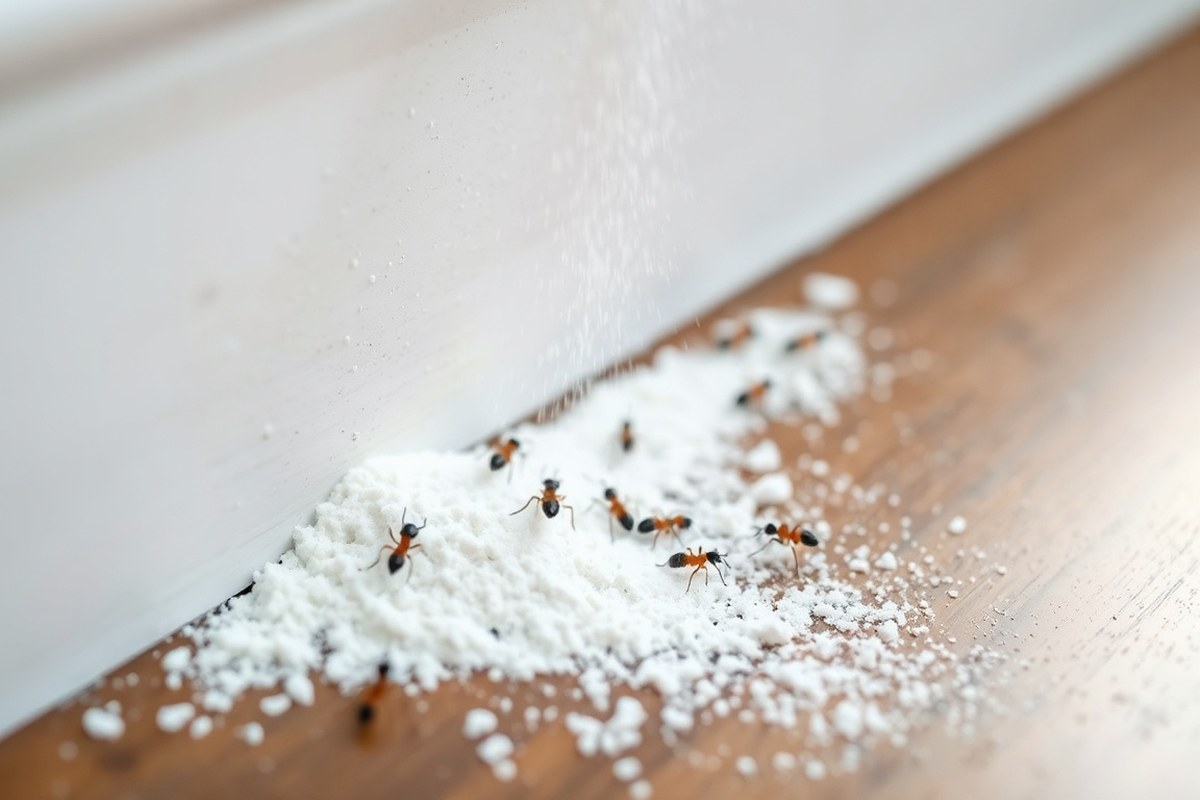
Food grade diatomaceous earth contains under 1% crystalline silica, making it safe for pets and people. Apply it in thin, even coats along bug paths like cracks or baseboards. Keep the area dry because water lowers its bug-killing power.
Treating pests with food grade diatomaceous earth takes time. You may need to reapply every two weeks. Vacuuming up old dust helps maintain effectiveness before adding more.
Food grade diatomaceous earth works best in dry conditions. It’s good for common pests like ants and bed bugs. The low humidity helps it kill bugs more effectively.
Key Takeaways
- Food grade diatomaceous earth kills bugs by drying out their exoskeletons.
- Apply a thin layer in dry areas where pests travel or hide.
- Reapply food grade diatomaceous earth every two weeks for sustained control.
- Vacuum treated areas before reapplying to remove old dust and debris.
- Keep the treatment dry; moisture reduces its effectiveness significantly.
- Food grade diatomaceous earth is safe for people and pets indoors.
Does Food Grade Diatomaceous Earth Kill Bugs Effectively?
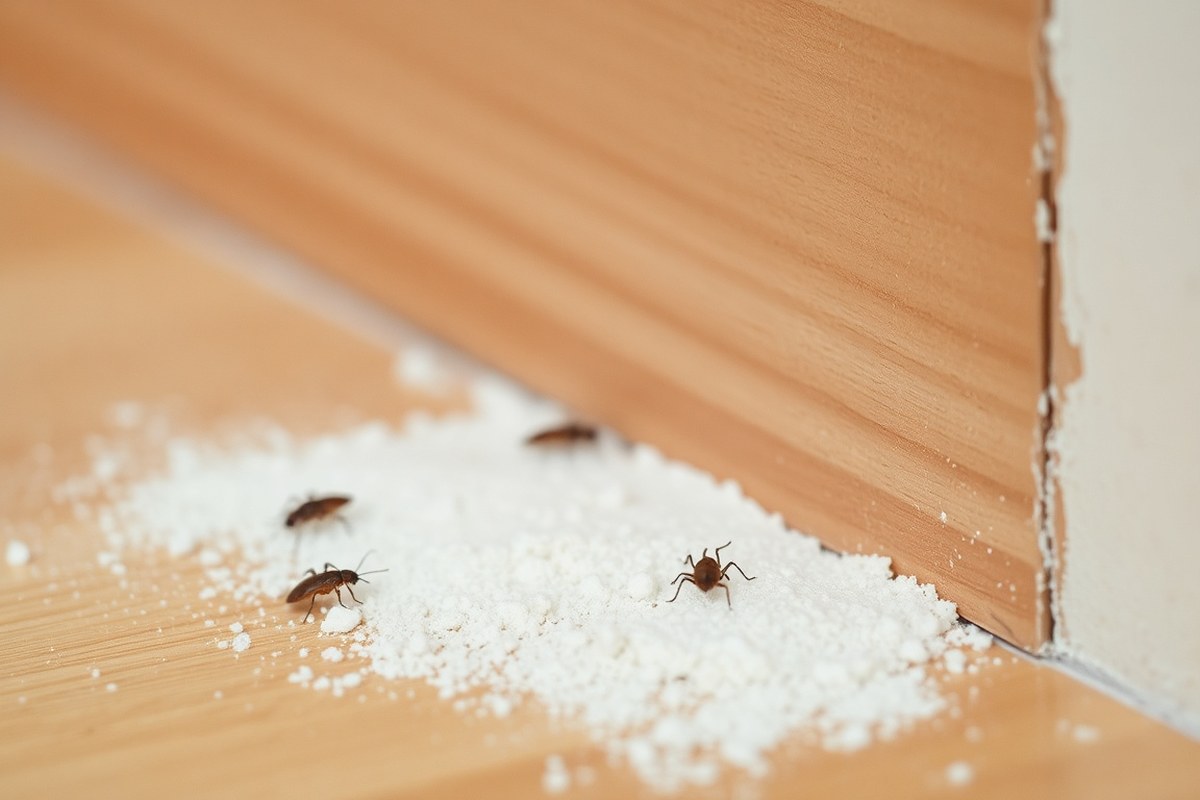
Food grade diatomaceous earth does kill bugs effectively. It works by physically damaging insects’ outer coverings, causing them to dry out and die. This natural method means bugs can’t develop resistance like they sometimes do with chemicals.
This powder is effective against many common household pests, including ants, cockroaches, silverfish, and bed bugs. It also works well on garden pests such as beetles, caterpillars, slugs, and snails. It targets insects that have hard outer shells.
This means it covers many common bugs. You might face these pests in your home or garden.
Compared to chemical pesticides, food grade diatomaceous earth is safer around pets and children. It’s non-toxic and doesn’t release harmful fumes or residues.
However, it usually takes longer to kill bugs than chemicals, sometimes several days. So patience is needed when using it.
To use it effectively, apply a thin layer in dry conditions where bugs travel or hide. Thick layers tend to repel pests and damp or wet areas reduce its power.
A 10-pound bag often offers better value for big spaces like yards or crawl spaces. Smaller amounts suit indoor use.
Diatomaceous earth works best in a pest control plan. It’s not a quick fix for bugs. Use it with other control methods for better results.
Bugs may avoid the powder if the layer is too thick. It won’t work well if it gets wet or dusty. Following product directions closely will help you get good results without wasting material.
How Food Grade Diatomaceous Earth Kills Insects Mechanically
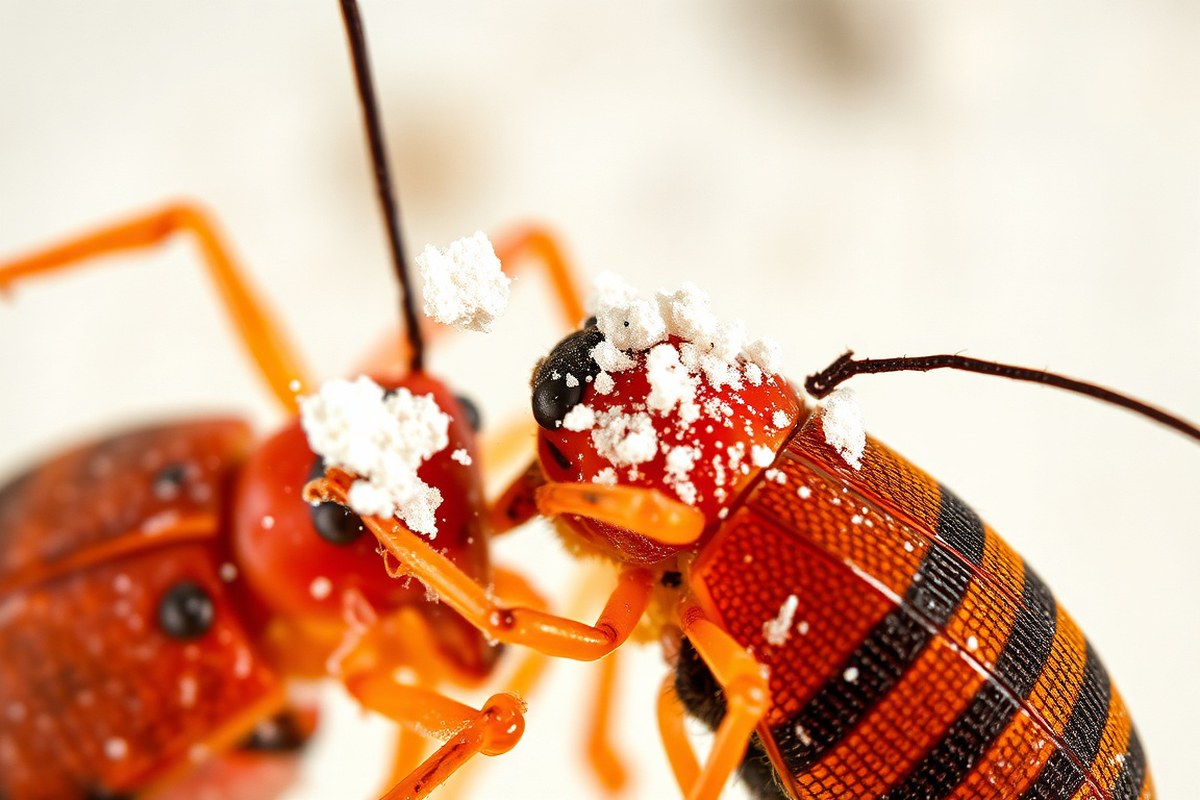
Food grade diatomaceous earth kills insects by physically damaging their outer shells. This powder is made from tiny fossilized algae pieces. They look like sharp shards under a microscope.
These edges work to control pests. Bugs crawl through the powder and get scratched by its edges.
These edges cut into their outer skin barrier, called the cuticle. This hurts the insects.
The cuticle is essential for insects because it helps keep moisture inside. Once the diatomaceous earth compromises this layer, the insect starts losing water rapidly. This leads to dehydration and eventually death.
It takes time for the powder to work. The bug must touch enough powder. It also must lose enough moisture to die.
Insects do not die instantly from diatomaceous earth. The time can be several hours to over a day. It depends on the bug species.
The amount of powder on them also matters. For example, cockroaches and bed bugs often die within 24 hours after repeated contact. This slow action is why applying diatomaceous earth to areas where bugs travel frequently is important.
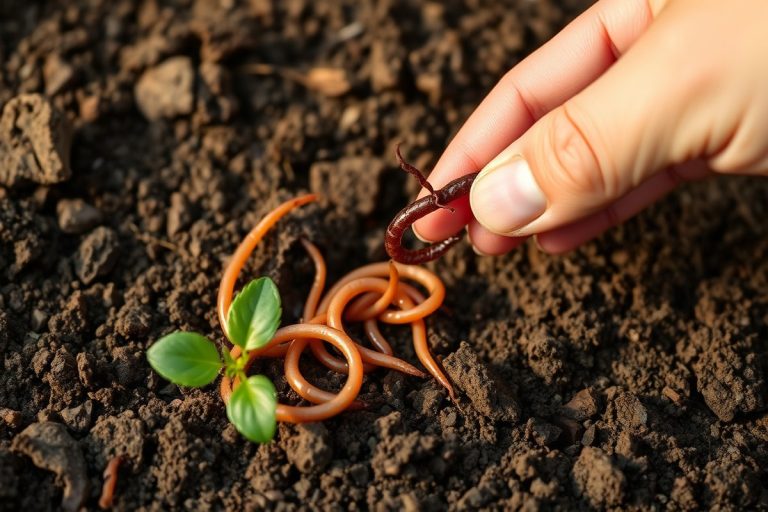
Food grade diatomaceous earth affects mainly soft-bodied insects or those with thinner cuticles. This includes pests like flea beetles, spider mites, bed bugs, and cockroaches. Some bugs like caterpillars or earthworms survive the powder.
Their outer mucus layer protects them from being scratched. So, the powder does not harm them.
The powder kills adult insects and some immature stages too. It works only if the cuticle is exposed and vulnerable. Covered or hidden parts stay safe.
In cases where bugs live inside plants or underground, diatomaceous earth might not reach them. Its effectiveness depends on bugs walking over treated surfaces. So placing it in the right spots matters.
Keep food grade diatomaceous earth dry when using it. Moisture greatly reduces its power to hurt insects. Store and apply it in dry conditions.
Which Bugs Are Killed by Food Grade Diatomaceous Earth?
Diatomaceous earth works well on many bugs with hard shells. These include ants, earwigs, caterpillars, aphids, slugs, and snails around your garden. These pests die because the powder scratches and dries out their bodies over time.
Some bugs resist diatomaceous earth better. Soft-bodied insects or fast-moving ones often avoid enough contact with DE dust to die. Fast movers might escape before the powder harms them.
| Bug Type | How DE Affects Them | Estimated Kill Time |
|---|---|---|
| Ants | Scratches exoskeleton causing dehydration | 24 to 72 hours |
| Earwigs | Scratches protective shell, dries out | 1 to 3 days |
| Caterpillars | Damages outer layers, causing moisture loss | 2 to 4 days |
| Aphids | Sheds waxy coating, dries body | 2 to 5 days |
| Slugs and Snails | KEEPS AWAY after contact, abrasive effect | Varies; mainly a deterrent |
| Fast-moving soft insects (e.g., flies) | Often escapes contact, minimal effect | Usually resistant |
Apply food grade diatomaceous earth directly where these pests crawl. Dust is best for ground insects and garden beds. Repeat application weekly or every two weeks for indoor pests to control new arrivals.
Dead bugs often appear within a few days. Some pests like slugs may avoid DE but not die quickly.
Soft-bodied bugs or flying ones rarely die because they avoid enough contact. Keep this in mind when planning pest control.
How to Apply Food Grade Diatomaceous Earth for Best Results
Apply food grade diatomaceous earth (DE) in thin layers to dry surfaces where bugs often travel. Use light tools for an even dust spread.
Reapply weekly for about a month, especially after cleaning or rain. Wearing a mask and gloves helps keep you safe during the process.
Preparing Areas Before Application
Clear away any clutter in the application zone. Bugs hide in messes, so removing dirt makes DE more effective. Dry up damp spots; moisture reduces how well DE works by clumping it together.
Vacuum or sweep floors and surfaces to remove bug eggs and other materials. This opens up your target areas to direct DE contact. Let the area air dry completely before applying DE.
Recommended Application Techniques and Tools
Using a hand duster or a squeeze bottle designed for powders delivers a fine coat. Too much DE clumps and loses strength. Your goal is a light, even dusting across expected bug paths.
For outdoor use, sprinkle DE under shrubs, along foundations, and near garden plants. Inside, focus on cracks, baseboards, behind appliances, and pet sleeping areas. Target dark, undisturbed spots where bugs crawl most.
- Wear gloves and a dust mask for safety before starting.
- Use a brush or vacuum cleaner to clear the area of debris.
- Dry the surface completely using fans or cloths if needed.
- Load food grade DE into a duster or sprinkle container.
- Lightly dust thin layers on bug-prone surfaces or soil.
- Use a soft brush to spread DE in cracks and corners evenly.
- Avoid large piles to keep bugs in contact with the powder.
- Clean tools after use to avoid spreading DE where it’s not wanted.
Reapplication Frequency and Timing
Food grade DE works best with weekly applications. Bugs caught on the powder will die, but new ones hatch and crawl in. Keep a steady schedule for about four weeks to reduce populations steadily.
Reapply after sweeping or vacuuming your treated zones. Outside, recoat after rain or watering, as water washes away the powder. Applying at room temperature prevents clumping and improves sticking to bug bodies.
Factors That Affect the Effectiveness of Food Grade Diatomaceous Earth
Temperature affects how well food grade diatomaceous earth works against bugs. Studies show that temperatures between 70°F and 90°F give good results.
The insect kill rate drops below 60°F. Bugs become less active then. They move less through the dust at this temperature.
Humidity plays a big role too. The dust loses its stickiness when humidity is high. This happens around 75% or more moisture.
High moisture stops it from drying out insects. Low humidity helps the dust absorb oils from bugs’ exoskeletons, causing them to dehydrate faster.
To get the best results, apply diatomaceous earth when the air is dry. Wait for a dry day or inside an area with low humidity. In very humid rooms, the dust can clump or become less effective after a few hours.
The purity and particle size of the product also matter a lot. Food grade diatomaceous earth has very fine particles. These particles are usually below 10 microns.
The fine dust sticks better to insects. Some cheaper or non-food grade products have bigger grains.
These grains don’t stick well to bugs. That leads to weak pest control.
Research comparing different DE brands found big differences. Products marketed for pest control had higher kill rates than ones sold for poultry or gardening. This is because pest control DE is processed to ensure consistent purity and particle size.
Using an applicator or a sock to dust affected areas helps spread the product evenly. Apply a thin, uniform layer where bugs crawl, such as pet beds or floor edges. Too thick a layer wastes product and can cause clumping.
Apply food grade diatomaceous earth on dry surfaces and avoid humid conditions to maintain its effectiveness.
Proper storage of diatomaceous earth keeps it effective. Store it in a dry, sealed container to prevent moisture absorption. Damp DE becomes clumpy and stops working well.
Remember, this dust works slower under poor conditions. You might need to reapply after heavy dew or rains inside. Be patient and expect 3 to 7 days for noticeable bug reduction in good conditions.
Safety and Precautions When Using Food Grade Diatomaceous Earth
Food grade diatomaceous earth (DE) is safe for use around pets and children if handled correctly. The main risk comes from inhaling DE dust, which can irritate lungs and eyes. Taking simple safety steps can prevent problems and protect your household.
Protective Gear and Ventilation
Wear a dust mask when applying DE to avoid breathing in the fine powder. Although food grade DE is non-toxic, the dust can irritate your eyes and lungs during spreading. Use goggles or glasses to keep dust out of your eyes.
Applying DE outdoors or in a well-ventilated area helps lower dust concentration in the air. Air circulation reduces the chance of inhaling particles.
When you apply indoors, open windows and turn on fans. They help move fresh air throughout the space.
- Use an N95 dust mask or similar respirator
- Wear goggles or protective glasses
- Apply DE in well-ventilated spaces or outside
- Keep fans or open windows moving air
- Wear long sleeves and gloves to protect skin
These precautions take only a few minutes and greatly reduce irritation risks during application. Always wash your hands after handling DE.
Safe Application Practices Around Pets and Kids
Never apply DE where children or pets are active. Dust can irritate their lungs and eyes just like adults. Keep them away until the powder settles completely, usually about 15 to 30 minutes.
Store your DE bag sealed out of reach of kids and animals. Use only the amount needed for the job; avoid over-application. Follow label directions carefully to avoid unnecessary dust clouds.
Vacuuming DE later is safe but should be done with a mask on. The dust can resuspend into the air during cleaning. Sealing vacuum bags promptly and disposing of them safely helps avoid spreading dust again.
Avoiding Harm to Beneficial Insects
DE doesn’t discriminate between pests and helpful insects. It can harm helpful bugs like ladybugs and pollinators. This happens if you spray where they live or eat.
Be careful to avoid these areas. Avoid using DE on flowering plants or garden areas where bees visit.
Apply DE only where pests hide or pass through. Focus on baseboards, cracks, or garden soil away from flowers. This keeps other insects safe.
Spot treatment limits exposure to beneficial insects. This targeted use keeps your garden’s helpful bugs safe while controlling pests.
Consider handpicking or trapping big pests in garden spots with high beneficial insect activity. Use DE as a backup method, not for wide spraying.
This helps protect pollinators and beneficial insects in your garden. Let natural bug helpers do their work.
Common Mistakes When Using Diatomaceous Earth and How to Avoid Them
Common mistakes with food grade diatomaceous earth waste time and lower effectiveness. You may apply too much, use it on wet surfaces, or pick the wrong grade. Fixing these issues improves results and keeps use safer.
Using the Correct Food Grade Product Only
Only use food grade diatomaceous earth for pest control. It’s safe to handle and effective against insects. Avoid pool-grade or industrial DE, which contains harmful chemicals and won’t work well on bugs.
Check the label carefully to confirm the product is food grade. These come in fine powders ready to dust on soil or plants.
Food grade DE usually costs between $10 and $20 for 5 pounds. Prices can change based on the brand and seller.
Avoiding Moist or Wet Surfaces
Diatomaceous earth won’t kill bugs if it’s wet or damp. Moisture clumps the powder and blocks its sharp edges. Insects don’t get cut and dried out when DE is wet.
Apply DE after dew evaporates or in dry weather only. Rain can wash away the DE.
Wait until surfaces dry before reapplying. Keep soil or plant leaves dry before and after treatment.
- Apply DE during sunny, dry parts of the day.
- Wait 2 to 3 hours after morning dew before applying.
- Reapply after heavy rain or watering.
- Store unused DE in a sealed container away from moisture.
- Avoid using DE on already moist garden beds or mulch.
Stick to these tips to keep DE active and ready for pest control. Moist surfaces cause frustration with poor results.
Proper Application Thickness and Coverage
Applying too much diatomaceous earth wastes product and doesn’t help insects faster. A thin, even layer works best. Spread about 1/8 inch thick.
This is one light dusting you can see. It should not pile up.
Spread DE evenly over problem areas like garden bed edges or soil around plants. Use a hand duster or powder applicator for precise coverage. Avoid clumping or thick piles, which bugs can avoid or burrow under.
- Wear a mask to avoid breathing dust when applying.
- Use gloves to keep powder off your skin.
- Target known pest areas, not the whole yard.
- Reapply every 7 to 10 days or after rain.
- Monitor bug activity and reapply only if needed.
Following these steps saves product and ensures bugs contact the DE layer quickly. Overdoing it adds costs and can create dust problems.
When to Consider Professional Pest Control Instead of Diatomaceous Earth
Food grade diatomaceous earth can help with small infestations. But it won’t always do the job alone. Seeing many bugs, plant damage, or quick pest returns means time to pause.
1 | You might need more than just diatomaceous earth to control pests. These signs mean the pest problem might be too big for dusting. 2 | The infestation could be too strong or deeply rooted to fix easily.
Using diatomaceous earth alongside other pest control methods often gives better results. You might combine it with sticky traps, physical removal, or natural repellents to cover more ground.
For instance, use insecticidal soap on plants and diatomaceous earth on soil. 3 | This combo cuts bugs faster than using just one method on its own.
Professional pest control helps when infestations affect larger areas or specific pests like termites. Experts have tools and treatments that target hard-to-reach places and serious infestations. Bugs spreading fast or staying after trying means hiring a licensed pro is smart.
Hiring pros costs a few hundred dollars but saves you stress and time. 5 | They bring expertise that can control pests more quickly and completely.
Use this rule: more than 10 bugs in a room means you need extra help. 6 | If multiple plants show damage, simple diatomaceous earth won’t fix it all. Several pest treatments failing after weeks means try mixing methods or get a pro.
7 | Combining sprays with dusting or expert care helps when one way fails. Sometimes, cutting back on moisture, sealing cracks, and improving home cleaning helps along with diatomaceous earth.
Don’t overapply diatomaceous earth. Large amounts pose health risks and don’t speed up pest control.
Step-by-Step Action Plan for Using Food Grade Diatomaceous Earth
Follow this plan to use food grade diatomaceous earth. See if it helps control your bug problem. Apply it carefully for the best results.
- Before you start: Identify the insect type and location. So you target your treatment correctly.
- Day 1: Spread a thin, even layer of dry diatomaceous earth. Cover cracks, corners, and bug hotspots well. Use a light hand to avoid clumps.
- Day 2 to 3: Keep the area dry. Check if you see fewer bugs or dead insects near treated spots.
- Week 1: Reapply diatomaceous earth if it gets wet or disturbed to maintain effectiveness.
- Week 2: Vacuum dead bugs in indoor areas carefully. Pick up any leftover powder to clean safely. This keeps your home tidy and safe.
- After 2 weeks: Inspect the treated area. Try spot treatments if bugs keep coming back. You can also think about other ways to deal with pests. Choose what works best for you.
- Continuous: Use diatomaceous earth as a preventive barrier in pest-prone areas to reduce future infestations.
Frequently Asked Questions
Can I Use Food Grade Diatomaceous Earth Around My Pets Safely?
Yes, food grade diatomaceous earth is safe around pets when used as directed. It doesn’t contain harmful chemicals. So it’s a good alternative to pesticides for homes with animals.
Does Diatomaceous Earth Work on Flying Insects Like Mosquitoes?
Diatomaceous earth mainly kills crawling insects, not flying bugs like mosquitoes. It works by damaging their outer layer, which flying insects don’t usually contact.
Can Food Grade Diatomaceous Earth Prevent Bed Bugs from Returning?
It can help reduce bed bug numbers but won’t guarantee full prevention. Bed bugs hide in places where DE may not reach. So combined methods work best.
How Often Should I Reapply Food Grade Diatomaceous Earth Outdoors?
Reapply after heavy rain or every few weeks for ongoing control. Outdoor weather and moisture reduce its effectiveness, so regular applications keep bugs away.
Will Food Grade Diatomaceous Earth Kill Beneficial Insects in My Garden?
It can harm beneficial insects if applied directly on them. Use it carefully.
Apply it only where pests gather. Avoid flowers and plants that attract helpful bugs.
Is Food Grade Diatomaceous Earth Effective Indoors on Carpet Bugs?
Yes, it can kill bugs in carpets but takes several days to work. Sprinkle evenly, leave it for a few days, then vacuum to remove dead insects and dust.
Final Thoughts
Food grade diatomaceous earth can kill many household and garden bugs if used right. Start with a small area and watch for results. Take your next step by applying it carefully where bugs hide.