How to Replant a Plant: Simple Steps for Healthy Growth and Fast Recovery
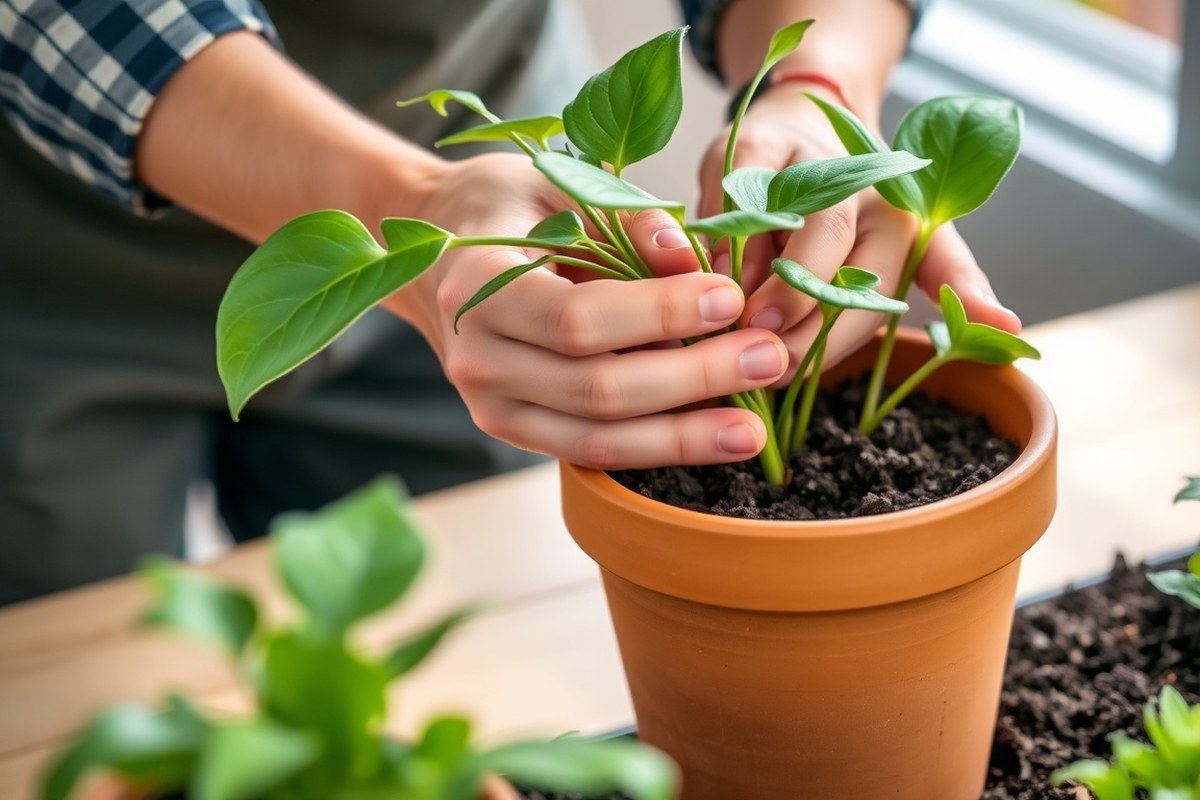
You can replant a plant safely by moving it gently to a larger pot. Choose fresh soil and a pot that is only 1 to 2 inches wider than the old one. This size supports healthy root growth without overwhelming the plant.
Make sure to loosen compacted roots before planting. This encourages them to spread into the new soil quickly for better nutrient uptake. Avoid cutting roots unless they are damaged or rotten.
Next, handle the roots carefully. Try not to let them dry out by keeping them moist and covered if they’re exposed. Doing this keeps your plant from getting shocked and speeds up recovery.
Choosing the right time also matters. Cooler, mild weather, with days under 75 °F, helps plants settle without stress. Avoid hot or freezing conditions when you replant to prevent damage to the roots.
Key Takeaways
- Pick a pot 1 to 2 inches wider than the current one.
- Keep roots moist and cover them immediately if exposed.
- Replant during mild weather with temperatures below 75 °F.
- Water weekly for about 12 weeks after repotting to support roots.
- Be quick, limit root exposure to air to under 30 minutes.
- Loosen roots gently before placing the plant in new soil.
How to Replant a Plant Successfully in 6 Easy Steps
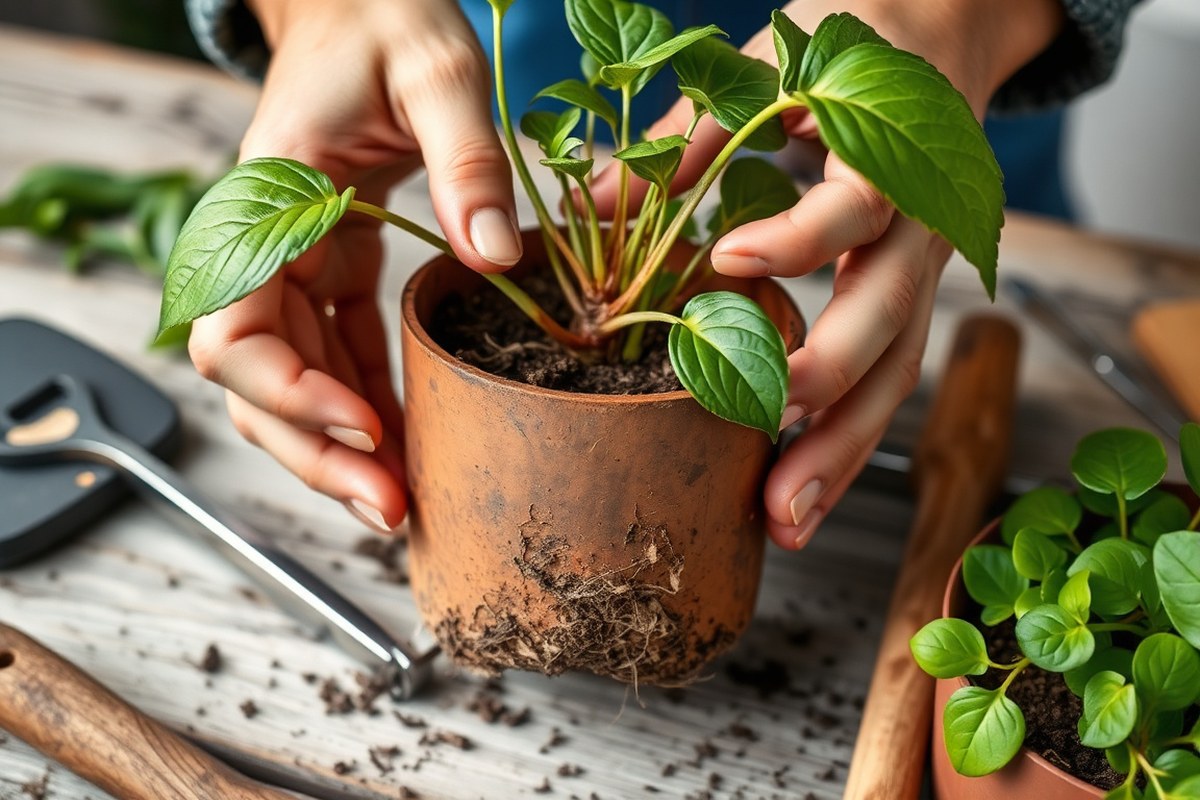
Replanting a plant takes careful steps to protect its roots and reduce shock. Following the right order keeps your plant healthy and growing strong. Positioning the plant correctly in the new pot also helps it settle quickly.
Step 1: Gather All Necessary Tools and Materials
Make sure you have everything ready before you start. You need a new pot with drainage holes. Get fresh potting soil.
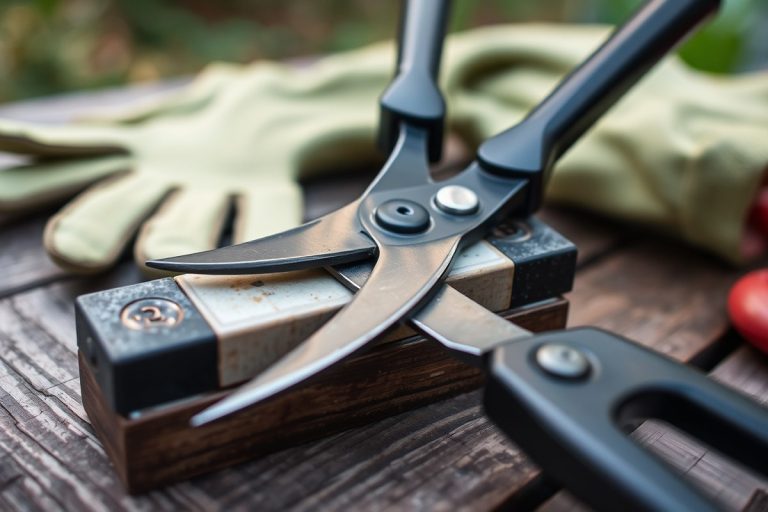
Use clean scissors or pruning shears and a small trowel or spoon. Preparing all tools helps you work smoothly and keeps the process safe for your plant.
Step 2: Water the Plant Appropriately Before Repotting
Water the plant about a day before you replant it. The soil should be moist but not soggy. This moisture helps loosen the roots and reduces stress when removing the plant from its pot.
Check the soil by touch. Water it fully 24 hours before repotting when dry and crumbly. Avoid repotting if the soil is soggy or has pooling water.
Too much moisture can damage roots. Check moisture before repotting.
Step 3: Remove the Plant Carefully from Its Current Container
Tap the pot’s sides gently to loosen the soil and roots inside. Tip the pot sideways, then slide the plant out by holding its base, not the stem. This reduces damage and helps keep roots intact.
Carefully tease apart roots if they are stuck. Use fingers or a small tool. Avoid pulling hard as this can break roots and stress the plant.
Step 4: Loosen Roots and Prune Damaged Ones If Needed
Inspect the root ball closely for any damaged, broken, or rotting roots. Use clean scissors to trim these roots, cutting just past the damaged parts. This helps the plant focus energy on growing healthy roots.
Gently loosen tightly circling roots so they can spread in the new pot. Removing old, dead roots also encourages fresh growth and prevents disease.
Step 5: Prepare the New Pot with Fresh Soil and Proper Drainage
Start by adding a layer of fresh potting mix to the bottom of the new pot. Add small stones or broken pottery pieces if the pot has no drainage.
This helps water flow. Proper drainage prevents root rot and keeps soil oxygenated.
Add enough soil so the root ball sits at the right height when placed. Adjust soil level carefully.
Don’t bury the stem too deep to avoid rot. Don’t leave roots exposed or they will dry out.
- Gather a new pot, soil, scissors, and a small tool for digging.
- Water the plant thoroughly 24 hours before repotting to moisten the soil.
- Gently remove the plant by tapping the pot and sliding out the root ball.
- Examine roots; trim any damaged parts with clean scissors.
- Loosen tangled roots to encourage outward growth in the new pot.
- Add fresh soil and drainage materials to the bottom of the new pot.
- Place the root ball on soil. Make sure the stem base is slightly above soil level.
- Fill soil around roots, gently firm it, and water the plant thoroughly.
When and Why to Replant Your Indoor and Outdoor Plants
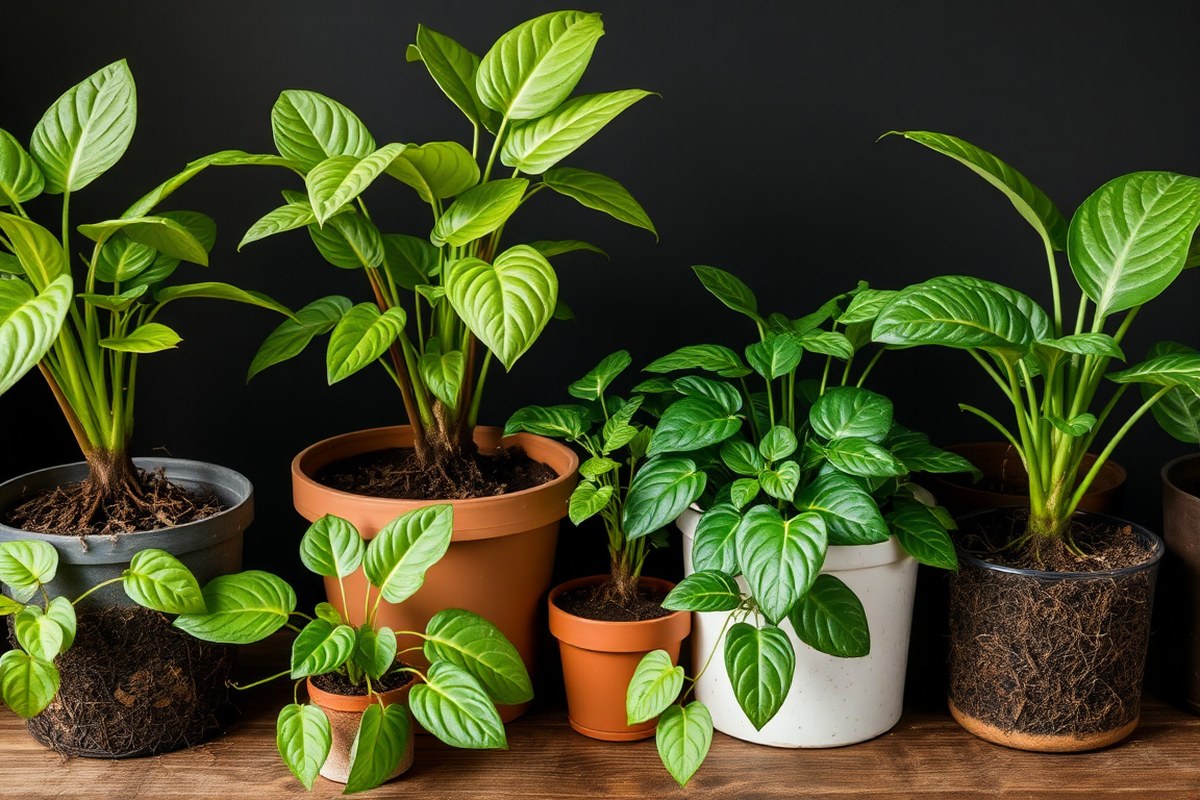
Plants need replanting when they outgrow their pots or the soil starts to break down. Look for roots coming out of drainage holes or circling the pot’s surface.
Slow growth, yellowing leaves, or wilting despite regular watering can also signal it’s time to replant. These signs mean the roots have little space or fewer nutrients to support the plant.
The best time to replant most indoor and outdoor plants is in spring or early summer. Plants are entering their active growth phase then and can recover faster after the move. Some evergreen and deciduous plants handle replanting well when dormant.
This happens in late fall or early winter. Replanting during this time helps them adjust better. But only if ground conditions allow watering and are not frozen.
Flowering or fruiting plants are more sensitive to repotting. Their energy focuses on producing blooms or fruit. So repotting can stress them and reduce flowering or fruiting temporarily.
Only repot these plants when it’s really needed. Try to do that right after they finish flowering. Don’t wait until fruiting has started again.
- Check for root crowding or roots growing through pot holes.
- Watch for slower growth or yellow leaves without obvious trouble.
- Replant every 12 to 18 months for active growers.
- Choose spring or early summer for most plants.
- Avoid repotting flowering or fruiting plants during bloom or harvest.
- Plant dormant outdoor plants in fall or winter if soil stays workable.
Start repotting by gently removing the plant from its pot without damaging roots. Prepare your new pot and soil before pulling the plant out. This reduces time outside the soil and lowers transplant stress.
Move root-bound plants outside before repotting. This keeps your indoor space clean. It also makes repotting easier for you.
Repot flowering or fruiting plants only when absolutely necessary. They don’t handle stress well during these times.
Choosing the Right Pot and Soil for Replanting
Pick a pot 1 to 2 inches bigger in diameter than the old one. This size avoids root crowding without overwhelming the plant. Make sure the new pot has drainage holes to prevent soggy soil, which causes root rot.
Choose potting soil suited to your plant type. Use well-draining cactus mix for succulents or a moisture-retentive mix for tropical plants. Fresh soil helps roots get enough oxygen, which is important for healthy growth.
Place the root ball on fresh soil in the new pot, not buried too deep. Set the root flare at the soil surface or just below it. Burying it too far can cause fungal issues or root suffocation.
| Placement Scenario | Effect |
|---|---|
| Root flare at soil surface | Promotes healthy root growth and prevents crown rot |
| Root flare 1, 2 inches below surface | Slightly deeper planting; may retain moisture but can smother roots |
| Root flare buried deeper (3+ inches) | Increases risk of fungal disease and root suffocation |
| Plant off-center toward prevailing wind | Reduces wind-induced sway but may create uneven light distribution |
Center the plant and fill soil evenly around the root ball. Leave about an inch of space below the pot rim to avoid water overflow. Press the soil down gently to hold the plant steady and help the roots settle.
Good drainage and correct soil type minimize stress after replanting. Green, well-rooted plants absorb water and nutrients better.
Always handle roots gently to avoid causing damage. Water the soil immediately after to help settle the roots.
Preparing and Caring for Plant Roots Before Transplanting
Start by checking the plant’s roots carefully. You want to loosen, prune, and disinfect them to prevent disease and encourage growth. Preparing roots this way helps the plant adapt and thrive after replanting.
Identifying Root-Bound Conditions
Root-bound plants have roots circling tightly around the pot’s inside. These roots leave little room to expand or absorb nutrients. You might see roots pushing out the pot’s drainage holes or soil drying out fast.
Such plants often stop growing or look stressed. When you remove the plant from its pot, the root ball may feel dense and solid. This signals it’s time to prepare the roots before replanting.
Techniques for Pruning and Loosening Roots
Loosen the root ball gently to break circling roots. This creates space for new roots to grow. Avoid removing all soil if it stays attached well; it protects the delicate roots.
Trim any long or damaged roots with clean scissors or pruning shears. Focus on thin roots while keeping thicker base roots intact. Pruning helps the plant send out healthy feeder roots in its new home.
Water your plant a few hours before replanting. This moistens roots and makes loosening easier. Avoid waterlogging since excess moisture can cause root rot after transplant.
How and Why to Disinfect Roots
Disinfecting cuts or damaged roots prevents diseases like root rot. Use a mild bleach solution. Mix one part bleach with ten parts water.
You can also dilute hydrogen peroxide with water. Soak pruning tools between cuts to avoid spreading infection.
After pruning, dip the roots briefly in the disinfectant solution. Rinse gently with clean water before replanting. This step lowers the risk of fungi or bacteria harming your plant in its new soil.
Follow this checklist to prepare your plant’s roots:
- Water the plant lightly 2 to 4 hours before removing it from its pot.
- Gently loosen the root ball with your fingers, breaking circling roots.
- Use clean, sharp scissors to prune long, damaged, or dead roots.
- Disinfect pruning tools with a bleach solution between cuts.
- Soak cut roots briefly in diluted bleach or hydrogen peroxide.
- Rinse roots gently with clean water to remove disinfectant residue.
- Leave some attached soil on roots if it comes away easily.
- Place the plant carefully in its new pot or ground.
How Environmental Factors Impact Replanting Success
Temperature and humidity affect how well a plant recovers after replanting. Plants prefer mild conditions around 60°F to 75°F. Transplanting stresses plants if temperatures drop below 50°F or rise above 85°F. Humidity matters too.
Low humidity dries out roots quickly during the move. Very high humidity can encourage mold or rot.
Spring is the best season for replanting because plants enter active growth then. Roots grow faster, helping the plant settle into new soil.
Aim to transplant in the morning or late afternoon, avoiding the hottest part of the day. This timing keeps stress low and minimizes water loss.
Avoid replanting during heavy rain or extreme heat. Wet soil compacts easily, making it harder for roots to spread. On hot days above 85°F, the soil dries fast and the plant loses moisture rapidly.
In hot regions, early spring or late fall is safer. You can also water the plant a day before moving it. This keeps the root ball intact and reduces shock during transplant.
Never plant when soil is soaking wet.
Check the soil moisture before transplanting. The soil should be evenly moist, not soggy. Use a slow trickle of water to soak the hole before planting.
This helps roots settle in quicker. Also, avoid replanting during frost or drought when the plant can’t recover well.
Plants that are too top heavy can fall over easily after transplanting. Support them with stakes until new roots hold them firm.
Give your plant at least a week to adjust. Don’t fertilize right after planting.
Post-Replanting Care: Watering, Fertilizing, and Avoiding Shock
After replanting, keep your plant in indirect light for about a week. Water it right after planting to help the soil settle and roots adjust. Avoid midday watering to prevent rapid wilting, especially in summer.
Water the plant regularly but avoid overdoing it. Most houseplants do well with watering once a week. Check the soil an inch deep.
Water only if it feels dry. Outdoor trees with a 1-inch trunk need roughly 1 gallon of water per watering session. Adjust watering amount and frequency based on plant size and weather.
Wait about two to three weeks before you start fertilizing. Giving plants time to recover helps avoid extra stress. Use a balanced, diluted fertilizer to gently feed your plant once its new roots are growing.
Plants show transplant shock by wilting soon after watering, yellowing leaves, or new leaves getting smaller. Slow or stopped growth is another sign. When these happen, cut back on watering.
Keep the plant shaded to help. Pruning damaged parts can help it focus energy on new growth.
- Keep plant in indirect light for 7 days
- Water thoroughly immediately after replanting
- Water again when top inch of soil dries
- Wait 2-3 weeks before fertilizing
- Use diluted fertilizer to reduce stress
- Look for wilting, yellow leaves, slow growth
- Prune damaged leaves to encourage growth
Mulching outdoor plants helps keep soil moist and temperature stable. For indoor plants, make sure pots drain well to avoid root rot. Staking young trees or tall plants gives extra support during recovery.
Transplant shock normally fades in a few weeks with care. Avoid moving your plant around too much while it recovers. Keep the environment steady, and the plant should bounce back strong.
Common Mistakes When Replanting Plants and How to Avoid Them
One common mistake when replanting is using a pot without drainage holes. Water can build up at the bottom, causing root rot and killing your plant. Make sure the new pot has holes so excess water can escape freely.
Choosing the wrong pot size also causes problems. Pick a pot about 1 to 2 inches wider than the current one.
Pots that are too big hold too much water and drown roots. Too small, and the roots get cramped quickly.
Overwatering is another issue. Avoid frequent, shallow watering. Instead, water deeply but less often to encourage strong root growth.
Check the soil moisture by sticking your finger about an inch deep. Water only if dry.
- Don’t fertilize immediately after replanting to avoid burning roots.
- Wait at least 2 to 3 weeks before adding fertilizer.
- Apply fertilizer every 2 to 3 years in fall or early spring.
- Place a layer of fresh potting soil, about one-third full, in the new pot’s base.
- Handle roots gently and remove old, loose soil before transplanting.
- Water the plant well after replanting but don’t let it sit in water.
Fertilizing right after replanting stresses the plant. Roots can get damaged or “burn” from too much fertilizer too soon. Hold off on feeding until the plant shows signs it’s growing well again.
When moving the plant, placing fresh potting soil beneath its root ball helps roots settle faster. It supports good drainage and provides fresh nutrients right away.
Just be gentle with the roots. Avoid pulling or tearing to protect the plant’s health.
Last, watch your plant closely after replanting. Drying out can happen faster in indoor or outdoor pots.
Leaves drooping or turning brown need changes in watering and light levels. Quick correction can save your plant and help it thrive in its new home.
Replanting Large or Outdoor Plants: Special Techniques and Considerations
Large or mature plants need careful handling to avoid damage during replanting. Dig a hole wider but not deeper than the root ball. Water the plant deeply after transplanting to help it settle and recover.
Preparing the Planting Hole by Plant Size and Soil Type
Match the hole size to the plant’s root ball for healthy growth. Use the following table for hole dimensions based on plant size. Larger holes make it easier to place soil around the roots evenly.
| Plant size category | Recommended hole dimensions (depth × width) |
|---|---|
| Small (perennials, herbs) | 12, 18 in × 18, 24 in |
| Medium (shrubs, small perennials) | 18, 24 in × 24, 36 in |
| Large (small trees, larger shrubs) | 24, 36 in × 36, 48 in |
| Very large (mature trees) | 36, 48 in × 48, 72 in |
Adjust hole size if the soil is heavy clay or sandy. Clay soils might need a slightly larger hole to loosen packed soil. Sandy soils drain quickly, so keep holes tight to avoid root instability.
Proper Planting Depth and Root Ball Positioning
Place the root ball so the soil surface matches the original ground level. This level is often seen as a darker ring near the base of the plant’s trunk. Dig the hole no deeper than the root collar to prevent stem rot.
Backfill soil gently around the root ball, tapping lightly to remove air pockets. Do not add extra soil above the original soil line. It can suffocate roots.
It also causes uneven water absorption. Leave some space above the root ball for watering.
Watering Routines and Protection After Transplant
Soak the root ball to a depth of 12 inches after planting. Water slowly to avoid washing away soil or damaging roots. Add more soil around the root ball if large air spaces appear during watering.
Keep the soil moist but not waterlogged for at least two weeks. Water daily in hot weather and reduce frequency after the plant shows signs of new growth. Use mulch around the base to conserve moisture and protect roots from temperature swings.
Follow these steps for transplanting large or outdoor plants safely:
- Water the plant a few days before moving to reduce stress.
- Dig a hole based on the plant’s size. Make it wider, but not deeper. The hole should match the root ball depth.
- Carefully dig around and lift the plant with most of its root ball intact.
- Set the root ball in the hole so the soil surface matches the original level.
- Backfill gently, tamping soil to remove air pockets but avoiding compaction.
- Water deeply to saturate the root ball and surrounding soil.
- Add more soil if you see air gaps after watering.
- Apply mulch to retain moisture and protect roots from sun and wind.
Don’t plant your tree or shrub deeper than its original soil line. This can cause root rot and kill the plant.
Your Step-by-Step Action Plan for Replanting Success
Follow these simple steps to replant your plant with confidence. Each phase helps your plant settle in and grow well.
- Before You Start: Choose a pot slightly bigger than the current one. It should have drainage holes to prevent waterlogging.
- Day 1: Gently remove the plant from its old pot. Check the roots for damage and cut off any that look rotten or dead.
- Day 1: Add fresh soil to the bottom of the new pot. Place the plant in and fill around it with soil, pressing lightly to remove air pockets.
- Day 1: Water the plant well until water drains from the bottom. This settles the soil and removes air pockets around roots.
- Week 1: Keep the plant out of direct sunlight. Watch for wilting or yellow leaves as signs of stress.
- Week 2: Begin fertilizing lightly, using a balanced, diluted fertilizer. This supports new root growth without burning roots.
- After 3 Weeks: Check that the soil remains evenly moist but not soggy. Adjust watering if the plant shows signs of drying or overwatering.
- After 4 Weeks: If the plant shows new growth and firm leaves, you’ve succeeded. You can gradually return it to normal light conditions.
Frequently Asked Questions
Can You Replant a Plant Directly from the Ground?
Yes, carefully dig around the roots to remove it intact. Make sure to water the soil before digging to reduce stress on the plant.
How Long Does It Take to Replant a Houseplant?
It typically takes about 10 minutes to replant a houseplant. Water the plant lightly a few hours before to ease removal from its pot.
Should You Prune Roots Before Replanting?
You should trim only broken or damaged roots before replanting. Clean cuts help prevent disease and promote healthy growth in the new soil.
Can You Use the Same Soil When Replanting?
It’s better to use fresh potting soil in the new pot. Old soil may lose nutrients and contain pathogens harmful to your plant.
How Deep Should I Plant a Tree When Replanting?
Plant trees so the soil ball sits with 1/3 above ground level. Make sure the graft or trunk flare is about 1 inch above soil.
Is Mulch Necessary After Replanting Outdoor Plants?
Applying a 2-3 inch mulch layer can protect roots and conserve moisture. Spread it wide, about a 6-foot diameter circle around the plant.
The Bottom Line
Replanting a plant well sets it up for healthy growth and reduces shock. Start gently and watch your plant’s signs closely. Now, pick your pot and plan your replant day this week.