How to Change pH Level in Soil: 8 Proven Methods with Safe Steps
How to change pH level in soil starts with knowing your current soil condition. Adjusting pH means adding materials that either raise or lower it safely. You should aim for a pH around 6.5 to 7 unless your plants need something different.
Testing your soil pH first gives you a baseline to adjust from. Use proper products like ground limestone to raise pH or sulfur to lower it. Mix these into the top 6 to 12 inches of soil.
Water well afterward. This method gives the best results.
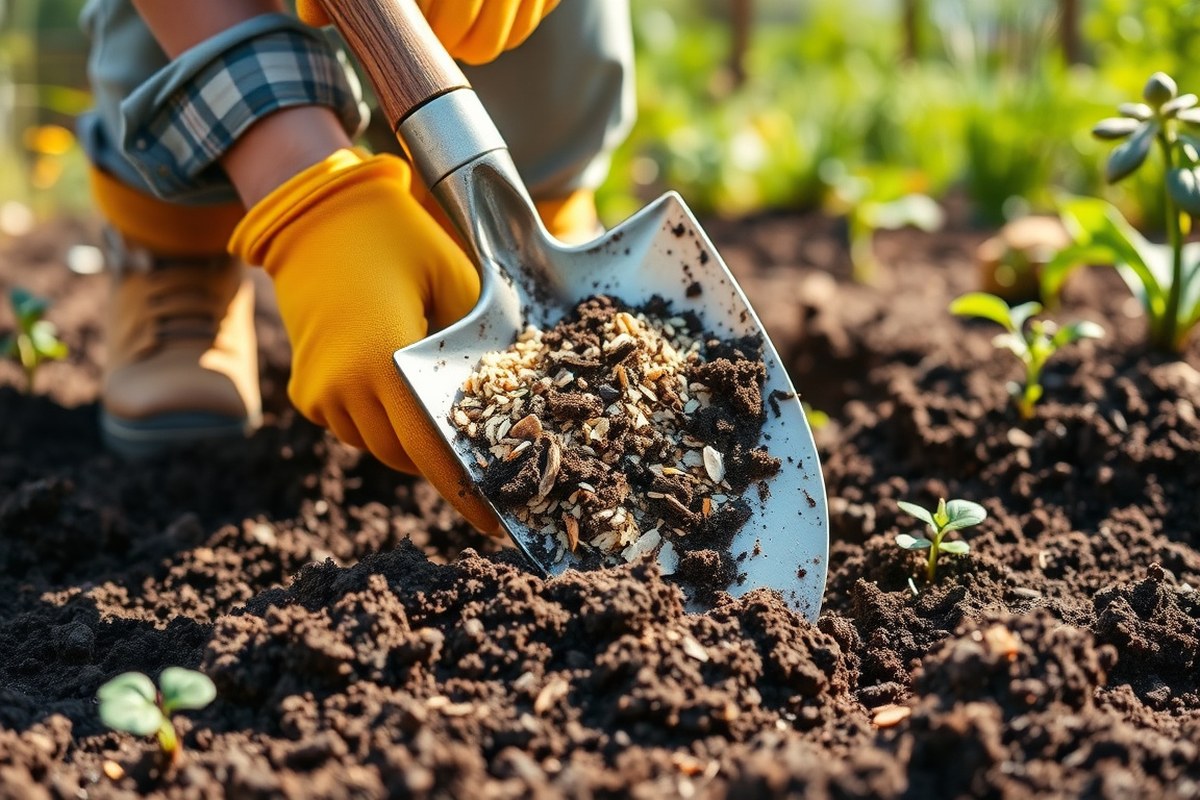
Work amendments into the soil to help them react faster and spread evenly. Protect your hands with gloves while handling soil adjustments. Keep in mind, changes take time, usually months, to show up fully in your soil.
Key Takeaways
- Start by testing soil pH from 4 to 6 inches deep at multiple spots.
- Use ground limestone to raise soil pH when it’s below 6.
- Incorporate amendments into the top 6 to 12 inches of soil for best effect.
- Wear gloves when spreading pH-adjusting materials to protect your skin.
- Sulfur lowers pH slowly and requires soil temperatures above 55°F.
- Water the soil deeply after applying lime or sulfur to activate it.
1. How to Change Soil pH Safely and Effectively
Test your soil pH before changing anything. Level drops below 5, trouble starts for your plants.5 or rise above 7.2, it’s time to act. Plants usually do best near a pH of 6.5 to 7 unless they need special conditions.
Safe pH adjustment starts with choosing the right amendment. Lime or wood ash can raise pH for acidic soil.
Sulfur products lower pH when soil is too alkaline. Always follow package directions to avoid damage.
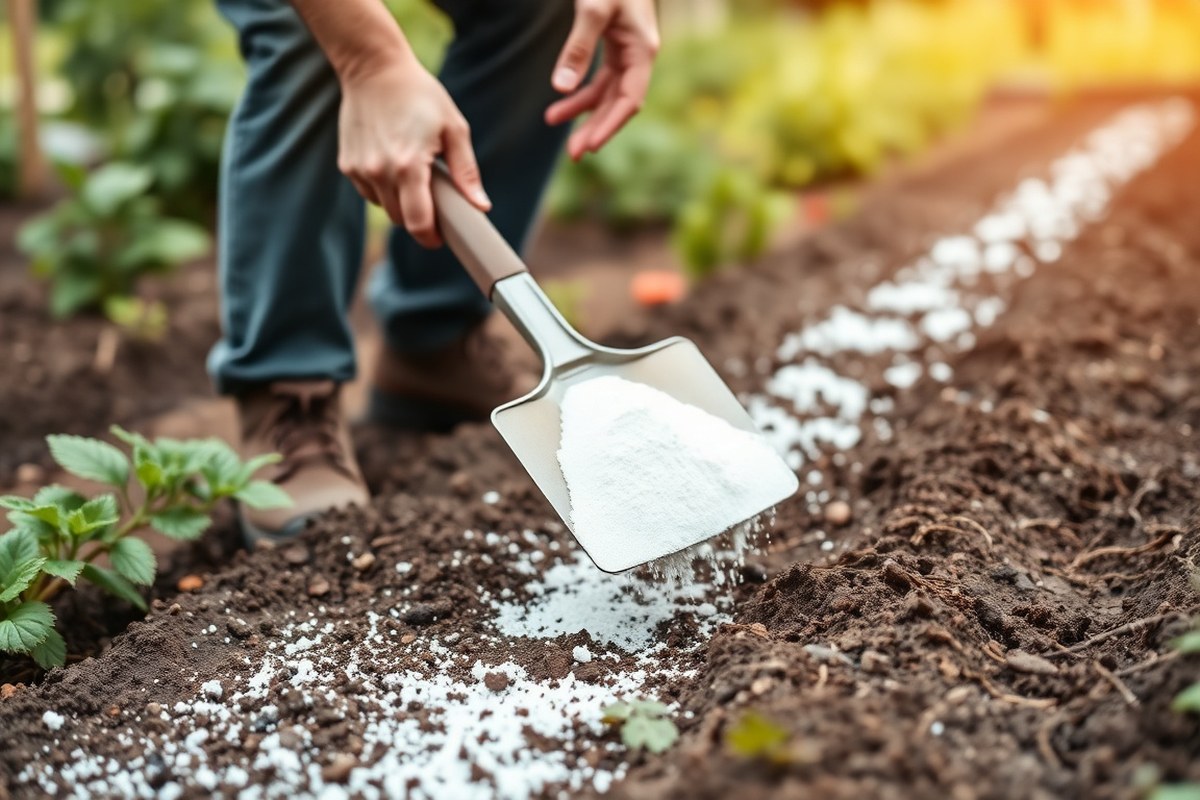
Apply amendments evenly, then mix them into the top 6 to 12 inches of soil. This helps the amendment work faster and more thoroughly. Use a garden fork, shovel, or tiller for mixing.
- Test soil pH using a reliable kit or lab before making changes.
- Choose a suitable amendment: lime for raising pH, sulfur for lowering it.
- Estimate the area and determine how much amendment you will need per instructions.
- Wear gloves and spread the amendment evenly over the soil surface.
- Mix it into the top 6 to 12 inches using a tiller or garden fork.
- Water the soil lightly to help the amendments start reacting.
- Wait at least 4 to 6 weeks before retesting to gauge the effect.
- Repeat application only if soil tests show pH is still out of range.
Apply lime in fall or early spring. This gives it time to work. Do this before planting your garden.
Sulfur requires soil temperature above 55 degrees Fahrenheit to work well. Wood ash raises pH faster than lime. You need 2 to 4 times more to match lime’s effect.
Adjustments don’t happen overnight. Lime can take a few months to fully change soil pH.
Checking your soil several weeks after application helps avoid over-correction or waste. Keep records of amounts and dates for future reference.
2. How to Test Soil pH Accurately at Home and in Labs
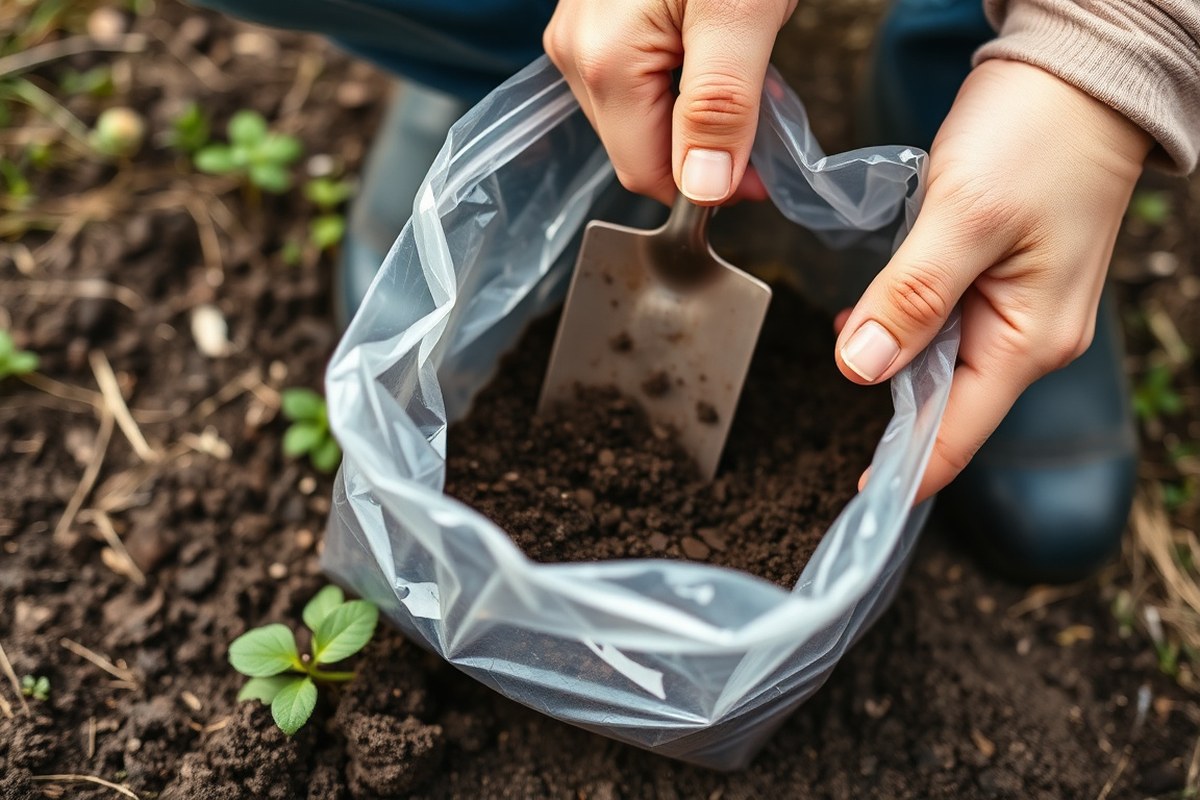
Collecting Representative Soil Samples
Good testing starts with proper soil sampling. You want a sample that shows your whole garden’s condition, not just one spot.
Take samples from 4 to 6 inches deep at several places. Mix these samples in a clean bucket. Remove roots, stones, and debris before testing or sending them off.
- Select 4 to 6 areas across your garden or lawn.
- Dig 4 to 6 inches down and collect about a cup of soil from each spot.
- Put all samples in a clean bucket and mix them well.
- Remove any roots, rocks, or sticks from the mix.
- Take about a cup of mixed soil for your test or lab sample.
- Label the sample clearly if sending it to a lab.
Test several spots because soil pH can vary even in small areas.
DIY pH Test Kits: Pros and Cons
DIY soil pH kits let you check soil quickly and at low cost. Most kits use liquid reagents or test strips applying soil to color charts.
They cost around $10 to $30 and give results within minutes. Digital pH meters are more accurate but need calibration and care.
These tests work well for rough pH estimates but can be less exact than labs. Use kits often to monitor pH changes over time in your garden.
Keep testing kits dry and clean to avoid false readings or damage.
Sending Samples to a Professional Lab
Professional labs offer the most precise pH and nutrient testing. They provide detailed reports and specific amendment recommendations just for your soil.
Send a clean, mixed soil sample to your local extension office or commercial lab. Costs range from $15 to $50 per test, depending on the package.
Labs measure pH on a scale from 1 to 14. Values below 7 mean acidic.
Values above 7 mean alkaline. Labs often test additional nutrients, helping you fine-tune your amendments.
Follow each lab’s sample submission instructions exactly to avoid delays or inaccurate results.
3. Best Amendments to Raise Soil pH and How They Work
To raise soil pH, you can use lime, wood ash, compost, or crushed shells. Each material works differently and fits certain soil types and needs. Knowing how much and how to apply these helps you avoid over- or under-treatment.
Agricultural Lime: Types and Application Rates
Lime is the most common soil amendment to increase pH quickly. There are two main kinds: calcitic lime and dolomitic lime. Calcitic lime supplies calcium carbonate, while dolomitic lime adds magnesium too.
Lime neutralizes soil acidity by reacting with hydrogen ions. You should mix lime into the top 12 inches of soil. Don’t just spread it on the surface.
This helps lime work better and faster. Application rates depend on pH and soil texture.
They usually range from 5 to 50 pounds per 1,000 square feet. The right amount helps adjust soil pH properly.
Wood Ash: Benefits and Limits
Wood ash raises soil alkalinity and adds potassium, a useful nutrient. Its effect is faster than compost but slower than lime. Don’t apply over 2 pounds per 100 square feet yearly.
Too much lime can raise soil pH too much. Stick to limits to protect your plants.
Spread about half an inch of wood ash over the soil surface. Avoid heavy doses because high potassium or salt build-up can harm plants. Wood ash works best in soils needing moderate pH boosts and potassium.
Other Alkalizing Amendments: Oyster Shell and Compost
Oyster shell lime is another good option. The recommended amount is about 50 pounds per 1,000 square feet. It works slower than agricultural lime but keeps soil pH stable over time.
Compost also raises pH gradually by adding organic matter. Use 1 to 2 inches annually to improve soil buffering capacity. Compost doesn’t act fast, but it supports healthy soil life and structure.
Here is a simple comparison of these amendments, their typical rates, benefits, and speed of action:
| Amendment | Typical Application Rate | Benefits | Speed of Action |
|---|---|---|---|
| Calcitic or Dolomitic Lime | 5 to 50 lbs / 1,000 sq ft | Neutralizes acidity; adds Ca (and Mg if dolomitic) | Fast (months) |
| Wood Ash | Up to 2 lbs / 100 sq ft yearly | Adds K; raises pH moderately | Moderate (weeks to months) |
| Oyster Shell Lime | 50 lbs / 1,000 sq ft | Slow pH increase; stable effect | Slow (months to year) |
| Compost | 1 to 2 inches yearly | Buffers pH; improves soil health | Very slow (season to season) |
The choice depends on your soil’s current pH and texture. Fast pH correction favors lime; moderate adjustments suit wood ash. Compost works well for gradual improvement and adding organic matter.
Always test your soil first for accurate amounts. Overapplication can harm plant roots or cause nutrient imbalances.
4. How to Lower Soil pH Effectively with Sulfur and Alternatives
To lower soil pH, elemental sulfur is the most common choice. It reacts slowly with soil bacteria to create acidity. Alternatives include iron sulfate, aluminum sulfate, and peat moss.
They work faster or add organic acid. Each comes with some limits.
Elemental Sulfur: Mode of Action and Timing
Elemental sulfur reacts with soil bacteria to form sulfuric acid. This acid gradually lowers soil pH over weeks to months. The process depends on soil temperature, moisture, and bacteria presence.
It’s best for sandy or loamy soils with pH values above 7.5. Clay soils react slower because they hold more alkaline minerals. About 2 pounds of sulfur per 100 square feet helps lower pH.
This applies to silt loam soil. It usually drops pH by 1 unit.
Applying sulfur in cool or dry soil delays acidification. Best results appear after 2 to 3 months in warm, moist soil. Always mix sulfur into the top 6 to 12 inches for faster effect.
Iron Sulfate and Aluminum Sulfate Alternatives
Iron sulfate and aluminum sulfate cut soil pH faster than sulfur. They work immediately by releasing acidic ions when they dissolve. Aluminum sulfate usually changes pH within days to weeks.
Use these if you need quick soil acidification before planting. They are best on soils with moderate alkalinity, below pH 8.0, to avoid aluminum toxicity. Both can cost more and risk plant damage if overused.
Iron sulfate also adds iron nutrients to correct chlorosis in alkaline soils. Aluminum sulfate is common in turf care but needs careful measurement. Wear gloves when handling either to avoid irritation.
Using Acidic Organic Materials Like Peat Moss
Canadian sphagnum peat moss has a low pH around 3.0 to 4.5. Mixing it into soil lowers pH slightly but temporarily. It helps over time through organic acid release during decomposition.
Peat moss works best for small acidification needs or to balance pH for acid-loving plants. Its effect is weaker compared to chemical amendments. Use it in the top 6 to 12 inches of soil before planting.
Other organic materials like pine needles also acidify slowly. They add organic matter and improve soil texture. Their cost and availability vary, often priced lower than sulfur or sulfates.
Follow these steps for safe and effective soil acidification:
- Test your soil pH to know how much to adjust.
- Choose your amendment: sulfur, iron sulfate, aluminum sulfate, or peat moss.
- Calculate the amount based on soil type and target pH.
- Wear gloves and protective gear, especially with sulfates.
- Evenly spread the amendment on the soil surface.
- Incorporate the amendment by tilling or mixing into the top 6-12 inches.
- Water the area lightly to activate the amendments.
- Monitor pH monthly to track changes and avoid over-acidifying.
| Amendment | Typical Cost | Effect Speed | Notes |
|---|---|---|---|
| Elemental Sulfur (10 lb) | $40 | Weeks to months | Best for gradual acidification |
| Iron Sulfate (per lb) | Varies | Days to weeks | Adds iron nutrient, more rapid |
| Aluminum Sulfate (per lb) | Varies | Days | Fast acting, needs careful use |
| Sphagnum Peat Moss (8 qt, 3-pack) | $13 each | Slow, temporary | Improves organic matter, mild acidifying |
5. How Soil Type and Texture Impact pH Adjustment Choices
Soil texture changes how well amendments shift pH levels. It depends on surface area and how much the soil buffers changes. Soils with more surface area and buffering slow pH changes.
Sandy soils have larger particles and low buffering. So you need less lime or sulfur for changes. Clay soils have very tiny particles and strong buffering power.
They hold acids and bases tightly and resist change. You need more amendment and time to adjust clay soil pH.
Loam soils fall between sandy and clay soils for pH adjustment needs. For sandy soil, use a texture factor of 1 to 2 when calculating amendments. Loam needs 3 to 4 times the base rate.
Clay soil may need 5 to 6 times the base rate or more. For example, 30 pounds per 1,000 square feet suits sandy soil well.
Loam soil needs about 90 pounds for the same area. Clay soils call for 150 to 180 pounds on that space.
Organic matter plays a key role by buffering soil pH changes. It improves nutrient holding but resists big pH swings. Soils rich in organic matter often need higher amendment rates, just like clay.
Organic matter slowly lowers soil pH over time. It also improves soil texture and balances pH. These changes make plants grow better in the long run.
Adjust your timing and dosage based on soil texture. Clay soils usually need more frequent but smaller amendment applications, spread out over several months. Sandy soils respond faster and differently if you apply too much at once.
It can stress plants or leach away quickly. Adding organic compost helps keep pH steady and aids nutrient release regardless of soil type.
Test your soil’s texture and organic matter before deciding how much lime or sulfur to use. Labs use buffering and cation exchange capacity to give exact tips. Their advice helps you apply the right amendment amount.
This leads to better pH adjustments in your soil. This stops wasting product or harming plants by applying too much or too little.
Don’t apply large amounts of amendments all at once on clay soils. Gradual buildup works better.
6. How Much Amendment to Apply: Calculations and Application Rates
To decide how much lime or sulfur to apply, check your soil report. Labs usually suggest pounds per 1,000 square feet based on current and desired pH. Clay soils require more lime than sandy ones to change pH equally.
Let’s say your soil test shows a current pH of 5.5. You want to raise it to 6.5 for vegetables. Your soil type is loam.
The lab suggests applying 20 pounds of lime per 1,000 square feet. Your 2,000 square foot garden needs a total of 40 pounds of lime. Spread it evenly and till it 4 to 6 inches deep for best results.
When lowering pH with sulfur, professional tests are best, since sulfur’s effect varies with soil properties. Use 1 to 3 pounds of sulfur per 100 square feet to lower pH. This applies to loam soils for a one-point pH drop.
These are general guidelines, so adjust as needed. Sandy soils require less, clay soils more. Over-application may harm plants, so apply gradually and retest after a few months.
Adjust amounts for your soil’s buffering capacity, which shows how hard it is to change pH. This recommendation comes from a lab test with buffer pH data. It means you may need to add more sulfur than guessed.
Labs use this to better predict pH changes. Without buffer pH data, start with low amounts to avoid over-applying amendments.
Adding wood ash raises pH and supplies nutrients. Apply 10 to 20 pounds of lime per 100 square feet carefully.
Check your soil pH first because ash can rapidly increase it and cause issues. Spread ash thinly and mix into the soil, then water thoroughly to help it soak in.
After applying any amendment, watering well helps it react with soil. Write down your rates, area, and product details to repeat or adjust for next season.
Test your soil every two years to keep pH balanced. This helps prevent problems like nutrient lockout or toxic buildup from too much lime or sulfur.
7. Common Mistakes When Changing Soil pH and How to Avoid Them
7. Common Mistakes When Changing Soil pH and How to Avoid Them
Applying too much amendment at once often harms plants. Adding soil alkalizers little by little helps avoid damage. It also lets the pH shift gradually, which is better for the roots.
Incomplete mixing is another problem. When amendments stay on the surface, pH changes only in the top layer. Mix amendments well into the top 6 to 8 inches of soil for even results.
Using the wrong amendment reduces effectiveness and can hurt plants. For example, baking soda contains salts that may damage roots. Choose products like agricultural lime or dolomitic lime, which work safely to raise pH.
Soil bacteria require warmth and moisture to adjust soil pH efficiently. Adding sulfur amendments in cold, dry soil will slow down this change. Apply no more than 2 pounds per 100 square feet when conditions are warm and moist.
PH rebound happens when the soil slowly returns to its original acidity. This happens if you add too little amendment.
It can also occur when only the top soil is treated. To prevent rebound, test soil pH after several months and adjust as needed.
- Avoid over-application by spreading amendments thinly over time.
- Mix amendments thoroughly into the soil, not just on top.
- Use the correct amendment based on your soil’s needs and plants.
- Apply amendments during warm, moist soil conditions for best results.
- Test soil pH regularly to catch any rebound early.
- Limit applications to 2 pounds per 100 square feet to protect plants.
Plants suffer when pH goes too far outside their comfort zone, often 6.0 to 7.0 for many garden plants. Careful, gradual changes let you avoid stunting growth or causing toxic buildups. Regular testing combined with slow amendment helps steady the pH and keeps your garden healthy.
8. When to Seek Professional Help for Soil pH Problems
Complex or stubborn soil pH problems often need professional testing. Your soil pH is very acidic or alkaline, below 4 for example.5 or above 8.5, experts can help.
They use detailed lab tests to check nutrients, soil texture, and buffering capacity. This data guides precise amendments and application rates.
You should seek help if you’ve applied standard pH changes and plants still struggle. Odd plant symptoms or persistent weeds might mean your soil needs more tailored treatment. Specialists can suggest different treatments for your soil.
They consider soil type, drainage, and local climate. They might recommend lime, sulfur, or organic matter.
Professional soil testing costs typically range from $30 to $100 per sample. Testing covers pH, nutrient levels, and contaminants.
Results usually come within two weeks, giving clear adjustment plans. Experts also help you avoid overcorrection, which wastes money and harms plants.
Always follow soil sample instructions closely, digging about 6 inches deep for accurate pH readings.
Experts also spot signs that soil resists pH change, known as buffering capacity. For example, clay soils hold pH steady, needing more amendment or longer time. Sandy soils change faster but can slump into acidic extremes if not managed carefully.
Getting professional advice saves time and prevents mistakes, especially if your garden has mixed soil types. Annual testing keeps your adjustments on target since soil pH shifts naturally over time. These specialists can plan follow-up treatments to maintain a steady pH range of 6.0 to 7.0, ideal for most garden plants.
Step-by-Step Action Plan to Adjust Soil pH
Follow these steps in order to test and adjust your soil pH safely and well. Check results after each step before moving forward.
- Before you start: Collect soil samples from different garden spots. Use a pH test kit or send samples to a lab for accurate results.
- Day 1: Analyze your soil type and texture to choose the right amendment. Sandy soil needs less than clay soil for pH changes.
- Week 1: Apply the calculated amount of lime to raise pH or sulfur to lower pH. Spread evenly and work into the top 6 inches of soil.
- Week 3: Water the soil gently to help amendments start working. Avoid washing them away by using moderate water amounts.
- Month 2: Retest soil pH in the amended areas. Look for a change toward the target pH but expect gradual shifts.
- Month 3: If pH is still off the target, apply a smaller, adjusted dose of amendment. Don’t add more than half the first amount at once.
- Seasonal check: Test soil pH yearly to keep it in your ideal range for your plants. Adjust as needed based on crop responses.
Frequently Asked Questions
How Long Does It Take for Lime to Change Soil pH?
Lime usually takes 3 to 6 months to raise soil pH significantly. This happens because lime needs time to react with soil and neutralize acidity slowly.
Can I Mix Lime and Sulfur to Adjust Soil pH Faster?
You should not mix lime and sulfur because they have opposite effects on pH. Lime raises pH.
Sulfur lowers pH. Using both cancels their effects and confuses soil balance.
How Often Should I Re-Test Soil pH After Adjusting It?
Test your soil pH six months after adding amendments to see the effect. Check soil pH once a year.
It changes slowly over time. Watering and fertilizer affect pH too.
What Happens If Soil pH Is Not Adjusted for Acid-Loving Plants?
Acid-loving plants like blueberries need low pH around 4.5 to 5.5 to absorb nutrients. Plants may show yellow leaves and poor growth when pH is too high.
Can I Use Garden Compost to Change Soil pH?
Compost usually has a neutral pH and will not change soil pH much. It can improve soil texture and fertility. This helps plants grow better. PH may still be a little off.
Does Soil pH Affect Fertilizer Effectiveness?
Yes, soil pH affects how well plants absorb nutrients from fertilizer. Wrong pH can lock up key nutrients, making fertilizers less effective and wasting your money.
Final Thoughts
Adjusting soil pH takes patience and the right steps. Start by testing your soil and choosing amendments that fit your soil type. Watch how your plants respond and keep testing to maintain healthy growth.