How to Care for Strawberries: A Complete Guide for Healthy Fruit
To grow strawberries well, provide enough water, sunlight, and space. They need between 1 and 1.5 inches of water every week.
Make sure they get at least 8 hours of full sun daily. Space plants roughly 18 inches apart to prevent crowding and improve fruit size.
Strawberries prefer soil that is a little acidic, around pH 5.5 to 6.8. Keep an eye on spring temperatures when flowers start to show. Cover plants quickly if frost drops temperatures below 30°F to protect the blooms.
Day-neutral strawberry varieties keep producing fruit steadily between 35°F and 85°F. They’re great if you want berries over a longer season instead of just a few weeks. Start strawberry plants indoors about 6 to 8 weeks before the last frost.
This helps your plants get a strong head start. Getting an early start can lead to better growth.
Key Takeaways
- Water strawberries weekly with 1 to 1.5 inches of water, soaked at the base.
- Plant strawberries 18 inches apart for runners to spread without crowding.
- Cover flowering strawberries if temperatures dip below 30°F during late spring frosts.
- Provide at least 8 hours of direct sunlight each day for best growth.
- Maintain soil pH between 5.5 and 6.8 for healthy strawberry plants.
- Space rows about 3 to 4 feet apart to allow easy access and airflow.
Essential Daily and Seasonal Strawberry Care
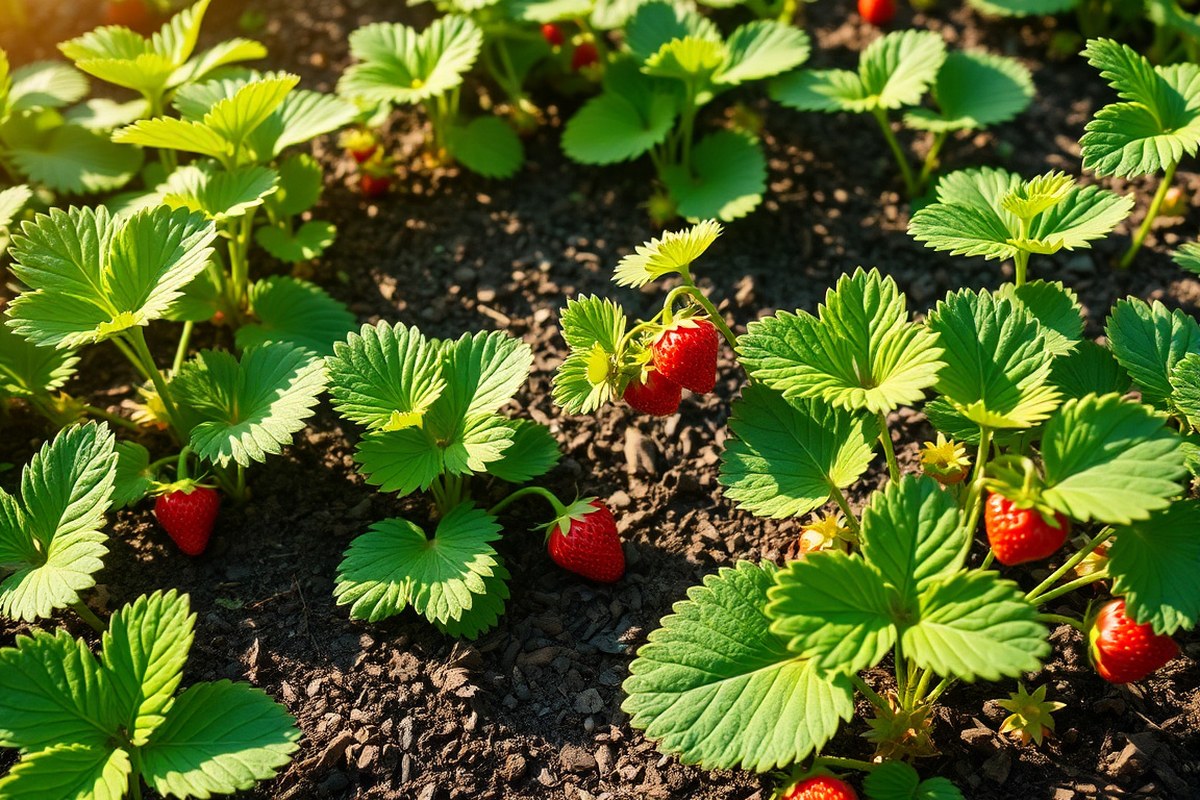
Strawberry care starts with daily checks for healthy leaves and clean fruit. Remove any wilted or yellow leaves to prevent disease. Make sure crowns stay above the soil surface by loosening soil if needed.
Watering each plant about an inch per week keeps roots moist but not soaked. Early morning watering helps leaves dry faster, reducing fungal risks. Mulch with straw or pine needles to hold moisture and control weeds.
Seasonal care changes as plants grow. In early spring, cut back old leaves to promote fresh growth.
Pinch off flowers the first year to build stronger plants for better yield later. In late summer, trim runners unless you want new plants.
After harvest, clear leftover fruit and debris to stop pests. Add a fresh mulch layer to protect roots as temperatures drop. Winter frost can harm plants; keep mulch thick and check crowns regularly for damage.
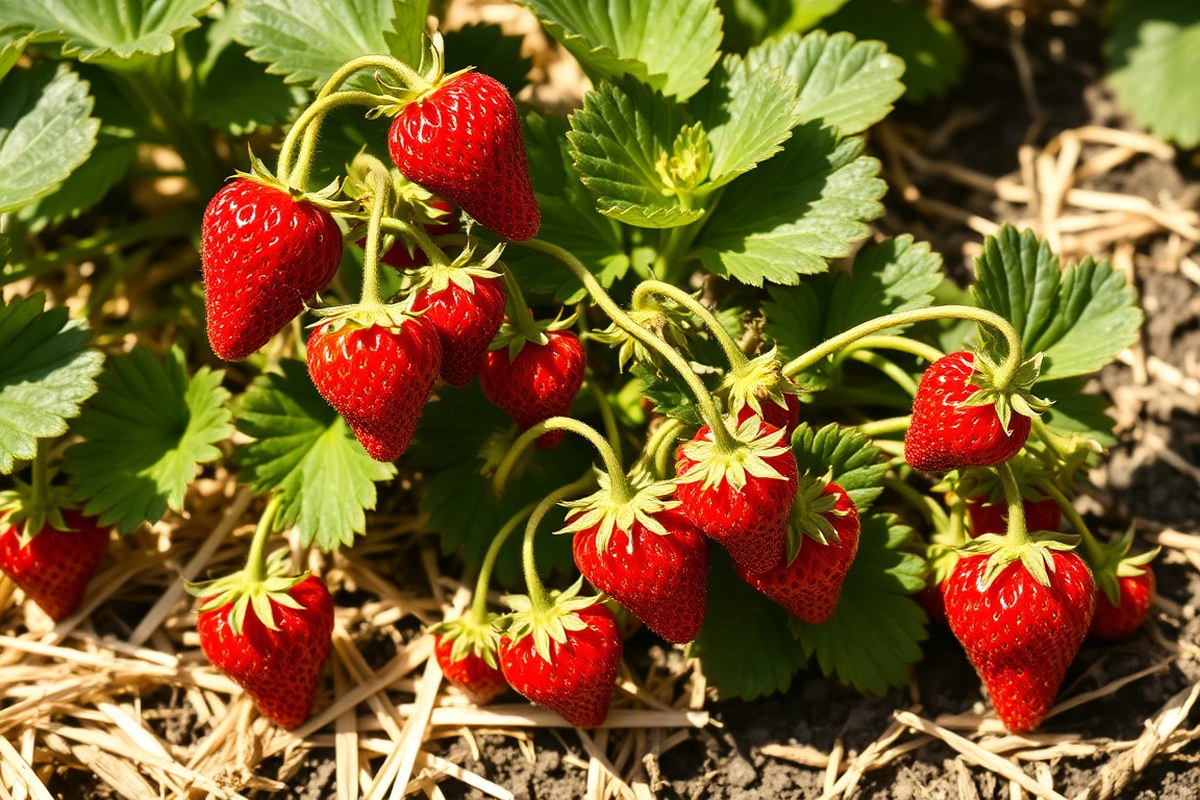
Fertilize lightly after the last harvest, using a balanced, slow-release fertilizer. Too much fertilizer late in the season encourages leaf growth, not fruit development. Healthy strawberries have green leaves and vibrant red berries dangling from short stems.
Watch for common signs of trouble: spotted leaves, stunted growth, or mushy fruit. Catching these symptoms early lets you act before problems spread. Healthy plants often yield about a quart of strawberries per year, spread over weeks.
Strawberries usually remain productive for 2 to 5 years. Quality drops after the third year, so plan to replant or build new beds.
Crowding reduces air flow. So space plants 12 to 24 inches apart depending on variety.
Indoor strawberry care is similar but requires pots about 6 inches wide filled with multipurpose compost. Keep indoor plants near a sunny window and water when top inch of soil feels dry. Working this routine into daily habits saves you from bigger problems later.
Preparing and Planting Strawberries for Optimal Growth
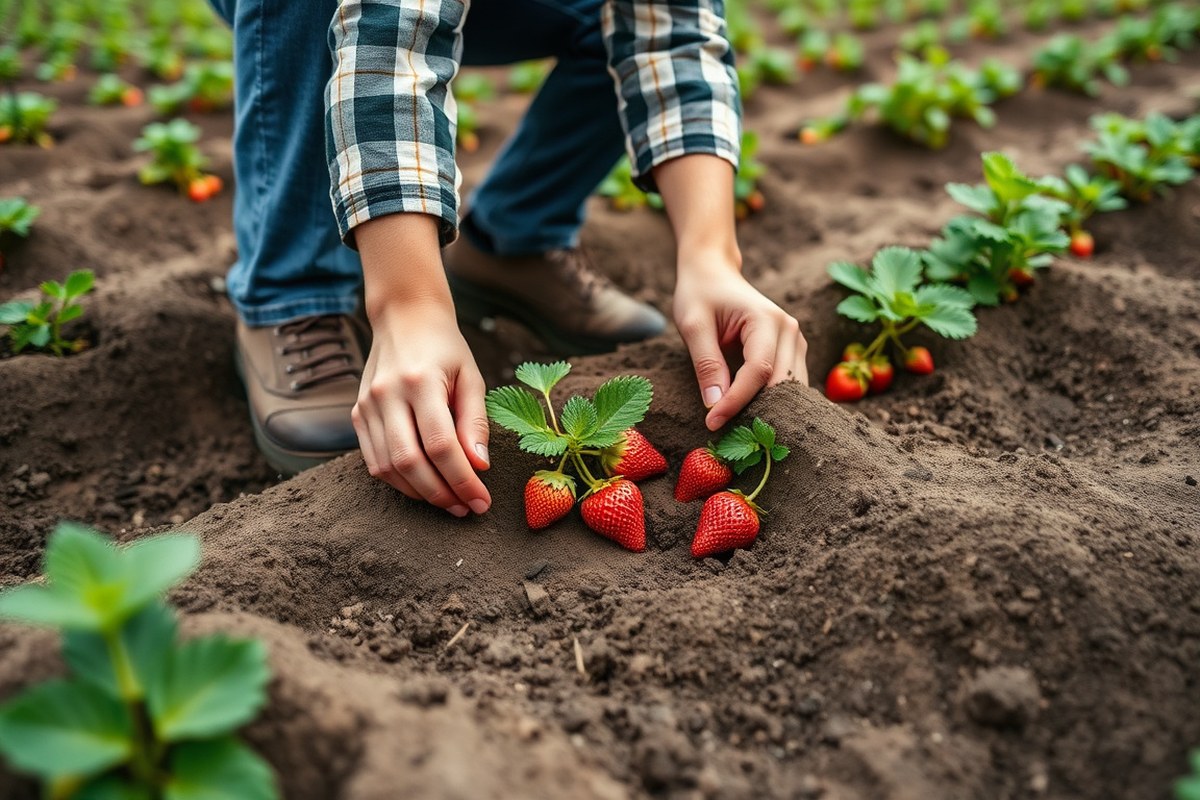
Get loose, well-draining soil mixed with compost ready first. Keep plants about 12 to 18 inches apart based on type. Set crowns so roots just get covered, then press soil around firmly.
Soil Testing and Amendments
Check the pH level and nutrients in your garden soil. Strawberries like slightly acidic soil with pH from 5.5 to 6.5. Work in compost 1 to 2 inches deep for better soil life and drainage.
Loamy soil that drains well prevents root rot and helps roots spread. Avoid planting in heavy clay or waterlogged areas unless you improve drainage first. Compost also encourages beneficial microbes that support root growth.
Plant Spacing for Different Strawberry Varieties
Space summer-fruiting and everbearing strawberry plants 12 to 18 inches apart. Allow about one square foot per plant to reduce competition and improve airflow. This spacing helps prevent diseases and boosts fruit size.
Alpine strawberries are smaller and tolerate closer spacing around 8 to 12 inches. Their runners are less vigorous, so they take up less space. Use wider spacing for varieties that produce lots of runners to keep the patch manageable.
Correct Planting Depth and Techniques
Dig holes wide enough for roots to spread without bending them. Put the plant so the crown is level with soil. Don’t bury the crown too deeply or leave it high.
Keep it right at soil surface for best growth. Firm the soil gently around roots to remove air pockets.
Plant strawberries in early spring or late summer. The soil should be warm to help roots grow faster. This timing gives plants a strong start.
Water strawberries well right after planting. Add straw mulch about 1 inch thick to keep soil moist.
Mulch also guards the berries from dirt and sun. Avoid planting when soil is soggy to prevent root damage.
- Test your soil’s pH and nutrient levels with a kit or lab.
- Mix 1 to 2 inches of compost into the top 6 to 8 inches of soil.
- Mark planting spots 12 to 18 inches apart depending on strawberry type.
- Dig holes wide enough to accommodate roots without bending them.
- Place strawberry crowns level with soil surface, then firm soil gently.
- Water the newly planted strawberries thoroughly right after planting.
- Apply a thin 1-inch straw mulch layer around plants to keep moisture in.
Make sure crowns are not buried too deep. That can cause rot and kill the plant early.
Watering and Fertilizing Strawberries Effectively
Strawberries should get about 1 to 1.5 inches of water each week. Water the soil deeply, avoiding wetting leaves and fruit to reduce disease. Morning watering with a drip system or soil soaking works best.
Give new plants water and a balanced fertilizer as soon as you plant them. This helps them start growing well.
When you see new leaves in spring, apply a 10-10-10 all-purpose fertilizer around each plant base. Water it in thoroughly to feed the roots.
After berries are harvested, thin your plants and mow foliage to about 1 inch. At this point, fertilize again to support recovery and next year’s growth. Keep the soil moist throughout the growing season.
Increase watering on hot or dry days. This helps plants stay healthy and produce fruit.
Be careful not to splash water on the fruit, as it can cause rot. Grow only three or four strawberry plants in each container or hanging basket.
This gives each plant enough space and nutrients to thrive. They need enough water and nutrients without crowding to stay healthy.
Cover your strawberry plants when temperatures fall below 30°F during bloom. This protects flowers from damage caused by late frost and saves fruit. Watering right after frost can reduce damage and stress.
Avoid giving too much water to young plants before berries start developing. Excess moisture early on can lower fruit size and sweetness. Water moderately for better berries later.
Pruning, Managing Runners, and Propagating Strawberry Plants
Pruning, Managing Runners, and Propagating Strawberry Plants
Prune strawberry plants after your last harvest to keep them healthy. Removing runners helps the plant use energy to grow fruit, not baby plants. You can also propagate new plants by rooting healthy runners.
Timing and Techniques for Pruning
Trim strawberry plants right after fruiting ends. Cut the foliage back to about 3 or 4 inches above the crown. This pruning clears out old leaves and encourages fresh growth.
Removing runners during the growing season focuses the plant’s energy on berries. For day-neutral and everbearing types, pull runners completely off to prevent energy drain. June-bearing plants may allow some runners if you want more plants.
Runner Identification and Management
Look for long, thin stems stretching from the main plant. At the tip, you’ll see small leaves or a new baby plant. These runners spread your strawberry patch but reduce fruit if left unchecked.
Allow only a few runners to expand your crop. Keep most runners pruned. This helps improve berry size and yield.
Space your plants about 18 inches apart. This gives runners room to root.
Do this when you want to propagate. Remove runners as soon as they start to grow if your goal is bigger fruit.
Step-by-Step Propagation from Runners
Use healthy runners to start new plants while still attached to the parent. This method gives you fresh strawberries without buying new plants. Here’s how to do it.
- Find a runner with green leaves and a small baby plant at the tip.
- Clear some soil beneath the baby plant without detaching it.
- Press the baby plant gently into the soil. Use a peg or wire to hold it down. This protects the plant.
- Keep the runner connected to the parent to ensure water and nutrients flow.
- Water the soil around the baby plant regularly.
- Wait 2 to 3 weeks for roots to form firmly in the soil.
- Cut the runner stem between the parent and baby plant once roots are strong.
- Transplant the new plant if you want it elsewhere, or let it grow in place.
Choosing the Right Strawberry Variety for Your Garden
There are four main types of strawberry plants: June-bearing, everbearing, day-neutral, and alpine. Each type offers different harvest patterns and suits various climates and growing goals. Picking the right variety helps you get the harvest timing you want.
It also decides the yield you’ll have. Choose one that fits your garden space well.
June-Bearing Strawberries Characteristics
June-bearing strawberries produce one large harvest over 3 to 4 weeks in early summer. The berries are usually large and perfect for making preserves, jams, or freezing. These plants grow best in cool climates.
They need a cold period under 45°F (7°C). This cold triggers their blooming cycle.
After harvest, you should renovate June-bearing beds to keep high yields for the next few years. This involves mowing leaves, thinning plants, and fertilizing early in the next growing season. You get a big batch all at once instead of spread-out fruit.
Day-Neutral and Everbearing Types
Everbearing strawberries have two main crops, one in spring and another in fall. With proper care, you might get a smaller third harvest in late summer. They work well in moderate climates and provide fresh berries over a longer time.
Day-neutral varieties keep producing fruit all season without a specific rest period. They thrive in warmer areas and grow well in containers, patios, or small gardens. These types give you a steady supply of fresh strawberries to snack on.
| Type | Harvest Pattern | Best Varieties | Best For |
|---|---|---|---|
| June-bearing | One large crop in 3, 4 weeks (June) | Allstar, Earliglow, Jewel, Chandler | Preserves, jam, freezing, big batches |
| Everbearing | Two crops: spring and fall | Ozark Beauty, Fort Laramie | Fresh eating across the season |
| Day-neutral | Continuous light crop all season | Seascape, Albion, Tristar | Container growing, constant fresh supply |
These types offer multiple harvests. They require more care, like fertilizing twice a season.
Be ready for extra attention to grow them. They also cost a bit more effort but reward you with fresh fruit beyond summer months.
Alpine Strawberries Overview
Alpine strawberries are much smaller but very sweet compared to other types. They don’t produce runners and are best grown in sunny, well-drained spots. These berries are mainly for fresh eating, not bulk harvests.
Alpines suit colder gardens where bigger plants struggle. They also fit pots or window boxes for direct snacking. Expect fewer berries overall, but their flavor is often more intense and delicate.
Start your strawberry plants in early spring or late fall. Match the planting time to your climate zone. This ensures better growth and yield.
Protecting Strawberries from Frost, Temperature, and Environmental Stress
Strawberries grow best when temperatures stay between 60°F and 80°F. Temperatures above 60°F but below 80°F support healthy fruiting. When heat goes over 85°F, plants may stop flowering and fruiting drops.
Late spring frost can damage strawberry flowers even on hardy types. Check the forecast when buds or blossoms appear.
Cover plants with a layer of straw or frost cloth a few weeks before expected frost. This keeps the crown and flowers warmer and prevents damage.
Frost at night means you should cover plants late in the afternoon. Use breathable garden fleece or old sheets.
Remove covers by mid-morning once temperatures rise to avoid overheating. For container strawberries, you can move pots indoors or to a sheltered spot.
Day-neutral strawberries fruit continuously between 35°F and 85°F. Keep these varieties in places where temperatures don’t drop below freezing at night. Failing that, protect them as you would the June-bearing types during frost events.
Environmental stress like too much heat or dry soil causes small fruit and reduced yields. Stress during flowering reduces berry size and quantity. Water regularly and avoid letting the soil dry out, especially when berries form.
Too much heat above 85°F can stop flowers from forming. Provide afternoon shade using shade cloth or plant near taller crops to block midday sun. Avoid shade all day.
Strawberries need 6 to 10 hours of sun daily. This helps them produce the best fruit.
After 3 or more years, strawberry plants yield fewer fruits partly due to environmental wear. Renovate beds or start new plantings to keep fruit production strong. Older or crowded plants also face more stress and need better care or replacing.
Growing Strawberries in Containers: Adjusted Care Tips
Choose containers at least 12 inches wide and 8 inches deep for strawberries. Larger pots offer more soil and moisture, which helps roots grow better.
Clay, ceramic, or plastic pots work well. But make sure they have drainage holes to avoid waterlogging.
Strawberries need well-drained, rich soil with a pH between 5.7 and 6.5. Use equal parts potting soil and compost. Add peat moss or coconut coir too.
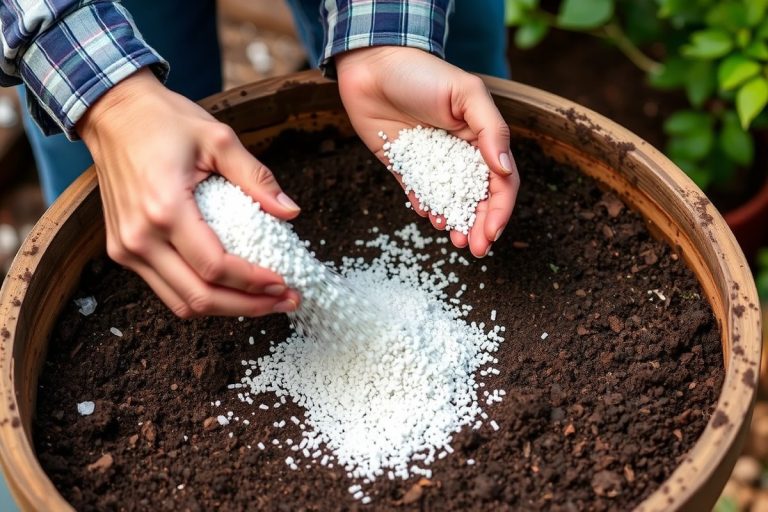
This mix holds moisture and gives nutrients to plants. Add perlite or sand to the soil mix.
This improves drainage in containers. Good drainage stops root rot from soggy soil.
Growing strawberries in containers means watering more often than garden beds. Soil in pots dries out faster, so water whenever the top inch feels dry. Use balanced, water-soluble fertilizer every two weeks.
This happens during the growing season only. It replaces nutrients lost through drainage.
- Pick containers with good drainage holes to prevent soggy roots.
- Mix potting soil with compost and peat moss for fertility and moisture.
- Check soil moisture daily; water when the top inch is dry.
- Feed container strawberries with balanced fertilizer every two weeks.
- Place containers where plants get at least 8 hours of sunlight.
- Avoid letting pots stay wet, as this leads to root problems.
Temperature swings in containers can stress strawberries faster than in soil beds. Move pots into partial shade during extreme heat to protect them. Check plants for pests regularly.
Vine weevils often attack container plants more. They are less common in ground-planted strawberries.
Container strawberries do well on patios, decks, or balconies with full sun. You’ll spend more time watering and feeding. But the flavor can be just as great as garden-grown berries.
Keep an eye on moisture and nutrients. Your container patch will produce sweet berries all season long.
Identifying and Managing Common Strawberry Pests and Diseases
Pests like aphids, spider mites, and slugs are common on strawberries. Watch for yellowing leaves, tiny spots, or holes in fruit and leaves. You might also see sticky residue or silken webs, signs of aphids and mites.
Diseases such as gray mold, leaf blight, and powdery mildew often affect strawberries. Gray mold shows as fuzzy gray patches on fruit during damp weather. Leaf blight causes brown spots on leaves and weakens plants over time.
Start pest prevention by inspecting all plants before planting. Use companion plants like garlic or chives nearby to repel harmful bugs. Also, remove dead leaves and prune to improve airflow and prevent disease spread.
You can control pests naturally by spraying neem oil. Do this every 7 to 14 days. Another option is insecticidal soap for pest control.
For slug control, use beer traps or copper tape around strawberry beds. Chemical pesticides can be applied if infestations get severe but follow label directions closely.
Avoid planting strawberries in the same spot for more than three years. This helps reduce soil diseases. It also cuts down on pest buildup.
Applying mulch helps keep fruit clean and limits fungus growth. Also, water early in the day to allow leaves to dry and reduce fungal infections. Spot gray mold?
Pick off the bad fruit right away. Destroy it to stop spores from spreading.
See leaf disease? Remove the infected leaves promptly. Then apply a copper-based fungicide as the label says.
Good drainage prevents verticillium wilt, which causes plants to wilt and die. Keep soil pH around neutral and rich in organic matter to strengthen plants.
Check plants weekly during growing season for early signs of trouble. Yellow or spotted leaves or misshapen fruit usually signal pests or disease. Quick removal and targeted treatments save healthy berries and avoid bigger problems.
Step-by-Step Action Plan for Healthy Strawberry Growth
Follow this plan to keep your strawberry plants strong and productive. Each step helps your plants grow and produce tasty fruit.
- Before planting: Choose a sunny spot with well-drained soil. Healthy plants start with the right location.
- Day 1: Plant strawberries with roots spread out and crown level with soil. Check that plants stand upright after planting.
- Week 1: Water deeply every day if soil feels dry. Soil moisture keeps roots happy.
- Month 1: Apply a balanced fertilizer once plants start growing well. Look for new leaf growth as a success sign.
- After fruiting starts: Remove runners to focus energy on fruit production. Healthy fruit means fewer runners left on plants.
- Early fall: Clean up dead leaves and mulch plants for winter. Mulch protects crowns from frost damage.
- Next spring: Watch for pests and diseases weekly. Early spot treatments prevent serious problems.
- Each season: Rotate or replace plants every 3 years for better yields. Older plants produce fewer berries.
Frequently Asked Questions
How Often Should I Harvest Strawberries for the Best Taste?
Pick strawberries as soon as they’re fully red. Frequent picking encourages more fruit. Check your plants every two days during the peak season.
Can I Compost Strawberry Leaves and Stems After Pruning?
Yes, strawberry leaves and stems can be composted safely. They add organic material and nutrients back to your soil. Avoid composting if leaves show signs of disease.
What’s the Best Way to Mulch Around Strawberry Plants?
Use straw or pine needles as mulch around your strawberries. Mulch keeps the soil moist and reduces weeds. Apply about 2 inches deep, leaving space around the crowns.
How Do I Know If My Strawberry Plants Need More Sunlight?
Watch for leggy, pale leaves as signs of low light. Strawberries need at least six hours of direct sun daily. Move containers or beds if fruits look small and dull.
Can I Grow Strawberries from Seeds Instead of Runners?
Growing from seeds is possible but slower and trickier. Most gardeners prefer runners to get fruit faster. Seeds might take a year or more to produce berries.
Is It Okay to Grow Strawberries Near Other Vegetables in My Garden?
Yes, strawberries grow well near many vegetables like spinach or beans. Avoid planting near brassicas, which might stunt growth. Companion planting can improve pest control and soil health.
The Bottom Line
Good strawberry care means paying steady attention all year. Start with healthy soil and consistent watering. Check your plants regularly to catch problems early and enjoy fresh berries season after season.