How to Make Soil Acidic: 8 Proven Ways for Healthy Acid-Loving Plants
Knowing how to make soil acidic helps grow healthy acid-loving plants like blueberries. The main trick is to lower the soil pH below 7, making it more acidic.
Add materials like elemental sulfur or peat moss to adjust soil chemistry gradually. These materials change soil acidity bit by bit over time.
Test your soil’s pH first to find out how much acid it needs. Soils vary a lot in how much change they require. Mixing acidic materials into the top 6 to 8 inches speeds up the process.
Avoid rushing the process, since some products take weeks to fully lower pH. Using natural materials also helps balance healthy soil life while reducing environmental impact.
Watch your soil’s pH over time to see if you need more acid added. Keeping an eye on changes helps you keep the soil healthy.
Key Takeaways
- Test your soil pH at home before adding any acidifying material.
- Use elemental sulfur to lower pH gradually and effectively.
- Peat moss can acidify soil but needs to be worked in deeply.
- Adjust amounts based on soil type: more for clay, less for sandy soil.
- Blend soil amendments thoroughly into the upper 6 to 8 inches of soil. This speeds up soil improvement and boosts treatment results. Proper mixing ensures better integration of added materials.
- Expect pH changes in 3 to 6 weeks after applying sulfur.
1. What Does It Mean to Make Soil Acidic?
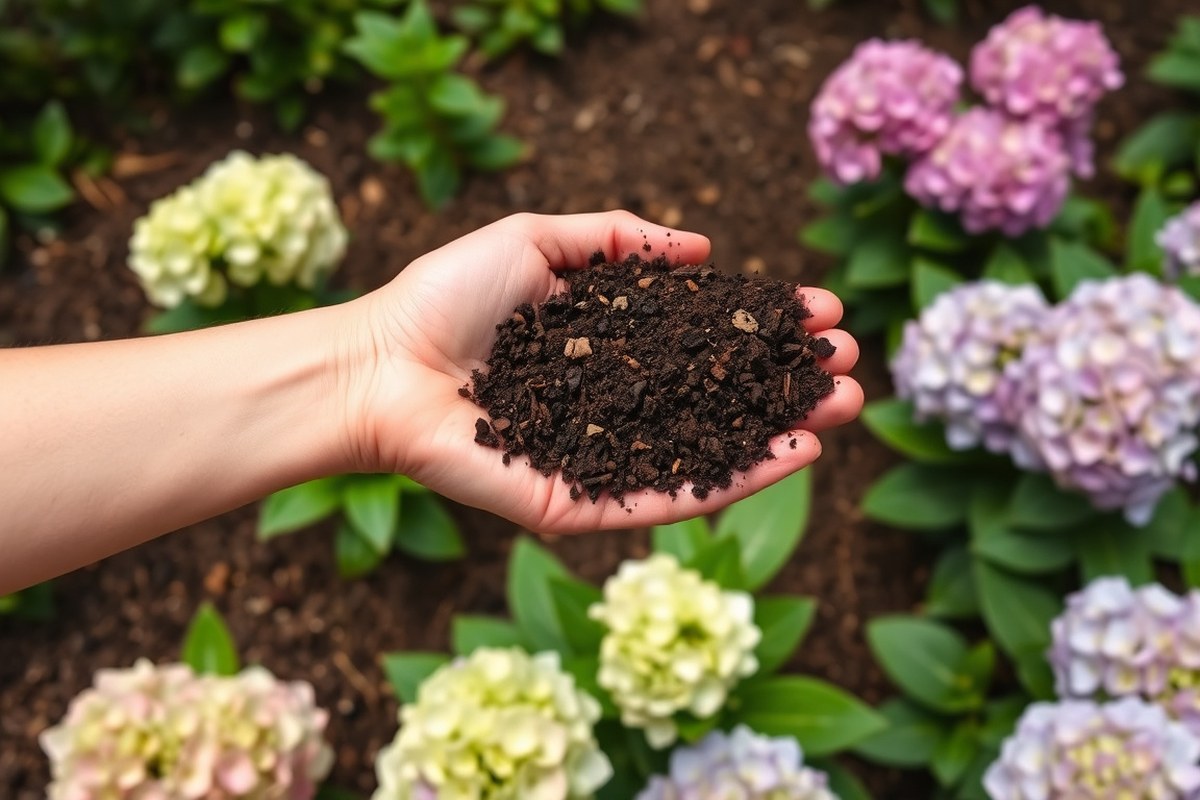
Soil acidity means how much acid is in your soil and is measured by pH. The pH scale runs from 0 to 14, where 7.0 is neutral.
Numbers below 7 mean the soil is acidic. The lower the number, the more acidic it is.
For example, soil with a pH of 5.5 is acidic. 6.5 is slightly acidic and 7.5 is alkaline. Most plants prefer slightly acidic soil.
But acid-loving plants need a more acidic environment to grow well. This is because acidity affects how well plants can absorb nutrients from the soil.
Acidic soil helps certain plants, like blueberries and azaleas, get nutrients like iron and manganese. Without the right acidity, these plants might struggle or show yellowing leaves. Making soil acidic involves lowering its pH, usually by adding specific amendments that increase acidity.
Lowering soil pH takes some time and care. It’s a good idea to know your soil’s starting pH with a test. After that, add acids like sulfur to lower the pH slowly.
You can also use organic materials for this. Do it gradually until you reach the level you want.
Be cautious not to make soil too acidic, if pH falls below 4.0, it can harm many plants and soil microbes. Also, some home remedies, like vinegar, can kill plants instead of helping. Choose amendments carefully and follow the application instructions for safe, effective acidification.
2. How to Test Soil pH at Home and Understand Results
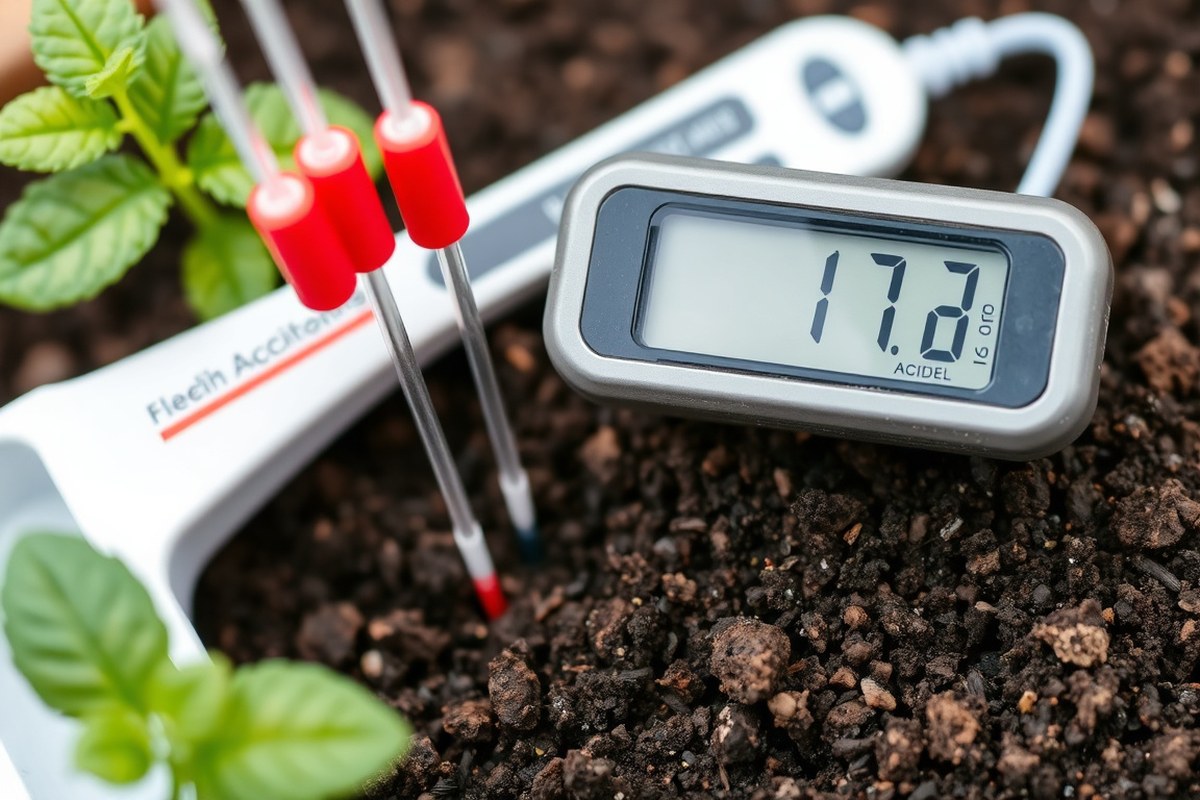
You can test soil pH at home with simple tools. You can also send samples to a lab for analysis.
Testing helps you know if your soil needs acidifying and guides your next steps. Follow some simple steps to collect soil and understand the results accurately.
Choosing a Soil pH Test Method
DIY soil test kits are popular for home gardeners. They give fast results, usually under a minute, and cost between $10 and $30. These kits often come with test strips or a digital meter tailored just for soil pH.
Digital meters cost about $40 at stores like The Home Depot. They are fairly accurate when you calibrate them. Follow the instructions carefully for best results.
For the most accurate pH reading, send soil samples to a lab. Check with your local cooperative extension or a university lab. They usually charge a small fee and provide detailed analysis.
How to Collect and Prepare Soil Samples
Take multiple samples from different garden spots to get a true reading. Soil pH can vary widely even in the same yard. Collect soil from about 4-6 inches deep, where roots grow the most.
Mix the samples in a clean container, then let the soil dry if it’s wet. This mix will represent your garden’s average condition for testing.
- Use a clean trowel or soil probe to dig 4-6 inch deep samples in various areas.
- Collect about a cup of soil from each spot.
- Mix all samples together in a clean bucket or bowl.
- Remove stones, debris, and any organic lumps.
- Let the soil air dry if it’s moist.
- Put about one cup of mixed soil into the test container. Use this soil sample whether testing at home or sending to a lab.
Testing moisture can throw off results. Always use dry soil when testing pH.
Interpreting Soil pH Results for Garden Use
Soil pH below 7 means acidity; above 7 means alkaline. Most garden plants thrive between 6.0 and 7.2, but some need more acid soil.
Your pH is above 7. This means your soil is alkaline.0, your soil is alkaline and may benefit from acidification.
Numbers around 6.0 or lower signal naturally acidic soil. Aim to shift soil pH gradually, checking the pH every few months during changes.
Use your test results to pick acid-loving plants or decide how much acidifier your soil requires. Raspberries, for example, grow best with a slightly acidic soil pH close to 6.0 or lower.
3. 8 Effective Ways to Make Soil More Acidic
You can make soil more acidic by adding elemental sulfur. Certain fertilizers and organic matter also help increase acidity.
Some options act quickly, while others work gradually. Choosing the right method depends on your soil type, budget, and plant needs.
Applying Elemental Sulfur for Lasting pH Change
Elemental sulfur is a common and effective way to lower soil pH over time. Soil bacteria convert sulfur into sulfuric acid, which acidifies the soil slowly and steadily.
It works best in warm, moist soil. Full effects take several months to appear.
Here’s how to apply elemental sulfur:
- Test your soil pH to know how much sulfur you need. Usually, 1 to 3 pounds per 100 square feet lowers pH by about one unit.
- Spread the sulfur evenly over the soil surface, avoiding clumps. Use less if your soil is sandy and more for clay soil.
- Incorporate the sulfur into the top 6 inches of soil with a garden fork or tiller.
- Water the area well to activate soil bacteria that convert sulfur to acid.
- Repeat testing every 3 to 4 months and reapply if needed to maintain the desired pH.
Don’t overapply, or you could harm plants. Elemental sulfur is budget-friendly but needs patience for results.
Using Organic Materials: Peat Moss, Pine Needles, Compost
Adding organic materials like sphagnum peat moss, pine needles, and compost can naturally increase soil acidity. Peat moss has a low pH between 3.0 and 4.5 and works gradually within a season. Pine needles and oak leaves add mild acidity and improve soil texture.
Composted materials from acidic items like coffee grounds help lower soil pH. Tree needles work too. Coffee grounds add nitrogen but don’t significantly change pH long-term if used alone.
Mix these materials into soil or use them as mulch. This slowly acidifies soil over time.
Organic matter helps the soil hold moisture and nutrients better. Mulch with pine needles or add peat moss each year. This helps keep soil acidity steady.
Selecting and Using Acidifying Fertilizers
Ammonium-based fertilizers lower soil pH by releasing hydrogen ions during nitrification. Good choices include ammonium sulfate and ammonium nitrate. These also supply nitrogen, boosting plant growth while acidifying soil.
Apply fertilizers as the package directs. Usually, use 1 to 2 pounds per 100 square feet.
Overuse can burn plants or overly acidify soil, so follow directions carefully. Water after applying to help nitrogen absorb into soil.
Consider timing fertilizer use with planting or growing seasons for best results. These fertilizers work faster than sulfur or organic matter. But you must use them repeatedly to keep pH low.
4. How Soil Type Affects Acidification Success
Soil texture greatly impacts how you should add acidifiers. Sandy soil lets water drain fast and holds less nutrients. So acidifiers work quickly but don’t stay long.
Clay soil holds nutrients and water tightly. So it needs more acidifier and time for the pH to shift. Loamy soil sits between these two and requires moderate acidifier amounts.
Clay’s dense particles bind to sulfur compounds, making it harder to lower pH. Clay soil often needs 10 to 20 pounds of elemental sulfur. This amount applies to every 1,000 square feet.
You use it to adjust soil acidity. Sandy soil might need just 2 to 5 pounds for the same effect. Organic matter content also plays a big role.
More organic matter means more acid is produced naturally as it breaks down. This can reduce the amount of acidifier you need to add.
| Soil Type | Typical Sulfur Needed (per 1,000 sq ft) | Acidification Speed | Adjustment Tips |
|---|---|---|---|
| Sandy | 2 – 5 lbs | Fast but short-lived | Apply sulfur in smaller, frequent doses |
| Loamy | 10 – 15 lbs | Moderate | Mix in organic matter like peat moss |
| Clay | 15 – 20 lbs | Slow but lasts longer | Work sulfur deep into soil and aerate |
For clay soil, till the sulfur deeper to reach tightly packed soil layers. Oak leaves or pine straw add organic acids as they break down. These help keep the soil acidity steady over time.
Both are good choices for this. Sandy soils lose acidity quickly through water flow. So applying smaller amounts of sulfur regularly works better.
Organic matter changes how acidifiers act. High organic soils break down sulfur slower but keep acidity longer. Add compost or acidic mulches first when you have low organic soil.
These improve how well sulfur makes the soil acidic. This helps with long-term acidification. Otherwise, sulfur might wash away or cause uneven pH shifts.
5. How Long Does It Take to Lower Soil pH Effectively?
Elemental sulfur acts slowly in soil. So expect to wait several weeks to months to see effects. It depends on soil temperature and bacterial activity, which convert sulfur into sulfuric acid.
In warm conditions, you might notice a pH drop in 3 to 4 weeks. But cooler soils slow the process.
Organic methods, such as adding pine needles or coffee grounds, take even longer. They slowly release acids while breaking down. This process can take months to a year.
You’ll see changes only after that time. These methods work best if you keep adding organic material regularly to keep the acidity steady.
After applying amendments, retest soil pH every 4 to 6 weeks. This helps track progress and prevents over-acidification. Test your soil regularly to track pH changes.
These changes are often slow and subtle. Testing helps you know if you need adjustments.
Adjusting soil pH varies a lot with initial soil type and climate. Very alkaline soils need more time and larger amendment amounts.
Don’t expect a fast shift if the soil’s pH is far from your target range. Patience and steady monitoring deliver the best outcomes.
Always wear gloves and dust masks when handling sulfur. It’s slow but powerful and needs careful use.
6. Safe Practices and Common Mistakes to Avoid When Acidifying Soil
Using sulfur and iron sulfate can help make soil acidic, but safety matters. Both can irritate your skin, eyes, and lungs. Always wear gloves and goggles.
Use a dust mask too for safety. Avoid applying them on windy days to stop dust from spreading and causing harm.
Iron sulfate is stronger and more likely to damage plants when overused. Don’t apply more than 2 pounds of sulfur per 100 square feet.
Slow, steady changes prevent stress on your soil and plants. So add acidifiers in small amounts over weeks or months.
Sometimes gardeners try vinegar or lemon juice to acidify soil. They work but only for small areas and must be diluted. Use 1 cup of lemon juice per gallon of water.
Using too much vinegar or lemon juice changes soil pH too fast. This can hurt good soil life. It also harms your plants.
- Wear gloves, goggles, and a dust mask when handling sulfur or iron sulfate.
- Apply sulfur only up to 2 pounds per 100 square feet at a time.
- Add lemon juice diluted in water, about 1 cup per gallon, once a month.
- Never apply acidic products on windy days to avoid inhaling dust.
- Test soil pH after three to four weeks to track changes and avoid over-acidifying.
- Don’t use fertilizers like ammonium sulfate that acidify soil unintentionally.
Adding too much acid quickly strips nutrients and can cause plant stress. Watch for yellowing leaves or stunted growth as warning signs of over-acidification. Stop adding acid materials if problems appear.
Water the soil well. Garden lime can fix too much acidity. Only use lime if soil testing shows low pH.
Slow adjustments keep soil healthy and thriving. Healthy soil life breaks down acids evenly, making changes gentle enough for roots and microbes. Avoid rushing acidification to protect your soil’s long-term health and your plants’ growth.
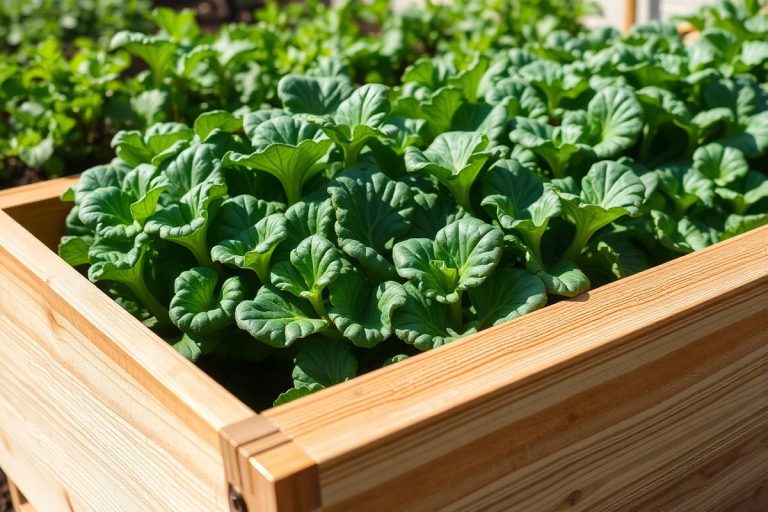
7. When to Use Raised Beds or Container Gardens for Acid-Loving Plants
Raised beds and containers let you easily control soil acidity for acid-loving plants. They work well when your natural soil is too alkaline or tough to change. Using these methods helps you avoid heavy soil digging and repeated amendments.
Advantages of Using Raised Beds for Acidic Soil
Raised beds separate plants from your existing garden soil. This protects acid-loving roots from alkaline soil that can stunt growth. They also warm faster in spring, which helps plants grow earlier.
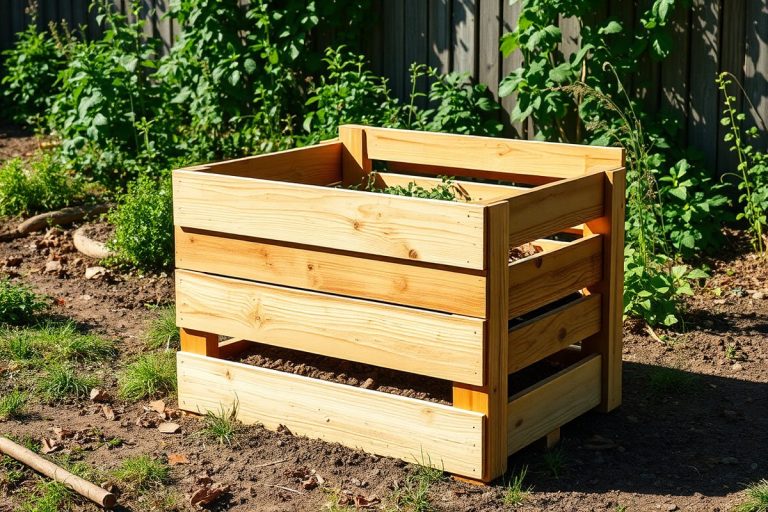
Raised beds drain better, reducing root diseases common in heavy or clay soils. You can build one from wood, bricks, or concrete blocks. Adjust the size to fit your garden space.
Raised beds let you fill them with a special acidic mix. Acid-loving plants like blueberries or azaleas prefer it.
Selecting Soil Mixes for Acidic Containers
Choosing the right soil mix is key for containers. Use a mix designed for ericaceous plants, which is naturally acidic to around pH 4.5 to 5.5. Such mixes often include sphagnum peat moss, pine bark, and perlite.
Before planting, combine these materials well and avoid regular garden soil, which may be too alkaline. Add compost or well-rotted pine needles for extra acidity and nutrients. This mix supports plants like rhododendrons, blueberries, and camellias.
Follow these steps to build and fill an acidic container:
- Choose a container with drainage holes at least 12 inches deep.
- Mix sphagnum peat moss, pine bark, and perlite in a 2:1:1 ratio.
- Add organic compost or pine needles to enrich the mix.
- Fill the container loosely, allowing space for roots to grow.
- Plant your acid-loving seeds or seedlings in the prepared soil.
- Water slowly to settle the soil without compacting it.
- Position the container where it gets suitable light for your plants.
Maintaining pH in Containers over Time
Soil pH in containers can shift quickly because water and nutrients wash through easily. Check pH every few months using a simple soil test kit. Adjust acidity by adding aluminum sulfate or a natural acidifying feed diluted as per package instructions.
Top off containers yearly with fresh acidic mix or a thin layer of pine bark mulch. Avoid overwatering, as it can leach acids and nutrients away. Using acidifying liquid feeds regularly helps maintain stable acidic conditions for your plants.
Plants such as blueberries, azaleas, and camellias perform best in these controlled conditions. Growing these plants in raised beds or containers saves time. You won’t need to change your entire garden’s soil chemistry.
8. Choosing the Best Acid-Loving Plants for Your Soil
Plants that thrive in acidic soil need the right environment to absorb nutrients. Blueberries, rhododendrons, and hydrangeas are among the most popular acid-loving plants. These plants prefer different pH levels, usually between 4.5 and 6.0, to grow well and produce vibrant blooms or fruits.
Vegetables and herbs that favor slightly acidic soil can also be part of your garden. They usually do better with a pH slightly below 6.0 but not as low as acid-loving flowering plants or berries. Adjusting soil pH helps you grow better plants at home.
It creates the best conditions for fruit, flowers, or vegetables. You get healthier, stronger plants by managing soil pH.
Here is a table listing a few common acid-loving plants and their preferred pH ranges. This will help you pick the best variety for your soil and garden style.
| Plant | Preferred Soil pH Range | Notes |
|---|---|---|
| Blueberries | 4.5 – 5.5 | Grow best in very acidic soil; won’t thrive above pH 6.0 |
| Rhododendrons | 4.5 – 6.0 | Need acidic soil to absorb nutrients properly |
| Azaleas | 4.5 – 6.0 | Similar to rhododendrons; acid soil promotes healthy growth |
| Hydrangeas | 5.0 – 6.0 | Blue flowers appear only with soil pH below 6.0 and aluminum |
| Blackcurrants | 5.0 – 6.0 | Fruit bushes that prefer slightly acidic soil |
| Carrots | 6.0 – 7.0 | Prefer slightly acidic to neutral soil, not very acidic |
You should test your soil pH before planting to ensure it matches plant needs. For mixed gardens, adjust the pH only in beds where acid lovers grow. Raised beds or containers make this easier if your natural soil is alkaline.
Some acid-loving plants, like blueberries, create acidic zones around their roots. This helps nutrient uptake but might affect nearby plants.
Choose species carefully if mixing in one garden bed. Acid-loving vegetables like blackcurrants and some herbs suit mildly acidic soils better than extreme acidity.
Adjust soil pH gradually and retest regularly to avoid shocking acid-loving plants.
Step-by-Step Action Plan to Acidify Your Soil
Follow these steps to lower your soil pH safely and support acid-loving plants. Track progress to adjust your approach as needed.
- Before you start: Test your soil pH at home with a kit. You can also send a soil sample to a lab. This shows the current acidity level.
- Week 1: Apply elemental sulfur or another soil acidifier evenly according to package directions. Wait two weeks to see initial pH changes.
- Week 3: Retest your soil pH in treated areas. Note pH drop; it should be lower than your starting point.
- Month 1: Add organic matter such as pine needles or peat moss. This helps keep your soil acidic for a long time. Mix it into the topsoil.
- Month 2 onwards: Monitor soil pH every 4 to 6 weeks during the growing season. Adjust sulfur or amendments as needed.
- Growing season: Grow acid-loving plants like blueberries or azaleas in adjusted soil. Check plants for signs of good health and growth.
- Ongoing: Avoid lime or alkaline fertilizers that raise pH. Stick with acidifying compost and mulches to maintain lower pH.
Frequently Asked Questions
Can I Use Vinegar to Make Soil More Acidic?
Vinegar can acidify soil temporarily, but it may harm plants. Use it sparingly and only in small amounts to avoid damage to roots.
What Is the Best Natural Material to Lower Soil pH?
Pine needles and Canadian sphagnum peat moss work well for natural acidification. Both slowly lower pH without harsh chemicals, ideal for organic gardens.
How Often Should I Add Acidifying Amendments to My Soil?
Acidic amendments usually need to be applied once or twice a year. Test your soil regularly to avoid over-acidifying, which can hurt plants.
Can Rainwater Make My Soil More Acidic?
Yes, rainwater is often slightly acidic and can lower soil pH over time. Collect and use it for watering acid-loving plants when possible.
Will Adding Coffee Grounds Change Soil Acidity?
Used coffee grounds are nearly neutral (pH 6.5) and don’t change acidity much. Fresh grounds are acidic but only temporarily affect soil pH.
Does Soil Acidity Affect Nutrient Availability for Plants?
Acidic soil can increase availability of some nutrients like iron but reduce others like phosphorus. Balance pH to meet the needs of your plants.
Final Thoughts
Making soil acidic takes time and careful testing. Start with a soil test to know your baseline pH. Then add sulfur and organic materials slowly while checking progress to help your acid-loving plants thrive.