How to Plant Allium Bulbs: Easy Steps for Perfect Blooms Every Time
For optimal allium blooms, set bulbs in the fall. Aim for 6 to 8 weeks before hard frost arrives. This allows roots to develop before winter starts.
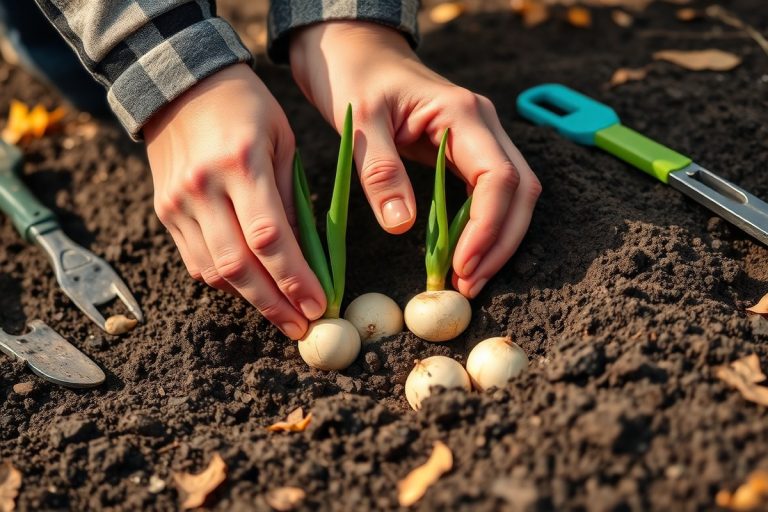
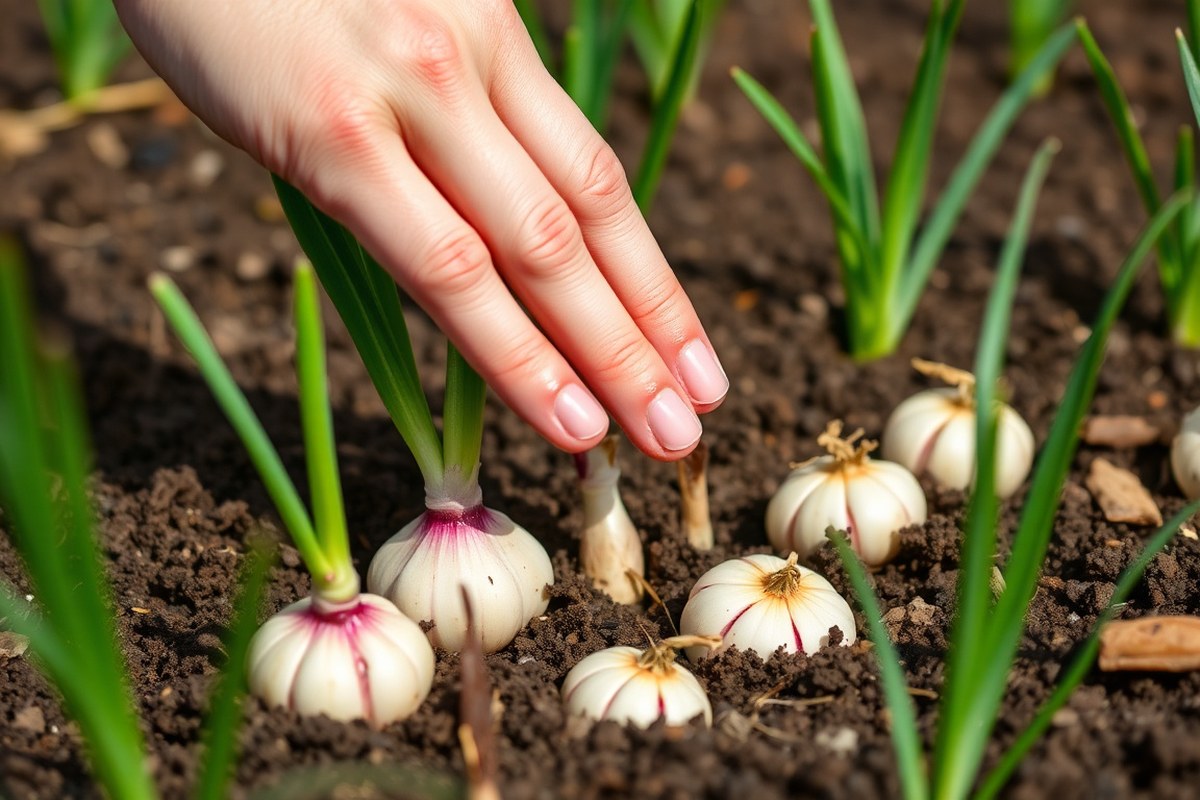
Alliums need well-drained soil and a spot with full sun. Plant bulbs with the pointed end facing up. Dig a hole 3 to 6 inches deep based on the bulb size.
Make sure the soil covers the bulb completely. Planting deeper helps protect them during cold months and encourages strong growth.
Space your bulbs 6 to 12 inches apart to give them room to grow tall. For large alliums like Allium giganteum, plant bulbs 6 to 8 inches deep. Use soil that’s at least 8 to 10 inches deep for these bulbs.
This gives enough space for roots and growth. These steps help your alliums bloom beautifully and last season after season.
Key Takeaways
- Plant allium bulbs in fall, at least 6 weeks before the first hard frost.
- Choose a sunny spot with well-drained soil for healthy allium growth.
- Plant bulbs pointy end up to support proper sprouting and growth.
- Plant small bulbs 3-4 inches deep, larger bulbs 6-8 inches deep.
- Space bulbs 6 to 12 inches apart depending on the mature size.
- Provide at least 8 to 10 inches of loose soil for tall alliums.
Best Time and Conditions for Planting Allium Bulbs
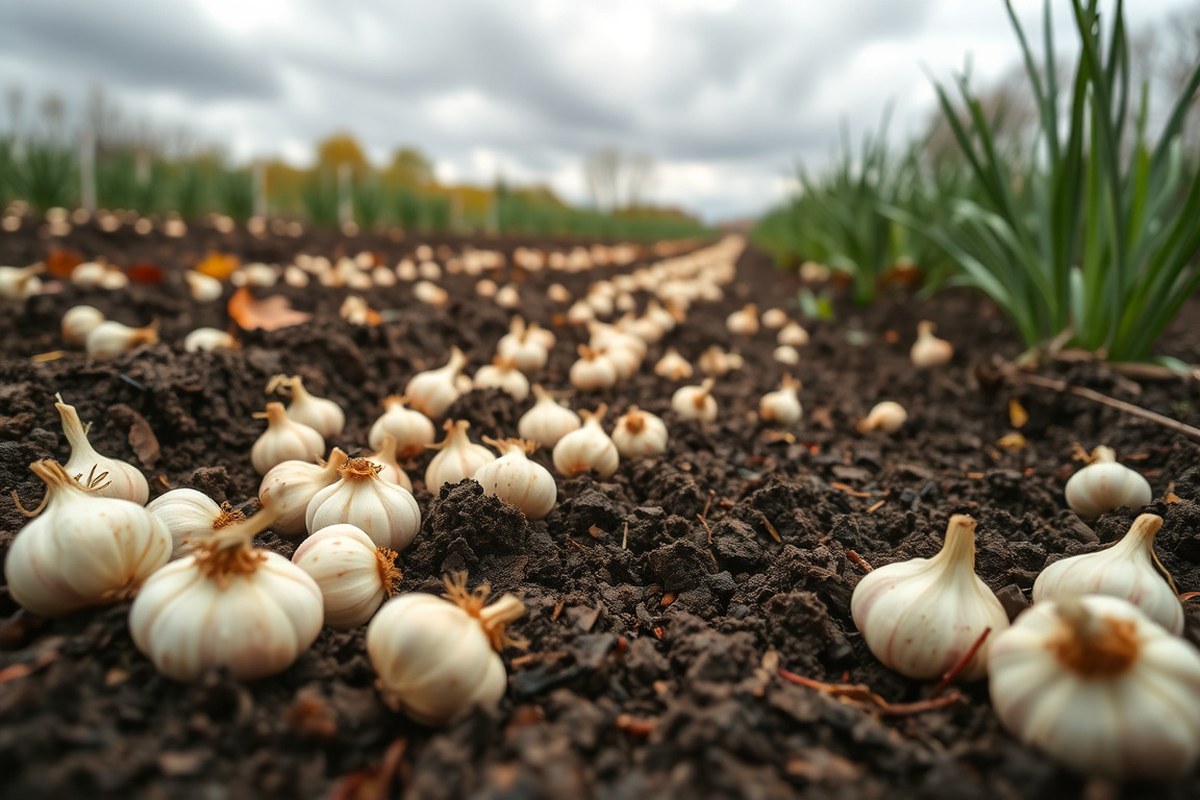
Set your allium bulbs roughly 6 to 8 weeks before frost. This usually falls between September and November. It encourages root growth through the cold months.
The soil temperature should be between 40°F and 65°F for best results. Cooler soil slows root growth.
Warmer soil can cause bulbs to sprout too early. Check local weather forecasts to pick a planting time that fits these temperatures.
Alliums need well-drained soil. Before planting, loosen soil at least 12 inches deep. Add organic matter like compost into the soil.
Mix it well for better root growth. This helps drainage and provides nutrients. Avoid soggy spots because waterlogged soil can rot bulbs.
Plant bulbs at a depth about three times their height. Most bulbs go 4 to 8 inches deep. Space them 6 to 8 inches apart to give each bulb room to grow.
Plant taller alliums deeper in the ground. Space them 8 to 10 inches apart. This gives bulbs enough soil cover and room to grow.
Heavy clay or wet soil needs raised, mounded beds for bulbs. This stops water from pooling around the roots. Raised beds help avoid bulb rot.
This extra elevation helps water drain away. For sandy soil, add compost or peat moss to improve moisture retention.
Plant bulbs with the pointed end facing up. Press soil firmly over bulbs and water them well after planting. This gets roots growing quickly and settles the soil around the bulbs.
In warmer climates, plant earlier in the fall to avoid hot soil. In colder zones, wait until September or October to avoid freezing soil.
Monitor soil temperatures if you’re unsure. Bulbs won’t grow if the ground is frozen solid.
Choosing the Right Allium Bulbs for Your Garden
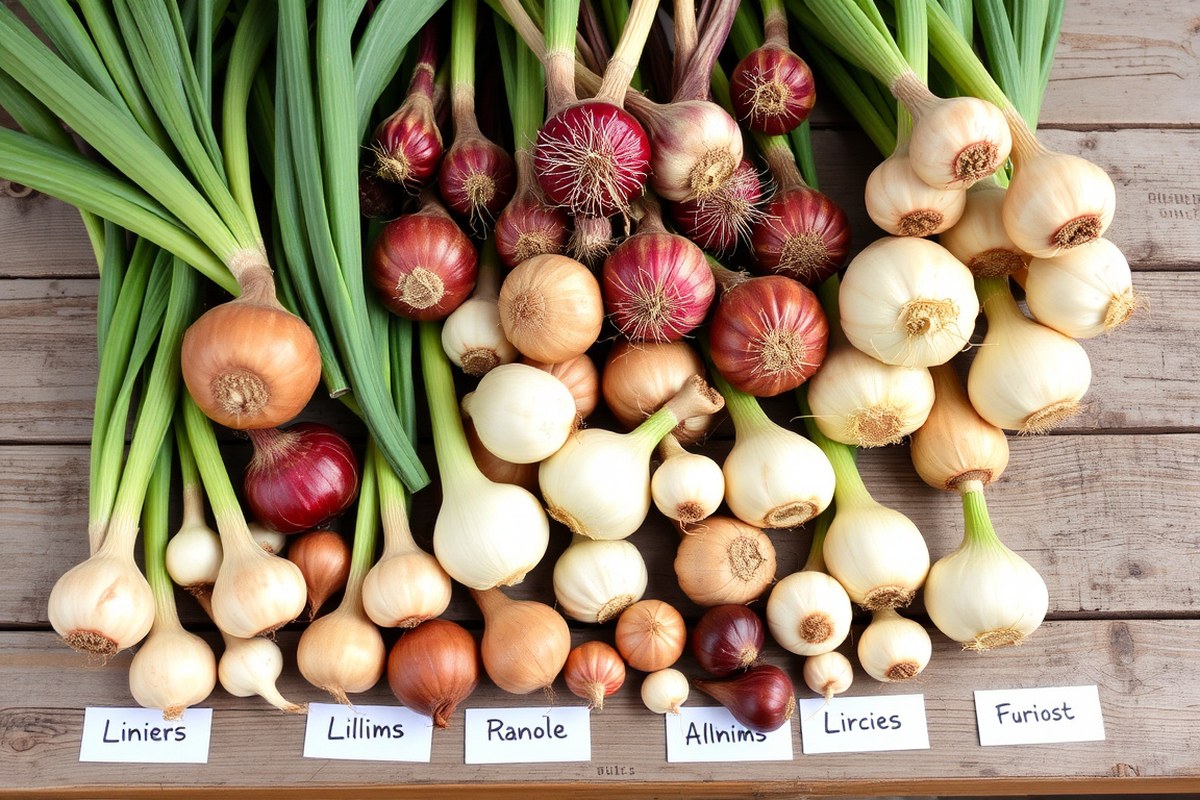
Choosing the right allium bulbs helps you create a stunning garden. Different types fit various spaces, bloom times, and heights. Understanding planting depth and spacing avoids problems later.
Small vs Large Allium Varieties
Small alliums, like Allium senescens subsp. Glaucum, grow about 20cm tall. These are good for small gardens or pots. They need shallower planting holes.
Plant them about 3 to 4 inches deep. Larger varieties can reach 90cm to 1.It can grow 5m tall, like Allium stipitatum ‘Mount Everest’.
These need holes about 6 inches deep. Space them 6 to 8 inches apart.
Spacing is key. Plant bulbs 6 to 8 inches apart so they don’t compete for nutrients. For tall types, more space prevents crowding and supports strong stems.
Flower Colors and Bloom Times
Alliums bloom mainly in late spring to early summer. Allium stipitatum flowers from May to June with soft pinkish-white blooms. Other types, like Allium giganteum, show globe-shaped purple flowers around the same period.
Color options range from pale pink, purple shades, to white, letting you plan borders with contrast. Combine bulbs that bloom together with perennials that flower before or after for continuous garden color.
Alliums Suitable for Containers
Smaller alliums, such as Allium senescens and Allium ‘Globemaster’, grow well in containers. Their size and moderate height keep pots balanced and easy to move. Use pots at least 8 to 10 inches deep to allow root growth and proper drainage.
Choose well-drained soil and a sunny spot for containers. Plant bulbs four times their diameter deep, usually 3 to 4 inches for these smaller types. Avoid overcrowding pots; leave about 3 inches between bulbs.
Plant each bulb four times its diameter deep to protect it and ensure strong growth.
How to Store Allium Bulbs Before Planting
Store allium bulbs in a cool, dry place if you can’t plant them right away. Keep temperatures between 50°F and 60°F to avoid rot. Proper airflow and low humidity help bulbs stay healthy for up to a few months.
Unpacking and Inspecting Bulbs
Open the package carefully to avoid bruising the bulbs. Check for any soft spots, mold, or dryness. Healthy bulbs feel firm and have thick skins.
Discard any bulbs that show signs of damage or rot. Damaged bulbs won’t grow well and can spread problems to healthy ones when stored together.
Selecting Storage Location
Choose a spot that stays cool and stays dry, like a basement or an unheated closet. Avoid places that get too cold or damp, because bulbs can freeze or rot. Make sure the area is well-ventilated to prevent moisture buildup.
Don’t store bulbs near fruits like apples. Apples release gases that make bulbs sprout early.
This can harm the bulbs before planting. Keep bulbs away from direct sunlight to prevent drying out.
Monitoring Bulbs Before Planting
Check stored bulbs every week for signs of mold, shriveling, or sprouting. Remove any bulbs that look unhealthy right away. Good bulbs remain firm, plump, and free of spots.
Plant sprouting bulbs indoors as soon as you see shoots. Early planting helps them grow better. Storing bulbs longer than 2 to 3 months can cause problems.
They may rot or dry out. This lowers chances of strong growth later.
Right after you get your allium bulbs, follow these steps. This keeps bulbs healthy before planting. Use proper storage and care methods.
- Open the packaging gently to avoid injury to the bulbs.
- Inspect each bulb for firmness and any signs of damage.
- Discard any soft, moldy, or dried-out bulbs immediately.
- Find a cool, dry place with temperatures between 50°F and 60°F.
- Ensure the storage spot has good air circulation and low humidity.
- Keep bulbs away from fruits and direct sunlight.
- Check bulbs weekly for rot, sprouting, or shriveling.
- Plant bulbs as soon as possible, ideally within 2-3 months.
Step-by-Step Guide to Planting Allium Bulbs
Planting allium bulbs at the right depth and spacing helps them grow strong and bloom well. Smaller bulbs like Moly or Drumstick need shallower holes.
Medium bulbs like Purple Sensation go deeper. Proper positioning ensures roots develop well and shoots grow straight up.
You’ll need a garden trowel, gloves, and a measuring tool or ruler to space bulbs evenly. Using bone meal can boost root growth. Use a balanced bulb fertilizer too.
Add either in the planting hole before you plant. Space bulbs wide enough to allow good airflow.
This lowers disease risks. It also helps you see each plant as it grows.
- Dig holes about 4 to 6 inches deep for medium bulbs. Smaller bulbs need 2 to 3 inches deep.
- Space bulbs 4 to 6 inches apart, leaving enough room for mature growth.
- Place each bulb pointy-side up, so shoots can grow upward naturally.
- Add a small handful of bone meal or bulb fertilizer at the bottom of each hole.
- Set the bulb on top of the fertilizer, then cover with soil and firm gently.
- Water the planted bulbs lightly to settle the soil in place.
- Mark the planted area to prevent digging or disturbance by pets or people.
Sunlight, Soil, and Location Tips for Growing Alliums
Alliums need full sun to grow strong and bloom well. Choose a spot that gets at least six hours of direct sunlight daily. This bright light helps the bulbs build energy for big, colorful flowers in spring or summer.
Good drainage is key to keeping alliums healthy and preventing bulb rot. Sandy or loamy soils work best because water moves through them easily.
Avoid heavy clay soils or spots where water pools after rain. Adding compost can improve soil texture and drainage if your soil feels dense.
Plant alliums away from low or shaded areas under large trees or bushes. These places often trap moisture and shade, which slow bulb growth and lead to fungal diseases.
Also, never plant alliums where infected bulbs were before. The fungus that harms them can live in soil for years and reinfect new plants.
For tight spots like containers or small gardens, choose sunny areas. Make sure these spots drain well. Use pots that have drainage holes.
Allium caeruleum, for example, thrives in sunny pots with good airflow and drainage. Water bulbs lightly after planting but don’t soak them. They like even moisture but not soggy soil.
Never plant alliums in soil that stays wet or where bulbs previously showed disease signs. The bulbs will rot or fail to flower.
Caring for Allium Bulbs After Planting
After planting allium bulbs, you should water them well right away. This helps settle the soil around the bulbs and starts their growth. Once alliums start growing in spring, water them weekly.
Do this only if rain doesn’t give enough water. Check the soil moisture to decide. Avoid overwatering, as wet soil can cause bulbs to rot.
Alliums don’t need much fertilizer, but a light feeding helps boost flower size. Apply a balanced, slow-release fertilizer (like 10-10-10) in early spring when leaves first appear.
Use about 1 tablespoon per plant, worked gently into the soil surface. You can repeat feeding mid-growth if leaves look pale or weak.
Managing foliage is important because allium leaves die back when flowering finishes. Leave the leaves alone until they turn yellow and dry. This usually happens 6 to 8 weeks after they bloom.
Let the plant rest before trimming. This lets the bulb store energy for next year. You can gently cut off dead leaves if you want.
Trim carefully to avoid hurting the healthy parts. But many gardeners just let surrounding plants cover the fading allium leaves.
- Water bulbs thoroughly after planting to settle soil.
- Water weekly during growth if rain is scarce.
- Fertilize with a balanced slow-release fertilizer in early spring.
- Repeat light feeding mid-season if leaves are pale.
- Let foliage die naturally before trimming or removing it.
- Mask dying foliage with nearby plants for better appearance.
- Watch for aphids and treat if you spot distorted growth.
Watch your alliums for pests like aphids that damage leaves. Aphids make leaves distort and can spread viruses, so check plants often. You can treat them with gentle insecticidal soap if needed.
Taking good care helps bulbs grow big and healthy. They will produce bright flower heads each year. Keep up with watering and feeding.
Protecting Allium Bulbs from Pests and Diseases
Allium bulbs usually resist many problems, but pests and diseases can still affect them. Watching for issues early helps protect your plants. You can keep your bulbs healthy with simple prevention and quick action.
Identifying Common Pests
Onion flies often target allium bulbs and leaves. They look like small grey flies buzzing around the plants. You might notice wilting or yellowing leaves where larvae have fed inside the bulb or stem.
Slugs don’t usually bother alliums, but watch for snail trails or leaf damage. Other pests like thrips or aphids can sometimes appear, causing distorted or discolored foliage. Check your alliums often under leaves and near the soil line.
Look closely for tiny insects that may be hiding there. Catching pests early helps protect your plants from damage.
Recognizing Allium Diseases
Allium white rot causes bulbs to rot and leaves to yellow and wilt. It survives in the soil for years, making it hard to get rid of. Downy mildew appears as grey or purple fuzzy spots on leaves.
It usually shows up during wet or humid weather. Watch your plants closely for these signs.
Fungal infections turn leaves slimy or patchy and can stunt plant growth. Bulbs starting to rot may have soft spots and a bad smell. This means the infection has spread deep inside.
Remove affected bulbs to stop spread. Catching these symptoms early lets you act before your whole patch is affected.
Prevention and Organic Treatments
Plant bulbs in well-drained soil to stop allium white rot and other fungal diseases. Avoid soggy spots where water gathers after rain or watering. Clean up dead leaves and burnt plant parts right away to remove infection sources.
Rotate your planting spots yearly. Don’t plant alliums in the same place for at least five years.
Using insecticidal soap can control aphids and thrips without harmful chemicals. For onion flies, use row covers during early growth to block adult flies.
Organic fungicides with copper or sulfur can help stop downy mildew. Always follow the instructions on the label carefully. Using them right keeps your plants safe.
Remove and burn infected plant material to reduce disease spread. Plant healthy bulbs that are firm and without rotting spots.
This gives your alliums a better chance to grow strong. Check bulbs carefully before planting.
Planting Alliums in Containers and Special Circumstances
Choose containers with good drainage holes and at least 8 to 12 inches deep. Alliums need space for their bulbs to spread and roots to grow. Use a high-quality potting mix combined with coarse sand or perlite for extra drainage.
Alliums dislike soggy soil, so never let water collect in the pot bottom. Water only when the top inch of soil feels dry to the touch.
Avoid overhead watering to prevent rot. Keep containers in a sunny spot that gets at least 6 hours of direct light daily.
Alliums do well indoors if placed near a bright window with good airflow. Pick smaller varieties or species like Allium insubricum for small spaces or balconies. Rotate the pot weekly to ensure even growth and blooming on all sides.
For clay soil or tricky garden spots, containers help you control soil quality and moisture better. You can also move pots indoors for winter or heat spells, protecting bulbs from harsh weather. Replant bulbs in fresh soil every two years to prevent pest buildup and fatigue.
Use a mix of potting soil and sand to keep drainage optimal. Soggy soil leads to bulb rot.
Step-by-Step Action Plan for Planting Allium Bulbs
This plan guides you through planting allium bulbs for strong growth and bright blooms.
- Before planting: Choose firm, healthy bulbs and store them in a cool, dry place. Check they are free of mold or soft spots.
- Day 1: Prepare your soil by loosening it and mixing in compost or organic matter. Good soil helps roots grow well.
- Within 2 days: Plant bulbs 4 to 6 inches deep, pointed end up. Space them 6 to 8 inches apart for air and room to grow.
- Right after planting: Water the bulbs gently to settle soil around them. Your soil should be moist but not soggy.
- First week: Mulch around the planting area with bark or leaves. This keeps moisture in and helps stop weeds from growing.
- Weekly for 4 weeks: Check soil moisture and water when the top 2 inches feel dry. Avoid overwatering to prevent rot.
- After 4 weeks: Watch for shoots emerging in early spring. Remove mulch carefully to let sunlight reach growing leaves.
- During growth season: Fertilize once with a balanced, slow-release fertilizer. This helps alliums bloom fully and stay healthy.
Frequently Asked Questions
How Deep Should I Plant My Allium Bulbs?
Plant allium bulbs at a depth three times their size. Plant the bulb about 4 to 8 inches deep.
This depth helps protect it. It also supports healthy growth.
Can I Plant Allium Bulbs Around Other Flowers?
Yes, alliums mix well with perennials and shrubs. Their tall stems and round blooms add structure and interest to flower beds.
How Long Do Allium Bulbs Take to Flower?
Allium bulbs typically flower in spring or early summer. It usually takes one growing season after planting for blooms to appear.
Should I Water Allium Bulbs Right After Planting?
Pour plenty of water on the bulbs right after planting. They grow best in soil that drains well. Water them only once in a while after that.
Can I Replant Allium Bulbs After They’ve Bloomed?
It’s best to leave bulbs in the ground until foliage dies back. Then you can dig them up, divide, and replant in the fall.
What’s the Best Way to Fertilize Allium Bulbs?
Use a balanced, slow-release fertilizer in early spring. This helps boost growth and flower size without risking bulb burn.
Before You Go
Planting allium bulbs carefully leads to healthier plants and beautiful flowers. Start with good soil and proper planting depth. Check your bulbs often and enjoy watching them grow.