How to Grow Cucumbers on a Trellis: Easy Steps for Healthy Vines and Bigger Harvests
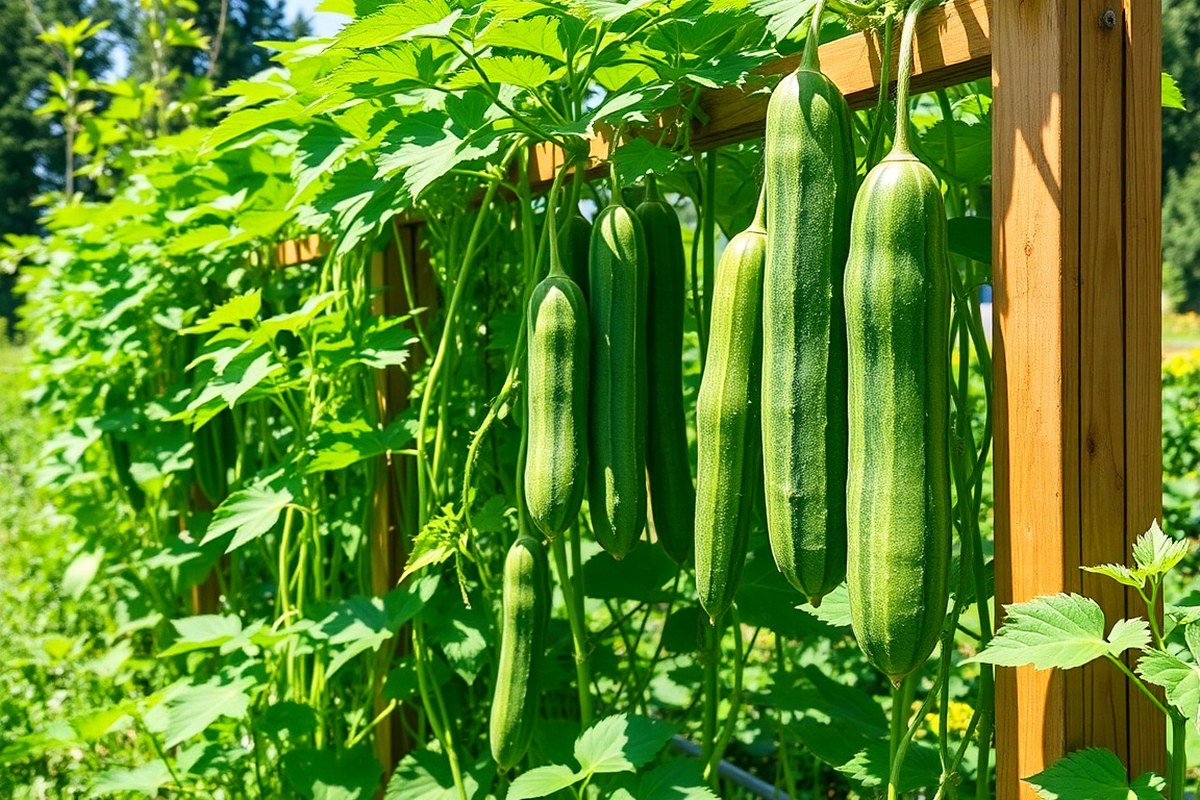
Knowing how to grow cucumbers on a trellis makes a big difference. You get healthier vines and can easily pick bigger cucumbers. Trellising stops the plants from sprawling on the ground where they can rot or get pests.
Pick a trellis that stands 4 to 5 feet tall. Cucumber vines stretch long as they grow. Tall support helps them climb better.
Plant your cucumber seeds about 12 inches apart at the trellis base. Wait until the vines are 6 to 8 inches long before training them up the trellis.
Trellising cucumbers helps the air circulate better and boosts fruit production. You’ll find it’s easier to water and harvest when the vines are off the ground. This simple method gets you more cucumbers without extra space.
Key Takeaways
- Use a trellis at least 4 feet tall for cucumber vines to climb well.
- Space cucumber seeds about 12 inches apart near the trellis base. This distance stops crowding and aids healthy growth. Seed placement helps vines climb the trellis smoothly.
- Wait for cucumber vines to reach 6 to 8 inches before training upward.
- Pick cucumbers every 2-3 days to encourage steady fruit production.
- Keep cucumber plants off the ground to reduce rot and pest problems.
- Air circulation improves dramatically with vertical cucumber growth on a trellis.
How to Grow Cucumbers on a Trellis Step by Step
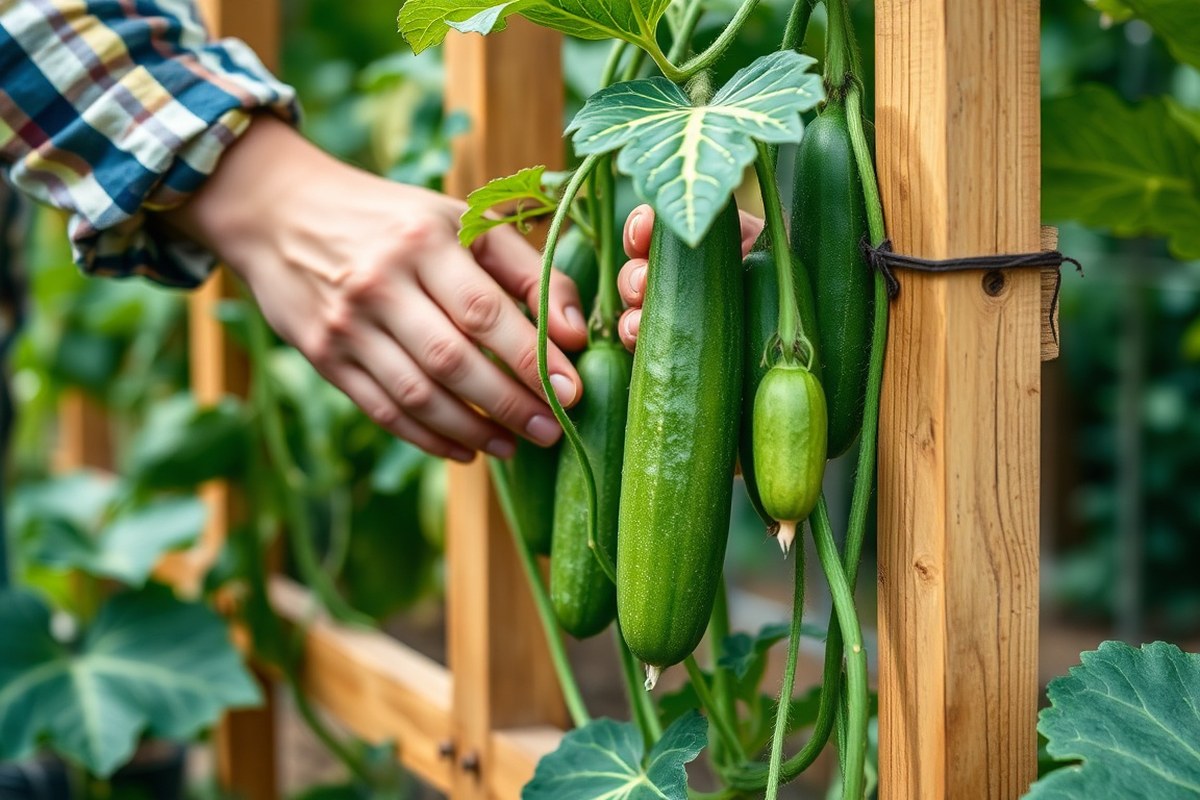
Growing cucumbers on a trellis starts with careful planting and training. Plant seeds or seedlings 1 inch deep along your trellis base. Space them 12 inches apart to give them room to grow.
This spacing gives each plant enough light and fresh air. It helps reduce diseases. The vines can grow strong and tall.
Start guiding cucumber vines onto the trellis when they are 6 to 8 inches tall. Wait until tendrils appear to help support them. These tendrils will naturally grip the support.
But you can help by gently wrapping vines around the trellis. Keep an eye on your plants daily during early growth to avoid tangling or overcrowding.
Ongoing care includes regular watering to keep soil moist but not soggy. Feeding your cucumbers monthly with a balanced fertilizer supports steady fruit production. Check your plants often for pests and diseases.
Remove damaged leaves fast. Use organic controls as needed to protect your cucumbers.
- Prepare the soil and choose a sunny spot for your trellis.
- Plant cucumber seeds or seedlings 1 inch deep and 12 inches apart at the trellis base.
- Use a sturdy trellis at least 4 feet tall for your cucumber vines. This height supports healthy vine growth.
- Start training vines onto the trellis when plants reach 6 to 8 inches tall.
- Gently guide tendrils to attach to the trellis, wrapping vines as needed.
- Water plants regularly to keep the soil moist, especially during flowering and fruiting.
- Fertilize monthly with a balanced fertilizer to support growth and fruit set.
- Monitor for pests and diseases; remove damaged leaves and treat problems early.
Why Growing Cucumbers on a Trellis Works Better
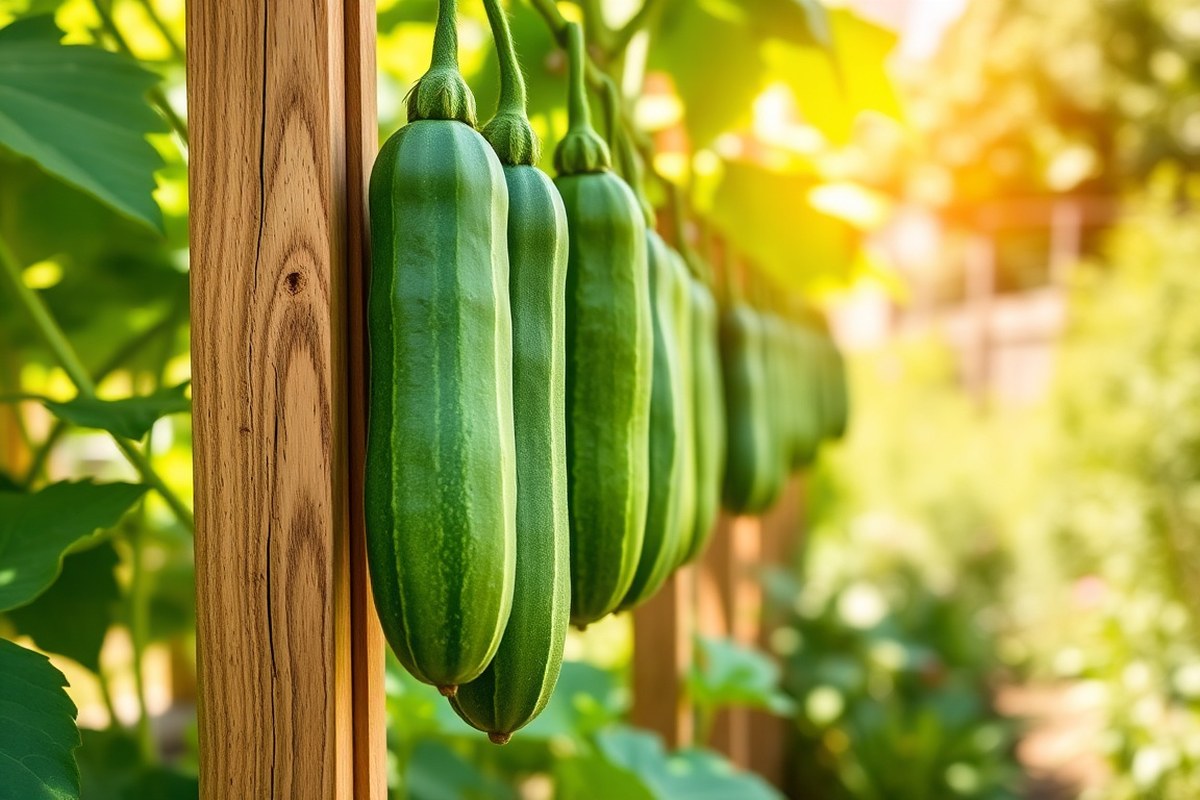
Growing cucumbers up a trellis keeps the vines off the ground. This saves space by using vertical room. You can grow more cucumbers in less garden area, especially in raised beds or small plots.
Vertical growth improves airflow around the plants. Better airflow reduces fungus and other diseases common in cucumber beds. This means you get healthier plants and fewer spots on your cucumbers.
Trellised cucumbers tend to stay cleaner and straighter than ground-grown ones. When lying on soil, cucumbers often curl or get dirt spots. Hanging on a trellis, they grow long and smooth, making them easier to pick and store.
The improved air circulation also helps keep pests away. Bugs that like damp, crowded leaves are less likely to thrive. You’ll notice fewer problems like powdery mildew and cucumber beetles on trellised plants.
Vining cucumber types are best for trellising. Their tendrils grab the trellis and support the fruit well. Bush varieties don’t climb well.
They need some support. This keeps fruit off wet soil.
Setting up a trellis may cost a little time and money for materials. You’ll want a structure at least 5 to 6 feet tall so cucumbers can hang freely. Using wooden stakes, wire, or recycled fencing works well and is affordable.
Picking is faster and easier with a trellis. You don’t have to bend down or dig through tangled vines.
This helps you avoid breaking young cucumbers and losing yield. Over a season, yield can increase significantly by managing vines vertically.
Make sure your trellis is sturdy and tall enough. Weak supports can collapse under the weight of the growing cucumbers.
Using a trellis lets you plant cucumbers closer together because the fruit grows upward. You save ground space for other vegetables or pathways. Choose vertical growing when space is tight.
It helps organize your garden. Plants also stay healthier.
Trellising saves space and keeps harvests cleaner. It improves airflow, which lowers disease.
It also supports bigger, better crops. It’s a small effort that pays off with higher yield and less hassle every cucumber season.
Choosing the Best Trellis Type for Your Cucumbers
You have several popular trellis options for growing cucumbers. Wooden framed lattice, cattle panel arches, string grids, and DIY A-frames each work well. Choosing depends on your garden size, budget, and how sturdy you want the support.
Wooden Framed Trellis with Lattice
This type uses 2×2″ wood for the frame and 1×1″ wood for lattice crossbars. Concrete wire or wood lattice fills the frame for the cucumbers to climb. It’s sturdy, lasts a few seasons, and looks neat.
Installation usually takes a couple of hours. It costs about $30 to $60.
The price depends on wood costs. Wooden trellises fit well in smaller gardens or formal settings where aesthetics matter.
Cattle Panel or Metal Arch Trellis
Cattle panel, often 16 feet long, offers heavy-duty support for the vines. You can bend it in half for an arch shape that cucumbers love to climb. This trellis is the longest lasting and can last many years with no replacement needed.
Panels cost around $40 to $60 and come from farm or tractor supply stores. Its metal frame is sturdy and holds up well.
It works in big gardens or raised beds. It’s great for strong vertical growth.
String or Twine Vertical Grids
You can stretch string or twine vertically between stakes or poles in your garden rows. This option is very budget-friendly and lets cucumbers grow straight up in narrow spaces. It’s lightweight and quick to set up.
String grids cost under $10 if you use garden twine and stakes you already own. They work best in small gardens or raised beds.
They don’t last as long. You need to replace them yearly.
A-Frame and Other DIY Options
Lean-to trellises made from wooden pallets, old lattice, or remesh fencing are easy DIY solutions. An A-frame is a simple design with two wood panels or fences leaning against each other. These are affordable and customizable.
Costs range from $10 to $50 depending on material reuse and tools available. DIY trellises are good for gardeners who want to build using what they have. They suit gardeners who change garden layouts often.
Here is a comparison table summarizing popular trellis types for cucumbers:
| Trellis Type | Material | Cost Range | Durability | Best For |
|---|---|---|---|---|
| Wooden framed lattice | Wood + concrete wire or lattice | $30 – $60 | 3-5 years | Small to medium gardens, neat appearance |
| Cattle panel arch | Metal cattle panel (16 ft) | $40 – $60 | 5+ years | Large gardens, raised beds, heavy use |
| String or twine grids | String or twine + wooden stakes | <$10 | 1 season | Small or narrow spaces, budget-friendly |
| A-frame and DIY lean-to | Wood pallets, lattice, remesh fencing | $10 – $50 | 1-3 years | DIY projects, flexible garden layouts |
Choosing the right trellis depends on garden size and how long you want it to last. Metal cattle panels are the steadiest but cost more upfront.
Wooden lattice trellises fit better in smaller spaces and offer moderate durability. String grids save money but need yearly replacement.
How to Properly Space and Plant Cucumbers for Trellising
Space cucumber plants about 12 to 18 inches apart along the trellis. This spacing lets air flow between vines to reduce disease risk. Crowding invites mildew and pests that harm growth and yield.
Plant cucumber seeds or seedlings 1 inch deep in loose, well-drained soil. Soft soil lets roots spread easily for stronger plants. Compact or heavy soil can stunt root growth and reduce harvest.
Prepare planting holes by loosening soil about 12 inches apart along the trellis base. Add organic compost to enrich the soil and improve drainage. Mixing in compost costs little and yields healthier vines and better fruit.
- Space plants 12 to 18 inches apart for airflow and room to climb
- Plant seeds or seedlings 1 inch deep to avoid waterlogging
- Loosen soil and add compost before planting holes
- In raised beds, maintain the same spacing and soil prep steps
- In containers, use smaller trellises and space plants 10 to 12 inches apart
- Avoid planting near potatoes or aromatic herbs to prevent growth inhibition
- Check soil moisture regularly to keep it evenly moist but not soggy
Raised beds don’t need wider spacing. Keep 12 to 18 inches between cucumber plants there too.
Container-grown cucumbers should be closer, about 10 to 12 inches apart, since space is tight. Use cage or teepee trellises to fit container plants while supporting the vines.
Good soil prep and proper spacing lay the foundation for healthy cucumber vines on your trellis. Proper airflow keeps leaves dry and reduces disease, while planting depth encourages strong roots. Both factors help your cucumbers climb well and produce plenty of fruit.
Training and Supporting Your Cucumber Vines on Trellis
Start training your cucumber vines as soon as they grow a few inches tall. Look for their first tendrils to help guide them naturally up the trellis. Tie the vines gently using soft ties only when they need extra support.
Recognizing the Right Time to Start Training
Begin training cucumber vines when they are 4 to 6 inches long and have tendrils. Tendrils are tiny, curly structures that grab onto supports. These tendrils let vines climb without tying in many cases.
Watch for vines reaching 8 to 12 inches to start guiding them upward. At this stage, gently weave them through the trellis openings.
Training too early risks breaking young vines. Waiting too long makes it harder to control their direction.
Gently Guiding and Tying Main Stems
Use soft garden ties or twine to secure vines without squeezing them. Ties help keep vines close to the trellis when tendrils don’t reach a hold. Don’t tie too tightly; allow some room for growth and movement from wind.
Follow these steps to guide and tie your cucumber vines safely:
- Check vine length and tendril presence before handling.
- Gently lift the vine and weave it through the trellis grid.
- Locate a stable point on the trellis near the vine stem.
- Wrap a soft tie loosely around the stem and trellis.
- Secure the tie with a gentle knot or clip that won’t cut the vine.
- Repeat every 8 to 12 inches along the main stem.
Use soft cloth strips or rubber plant ties to prevent cutting into vines.
Managing Side Shoots and Pruning
Trimming side shoots keeps vines focused on growing up, not out. Remove shoots growing away from the trellis to avoid crowding or tangling. This improves air circulation, reducing disease risk.
Pinch off extra growth using clean fingers or scissors. Do this when side shoots grow a few inches. Removing these helps your cucumber plant focus on big fruits.
Don’t remove all side shoots, as some fruit develops on them. Trim only the longest or poorly placed ones.
Regular Inspections and Adjustments
Check your cucumber vines every 3 to 5 days during peak growth. Loosen any tight ties to prevent stem damage as the vine thickens. Adjust the direction of growth gently by repositioning vines or weaving tendrils.
Retie loose vines or add extra support if the trellis feels unstable. Look for signs of stress or breakage and fix them quickly. Regular attention keeps your cucumbers healthy and fruiting well all season long.
Caring for Trellised Cucumbers: Watering, Fertilizing, and Pest Control
Cucumber plants on a trellis need regular, deep watering to stay healthy. Aim to give 1 to 2 inches of water each week. Water deeply to soak soil 6 to 8 inches down.
This helps the roots grow strong and healthy. Water early in the day to keep leaves dry and reduce disease risk.
Use a balanced fertilizer with a ratio like 10-10-10 for steady growth. Apply fertilizer when plants begin to climb and again once they start flowering. Use slow-release pellets or liquid feed every 3 to 4 weeks.
This provides a steady supply of nutrients to your plants. It helps them grow better over time.
Pest problems on trellised cucumbers mainly involve cucumber beetles and aphids. The vertical setup helps reduce soil pests but keeps leaf pests visible and easier to control. Check leaves often and remove any damaged ones promptly to stop infections.
- Water deeply about once a week; adjust if soil dries faster
- Apply balanced fertilizer twice during growth: after climbing and flowering
- Spray insecticidal soap for aphids if found early
- Remove wilted or damaged leaves to prevent disease spread
- Ensure good airflow around vines to limit mildew
Watch for powdery mildew, a common cucumber disease, showing as white spots on leaves. Good airflow and fungicide sprays can prevent and treat it. Downy mildew appears as yellow patches and needs early watering plus removing infected parts.
Bacterial wilt causes leaves to suddenly wilt and die; it spreads by cucumber beetles. Controlling those beetles with traps or safe insecticides helps stop this disease. Remove any infected plants quickly to avoid losing your entire crop.
Best Cucumber Varieties for Growing on a Trellis
Vining cucumber varieties climb best on trellises because they naturally produce long, flexible stems. Bush cucumbers, on the other hand, grow short and compact. So they often don’t need as much support.
Choose vining types when you want cucumbers to grow vertically. This saves space using your trellis.
Vining Slicing Cucumber Varieties
Slicing cucumbers grown for fresh eating often have long vines that easily climb a trellis. They use thin, curling tendrils to grab on and grow upwards. These varieties offer higher yields when trained on a 3 to 6-foot tall trellis.
Some popular slicing cucumbers that thrive vertical include Marketmore 76 and Tasty Green. They produce thin-skinned fruits, making harvesting simple when growing up a trellis.
Pickling Types Suited for Trellising
Many pickling cucumbers are also vining and grow well on trellises. Their compact fruits benefit from vertical growth to reduce ground rot and pest problems. National Pickling and Telegraph varieties are great choices for trellis growing.
Since pickling cucumbers tend to be smaller, trellising helps keep them clean and straight. This method improves the quality of your pickles.
| Variety | Type | Growth Habit | Recommended Trellis Height (ft) |
|---|---|---|---|
| Marketmore 76 | Slicing | Vining | 3, 6 |
| Tasty Green | Slicing | Vining | 3, 6 |
| Telegraph | Pickling | Vining | 3, 6 |
| National Pickling | Pickling | Vining | 3, 6 |
| Sweet Green Armenian | Specialty | Vining | 3, 6 |
Choosing vining varieties listed in the table makes it easier to get good vertical growth. These cucumbers naturally climb and need a sturdy trellis 3 to 6 feet tall. The trellis holds their weight and promotes healthy air circulation.
Bush Cucumber Types with Optional Support
Bush cucumbers grow compact and spread out. Trellising bush types is optional because their short vines can’t climb well. Trying to force them up a trellis usually wastes time and effort.
Use a low frame or grid to support bush cucumbers. This keeps fruits off the ground. This helps reduce rot and makes picking easier but doesn’t replace a tall trellis.
When selecting seeds, read the description carefully for “vining” or “bush” habits. Pick vining varieties for vertical space-saving growth and bush types for smaller garden spots without trellising.
Preventing and Fixing Common Trellised Cucumber Problems
Vine breakage happens mostly when cucumbers grow heavy and pull down too fast. Use strong materials like bamboo or metal for your trellis to prevent collapse. Check your supports regularly as vines thicken and fruits get heavier.
Common pests include cucumber beetles, aphids, and spider mites. They feed on leaves, weakening plants and spreading diseases.
Spray insecticidal soap or neem oil early. Remove visible pests by hand to keep damage low.
Plants that don’t climb or get tangled need gentle help. Tie young vines loosely to the trellis with soft garden ties every few days.
Guide new growth upward using your fingers. Avoid tying too tight or you’ll damage the stems.
Replace or reinforce supports every season or when you notice warping, rust, or splintering. Bamboo can last for two seasons if kept dry.
But metal trellises might be sturdier for years. Reinforce weak spots with zip ties or garden wire.
- Check trellis for firmness every week during peak growth
- Regularly prune overly dense foliage to reduce weight
- Keep soil moist but not soggy to prevent vine stress
- Inspect vines often for yellow leaves or spots signaling disease
- Use row covers early in the season to block pests
- Train new side shoots to spread evenly and avoid tangling
- Remove diseased leaves immediately to stop spread
Don’t wait for a trellis collapse, support your vines before they get heavy and cause damage.
Also, avoid overwatering, which can weaken vines and increase disease risk. Regularly check beneath dense leaves for powdery mildew or leaf spot and treat promptly. These small steps help your cucumber vines stay healthy and climb strong all season long.
Adapting Trellising Techniques for Raised Beds and Containers
Yes, you can trellis cucumbers in containers and raised beds. Raised beds give you firm soil and better drainage, which helps cucumber roots grow deep. Containers need careful watering since they dry out faster.
So plan to water more frequently. Use pots at least 12 inches deep to give roots room to spread.
Building trellises in smaller spaces means choosing compact designs like lattice panels or vertical netting. A sturdy wooden or metal frame fits well in raised beds along the edges. For containers, attach a lightweight trellis to the pot.
Or use a small freestanding frame that fits inside. This supports cucumber vines well. Make sure the trellis is 5 to 6 feet tall to handle vigorous growth.
Watering raised beds requires steady moisture since they drain quickly. Check soil often and water deeply when the top 1 inch feels dry. You might need to water containers daily in hot weather.
Fertilizing is similar for both but easier to control in raised beds. Use a balanced fertilizer every 3 to 4 weeks.
Or side-dress with compost to feed plants steadily. Avoid overfeeding to keep cucumbers healthy.
Spacing cucumbers in raised beds stays close, about 12 inches apart in rows 24 inches wide. This saves room and encourages vertical growth. Containers need just one plant per pot to avoid crowding.
Support should be firm. Use twine or clips to tie vines gently as they climb. Check ties often to prevent damage as plants grow quickly.
Raised beds let you build arches between two beds to support vines overhead. This method adds airflow and easy picking. In containers, keep trellises upright against a wall or fence for stability.
Avoid flimsy support since wind can tip pots or break weak trellises. Secure your setup well with stakes driven deep or heavy bases.
Successful trellising for cucumbers in these setups takes attention to water, space, and support. Well-built trellises save space, boost yield, and keep fruit clean. Watch plants for signs of dryness or crowding.
Adjust watering or spacing as needed. Raised beds and containers can grow cucumbers well.
You just need some planning to get it right. They work like open ground for cucumbers.
Step-by-Step Action Plan for Growing Cucumbers on a Trellis
Follow these clear steps to get your cucumbers growing vertically fast. Each step includes what to do and how to check your success.
- Before Planting: Choose a sunny spot with well-drained soil. Check that your trellis is sturdy and set it up firmly.
- Planting Day: Sow cucumber seeds 1 inch deep. Keep seeds 12 inches apart. Plant them at the base of the trellis. Seeds should sprout within 7 to 10 days.
- Week 2: Thin your plants to one seedling every 12 inches if needed. Look for healthy green sprouts and remove weaker ones.
- Week 3: Begin training young vines gently onto the trellis using soft ties or clips. Make sure the vines climb upward steadily.
- Week 4 to 6: Water deeply and regularly, about 1 inch per week. Check leaves for signs of dryness or yellowing.
- Week 6: Start feeding plants every two weeks with balanced fertilizer. Watch for new fruit starting to form on vines.
- Ongoing: Keep an eye for pests like cucumber beetles and powdery mildew. Treat early with organic methods or remove damaged leaves.
- Harvest Time: Pick cucumbers when they reach 6 to 8 inches long and are firm. Frequent harvesting encourages more fruit.
Frequently Asked Questions
How Tall Should My Trellis Be for Growing Cucumbers?
Your trellis should be at least 5 to 6 feet tall. This height lets cucumber vines climb up and hang fruit freely without crowding the ground.
Can I Grow Cucumbers on the Same Trellis with Other Plants?
Yes, you can grow cucumbers with squash or peas on a sturdy trellis. Just make sure the trellis is strong and vines have enough space to climb separately.
Do I Need to Prune Cucumber Vines on a Trellis?
Light pruning can help keep cucumber vines organized and healthy. Removing damaged leaves or excess growth allows better air flow and sunlight on the fruits.
What Type of Cucumber Bears Fruit Better on a Trellis: Slicing or Pickling?
Both slicing and pickling cucumbers grow well on a trellis. Many gardeners prefer slicers because their longer fruits hang nicely without touching soil.
How Often Should I Tie Cucumber Vines to Trellis Supports?
Tie vines every 6 to 12 inches, especially as they grow longer. Use soft twine or strips to avoid cutting into stems as they climb.
Do Cucumbers Grown on a Trellis Require Different Watering Than Ground Cucumbers?
They need regular watering like ground cucumbers, but draining soil is key. Water at the base to keep leaves dry and reduce disease risk.
Before You Go
Growing cucumbers on a trellis saves space and boosts yields. Keep your trellis strong and your vines well trained. Go ahead and set up your trellis this week to start climbing cucumbers soon.