What Are the Easiest Vegetables to Grow: A Complete Guide for Beginners
Wondering what are the easiest vegetables to grow? Many vegetables thrive with little effort and give you a fast harvest.
Radishes, green beans, and peas grow well from seed in home gardens. These vegetables are easy to grow and handle for beginners.
Choose vegetables that grow quickly. Radishes take about 24 days to harvest. This lets you enjoy fresh veggies fast.
Pick a sunny spot with soil pH between 6.0 and 6.8 to help them grow well. Keep the soil moist but not soggy, and thin seedlings to avoid crowding.
These simple steps help you get a healthy start and a quick rewarding harvest. Growing easy vegetables builds your confidence and gets you excited to try more crops.
Key Takeaways
- Sow radish seeds half an inch deep for a harvest in about 24 days.
- Green beans grow best when seeded one inch deep and spaced 2-4 inches apart.
- Green peas take 8 to 12 weeks to grow and prefer direct soil sowing.
- Choose a slightly acidic soil pH from 6.0 to 6.8 for most vegetables.
- Thin seedlings to prevent crowding: 3-4 inches for beets, 18 inches for lettuce.
- Place vegetables that need sun in spots with 6 to 8 hours of direct light.
Top 8 Easiest Vegetables to Grow at Home
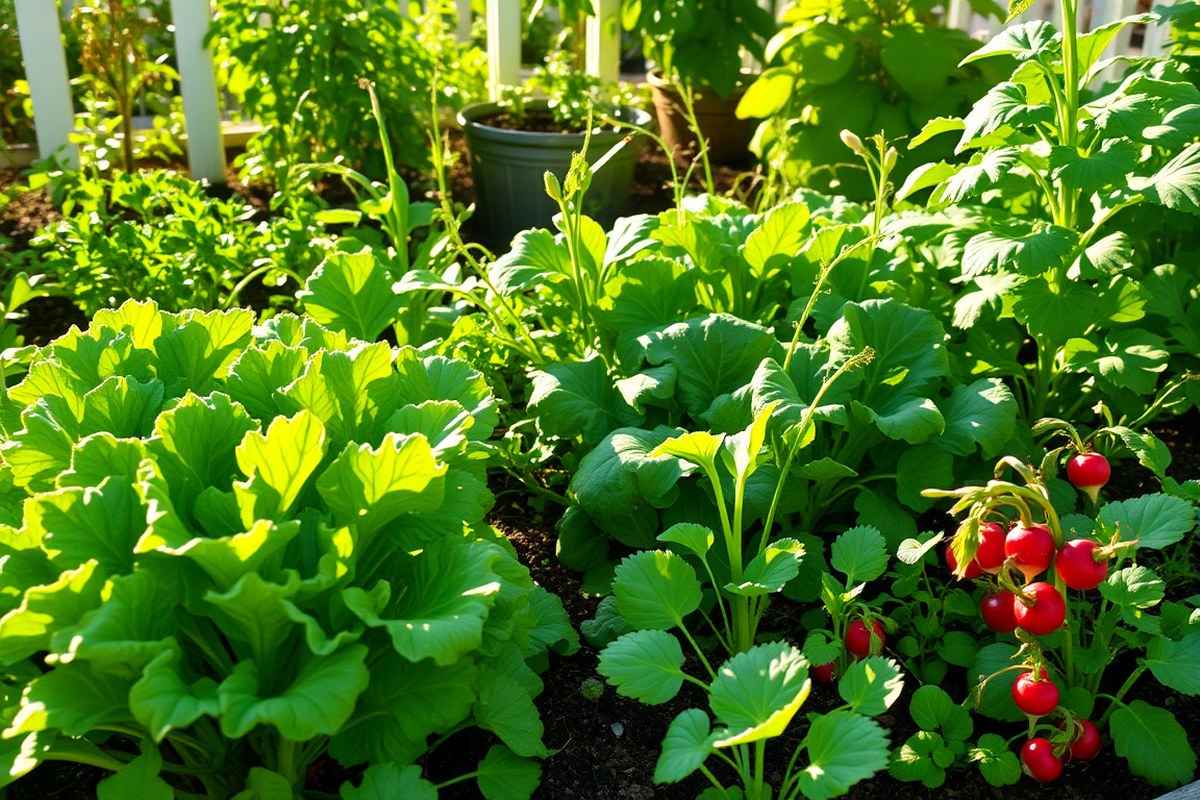
The easiest vegetables for beginners include green beans, radishes, lettuce, and Swiss chard. These vegetables grow quickly with little fuss and offer high yields. They also tolerate common beginner mistakes like irregular watering and varied sunlight.
Green Beans: Easy and Fast Harvest
Green beans grow well in most soils and need 6 to 8 hours of sunlight. They produce a good harvest in about 50 to 60 days. This makes them one of the fastest vegetables for beginners.
Growing them from seed straight in the garden works well. Support isn’t usually needed for bush varieties.
They handle heat better than many vegetables do. They resist pests if you plant marigolds nearby.
Watch for snails, a common pest, especially early on. Beans benefit from consistent watering but don’t like soggy soil.
Radishes: Quick Growing Root Vegetable
Radishes grow in as little as 3 to 4 weeks from seed. This makes them the fastest vegetable to harvest. They tolerate partial shade and loose soil.
So they work well in small or container gardens. You can plant radishes in early spring or fall for best results.
Radishes grow fast and give quick feedback on your soil and water. You can check if conditions are right soon.
They don’t require heavy feeding and usually need spacing between 1.5 to 3 inches. Watch for pests like fleas and adjust watering to avoid cracking.
Lettuce: Versatile and Shade Tolerant
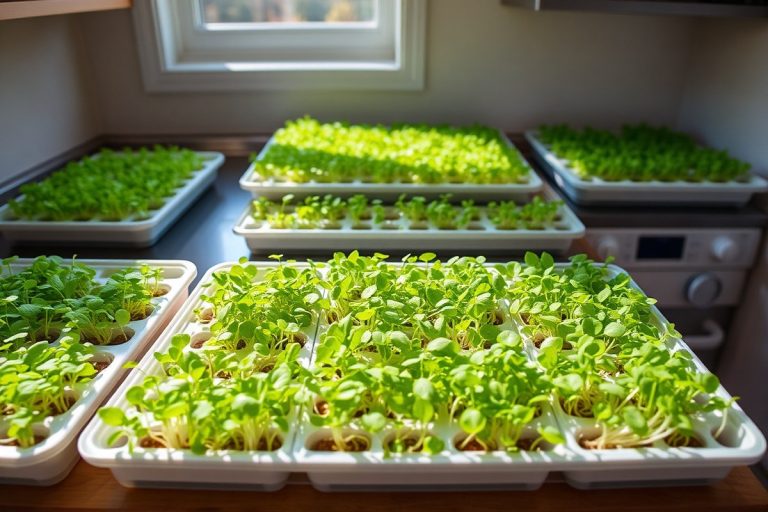
Lettuce is forgiving and grows in partial shade, which makes it ideal for many garden spots. It thrives with 4 to 6 hours of sunlight each day. It prefers cooler temperatures between 60°F and 70°F. You can grow it indoors on a windowsill or in containers if space is tight.
Lettuce grows fast, around 30 to 60 days, depending on the variety. It needs consistent moisture but not soggy soil, so check soil moisture daily. Crop spacing between 6 to 12 inches helps prevent diseases like mildew.
Swiss Chard: Hardy Leafy Green
Swiss chard grows well almost all year with at least 4 hours of sun daily. It tolerates warmer temperatures up to 85°F without problem. It also handles some shade in different gardens.
It grows from seed in 50 to 60 days. It keeps producing if you harvest leaves regularly.
This leafy green is tough against pests and diseases, so it needs less care. Space plants 8 to 12 inches apart so air circulates well. You’ll want to keep soil moist but avoid pooling water around roots.
How to Successfully Start Easy Vegetables from Seed
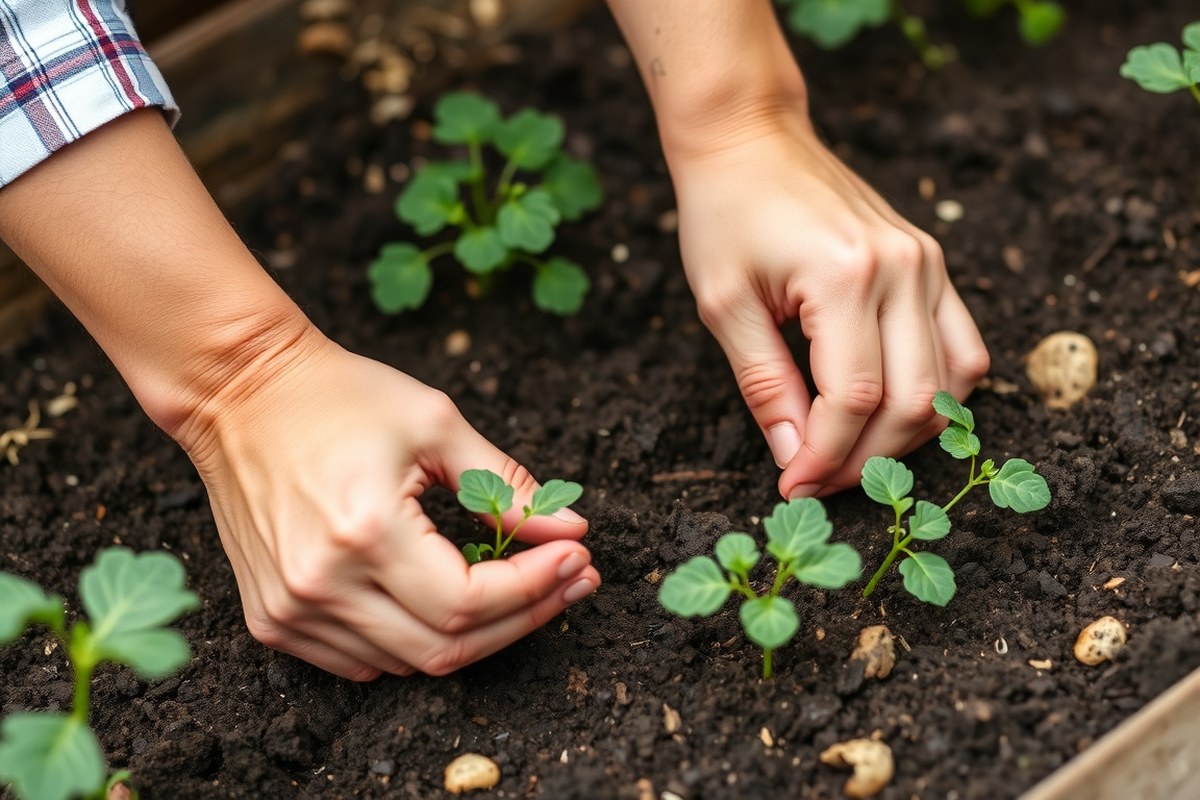
Starting easy vegetables from seed is simple if you follow some clear steps. Plant your seeds at the right depth and space them properly. Keep the soil moist while your seeds grow.
Pick the right time to plant. This helps get the best results.
Preparing the Soil for Best Seed Germination
Use quality soil that drains well but holds some moisture. Loose soil lets seeds sprout easily without being stuck or rotting. Avoid compacted or heavy clay soil, which slows down germination and root growth.
Mix in a bit of compost or aged organic matter to boost nutrients. This helps seedlings grow strong once they break the surface. Avoid adding fresh fertilizer because it can burn young roots.
Make sure the soil temperature suits your seed type before planting. Most easy vegetables start well between 50 and 80 degrees Fahrenheit. This warmth encourages fast and reliable sprouting.
Correct Planting Depth and Spacing
Plant seeds about half an inch deep, unless the seed packet says otherwise. Small seeds like lettuce or carrots need shallow planting. Beans go about an inch deep.
Space seeds 1 to 6 inches apart based on the vegetable’s size and growth habits. For example, green beans should be 2-4 inches apart.
Radishes need 4-6 inches between seeds. Thin seedlings after they sprout to 12 to 18 inches apart for enough room to grow.
Rows should be spaced about 12 to 18 inches apart if you sow in rows. This keeps air flowing and helps prevent disease.
Watering and Protecting Seedlings
Keep the soil consistently moist but not soggy during germination. Water gently using a spray bottle or fine mist nozzle to avoid washing away seeds. Water once or twice daily if soil dries quickly.
Protect young seedlings from harsh sun, strong winds, and pests. Use shade cloth if the sun is very intense at first. Cover plants with netting to stop snails and slugs.
You can also spread coffee grounds. These natural methods help keep pests away.
Once seedlings grow their first real leaves, you can reduce watering slightly. Avoid overwatering as it causes root rot and weak plants.
- Choose a well-draining, loose soil enriched with aged compost.
- Check the soil temperature to be between 50 and 80°F before planting.
- Sow seeds at the recommended depth, usually ½ inch or 1 inch for bigger seeds.
- Space seeds according to type, thinning later to about 12-18 inches apart.
- Water gently but regularly to keep soil moist without flooding.
- Provide partial shade or protection if sunlight is too strong at first.
- Watch for pests and use natural deterrents if needed.
Plant seeds no deeper than twice their size to avoid poor germination.
Sunlight and Soil Requirements for Easy Vegetable Growth
Most easy vegetables need full sun to grow well. Full sun means six hours of direct sunlight daily. Tomatoes, green beans, and radishes especially need this to thrive.
Leafy greens like lettuce and spinach grow well in some shade. They prefer about three to six hours of sun.
The type of soil matters just as much as sunlight. Many easy vegetables prefer loose, well-drained, and nutrient-rich soil. For example, radishes grow best in sandy, loose soil that dries quickly.
Potatoes need loose soil too. So you can “hill” the soil as they grow to keep their tubers covered.
Soil pH affects how well plants can take up nutrients. Most easy vegetables like soil that’s slightly acidic to neutral, around 6.0 to 7.0 pH. Your soil pH affects plant growth.
Add lime to raise pH or sulfur to lower it. A simple soil test kit usually costs under $20 and gives you clear results.
Vegetables that handle partial shade include lettuce, kale, and peas. They still need some sun but do better in spots that get morning or afternoon shade.
Fruiting plants like tomatoes and peppers won’t produce well without full sun. They get fewer fruits and might become leggy or weak.
Containers and raised beds need soil that holds moisture but drains well. Loamy soil with organic matter like compost works best here. Garden soil costs between $15 and $30 per cubic foot.
This price applies when bought from garden centers. Add a balanced fertilizer if your soil test shows low nutrients.
You’ll notice plants in full sun grow sturdier and faster. Partial shade vegetables often grow slower with smaller leaves.
Overwatering or poor drainage causes root problems, so soil texture matters just like sunlight. Keeping both right helps you avoid common beginner mistakes.
Watering and Fertilizing Basics for Beginner Vegetables
Most easy vegetables need steady watering to stay healthy. Aim to water once or twice a week, giving about 1 inch of water each time. This keeps the soil moist but not soggy, helping plants soak up nutrients and grow strong.
Signs your plants need water include droopy leaves. Check soil about 1 inch deep. If soil feels dry, your plant needs water.
A good way to check is by sticking your finger in the soil. Water your plants right away to avoid stress when soil is dry.
Fertilizing helps refill nutrients that water alone can’t provide. Use a balanced fertilizer with equal parts nitrogen, phosphorus, and potassium, like a 10-10-10 mix.
Use fertilizer every 3 to 4 weeks in the growing season. This keeps plants producing fruit and leaves.
- Water early in the morning to reduce evaporation and leaf diseases
- Use mulch to maintain soil moisture and reduce watering frequency
- Check soil moisture regularly with your finger or a moisture meter
- Apply fertilizer following package directions to avoid burning plants
- Adjust watering during hot, dry weather or heavy rainfall
- Choose water-friendly plants like basil or pole beans for easier care
Overwatering can cause root rot and yellow leaves. Too little fertilizer leads to weak growth and pale foliage.
Root development depends on good watering and nutrients, so balance both carefully. Keeping this balance will help your garden thrive with minimal effort and good results.
Timing and Harvest: When to Expect Your First Crop
Easy vegetables usually take between one to two months to mature. Peas are ready in about 56 to 73 days.
Tomatoes and beets grow in roughly 50 to 60 days. Squash and other fast growers can be harvested in as little as 45 days.
Knowing when to pick your vegetables matters. Harvest at the right time for the best taste and texture.
For example, peas are ready when pods are plump but still bright green. Beets should be about 1.5 to 2 inches wide before pulling.
You can often harvest some crops repeatedly. Peas and tomatoes offer a continuous pick once they start producing. Other vegetables like beets or squash may be harvested once per planting but in large batches.
| Vegetable | Days to First Harvest | Harvest Type |
|---|---|---|
| Peas | 56-73 | Continuous picking |
| Tomatoes | 50-60 | Continuous picking |
| Beets | 50-60 | Single harvest |
| Squash | 45-60 | Single or multiple picks |
| Fennel | 60-90 | Harvest bulbs or fronds |
Watch for clear signals from the plant itself to pick at peak ripeness. Leaves yellowing or pods drying can mean it’s time for harvest. Regularly inspect your garden every few days once the expected time approaches.
For long-lived plants like perennial fennel, avoid harvesting during the first year. Let the plant establish to get good yields later. This patience helps your crop last several years.
Don’t wait long after the vegetable matures. Harvesting late leads to poor flavor. It also causes a tough texture.
Container and Small Space Growing for Easy Vegetables
Many easy vegetables grow well in containers or small spaces. Radishes, bush beans, and salad greens are good examples. These veggies need little room but give you fresh produce.
Carrots grow nicely if you use loose, sandy soil and plant in spring or fall. Cucumbers can grow well in pots with proper care.
Give them something to climb on for support. They also need plenty of sun and warmth to thrive.
Choosing the right container makes a big difference. Use containers that are 6 to 12 inches deep for most veggies. This gives the roots enough space to grow well.
Bigger pots usually mean healthier plants. Make sure containers have drainage holes. Fill pots with good-quality potting mix, not garden soil.
Potting mix drains water better and holds nutrients longer. This helps vegetables grow healthier in containers.
Watering is more frequent in containers since they dry out faster. Check soil daily and water when the top inch feels dry. Use a saucer under pots to catch extra water.
But don’t leave pots sitting in water long to avoid root rot. Keep containers in spots that get 6 to 8 hours of sunlight daily for best growth.
- Pick compact or bush types, like bush beans and salad greens, for small pots.
- Use loose, sandy soil for root crops such as carrots to prevent crowding.
- Water containers regularly and check soil moisture every day, especially in warm weather.
- Place pots where they get at least 6 hours of direct sun each day.
- Support climbing plants like cucumbers with a small trellis or stakes.
- Choose containers with proper drainage holes to avoid soggy soil.
Plan how much you’ll eat and grow just enough to avoid waste. Some veggies need more space to produce well, so start with easy, compact types. Look out for wilting or yellow leaves.
This often means your plants need better watering or more sunlight. Small-space gardening needs regular care to keep plants healthy.
The effort pays off with fresh veggies on your balcony or patio. You just need some attention and patience.
Common Mistakes Beginners Make and How to Fix Them
One common mistake is overwatering young vegetable plants. Too much water drowns roots and slows growth. Water only when the top inch of soil feels dry.
Check soil moisture by sticking your finger in it. Underwatering also happens, especially in hot weather.
To fix underwatering, give your plants a deep soak. Water until it runs out of drainage holes. This helps roots grow deeper.
Avoid shallow watering, which causes weak roots and dry spots. Keep a consistent watering schedule, especially for containers.
Pests and diseases can ruin your easy vegetables fast. Early signs include discolored leaves, holes, or sticky residue. Remove any damaged leaves and dispose of them away from the garden.
Use insecticidal soap or neem oil for bugs. Always follow product directions carefully.
- Water only when soil is dry an inch down.
- Deep soak plants rather than light, frequent watering.
- Inspect plants regularly for damaged leaves or bugs.
- Remove affected parts to prevent disease spread.
- Apply organic insecticides as the product instructs.
- Use mulch to keep soil moist and reduce weeds.
- Rotate planting spots yearly to avoid soil disease buildup.
Mulching with straw or leaves helps keep moisture steady. It also lowers weed growth that competes for water.
Rotate crops every season to avoid soil pests and diseases building up. This means don’t plant the same vegetable in the same spot twice in a year.
Pay attention to the plant’s leaves and stems every few days. Healthy leaves are smooth and green.
Wilted or spotted leaves warn you to act fast. Catching problems early keeps your veggies strong and productive.
Best Vegetable Varieties for Beginners and Why
Some vegetables grow faster or use less space. They also resist pests better. These traits make some veggies better for beginners.
Choosing the right types helps you avoid frustration and enjoy quick harvests. These picks suit different climates and growing spots.
Fast-Growing Lettuce Varieties
Lettuce grows quickly and prefers cool weather, making it great for beginners. Buttercrunch and Black Seeded Simpson varieties mature in about 45 days. They handle some shade well and fit nicely in small garden spaces.
Loose-leaf lettuces like Red Sails spread out instead of forming heads. This means you can harvest leaves early without waiting for a full head. They also recover fast after cutting, providing more harvests over time.
Plant lettuce in early spring or fall to avoid bitter leaves from heat.
Disease-Resistant Green Beans
Bush beans grow on compact plants. So they need less space and no support structures.
Varieties like Contender and Provider resist common diseases such as rust and blight. Planting them in full sun speeds harvests, usually ready in 50 to 60 days.
Pole beans take longer and need trellises but save ground space by growing up. ‘Blue Lake’ and ‘Kentucky Wonder’ offer decent pest resistance. Keep an eye on climbing progress to help the plants latch onto supports early.
Use trellises for pole beans to protect plants and boost yields.
Compact Swiss Chard Types
Swiss chard grows well in most climates and tolerates some shade, which helps beginners nearby. ‘Bright Lights’ and ‘Fordhook Giant’ produce colorful leaves with minimal fuss. They mature in about 50 days, and cutting outer leaves encourages new growth.
Plant chard with 12 to 18 inches between to ensure enough air circulation. It resists most pests but watch for leaf miners sucking sap. Removing affected leaves keeps plants healthy.
Space chard well to reduce disease risks and ensure healthy plants.
Cold-Tolerant Spinach
Spinach thrives in cool weather, making early spring or fall ideal planting times. Varieties like Bloomsdale and Tyee stay hardy and resist bolting as temperatures fluctuate. They mature in about 40 to 50 days, perfect for quick harvests.
Spinach prefers moist, well-drained soil and full sun but tolerates light shade. Keeping soil evenly moist prevents leaves from toughening. Harvesting leaf outer parts extends growing time and encourages fresh growth.
Spinach bolts quickly in heat, so plant it when temperatures stay below 70°F.
Step-by-Step Action Plan for Growing Easy Vegetables
Follow these steps to get your garden started and set yourself up for a healthy harvest. Check your progress at each phase to know you’re on track.
- Before You Plant: Choose easy vegetables like radishes, lettuce, or green beans. Pick seed varieties labeled “for beginners” to improve success.
- Week 1: Prepare soil by mixing in compost and loosen it well. Your soil should feel crumbly and not compacted.
- Week 2: Sow seeds according to package depth directions. Cover lightly with soil and water gently to moisten the area.
- Week 3: Watch for seedlings to sprout. Keep soil evenly damp, not soggy. Seedlings should appear green and upright.
- Weeks 4 to 6: Thin plants if needed by snipping weaker sprouts. This lets stronger ones grow big and healthy.
- Ongoing: Water regularly, aiming for about 1 inch of water weekly. Apply a balanced fertilizer every 3 weeks to support growth.
- Harvest Time: Pick vegetables when they reach size and color shown on seed packets. Harvesting on time encourages more crops.
- After Harvest: Clear out old plants and add compost to soil. This readies the bed for your next round of veggies.
Frequently Asked Questions
What Are the Easiest Vegetables to Start Growing for Beginners?
Radishes and lettuce top the list for easy starts. They require little space and grow fast.
You’ll see results quickly. This also helps avoid common beginner mistakes.
Can I Grow Easy Vegetables If My Garden Has Limited Sunlight?
Yes, some vegetables like lettuce and spinach tolerate partial shade. Pick these for spots with less sun.
Keep them out of hot afternoon sun. This helps leaves stay tender.
Which Easy Vegetables Grow Well in Containers on a Balcony or Porch?
Cherry tomatoes and green beans do well in pots. They grow compactly and don’t need deep soil.
This suits small space gardens well. Small space gardeners will find them ideal.
How Long Should I Expect to Wait Before Harvesting Easy Vegetables?
Radishes can be ready in about 3 to 4 weeks, which is very quick. Lettuce and green beans take a bit longer, about 6 to 8 weeks from planting seed.
Are There Easy Vegetables That Actually Produce a Lot for Beginner Gardeners?
Green beans and cherry tomatoes offer big yields even in small spaces. They give back more for your effort, which feels encouraging and keeps your kitchen stocked.
What Common Beginner Mistakes Hurt the Growth of Easy Vegetables?
Overwatering and poor soil preparation are frequent problems. Stick to balanced watering and test soil pH between 6.0 and 6.8 for better results.
Before You Go
Easy vegetables grow well when you pick the right seeds and care for them properly. Start today by ordering beginner-friendly seeds. Watching your garden grow is rewarding and simple with these steps.