What Are Good Companion Plants for Tomatoes: Complete Guide with Proven Benefits
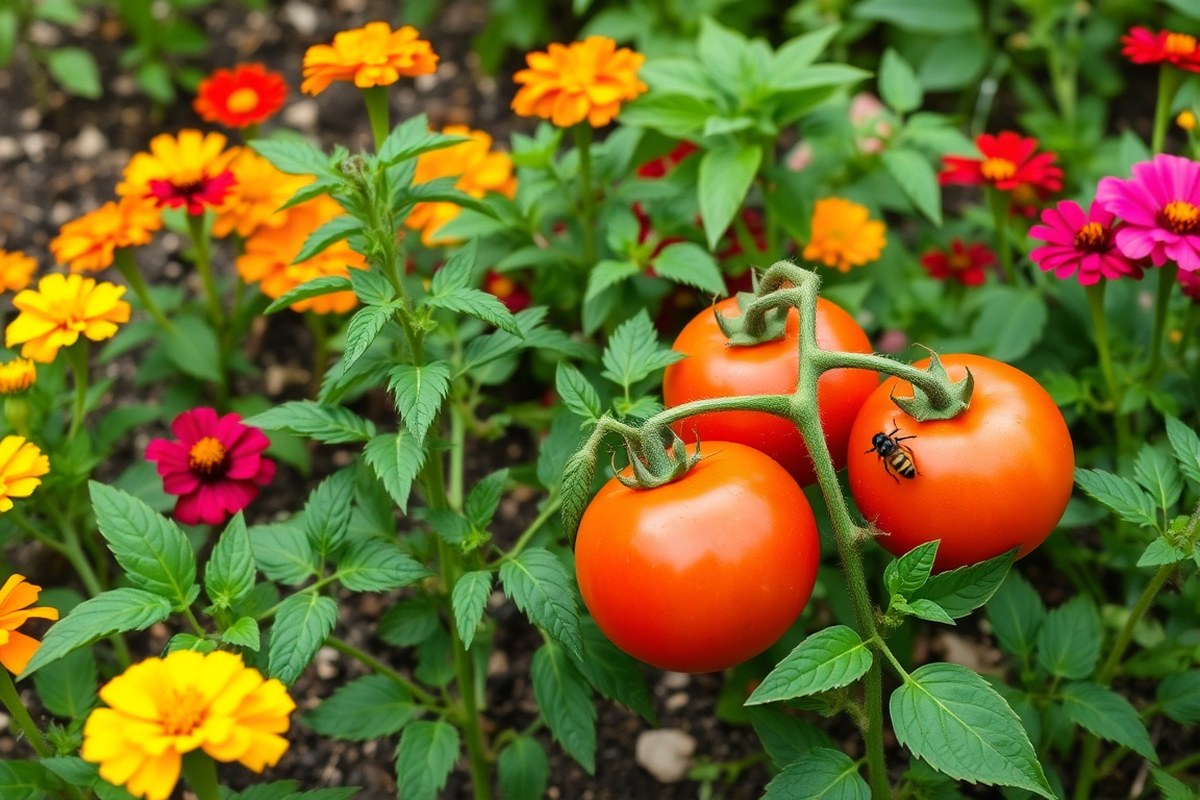
What are good companion plants for tomatoes? Basil, marigolds, and nasturtiums top the list. Basil can help keep thrips and aphids away and may improve tomato flavor.
Marigolds repel whiteflies and kill soil nematodes. Nasturtiums act as a trap crop for aphids.
Plant basil 12 to 18 inches from your tomatoes, giving each enough space to grow. Marigolds and nasturtiums also need room to spread without crowding tomato plants. Keep at least 18 to 24 inches between tomatoes and other plants.
This space improves airflow around the plants. Better airflow helps prevent diseases.
Choosing the right companions reduces pests and boosts growth naturally. It’s a simple way to increase tomato yields up to 50%. You’ll enjoy healthier plants without relying on chemicals or extra work.
Key Takeaways
- Plant basil 12, 18 inches away to repel pests and improve flavor.
- Space tomatoes 24, 30 inches apart for proper growth and airflow.
- Use marigolds around tomatoes to combat whiteflies and nematodes.
- Nasturtiums work as a natural aphid trap near your tomato bed.
- Keep 18, 24 inches between all companion plants to prevent disease.
- Choose bush zucchini varieties 24, 36 inches away from determinate tomatoes.
Top Companion Plants That Boost Tomato Growth
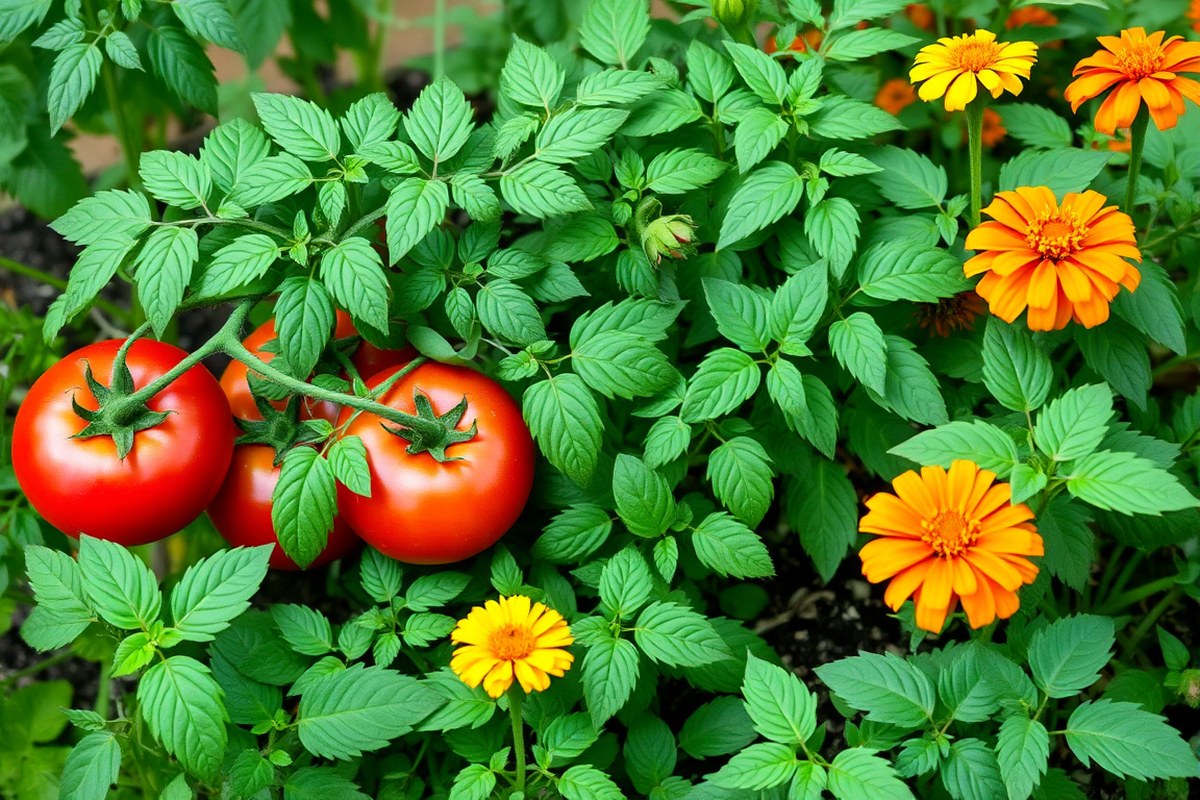
Basil, marigolds, and nasturtiums are top companions for tomatoes. They help repel pests, improve tomato flavor, and boost plant health. Growing these plants nearby can increase your tomato yields and keep harmful insects away.
Herbs That Improve Tomato Growth
Basil is the most popular herb to plant with tomatoes. It repels thrips, aphids, and spider mites that often attack tomato plants. Keep basil 12 to 18 inches away from each tomato plant.
Pinch off basil flowers to encourage bushier growth. This also helps protect plants from pests.
Besides repelling pests, basil may improve the flavor of your tomatoes. Though more garden lore than proven fact, many growers report better-tasting tomatoes when basil grows nearby. Chives and parsley also pair well, offering added pest defense without competing for nutrients.
Flowers That Improve Tomato Health
Marigolds planted densely around your tomato bed serve two main purposes. First, they repel whiteflies, which are common tomato pests. Second, their roots release substances that kill harmful soil nematodes.
Nasturtiums attract aphids, keeping them off your tomatoes. Plant them along your garden bed’s edge, not inside. Borage nearby draws bumblebees for pollination and wasps that eat tomato pests.
Vegetables Complementing Tomatoes
Carrots grow underground, so they don’t compete with tomato roots. This makes them good neighbors for tomato plants. They can share the soil without issue.
They help loosen the soil, which improves drainage and nutrient uptake. Lettuce and celery also work well near tomatoes for similar reasons, keeping soil moist without crowding.
Sunflowers can support pollinators around tomato plants, but use caution. They may outcompete tomatoes for nutrients or release chemicals that harm tomato growth. Keep sunflowers on the garden edge and avoid planting them too close or in large clusters.
Here’s a quick guide to the best companion plants for tomatoes and how to plant them:
| Plant | Primary Benefit | How to Plant |
|---|---|---|
| Basil | Repels thrips, aphids, spider mites; may improve flavor | Space basil 12 to 18 inches from each tomato plant. Pinching off flowers encourages fuller leaf growth on basil. This helps basil stay productive longer. |
| French Marigolds | Nematode control; repels whiteflies | Dense border planting around bed |
| Nasturtiums | Trap crop for aphids; deters whiteflies | Perimeter of bed, not interplanted |
| Borage | Attracts bumblebees; hosts parasitic wasps | Let grow freely in and around bed |
| Carrots | Improves soil drainage; no root competition | Plant between or near tomato rows |
Plant companion plants carefully to avoid overcrowding, which can reduce airflow. Healthy airflow lowers disease risk for tomatoes. Planting marigold seeds densely along the garden edge is affordable.
A packet of seeds usually costs under $5. This method is quick and simple for pest control. Basil needs regular pinching to prevent flowering and keep its pest-repelling oils strong.
How Companion Plants Help Control Tomato Pests Naturally
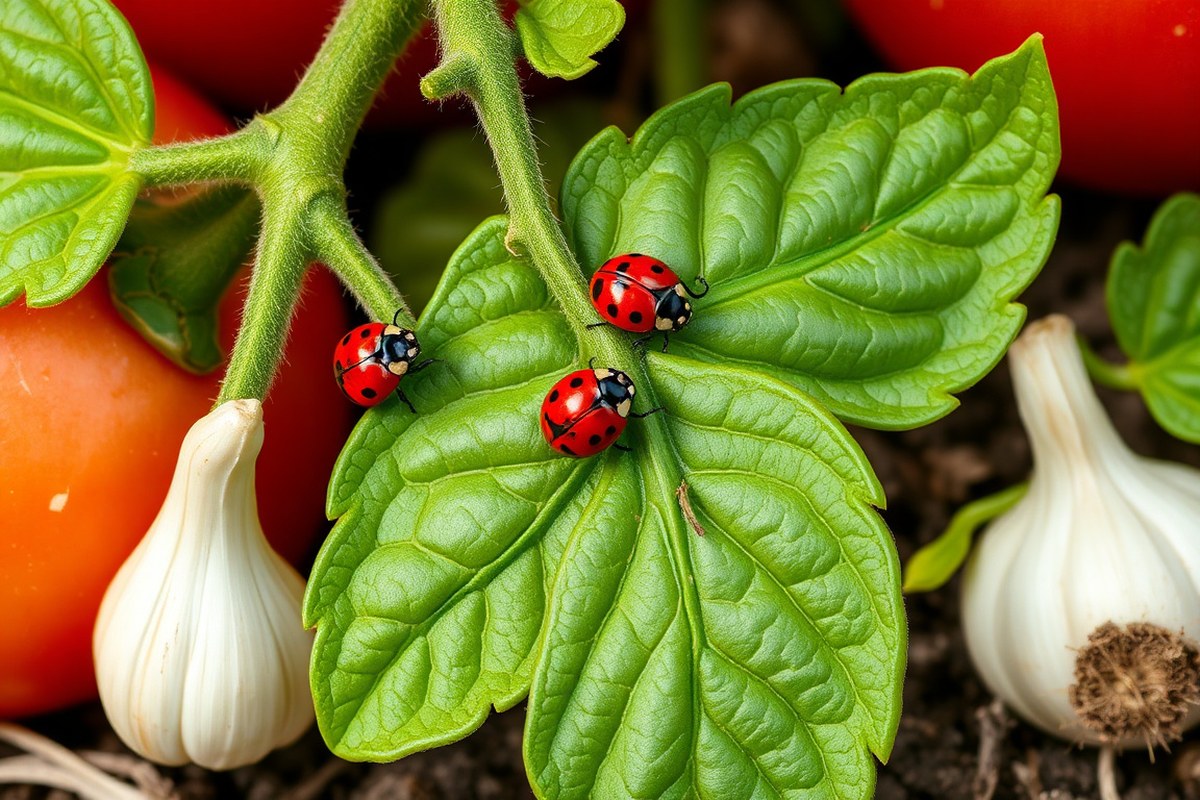
Some companion plants naturally keep tomato pests away. Their strong scents stop pests like whiteflies from landing. They also keep aphids and tomato hornworms away.
This protects your tomato plants from damage. This reduces pest damage, so you don’t need to reach for pesticides as often.
Basil, marigolds, and onions are among the best choices. Basil’s scent repels whiteflies and hornworms while helping tomato roots grow stronger. Marigolds release a smell that keeps whiteflies and aphids at bay.
Onions have a sulfur aroma that slugs, thrips, and aphids dislike. You can plant them in spaces below or beside your tomatoes.
- Basil repels aphids, whiteflies, and tomato hornworms
- Marigolds deter whiteflies and aphids with their scent
- Onions stop aphids, thrips, and slugs from bothering tomatoes
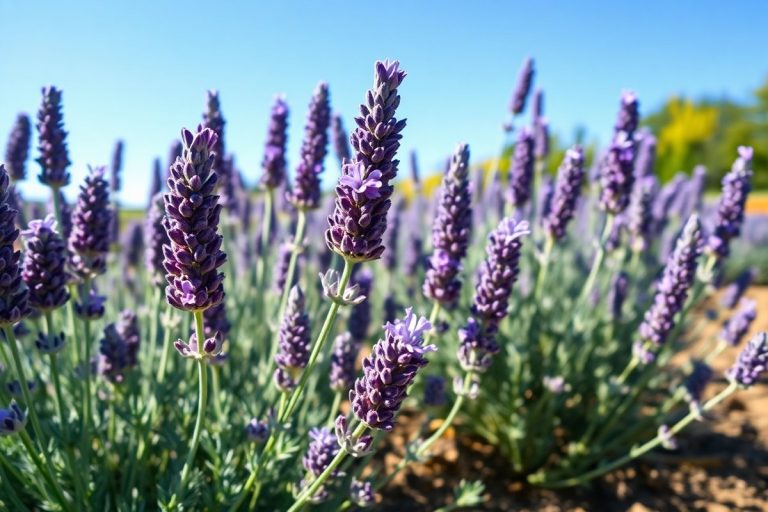
- Lavender keeps mosquitoes and aphids away
- Asparagus acts as a trap crop by harming harmful nematodes near tomatoes
- Sweet alyssum attracts beneficial insects that eat tomato pests
Some plants don’t just repel pests, they attract helpful bugs. Ladybugs and green lacewings feed on aphids and spider mites that damage tomatoes.
Planting flowers like sweet alyssum nearby can invite these natural predators to your garden. This is part of a natural pest control strategy that lowers your need for pesticides.
Plant marigolds around tomato beds early in the season to stop whiteflies before they settle.
Trap crops like asparagus distract nematodes away from tomato roots. These nematodes hurt tomato plants but find asparagus roots toxic.
Use asparagus rows near tomatoes to protect your crop naturally. This reduces soil pests without chemicals.
Choosing Flowers to Attract Pollinators and Beneficial Insects
Flowers like sweet alyssum, borage, and cilantro draw pollinators and helpful insects to your tomato plants. These plants attract bees, hoverflies, and predatory wasps. They help pollinate tomatoes.
They also reduce pests on your plants. Planting these flowers near tomatoes helps grow healthier, stronger fruit with less need for chemicals.
Pollinator-Attracting Flower Species
Sweet alyssum is a low-growing flower that attracts parasitic wasps and predatory beetles. Its small white or purple blooms bloom continuously, helping keep tomato pests away.
Borage draws bees, butterflies, and other pollinators. It produces star-shaped blue flowers and grows 18 to 36 inches tall.
Cilantro flowers attract hoverflies, parasitic wasps, and tachinid flies. These insects prey on common tomato pests like aphids and caterpillars.
| Flower | Lighting Conditions | Difficulty | Average Height |
|---|---|---|---|
| Sweet Alyssum | Full Sun to Partial Sun | Easy | 4, 10 inches |
| Borage | Full Sun | Moderate | 18, 36 inches |
| Cilantro (flowering) | Full Sun to Light Shade | Easy | 12, 24 inches |
Timing Flower Planting with Tomato Growth
Plant flowers like sweet alyssum and borage at the same time you set out tomato seedlings. They’ll begin attracting pollinators early in the growing season. Letting one or two cilantro plants flower during mid-summer attracts pest-eating insects when tomatoes are fruiting.
Keep flowering companions blooming throughout the tomato growing season for steady insect activity. Some flowers, like sweet alyssum, bloom continuously if deadheaded regularly. This continuous bloom helps keep beneficial insect visits consistent.
Positioning Flowers for Maximum Benefit
Plant flowers close to the tomato plants but avoid crowding their roots. Sweet alyssum works well as a ground cover around tomato plants. Borage prefers full sun spots nearby but with enough space to grow fully.
Flowers can be planted up to 10 or more feet away and still attract beneficial insects. Group flowers in small clusters or rows near tomatoes to increase visits from pollinators. Make sure flowers get plenty of sun, ideally the same conditions as your tomatoes.
Shield flowers from heavy wind or strong afternoon sun. These can lower bloom quality.
They also reduce visits from helpful insects. Use flowers with different bloom times to provide food for insects throughout your tomato harvest.
Follow these steps to plant flowering tomato companions effectively:
- Choose flowers like sweet alyssum, borage, and cilantro based on your garden space.
- Start flowers indoors or buy seedlings to sync with tomato transplanting.
- Prepare soil in your tomato bed with loose, fertile soil and good drainage.
- Plant flowers around tomato plants, keeping proper spacing to avoid root competition.
- Deadhead sweet alyssum regularly to promote longer blooming.
- Allow a few cilantro plants to flower during peak tomato fruiting.
- Water flowers moderately, avoiding overwatering that could harm tomato roots.
- Observe which flowers attract the most beneficial insects and adjust plantings yearly.
Safe Vegetables to Plant with Tomatoes for Space and Soil Health
Carrots are excellent companions for tomatoes. They grow well along tomato rows without competing for water or nutrients. Their slender roots help loosen the soil around tomato roots, which improves soil structure and drainage.
Leafy greens like lettuce also share space well with tomatoes. Lettuce thrives in the partial shade provided by taller tomato plants. It covers the soil, conserving moisture and keeping roots cool without taking too many nutrients.
Planting vegetables with different root depths reduces competition. Tomatoes have deep roots, while carrots stay shallow and lettuce grows low. This allows all plants access to water and nutrients in different soil layers.
Vegetable companions improve soil health by adding nutrients or helping soil life. For example, bush beans fix nitrogen in the soil, boosting fertility around tomatoes. Planting such companions keeps soil rich, balanced, and better for growing healthy tomatoes.
To plant carrots and lettuce with tomatoes, plant carrots between tomato rows. They need full sun to light shade and moderate care.
Lettuce fits nicely under tomato plants early in the season. It prefers partial shade and needs regular watering to stay crisp.
Spacing matters for healthy growth. Keep at least 8 to 12 inches between plant bases to avoid overcrowding. Avoid planting companions too close to prevent disease or stunted growth.
Good results show in strong tomato plants with steady growth and juicy fruit. Problems like yellowing leaves or small tomatoes may mean competition or poor soil. Adjust companion spacing or choose different plants based on your garden conditions.
How to Avoid Common Companion Planting Mistakes with Tomatoes
Planting tomatoes too close to their companions can cause crowding and poor air flow. Tomatoes should be spaced 24 to 30 inches apart to grow well. Overcrowding raises humidity and encourages diseases like blight.
Some companion plants steal nutrients and water from tomatoes, especially fennel. Fennel grows tall and dense, competing with tomatoes for space and soil resources. Avoid planting fennel near your tomato bed or pots.
Tomatoes also suffer if you pick the wrong neighbors. Plants that attract similar pests or diseases can pass problems back and forth quickly. Watch for yellow leaves on your tomatoes and nearby plants.
- Give tomatoes 24-30 inches of space between plants.
- Keep fennel at least 5 feet away to avoid nutrient competition.
- Separate plants with different watering needs to prevent stress.
- Check companions for pest problems weekly.
- Plant basil nearby; it can help reduce diseases.
- Use mulch to stop soil splash and reduce disease spread.
- Avoid planting onions or potatoes near tomatoes to prevent shared diseases.
A good practice is to adjust your companion planting each season. Rotate tomatoes away from the same neighbors every year. This lowers the chance pests, diseases, or soil depletion build up over time.
Water tomatoes at the soil level to keep leaves dry and prevent fungal diseases.
Companion planting in containers needs extra care. Limited soil means plants compete harder for nutrients.
Use separate pots for each kind or a large container with fresh soil mix. That avoids hidden competition that stunts tomato growth.
Which Plants Should You Avoid Near Tomatoes?
Some plants slow tomato growth or attract pests nearby. Fennel is one to avoid because it releases chemicals that stunt tomato roots.
This natural chemical defense is called allelopathy. It blocks important nutrients from reaching tomato plants.
Brassicas like cabbage and broccoli also cause problems near tomatoes. They compete strongly for nutrients like nitrogen and phosphate. Growing these plants close together can make your tomatoes weaker and less fruitful.
Corn may seem fine, but it shares pests and diseases with tomatoes. Corn earworms and certain fungal diseases can travel to tomato plants easily. This overlap can increase the chance of pest outbreaks and infections in your tomato patch.
- Keep fennel at least 5 feet away from tomatoes in any garden layout.
- Plant brassicas at a distance of at least 3 feet from tomatoes to reduce nutrient competition.
- Avoid planting corn directly next to tomatoes. Separate by at least 4 feet or use physical barriers.
- Apricot and other fruit trees can cast shade and drain soil moisture, harming tomatoes.
- Use raised beds or containers to isolate tomatoes from these troublesome plants when space is tight.
- Grow squash with bush tomatoes by spacing them 24-36 inches apart.
Apricot trees compete differently by shading tomato leaves. Tomatoes need full sun for best fruiting, so shade lowers yields. Tree roots also draw moisture from soil, making watering more critical for nearby tomatoes.
Tips for small gardens include keeping problem plants in pots away from tomatoes. Mint spreads quickly.
It can be controlled by planting in containers. You can place mint pots near tomatoes to deter pests without risking soil competition or crowding.
Planning a Tomato Companion Garden Bed for Best Results
Give each tomato plant 18 to 24 inches of room for airflow and growth. Plant companions close enough to benefit your tomatoes but far enough to avoid crowding. Layer plants by height and root depth to use sunlight and soil space wisely.
Preparing Soil and Bed Layout
Start by picking a sunny spot that gets at least six hours of full sun. Loosen the soil and add compost to improve drainage and nutrients. Plan your bed so taller companions grow behind tomatoes, not blocking light.
Good soil prep also includes checking pH. Tomatoes like slightly acidic soil, around 6.0 to 6.8.
Working in organic matter helps your companions and tomatoes thrive together. Avoid compacting the soil around roots to keep air and moisture moving.
Spacing and Planting Sequence
Space tomatoes 18 to 24 inches apart to improve airflow and reduce diseases. Plant basil next to every tomato. Surround your bed with French marigolds.
This is a simple way to start. Spinach or parsley can fill smaller gaps, acting as living mulch and ground cover.
Plant companions like peas or spinach two to three weeks before tomatoes. These early plants prepare soil well and add nutrients.
Wait until soil warms to 60°F or more to plant tomatoes. This usually happens in spring near your last frost date.
Keep peas away from tomatoes’ direct base since they need support and room for air. Taller friends like sunflowers go where they cast minimal shadow on tomatoes. Use trellises or cages to keep plants upright and spaced.
Maintaining Companions Throughout the Season
Water tomatoes and companions at soil level to stop mildew. Water deeply once or twice weekly.
Watch for overcrowding as plants grow; thin if needed to keep airflow good. Removing yellow or dead leaves helps reduce disease risks.
Mulch around companions and tomatoes to hold moisture and suppress weeds. Fertilize lightly every four weeks with tomato-specific nutrients to support all plants. Check supports regularly and adjust ties before plants become too heavy.
Once companions bloom or set fruit, keep an eye on pest visits. Helpful insects often show up near flowers like marigolds or basil. Harvest companions in stages to keep the bed productive and tidy.
- Choose a sunny site with at least six hours of full sun.
- Prepare soil by loosening and mixing in compost and organic matter.
- Space tomatoes 18 to 24 inches apart for airflow and growth.
- Plant companion species like basil alongside and marigolds at bed edges.
- Start peas or spinach two to three weeks before tomatoes for soil prep.
- Use stakes or cages to support plants and maintain spacing.
- Water deeply at soil level and mulch to retain moisture.
- Thin crowded plants mid-season to avoid disease and ensure airflow.
Do Companion Plants Really Improve Tomato Flavor and Yield?
Claims that basil makes tomatoes taste better have some basis in fact. Basil repels pests like flies and hornworms, which lowers stress on tomato plants. Less stress allows tomatoes to grow richer flavors naturally, not because the basil directly changes taste.
Research shows basil also helps tomato root growth by expanding root size near its base. Larger roots can absorb more nutrients and water, supporting better fruit development.
A tomato plant growing next to basil is healthier overall. So the fruit can reach its full flavor potential.
Yield improvements from companion planting vary. Companion plants like parsley and zinnias help boost plant health. They also attract pollinators to your garden.
But exact harvest increases can be hard to measure. Healthier plants with fewer pests often produce more fruit. But don’t expect a sure 50% increase in your yield.
Science confirms companion planting helps tomato growth and pest control. But results depend on care and conditions.
Companion plants add natural pest defense and may improve root and flower development. These benefits combine to support bigger, tastier tomatoes when done right.
Make sure to space companion plants properly. Crowding reduces airflow and can harm tomato health.
Step-by-Step Action Plan for Planting Companion Plants with Tomatoes
Follow this plan to pick and plant the right companions for your tomatoes. It will help you see quick benefits in growth and pest control.
- Before planting: Choose companion plants like basil, marigolds, and carrots. Make sure you pick spacing-friendly veggies and flowers to fit your garden bed.
- Day 1: Prepare your tomato bed by loosening soil and mixing in compost. Healthy soil boosts all plants around your tomatoes.
- Week 1: Plant tomatoes and companions together according to their spacing needs. Check for good sunlight and air flow at planting time.
- Week 2: Water plants deeply once a week. Watch your tomato leaves and companions for strong green color and no wilting.
- Week 3: Add flowers like nasturtiums and calendula near tomatoes. Look out for increased bee visits and fewer pests.
- Month 2: Thin out any overcrowded plants. Check that companion plants aren’t shading tomatoes too much.
- Ongoing: Remove any plants that wilt or show pest damage early. Keep an eye on pollinators visiting flowers around your tomatoes.
Frequently Asked Questions
What Herbs Other Than Basil Are Good Companion Plants for Tomatoes?
Chives and onions are also great herbs to grow near tomatoes. Their strong scents repel pests like thrips and aphids, helping protect your tomato plants naturally.
Can Companion Plants Reduce Tomato Diseases?
Yes, some companion plants like marigolds can lower soil-borne diseases. They release compounds that fight harmful nematodes, keeping tomato roots healthier and less prone to disease.
Do Companion Plants Need the Same Watering as Tomatoes?
Not always; some companions need less water than tomatoes. Group plants with similar watering needs to avoid over- or under-watering either crop.
How Do Sunflowers Benefit Tomato Plants Beyond Attracting Pollinators?
Besides bringing pollinators, tall sunflowers provide some light shade. This shade helps protect tomatoes from intense afternoon sun, reducing heat stress.
Can Companion Plants Improve Tomato Fruit Size?
Companion plants mainly boost health and reduce pests, which can help fruit size indirectly. Good companion planting supports better tomato growth, possibly leading to larger fruits.
Are There Any Root Vegetables That Grow Well with Tomatoes?
Yes, carrots and radishes grow well with tomatoes. They take up different soil layers, so they don’t compete much for nutrients.
Final Thoughts
Good companion plants protect and feed your tomatoes naturally. Start with a few easy options this season. Watch how your tomatoes improve and keep adjusting your garden for the best results.