What Does Peat Moss Do: A Complete Guide to Garden Benefits and Uses
What does peat moss do in your garden? It improves soil by holding water and nutrients.
This helps plants grow stronger and stay healthy during dry spells. Peat moss also loosens heavy soil, making roots easier to spread and breathe.
Using peat moss can lower your soil’s pH, which benefits acid-loving plants. Start by mixing about 25-30% peat moss into garden soil for best results. Avoid using too much since its low pH might harm some plants.
Peat moss absorbs and retains moisture really well because it’s mostly water. Spread a 2-3 inch layer on your beds.
Mix it deeply with a fork or tiller. That way, the soil holds moisture longer and reduces how often you water.
Key Takeaways
- Mix 25-30% peat moss with garden soil to improve drainage and water retention.
- Spread a 2-3 inch layer of peat moss before tilling for new planting beds.
- Peat moss lowers soil pH, so use it with acid-loving plants like blueberries.
- In containers, combine one-third to two-thirds peat moss with compost or potting soil.
- Work peat moss into soil about 8-12 inches deep for best root growth support.
- Avoid using more than 30% peat moss to prevent overly acidic soil conditions.
What Peat Moss Does to Improve Soil and Plant Growth
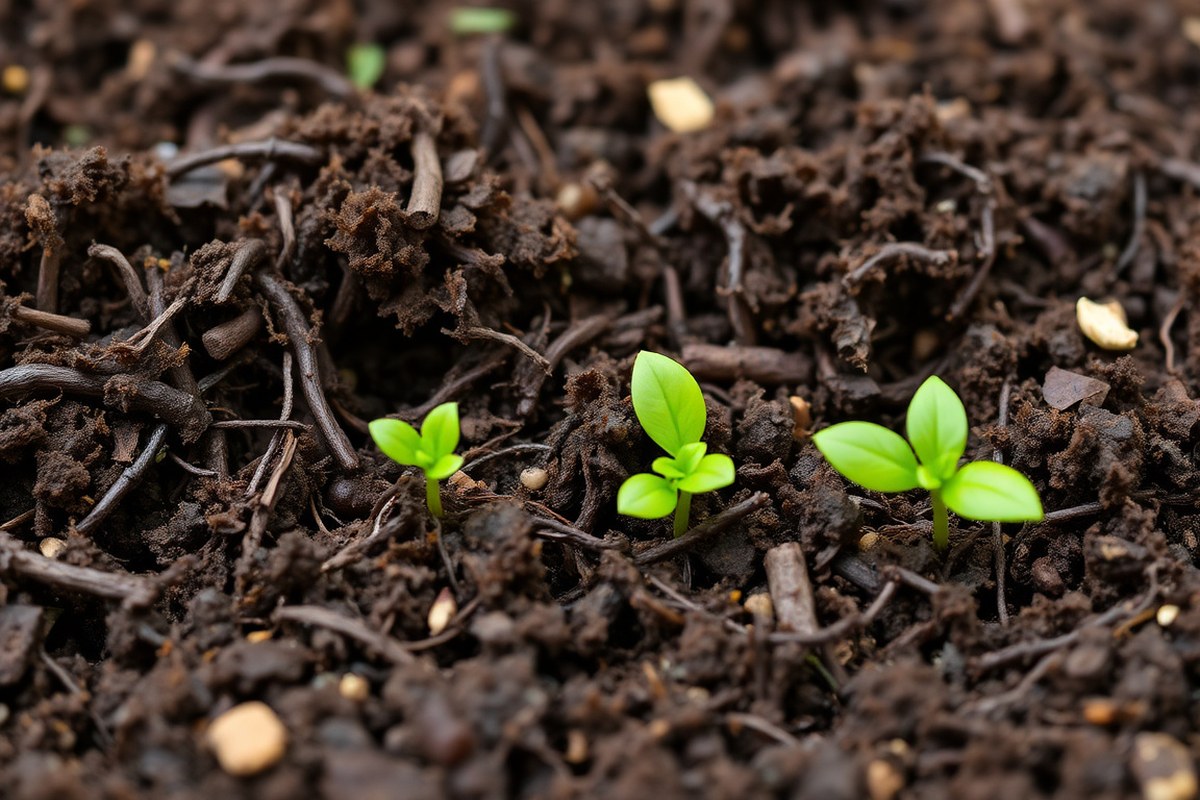
Peat moss changes soil by improving moisture retention and texture. It holds water like a sponge, so plant roots stay moist longer. This helps reduce how often you need to water your garden.
Adding peat moss loosens compacted clay soils and lightens heavy soil. It makes dense soil crumbly, allowing roots to grow more easily. In sandy soils, peat moss helps keep water and nutrients from washing away too quickly.
The texture of peat moss is crumbly and spongy, which helps soil breathe. This aeration improves root health because roots get more oxygen. It also lowers soil compaction, which many plants dislike.
Peat moss naturally has a low pH, usually around 3.5 to 4.5, making it quite acidic. Mixing it into soil lowers the pH, which benefits acid-loving plants like blueberries and rhododendrons. However, you should avoid using it where plants prefer neutral or alkaline soil.
This acidity means peat moss works well for soils that need balancing toward acidic conditions. You can spread a 2, 3 inch layer and work it 8, 12 inches deep. This helps create the right environment for certain garden plants.
While peat moss brings organic matter to soil, it has little nutrient value. It does not provide nitrogen, phosphorus, or potassium. You will need to add fertilizers or compost alongside it for healthy plant growth.
Peat moss is easy to mix into most garden soils because it’s lightweight and crumbly. Its ability to improve water retention and texture makes it popular for beds and container gardens.
Costs usually run under $20 for an eight-quart bag. But consider its environmental impact before buying large amounts.
How to Use Peat Moss Effectively in Your Garden and Containers
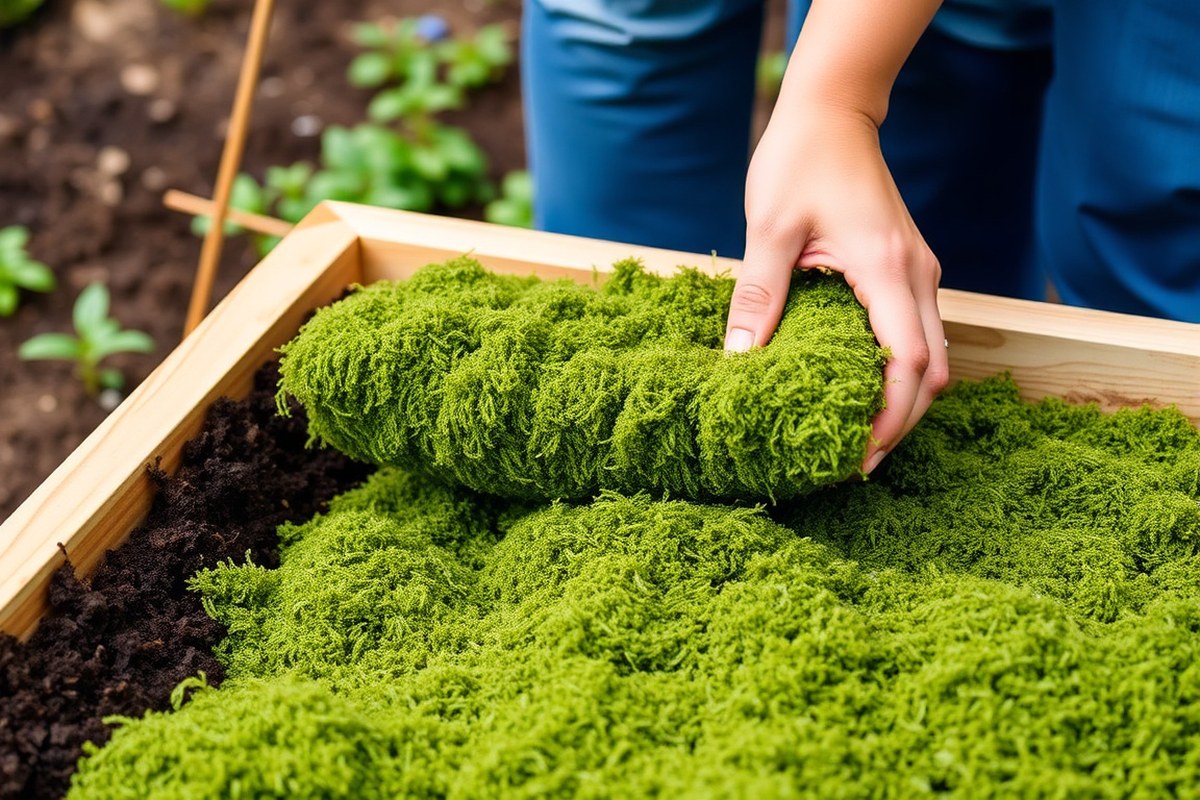
Peat moss improves soil texture and moisture for healthy plants. Use about one-third to two-thirds peat moss mixed with soil or compost. Apply it differently in garden beds, containers, or seed starting for best results.
Mixing Peat Moss into Garden Beds
Loosen heavy soil or sandy soil by mixing peat moss in the top 6 inches. A layer of 2 inches of peat moss is a good starting point before planting. Peat moss holds moisture while improving drainage and aeration.
Follow these steps to mix peat moss into your garden bed:
- Clear the bed of weeds and debris with a garden fork or hoe.
- Spread 2 inches of peat moss evenly over the soil surface.
- Use a garden fork or tiller to mix it into the top 6 inches of soil.
- Rake the surface smooth and level the bed.
- Water the soil lightly to help settle the peat moss mix.
- Plant your seeds or seedlings as usual.
Too much peat moss can compact and reduce aeration, so mix thoroughly with soil.
Using Peat Moss in Container Plants
Peat moss works well in containers because it improves water retention and aeration. It forms the base for a light, moist potting mix. Use one part peat moss for every two parts compost or potting soil.
This mix helps container plants stay healthy. It provides good nutrients and drainage.
Mix peat moss and potting soil together before filling containers. This helps prevent waterlogging and root rot. Add some perlite or vermiculite to improve drainage even more.
Starting Seeds with Peat Moss
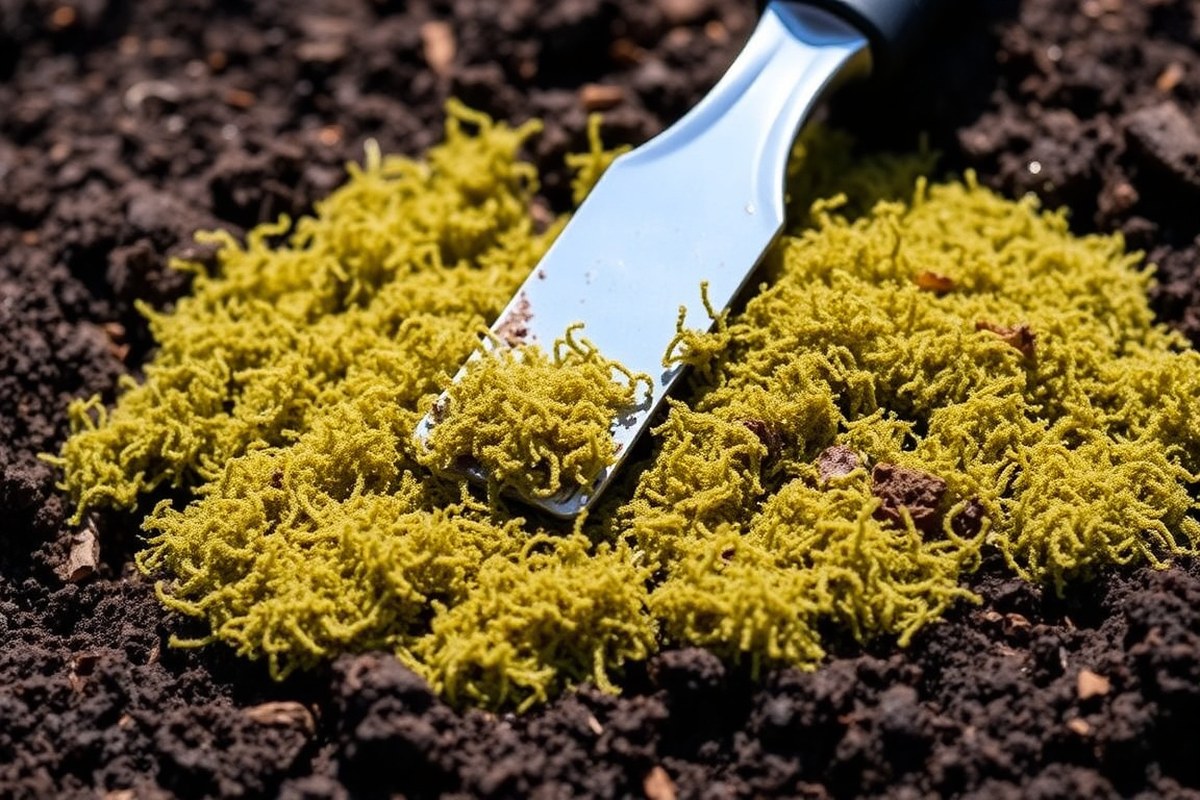
Peat moss provides a clean, disease-free environment for starting seeds. It holds moisture well and allows roots to grow easily. Use pure, finely milled sphagnum peat moss or a seed starting mix that contains peat moss.
Fill seed trays with moistened peat moss and press seeds lightly into the surface. Keep the trays covered and moist until seedlings sprout. Avoid overpacking peat moss, which can stop airflow to roots.
Use a light hand when watering seedlings in peat moss to avoid soggy soil.
Adjusting Peat Moss Based on Plant Type
Acid-loving plants like blueberries and azaleas benefit from added peat moss. Mix 1 to 2 inches of peat moss into the planting hole. Also add it to the soil around the hole.
This lowers soil pH and helps hold moisture. This helps them thrive in your garden.
For most other plants, keep peat moss to one-third mixed with soil or compost. Too much peat moss risks squeezing roots and reducing oxygen. Adjust the amount based on your soil texture and plant needs.
Water Retention and Nutrient Benefits of Peat Moss
Peat moss can hold large amounts of water because of its spongy, partially decomposed structure. It soaks up water in tiny spaces and releases it slowly to plant roots. This helps soil stay moist longer.
You water less often. This is good for sandy or loamy soils that dry fast.
Besides holding water, peat moss helps keep nutrients in the soil. Peat moss holds nutrients well. Sand lets nutrients wash away.
Clay locks nutrients too tight. This means fertilizers you add don’t just disappear but stay available for your plants.
You can mix peat moss into compost without problems. Compost breaks down faster than peat moss. Peat moss helps compost hold moisture.
It also helps keep nutrients in. Using peat moss in compost piles slows drying and nutrient loss.
Once added to soil, peat moss lasts for several years before fully breaking down. Its slow decomposition means your soil stays improved over time. That slow breakdown supports better moisture and nutrient management season after season.
Peat moss also helps prevent waterlogging despite its water-holding ability. It holds moisture without getting hard. This lets extra water drain away.
Roots can still get enough water. This balance is good for plants that dislike sitting in soggy soil.
For dry gardens, adding peat moss can make a big difference. Mix about one-third peat moss with your native soil to boost water retention. You’ll notice plants need less frequent watering and look healthier during dry spells.
Environmental Impact and Sustainability of Peat Moss
Peat moss comes from bogs, fens, or peatlands, mostly harvested in Russia and Canada. It forms very slowly, about 10 inches in 500 years, making it a non-renewable resource. Harvesting peat moss involves removing layers from these wet areas, which disturbs the natural environment.
Peat moss stores a lot of carbon. It holds 58 grams of carbon per gram of nitrogen. This high carbon content makes it unique.
Draining and harvesting peat moss releases lots of carbon dioxide. It adds to greenhouse gases in the air. This harms the environment.
The IUCN says peat moss harvesting emits twice as much CO2 each year. This amount is more than the whole airline industry. That’s a big impact.
The carbon release doesn’t stop immediately. A harvested peat bog can keep emitting carbon for 30 to 40 years. This constant carbon release helps cause climate change.
Many countries now ban peat moss harvesting. They want to protect the climate. Environmental groups warn that peat mining damages habitats and reduces natural carbon storage.
Some peat moss suppliers use sustainable harvesting methods to conserve peat bogs and slow environmental harm. Still, these practices can’t replace peat moss fast enough to keep up with demand. Digging up peat moss takes away a resource formed over centuries.
The planet loses something valuable every time. That loss is hard to replace.
Transporting peat moss worldwide adds more carbon emissions. Peat moss is lightweight. But shipping it across the globe affects its overall environmental footprint.
The extra carbon released may outweigh peat moss benefits. Gardeners focused on the environment should think twice. It might not be worth it.
Peat moss holds water very well and feels loose. It also helps soil drain properly. These are useful traits for gardeners.
Gardeners mix about 25-30% peat moss in their soil to help plants. This ratio gives healthy growth and good results.
It balances moisture and drainage. Still, using peat moss means accepting its environmental tradeoffs and thinking about alternatives where possible.
Common Uses and Benefits of Peat Moss in Gardening
Peat moss works well in several gardening tasks beyond just soil amendment. Peat moss is common in potting soil mixes. It holds moisture and air well.
This creates a balanced space for roots to grow. Mix peat moss into potting soil for best results.
Use about one-third to two-thirds of the mix. Adjust based on the plants you want to grow.
Seed starting benefits greatly from peat moss because it stays moist without getting soggy. It also tends to be sterile, which lowers the chance of diseases hitting young seedlings. Mix peat moss with perlite or vermiculite to start seeds.
This gives good drainage and holds moisture. It helps seedlings grow strong.
Lawn care also gets a boost from peat moss. Spread a thin layer of peat moss over grass for benefit. It keeps moisture in the soil.
It also improves soil texture in sandy or clay soils. Peat moss adds organic material that breaks down slowly.
This supports healthier roots for grass. Over time, it can create a thicker lawn.
- Use peat moss to lighten heavy clay soil for better drainage.
- Mix peat moss with compost when starting vegetable seeds indoors.
- Combine peat moss with sand to improve sandy soil’s water holding.
- Apply a thin layer of peat moss on new lawns to aid moisture.
- Mix peat moss with potting soil for houseplants needing moisture retention.
- Use peat moss in hydroponic setups as a growing medium.
Not all soils benefit the same from peat moss. Acid-loving plants favor peat moss-amended soil since it tends to lower soil pH.
But for alkaline soil types, adding peat moss might turn the balance too acidic. Always test your soil pH before adding peat moss to avoid problems.
Don’t use more than two-thirds peat moss in potting mixes. It can compact and reduce air for roots.
Peat Moss Grades and How to Choose the Right Type
Peat moss is graded using a scale from H1 to H5. Each grade shows how decomposed the peat moss is and affects its use in gardening.
Overview of Von Post Scale Grades
The Von Post scale ranks peat moss by how much it has decomposed. H1 represents the least decomposed peat, while H10 is the most decayed.
Most garden peat moss falls between H1 and H5. These grades differ in fiber content, color, and moisture retention.
Characteristics of H1 to H5 Peat Moss
H1 peat moss is very fibrous and light brown or yellow. It holds water well but breaks down slowly in soil.
H2 through H5 show more decay. H5 is darker, has fewer fibers, and holds less air. It breaks down quickly in soil.
Here is a table comparing the common grades you might find:
| Grade | Decomposition Level | Color | Fiber Content | Water Retention |
|---|---|---|---|---|
| H1 | Lowest | Light Brown/Yellow | High | High |
| H2 | Low | Light to Medium Brown | Moderate | Moderate |
| H3 | Medium | Medium Brown | Moderate to Low | Moderate to Low |
| H4 | High | Dark Brown | Low | Low |
| H5 | Highest (in this range) | Very Dark Brown or Black | Very Low | Low |
The darker and more decomposed peat breaks down faster but holds less air. Fibrous types provide good structure but last longer.
Best Gardening Applications by Grade
Use H1 or H2 peat moss to lighten heavy clay soils. Their fibers improve air flow and drainage.
H3 to H5 are better for mixing into sandy soils to boost water retention. They break down quicker and feed the soil.
For container plants or seed starting, choose H1 peat moss. It holds water but drains well, creating a good root environment.
Alternatives to Peat Moss: Options and Comparison
Several materials can replace peat moss in gardens, such as coconut coir, compost, and perlite. Each option has different water retention, acidity, and cost. Your choice depends on the plant needs, environment, and budget.
Common Peat Moss Alternatives Overview
Coconut coir is made from coconut husk fibers and is popular with organic gardeners. It offers a sustainable source compared to peat moss. Compost and pine bark also serve as organic matter to improve soil.
Perlite, a volcanic mineral, is useful for mixing with peat moss to boost drainage. You can create soilless mixes combining peat moss, perlite, and vermiculite. This offers water retention with better aeration for roots.
Water Retention and Acidity Comparison
Peat moss can absorb more water than compost and tends to be acidic. It helps soil stay moist for longer periods, benefiting many types of garden plants. Coconut coir also holds moisture but usually not as much as peat moss.
Compost holds less water but adds nutrients as it breaks down. Perlite does not retain water but improves drainage and prevents compacted soil. Mixing peat moss with perlite balances moisture and aeration for plant health.
Cost and Sustainability Differences
Peat moss usually costs more than compost and similar organic materials. Coconut coir often costs more than peat moss due to shipping and processing. It is more sustainable, coming from fast-growing coconuts.
Using compost or pine bark significantly lowers costs and adds organic nutrients. Peat moss mining impacts bog ecosystems, which concerns eco-conscious gardeners. Coconut coir and homemade compost reduce this footprint.
| Material | Cost per cubic foot |
|---|---|
| Peat moss | $4.33 |
| Compost | $1.79 |
| Pine bark | $1.74 |
For succulents or cacti, use one part peat moss or compost with two parts sand or perlite. For heavy soils, enrich peat moss with higher acidity variants to improve drainage. You can reduce peat moss use by blending it carefully with sustainable alternatives.
Common Peat Moss Mistakes and How to Avoid Them
Many gardeners make the mistake of using too much peat moss. Using more than one-third peat moss in soil can hold too much water. This limits air flow around plant roots.
Keep peat moss under one-third of total soil volume. This leads to poor root growth and soggy soil.
Another error is mixing peat moss when it’s dry. Peat moss soaks up water slowly and can repel moisture at first. You should moisten it thoroughly before adding it to your soil or potting mix.
Ignoring the environmental impact is common too. Peat moss takes thousands of years to form and harvesting it hurts ecosystems. Avoid using pure peat moss in large quantities, especially in outdoor beds.
- Use peat moss as about 25% or less of your soil mix.
- Moisten peat moss before mixing to prevent repelling water.
- Avoid pure peat moss in outdoor beds when possible.
- Mix peat moss with compost or garden soil for better nutrition.
- Choose lightweight sphagnum peat moss for containers.
- Consider alternatives for ecological reasons, especially in large gardens.
Peat moss can make soil too acidic if used wrongly. Test your soil pH before and after adding it. You may need lime to balance excessive acidity caused by peat moss.
Some gardeners treat peat moss like sphagnum moss, but they are different materials. Peat moss is decomposed and spongy, while sphagnum moss is fibrous and living. Using the wrong one changes water retention and aeration results.
Always wet peat moss well before mixing to avoid dry, clumpy soil problems.
You should avoid peat moss in alkaline soils or waterlogged areas. Its acidity can harm some plants and worsen drainage issues. In those situations, use compost or other organic matter instead.
Notice slow plant growth or soggy soil after adding peat moss? Use less peat moss next time to avoid these problems.
Improving your mix with sand or perlite helps drainage. Also, apply peat moss only to the root zone, not the whole bed.
Step-by-Step Action Plan to Use Peat Moss in Your Garden
Follow these steps to safely improve your soil and plant health with peat moss.
- Before planting: Test your soil’s pH to check if it needs acidifying. Peat moss can lower pH if it’s too high.
- Day 1: Work 1 to 2 inches of peat moss into the top 6 to 8 inches of soil. This improves soil texture and helps your plants grow better. You’ll notice the soil feels softer and breaks apart more easily.
- Week 1: Plant your seeds or seedlings in the treated soil. Healthy sprouting signals good peat moss use.
- After 2 weeks: Water your plants regularly to see if the soil retains moisture well. Less dry soil means peat moss works.
- Month 1: Spread mulch over the peat moss layer. This helps the soil keep moisture. Mulch also stops nutrients from washing away.
- Ongoing: Avoid using peat moss in large amounts alone. Mix it with compost or soil amendments.
- Every season: Replace or refresh peat moss as needed to maintain soil benefits and avoid compaction.
Frequently Asked Questions
Can Peat Moss Improve Soil Acidity?
Yes, peat moss lowers soil pH because it is acidic. This helps acid-loving plants like blueberries grow better in your garden.
Does Peat Moss Add Nutrients to Soil?
Peat moss holds nutrients but adds very few itself. It improves nutrient retention so plants can use fertilizer better.
How Does Peat Moss Affect Soil Texture?
Peat moss loosens heavy clay soil and improves drainage. It also helps sandy soil hold water longer, balancing soil texture.
Is Peat Moss Good for Seed Starting?
Yes, peat moss is light and holds moisture well, great for seedlings. Mixing it with vermiculite creates a better seed-starting mix.
What Is the Best Time to Apply Peat Moss?
Apply peat moss during garden prep in early spring or fall. This gives time to mix it in before planting.
Can Peat Moss Prevent Soil Compaction?
Peat moss reduces soil compaction by improving aeration and structure. This helps roots grow deeper and soil stay loose.
Before You Go
Peat moss helps improve soil by holding water and adjusting acidity. You can use it smartly in your garden to support plant growth without overdoing it. Start by testing your soil pH and adding peat moss where it’s needed most.