What Does a Rubber Tree Look Like? A Complete Visual Guide to Identification
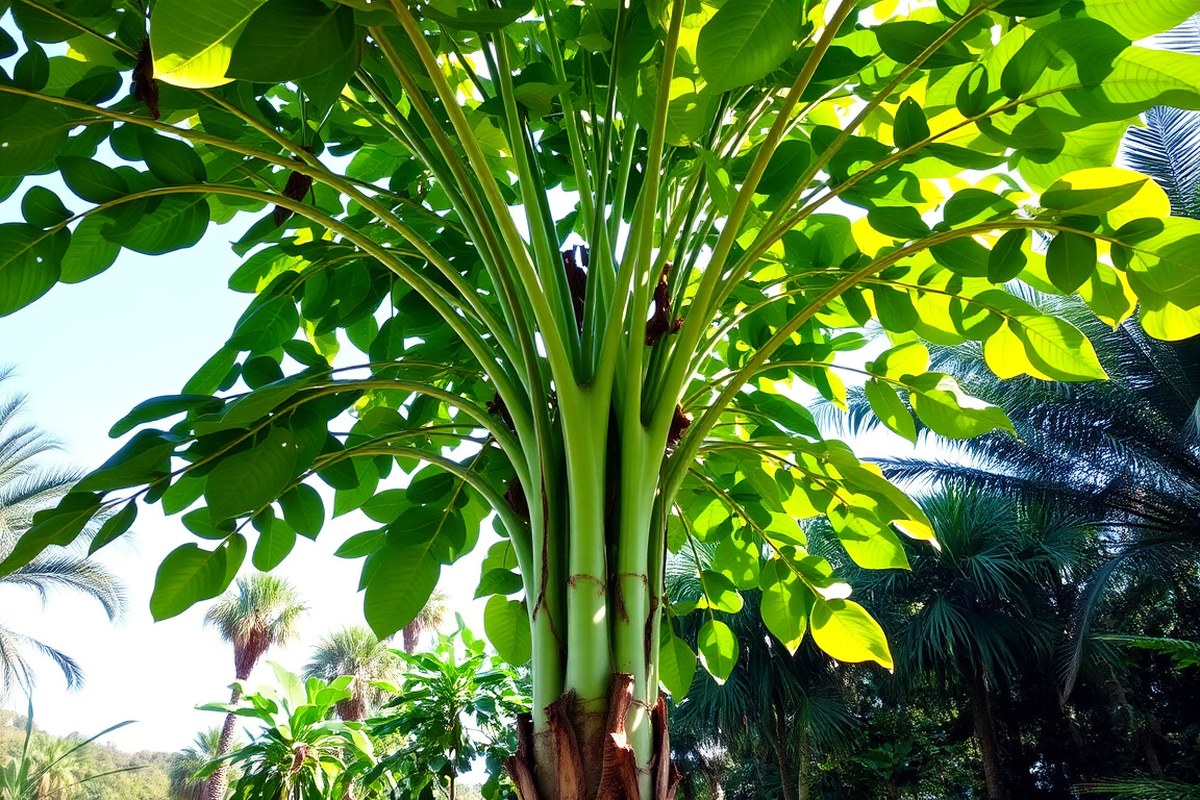
What does a rubber tree look like? It has large, glossy, dark green leaves.
These leaves often have a waxy texture that catches the light beautifully. Rubber trees grow tall, with a smooth trunk that can get quite thick over time.
Indoors, rubber trees usually reach 6 to 8 feet tall with broad, shiny leaves. Outdoors, especially in tropical areas, they can grow over 100 feet tall and spread widely. The tree also exudes a milky latex when cut, which is a key identifying trait.
Watch for consistent leaf color and sturdy stems when spotting a rubber tree. They don’t like cold drafts and prefer steady temperatures between 60 and 80 degrees Fahrenheit.
Knowing these traits helps you spot the tree easily. You can recognize it inside your home or outside in nature.
Key Takeaways
- Rubber trees have large, glossy, waxy leaves that reflect light.
- Indoor rubber trees usually grow 6 to 8 feet tall in pots.
- Outdoor rubber trees can reach over 100 feet in tropical climates.
- The trunk is smooth and can thicken as the tree ages.
- Cutting the bark releases milky latex, a signature feature.
- They prefer steady temperatures between 60 and 80 degrees Fahrenheit.
What Are the Key Physical Features of a Rubber Tree?
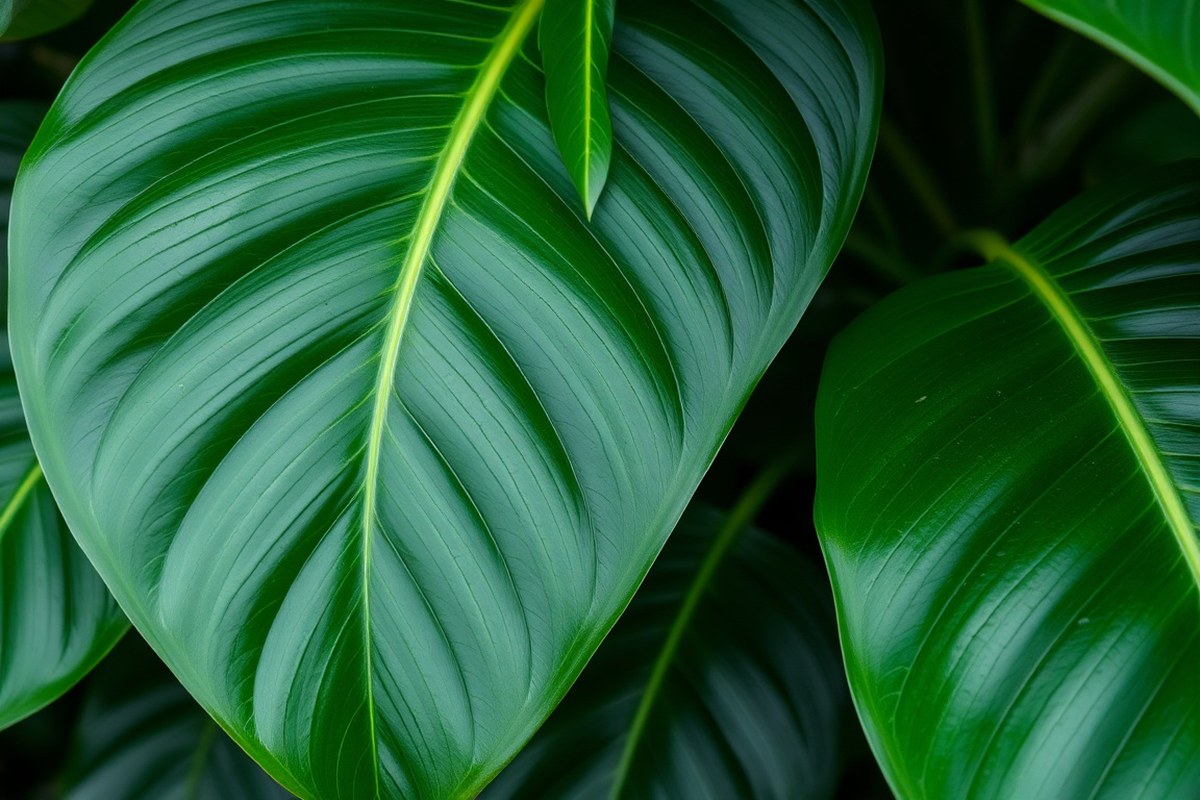
The rubber tree typically grows tall and slender, reaching 50 to 65 feet outdoors. Sometimes it can grow over 100 feet in its natural tropical environment. Indoors, it usually stays smaller, about 6 to 8 feet tall.
It grows well in pots. This size fits home gardens easily.
Leaves are a key feature to spot a rubber tree quickly. They grow in groups of three leaflets. Each leaflet is 10 to 15 centimeters long.
The width ranges from 3 to 6 centimeters. The leaflets have an oval shape.
Their edges are smooth. Tips are pointed or a little rounded.
Rubber tree bark is usually smooth and thin. Its color can be light or dark brown. This can vary a bit.
It feels firm but can break easily if bent. Damaged bark leaks sticky, milky white sap.
You often see shiny spots at broken limbs. This sap is quite noticeable.
The sap looks milky white, like milk. It spills out fast when the bark is hurt. This is a well-known rubber tree trait.
The sap is latex, which can irritate your skin. Wear gloves or wash your hands after touching damaged parts to avoid irritation.
The three main signs of a rubber tree are trifoliate leaves. It has a tall, slender shape outside. The bark leaks milky white latex sap.
These traits help you identify the rubber tree. It stands out from other trees. Indoor plants by your window look different.
Spot smooth, oval leaves in groups of three. If milky sap appears after breaks, it’s likely a rubber tree.
How to Differentiate Common Rubber Tree Varieties by Appearance
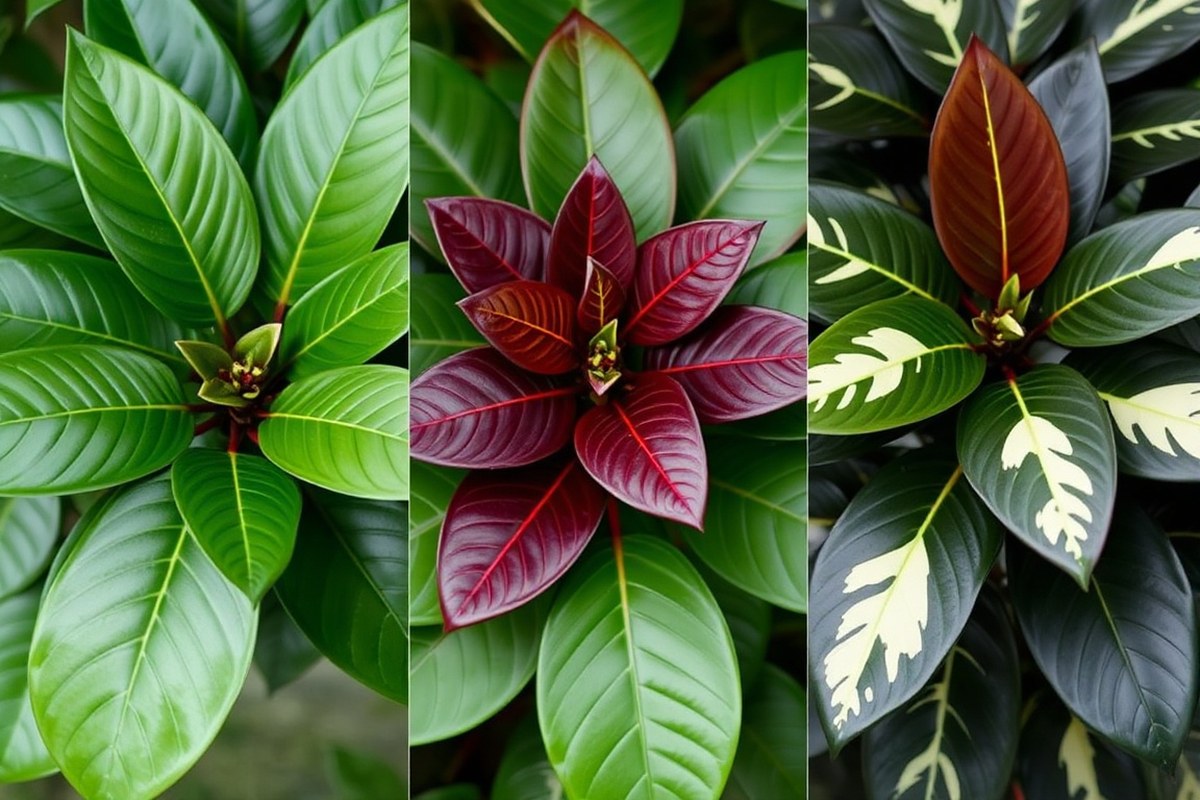
Common rubber tree varieties have distinct leaf colors and growth habits. The main types are Ficus elastica ‘Robusta’, ‘Burgundy’, and ‘Variegata’. Each has unique traits to help you pick the right one for your space.
Ficus Elastica ‘Robusta’ Features
‘Robusta’ shows deep green, glossy leaves that shine under light. It grows fast and can reach 8 to 10 feet indoors. This variety prefers bright, indirect light and offers dense foliage that fills a room well.
Its strong growth means ‘Robusta’ often needs pruning to stay manageable. You’ll see thick, oval leaves with a smooth texture. It suits larger rooms where its size won’t crowd other plants.
Ficus Elastica ‘Burgundy’ Characteristics
This variety has dark burgundy-red leaves. Its leaf color is dramatic, adding rich contrast to any space. ‘Burgundy’ grows slower than ‘Robusta’, topping out around 6 to 8 feet indoors.
‘Burgundy’ thrives with medium to bright indirect light. It has a deep, almost wine-colored leaf tone that stands out among green plants. Its slower growth makes it easier to maintain in smaller rooms.
Ficus Elastica ‘Variegata’ Appearance and Care
Leaves on ‘Variegata’ display cream and green patterns. Maintaining these colors needs more light than solid green types. It typically grows 6 to 7 feet tall indoors, staying compact.
The variegated pattern makes the leaves more delicate. This variety requires bright, indirect sunlight to keep its color contrast strong. It’s ideal if you want a lively, patterned look indoors.
Comparing Growth Habits and Leaf Color
Here’s a quick table to highlight differences between these popular types. Use it to see which fits your light, height, and style needs best.
| Variety | Leaf Color | Max Height Indoors | Light Preference | Unique Traits |
|---|---|---|---|---|
| Ficus elastica ‘Robusta’ | Deep green, glossy | 8, 10 ft | Bright, indirect light | Fast-growing, dense foliage |
| Ficus elastica ‘Burgundy’ | Dark burgundy-red | 6, 8 ft | Medium to bright indirect | Dramatic color, slower growth |
| Ficus elastica ‘Variegata’ | Cream and green patterns | 6, 7 ft | Bright, indirect (higher light needed) | Needs more light for color contrast |
Choose ‘Robusta’ if you want fast growth and big leaves. Pick ‘Burgundy’ for color impact at a moderate height. ‘Variegata’ works if you have bright light and like variegated patterns.
Tip: Variegated types lose their color if grown in low light. So place them near a bright window.
What Does a Rubber Tree Look Like Indoors Versus Outdoors?
Rubber trees look very different indoors versus outdoors. Indoor plants stay much smaller, with fewer branches and leaves. Outdoors, they can grow tall with a wide canopy and bigger leaves.
Typical Indoor Size and Shape
Rubber trees grown indoors usually reach between 6 and 10 feet tall. Their trunks grow mostly straight and tall.
But they develop only a few branches near the top. Leaves are large and shiny, spaced evenly along the upright stems.
Indoor plants often have a narrower, more columnar shape. You can encourage fuller growth by pruning to create multiple stems or branches. Most indoor rubber trees stay under 6 feet wide.
They fit comfortably in a room corner. You can also place them near a window.
Outdoor Growth Potential and Canopy
Outdoors, rubber trees can become massive, growing 40 to 100 feet tall in tropical climates. Their trunks become sturdy pillars supporting a wide, spreading canopy. Branching happens mostly in the upper third, where leafy branches form a thick dome.
The outdoor canopy is much broader, sometimes more than 50 feet wide. Leaves can grow larger to capture more sunlight. The full forest giant form contrasts sharply with the more restrained indoor specimen.
Impact of Light and Temperature on Appearance
Bright, indirect light indoors brings out the glossy quality in rubber tree leaves. Lower light causes leaves to grow smaller and duller.
Too much direct sun might scorch them. Indoor temperatures stay fairly consistent, encouraging steady but slower growth.
Outdoors, higher humidity and direct sunlight in warm zones speed up growth and leaf development. This encourages larger, thicker leaves with a deeper green shine. Temperature shifts between night and day help the tree grow.
These changes affect branching and leaf density. Outdoors, the tree follows this natural rhythm.
Latex Production Differences Indoors and Outdoors
The rubbery latex, about 30 percent pure rubber, is present in both settings. Outdoors, natural latex production is higher. The tree grows larger and has more active sap flow.
Both factors increase latex output. This natural latex flows inside specialized ducts in leaves and stems.
Indoor rubber trees produce latex too, but much less visibly. Injuries or pruning indoors might ooze small amounts.
But you won’t see the abundant latex found in large outdoor trees. Latex production doesn’t affect the look much but shows the tree’s health and sap activity.
Which Traits Help Identify a Rubber Tree Versus Look-Alike Plants?
Rubber trees have unique leaf shapes and bark. Their sap and growth style also differ. These traits help you spot them easily.
These features give clues to identify a rubber tree. They help separate it from fiddle-leaf figs.
Use them to tell look-alikes apart. Checking these details carefully leads to clear identification.
Comparing Leaf Shape and Size
Rubber tree leaves are large, glossy, and oval with pointed tips. They often measure 5 to 12 inches long and have thick, smooth edges. Fiddle-leaf figs have broader leaves with deep lobes and wavy edges.
The veins in rubber tree leaves run parallel along the midrib with subtle side veins. Fiddle-leaf fig veins spread out more like fingers on a hand. Paying attention to these veins helps to avoid mix-ups.
Examining Bark Color and Texture
Rubber trees develop smooth gray bark that becomes slightly rough as they age. The bark stays mostly uniform in tone and rarely flakes off. In contrast, fiddle-leaf figs have thinner bark that cracks or peels sometimes.
Looking closely, rubber tree bark is firm and does not split easily. The texture of bark varies by age but keeps a smooth base. This difference matters when plants are mature and others show rough peeling bark.
Observing Latex Sap Characteristics
Rubber trees ooze milky white latex sap if you nick their bark or a leaf stem. This sap is thick, sticky, and toxic to both people and pets. Houseplants like fiddle-leaf figs do not produce such latex.
Letting a drop of latex dry on a light surface shows its milky white color clearly. This sap stays sticky longer compared to watery plant juices. Always wear gloves when checking sap to avoid skin irritation.
Noting Growth Habit and Branching Differences
Rubber trees usually grow straight with a single main trunk indoors. Their branches spread out horizontally but keep a tidy shape. Fiddle-leaf figs often have more irregular branching with thinner stems.
Rubber trees produce new leaves in distinct flushes. Fiddle-leaf figs grow leaves more steadily.
These growth patterns help tell plants apart if you follow them for weeks. Be patient and watch buds closely.
Use these steps to tell if you have a rubber tree or a look-alike plant:
- Examine leaf shape for thick, shiny, oval leaves with pointed tips.
- Check leaf vein patterns for parallel veins along the midrib.
- Inspect bark color and feel for smooth, grayish bark with slight texture.
- Nick the bark lightly and look for milky white sap oozing out.
- Notice how the sap feels, sticky and thick versus watery or clear.
- Observe the plant’s branching style, straight trunk with horizontal branches.
- Watch new leaf growth timing to see if it’s in bursts or steady.
What Are the Leaf and Bark Characteristics of Rubber Trees?
Rubber tree bark starts smooth and light brown when the tree is young. As the tree ages, the bark becomes thicker with a rough, weathered leather look. This texture helps protect the tree from damage and pests over time.
Juvenile rubber tree leaves often appear reddish or bright green and feel smooth and fleshy. These young leaves have a single, thick midrib down the center. As the leaves mature, they turn a rich green color.
They become leathery and shiny. This surface helps stop water from soaking in.
Mature leaves have bold, broad shapes with clear vein patterns branching from the midrib. The veins create a strong, visible network that supports the leaf structure. This pattern stands out clearly against the dark green leaf background.
With time, mature rubber tree bark changes from smooth to dry and brittle in some areas. Older sections may even crack or split slightly, revealing the tree’s natural growth and aging process. This bark shift signals a healthy, mature rubber tree.
Wipe your rubber tree’s leaves often with a damp cloth. This clears dust and keeps them shiny.
What Role Does the Milky Latex Play in Rubber Tree Appearance?
The sap of a rubber tree is a milky white liquid called latex. It oozes out when you cut a leaf or stem and looks sticky and thick.
The latex gives the rubber tree its name. It dries with a rubbery feel on your skin or clothes.
The latex is milky and viscous because it flows through special tubes in the plant. These tubes carry the sap to help seal wounds and protect the plant from insects.
The sap creates a sticky layer that stops pests. It also helps keep the tree from losing water.
You should wear gloves if you handle or repot a rubber tree. The latex can irritate your skin and cause redness or itchiness.
The sap is mildly toxic if eaten. It can upset cats or dogs if they chew leaves or stems.
To identify a rubber tree, cut a leaf or stem. The white latex is a clear sign. The milky sap sets it apart from many look-alike plants that don’t release this sticky liquid.
This latex test helps confirm a true Ficus elastica. This is useful indoors with tricky visual traits.
The sap’s presence shows the tree’s natural defense in action. The latex links to the plant’s history. Indigenous peoples once used it to make rubber products.
Rubber from Ficus elastica isn’t used commercially now. Other trees produce more rubber more easily.
Remember to clean sap off furniture or skin quickly. Once dry, it can be tough to remove and may leave a rubbery residue.
Mild soap and warm water usually work if you wash it right away. But avoid touching your face or eyes until your hands are clean.
How Do Rubber Tree Flowers and Fruit Appear in Nature?
Rubber tree flowers are small and not very showy. They appear as yellowish spikes with many tiny blooms clustered tightly. These flowers usually bloom in the tree’s natural tropical habitat during warm, humid months.
In the wild, rubber trees bloom once or twice a year. The exact timing depends on weather patterns.
But typically it happens in the rainy season. The flowers play a key role by attracting specific insects that help pollinate them.
After flowering, rubber trees develop seed pods. These pods look like round, woody capsules about 1 to 2 inches wide. When mature, they split open to release several hard seeds.
These seeds fall to the ground. This helps the tree spread in its environment.
Indoor rubber tree plants almost never produce flowers or fruit. They don’t get enough light or the right pollinators indoors to start that process. You won’t see blooms or seed pods on your houseplant even after many years.
Because indoor rubber trees don’t flower, propagation happens mainly through cuttings. You can take a healthy stem and put it in water or soil. Then wait for roots to form.
This is how to grow a new plant. This method is easy, fun, and faster than waiting for seeds.
Spotting flowers or fruit on an outdoor rubber tree shows a suitable tropical environment. This means the climate supports its growth. Those seed pods add texture and interest in a garden.
They rarely appear in colder or dryer climates. Indoor growers should focus on leaf care instead of blooms.
What Are Visual Signs of Healthy Versus Unhealthy Rubber Trees?
The color and texture of the leaves provide clear signs of health in a rubber tree. Healthy leaves are deep green, glossy, and firm to the touch. A dull, pale, or yellowing leaf surface often signals stress from improper light or water.
Latex sap clarity also helps detect problems. Clear or slightly milky sap is normal when you trim bark. You might notice it in small amounts.
It appears when you touch the bark. Thick, dark, or sticky sap can mean injury or disease is present. Avoid excessive wounding to prevent sap stress.
Bark condition shows if the tree struggles with pests or infection. Healthy bark looks smooth, firm, and lightly shines green or brown.
Cracked, peeling, or mushy bark often points to rot or insect damage. Check regularly for spots or holes where bugs enter.
- Look for shiny, dark green leaves without browning edges.
- Test leaf firmness by gently squeezing; weak leaves can signal root trouble.
- Observe bark for even color and no soft areas.
- Note latex is slightly milky, not thick or dark.
- Avoid moving the plant too much; it dislikes changes that cause leaf drop.
- Inspect underneath leaves for any pest signs like webs or sticky residue.
Glossy leaves mean the plant is well watered and gets the right light. Dust buildup reduces shine and leaf health.
So wipe leaves with a damp cloth every few weeks. Dropping leaves or lack of gloss often means too much sun or dry air.
Check your plant weekly for slow changes in leaf or bark condition to catch problems early.
Step-by-Step Action Plan to Identify Your Rubber Tree
Follow these steps to spot and confirm a rubber tree plant at home or outside. Check each detail to see if it matches what a rubber tree looks like.
- Day 1: Look at the leaves carefully. Rubber tree leaves are thick, shiny, and oval-shaped with pointed tips. Your plant’s leaves looking right is a good sign.
- Day 3: Inspect the bark. Outdoor rubber trees have smooth, gray bark that may crack with age. Indoors, the stem looks sturdy and brownish. Confirm if these fit your tree.
- Week 1: Check for milky latex when you gently scratch a leaf stem or bark. Rubber trees ooze white sap, a key sign. Avoid deep cuts to keep the plant safe.
- Week 2: Observe the plant’s size and shape. Indoors, rubber trees grow up to 6 feet tall with an upright form. Outdoors, they can reach 50 feet with spreading branches.
- After 3 weeks: Watch for flowers or fruit if outdoors. Rubber tree flowers are small, pinkish-white, and appear in clusters. Fruit looks like small, rounded pods.
- After 1 month: Assess the plant’s health by looking for glossiness on leaves and firm bark. Brown spots, drooping, or sticky leaves suggest problems.
- Ongoing: Compare your plant to look-alikes like ficus or rubber plant varieties. Check leaf shape and sap color first. Then look at bark texture. Finally, see how it grows to confirm a true rubber tree.
Frequently Asked Questions
What Is a Rubber Tree?
A rubber tree is a tall tropical tree. It has shiny, broad leaves. It also produces milky latex sap.
Outdoors, it can grow over 50 feet tall. Indoors, it stays smaller as a popular houseplant.
What Are Rubber Trees Good For?
Rubber trees are mainly grown for natural rubber, which comes from their milky sap. They also make great shade trees and provide shelter for wildlife in forests.
What’s the Difference Between a Rubber Plant and a Rubber Tree?
A rubber plant is a smaller indoor version of the rubber tree, often grown for decoration. The true rubber tree is much taller and mostly found outdoors.
Is a Rubber Tree Toxic to Humans?
Rubber tree sap can cause mild skin irritation. It is not highly toxic though. Still, keep them away from children or pets to be safe.
Is a Rubber Tree Good Inside the House?
Yes, rubber trees tolerate indoor dry air better than many tropical plants. They are low maintenance and add a dramatic, leafy look to rooms.
How Fast Does a Rubber Tree Grow Indoors?
Indoors, rubber trees grow slowly, usually about 1 to 2 feet per year. They need bright, indirect light to stay healthy and keep growing steadily.
Before You Go
The rubber tree stands out with its shiny leaves and white sap. Look closely at these traits to tell it apart from similar plants. Next, try spotting these features on your own indoor or outdoor plant to get familiar fast.