
When to Plant Lilacs: Optimal Timing and Tips for Best Blooms
When to plant lilacs is a common question for gardeners aiming for strong blooms. The best time is either early fall or early spring, depending on your local climate. Planting during these periods helps roots establish before extreme weather arrives.
In colder zones, plant two to four weeks before the first frost. This timing helps protect young plants from harsh cold. Fall is usually the best season for planting then.
This timing gives roots about six weeks to grow before freezing. In warmer areas, early spring planting suits better to avoid heat stress.
Start by choosing a sunny spot with at least 6 hours of direct sun daily. Lilacs need that much light to bloom well and stay healthy. Avoid heavy shade, as it reduces flower production drastically.
Key Takeaways
- Plant lilacs early fall or early spring for best root development.
- Plant your lilacs a few weeks ahead of the expected hard frost. Aim for two to four weeks prior to the first frost date. This helps the plants settle before winter hits.
- Give lilacs at least 6 hours of direct sunlight daily.
- Choose a spot with well-drained soil to avoid root rot.
- Leave enough room between lilac bushes based on their size. Smaller types need about 3 feet of space. Larger varieties will need up to 15 feet apart.
- Mulch about 2 inches deep, keeping it away from the plant base.
When Is the Best Time to Plant Lilacs for Healthy Growth?

You should plant lilacs either early in fall or early spring. Aim for soon after the ground thaws in spring or 2 to 4 weeks before the first strong frost in fall. This schedule supports root growth before weather turns harsh.
Soil temperature helps decide the right moment. Aim to plant when soil is between 50°F and 70°F. Cooler soil in early spring or warmer soil in fall encourages roots to grow quickly. Avoid planting during hot spells above 85°F or when the soil is frozen.
Frost dates guide your planting schedule. Plant lilacs early enough in fall for roots to settle before the ground freezes.
In spring, wait until after the last frost date to protect new shoots from freezing damage. Timing this right means the plant spends less energy recovering from cold stress.
Bare root lilacs must be planted while dormant, usually in early spring or late fall. Potted lilacs let you plant during spring or fall. These plants grow actively already.
So you get more flexible planting options. Each type has risks like root drying or heat stress. So stick to the cooler planting windows when possible.
Fall planting uses warm soil and cooler air. This helps roots grow well and avoids drought stress. It sets lilacs up to do better.
Spring planting works too, especially if you water well and avoid dry or hot periods. New leaves appear a few weeks after spring planting.
If you plant in fall, leaves show by next spring. Growth depends on your timing.
How Climate Zones Influence Lilac Planting Timing
Lilac bushes do best in USDA zones 3 through 7. Climate affects when and how you should plant lilacs. Plant early enough to help shrubs settle before bad weather.
This helps them handle extreme heat or cold better. Northern and southern gardeners must time planting to dodge frost or heat stress.
USDA Zones Suitable for Lilacs
Lilacs thrive mainly in USDA zones 3 to 7, handling winter lows as cold as -40°F. These zones cover many northern and some central states where chillier winters encourage strong summer blooms. Lilac types like Syringa vulgaris struggle outside specific zones.
They don’t tolerate temperature stresses well. This limits where you can grow them successfully.
In zones 3 to 7, planting lilacs in late fall or early spring works well. Fall planting gives them time to develop roots before the ground freezes. Spring planting is safer when the soil is workable and risk of late frost is low.
Adjusting Planting Time in Cold vs. Warm Climates
In colder northern zones, plant lilacs in early spring or late fall, before deep freezes arrive. Heavy mulching after planting helps keep the soil warmer and protects young roots from frost heaving. Early establishment guards against winter damage.
Warmer southern zones in the same range call for late autumn or early winter planting. This schedule helps plants settle before the summer heat arrives, preventing heat stress and dehydration. Use shading and more frequent watering right after planting to support young bushes.
Mulching retains soil warmth in cold areas. In warm zones, shading and watering reduce heat stress.
Special Considerations for Zones Above 7
Lilacs struggle in zones hotter than 7 because they prefer cool winters to bloom well. When planting in warmer zones, choose heat-tolerant varieties or ensure they get afternoon shade. Extra water during hot months is essential to prevent roots from drying out.
Planting in hot zones requires more care, like frequent watering and mulch to keep roots cool. Do not plant during the hottest summer days to avoid stress. ‘Summer sizzle’ can quickly harm or kill young plants.
Choose cooler times instead for better survival. Aim for cooler fall or winter months when possible.
Choosing the Perfect Location and Soil for Planting Lilacs
Choose a sunny spot with well-drained, nutrient-rich soil to plant lilacs. Make sure the soil pH is close to neutral or slightly alkaline, around 6.5 to 7.0. Space your lilacs about 3 to 15 feet apart.
The distance depends on the variety. This helps them grow well and bloom fully.
Sunlight Requirements for Lilacs
Lilacs need full sun to bloom well. Plant them where they get at least 6 hours of direct sunlight daily. Shade or partial sun often leads to weaker plants and fewer flowers.
Morning sun with some afternoon shade can work but avoid heavy shade areas. Keep an eye on surrounding trees or buildings that might block sunlight as the seasons change.
Testing and Amending Soil pH and Drainage
Good soil pH and drainage keep your lilacs healthy. Use a simple test to check drainage before planting. Dig a hole about 8 inches wide and 12 inches deep, then fill it with water.
Water that drains in under 1 hour shows good drainage. Water holding longer means you need another spot. You can also build a raised mound.
Soil pH ideal for lilacs is between 6.5 and 7.0. Test soil pH with a kit from a garden center or online.
Add lime to raise pH if below 6.5. Add sulfur to lower it if above 7.0.
Work compost or amended garden soil into the planting hole. Mixing native soil with a product like Miracle-Gro® Garden Soil for Trees &. Shrubs at a 50:50 ratio adds nutrients and helps retention.
- Dig an 8-inch wide and 12-inch deep hole to test drainage.
- Fill the hole with water and time how fast it drains.
- Obtain a soil pH test kit and follow its directions carefully.
- Apply lime to increase pH or sulfur to decrease it if needed.
- Mix compost or quality garden soil into the native soil.
- Build a slight mound if soil is heavy clay or poorly drained.
- Recheck drainage after amending soil before planting lilacs.
Proper Spacing Based on Lilac Variety
Space your lilacs based on their grown size, not their young size. Small lilac varieties should be 3 to 5 feet apart. Larger varieties need 8 to 15 feet of space.
Check the plant tag or supplier info for expected width. Crowding your lilacs reduces airflow and bloom quality, and raises disease risk.
Allow room for mature growth and air circulation. Wider spacing helps sunlight reach lower branches, improving flower production and reducing mildew problems.
Step-by-Step Guide to Planting Lilac Bushes Correctly
Dig a hole twice as wide and just a bit deeper than the roots. Take off any packaging and soak the roots in warm water for 10 to 15 minutes. After planting, water well to help the roots start growing.
Preparing the Planting Hole
Loosen soil in your chosen area to make digging easier and improve root growth. Dig a hole about 12 inches deep. Make it 24 inches wide.
This gives the roots plenty of room to spread out. Mix some compost into the soil you’ll use to backfill for better nutrients and drainage.
Set the lilac carefully in the hole with roots spread out naturally. Avoid planting too deep.
The top of the root ball should be level with or slightly above ground. Gently tamp the soil around the roots to remove air pockets, which helps the plant settle.
Handling Bare-Root vs. Potted Plants
Remove any wrapping from bare-root lilacs. Soak the roots in warm water for 10 to 15 minutes to hydrate them. For potted lilacs, take them out of the pot and gently loosen tightly packed roots.
Keep the root ball intact for potted plants when placing into the hole. Don’t strip away too much soil, as roots need to stay moist. Both types benefit from a deep watering after planting to help them settle well.
Mulching and Watering Best Practices
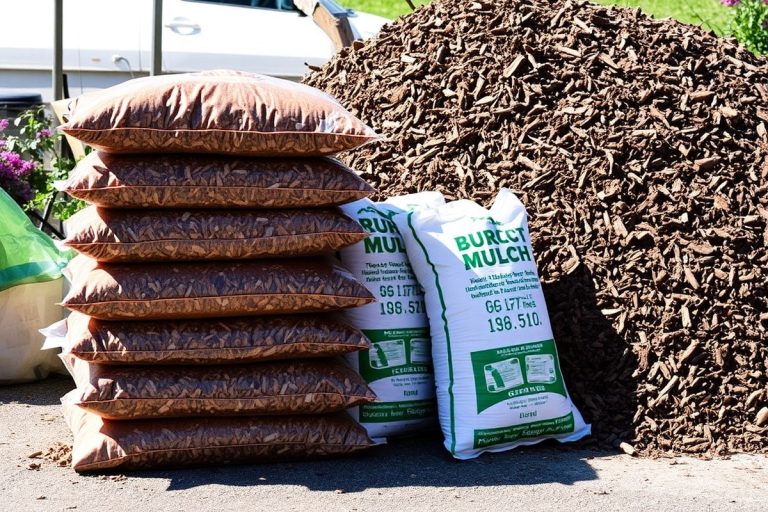
Spread mulch in a 3-foot circle around the lilac. Keep the mulch about 2 inches away from the trunk. This helps keep moisture and stops weeds.
Mulch keeps soil moist and controls weeds, which protects the roots. Use organic mulch like wood chips or shredded bark for best results.
Water deeply immediately after planting to help soil settle around roots. Make sure water drains well to avoid root rot. Continue to water lilacs regularly during the first growing season until roots are strong.
- Gather your tools: shovel, compost, mulch, watering can or hose.
- Dig a hole about twice the width and a bit deeper than the lilac’s root ball.
- Mix compost into the backfill soil for better nutrients.
- Remove any packaging and soak bare roots for 10 to 15 minutes before planting.
- Place the lilac in the hole, spreading roots out gently.
- Fill the hole with soil, tamping lightly to avoid air pockets.
- Water deeply to settle soil and stimulate root growth.
- Apply mulch in a 3-foot ring around the plant, keeping it 2 inches from the trunk.
Comparing Spring and Fall Planting: Pros, Cons, and Outcomes
Planting lilacs in the fall focuses the plant’s energy on root growth. This helps the bush settle in before winter. Spring planting sends energy toward leaf and top growth since the plant wakes up from dormancy.
Fall planting usually cuts down transplant shock. The soil is still warm, aiding root development. Spring planting risks more shock because plants face rapid climate changes and new growth challenges.
Watering changes by season. Fall planting needs steady watering to keep roots moist before frost.
Spring planting requires consistent moisture to support new leaves and shoots. Overwatering in spring can hurt young lilacs.
| Factor | Fall Planting | Spring Planting |
|---|---|---|
| Growth Focus | Root establishment before dormancy | Foliar and shoot development |
| Transplant Shock | Lower risk | Higher risk |
| Watering Need | Moderate to steady moisture | Frequent but careful to avoid overwatering |
| Frost Damage Risk | Plant before first hard frost date | Risk from late spring frost |
| Heat Damage Risk | Low, cooler autumn temps | Possible if planting late spring or early summer |
Plant lilacs in fall from September through early November, avoiding the last hard frost. Early spring planting is best right after the ground thaws to reduce shock.
Avoid watering too much in spring to prevent root rot. Aim for moist but well-drained soil to keep roots happy without suffocating them.
Never plant lilacs too late in fall. Frost can stop root growth and kill young shrubs.
Fall planting suits colder zones where winters freeze the ground early. Spring planting fits areas with short or mild winters. The care you give lilacs right after planting matters most.
This sets the stage for healthy growth the following spring. Pay close attention in the first weeks after planting.
Watering and Mulching Strategies After Planting Lilacs
Water newly planted lilacs deeply once or twice a week for the first month. The soil should stay moist but never soggy.
Check the top 2 inches of soil. When the soil feels dry, you need to water your lilacs again.
Overwatering risks root rot, which harms lilacs quickly. Signs include yellowing leaves or a musty smell near the roots.
Let the soil dry if it stays wet for several days. This prevents problems like root rot.
Apply a 2 to 3-inch layer of organic mulch like shredded bark or compost. Keep the mulch a few inches away from the trunk to avoid bark rot. Mulch holds moisture, blocks weeds, and stabilizes soil temperature around roots.
Water your lilacs more often in hot or dry weather. Use less water each time. This stops flooding.
Water early in the day so soil dries before night. This helps prevent fungal diseases common in wet conditions.
Check soil moisture regularly. Press your finger 2 inches into the soil.
Watering isn’t needed when the soil feels cool and damp. Also watch lilac leaves for wilting, which signals stress from dryness or heat.
Mulch refreshes annually. Break up old mulch and add new organic material to maintain moisture and weed control. Good mulch avoids crushing tender roots and lets water soak in evenly without pooling.
Spot dry, cracked soil or wilting leaves in summer? Slowly soak the soil to the roots.
Avoid quick floods that cause drainage problems. Adjust watering based on rain or heat changes to keep roots happy.
Common Planting Mistakes and How to Fix Them
Planting lilacs too deep causes the crown to sit below soil level. Water then collects around the base, which leads to root rot and poor growth. You’ll see yellowing leaves and fewer blooms if the plant suffers from this problem.
Shade is another common mistake. Lilacs need six or more hours of sunlight daily.
If leaves look thin or pale and flowers are sparse, the location might be too shady. Poor drainage shows up as wilting or soggy soil that never dries properly.
To fix planting depth, carefully dig around the base without disturbing roots much. Lift the plant so the top of the root ball is just above ground. Add soil underneath and pack it firmly but gently.
- Check sunlight at different times for at least one week
- Use a shovel to dig 12, 18 inches deep to test drainage
- Amend clay soil with 2, 3 gallons of compost per hole
- Add coarse grit with compost for compacted subsoil
- Apply 1, 2 pounds of ground limestone if soil pH is below 6.0
Improving light means selectively pruning trees or moving small lilacs in early spring. Improving drainage requires soil amendments or raised beds to avoid standing water. You can slowly move a small lilac by digging half the root ball in early spring.
Do not dig out large established plants to fix deep planting or drainage issues. This stresses roots and may kill the lilac. Instead, improve the surface soil and keep mulch and water away from the trunk.
Call a licensed horticulturist if you notice consistent decline or suspect fungal diseases. Early professional aid can save a struggling lilac.
Transplanting Established Lilacs: When and How to Move Them Safely
Transplant mature lilacs in early spring or fall. The soil should be 40°F to 60°F (4°C to 15°C). This temperature range helps keep roots healthy and reduces transplant shock.
Moving lilac bushes older than 10 years can be risky. Very large bushes are also harder to move safely.
Large plants have big root balls that are tough to dig out completely. Pruning the lilac by one-third the season before moving helps manage size and stress.
Preparing roots and soil before transplanting is key. Choose a spot with full sun and moist, well-drained soil.
Avoid places where water sits or soil stays soggy after rain. Healthy roots are firm and spread wide but don’t break when pulled.
Watering well is important both before and after the move. Keep the soil moist but not soggy.
Water the lilac deeply after planting, then continue regular watering for 2 years. Dry soil or wilting leaves signal a need for more water.
Signs of a successful transplant include new leaf growth and strong stems in the spring. The lilac may look quiet at the top first. But roots work below the soil.
Faded leaves or many dropped leaves show the lilac is stressed. No new growth months after moving means trouble.
Follow these steps to move a mature lilac safely:
- Prune the lilac by one-third in the fall before moving.
- Dig around the plant carefully to include most roots. Aim for a root ball 12, 18 inches wide.
- Lift the lilac out, keeping the root ball intact with soil.
- Prepare the new hole twice as wide and the same depth as the root ball.
- Put the lilac in the hole with the root ball top at ground level. Check to keep it even with the soil surface.
- Fill the hole with loose soil and water deeply to settle roots.
- Add mulch around the base but avoid covering the stem to keep moisture even.
- Water regularly, about one inch per week, especially in dry spells for two years.
Transplant only in mild weather to avoid heat stress; avoid moving lilacs in summer.
Step-by-Step Action Plan for Planting Lilacs
Follow this plan to plant lilacs at the right time with good care. It helps you avoid common mistakes and get strong, blooming bushes.
- Before planting: Check your hardiness zone to pick the best planting time. Choose early spring or fall for your zone.
- Day 1: Pick a sunny spot with well-drained soil and loosen the ground. Dig a hole twice as wide and deep as the root ball.
- Day 1: Place the lilac in the hole at the same depth it grew before. Fill with soil, firm gently, and water thoroughly.
- First week: Water the lilac every 2 to 3 days. Keep the soil moist but not soggy. Check the soil before watering again. Look for healthy, steady leaf growth.
- After 2 weeks: Add a layer of mulch 2 to 3 inches thick around the base. Keep mulch 2 inches from the stem to prevent rot.
- First month: Watch for signs of transplant shock like drooping leaves and adjust watering if needed. Lilacs usually bounce back quickly.
- End of first season: After flowering, prune dead or weak stems. This helps promote healthy growth next year. Do it carefully to avoid damage. Avoid heavy pruning in the fall.
Frequently Asked Questions
Can I Plant Lilacs in Pots Year-Round?
You can grow lilacs in pots, but monitor watering closely. They may need more water and protection from heat in summer.
How Deep Should I Plant Lilacs?
Plant lilac roots just below soil surface, about 1-2 inches deep. That keeps roots covered but stops them from rotting.
Should Lilacs Be Planted Near Trees?
Avoid planting lilacs too close to trees to reduce root competition. Lilacs need full sun and good airflow, best found away from large trees.
What’s the Best Spacing for Lilac Varieties?
Space standard lilacs 5 to 10 feet apart for healthy growth and airflow. Smaller varieties can be closer but still need room to spread.
How Soon After Planting Will Lilacs Bloom?
Lilacs typically bloom in 2 to 3 years after planting. Good sunlight and proper care speed up blooming.
Can I Plant Lilacs in Shady Areas?
Lilacs need at least 6 hours of direct sun daily to bloom well. Too much shade results in fewer or no flowers.
Key Points to Remember
Plant lilacs in early spring or fall where they get plenty of sun and well-drained soil. Water regularly after planting and use mulch to keep roots healthy. Start by picking your spot and checking your hardiness zone today.





One Comment