What Is Algae Bloom? A Complete Guide with Causes, Risks, and Solutions
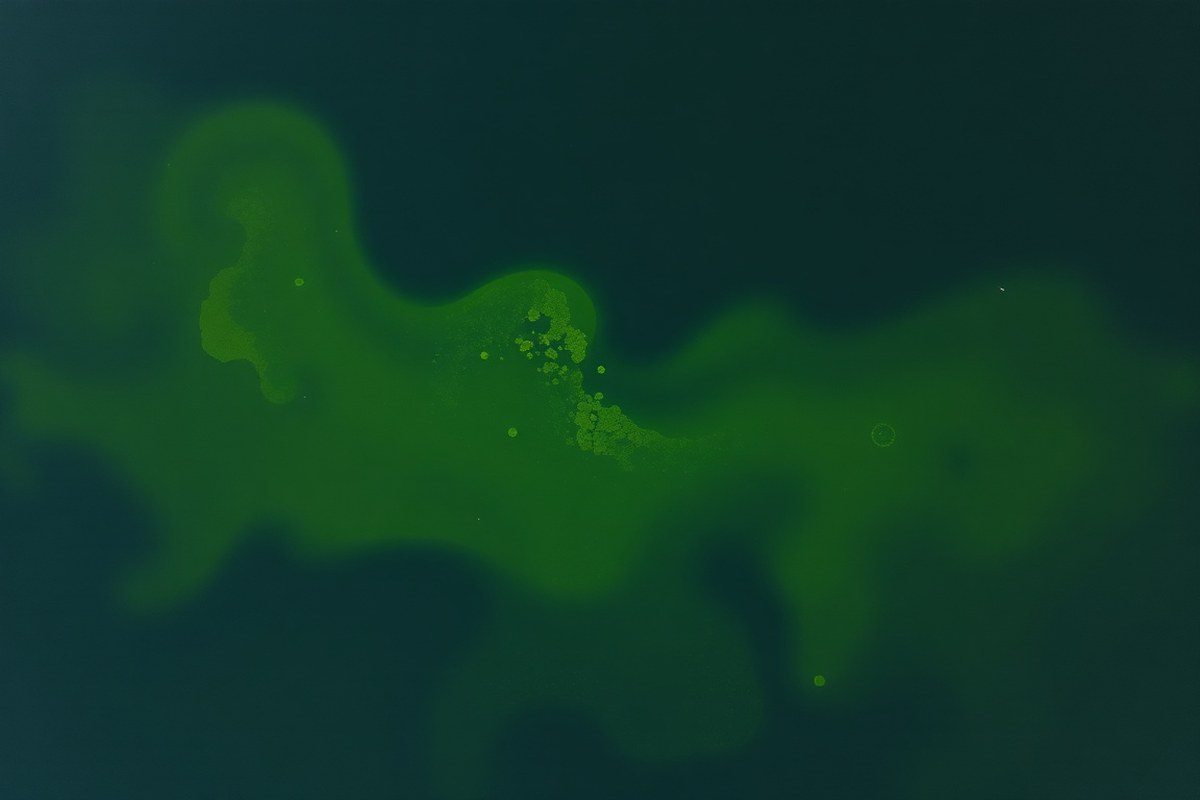
What is algae bloom? It’s a rapid increase of algae in water.
This sudden growth often changes water color and smell. It happens when water conditions support algae multiplying fast, such as warm temperatures and high nutrient levels.
Algae blooms often occur after heavy rains wash fertilizers and waste into lakes or rivers. These nutrients, especially nitrogen and phosphorus, fuel algae growth. Calm waters with lots of sunlight also help blooms take off quickly.
Algae blooms can make water cloudy and use up oxygen. They block sunlight, which underwater plants and fish need to survive. You might notice green, blue, or red streaks or a slick on lakes, ponds, or slow rivers.
Not all algae blooms are harmful, but some produce toxins. These toxins can harm fish, pets, and humans, causing skin irritation or worse. Regular water checks can spot blooms early and help limit their damage.
Key Takeaways
- Algae blooms mean algae grow very fast in water bodies.
- Sunlight, nutrients, and warm temperatures fuel algae bloom growth.
- Algae blooms often change water color and smell noticeably.
- Harmful algae produce toxins that damage wildlife and human health.
- Oxygen depletion during blooms can kill fish and aquatic plants.
- Early detection by monitoring can prevent serious ecosystem harm.
What Is an Algae Bloom and How Does It Occur?

Algae blooms happen when algae populations grow very fast in water. This sudden growth creates dense layers of algae on lakes, rivers, or oceans. The water often changes color.
It might turn green, brown, or red. This color shift makes the bloom easy to see.
These blooms can form in just a few days or sometimes over a week. Algae multiply quickly when they get enough nutrients, warm temperatures, and plenty of sunlight. Calm water also helps algae gather and stay near the surface, allowing blooms to develop.
Nutrients like phosphorus and nitrogen are the key factors that boost algae growth. These come from sources like farm fertilizers, sewage, and runoff. When nutrients rise, algae get more food.
This lets them multiply fast. They sometimes spread over large water areas.
Besides nutrients, water temperature affects how fast algae grow. They thrive in warmer water, typically above 60°F (15°C). More sunlight means more energy for algae to reproduce.
Stable, calm wind keeps algae near the surface. This stops them from mixing deep. Light is low deeper down.
Sometimes, algae have natural growth cycles unaffected by the environment. For example, the algae Alexandrium fundyense follows an internal clock, blooming annually in deeper waters. In shallower areas, blooms depend more on changing temperature and local conditions.
Algae blooms often happen when several factors occur together. High nutrients alone might not cause blooms if water is too cold or murky.
Warm, bright, nutrient-rich, and calm conditions join. Algae then bloom fast and densely.
These blooms are natural but have become more common and intense in recent decades. Human activities that increase nutrient runoff contribute to this rise. Monitoring environmental conditions helps predict and manage blooms before they grow too large.
Types of Algae Blooms and How to Identify Them

Algae blooms come in several types, mainly cyanobacteria and dinoflagellates. You can spot them by their color, water type, and effects. Some blooms are harmless, while others produce dangerous toxins.
Freshwater vs Marine Blooms
Freshwater blooms often involve cyanobacteria, also called blue-green algae. These prefer warmer temperatures, over 25°C, and appear in lakes and ponds. Marine blooms usually come from dinoflagellates and other algae in oceans.
Freshwater blooms often look like thick, green scums floating on the water. Marine blooms can have more colors, like red, brown, or green. The color depends on the algae type and water conditions.
Harmful vs Non-Toxic Blooms
Not all algae blooms are harmful. Some grow rapidly but don’t harm health or ecosystems. Harmful algal blooms, or HABs, produce toxins that hurt people, fish, and wildlife.
You can’t tell if a bloom is harmful just by looking. Some toxic cyanobacteria create a blue-green scum, but others may seem harmless. Testing water samples is needed to confirm the presence of toxins.
Never swim or drink water if you see thick scum or unusual colors on the surface.
Common Species and Their Signatures
Cyanobacteria mainly cause harmful blooms in freshwater bodies. They produce toxins that affect liver and nerves. Dinoflagellates often trigger red tides in coastal saltwater areas, releasing neurotoxins.
Here’s a quick table to help spot common bloom types, their typical environments, colors, and effects:
| Algae Type | Typical Environment | Common Color | Harmful? | Notes |
|---|---|---|---|---|
| Cyanobacteria (Blue-Green Algae) | Freshwater lakes, ponds | Blue-green, green | Often toxic | Forms thick surface scum |
| Dinoflagellates | Saltwater coastal areas | Red, brown, sometimes green | Can be toxic | Causes red tides |
| Green Algae | Fresh and brackish waters | Bright green | Usually harmless | May cover water surface |
| Brown Algae | Marine and brackish waters | Brown, olive | Generally non-toxic | Grows on surfaces, not floating |
Knowing these signatures helps identify algae types during field checks. Look for water color changes and scum thickness to spot blooms needing lab tests.
Environmental Factors That Cause Algae Blooms
Algae blooms often start when excess nutrients like nitrogen and phosphorus enter water. These nutrients come from fertilizers used on farms, lawns, and gardens.
When rain brings chemicals into rivers and lakes, algae get food. This helps them grow fast.
Warm water also helps algae multiply quickly. Temperatures around 70 to 85 °F are ideal for many algae species. Calm water and plenty of sunlight help algae grow quickly.
They use sunlight to make energy. Large blooms appear in these conditions.
Natural events push ocean nutrients from deep to the surface. This process is called upwelling. It feeds many sea creatures.
This can cause blooms in coastal areas without human pollution. Seasonal changes in spring and summer also boost light and temperature, helping algae grow faster.
Climate change may make blooms worse by raising water temperatures and extending summer seasons. Longer warm periods give algae more time to multiply. Changes in rainfall patterns can increase nutrient runoff into water bodies too.
Scientists found that cutting nitrogen alone does not always stop blooms. Phosphorus removal seems more effective in slowing algae growth. Programs that limit fertilizer use and reduce sewage spills help keep nutrients low in water.
Light levels, water stability, and pH also affect algae toxin production. Stable, sunny conditions boost toxin release during blooms. That makes some blooms more harmful to fish and people.
Addressing nutrient pollution is the main way to prevent algae blooms. Actions like improving farm practices and managing stormwater reduce nutrient flow. It takes ongoing effort because these nutrients accumulate over time in water bodies.
Effects of Algae Blooms on Ecosystems and Economy
Algae blooms harm aquatic plants and animals by blocking sunlight. This stops underwater plants from growing, removing shelter and food for fish and other creatures.
When algae die, bacteria break them down, using up oxygen in the water. Low oxygen can suffocate fish, causing large die-offs.
Some algae, like blue-green algae, can produce toxins. These toxins can kill fish and poison animals. They can also harm people’s liver or nerves if they touch or drink the water.
Toxic blooms also harm birds and mammals that depend on the water. Wildlife deaths disrupt the local ecosystem balance and food chains.
Fishing industries face big economic losses from algae blooms. Fish kills reduce catches and hurt incomes.
Farmers and fishers near lakes or coastal areas lose steady sales during bloom events. Smaller producers struggle the most because they can’t afford sudden drops in fish supply or quality.
Tourism suffers too. Algae blooms cause bad smells, scummy water, and unattractive colors like bright green or red.
Tourists avoid lakes and beaches with blooms, leading to fewer visitors. Local businesses, including hotels and restaurants, lose revenue when people stay away.
Long-term, repeated blooms change ecosystems permanently. They favor algae over aquatic plants, lowering plant diversity.
Food webs become simpler, supporting fewer species. Even if blooms stop, it can take years for ecosystems to recover their original balance.
In places like Lake Winnipeg, steady algae growth over decades has hurt wildlife, tourism, and fishing. Lakes and coastal zones with grown algae blooms often face costly treatment and cleanup. Communities pay for water testing, toxin removal, and public warnings to manage health risks.
Health Risks from Harmful Algal Blooms and Exposure
Harmful algal blooms produce toxins that can cause health problems in humans and animals. These toxins may lead to skin rashes, allergic reactions, or respiratory issues. Ingesting contaminated water, fish, or shellfish can also cause nausea, vomiting, or even neurological symptoms.
You and your pets can get exposed by swimming or drinking. Playing near water with visible algae also poses a risk. Avoid these activities to prevent exposure.
Tiny toxic particles can blow in the wind near water. This is a risk, especially at flooded or foamy shorelines. Be cautious of wind conditions there.
Pets lick their fur after being in contact with water. This raises their chance of getting sick. Watch your pets after they swim or play.
Here’s a checklist for avoiding exposure to harmful algal blooms. Use it to keep yourself and your animals safe near water. Follow these steps carefully.
- Keep pets and children out of water with visible algae or foam.
- Do not drink or cook with untreated surface water during a bloom.
- Avoid swimming, fishing, or boating in discolored or smelly water.
- Wash hands and pets thoroughly after outdoor contact with bloom areas.
- Wear a mask if you are near windy shorelines with airborne algae particles.
- Follow local health advisories or beach closures related to algal blooms.
See a healthcare provider if you get skin irritation after water exposure. Also seek help for difficulty breathing or stomach upset. Don’t ignore these symptoms.
Call the Poison Control hotline at 1-800-222-1222 for guidance. Animals showing signs like vomiting, excessive drooling, or weakness also need quick veterinary care.
Avoid water that looks like bright green paint or has smelly foam. It likely contains harmful algae.
Pay attention to local updates about harmful algal blooms, especially during warm months. Early precautions reduce risks and help keep your family and pets safe near lakes and rivers.
How Algae Blooms Are Monitored and Detected
Authorities track algae blooms using several tools. They combine satellite imaging, water samples, and toxin tests. Early warning systems help spot blooms before they get worse.
Satellite and Remote Sensing Methods
Satellites scan large water bodies to detect color changes that show algae growth. Sensors measure light reflecting off the water, highlighting dense algae patches. These methods cover wide areas quickly and spot blooms that humans might miss from the ground.
Satellites often track temperature and nutrient levels tied to blooms. They share data regularly, helping officials decide when to investigate further. While satellites detect many blooms, small or deep blooms can be missed beneath the surface.
Field Sampling and Lab Tests
Teams collect water samples directly from lakes, rivers, or oceans. They check samples for types of algae and harmful toxins in labs. This process confirms if a bloom is toxic and tests chemical details satellites can’t see.
Regular sampling follows these steps to monitor blooms for officials or researchers:
- Choose sample locations based on satellite data or reports.
- Collect water at different depths using clean containers.
- Test water for nutrients, algae counts, and toxin types.
- Record temperature and weather conditions during sampling.
- Analyze lab results to identify harmful algae species.
- Report findings to local agencies for public safety decisions.
Sampling takes several hours to days depending on the site and lab speed. Costs vary by lab but usually range in the hundreds of dollars per test. Teams must test regularly during warm months when blooms often grow.
Interpreting Monitoring Data
Data from satellites and labs combine to map bloom size and toxicity. Analysts look for warning signs like rising algae counts and toxin spikes. Early action depends on spotting rapid growth or dangerous species quickly.
Prediction accuracy improves when data updates happen daily or weekly. Some local programs integrate real-time sensors in water for faster alerts. Still, factors like weather or unusual algae types can affect forecasts.
Strategies to Prevent and Manage Algae Blooms
Limiting nutrient pollution is the best way to reduce algae blooms. Wastewater treatment plants can upgrade to remove more nitrogen and phosphorus. This change cuts the nutrients that feed algae and lowers bloom risk.
Farms also play a big part. Reducing fertilizer runoff and managing manure keeps excess nutrients out of waterways.
Improving agricultural practices helps prevent blooms by controlling nutrient flow. Buffer strips of vegetation along streams catch nutrients before they enter water.
Cover crops planted after harvest keep soil and fertilizer in the field. Fixing leaky septic systems and reducing urban runoff also cuts nutrient pollution.
- Upgrade sewage treatment to reduce nutrient loads
- Use buffer zones along waterways on farms
- Plant cover crops to hold soil and nutrients
- Fix septic and stormwater leak problems
- Limit fertilizer and manure runoff
- Monitor nutrient levels in local waters
- Reduce greenhouse gas emissions to fight warm water trends
Besides prevention, toxic blooms need active cleanup. Dredging can remove nutrient-rich sediment from lakes.
Aeration systems add oxygen, disrupting algae growth. Chemical treatments kill blooms but need caution to avoid harm to other life.
Fish kills and shellfish contamination happen when toxins build up. Authorities often close fishing or swimming areas to protect health.
Advanced toxin detection helps warn people faster. In extreme cases, water filtration and treatment remove toxins before people use the water.
Notable Harmful Algal Bloom Events and Key Lessons
Harmful algal blooms have caused serious problems in fresh and saltwater worldwide. Some events sparked major policy changes and new monitoring methods. These cases reveal how fast blooms develop and the damage they cause.
Lake Erie 2014 Drinking Water Crisis
Lake Erie’s 2014 bloom shut down Toledo’s water supply for two days. A toxin called microcystin contaminated the water, making it unsafe to drink. This bloom covered thousands of square miles, driven by nutrient runoff and warm water.
The crisis led Ohio and Michigan to improve nutrient management laws. Polluters must now reduce phosphorus runoff from farms and cities. Water treatment plants upgraded their monitoring to detect toxins in real time.
Continuous water sampling now helps spot blooms early. For example, Toledo uses sensors to measure toxin levels hourly. Early warnings allow officials to close intakes or switch sources faster, avoiding health risks.
Murray River 2016 Massive Bloom
In 2016, an algal bloom stretched 1,700 km along Australia’s Murray River. It harmed fish and water plants and affected communities relying on the river. Warm weather and high nutrient levels from farming fueled the bloom’s growth.
The event drove Australian states to coordinate better on water quality. Shared data systems and joint river health programs were created. This cooperation speeds response and spreads costs among governments.
Scientists found natural factors like river flow must be included in bloom forecasts. For example, lower flow rates trap nutrients and boost bloom risk. Local managers now use river flow data along with water temperature and nutrients.
Marine Mammal Deaths in California
Since 2003, toxic blooms producing domoic acid have killed hundreds of marine mammals in California. Sea lions and birds ingest contaminated fish or water, causing seizures and death. These blooms appear nearly every year along the coast.
Authorities started early detection programs combining satellite images and ocean sensors. This boosts warnings to fishermen and wildlife groups. They can limit seafood harvests and prepare rescue teams in bloom hotspots.
Researchers track domoic acid levels to refine toxic bloom models. One approach looks at algae genetics to predict bloom toxicity ahead of time. This allows more precise alerts and targeted responses.
Regular testing of water and marine animals helps catch harmful blooms faster.
Step-by-Step Action Plan to Respond to an Algae Bloom
Take these clear steps to protect water and your health. Watch for signs of an algae bloom.
Act quickly when you spot one. Acting fast can reduce harm and help manage the problem effectively.
- Day 1: Avoid contact with the affected water. Check for visible discoloration or scum to spot the bloom.
- Within 3 Days: Report the bloom to local environmental or health authorities. They can confirm its type and start monitoring.
- Week 1: Stop using fertilizers or pesticides near the water. Watch for fewer new blooms or their shrinkage.
- Week 2: Increase aeration or water movement in your pond or nearby waterbody. Notice if water clarity improves.
- Month 1: Support or join community clean-up efforts to reduce runoff pollution. Track water quality reports to see progress.
- Ongoing: Stay updated on local bloom alerts and health advice. Follow any new warnings or safety guidelines.
- Regularly: Install or maintain buffer zones with plants along shorelines. Check that plants grow well and slow runoff.
- Long-Term: Advocate for stronger local water protection laws. Watch for fewer bloom outbreaks over time.
Frequently Asked Questions
What Is an Algae Bloom?
An algae bloom is a rapid increase in algae population in water. It can make the water look green, blue-green, red, or brown.
What Causes Algae Blooms to Form?
Excess nutrients like nitrogen and phosphorus from farms or lawns often cause algae blooms. Warmer water and sunlight also help algae grow fast.
Can Algae Blooms Be Harmful?
Some algae blooms produce toxins that can make people and animals sick. These are called harmful algal blooms or HABs.
How Do Scientists Detect Algae Blooms?
Scientists use satellites and water testing to find and track algae blooms early. This helps warn people and protect ecosystems.
Why Do Algae Blooms Sometimes Cause Fish Kills?
Algae blooms use up oxygen when they decay, starving fish of air. This can lead to large fish die-offs in lakes or oceans.
Can People Swim Safely in Water with Algae Blooms?
Swimming is risky in toxic algae blooms since they can cause skin rashes or breathing problems. It’s best to avoid contact if a warning exists.
Final Thoughts
An algae bloom shows when water conditions change and plants grow too fast. Protect yourself by avoiding contact and reporting blooms. Learn your local signs and actions to keep water safe and healthy.