How Much Is a Ton of Soil? Complete Cost Guide and Buying Tips
How much is a ton of soil? Typically, a ton of garden soil costs between $20 and $60.
Soil yards usually offer better prices compared to retail stores. Most buyers find prices often range from $20 to $40 per ton, depending on location and quality.
A ton of soil weighs 2,000 pounds, which equals about 0.75 cubic yards. This weight helps you estimate how much soil fits in your truck or garden space. It also affects how you plan delivery or pickup.
Start by measuring the area you want to cover before buying soil. Keep in mind that soil type and moisture levels affect the price you pay.
These factors also change the soil’s density and overall weight. So account for them in your calculations.
Key Takeaways
- A ton of soil equals 2,000 pounds, roughly three-quarters of a cubic yard.
- Soil prices vary by location, usually $20 to $50 per ton in most areas.
- Buying directly from suppliers often gives you better prices per ton.
- Moisture content affects soil weight and overall cost when buying by the ton.
- Measure your project area carefully to avoid buying too much or too little soil.
- Topsoil thickness typically ranges from 3 to 4 inches for lawns and gardens.
How Much Does a Ton of Soil Typically Cost?
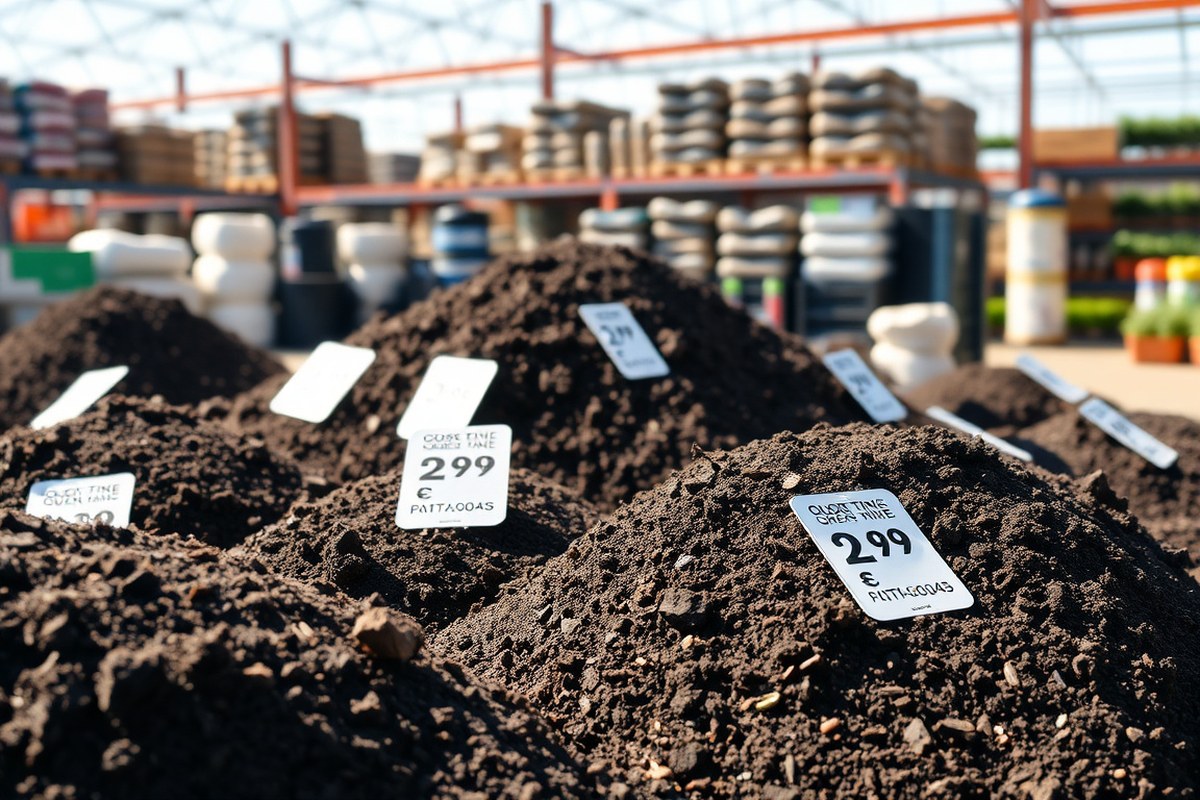
The average price for a ton of soil usually falls between $20 and $50. This range depends mostly on the type and quality of the soil. For example, screened loam or organic-rich soil tends to cost more than basic fill dirt.
Retailers often charge between $30 and $60 per ton, focusing on convenience and smaller orders. Bulk suppliers offer prices from $20 to $40 per ton. But you’ll need to arrange transportation.
Buying in bulk usually lowers the price per ton. But delivery fees can add up.
Location plays a big role in soil cost. Delivery distances beyond 20 miles often raise the price because of fuel and time. Prices can be higher in areas with strong demand.
Urban and suburban neighborhoods often see this during spring. This is the main planting season.
What Are the Weight and Volume Measurements for a Ton of Soil?
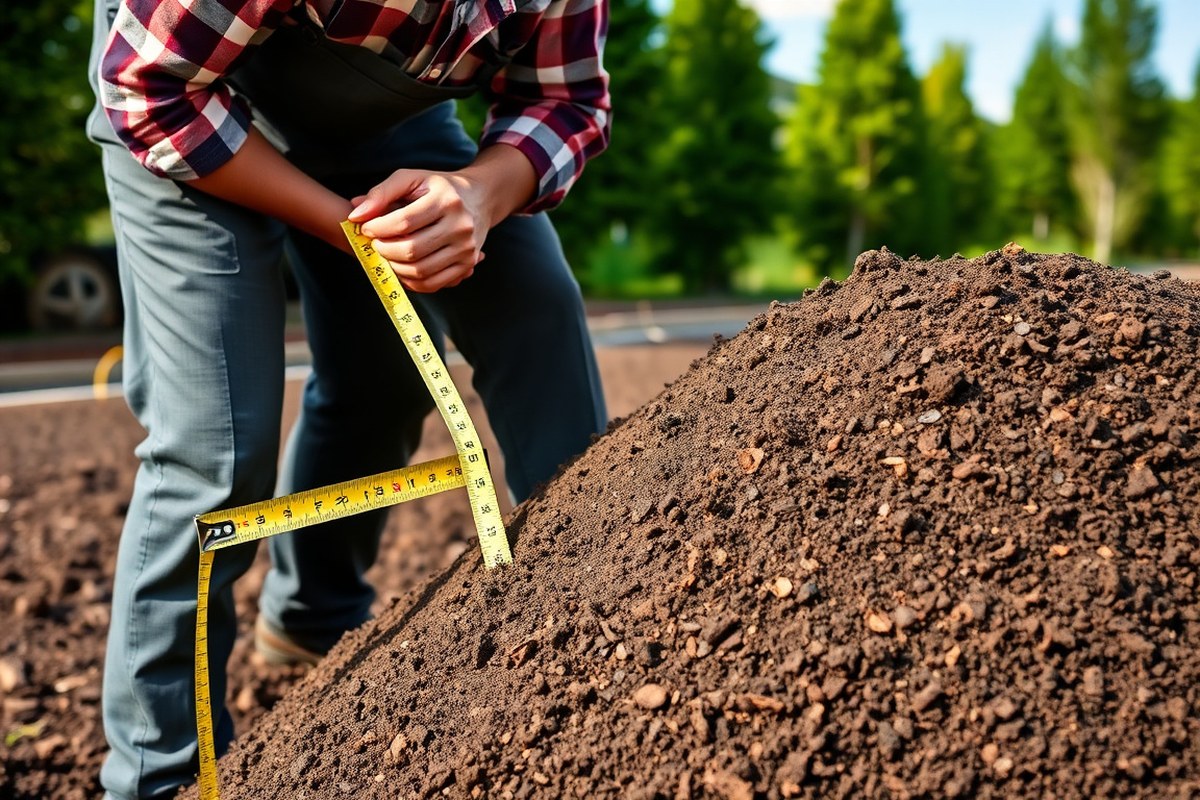
A ton of soil weighs 2,000 pounds in the US system. That is called a US ton or short ton. A metric tonne weighs slightly more, 2,204 pounds, and is used more in selling topsoil globally.
Soil weight varies by type and moisture. It usually ranges from 1,200 to 2,700 pounds per cubic yard.
Volume matters because soil is often ordered by cubic yards. One cubic yard is 27 cubic feet. The weight per yard changes depending on soil makeup and water content.
For example, a cubic yard of dry fill dirt weighs about 2,400 pounds or 1.2 tons. That means a ton of fill dirt is just under a cubic yard in volume.
| Material | Tons per Cubic Yard | Cubic Yards per Ton | 10 Tons ≈ Cubic Yards |
|---|---|---|---|
| Fill Dirt | 1.15 to 1.35 | 0.8 | 8 |
| Select Fill | 1.20 to 1.40 | 0.77 | 7.7 |
| Topsoil | 1.00 to 1.20 | 0.9 | 9 |
| Sand | 1.30 to 1.50 | 0.71 | 7.1 |
| Crushed Base | 1.35 to 1.55 | 0.69 | 6.9 |
To figure out your soil needs, multiply the volume you want by soil density. For example, three cubic yards of topsoil might weigh about 3.3 tons. That comes from 3 yards × 1.1 tons per yard.
This helps you order the right amount without guessing. Always check your supplier’s soil type and moisture for accurate numbers.
Remember, ordering by weight or volume affects the amount you get. Specify the unit clearly to avoid confusion.
Knowing these differences lets you plan better for filling or landscaping jobs. Soil type affects both how much you get and how much you pay. Dry soils are lighter, so a ton covers more space.
Wet or rich soils pack more weight in less volume. The US ton is standard locally. But some places use the metric tonne for topsoil sales.
How to Calculate How Much Soil You Need for Your Project
Start by measuring your garden’s length and width in feet. Next, decide how deep you want to fill the soil. Multiply these to get the total soil volume needed.
Then, convert these measurements into cubic yards to figure out the volume. Finally, convert the volume to tons using typical soil density values.
Measuring Your Garden Area
Measure the length and width of the area where you’ll add soil. Use feet as the unit to keep calculations consistent. Break irregular spaces into smaller, straight sections for easier measuring.
Measure each part separately, then add them up for total area. This method helps get an accurate soil estimate.
Accurate measurements avoid ordering too much or too little soil. For a 10 × 15-foot garden, the area is 150 square feet. Simple tools like a tape measure work well for this step.
Converting Depth from Inches to Feet
Convert the soil depth from inches into feet for volume calculations. Soil depth usually ranges from 4 to 6 inches in gardens.
So divide your inches by 12. For instance, 6 inches divided by 12 equals 0.5 feet.
This helps you keep volume units consistent with length and width in feet. Using feet avoids mistakes in the cubic yards calculation that follows.
Calculating Volume in Cubic Yards
Calculate soil volume by multiplying your area in square feet by soil depth in feet. Then divide that number by 27 because 1 cubic yard equals 27 cubic feet. This gives the soil volume in cubic yards.
For example, a 10-by-15-foot garden at 6-inch depth: 10 × 15 × 0.5 = 75 cubic feet. Then, 75 ÷ 27 = about 2.78 cubic yards of soil required.
Estimating Total Tons Needed
Garden soil usually weighs between 0.7 and 0.8 cubic yards per ton. Calculate the soil tons by dividing your total cubic yards by this number. This accounts for soil’s different density and moisture levels.
For the example above, 2.78 cubic yards ÷ 0.75 (average) = about 3.7 tons of soil. Ordering a bit extra can cover settling or uneven soil depth. Follow these steps to estimate your soil needs accurately:
- Measure the length and width of your garden area in feet.
- Convert your desired soil depth from inches to feet by dividing by 12.
- Multiply length × width × depth (in feet) to get cubic feet.
- Divide the cubic feet by 27 to convert to cubic yards.
- Divide cubic yards by 0.75 (soil cubic yards per ton) to estimate tons.
- Add 5, 10% extra soil for variations, compaction, or waste.
- Round up your order to ensure you have enough soil on delivery day.
Estimate uneven soil areas by dividing your garden into sections with uniform depth. Calculate volume and tons separately for each section, then add totals. This method prevents running short or overbuying soil.
Factors That Affect Soil Cost per Ton
Soil type changes the price a lot. Topsoil usually costs between $10 and $50 per ton. Garden soil costs more, usually $20 to $60 per ton.
It has more nutrients and better structure for plants. This makes it pricier than other soils. Clay and sandy soils often cost $10 to $30 per ton.
They are cheaper because their makeup is simpler. These soils are used less for planting.
Organic content plays a big role too. Soil with compost or extra organic material often costs more, around $30 to $70 per ton.
Some premium, sustainably sourced organic soils can even exceed $100 per ton. These soils support plant growth better but need extra processing, which adds to the price.
Delivery distance affects your total cost, especially if soil must travel far. Transport fees can add significantly to the price.
Local suppliers usually offer better deals, costing less than soil shipped from other areas. Urban places like New York City tend to have higher prices due to more delivery challenges.
Seasonal changes influence soil costs and availability. Prices usually rise during planting seasons in spring and early summer when demand is high. In fall and winter, soil suppliers might offer discounts.
But heavy rains or snow can limit deliveries. You can save money by buying soil off-season. But be ready for slower delivery times.
Handling and site prep can add extra fees. Soil that needs special amendments adds extra cost. Mixing with other materials also raises the price.
These fees appear on your final bill. Retailers add extra fees for handling the soil. That’s why store prices range from $30 to $60 per ton.
These fees cover labor and processing. Buying in bulk directly from a supplier may lower these fees.
Moisture content also influences soil weight and price. Wet soil weighs more, which can increase costs if you’re charged by weight. Dry soil may cost less per ton but could compact more.
Knowing soil moisture helps you buy the right amount. It stops you from paying for water weight. This keeps your cost fair and accurate.
Where and How to Buy Soil for the Best Price
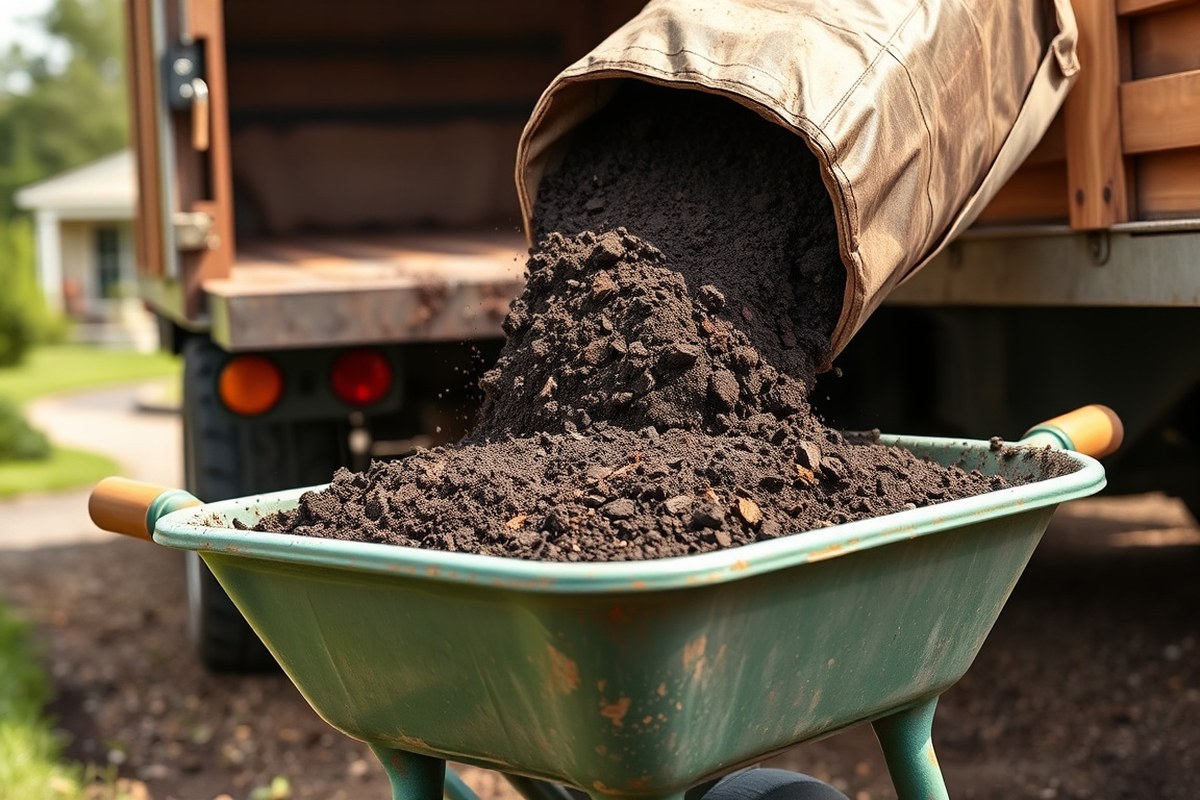
You can buy soil in bags or in bulk from different suppliers. Bags are easy for small jobs, but bulk soil often costs less per ton. Choosing delivery or pickup depends on your budget, equipment, and timing.
Buying Soil in Bags vs Bulk
Bags usually hold 40 to 50 pounds of soil. They’re perfect for minor garden patches or flower beds. Bulk soil is sold by cubic yards or tons and suits bigger landscaping tasks.
Bulk soil tends to be cheaper per ton than bags. Buying bags adds packaging costs you don’t pay with bulk. Bags offer easy handling and storage but limit the amount you can buy at once.
Use bags when your project requires less than a few hundred pounds. Bulk works when you need over a ton, saving money over many bags.
Evaluating Local Soil Suppliers
Check garden centers, landscape yards, and specialized soil suppliers nearby. Prices vary by location and soil quality, so compare options before buying. Local suppliers often offer bulk discounts for large orders.
Suppliers who mix compost or organic matter might charge 5% to 40% extra per ton. Ask about the soil’s pH and organic content to ensure it fits your needs. Reading reviews or getting referrals helps avoid poor-quality soil.
Urban areas might charge extra for delivery. Rural suppliers may have lower base prices. Factor in transportation costs and access restrictions when picking a supplier.
Pros and Cons of Delivery and Pickup
Delivery saves you time and effort. Suppliers usually deliver soil by truckload, useful for heavy bulk orders. Delivery fees can vary widely, especially in cities with traffic or limited parking.
Pickup lets you control timing and avoid delivery fees. You need a truck or trailer and equipment to unload soil safely. Picking up soil yourself can take longer and requires more physical work.
Decide on delivery for projects over a ton or when you lack hauling gear. Choose pickup when soil quantities are smaller or delivery fees are high.
- Delivery: convenient, less labor, extra cost
- Pickup: no delivery charge, needs transportation, more effort
- Bulk orders: delivery usually cheaper per ton
- Urban delivery: higher cost, parking limits
- Rural pickup: longer travel, possible savings
- Bags: easy to handle but pricier per pound
- Mix: buy bags for small spots, bulk for main areas
Finding Discounts and Seasonal Deals
Bulk discounts often apply when you order large quantities. Ask suppliers if they lower prices above a certain tonnage. Look for off-season deals since prices and delivery costs may drop then.
Many yards reduce rates in early spring or late fall when demand falls. Ordering ahead for planned projects helps secure good prices and delivery slots. Local garden centers may also run promotions tied to gardening seasons.
Keep exact measurements ready before ordering bulk soil to avoid multiple trips or extra costs.
How Soil Density and Moisture Content Influence Weight and Price
Wet soil weighs more than dry soil because water adds weight. Dry garden soil usually weighs between 1,200 and 1,600 pounds per cubic yard.
When wet, it can weigh up to 2,700 pounds per cubic yard. This difference changes how much space a ton of soil fills.
Soil density varies by type, too. Sand is heavier and denser than loam and compost. For example, sandy soil packs tightly and weighs more per volume.
Compost is lighter and fluffier, so it weighs less even when wet. These differences affect your soil volume and weight estimates.
Moisture content affects both weight and volume. If the soil is wet, it compacts less and takes more space per ton. Dry soil compacts more, so one ton will cover less area.
Always check moisture levels and adjust your order. For example, order about 10 to 20 percent more soil if it’s dry and loose.
Compaction plays a big role in measuring soil for projects. Soil naturally settles when added to your yard or raised beds. Loose soil can shrink up to 30 percent when compacted.
This means you may need more soil than a simple volume-to-weight calculation shows. Rely on compacted soil weight estimates to avoid running short or paying for extra soil later.
To adjust for moisture and compaction, start with your soil’s dry weight from the supplier. Ask about typical moisture content and compaction rates. Then multiply the soil volume by a factor based on these.
For example, multiply by 1.2 for wet soil or 0.85 for tightly compacted soil. This gives a closer estimate of how much soil you need.
Common Mistakes When Estimating Soil Quantity and Cost
Many soil buyers guess the soil amount they need wrongly. They also don’t expect the true costs. This causes problems in their garden plans.
People often measure area or depth wrong. They forget soil compacts and settles after placing.
Extra costs like delivery or prep get missed too. Planning ahead helps you avoid these costly mistakes.
Mistakes in Measuring Soil Volume
People often underestimate the depth needed for soil. Most garden beds need 2 to 8 inches of soil depending on plant type. Measuring only the surface area without considering this depth leads to ordering too little soil.
Using a rough estimate can work, but uneven ground needs careful checking. Walk the area with a tape measure or ruler at several points. Write down different depths so you get an average.
Here’s a quick checklist to measure soil volume:
- Measure length and width of your garden or lawn area
- Check soil depth at 3-5 spots across the area
- Calculate average depth by adding depth numbers and dividing by spots
- Multiply length x width x average depth for cubic feet or yards
- Convert volume to tons or bags based on the soil type you want
Failing to do these steps can leave you short or with too much soil. It’s better to be precise with volume than guess.
Ignoring Compaction and Settling Effects
New soil always settles and compacts after delivery. This means it takes up less space over time. Buying only the initial soil volume might leave your bed low later.
Compaction varies by soil type and moisture. Looser, organic or mulch-type mixes settle more than dense clay soils. You should plan for a 10 to 15 percent reduction in volume after settling.
Skip the mistake of ordering exactly what your current measurements say. Add extra soil to allow for compaction and settling.
Failure to Add Contingency Soil
Uneven terrain or slopes make exact soil needs tricky to predict. Soil depth may vary bit by bit. Buying an extra 5 or 6 percent soil beyond your calculated amount will cover these fluctuations.
This margin also protects you against small misjudgments while measuring. It ensures you don’t run out halfway through a project. Adding this contingency is a smart safety net.
You also gain flexibility if you decide to spread soil thicker on some parts. Avoid last-minute orders that may cost more or delay your work by planning a buffer now.
Overlooking Delivery and Prep Charges
Many buyers only look at soil price per ton. They forget about expenses like delivery, especially if your location is far from the soil supplier. Delivery can add $50 to $150 or more.
Preparation costs like tilling, grading, or debris removal also often go unnoticed. Some suppliers charge extra if they dump soil on uneven land or you request special placement.
Neglecting these fees leads to expensive surprises. Check your supplier’s delivery area map and ask clear questions about all possible costs. Tips to manage delivery and prep charges:
- Choose a supplier close to your home to lower delivery expenses
- Request a written quote including all fees before ordering
- Consider renting equipment if prep cost is high for big jobs
- Schedule delivery on dry days to avoid extra handling fees
- Confirm who is responsible for spreading or leveling the soil
Getting these details early keeps your soil project on budget and on schedule.
How to Plan and Budget for Large Soil Delivery Projects
Start by calculating how many tons of soil your project needs. Multiply the total cubic yards by 1.3 to convert it to tons for garden soil.
Next, multiply the tons by the cost per ton you found. That gives you a solid starting point for budgeting the soil itself.
Think about extra charges like delivery fees, labor, and permits. Delivery costs usually rise with distance and the amount delivered.
Labor may be needed for site prep, such as grading or moving soil around after delivery. Also, check if your area requires permits for big soil deliveries.
| Cost Factor | Typical Cost Range | How It Affects Budget |
|---|---|---|
| Soil Price per Ton | $15 to $50 | Main cost, depends on soil type and source |
| Delivery Fee | $50 to $150 | Depends on distance and weight; can add up quickly |
| Labor for Site Prep | $200 to $600 | Needed if soil needs spreading or shaping |
| Permits and Taxes | Varies by location | Can add several hundred dollars on large projects |
| Bulk Discount | 5% to 15% | Reduces price per ton for large orders |
For example, you need 20 tons of soil at $30 per ton. The soil alone costs $600. A delivery fee of $100 applies because the site is 15 miles away.
You also hire help for $300 for site prep. Your total is $600 + $100 + $300 = $1,000 before taxes. Don’t forget permits; they might add $150.
Bulk discounts often kick in for orders over 10 tons. A 10% discount on 20 tons at $30 per ton saves $60.
It’s a good idea to ask suppliers about discounts before ordering large amounts. This lowers your total cost and may offset delivery fees.
Hiring pros depends on the job size and skill needed. Large sites or uneven terrain usually need laborers or landscaping specialists. If the area is small and flat, you can save money by digging in and spreading soil yourself.
Check with local officials about permits for soil delivery before placing your order.
Step-by-Step Action Plan for Buying Soil in Bulk
Follow these steps to estimate, buy, and manage your soil effectively. This helps prevent waste and surprises in cost.
- Before you start: Measure your project area in feet. Multiply length by width and depth to get cubic feet.
- Day 1: Calculate the soil volume needed in cubic yards. Divide cubic feet by 27 and note this number.
- Day 2: Convert volume to tons using soil density. Check if your soil is loose or compact. Use about 2,000 pounds per cubic yard for loose soil.
- Day 3: Contact local soil suppliers. Ask for quotes per ton and delivery fees. Compare at least three options.
- Day 4: Review soil quality and moisture content. Remember wetter soil weighs more and costs more. Choose balance between quality and price.
- Day 5: Order the soil amount slightly above your calculation to cover settling and compaction. Add around 10% extra.
- Delivery day: Check the soil delivery weight ticket or receipt to confirm the amount you got. This confirms your order accuracy.
- After delivery: Spread and level soil soon to avoid excessive settling and moisture change. This keeps your project on track.
Frequently Asked Questions
How Much Is a Ton of Soil Delivered to My Home?
Delivery usually adds $50 to $100 for 20 miles. Prices rise with distance and special handling, so check local rates and options.
Is Organic Soil Always More Expensive per Ton?
Organic soil often costs over $100 per ton. It has higher prices due to sustainable sourcing and quality. But it can benefit plant growth.
Can I Mix Different Types of Soil Bought by the Ton?
Yes, mixing is common to balance nutrients and texture. Use a tiller or shovel to blend well before planting to help roots grow.
How Much Does Soil Cost per Cubic Yard Compared to per Ton?
Soil costs vary between $20 and $50 per cubic yard or ton depending on type and place. Understanding the volume is useful when purchasing soil by cubic yards instead of pounds.
Why Do Soil Prices Vary so Much by Region?
Prices depend on local supply, demand, and soil quality. Remote or urban areas usually pay more due to transportation and scarcity.
Does Soil Moisture Affect How Much a Ton Weighs?
Wet soil weighs more because water adds weight. Moist soil might cost more by weight but offers more usable volume after drying.
Final Thoughts
A ton of soil usually costs between $15 and $50 depending on type, location, and moisture. Measure your space, calculate volume and weight, then get several price quotes for the best deal. Start by measuring your garden or project area carefully.
This helps you know how much soil to buy. You’ll avoid ordering too much or too little dirt.