How Long Does It Take a Pepper Plant to Grow a Complete Timeline and Tips for Faster Harvests
How long does it take a pepper plant to grow? It usually takes between 90 and 150 days from seed to harvest.
The exact time depends on the pepper variety and growing conditions. Cooler temperatures or less sunlight can slow growth significantly.
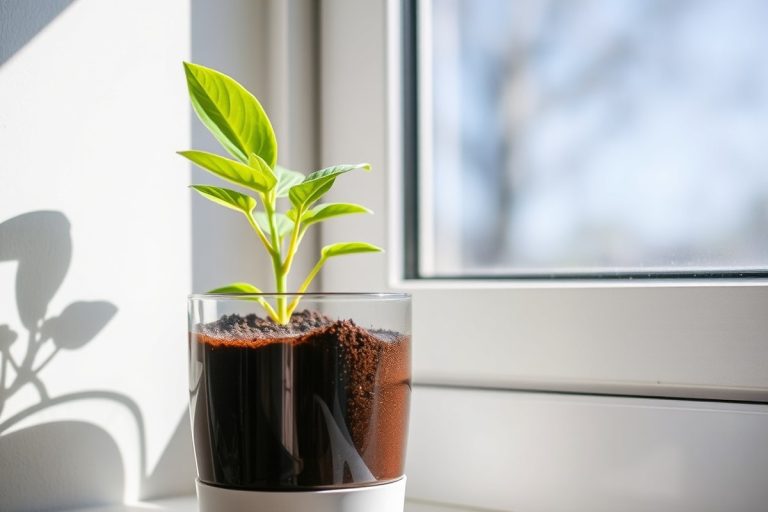
Peppers start by sprouting in about one to three weeks. After that, seedlings grow indoors for six to eight weeks before moving outside. Starting seeds indoors helps protect young plants from pests and cold weather.
Once transplanted, most peppers take around 70 to 85 days to reach maturity. Keep your plants warm and give them plenty of light to help speed growth. Using mulch and consistent watering also supports healthy fruit development.
Key Takeaways
- Peppers take roughly 3 to 5 months to grow from seed to harvest.
- Seed germination usually happens within 7 to 10 days in warm soil.
- Seedlings should grow indoors for 6 to 8 weeks before transplanting.
- Transplanted peppers need 70 to 85 days to reach full size.
- Warmer temperatures speed growth; peppers prefer 80-90°F soil for germination.
- Giving plants 14-16 hours of light daily helps develop strong seedlings.
How Long Does It Take for a Pepper Plant to Grow from Seed to Harvest
Pepper plants usually take between 90 and 150 days to grow from seed to harvest. The total time depends heavily on the pepper variety and growing conditions. For example, bell peppers often need about 60 to 90 days to mature fully.
Seeds generally germinate within 7 to 21 days in warm soil around 80 to 90°F. After germination, seedlings grow indoors for six to eight weeks before planting outside. Once transplanted, peppers typically take 70 to 85 days to produce mature fruit.
Some hot peppers like habaneros take longer to mature. They usually need 90 to 120 days after transplant to ripen. You should plan for a longer growing season with these varieties.
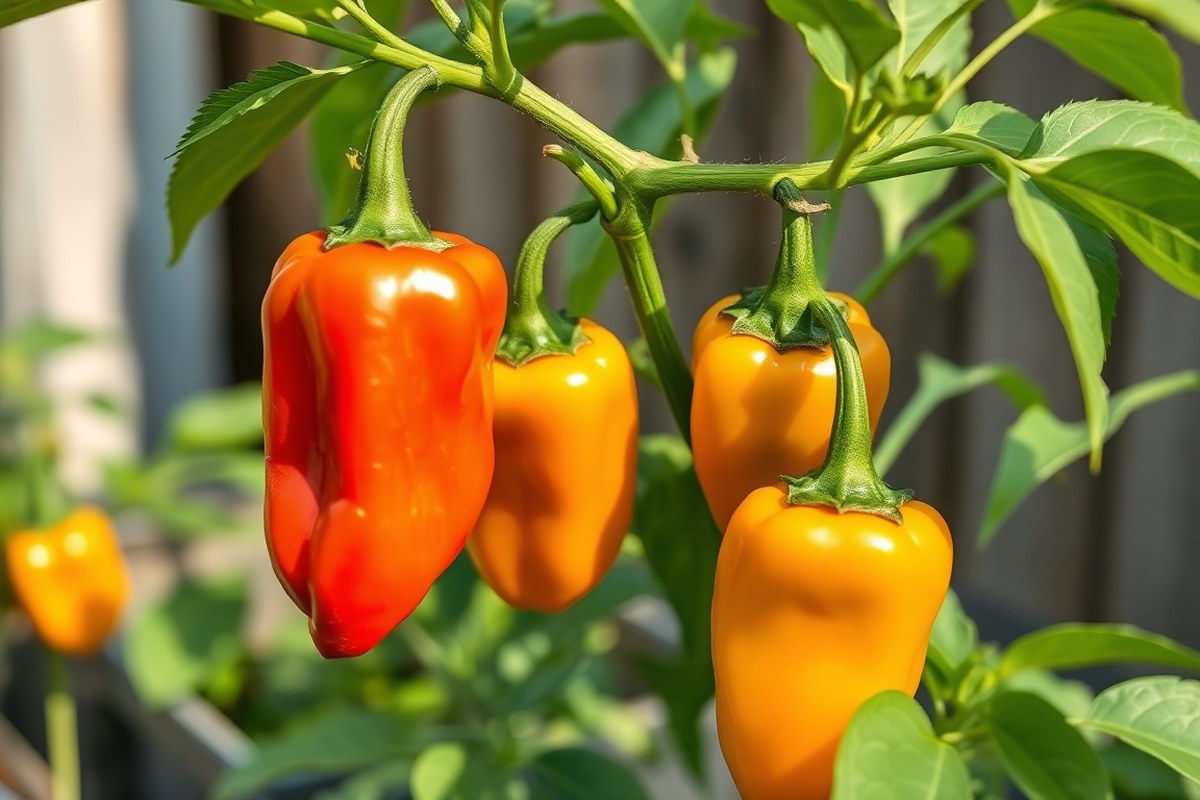
Bell peppers need 70 to 80 days to reach full size. After that, they take about three more weeks to change color. This means you should be patient before harvesting.
Planning your growing timeline around these stages helps track progress. It tells you when to expect your first peppers. This makes harvesting easier to plan.
Understanding Growth Stages and Their Typical Durations
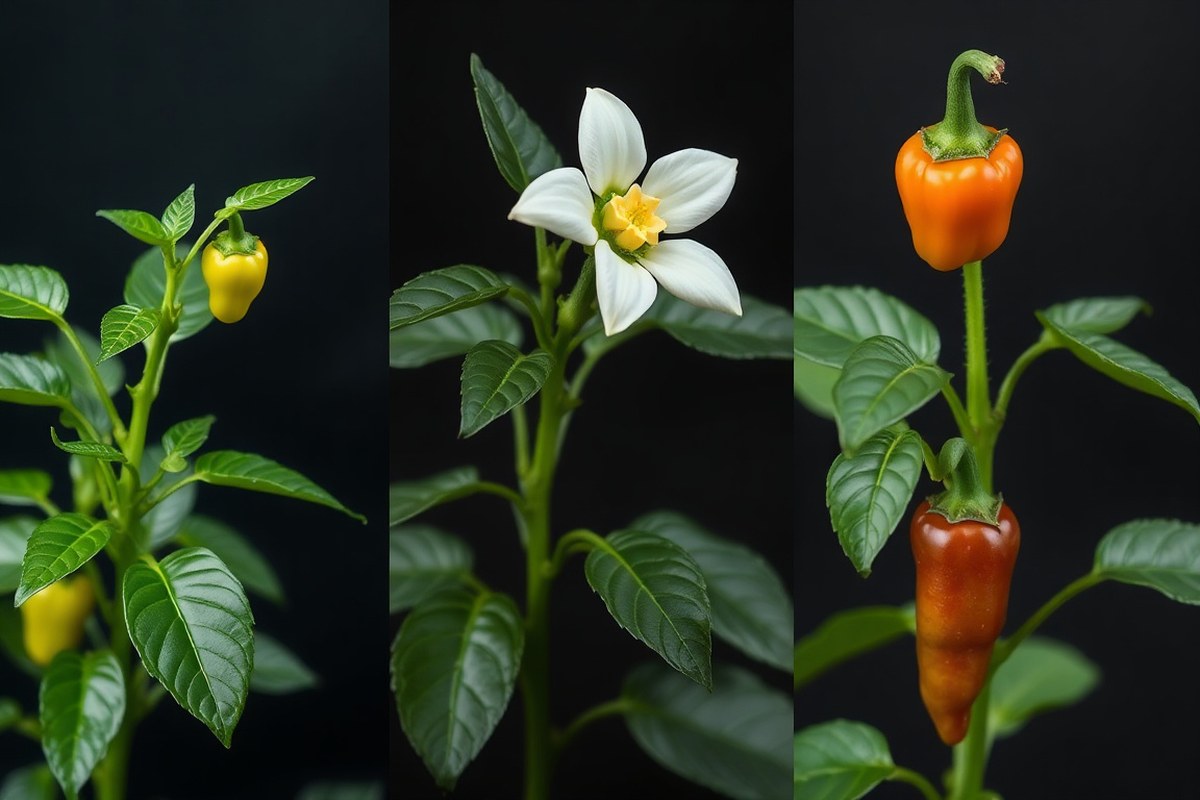
Pepper plants grow through several clear stages: germination, seedling, vegetative growth, flowering, fruit set, and ripening. Each stage takes a different amount of time and shows distinct signs. Knowing these phases helps you care for your peppers properly.
You can expect when fruit will form. You’ll also know when fruit will mature.
Seed Germination Period
Seeds usually sprout within 7 to 14 days if the soil stays warm and moist. Temperatures between 70°F and 85°F speed up germination. The tiny root and shoot begin to push through the seed coat during this stage.
Keep the seed tray covered or in a warm spot to maintain consistent moisture. Using a heat mat can cut a few days off germination. Watch for the little green tip breaking through the soil to know your seed is alive.
Don’t let the soil dry out during germination, or seeds may fail to sprout.
Seedling Development Phase
After germination, seedlings take about 6 to 8 weeks to grow strong enough for transplant. At this stage, peppers need 12 to 16 hours of light daily. This helps stems and leaves grow strong.
Without enough light, plants may stay weak. The plant focuses on building a good root system and healthy leaves.
Keep seedlings in a well-lit, warm spot around 70°F to 75°F. Avoid overwatering to prevent damping-off disease. Seedlings with two or three sets of true leaves are ready.
They need hardening off before transplanting. This helps them adjust to outdoor conditions.
Vegetative Growth Duration
This stage starts after transplanting and lasts several weeks as the plant forms a solid framework. Leaves become larger and branches spread out. This phase sets the base for future flowers and fruits.
Plants grow fastest in warm weather between 70°F and 85°F with regular watering. Fertilize lightly to promote leaf growth without pushing too much nitrogen that can reduce fruiting. Strong vegetative growth ensures better flowering later.
Flowering and Fruit Set
Flowering usually begins about 3 to 4 weeks after transplanting. The green plant produces small white or yellow flowers at branch tips. Full sun exposure and consistent water encourage healthy blossom development.
Fruit set happens when flowers get pollinated, turning into small green peppers. Temperatures below 60°F or above 90°F can stop fruit from forming even though flowers appear. Don’t expect immediate fruiting if weather swings too much.
Keep nighttime temperatures above 55°F to help flowers turn into peppers.
Fruit Ripening Time
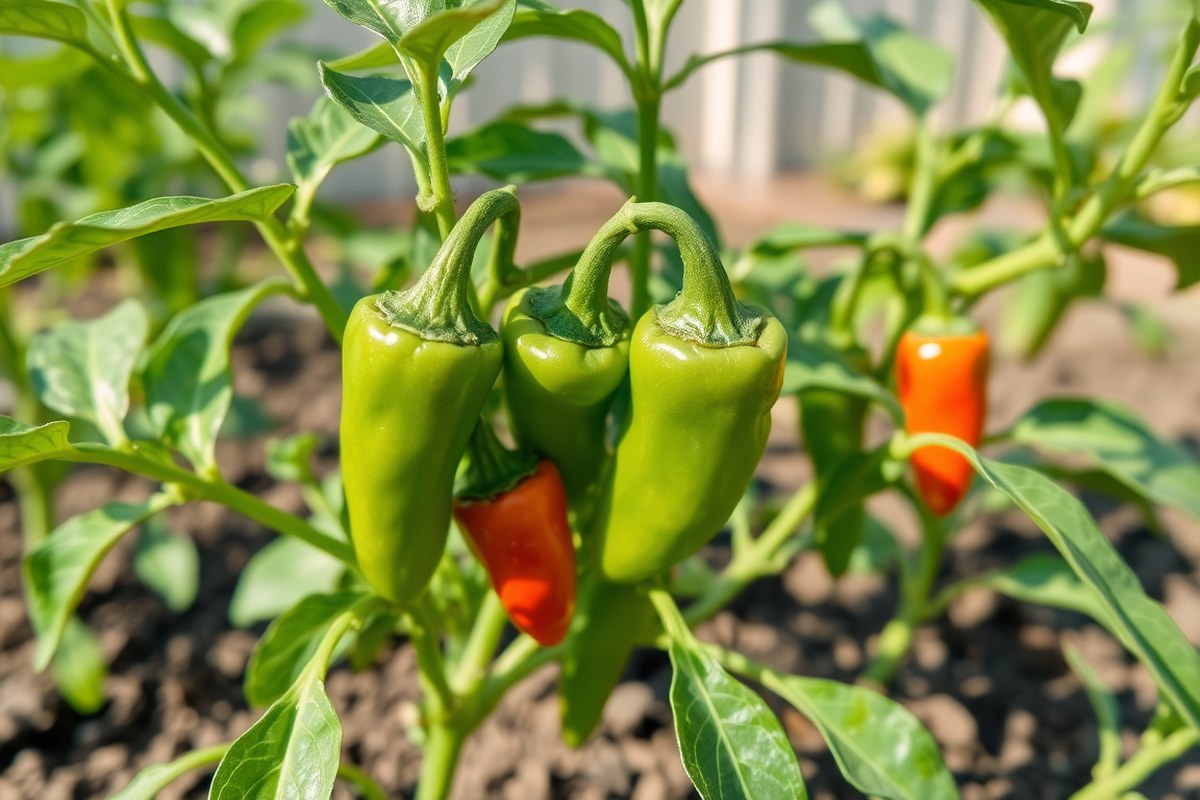
Once fruit sets, peppers need 6 to 12 weeks to grow and ripen fully. Green peppers appear first, then change color to red, yellow, or orange depending on the variety. Warm days and cooler nights speed ripening.
Fertilize with a phosphorus-rich feed during fruit growth for better yield. Some hot pepper types take longer to ripen than sweet peppers. Patience is key; peppers develop flavor and color slowly at the end.
How Pepper Variety Influences Growth Time
Sweet peppers generally grow faster than hot varieties. Most sweet peppers take about 60 to 70 days to mature. Hot peppers often need more time, around 90 to 120 days, depending on the variety.
Large peppers usually take longer than smaller ones. For example, a jalapeño matures in about 70 to 80 days. Meanwhile, habanero peppers, which are hotter, can take up to 120 days.
The ripening time gets longer if you wait for full color. This means waiting for the fruit to switch from green to red or yellow. The color change signals the fruit is ripe.
| Variety | Days to Harvest | Flavor Profile |
|---|---|---|
| Bell Pepper | 70-90 days | Sweet, mild |
| Jalapeño | 70-80 days | Spicy, tangy |
| Habanero | 90-120 days | Fruity, very hot |
| Padron | 60 days | Mild heat, small size |
| Aji Dulce | 90-100 days | Sweet to mild heat |
The variety you choose affects how long growth takes. Growing hot peppers means planning for a longer wait. Quick harvest types like Padron are great for gardeners wanting faster results.
Make sure your plant stays strong before transplanting. A healthy, stocky pepper plant with many leaves will grow better. Poor light or root crowding slows down growth and delays harvest.
Key Environmental Factors That Affect Pepper Growth Duration
Peppers need warm temperatures to grow well. Night temperatures under 55°F often stunt their growth. Daytime temps between 70°F and 85°F are ideal for strong development.
Light affects how fast pepper plants grow. They need at least 6 hours of direct sunlight daily. Less light slows growth and delays ripening.
Soil quality matters a lot. Peppers grow best in well-draining, fertile soil with a pH between 6.0 and 6.8. Poor soil can stunt growth or cause yellowing leaves.
- Keep soil temperature at least 65°F for good germination
- Water evenly to keep soil moist but not soggy
- Provide 6+ hours of full sun each day
- Use fertile, well-draining soil rich in organic matter
- Avoid night temps below 55°F to prevent growth stops
- Adjust watering more often in hot, dry weather
- Use mulch to keep soil temperature stable and retain moisture
Too little water causes peppers to wilt and slow down growth. Too much water leads to root problems and nutrient loss. Watch for curled leaves or slow growth as signs of stress.
When your peppers are unhappy, leaves may turn yellow or the plant growth may pause. Check your soil moisture, sunlight hours, and temperature to solve these problems. Adjusting these factors usually gets your plants back on track.
When and How to Transplant Pepper Seedlings for Best Growth
Move pepper seedlings outdoors after the soil warms and frost danger passes. Transplanting too early slows growth and stress can stunt plants. Use careful timing and steps to keep your peppers growing strong.
Ideal Seedling Age for Transplant
Seedlings need 6 to 8 weeks after sprouting before transplanting. First true leaves should be fully grown and the plant about 4 to 6 inches tall. This age helps seedlings develop strong roots and sturdy stems for outdoor life.
Seedlings younger than 4 weeks often lack the strength to handle outdoor conditions. Older seedlings can adapt better, but waiting too long can make them root-bound. Timing around this window balances growth and readiness.
Soil Temperature Requirements
Soil temperature must be at least 65°F before transplanting peppers outdoors. Warm soil supports root growth and nutrient uptake, which speeds development. Use a soil thermometer to check the temperature in the morning.
Planting before soil warms risks seedling shock and slow growth. Wait 2 to 3 weeks after your area’s average last frost date. This reduces frost damage and gives the soil time to stabilize temperature.
Acclimating Seedlings (Hardening Off)
Hardening off helps seedlings adjust from indoor to outdoor light, wind, and temperature. Start 7 to 10 days before transplanting by placing seedlings outside for increasing intervals daily. Begin with 1 hour in shade, then add time and sun exposure.
Proper acclimation reduces leaf burn and slows shock. Skip this step and plants wilt or stop growing. Watch seedlings carefully and bring them indoors during cold or windy weather in this period.
Best Transplanting Practices
Use gentle techniques to avoid root damage and plant stress. Water seedlings well before moving.
Pick a cloudy day or transplant in the late afternoon to reduce sun stress. Dig a hole slightly larger than the root ball.
Plant seedlings at the same soil depth they grew in containers. Firm soil around roots, then water deeply. Apply mulch to keep soil moist and regulate temperature.
- Water seedlings indoors 1 hour before transplanting to hydrate roots.
- Choose transplant site with full sun and well-drained soil.
- Check soil temperature with a thermometer; wait for 65°F or warmer.
- Harden off seedlings outside over 7 to 10 days gradually increasing sun time.
- Dig holes twice as wide as pots, about 6 inches deep.
- Remove seedlings carefully, keeping soil around roots intact.
- Place plants at the same depth as in container and fill soil gently.
- Water deeply right after planting and add 2-3 inches of mulch.
Never transplant on hot, sunny mornings, they increase transplant shock and slow growth.
How to Speed Up Pepper Growth and Ripening
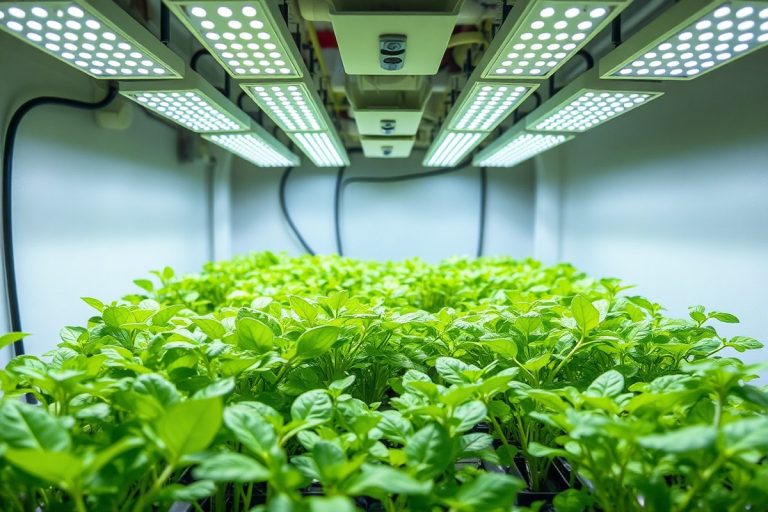
Peppers grow faster with plenty of light. They need 12 to 16 hours of daily light to thrive. Use grow lights if natural sunlight falls short, especially in early spring or cloudy weather.
Warm soil speeds germination and growth. A heating mat set between 70 and 75°F helps seedlings pop up in about a week.
Watch soil moisture closely because heating mats dry out the surface quickly. Keep the soil moist but not soggy.
Fertilizer choice matters. Nitrogen helps leaves grow, while phosphorus shifts energy to flowers and fruit.
To boost flowering and fruiting, start with an organic all-purpose fertilizer. Follow the package rates to avoid overfeeding, which can stunt growth.
- Provide 12, 16 hours of light daily, using grow lights if needed
- Keep soil temperature steady at 70, 75°F with a heating mat
- Water daily, checking soil moisture especially when using heating mats
- Use an organic fertilizer balanced for nitrogen and phosphorus
- Mulch around plants to maintain even soil moisture and warmth
- Offer partial afternoon shade to avoid sunscald on ripening peppers
Mulch helps keep the soil warm and moist, which peppers love. Use straw or black plastic mulch to hold heat near roots.
This works well during cooler nights or early in the season. Avoid letting mulch touch the plant stem to prevent rot.
To speed fruit ripening, boost sunlight exposure without overdoing it. Too much intense afternoon sun can cause sunscald.
Leaves close to fruits provide natural shade. You can add lightweight garden fabric in the hottest hours to protect peppers.
Common Problems That Delay Pepper Plant Growth and Solutions
Pepper flowers often fall off because of stress from heat or water changes. Plants drop flowers when days go above 90°F or nights stay below 60°F or above 70°F. Uneven watering, letting soil dry out or flood, also causes this problem.
Excess nitrogen often causes slow ripening and fewer fruits on plants. Nitrogen supports leaf growth but can block flowers and fruit when it’s too high. Peppers also require six to eight hours of strong sunlight to grow healthy fruit.
Blossom end rot looks like black or brown spots on the bottom of the pepper. This is not a disease but a calcium deficiency, triggered by uneven moisture in the soil. Keeping soil moist and feeding plants lightly during fruit growth can stop this damage.
Some common issues and quick fixes include:
- Inconsistent watering: keep soil evenly moist without flooding or drying out
- Too much nitrogen: use balanced fertilizer with lower nitrogen after flowers appear
- Extreme temperatures: provide shade or warm setting to keep temps in 70-85°F range
- Insufficient sunlight: place plants where they get full sun at least six hours daily
- Pest problems: check for aphids and flea beetles, use insecticidal soap or neem oil
- Poor soil drainage: improve with compost or raised beds to avoid root stress
- Blossom end rot: maintain steady watering and add calcium if needed
Adjust care quickly when you see symptoms like flower drop or tiny fruit failing to grow. Stress hampers growth and fruiting fast. Keeping a regular water schedule and monitoring temperature helps pepper plants stay productive.
Checking soil moisture with your finger is an easy way to avoid drying or overwatering. Use mulch to keep moisture steady and cool soil during hot spells. Feeding lightly with a balanced fertilizer during fruiting helps peppers finish ripening well.
Recognizing When Peppers Are Ready to Harvest and What to Expect
Peppers are ready to harvest when they reach full size and show the right color. You can pick some peppers green if you want.
But others taste better fully ripe. Pay attention to the size, firmness, and color changes to get the best harvest.
Indicators of Pepper Maturity
Check that peppers have reached their expected full size, which varies by variety. For example, bell peppers grow large and blocky, while jalapeños stay smaller and slender. The fruit should feel firm but not hard when gently squeezed.
Mature peppers also change color. It takes 3 to 4 weeks after peppers reach full size to change color. They turn red, yellow, or orange during this time.
Green peppers slowly shift to their mature hue after full growth. The color signals ripeness and sweetness, especially with sweet peppers like bells.
The skin should look glossy and smooth. Wrinkled or shriveled skin can mean the pepper is overripe or drying out on the plant. Avoid picking peppers that are soft or spotted.
Harvest Timing by Pepper Type
Green bell peppers usually mature 70 to 80 days after transplanting. Wait 2 to 3 additional weeks for full color. Harvesting at green stage is fine for cooking but expect milder flavor.
Hot peppers like Carolina Reaper mature quickly and can be ready around 90 days. They turn bright red or other colors when ripe. Picking too early means missing spicy flavor development.
Expect frost soon? Harvest green peppers now because they won’t ripen off the plant. Otherwise, leaving peppers on the plant longer brings better taste and color.
Post-Harvest Ripening Expectations
Peppers picked green can ripen indoors but at a slower pace. Keep them at room temperature away from direct sun for best results. It may take 1 to 2 weeks to develop full color and sweetness.
Some varieties barely ripen after picking. In these cases, wait to harvest until they reach color on the plant. Sweet peppers usually improve the most in flavor by ripening fully outside.
Peppers left to ripen finish changing color 2 to 4 weeks after full size. Check daily so you don’t miss peak ripeness. This timing helps get the best texture and balanced heat or sweetness.
Always use sharp pruners or a knife to cut peppers. Pulling can damage the plant and reduce future yields.
Step-by-Step Action Plan for Growing Pepper Plants
Follow these steps to grow pepper plants from seed to harvest successfully. Each phase includes clear actions and signs to watch for.
- Before you start: Choose your pepper variety and get fresh seeds. Seeds should look plump and firm to have good germination.
- Day 1, 7: Sow seeds indoors in seed-starting mix. Keep soil moist and warm (70, 80°F). Seeds should sprout within a week.
- Week 2, 4: Move seedlings to a sunny spot. Use grow lights for 14 to 16 hours daily. Watch for strong, healthy leaves.
- Week 4, 6: Start hardening off seedlings. Expose them to outdoor conditions gradually over days. Leaves should stay green and not wilt.
- Week 6: Transplant seedlings outdoors when night temperatures stay above 55°F. Plant in well-drained soil with full sun.
- Week 6, 12: Water regularly and fertilize every 2 weeks with balanced fertilizer. Plants grow quickly and start flowering.
- Week 12, 16: Watch for small peppers to appear. Keep the soil moist but not soggy. Fruit will grow and mature in this phase.
- Week 14, 18: Harvest peppers when they reach the right color and size. Test by gently squeezing a pepper; it should feel firm and full.
Frequently Asked Questions
How Long Does It Take Peppers to Start Flowering?
Peppers usually begin flowering about 6 to 8 weeks after planting. This stage signals the start of fruit development if you keep conditions right.
Can I Grow Pepper Plants Indoors to Speed Up Growth?
Yes, growing peppers indoors can speed growth by controlling temperature and light. Use grow lights for at least 12-14 hours daily to help plants thrive.
What Is the Average Time for Pepper Seeds to Germinate?
Pepper seeds typically germinate in 7 to 14 days under warm conditions. Keeping soil moist and around 75-85°F helps seeds sprout faster.
How Long After Transplanting Do Peppers Start Producing Fruit?
Peppers usually start producing fruit 8 to 10 weeks after transplanting outdoors. Good soil nutrition and consistent watering support this timely fruiting.
Will Pruning Pepper Plants Make Them Grow Faster?
Pruning peppers won’t speed growth but improves airflow and light penetration. This can lead to healthier plants and better fruit production over time.
How Long Do Pepper Plants Live After Harvesting Their Fruit?
Pepper plants often live for one growing season, around 4 to 6 months. After harvest, they slow down and usually don’t recover well for another crop.
Final Thoughts
Pepper plants usually take 12 to 18 weeks from seed to harvest. Growing conditions and pepper type change the timing. Start your seeds indoors now to get a healthy crop this season.