When to Harvest Weed: Clear Signs and Proven Methods for Peak Potency
Knowing when to harvest weed is key for getting the best effects and flavor. Harvest too early, and the buds might lack potency. Wait too long, and they can lose the qualities you want most.
For peak potency, check the trichomes and pistils on your buds. Harvest when about 85% of the trichomes are milky and 15% show amber colors. This mix gives the best balance between a strong high and great flavor.
Start by watching the pistils. These are the hairs on the buds. Also check the trichomes, which look like tiny crystals.
Aim for 70 to 90 percent of the pistils darkened and mostly cloudy trichomes. That tells you the harvest window is open.
You have about two weeks left. After that, potency drops.
Key Takeaways
- Harvest when 80% to 90% of trichomes are milky. Also, 5% to 10% should be amber. This gives peak effects.
- Look for 70% to 90% of pistils darkened as a key sign to start harvesting.
- Indica strains usually finish flowering in 6 to 8 weeks; sativas often take longer.
- Harvesting at 30% amber trichomes gives a more uplifting, energetic high.
- Once 90% to 100% of pistils are dark with many amber trichomes, effects shift toward sedation.
- See foxtails and 80% milky trichomes? Harvest right away to avoid loss.
How to Know When Weed Is Ready to Harvest
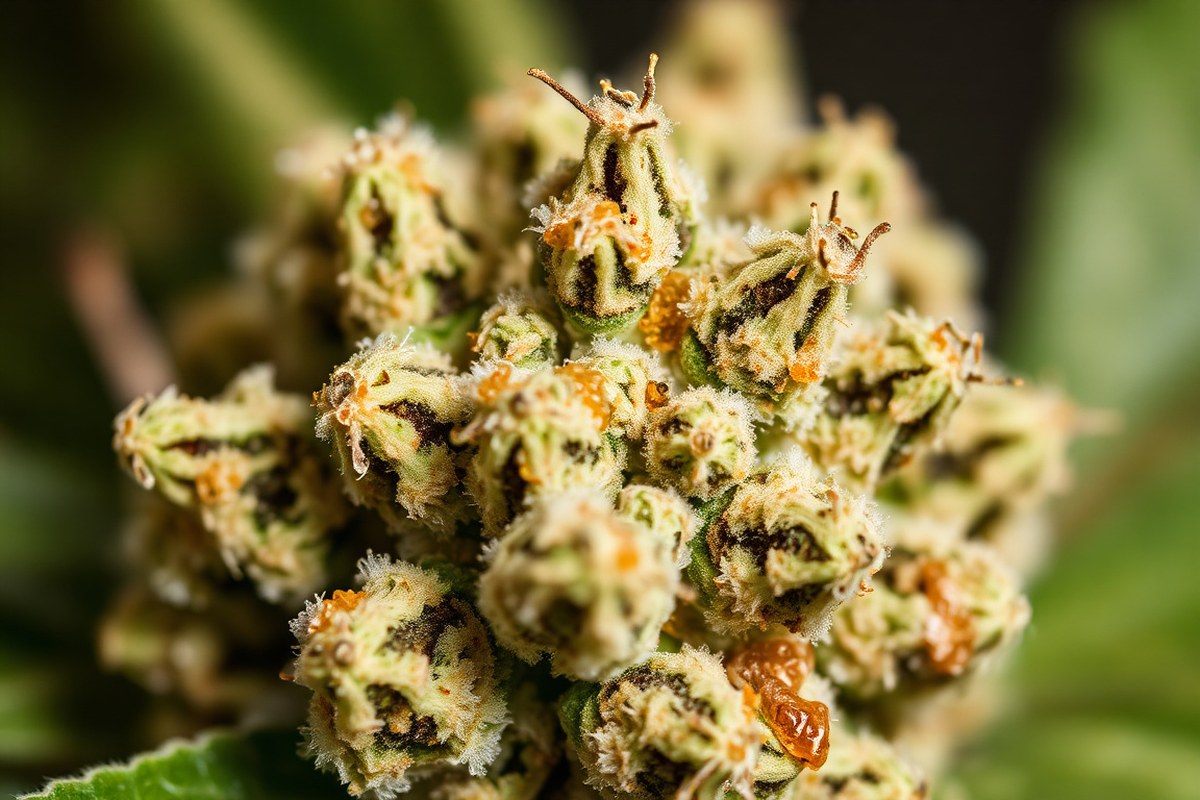
Look closely at the tiny trichomes covering your buds for the best harvest time. When 80% to 90% of trichomes turn cloudy, you hit peak THC.
This means the THC and CBD levels are highest then. Harvest when 20% to 30% of trichomes turn amber for a relaxing effect.
Check your pistils, the thin hair-like structures on buds, to help estimate timing. Pistils darken and curl as buds mature. When 90% to 100% darken, it signals full maturity.
Around 70% to 80% brown pistils means you are close to peak potency. Check the trichomes too, especially if they look cloudy.
Combine these signs to make your decision. Focus primarily on trichome color since it shows the chemical state of your resin. For a balanced, potent harvest, aim for mostly cloudy trichomes mixed with about 15% amber.
Harvest at about 85% cloudy trichomes with little amber for an uplifting high. For a more relaxing effect, wait until amber trichomes reach 20%.
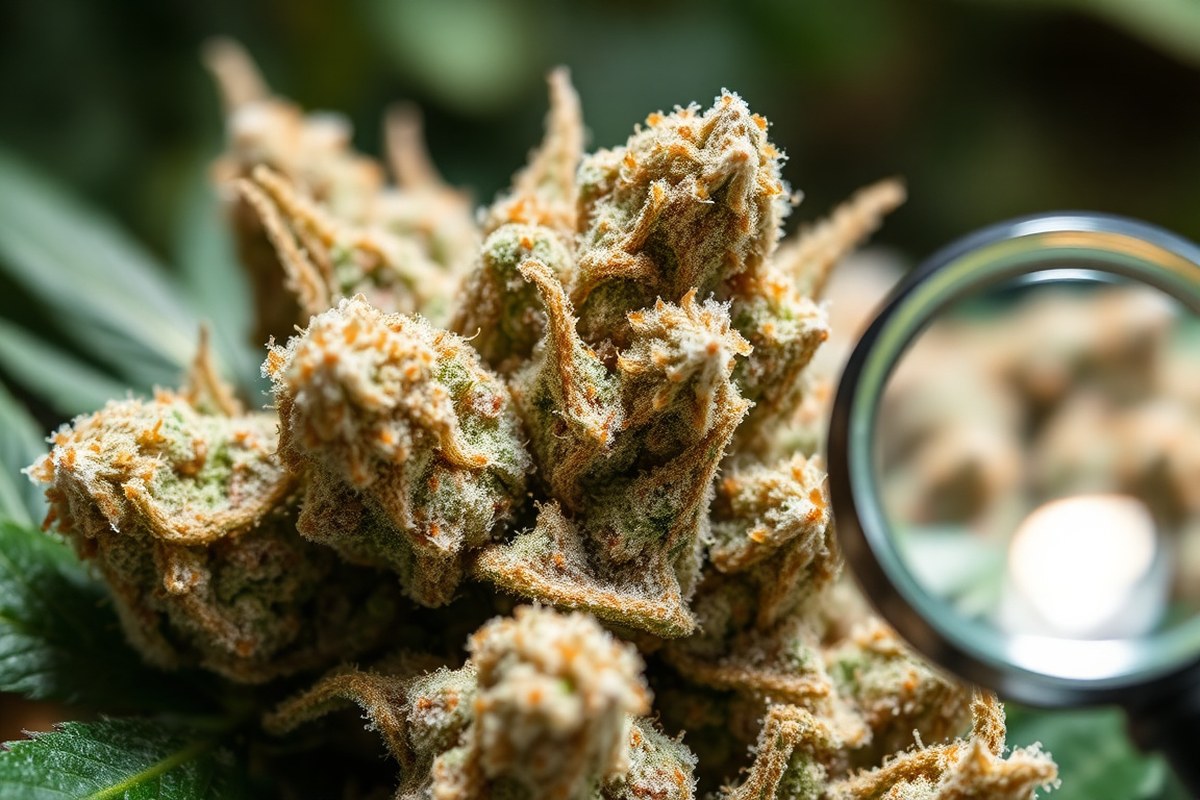
Use a jeweler’s loupe or digital microscope costing $10 to $30 to check trichomes. This helps you see them clearly. Avoid guessing by eye alone.
Clear trichomes mean the buds are immature and won’t have strong effects. Some growers use pistils as a rough guide. But rely on trichomes as your final check.
Look for firm buds and yellowing fan leaves along with trichome and pistil cues. Wait a few more days if many trichomes are clear or most pistils are white.
Chemical conversions in trichomes take time. So check your plants every two to three days as harvest time nears.
Flowering Time and Strain Differences Affecting Harvest
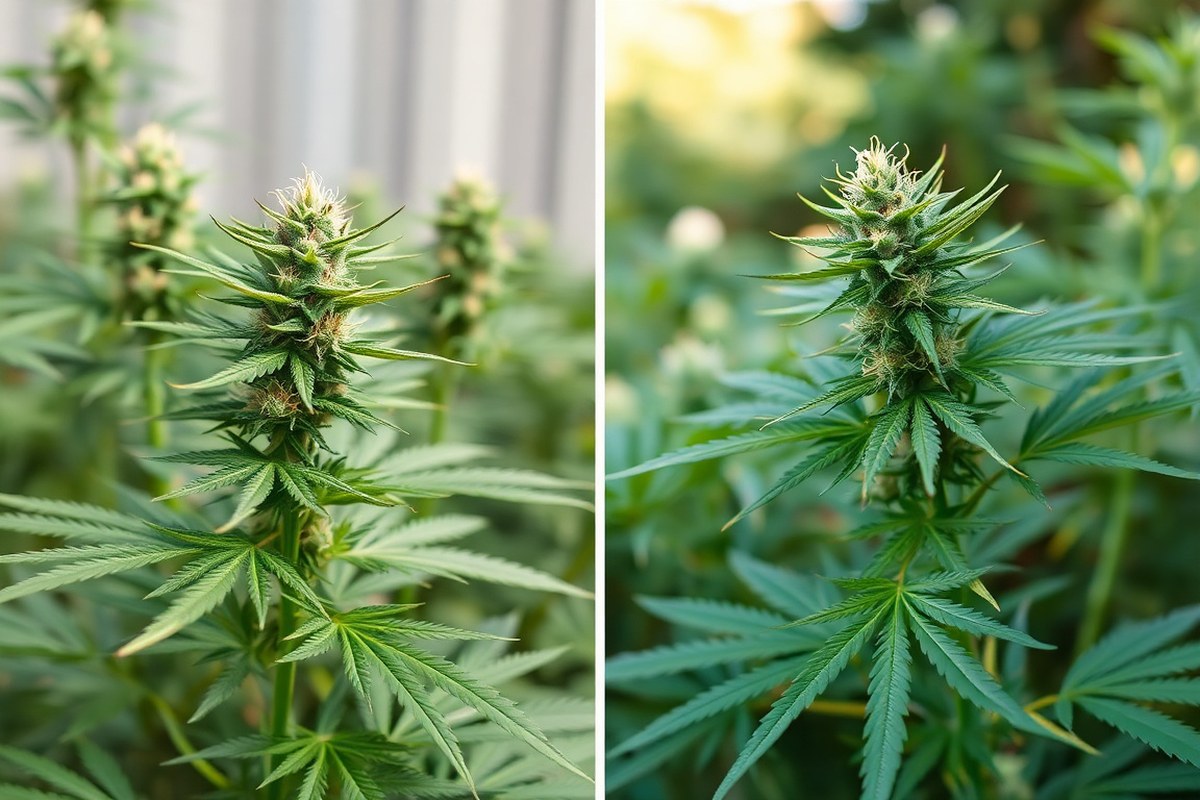
Flowering time varies by cannabis strain and type, affecting when you should harvest. Indica strains flower faster than sativas. Autoflower plants finish on a set schedule, unlike photoperiod plants controlled by light cycles.
Indica vs Sativa Flowering Periods
Indica strains usually flower between 7 and 9 weeks. They tend to have faster trichome development and more predictable timing. Sativa strains often take 10 to 12 weeks to finish flowering.
The longer flowering period for sativas means they develop slower but can produce different effects. Indicas reach maturity around 6 to 8 weeks, which lets you plan a quicker harvest. Knowing your strain type helps set realistic harvest dates.
Autoflowering vs Photoperiod Timelines
Autoflower cannabis follows a genetic timetable, finishing around 9 to 11 weeks from seed. They start flowering automatically after 3 to 5 weeks regardless of light exposure. In contrast, photoperiod plants flower when you change the light cycle to 12 hours of darkness.
Photoperiod strains give you more control because flowering depends on light schedules. They usually flower between 8 and 12 weeks before harvest. Autoflowers take less management but might have a shorter overall grow cycle.
| Type | Flowering Time | Harvest Timing |
|---|---|---|
| Indica-dominant Photoperiod | 7-9 weeks | After 8-9 weeks of flower |
| Sativa-dominant Photoperiod | 10-12 weeks | After 10-12 weeks of flower |
| Autoflowering | 9-11 weeks (seed to harvest) | Roughly 9-11 weeks total |
This table summarizes typical flowering lengths and harvest windows. Use it to track your plant’s progress and align your schedule. Adjustments should reflect your exact strain and environment.
Strain-Specific Harvest Variations
Harvest timing also depends on your strain’s genetics and how it reacts to your grow setup. Look beyond flowering time. Observing trichomes and pistil color gives better clues for harvest readiness.
Most growers find it helps to separate strains by expected flowering time. Plan to harvest each strain according to its timeline or physical cues. Mixing harvest times can lower overall quality.
Timing harvest by appearance and trichome development beats relying on flowering weeks alone.
Step-by-Step Guide to Inspecting Trichomes Before Harvest
To inspect trichomes correctly, use a magnification tool with at least 30x power. Focus on buds rather than sugar leaves for accurate timing. Check for mostly milky trichomes with some amber to pick the best harvest moment.
Selecting the Right Magnification Tool
A jeweler’s loupe with 30x magnification works well for seeing trichomes clearly. Some digital USB microscopes offer even higher magnification and can display images on your screen. These tools help you see tiny color changes that reveal plant maturity.
Loupe prices usually range from $10 to $30, making them affordable and portable. Clean your loupe lens before use to avoid blurry views. Put the loupe close to your buds to get a sharp, detailed picture of each trichome.
Inspecting Buds vs Sugar Leaves
Focus your inspection mostly on the buds because they reflect the plant’s true maturity. Sugar leaves often mature faster and may show cloudy or amber trichomes sooner than buds. Checking sugar leaves alone can make you harvest too early.
Look at multiple bud sites on the plant, especially near the top and middle. This gives you a clear idea of ripeness across your whole plant. If parts vary, consider a partial harvest based on the most mature buds.
Interpreting Clear, Milky, and Amber Trichomes
Clear trichomes mean your weed isn’t ready; the plant needs more time. When trichomes turn milky white, THC levels peak and effects get stronger. Amber trichomes indicate THC is degrading, shifting effects toward more relaxing or couchlock.
Harvest when 70-80% of trichomes are milky and 10-30% are amber for a good balance. Waiting too long adds more amber but can lower potency. Early harvesting with many clear trichomes sacrifices cannabinoid levels and flavor.
- Choose a jeweler’s loupe with at least 30x magnification or a digital USB microscope.
- Clean your viewing tool to ensure a clear image.
- Pick several buds from different parts of the plant to inspect.
- Hold the loupe close to the bud to see trichomes without blurriness.
- Focus on the trichome heads, noting their clear, milky, or amber colors.
- Count roughly the percentage of each trichome color for an overall picture.
- Decide to harvest once about 80% are milky with some amber present.
How Pre-Harvest Practices Affect Quality and Timing
Flushing with plain water 1 to 2 weeks before harvest helps improve taste and smoothness. During this time, stop feeding nutrients and flush using only pH-balanced water. This clears excess salts and minerals that can harshen the flavor of your buds.
Stop your normal nutrient feeding 24 to 48 hours before the actual harvest day. But this short stop isn’t a long flush. Flushing lasts many days with clean water only.
This rinses out leftover nutrients in your soil or medium. Keep watering clean until you finish the flush. This helps make your final product taste cleaner and less chemically.
Most growers stop watering 1 to 3 days before harvest to let the soil dry slightly. This drying phase encourages the plant to use up stored nutrients and can make trimming easier. Avoid completely drying out your plant, as that can reduce final weight and harm trichomes.
Some growers add a 48 to 72-hour dark period just before harvest. This means turning off all lights and leaving the plant in total darkness.
The idea is that this stress boosts trichome production and potency, but evidence is mixed. It might help some strains slightly, but it’s not a must-do step.
Start flushing a week or two before your estimated harvest date as you watch trichomes develop. Stop feeding nutrients and water only with pH-balanced water during this flush.
Then, 1 to 3 days before cutting, limit watering to let the soil dry a little. Optionally, add a full dark period for up to 72 hours to try boosting resin.
Skipping flushing can leave nutrients in your plant. This may cause your buds to taste harsh or weird. Stopping watering too soon dries out plants too much.
They lose weight and resin quality this way. Using this simple schedule keeps your buds tasting good and your harvest smooth.
Risks and Effects of Harvesting Too Early or Too Late
Harvesting your cannabis too early causes weak potency and harsh smoke. This happens because cannabinoids and terpenes haven’t fully developed.
Early harvest means you get less THC, meaning less punch and weaker flavor. You’ll also lose some yield since buds won’t fill out completely.
Cutting cannabis too late shifts cannabinoid profiles, usually increasing CBN and more amber trichomes. That change can make your weed sleepy or sedative rather than uplifting.
The aroma fades, and the taste loses brightness. Buds might feel dry or crumbly instead of dense and sticky.
Sign your timing missed when trichomes are either mostly clear or mostly amber. Clear trichomes show immature resin with low potency.
Amber trichomes indicate breakdown of THC into other compounds, dropping the high’s quality. A balanced mix of cloudy and amber is what you aim for.
- Early harvest: Weak aroma, lower THC, smaller yields
- Late harvest: Duller flavor, more CBN, sedative effects
- Clear trichomes: Too soon, potency underripe
- Mostly amber trichomes: Overripe, less zest, drowsiness
- Sugar-leaf trichomes ripen faster, cutting early by mistake
- Optimal harvest window lasts 1 to 2 weeks
- Harvest in early morning for best moisture and potency
Watch trichomes closely to avoid mistakes. If you spot mostly clear ones, wait longer and check daily.
For mostly amber, harvest quickly before aroma and strength drop more. Harvesting between half-clear and half-cloudy trichomes usually keeps potency and flavor balanced.
Harvesting five to ten days early often means missing the full potency boost.
Timing affects how dense and sticky your buds get too. Early harvest leads to fluffier buds, while late can dry them out.
You need patience but that extra wait improves quality a lot. Your effort shows in the flavor, high, and smoothness you get to enjoy.
Choosing the Right Harvesting Method for Your Plant
Whole-plant harvesting means cutting the entire cannabis plant at the main stem just above the soil. This method works well if you’re ready to harvest all buds at the same time. It’s simple and helps keep drying consistent.
Hang the plant upside down. Make sure the space is cool and dark.
Harvesting branch-by-branch lets you cut individual branches when their buds are ripe. You can wait longer for smaller buds on lower branches to mature. This suits growers with uneven ripening plants.
It also helps space out harvests. That way, you manage drying better.
Top-down harvesting cuts the biggest, mature buds first. Lower buds keep growing for a while longer.
This staggered harvest is smart for maximizing potency and yield in one plant. It takes more attention but gives you the best buds without wasting time or plant material.
The table below compares these three harvesting methods to help you decide what fits your situation:
| Harvest Method | What It Involves | When to Use | Pros | Cons |
|---|---|---|---|---|
| Whole-plant | Cut entire plant at stem | When buds mature evenly | Simple, even drying | All buds harvested at once |
| Branch-by-branch | Cut branches individually | Buds mature at different times | More control, better ripeness | More work, staggered drying |
| Top-down | Harvest biggest buds first | Maximize potency over time | Best quality, extended harvest | Needs close monitoring |
Whole-plant harvesting fits those wanting one pick. Harvest when buds show about 90% brown pistils.
It usually costs less effort and time. Keep the plant dry 1-2 days before cutting to limit moisture issues in drying.
Branch-by-branch is great if you notice varying maturity on the plant. It helps you harvest stronger buds first while letting others ripen. The extra work improves quality but requires patience and good drying space.
Top-down harvesting lets you pick only the largest buds first. So you get the best taste and effects right away.
Lower buds stay on the plant to get more mature. This takes discipline but can extend your harvest window.
Best Practices for Trimming, Drying, and Curing After Harvest
Trimming, drying, and curing cannabis right after harvest keeps the trichomes intact. These steps protect the buds’ potency, flavor, and overall quality. How you trim and dry affects how well your weed stores and smokes later.
Wet Trim vs Dry Trim Methods
Wet trimming happens right after harvest when buds are still moist. This method is quicker and easier because the leaves pull away cleanly. It can speed up drying by removing excess leaf material early.
Dry trimming means hanging whole branches to dry first, then trimming after. This slows down drying and helps preserve scent. It’s slower but some growers say it gives smoother smoke and better aroma.
Ideal Drying Temperature and Humidity
Dry your buds in a dark, cool room between 60°F and 68°F (15°C to 20°C). Keep humidity at 45-55% to prevent mold and keep terpenes safe. Air should move gently but avoid fans blowing straight on your buds.
The buds need about 7 to 10 days to dry. They’re ready when stems snap instead of bending. Use a small meter to check humidity inside buds.
This tells you when to stop drying. Then you can start curing right away.
Curing Cannabis: Burping and Storage Tips
After drying, place trimmed buds in airtight glass jars for curing. This lets moisture equalize and improves flavor over 2 to 4 weeks. Store jars in a cool, dark place around 60°F to 70°F (15°C to 21°C).
For the first two weeks, open jars (burp) once or twice daily for 10-15 minutes. This releases built-up moisture and keeps mold from growing. After that, burp jars less often, maybe just every few days.
Follow these steps for trimming, drying, and curing your harvest:
- Cut branches from your cannabis plant carefully.
- Choose either wet trim or dry trim based on your preference.
- Hang buds or branches in an environment at 60-68°F and 45-55% humidity.
- Check drying progress by testing if stems snap, not bend.
- Trim buds to remove remaining leaves once dry if using dry trim.
- Place the trimmed buds into airtight jars for curing.
- Open jars daily for the first two weeks to release moisture.
- Store jars in a cool, dark spot for at least two more weeks.
Common Timing Mistakes and How to Avoid Them
One of the most frequent mistakes is rushing to harvest too early. Excitement makes growers cut buds before cannabinoids fully develop. Early harvests lead to weaker buds with less aroma and potency.
On the other hand, waiting too long can cause buds to degrade. Excessive heat or humidity post-flowering reduces quality. Buds may dry out or develop unwanted mold and lose valuable cannabinoids.
To prevent these errors, watch trichomes and pistils carefully. A good rule is to harvest when 70 to 90 percent of pistils darken. Dark pistils curl as well, which tells you they are ready.
This shows your buds reached proper maturity. Trichomes should appear milky with some turning amber for balanced effects.
- Track pistil color daily in late flowering stages.
- Use a 30x magnifier to check trichome clarity and color.
- Avoid cutting plants during excessive heat or humidity.
- Consider a 48-72 hour dark period before harvest to boost potency.
- Plan harvest time at least 1 to 2 weeks ahead to monitor changes.
You harvested too soon. Store buds in a cool, dark spot to slow damage. This helps keep their quality longer.
Avoid curing them too aggressively, as immature buds won’t improve much. Harvesting too late means trimming quickly to prevent rot and trimming losses.
Watch for spindly buds and many white pistils. Clear trichomes also show early harvest. These signs mean the harvest is too soon.
Too many amber trichomes or a sharp smell of ammonia means harvest is late. Adjust timing based on strain and environment for best results.
Patience pays off: Carefully check trichomes every day near harvest time to avoid costly mistakes.
Step-by-Step Action Plan for Harvesting Your Cannabis
Follow these clear steps to harvest your weed at the right time. Each step helps you check if the plant is ready.
This makes sure your harvest will be high quality. Follow every step carefully for best results.
- Two weeks before expected harvest: Start closely inspecting trichomes using a magnifier. Look for most trichomes to turn milky with some amber for the best effects.
- One week before harvest: Stop fertilizing your plant. It helps the plant use up nutrients and improves flavor in the buds.
- Three days before harvest: Check trichomes again and note if many have turned amber. This signals the peak or start of declining potency.
- Day of harvest: Cut whole branches or buds carefully, handling them gently to avoid damaging trichomes.
- Immediately after harvest: Cut off large fan leaves first. Then remove smaller sugar leaves near buds. This helps your plant dry and cure better.
- First 3 days post-harvest: Hang buds upside down in a cool, dark room with 50-60% humidity. Test by bending stems; they should snap, not bend.
- After drying: Place buds in airtight jars and open them daily for 10-15 minutes. This prevents mould and lets moisture escape.
- After 2 weeks of curing: Taste test a small bud. Your harvest is ready to enjoy when flavor and effects feel smooth and strong.
Frequently Asked Questions
When Is the Best Time of Day to Harvest Weed?
The best time is early morning before light exposure. It preserves essential oils and THC levels better than afternoon harvesting.
Can Harvesting at Night Affect Weed Potency?
Harvesting at night can reduce potency due to lower resin production. Light conditions impact trichome maturity negatively after dark.
Does the Nutrient Status Affect Harvest Timing?
Yes, plants low in nutrients may mature faster but yield less. Healthy feeding ensures proper plant development and optimal harvest.
How Do Weather Conditions Influence Harvest Timing Outdoors?
Rain or high humidity may force earlier harvest to avoid mold. Dry, stable weather lets you wait for peak potency longer.
Can Harvesting Timing Affect Weed Smell and Flavor?
Yes, harvesting too early or late changes terpenes, impacting aroma. Proper timing keeps the flavor smooth and the smell strong.
How Soon After Harvest Should Trimming Start?
Trim as soon as possible to avoid bud damage and mold risk. Early trimming also helps improve drying speed and quality.
Before You Go
Harvesting your cannabis at the right moment boosts both its potency and flavor. Keep tracking your trichomes and drying conditions closely for the best results. Now, grab a magnifier and start checking those trichomes today.