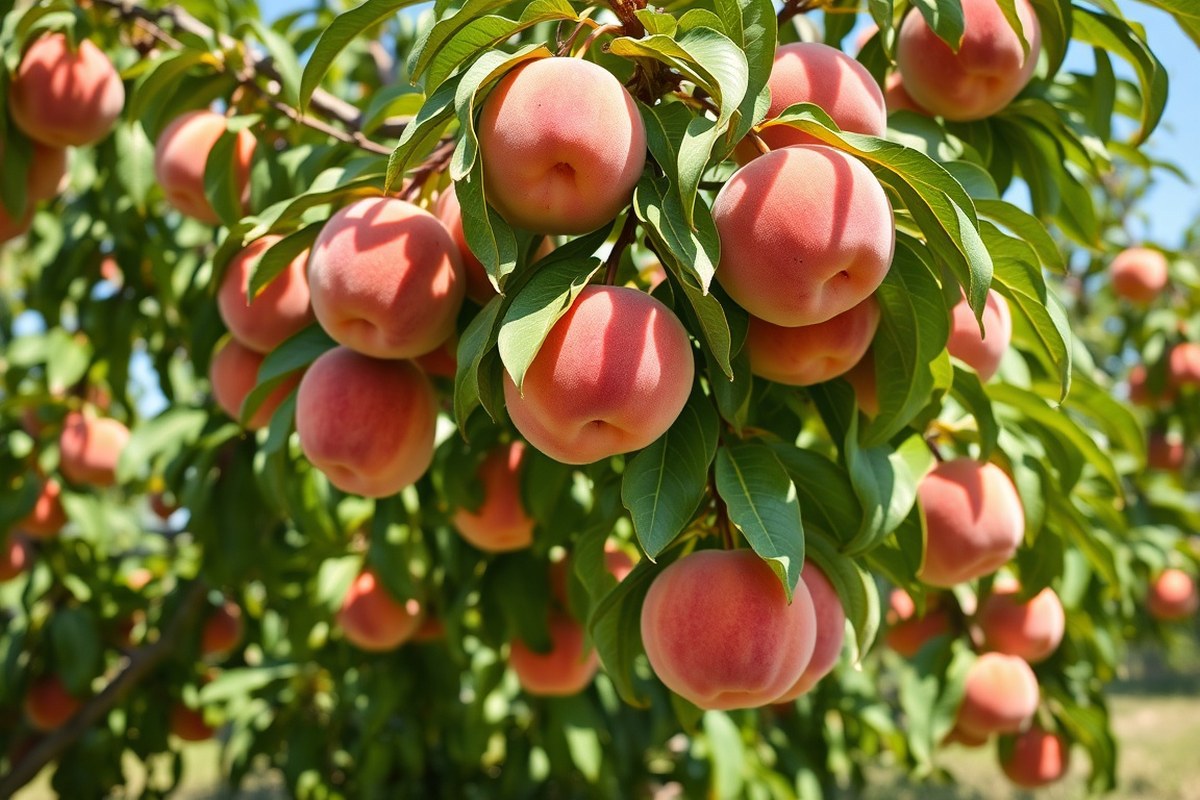
When Does a Peach Tree Produce Fruit: Timing, Care, and Varieties Explained
Wondering when does a peach tree produce fruit? A peach tree usually starts fruiting 2 to 4 years after planting. Young peach trees rarely produce fruit early.
Grafted trees in pots flower in 1 to 3 years. These trees have mature roots, speeding fruit growth.
Peach fruit takes about 3 to 5 months to ripen. This happens after flowers get pollinated. You usually see ripe peaches in mid to late summer.
Your tree only bears fruit on 2nd-year growth. So pruning and branch management matter for fruit production. Expect a steady crop once the tree matures.
Plant your peach tree where it gets 6 to 8 hours of sun. Use soil that drains well and avoid overwatering. Keep an eye on young trees to help fruit grow well.
Key Takeaways
- Peach trees generally bear fruit 2 to 4 years after planting.
- Grafted potted trees can fruit sooner, within 1 to 3 years.
- Fruit only forms on branches grown the previous year.
- Fruit ripens 3 to 5 months after flowers are pollinated.
- Plant peach trees in full sun with well-drained soil.
- Avoid excess watering to prevent flower and fruit issues.
When Does a Peach Tree Start Producing Fruit?
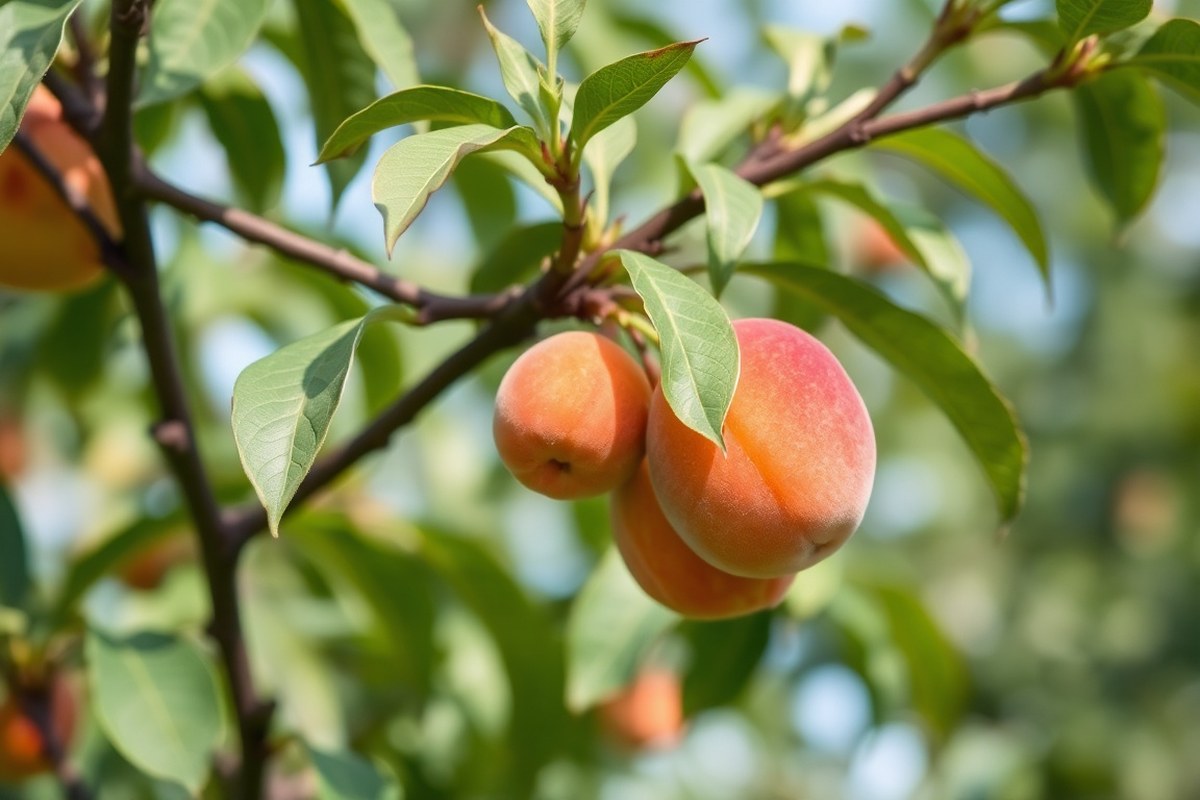
Peach trees usually begin producing fruit two to four years after planting. Dwarf peach trees often bear fruit earlier, sometimes within two to three years. Standard peach trees often take three to four years to produce their first crop.
Seed-grown peach trees differ from grafted nursery trees. Seed-grown trees may take five to seven years or more to produce fruit. Their fruit quality varies because of genetic differences.
Nursery trees, grafted onto mature rootstock, often start fruiting within one to three years after planting. These skip the long juvenile phase common to seed-grown trees.
The type of peach tree you plant also affects fruiting time. Dwarf peach trees begin producing fruit around a year sooner than standard trees. You can expect fruit two to three years after planting dwarf varieties.
Standard peaches usually take three to five years to bear fruit. This difference matters for your garden timeline.
| Peach Tree Type | Years to First Fruit | Peak Production (Years) |
|---|---|---|
| Dwarf Peach | 2, 3 years | 4, 6 years |
| Semi-Dwarf Peach | 3, 4 years | 5, 7 years |
| Standard Peach | 4, 5 years | 6, 10 years |
| Freestone Peach | 3, 4 years | 5, 8 years |
| Clingstone Peach | 4, 5 years | 6, 9 years |
Dwarf trees are a good choice if you want fruit faster. You can expect a sizeable harvest by the third or fourth year.
Standard trees often take longer but produce more over time. Picking a grafted tree from a nursery also speeds up fruit production.
How Peach Tree Growth Stages Affect Fruiting
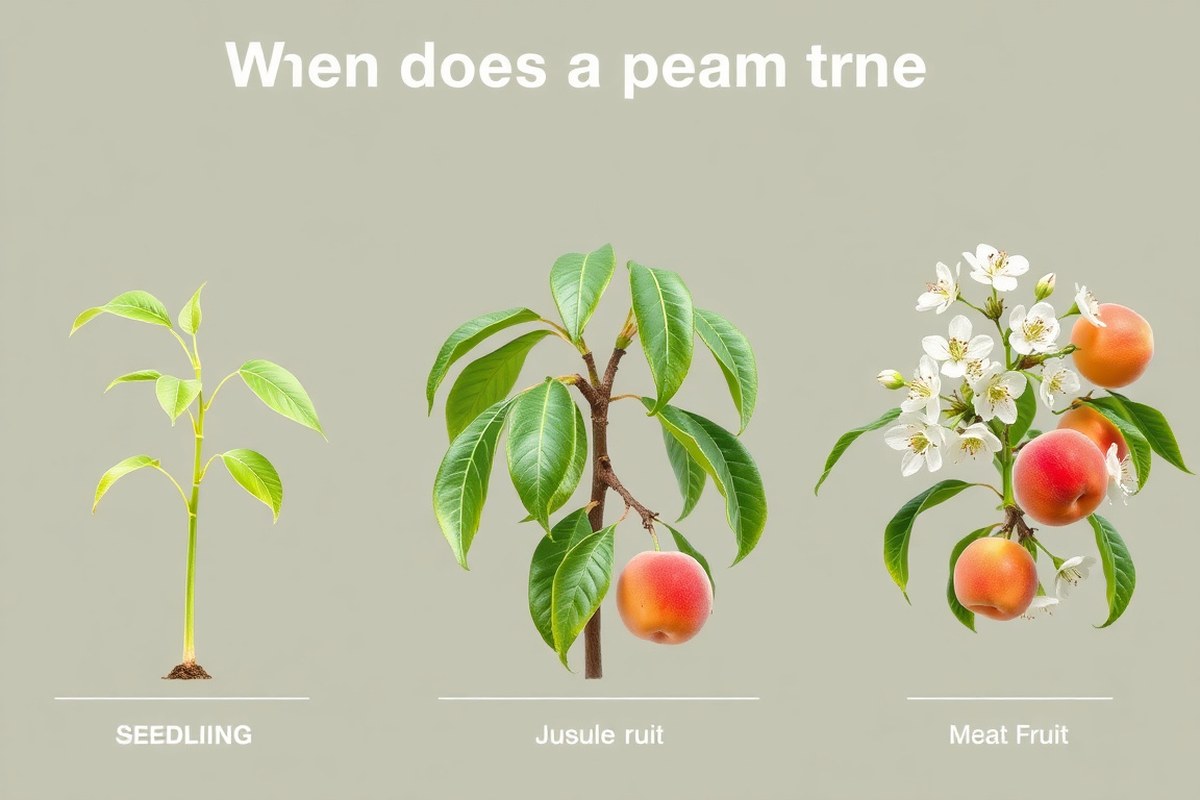
The first growth stage of a peach tree is the seedling stage. It lasts up to one year and focuses on root and shoot development. During this time, the tree establishes itself but does not produce fruit.
Next is the juvenile stage, usually between one and three years old. The tree grows rapidly, up to 12 to 24 inches every year.
But still does not bear fruit. It builds strong branches and leaves that will support fruit later.
Fruit production begins in the mature stage, starting around three years old or older. At this point, the tree grows one-year-old branches.
These branches produce flowers and fruit the next season. That’s why you only get peaches on growth from the previous year.
Growth rate plays a key role in when fruit appears. Faster growth means the tree reaches maturity sooner.
Proper sunlight of 6 to 8 hours daily and good care help growth. Growth that is slow will cause fruiting to be delayed.
Keeping healthy growth also means regular pruning. Pruning encourages new shoots that will bear fruit the following year. Without pruning, old or weak wood can slow fruit production and reduce yield.
Prune your peach tree each winter to remove old branches and promote new fruiting wood.
Varieties and Rootstocks: Impact on Fruit Bearing Time
Peach tree fruiting time varies with variety and rootstock choice. Freestone peaches usually bear fruit quicker than clingstone types. Rootstocks can speed up or slow down fruiting depending on their growth traits.
Freestone vs Clingstone Varieties
Freestone peach varieties tend to produce fruit within three to four years. Clingstone varieties generally take longer, around four to five years to bear fruit.
Freestone peaches have flesh that cleanly separates from the pit. This trait suits fresh eating and easy slicing. Clingstone peaches cling tightly to the pit and often have firmer flesh, which suits canning better.
Rootstock Influence on Fruiting Time
Rootstocks control tree size and vigor, which affects fruiting speed. Smaller, dwarfing rootstocks usually make trees start fruiting earlier, sometimes in two to three years. More vigorous rootstocks lead to later fruiting but might produce larger crops long-term.
Choosing a rootstock depends on your space, climate, and harvest goals. For early fruiting in home gardens, low-vigor rootstocks are usually best. These roots help the tree grow fast to fruiting size but keep it manageable.
Best Varieties for Early Fruit Production
Choose early-season peaches like ‘Bonanza’ or ‘Red Haven’ for faster harvest. These tolerate fewer chilling hours and bloom early, giving fruit as soon as June or July. They fit well in climates that aren’t very cold but need protection from late frosts.
Some varieties also resist disease and perform well in warmer or colder zones. ‘Stark Early White Giant’ produces large fruit in zones 5 to 8 with a June maturity. ‘Contender’ is known for disease resistance and self-pollination, delivering medium to large fruit reliably. Here’s a table comparing early, mid, and late peach varieties by key traits:
| Category | Varieties | Harvest Time | Notes |
|---|---|---|---|
| Early-Season | Bonanza, Red Haven, El Dorado | June to July | Early bloom, fewer chilling hours needed |
| Mid-Season | Elberta, Harvester, Red Haven | July to August | Good balance of size and flavour |
| Late-Season | Cresthaven, Fairhaven, O’Henry | August to September | Longer growing season, hearty fruit |
| Cold-Tolerant | Canadian Harmony, Redhaven, Reliance | June to August | Survives colder zones, stable yields |
| Heat-Tolerant | Desert Gold, Florida Prince, Tex Star | June to August | Good for warmer climates |
Picking from these groups helps tailor your peach tree to your local climate. For faster fruit, choose early-season varieties on dwarfing rootstocks. That approach can give you fruit in as little as three years.
Environmental Conditions That Influence Peach Fruit Production
Peach trees need full sun to produce good fruit. They require 6 to 8 hours of sunlight each day to grow and develop fruit properly. Without enough light, the fruit yield will be low, and the peaches may not ripen well.
Chill hours are the cold hours a peach tree needs in winter. They usually range between 200 and 1,000 hours. This depends on the tree variety.
These hours help the tree break dormancy and trigger flowering. A tree missing chill hours might not flower. It may not produce any fruit either.
Good soil drainage matters a lot for peach trees. They do best in soil that drains well, preventing water from pooling around roots. Overwatering or poor drainage can lead to root rot and reduce fruit quality.
Watering your peach tree consistently is key. Trees prefer steady moisture but don’t like soggy soil.
Too much water might cause the fruit to crack. Too little water leads to smaller peaches.
Warm climates support early and abundant fruit production. Peach trees typically grow well in USDA zones 5 to 9. Warmer springs and early summers help fruit mature on time without frost damage.
- Provide 6 to 8 hours of daily full sunlight for fruit growth.
- Ensure 200 to 1,000 winter chill hours based on your peach variety.
- Use well-draining soil to avoid root problems and poor fruit set.
- Keep a steady watering schedule to prevent cracking and poor growth.
- Plant peach trees in USDA zones 5 to 9 for the best climate fit.
Soil quality also affects nutrient availability, which supports peach development. Fertilize carefully to avoid excess nitrogen, which can reduce fruiting. Your peach tree needs steady care to grow well.
Give it the right water, light, and nutrients balance. This helps it produce the most fruit.
Care Practices to Encourage Early and Healthy Fruiting
Proper care encourages your peach tree to produce fruit earlier and better. Focus on pruning in late winter, steady fertilizing, regular watering, and thinning fruit during growth. These steps keep your tree healthy and boost fruit quality and yield over time.
Timing and Techniques for Pruning
Prune peach trees once each year during late winter or early spring. This timing helps prevent disease and prepares the tree for spring growth. Pruning controls tree size and opens the canopy, letting sunlight reach fruit buds.
Cut back about one-third of last year’s growth to encourage stronger branches. Remove any dead, damaged, or crossing branches. This improves air flow and reduces pests and diseases that lower fruit quality.
- Choose a dry day when the temperature is above 40°F to start pruning.
- Cut off all dead, weak, or broken branches first.
- Remove inward-growing branches to open the center of the tree.
- Trim back last year’s branches by about one-third, focusing on vigorous shoots.
- Shape the tree to keep it under 12 feet tall for easier harvesting.
- Use clean, sharp tools to make smooth cuts, preventing infections.
- Dispose of cuttings away from the tree to avoid disease spread.
Don’t prune in late summer or fall, this can trigger weak growth and fewer fruits.
Effective Fertilizing and Watering Practices
Fertilize peach trees once a year in early spring before new growth starts. Use a balanced fertilizer with nitrogen, phosphorus, and potassium, look for a 10-10-10 mix. This supports strong leaves and developing fruit.
Water deeply and consistently, aiming for 1 to 2 inches weekly. Deep watering helps roots grow deep into the soil. This helps the tree survive dry spells.
It also supports healthy fruit development. Avoid shallow watering, which can stress the tree.
- Apply fertilizer evenly around the tree’s drip line, about 12 to 18 inches from the trunk.
- Use a soaker hose or drip irrigation to water the tree. Water it slowly to soak 6 to 12 inches deep. The slow watering keeps moisture in the root zone.
- Adjust watering based on rainfall, reducing it if the soil stays moist from rain.
- Mulch around the base with wood chips or straw to keep soil moist and cool.
- Check soil moisture weekly by digging a small hole 6 inches deep near the roots.
Too much fertilizer causes excessive leaf growth but fewer fruits, less is often better.
Proper Fruit Thinning Methods
Thin fruit when they reach about the size of a nickel, usually in late spring. This helps the tree focus energy on growing fewer but larger and sweeter peaches. Leaving too many fruits leads to smaller, less tasty peaches and can stress the tree.
Remove fruit clusters so the remaining peaches sit 6 to 8 inches apart. Thin from the tree by either pinching off small fruits or cutting with small scissors. Thinning also prevents branches from breaking under too much weight.
- Inspect the tree for peach clusters about 1 inch in size.
- Pick off weaker or smaller fruits from each cluster, leaving one strong peach.
- Space remaining fruits 6 to 8 inches apart to allow room for growth.
- Dispose of thinned fruits well away from the tree to deter pests.
- Repeat thinning if more fruit appears too closely spaced later in the season.
Failing to thin fruit can cause fewer peaches over time from tree stress and damage.
Common Problems That Delay or Prevent Peach Fruit Production
Peach trees may bloom but fail to set fruit due to poor pollination or harsh weather. Peaches are self-fruitful, so you typically don’t need a second tree to get fruit. Avoid spraying insecticides during bloom.
They kill bees that help pollinate. Pollination improves fruit set.
Pests like aphids can harm your tree. Diseases such as peach leaf curl do too. These problems lower fruit production.
Aphids suck sap and stress the tree. So spray insecticidal soap or neem oil early in spring. To control peach leaf curl, spray copper fungicide in late fall.
Spray again in late winter. This stops spores before buds get infected.
Not meeting chilling requirements can disrupt flowering and fruit set. Many commercial peaches need 600 to 800 hours below 45 °F during winter to bloom evenly. Without enough cold, flowers open at different times, lowering pollination and fruit yield.
Spring weather extremes also affect fruit set. Rain during bloom washes pollen off flowers and promotes fungal diseases, reducing fruit numbers. Prolonged wetness can be managed with fungicides approved for peaches, applied before heavy rains.
Common mistakes include poor site selection and inadequate watering. Plant peach trees where they get full sun and good air flow. Water young trees deeply once a week during dry times.
Don’t overwater, as it can stress roots. Stressed roots delay fruiting.
Overcrowding branches by poor pruning reduces air flow and sunlight, inviting pests and fungi. Prune annually in late winter to thin the canopy and remove weak or crowded branches. This boosts fruit size and overall yield.
Finally, delayed fruiting can happen if trees suffer winter injury or drought. Protect young trees in cold climates with mulch and windbreaks.
Provide consistent moisture especially during fruit set. These efforts cost time and care but pay off with better harvests.
How Much Fruit Should You Expect from a Mature Peach Tree?
You can expect a mature peach tree to produce between 150 and 300 peaches each year. This range depends on the variety, size, and how well you care for the tree. Healthy trees with good soil, water, and pruning tend to give the best yields.
Tree size makes a big difference. Dwarf peach trees produce less fruit but are easier to manage.
Standard trees are larger and yield much more fruit but need more space and care. Environment and regular maintenance also affect the total fruit weight and harvest size.
| Tree Size | Typical Annual Yield | Notes |
|---|---|---|
| Miniature | 50 to 100 peaches | Smallest size, limited fruit |
| Dwarf | 100 to 150 peaches | Easier to care for, smaller harvest |
| Standard | 150 to 300 peaches | Requires more space and pruning |
Regular watering, fertilizing, and pest control improve fruit size and number. Without good care, yields can drop well below average. Weather also plays a role; frost or drought reduces the harvest.
Good pruning helps air circulate and sunlight reach fruits, raising yields. Picking peaches at the right ripeness keeps fruit quality high and avoids waste. Watch your tree’s health every year.
Doing this helps fruit grow well. It keeps your tree strong for many seasons.
Recognizing When Your Peach Tree Is Ready to Fruit
Peach trees show clear signs before they produce fruit. You can tell when a tree is ready by its leaves. Watch the flowers closely.
Also, check for tiny fruit buds forming. These signs tell you the first harvest is close, usually years after planting.
Leaf and Branch Development Cues
Strong, healthy branches with full leaves mean the tree is mature enough to fruit. A peach tree typically needs 3 to 4 years of growth to reach this stage. Look for thick, woody branches, which support fruit weight without breaking.
Leaves should be bright green and fully grown by early summer. This fullness provides energy through photosynthesis, important for fruit development. Thin or yellowing leaves often indicate stress, lowering fruit chances.
- Branches at least pencil thickness or thicker
- Full, bright green leaves without spotting
- New shoot growth from last year’s wood
- Absence of dead or broken twigs
- Tree height roughly 6 to 10 feet in young trees
Failing to wait until leaves and branches mature can lead to poor fruit sets. Young trees might bloom, but their fruit often falls early or shrivels.
Flowering and Pollination Signs
Peach trees bloom in early spring, revealing white or pink blossoms. These flowers must be pollinated for fruit to form. Bright, abundant blooms usually mean a good fruit season ahead.
Watch for bees or other pollinators during bloom time. Flowers dropping petals naturally after pollination mean fruit has set. A tree without bees or bloom drop may not develop fruit well.
Make sure your peach tree has good airflow and sun exposure. Shade and wind hurt pollination.
Flowering provides the first real sign of fruit readiness. Without it, there won’t be any peaches to harvest later.
Early Fruit Bud Stages
After pollination, small green buds appear where flowers once were. These buds swell through spring and early summer. You can gently pinch one to see if it feels firm, which means it’s developing properly.
Look for these signs as fruit grows:
- Small green buds expanding steadily
- The “pit hardening” phase, where the seed inside hardens
- Fruit softening slightly as summer ends
- Color change from green to yellow or reddish hues
- Sweet aroma near harvest time
Expect your first harvest about 3 to 4 years after planting. Full maturity may take longer. Early or late fruiting depends on peach variety and climate conditions.
Step-by-Step Action Plan for Your Peach Tree Fruiting
Follow these steps to help your peach tree start fruiting and stay healthy. This plan guides you from planting to checking fruit readiness.
- Before Planting: Choose a peach variety suited to your zone and a healthy rootstock. This ensures your tree adapts well and fruits on time.
- Planting Season: Plant your tree in well-drained soil with full sun exposure. Confirm the soil drains well by digging a hole and checking water absorption.
- First Year, Early Spring: Fertilize with a balanced fertilizer when buds swell. Watch for steady green growth as a sign the tree absorbs nutrients.
- First Summer: Prune the tree after new growth to maintain shape and remove weak branches. Check that the cut branches heal without signs of disease.
- Second Year, Late Winter: Apply dormant oil spray to control pests and diseases. Look for fewer signs of insects or spots on branches.
- Second Spring: Thin developing fruit to one per cluster to improve size and quality. Notice larger, healthier peaches on thinned branches.
- Third Year and Beyond, Growing Season: Water deeply during dry spells, about 1 inch weekly. Soil should stay moist but not soggy to prevent stress.
- Harvest Time: Pick peaches when they are soft and fragrant. Confirm ripeness by checking for a slight give when gently squeezed.
Frequently Asked Questions
How Long Does It Take for a Peach Tree to Bear Fruit After Planting?
Peach trees often begin to fruit about 2 to 4 years after planting. This timing varies based on how well the tree grows and its health.
Can a Potted Peach Tree Produce Fruit Faster Than One Planted in the Ground?
Yes, potted peach trees grafted on mature rootstocks can fruit in 1 to 3 years. This skips the juvenile growth phase common in trees planted directly in soil.
Is It Normal for a Peach Tree to Take Up to 12 Years to Produce Fruit?
While rare, some peach trees can take up to 12 years to produce fruit. Most mature trees will fruit much sooner with proper care.
Do Peach Trees Need Other Peach Trees Nearby to Produce Fruit?
One peach tree is enough to bear fruit by itself. Growing more trees can boost how much fruit you get in total.
How Does Pruning Affect the Timing of Fruit Production on a Peach Tree?
Proper pruning encourages new growth, which leads to fruit production next year. It can help your peach tree produce healthy fruit sooner.
Why Might My Peach Tree Not Produce Fruit Even If It Looks Healthy?
Lack of fruit can mean stress or improper care, such as poor sunlight or watering. Check your tree’s conditions and care routines closely.
Wrapping Up
Your peach tree will start making fruit in a few years with steady care. Watch its growth and respond to any problems early. Begin with choosing the right variety for your garden today.
2 Comments