How to Care for Monstera Deliciosa: A Complete Indoor Plant Care Guide
Wondering how to care for Monstera Deliciosa successfully indoors? The key is giving your Monstera bright, indirect light. Keep temperatures warm, between 65 and 85 degrees Fahrenheit.
Your Monstera does best at 50 to 60 percent humidity. This keeps its large leaves healthy and shiny.
Let the top few inches of soil dry before watering again. Usually, this happens about once a week.
Avoid overwatering to prevent root problems. Keep it away from cold drafts below 60 degrees.
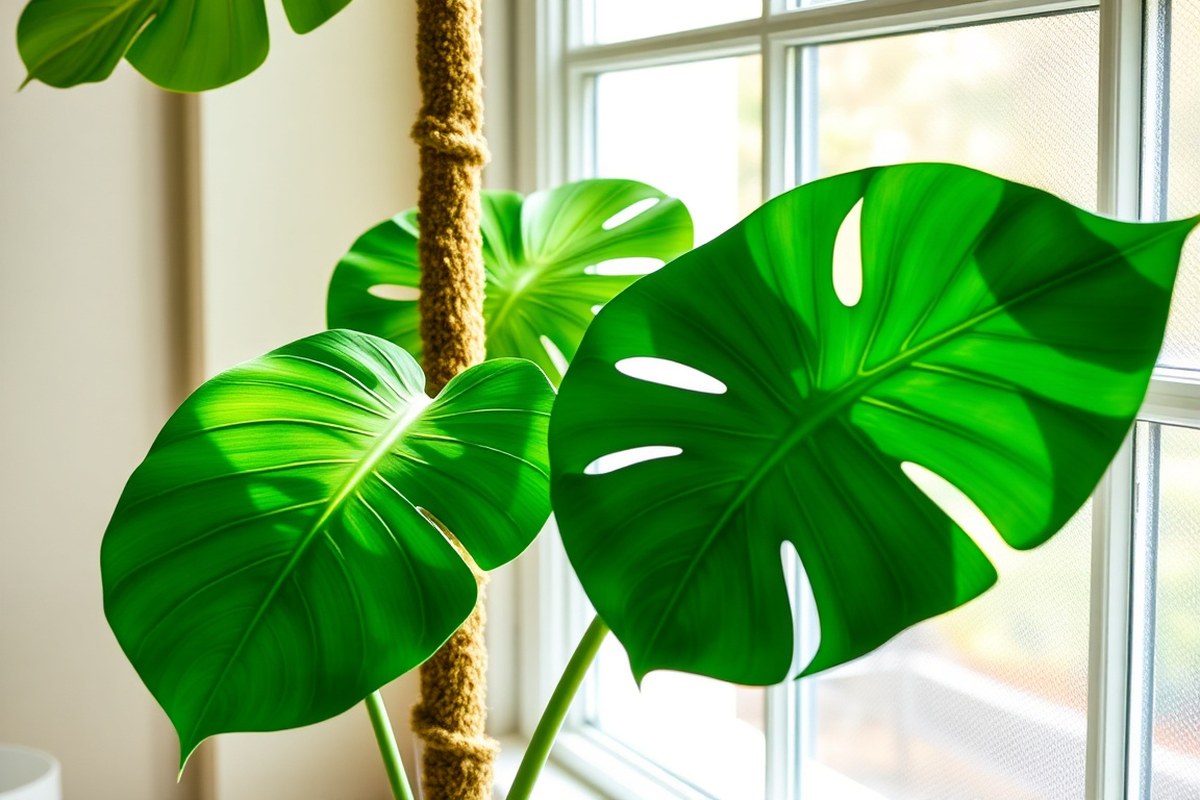
Providing a sturdy support, like a moss pole, encourages your Monstera to grow tall indoors. It can reach up to nine feet tall, so vertical space matters.
Cutting back old or long stems can boost new growth by 40 percent. This makes your plant look fuller and healthier.
Key Takeaways
- Place Monstera Deliciosa in bright, indirect light to avoid leaf scorch.
- Maintain indoor temperatures between 65°F and 85°F for optimal growth.
- Keep humidity levels around 50 to 60 percent to support leaf health.
- Only water your Monstera when the top 2-3 inches of soil feels dry. This helps avoid overwatering issues.
- Provide vertical support to accommodate growth up to nine feet tall.
- Repot every 1-2 years in a pot 2-3 inches larger for healthy roots.
How to Care for Monstera Deliciosa Indoors
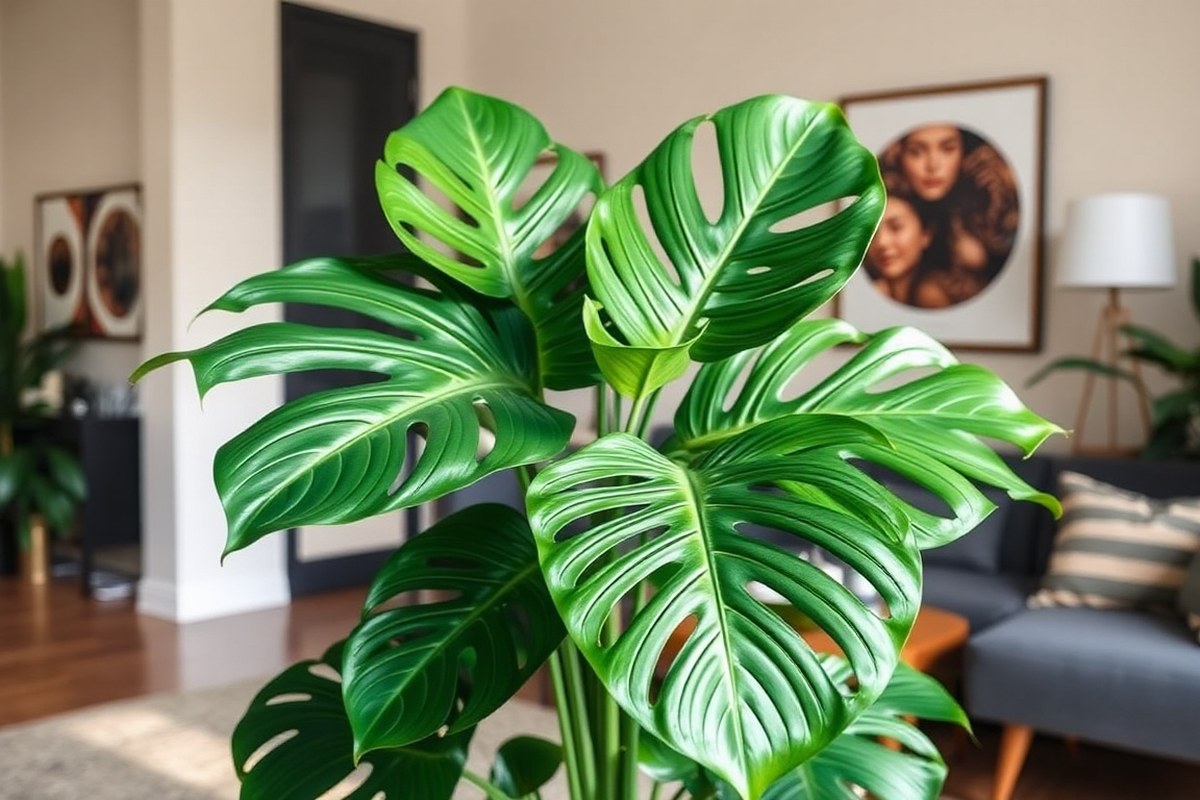
Start by placing your Monstera Deliciosa in bright, indirect light. Avoid strong sunlight that can scorch its leaves. Bright light encourages the leaves to develop their characteristic holes and splits.
Use a pot with good drainage to prevent water from sitting at the roots. Choose a soil mix that drains well but holds some moisture. A mix with peat moss, perlite, and orchid bark works well.
Water your Monstera only when the top 2 inches (5 cm) of soil feel dry. Stick your finger into the soil to check moisture before watering. Pour water slowly until it drains through the bottom, then empty the saucer.
Keep the humidity near 60%, which supports healthy leaf growth. You can raise humidity with a small humidifier or by grouping plants together. Mist the leaves occasionally, but avoid soaking them.
Watching your Monstera daily helps catch problems early. Yellowing leaves often signal overwatering.
Brown edges usually mean low humidity or too much direct sunlight. Solid, un-split leaves indicate it needs more indirect light.
Basic maintenance includes wiping leaves with a damp cloth to remove dust. This helps your plant breathe and absorb light. Also, rotate the pot every week to keep growth even on all sides.
Choosing the Right Light, Temperature, and Humidity
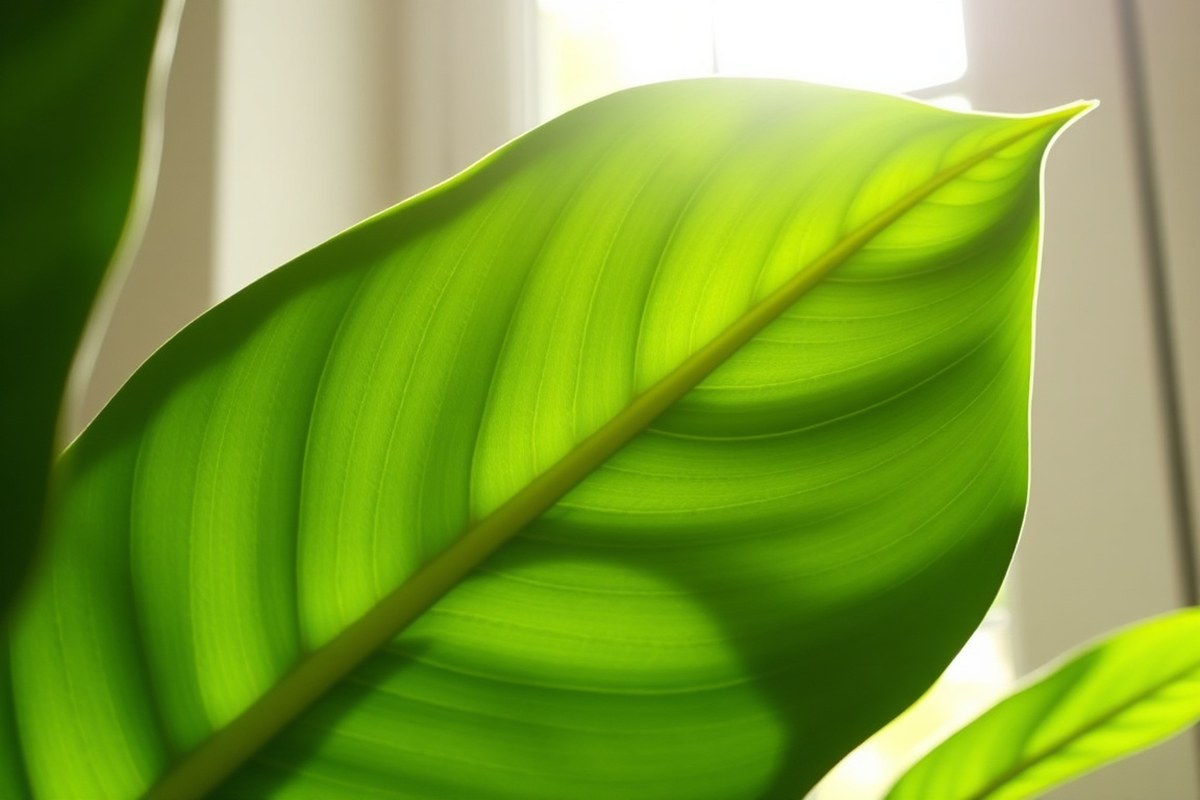
Monstera deliciosa thrives best in bright, indirect light. Aim for 250 to 1,000 lux to encourage healthy growth and those iconic leaf splits. Low light under 250 lux slows Monstera growth.
It stunts leaf size and stops fenestrations. Leaves stay smaller and whole in low light.
The best temperature is 65 to 85°F (18 to 30°C). This matches the plant’s tropical background. Keeping it in this range helps it thrive.
Temperatures under 60°F stress your Monstera and slow growth. Above 85°F, the plant can dry out.
Both temperatures can harm the plant’s health. Keep it away from drafty windows or heating vents where temperature swings might cause leaf damage.
Humidity should stay around 60% to keep the leaves lush and support rapid growth. You can boost humidity by grouping plants together. Another way is to use a humidity tray with pebbles and water.
This helps keep your Monstera happy. A small humidifier also works well, especially in dry winter months. Misting the leaves occasionally helps but provides only a short humidity boost.
Light and Temperature Comparison
| Attribute | Optimal Range | Effects Outside Range |
|---|---|---|
| Light Level | 250, 1000 lux (bright, indirect) | Below 250 lux: slow growth, no leaf holes |
| Temperature | 65, 85°F (18, 30°C) | Below 60°F: slowed growth; Above 85°F: leaf stress |
Rotate your Monstera every couple of weeks. This stops it from leaning towards the light. It helps the plant grow more evenly.
Watering: How Often and How Much for Best Growth
Monstera deliciosa thrives when you water it every 7 to 14 days during spring and summer. The key is letting the top 1 to 2 inches of soil dry. Wait until it feels dry before your next watering.
This helps avoid overwatering your Monstera Deliciosa. You can stick your finger into the soil. When the soil feels dry 1 to 2 inches deep, water it.
Don’t wait for the top to be completely dry. Check the soil with your finger to be sure.
Use lukewarm water and pour slowly to moisten all roots evenly. For a 6-inch pot, about half to one cup of water usually works.
A 10-inch pot needs around 3 cups. You want the soil moist but not soggy, so avoid overwatering.
- Check soil dryness by inserting your finger 1-2 inches deep.
- Water thoroughly until soil is evenly wet, then let dry.
- Adjust watering frequency if soil dries faster or slower.
- Signs of underwatering: drooping, dry brown leaf edges.
- Signs of overwatering: yellow leaves, soggy soil, root rot smell.
- Use well-draining potting mix to prevent waterlogging.
- Keep a consistent schedule but tweak it in winter when water needs drop.
Water less often during fall and winter since the plant grows slower. Overwatering leads to yellow leaves and root rot. Underwatering causes droopy leaves and brown tips.
Watch your plant’s leaves for signs of too much or too little water. Change your watering amount or schedule if needed.
Your Monstera will look healthier this way. Letting the soil dry out about 75% before watering again helps avoid most problems.
Repotting Monstera Deliciosa: When and How to Do It
Repot your Monstera Deliciosa every one to two years or when roots crowd its pot. Pick a new pot about 1 to 2 inches wider with good drainage. Use chunky, well-draining soil for repotting your plant.
Follow a careful step-by-step guide. This helps keep your plant healthy during repotting.
Signs Your Monstera Needs Repotting
Look for roots growing out of the drainage holes or circling inside the pot. This means the plant is root-bound and needs more space. You might also notice soil drying out very fast or slowed growth compared to before.
Checking the root ball by gently easing the plant out of its pot helps. The roots are dense and tangled or thicker than normal.
It means repotting time has come. Spring matches the plant’s natural growth cycle best for repotting.
Selecting the Best Pot and Soil Mix
Pick a pot 1 to 2 inches bigger than the old one. This size lets your plant grow steadily.
Make sure the pot has drainage holes to avoid soggy soil and root rot. Plastic or terracotta both work, but terracotta dries faster.
Use a soil mix that drains well but holds some moisture. Use a chunky, airy mix with peat moss and pine bark. Add perlite or orchid bark too.
This mix suits Monstera’s climbing habit well. Avoid heavy garden soil or plain potting mix that holds too much water.
Repotting Process Step-by-Step
Gather fresh soil, a suitable pot, and tools like gloves and a small trowel. Repotting in spring helps the Monstera settle quickly into its new home. Work gently to protect the roots while transplanting.
- Water the plant a day before repotting so the root ball stays intact.
- Loosen the soil around the edges of the current pot to ease the plant out.
- Gently remove the plant and check the roots for damage or rot. Snip off dead roots.
- Loosen the bound roots lightly by untangling or spreading them out.
- Add fresh soil to the new pot up to a quarter full.
- Place the Monstera in the new pot, making sure it sits at the same soil level.
- Fill around the roots with fresh soil, pressing lightly to remove air pockets.
- Water the newly potted plant until water drains freely to settle the soil.
Pruning and Supporting Growth for Larger Plants
Pruning your Monstera encourages new growth and keeps it healthy. It helps shape the plant and supports bigger leaves with more holes. Using stakes or moss poles prevents your Monstera from sprawling and supports its natural climbing habit.
Benefits of Pruning Your Monstera
Pruning removes old or damaged stems, which triggers fresh growth from the main stem. This leads to fuller plants with bigger leaves and classic fenestrations. Cutting back keeps your Monstera’s size under control.
It also shapes the plant well. This prevents it from becoming too leggy and sparse.
When done properly, pruning helps the plant focus energy on producing stronger, healthier growth. It also increases airflow, which lowers risks of pests and diseases. Cutting stems during spring or early summer fits best with its natural growing season.
Pruning Techniques and Safety Tips
Use sharp, clean scissors or pruning shears. Cut stems near a leaf node. Make the cut close to a branch junction.
Cutting just above a leaf node stimulates new growth at that spot. Avoid cutting too close or leaving large stubs that can rot or invite pests.
Wear gloves if you have sensitive skin, because the sap can sometimes irritate. Limit pruning to removing no more than 20% of the plant at a time. This prevents stress and helps the plant recover quickly.
- Find stems with yellowing or damaged leaves to remove first.
- Cut ¼ inch above a healthy leaf node or aerial root using sharp shears.
- Trim back long, leggy stems to encourage bushier growth.
- Remove any crossing or tangled stems to improve airflow.
- Dispose of cuttings or use them for propagation.
- Clean shears with rubbing alcohol after pruning each time.
- Watch your plant for new shoots in the following weeks.
Always sterilize your cutting tools to reduce the risk of infection or disease.
Setting Up Support Poles and Trellises
Monstera Deliciosa loves to climb, and its large leaves benefit from vertical support. Moss poles or trellises help your Monstera grow upright. They stop sprawling.
The support also helps develop leaf fenestrations better. This keeps the plant healthy and visually striking.
Pick a moss pole or trellis tall enough for your plant. Usually, 36 to 72 inches works indoors. Match it to your plant’s expected height.
Firmly set the moss pole inside the pot. Tie the Monstera stems gently with soft plant ties or garden twine.
Avoid tight knots that can harm the stems. Adjust ties as the plant grows, keeping them loose enough to avoid damage.
Different options include coir-wrapped moss poles, bamboo stakes, or custom wire trellises. Moss poles provide humidity and grip, encouraging aerial roots to cling tighter. Trellises work well if you want a broader climbing frame for spreading growth.
Propagating Your Monstera Deliciosa: Methods That Work
Monstera deliciosa can be propagated easily using stem cuttings or air layering. Both methods work well if you provide bright, indirect light and keep humidity high. You will need pruning shears, rooting hormone, sphagnum moss, and plastic wrap for the best results.
Stem Cutting Propagation Steps
Stem cutting is the simplest way to get new plants from your Monstera. Take a cutting below a node where a leaf joins the stem. Aim for a cutting with one leaf and at least one aerial root.
Follow these steps to propagate with stem cuttings:
- Use sharp pruning shears to cut a stem just below a node.
- Remove lower leaves, leaving one healthy leaf on the top.
- Dip the cut end in rooting hormone to encourage root growth.
- Place the cutting in water or directly in moist potting soil.
- Keep the cutting in bright, indirect light with high humidity.
- Wait 2 to 6 weeks for roots to form and grow several inches.
- Change water weekly if rooting in water to avoid rot.
- Pot the rooted plant in a well-draining peat-based mix.
Water rooting cuttings lightly and avoid direct sun to prevent wilting. Watch for strong root growth before repotting into soil.
How to Air Layer Effectively
Air layering creates roots on a stem before you cut it off. You cover a part of the stem with damp material to encourage root growth at the node. Steps for successful air layering include:
- Choose a healthy stem with an aerial root or node.
- Make a small upward cut about one inch deep at the node.
- Apply rooting hormone on the wounded area to speed rooting.
- Wrap sphagnum moss around the cut, keeping it moist.
- Cover moss with plastic wrap and seal edges to trap humidity.
- Check weekly to keep moss damp and look for root growth.
- Once roots are about 2 to 3 inches long, cut below the new roots.
- Plant the new rooted stem in fresh potting soil immediately.
Do this in spring or early summer for faster rooting. Air layering may take up to 6 weeks but gives a strong start for big plants.
Potting and Caring for New Plants
After roots are well developed, pot your new Monstera in a loose, well-draining potting mix. Use soil made for aroids or mix peat, perlite, and orchid bark.
Choose a pot with drainage holes to avoid soggy roots. Water the new plant lightly and keep it in bright, indirect light.
Maintain humidity around 60% or higher to help the young plant thrive. Gradually increase watering as the plant grows. Avoid sudden moves or direct sun during the first few weeks in soil.
| Attribute | Stem Cuttings | Air Layering |
|---|---|---|
| Ideal Conditions | Bright, indirect light; high humidity | Bright, indirect light; high humidity |
| Tools Needed | Pruning shears, rooting hormone, water or soil | Pruning shears, rooting hormone, sphagnum moss, plastic wrap |
| Common Challenges | Low humidity, poor light, improper cut | Keeping moss moist, sealing wrap, checking roots |
| Time to Root | 2-6 weeks | 4-6 weeks |
Identifying and Managing Common Problems and Pests
Brown or yellow leaf tips often mean your Monstera needs more humidity. Check if the air is dry, especially in winter.
Raise humidity by misting leaves daily or placing a humidifier nearby. Dry air causes leaf edges to dry and brown quickly.
Yellowing leaves often mean you’re watering your plant too much. Roots suffer in wet soil, turning soft and dark from excess moisture.
Use well-draining soil and pots with drainage holes. Water only when the top inch of soil is dry.
Sometimes leaf yellowing points to a nutrient issue. A lack of nitrogen makes older leaves pale yellow but the veins stay green.
Use a balanced, water-soluble fertilizer once a month during growth seasons. Avoid overfeeding, as this can burn roots and leaves.
Spider mites and mealybugs can attack your Monstera, especially in dry, warm spots. Spider mites cause fine webbing and tiny yellow spots. Raise humidity and spray neem oil every 5 to 7 days until mites die off.
Mealybugs look like small cottony masses on leaves and stems. Wipe them off with insecticidal soap or a cotton swab dipped in rubbing alcohol.
Good pest treatment means patience. Repeat treatments over two to three weeks. Check leaves closely for signs of new infestations.
Prevent pests by keeping your Monstera clean and well-hydrated. Avoid crowded spaces where bugs can hide and multiply.
Look for stunted growth, sticky leaves, or black mold as signs of scale insects. Use insecticidal soap or neem oil to control scales.
Wash leaves gently with water before applying treatments to remove dust. This helps sprays reach the pests better and improves results.
Leaf Care, Cleaning, and Preventing Leggy Growth
Dust and dirt can build up on Monstera leaves, blocking light. Cleaning them gently keeps the leaves healthy and shiny. It also helps the plant absorb more light, encouraging better growth.
To clean your Monstera’s leaves safely, get a soft cloth or sponge. Use lukewarm water mixed with mild dish soap. This gentle mix helps avoid leaf damage.
Avoid harsh cleaners that can damage the glossy surface. Cleaning once a month works well for most homes.
- Mix a few drops of mild dish soap in lukewarm water.
- Dip a soft cloth or sponge into the soapy water and wring it out.
- Gently wipe each leaf, supporting it with one hand to avoid damage.
- Use a clean, damp cloth to remove any soap residue.
- Dry the leaves with a soft towel or let them air dry in indirect light.
Rotate your Monstera about a quarter turn every two weeks. This prevents it leaning toward one light source. Even light keeps growth balanced and leaf size uniform.
Leggy stems with widely spaced leaves show that your Monstera needs more light. These long stems waste energy and make the plant look sparse. To prevent this, keep the plant in bright, indirect light.
To fix leggy growth, prune back long stems just above a leaf node. Use clean, sharp scissors to avoid infection. Encourage bushier growth by trimming selectively and letting new shoots fill out the gaps.
Cut just above a leaf node to encourage new leaves and sturdier stems.
Step-by-Step Action Plan
Follow this plan to keep your Monstera Deliciosa healthy and growing well.
- Day 1: Place your Monstera in bright, indirect light. Check leaf color after a week; it should be vibrant green.
- Week 1: Water your plant when the top 2 inches of soil feel dry. Watch for slightly wilted leaves if underwatered.
- Week 3: Wipe leaves with a damp cloth. This helps your plant absorb light and look shiny.
- Month 2: Support tall stems with a moss pole or stake. Your Monstera should start growing bigger leaves.
- Month 3: Inspect for pests like spider mites or scale. Use insecticidal soap if you spot any.
- Every 6 months: Repot your Monstera if roots crowd the pot. Healthy new growth will follow.
- Seasonally: Prune yellow or damaged leaves to keep your plant tidy and strong.
Frequently Asked Questions
How Often Should I Fertilize My Monstera Deliciosa?
Feed your Monstera every 4-6 weeks during spring and summer. Use a balanced, water-soluble fertilizer diluted to half strength for best results.
Can Monstera Deliciosa Tolerate Low Light Conditions?
Monstera Deliciosa can survive in low light but grows slower. Bright, indirect light helps it thrive and produce larger leaves with holes.
What Type of Soil Mix Is Best for Monstera Deliciosa?
Use well-draining potting mix rich in organic matter for healthy growth. A mix with peat, perlite, and pine bark works well.
How Do I Encourage Leaf Fenestrations (Holes) on Monstera Leaves?
Provide bright, indirect light and consistent humidity to promote leaf holes. Young plants may not develop fenestrations until they mature.
Is Monstera Deliciosa Toxic to Pets?
Yes, Monstera Deliciosa is toxic to cats and dogs if ingested. Keep it out of their reach to avoid irritation or serious health issues.
Can I Grow Monstera Deliciosa Outdoors?
Monstera can grow outdoors in USDA zones 10-12 with warm temps and shade. Avoid direct sun and cold weather to prevent damage.
Final Thoughts
Monstera Deliciosa thrived with steady care on light, water, and support. You can start by checking your plant’s light and watering habits today. Keep learning and adjusting to enjoy a lush, happy indoor jungle.