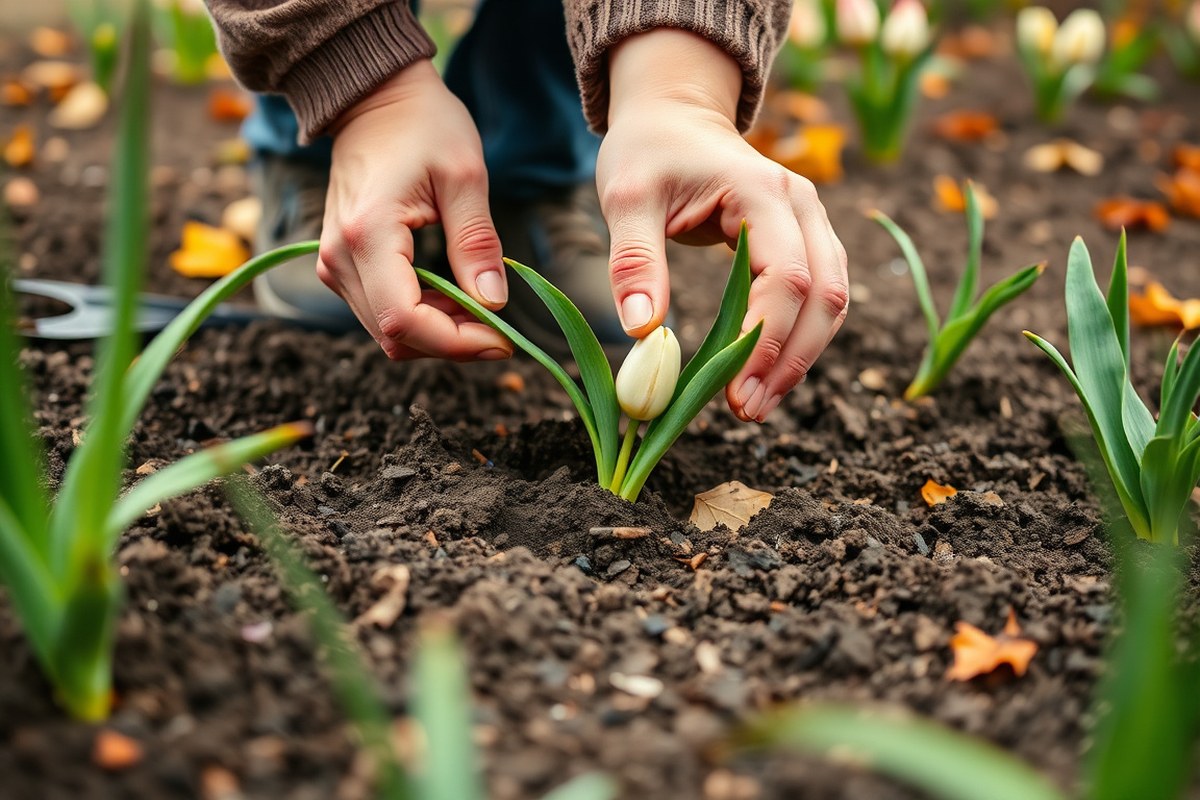
When to Plant Bulbs for Spring: A Complete Guide for Successful Blooms
When to plant bulbs for spring is a common question every gardener faces. The best time is about 6 to 8 weeks before the ground freezes. That usually happens when soil temps drop to between 50 and 60°F. Planting then gives bulbs time to root before winter.
You want to plant bulbs early enough in fall, often by late September or October. It depends on local ground-freezing dates, so check your area’s first frost forecast. Planting too late can delay blooming or reduce growth.
Start by checking soil temperature with a simple thermometer. Aim for cool, moist soil around 50 to 60°F for planting. This helps most bulbs establish themselves underground before winter sets in.
Key Takeaways
- Plant bulbs 6 to 8 weeks before the first ground freezes.
- Ideal soil temperature for planting bulbs is 50 to 60°F.
- Most spring bulbs do best when planted by late September or October.
- Use a soil thermometer to pick the right planting time.
- Early planting helps bulbs root well before winter arrives.
- Later planting might delay blooms by several weeks in spring.
When Is the Best Time to Plant Bulbs for Spring Bloom?
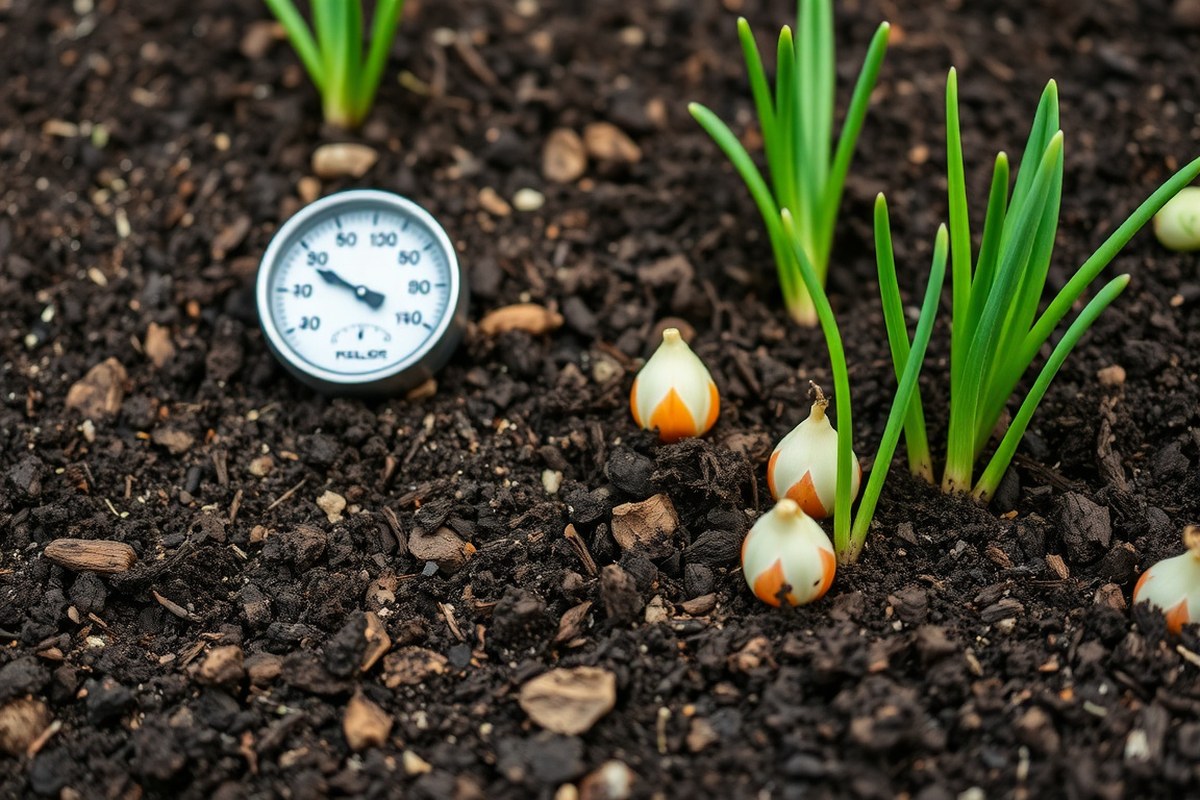
Plant spring bulbs about six weeks before the ground freezes. Soil temperature should be between 50 and 60 degrees Fahrenheit. At this stage, bulbs begin root growth but stay dormant above ground.
Timing varies by region and USDA zones. In colder zones 4 to 6, aim to plant by late September to early October. This ensures bulbs settle before the hard frost arrives.
Warmer zones 8 to 10 face challenges. Soil may never stay cold enough for six continuous weeks. You might plant bulbs earlier or refrigerate them first, according to bulb instructions.
A key rule is to plant at least four weeks before your frost date. You should aim for six weeks if possible. Planting early helps bulbs settle before cold weather.
This gives roots time to develop before winter. Planting too late risks poor root growth, which weakens spring blooms.
The soil temperature matters more than air temperature. Soil below 60°F encourages roots without pushing shoots up too early. You can check soil depth of 4 to 6 inches with a soil thermometer or touch.
Bulbs can still go in after the first frost in some places. The ground must not be frozen for planting. Check soil softness before planting bulbs late.
This may delay bloom by two to four weeks but still produces flowers. Avoid planting once the soil hardens or freezes.
To figure out your best planting window, find your local average first frost date. Count backward six weeks as a general guide for fall planting. Start checking soil temperature around that time.
How to Prepare Soil and Choose Bulbs for Planting
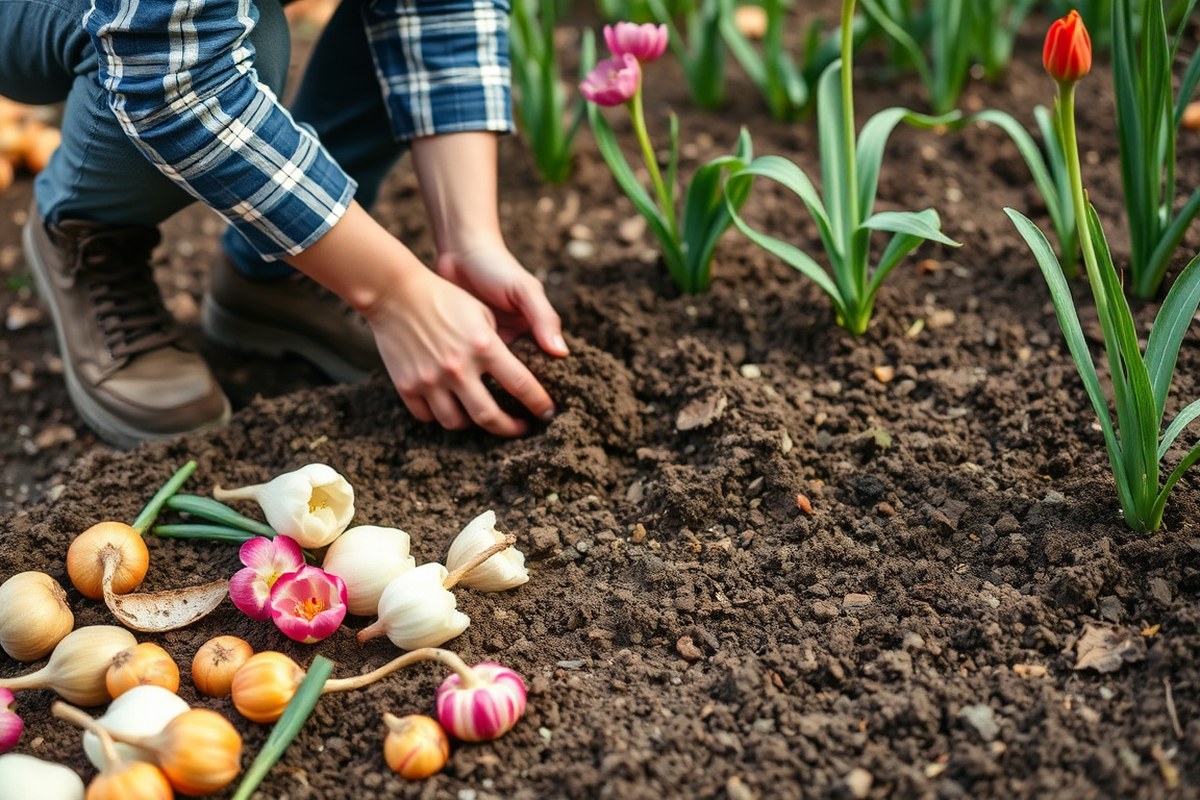
Preparing your soil well and choosing healthy bulbs helps you get the best spring blooms. Start by testing and improving drainage, then pick bulbs that look firm and plump. Check sunlight needs and plant where bulbs get at least six hours of direct sun daily.
Testing and Improving Soil Drainage
Good drainage stops bulbs from rotting after planting. Dig a small hole about 6 inches deep and fill it with water. See if the water drains within 1 to 4 hours, which suits most spring bulbs.
When drainage is slow, add sand or fine gravel to the soil. Raised beds or mounds also improve drainage where soil stays wet. Avoid areas where water pools after rain or snow melt.
Preparing the Soil for Planting
Loosen soil to about 12 inches deep before planting bulbs. This makes it easier for roots to grow. Remove weeds, rocks, and sticks that could block growth.
Add compost or aged manure to supply nutrients. Work the soil until it’s crumbly but not powdery or muddy. This creates a welcoming bed for your bulbs.
Choosing Healthy Bulbs
Choose bulbs that feel firm and heavy for their size. Check that they have no bruises or soft spots. Avoid bulbs that have mold, sprouting green shoots already, or signs of shriveling.
Pick bulbs suited to your climate and planting zone. Tulip bulbs, for example, should be about 2 to 3 inches tall and free from damage. Larger, healthy bulbs bloom more reliably.
Selecting the Right Spot for Sunlight
Most spring bulbs need at least six hours of direct sunlight daily. Choose a sunny part of your yard, like a south-facing slope or open garden bed. Shady areas delay growth and reduce flowering.
Some bulbs tolerate partial shade but check specific needs. Avoid planting bulbs under dense trees or shrubs that block light completely.
Step-by-Step: Soil Preparation and Bulb Selection
Follow these steps to prepare soil and choose bulbs for a bright spring display.
- Test soil drainage by filling a small hole with water and timing drainage.
- Amend heavy or wet soil with sand, compost, or plant in raised beds.
- Loosen soil to 12 inches deep and clear debris and weeds.
- Add compost or aged manure and mix well into soil.
- Buy firm, plump bulbs with no mold or damage.
- Pick bulbs suited to your climate and planting time.
- Choose a sunny spot that gets at least six hours of full sun.
- Keep bulbs cool (60°, 65°F) until planting, or plant promptly.
Remember, planting bulbs in poorly drained soil often causes rot before spring arrives.
Planting Depth and Spacing: How to Get It Right for Different Bulbs
Plant bulbs about three times as deep as their height or width. Large bulbs like tulips need 6 to 8 inches deep. Smaller bulbs require 3 to 4 inches with proper spacing to grow well.
General Planting Depth Guidelines
Plant bulbs deep enough to protect them from frost and support root growth. Bulbs like tulips and large alliums go 6 to 8 inches deep. Smaller bulbs like crocus or some smaller varieties need around 3 to 4 inches.
Going too shallow risks bulbs drying out or freezing in winter. Too deep slows growth and blooming. Good soil preparation helps bulbs settle well at the right depth.
Spacing Recommendations by Bulb Type
Spacing depends on bulb size and flowering habits. Larger bulbs need more room around them to spread roots and leaves. Give them 4 to 8 inches between each bulb for best bloom quality.
Smaller bulbs like crocus or grape hyacinths go closer. Plant them about 3 to 4 inches apart. They’ll still have room to grow well.
Tight spacing might encourage more flowers but can thin over time if crowded. Group bulbs by type for easier care.
| Bulb Type | Planting Depth | Spacing |
|---|---|---|
| Tulips | 6 to 8 inches (15 to 20 cm) | 4 to 6 inches (10 to 15 cm) |
| Daffodils | 3 times bulb height (~6 inches) | 4 to 6 inches (10 to 15 cm) |
| Large Alliums | 6 to 8 inches (15 to 20 cm) | 6 to 8 inches (15 to 20 cm) |
| Smaller Bulbs (e.g., Crocus) | 3 to 4 inches (8 to 10 cm) | 3 to 4 inches (8 to 10 cm) |
The spacing and depth table helps you plant bulbs with room to grow and bloom well. Adjust distance if mixing different bulb types together. Proper planting avoids bulbs rotting or failing to shoot in spring.
Formula for Calculating Depth Based on Bulb Size
Use a simple rule to plant bulbs at the right depth. Multiply the bulb’s height or width by 2 or 3. This gives the depth in inches.
For most bulbs, plant them 2 to 3 times as deep as their height. That means a 2-inch bulb gets planted 4 to 6 inches deep.
Depth based on bulb width also works, especially for round bulbs. Measure the bulb’s widest part and plant 3 times that depth. This keeps bulbs safe from frost and helps roots grow deep enough.
Cold Requirements and Pre-Chill Techniques for Spring Bulbs
Spring bulbs need cold temperatures for 10 to 13 weeks to grow flowers properly. Some bulbs require longer chilling, so you may need to pre-chill them before planting. Proper storage keeps bulbs healthy if you cannot plant right away.
Understanding Bulb Chilling Needs
Spring bulbs usually require 10 to 13 weeks in chilly temps between 35°F and 45°F (2°C to 7°C) to bloom well. Tulips, daffodils, hyacinths, and crocuses rely on cold to leave dormancy behind. Some bulbs planted in fall need a longer cold spell of 12 to 16 weeks for better flowers.
The cold period triggers flower growth and breaks the bulb’s dormancy. Without this, bulbs might sprout weakly or not bloom at all.
Living in warm zones means natural cold might not occur. So chilling bulbs yourself is key.
How to Pre-Chill Bulbs at Home
You can pre-chill bulbs by storing them in a cool place such as your refrigerator. Keep them in ventilated bags at about 40°F to 50°F (4°C to 10°C). This mimics the natural cold period they need before planting.
Follow these steps to pre-chill your bulbs correctly and get blooms on time:
- Place bulbs in a paper or mesh bag to allow air circulation.
- Set the bag in the bottom or vegetable drawer of your fridge.
- Avoid storing bulbs near fruits, which emit gases that might damage them.
- Keep the bulbs chilled for 10 to 13 weeks before planting.
- Check bulbs regularly for any signs of mold or rotting.
- Remove any soft or smelly bulbs to protect the rest.
Proper Storage Conditions for Bulbs
When you can’t plant bulbs right away, store them somewhere cool, dry, and dark to keep them fresh. Temperatures around 50°F (10°C) are ideal for storage before chilling begins. This slows growth while preventing rot and mold.
Store bulbs in breathable containers like mesh bags or cartons filled with peat moss. Avoid sealed plastic bags unless they have ventilation. Good airflow helps bulbs stay healthy and ready for planting.
Look for firm, dry bulbs without soft spots. Bulbs stored too long without chilling may lose their flower power. Chilling after storage can still help if they haven’t started sprouting or shriveling.
Planting Bulbs in Containers Versus Garden Beds
Planting bulbs in containers requires a well-draining potting mix that stays moist but not soggy. Use containers that are 8 to 12 inches deep. Plant bulbs 3 to 4 inches down.
Make sure the container is deep enough for the bulbs. Put drainage holes in your pots.
Add a layer of gravel or broken pottery. This helps water flow out and prevents soggy soil.
Garden beds allow you to plant bulbs deeper and in larger groups for a natural look. The soil should be loose and well-drained, planted 3 to 4 inches deep. Raised beds help if your garden soil holds too much water, preventing bulbs from rotting.
Container soil usually dries out faster than garden beds, meaning you must water more often. Bulbs in containers may need watering twice a week, depending on weather and pot size.
In garden beds, slow-release fertilizer can support bulbs. Container bulbs benefit from a liquid fertilizer every few weeks during growth.
Grouping bulbs in odd numbers like 5 or 7 in containers creates fuller displays. Plant bulbs 3 to 4 inches apart in garden beds. Leave enough space for each bulb to grow.
Proper spacing helps bulbs spread nicely over time. Containers need fewer bulbs but focus on the arrangement for impact.
Choose containers with enough depth and drainage to avoid soggy soil and bulb rot.
What to Do If You Missed Fall Planting: Can You Plant Bulbs in Spring?
You can plant spring bulbs in the spring, but it takes some extra care. Choose bulbs labeled for spring planting or pre-chilled bulbs from a garden center. These bulbs need cold treatment to bloom properly and avoid delayed or weak flowers.
Start by chilling your bulbs for 10 to 12 weeks in the fridge. Keep them cold if they are fresh and not pre-chilled. This helps them grow well in spring.
Keep bulbs away from fruits because they release gases that can damage the bulbs. After chilling, plant them as soon as the soil reaches about 50°F to encourage root growth.
Plant bulbs 4 to 6 inches deep. The depth depends on the bulb type. Water them deeply after planting.
Soil should drain well because soggy soil can cause bulbs to rot. You might see blooms show up later than usual, often several weeks behind fall-planted bulbs.
Late planting also means shorter blooms and sometimes smaller flowers. Tulips and narcissus may bloom well but won’t be as strong or long-lasting. You can expect some delay because bulbs need time to build energy through roots before sprouting.
Keep the soil moist but not soaked during their growing period. Mulch with about 2 inches of straw or leaves to keep soil temperature steady. Watch for pests like squirrels, which can dig up fresh bulbs before roots anchor them.
Spring planting works best for colder regions with short growing seasons. Bulbs have less time to establish before summer heat arrives.
In warmer areas, bulbs may not get enough chilling time naturally. So pre-chilling is especially important.
Don’t expect spring-planted bulbs to behave exactly like those planted in fall. They still bloom, but usually later and with less vigor. This helps if you miss the fall planting window.
You can get blooms quicker in spring. It saves your garden plan from delay.
Protecting Bulbs After Planting: Mulch, Watering, and Critter Control
After planting bulbs, add 2 to 4 inches of garden mulch to the soil. Mulch acts as insulation, protecting bulbs from harsh winter frost without blocking their spring growth. In places with late spring frosts, cover your bulb beds.
Use cloches, cold frames, or nursery fabric for protection. This shields bulbs from sudden cold snaps.
Water the bulbs well right after planting. This initial watering settles the soil and starts the moisture supply for root growth.
Later, water bulbs only when the soil feels dry during their growth period. Keep the soil moist but never soggy, since too much water can cause bulbs to rot.
- Apply garden mulch 2, 4 inches thick immediately after planting
- Use cloches or fabric covers if frost threatens after planting
- Water bulbs thoroughly once after planting
- Water sparingly during active growth, keeping soil moist
- Check soil moisture weekly or after dry spells
- Use wire mesh or repellents to deter squirrels and rodents
- Plant bulbs with natural smell deterrents like daffodils together
Critters like squirrels and voles often dig up bulbs. So protecting your plants is key. Place chicken wire mesh over the planting area and secure it to stop animals from digging.
Some gardeners plant daffodils as natural animal deterrents. Many animals avoid daffodils because of their strong smell. This can protect nearby bulbs.
Common Mistakes When Planting Spring Bulbs and How to Fix Them
Planting bulbs too shallow is one common mistake. Bulbs need to sit two to three times their height deep to grow well. Tulips, for example, should be planted at least 6 inches deep.
Planting bulbs too shallow leaves them open to frost or drying out. This often causes weak blooms or none at all.
Poor drainage causes bulb rot, another big problem. Bulbs sit in the soil during wet winter months, so soil must drain well. Adding compost or aged manure improves drainage and soil nutrition.
Soil that stays soggy causes bulbs to rot before sprouting. This wastes your effort and money.
- Check soil drainage before planting by digging and filling the hole with water. It should drain in a few hours
- Plant bulbs two to three times their height deep; measure bulbs before planting
- Space bulbs at least twice their width apart to avoid overcrowding
- Use organic amendments like compost to loosen heavy clay or sandy soils
- Choose a sunny spot with well-draining soil, away from low spots where water gathers
- After planting, cover with mulch to regulate soil temperature and moisture
Timing affects bulb success, too. Planting too early can encourage premature growth, risking frost damage. Too late means bulbs might sprout weakly or fail to bloom.
Pay attention to your local frost dates and soil temperature. Planting should happen when soil cools below 60°F but isn’t frozen.
You can assess planting depth and timing mistakes by watching bulb growth. Slow or no sprouting, or bulbs that shrivel, often signal issues. Failing blooms or rot on lifted bulbs also hint at problems.
Dig up some bulbs after winter to check how they did. Use what you learn to change your method next season.
Always test drainage before planting. Water standing for a day signals a problem requiring soil amendments.
Step-by-Step Action Plan for Planting Bulbs for Spring
Follow these simple steps to plant your spring bulbs correctly and get a great bloom.
- Late September to Early October: Buy healthy bulbs suited to your climate. Check firmness and avoid moldy or shriveled ones.
- Before Planting: Prepare the soil by loosening it and mixing in compost. Well-drained soil helps bulbs grow better.
- Planting Time: Dig holes at the right depth, usually 2-3 times the bulb height. Space bulbs according to type for good airflow.
- Right After Planting: Water bulbs deeply to settle soil. Check soil moisture for a week to avoid drying out.
- After Planting: Apply a 2-3 inch mulch layer. Mulch keeps soil cool and retains moisture.
- Late Fall: Monitor for critters like squirrels and deer. Use safe repellents or barriers if needed.
- Winter Care: Avoid disturbing soil; bulbs need cold to develop buds. If you pre-chilled bulbs, plant them promptly after chilling.
- Early Spring: Remove mulch gradually as shoots emerge. Keep soil moist but not soggy for best growth.
Frequently Asked Questions
When Should I Start Planting Spring Bulbs in Zone 6 or Colder?
Start planting 6 to 8 weeks before the ground freezes in Zone 6 or colder. This timing ensures the bulbs establish roots before winter sets in.
How Do I Know If My Soil Has the Right Temperature for Bulb Planting?
The soil temperature should be between 50 and 60 degrees Fahrenheit for planting. At this temperature, bulbs can begin root growth without sprouting too early.
Can I Plant Bulbs Indoors First and Move Them Outside Later?
Yes, you can start bulbs indoors if the climate is too cold. This method lets you control temperature and timing before transplanting outdoors.
What’s a Good Way to Handle Bulb Planting in Warm Zones Like 8 To 10?
Warm zones need special care because bulbs may not get a natural chill. You might need to pre-chill bulbs in the fridge before planting outdoors.
Are There Certain Bulbs That Are Best Planted at Different Times in Fall?
Yes, the exact time varies by species. Some bulbs need earlier planting to develop properly before winter arrives.
Is It Okay to Plant Tender Summer-Flowering Bulbs in Spring Instead of Bulbs for Spring Bloom?
Yes, tender summer bulbs like gladioli should be planted in early spring. They need warmer soil than spring bulbs to grow well.
Final Thoughts
Planting spring bulbs at the right time and depth gives you strong, healthy blooms. Start by picking bulbs that suit your area and soil. Getting these details right helps your garden look great each spring.