How to Use Rake Tool: Complete Guide for Every Raking Task
Learning how to use rake tool correctly saves you time and effort while improving yard care. Start with the rake at about a 30-degree angle to the ground for better control. This angle helps gather or spread materials without damaging soil or plants.
Choose smooth, steady strokes to push debris or loosen soil efficiently. Avoid harsh jerking motions that can break rake tines or strain your arms. Using the right stroke makes your work easier and the results neater.
Keep your back straight and use your legs to power the motion. This prevents fatigue and reduces the chance of injury during longer raking sessions. Small adjustments to your posture can make a big difference in comfort.
Key Takeaways
- Set the rake head at about 30 degrees for effective material movement.
- Use smooth, consistent strokes to avoid breaking rake tines.
- Engage your legs, not just arms, to reduce fatigue.
- Select rake types based on tasks like leaf gathering or soil leveling.
- Flip the rake to use the flat edge for soil leveling.
- Clean your rake regularly to maintain its condition and function.
How to Use a Rake Tool Correctly for Best Results
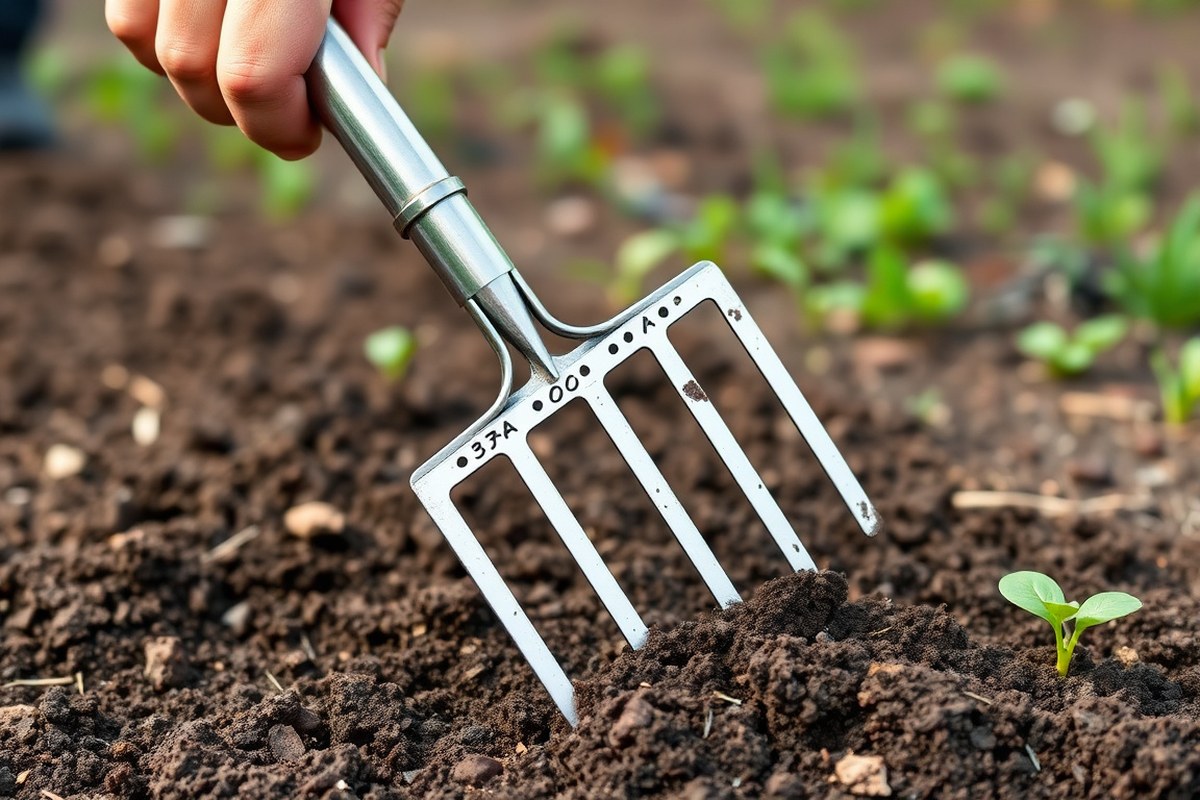
Grab the rake with both hands to keep good control. Put one hand close to the handle’s top and the other near the rake head. This way, you can guide the rake more accurately while working.
Stand with your feet shoulder-width apart to keep stable. Keep your knees slightly bent and your back straight. This stance reduces strain and lets you move the rake smoothly without losing balance.
Keep the rake head at a slight angle, about 30 to 45 degrees, to the ground. This angle allows the teeth to catch debris or soil without digging in too deeply. Avoid forcing the rake flat against hard surfaces, which can damage the tool and roots.
A smooth, sweeping motion works best for gathering leaves or debris. Push the rake forward with gentle pressure, then pull it back toward you to collect materials. For soil leveling, use a light forward push to smooth and spread evenly.
- Grip the rake with one hand near the handle top and the other near the head.
- Stand firmly with feet shoulder-width apart and knees slightly bent.
- Hold the rake head at a 30 to 45-degree angle to the soil or debris.
- Use smooth, controlled sweeping motions to move leaves, debris, or soil.
- Adjust your stroke based on material: lighter sweeps for leaves, firmer pushes for soil.
- Keep your back straight and avoid bending excessively to prevent fatigue.
- Take breaks if you feel strain to avoid injury and maintain good form.
Types of Rakes and Their Specific Uses in the Yard
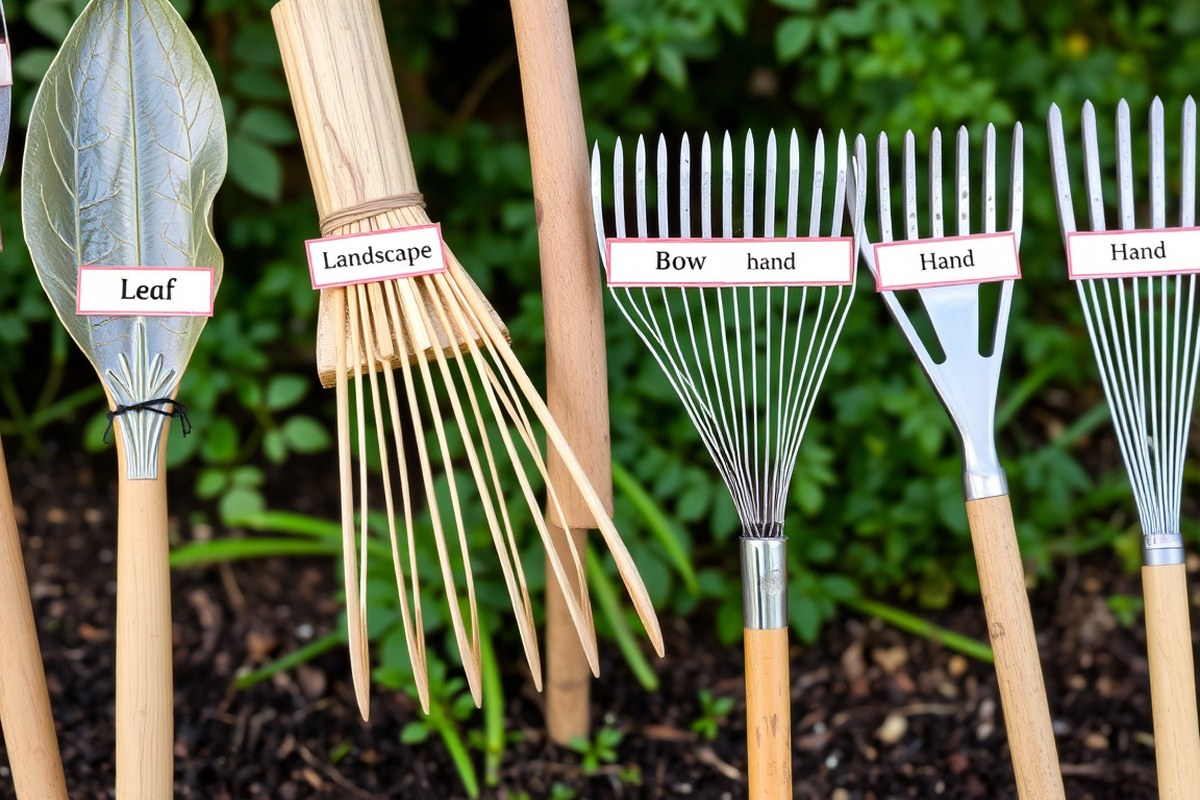
Rakes come in different shapes and sizes designed for specific yard tasks. You need a leaf rake for leaves and lightweight debris.
A garden or bow rake works well for soil and mulch. Specialty rakes like hand, thatch, and landscape handle tighter spots or heavier jobs.
Leaf Rakes for Light Debris
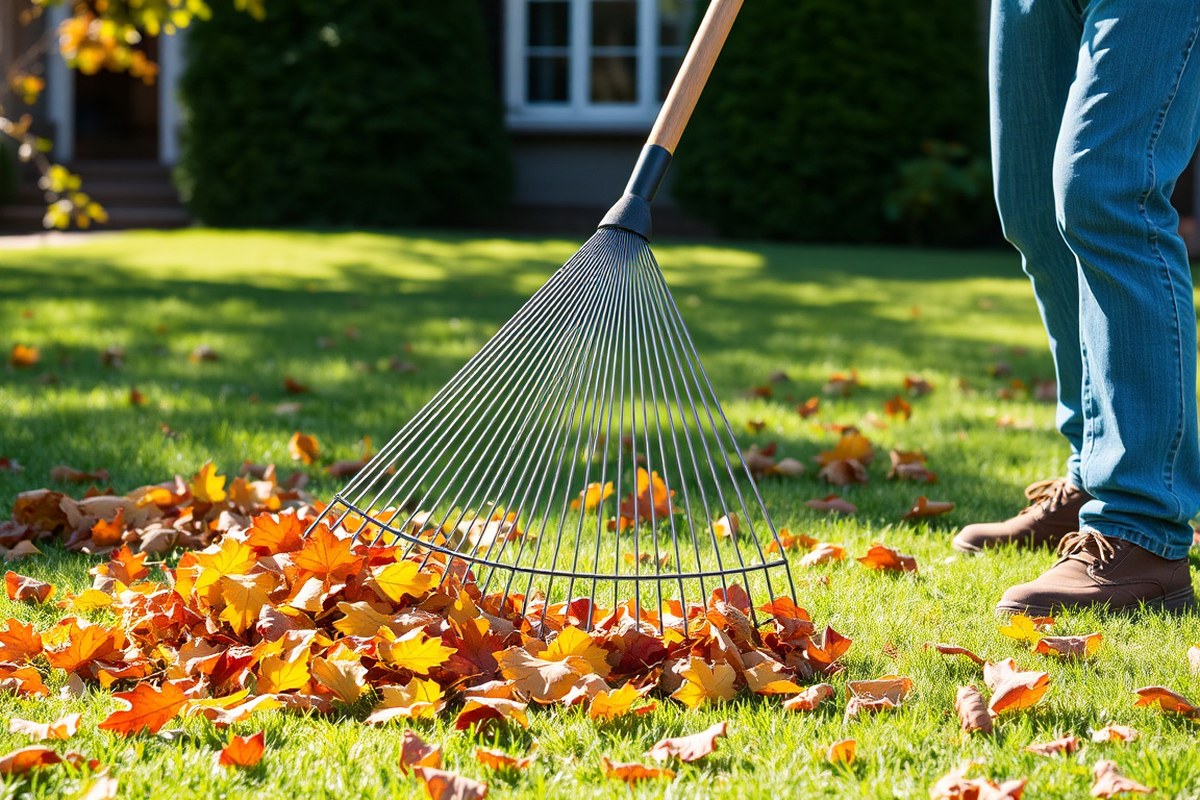
Leaf rakes have wide, fan-shaped heads with flexible plastic or wire tines. These soft tines move over grass without harming it. They gather leaves, dry grass, and light thatch quickly on large lawns.
Using flexible tines lets you sweep delicate yard debris into piles fast. Choose plastic tines for dry leaves and grass clippings to avoid tears. Leaf rakes work fast because their heads are wide.
Usually, the heads measure 24 to 30 inches across. This size helps cover a lot of ground quickly.
Bow and Garden Rakes for Soil Work
Bow rakes feature stiff steel teeth with a heavy-duty curved bow backing for breaking hard dirt. They handle leveling gravel and compacting soil with firm pressure. Garden rakes have flat heads with stiff metal teeth.
They are good for mixing compost. These rakes also help prepare small planting beds easily.
Both rakes are built for tougher yard tasks than leaf rakes. Their sturdy teeth push and pull soil or mulch easily.
You use a bow rake when you need to break crusted soil or move coarse materials. Garden rakes are best for fine bed smoothing.
Specialty Rakes: Hand, Thatch, and Landscape
Hand rakes are small with narrow heads that fit into tight beds or flower borders. They give you control for weeding or spreading mulch in crowded spaces. Thatch rakes have sharp blades designed to cut through thick layers of dead grass.
Landscape rakes, or leveling rakes, have wide flat heads with stiff teeth. The teeth are short and strong. These rakes spread mulch and grade soil evenly.
They are heavier and made of metal for durability and tough yard work. Use landscape rakes when preparing large planting or gravel areas.
| Rake Type | Best Used For | Primary Material / Feature |
|---|---|---|
| Leaf Rake | Gathering leaves, lightweight thatch, dry grass | Wide fan-shaped head, flexible plastic or wire tines |
| Bow Rake | Breaking hard dirt, leveling gravel, soil work | Stiff steel teeth, heavy-duty curved bow bars |
| Garden Rake | Leveling small planting beds, mixing compost | Flathead design, rigid metal teeth |
| Landscape Rake | Wide grading, paving prep, spreading mulch | Wide flat head, short rigid metal teeth |
| Hand Rake | Clearing debris in tight flower beds, weeding | Small, narrow head for precision |
| Thatch Rake | Removing dead grass and thick thatch | Sharp blades for cutting turf |
This table shows why you match rake type to the job and material. Flexible leaf rakes protect grass, while garden and bow rakes handle tougher soil tasks. Precision tools like hand and thatch rakes reach spots larger rakes miss.
Use the right rake head for the job to avoid turf damage or inefficient work.
Choosing the Right Rake for Your Specific Task
Picking the right rake depends on your yard size, debris type, surface, and comfort. A rake for leaves won’t work well on gravel or heavy soil. Keep these factors in mind to avoid extra effort and get better results.
Matching Rake Type to Yard and Task
You want a rake designed for the job you plan to do. A leaf rake works great for light yard debris on grass or mulch. For clearing rocks, a rock rake grabs hard materials without bending or breaking.
Big yards with heavy debris need a sturdy rake with wide tines. Small yards or delicate lawns do better with rakes that have softer, narrow tines. Heavy branches often need manual removal since no rake handles those well.
- Leaf rake: best for dry leaves and grass clippings
- Bow rake: good for spreading soil, mulch, and gravel
- Landscape rake: suits leveling soil or gravel
- Rock rake: picks up rocks and larger debris
- Dethatching rake: removes dead grass from lawns
Keep rake size matched to your yard. A too-large rake head feels heavy and clunky for small areas. This wastes energy and can hurt your grip.
Handle Materials and Length Considerations
Rake handles come in wood, metal, fiberglass, and bamboo. Wood handles feel natural and absorb shock but can warp or splinter with wet use. Fiberglass handles resist weather and are lightweight but may break under very tough use.
The right handle length fits your height and working style. Average rake handles are 22 to 30 inches long. Taller people may want a handle about 30 inches long.
It helps reduce bending. This protects your back.
A handle that’s too short forces you to bend more, causing fatigue. Pick handle materials based on allergies or grip comfort.
Some feel rough. Others may be slippery.
Weight and Durability Factors
Lighter rakes are easier to use for long periods. They reduce arm strain when you have hours of raking ahead. However, they may not hold up as well on rough, rocky surfaces or heavy soil.
Heavier rakes give better control when working on tougher ground or moving heavy debris. Avoid aluminum rakes for tough jobs.
They bend too easily under pressure. Use stronger materials instead.
Choose a rake that balances weight with strength for your needs. The stronger, heavier rakes cost a bit more, usually $20 to $40, but last longer. Lightweight plastic rakes may cost less but don’t handle hard work well.
Using a Landscaping Rake for Soil Leveling and Mulch Spreading
Using a landscaping rake to prepare your soil and spread materials is straightforward. It breaks up hard soil, levels ground evenly, and spreads mulch or gravel smoothly. Following clear steps helps you get consistent results even on uneven or sloped surfaces.
Breaking Up Soil with the Rake’s Teeth
The sharp, rigid tines of a steel or bow rake are perfect for loosening compacted soil. They fracture clods and pull out rocks and debris, making the soil easier to work with. Use short pulls toward you to avoid tiring your arms and back.
Different soil conditions may change how much force you apply. Hard soil takes more effort and might require multiple passes. For tough clay or hard earth, water the spot lightly first.
Do this one day before raking. It helps soften the soil for easier work.
Flipping for Leveling Using Flat Back Edge
Once the soil is loose, flip the rake so the flat back edge touches the ground. This part helps you smooth and level the surface precisely. Hold the rake at a shallow angle.
Pull or push it across the soil gently. Keep the angle steady as you work.
On sloped or uneven ground, change the rake angle a bit. This helps avoid low spots or ridges forming. Adjust the rake as you go.
Move in straight, overlapping passes to keep the surface uniform. Recheck your progress by sight and feel as you go.
Spreading Mulch or Gravel Evenly
Spreading mulch or gravel requires a different technique than soil breaking or leveling. Use a landscape rake or fan rake with strong tines. Pull piles out and spread materials evenly.
This keeps your soil level and tidy. Work in sections to avoid overloading areas.
On slopes, rake from the bottom uphill to prevent material from sliding down. For wide beds, use a wide aluminum landscape rake to cover more ground efficiently. Avoid dragging the rake too hard to keep mulch pieces intact and gravel spread nicely.
Follow these steps to prep and finish your soil or yard area with a landscaping rake:
- Clear large debris like branches or stones by hand first.
- Use the rake’s teeth to pull toward you in short, firm strokes.
- Break up any large dirt clumps with repeated passes over tough spots.
- Flip the rake to the flat back edge once soil is loose.
- Hold the rake low and pull evenly across the soil surface.
- Overlap your strokes to level the area smoothly without gaps.
- For mulch or gravel, spread material in piles around the area.
- Rake from edges inward or from the bottom uphill on slopes to spread evenly.
Ergonomics and Safety Tips When Using Any Rake
Stand with feet about as wide as your shoulders and maintain a straight back. Bend your knees just a little to avoid straining your lower back. Avoid leaning forward too much to prevent tiredness and injury.
Wear durable work gloves to protect your hands from blisters and splinters. Sturdy shoes or boots can shield your feet from sharp objects and uneven ground. Wear safety glasses to protect your eyes from flying debris.
They are especially useful when raking dry leaves or mulch. This keeps your eyes safe and comfortable.
Warm up your muscles before starting by doing gentle stretches. Reach overhead, twist your torso slowly side to side, and stretch your forearms and wrists. These exercises loosen tight muscles and reduce the chance of strains or pulls during your work.
- Switch hands periodically to give muscles a rest
- Keep the rake handle close to your body for better control
- Use smooth, even strokes rather than jerky movements
- Clear your raking area of rocks or roots to avoid sudden catches
- Take breaks every 20-30 minutes to reduce tiredness
- Choose a rake with ergonomic design to lower fatigue
- Avoid raking wet soil or grass to prevent slipping and damage
Hold the rake firmly but not too tightly to prevent hand cramps. Keep your elbows slightly bent, and don’t lock your joints while working. Adjust your posture during breaks by walking around and stretching to keep muscles loose.
Don’t rush your work. Slow, steady strokes save energy and protect your back and wrists.
Maintaining and Storing Your Rake for Longevity
After each use, clean your rake of leaves, dirt, and debris. Use a stiff brush or a garden hose to clear off stuck-on material. Dry the tines completely before storing to stop rust from forming.
Sharpening rake tines keeps them digging into soil or debris efficiently. Use a metal file to sharpen your rake tines. This is best if they feel dull or bent.
Sharpening improves their performance. Sharpen your rake once or twice each growing season.
Heavy-duty soil or hard debris might need more frequent sharpening. Check your rake’s condition often.
Proper storage prevents bent tines and rust. Hang your rake by the handle on a wall hook in a dry place. Avoid leaning it on the ground or outdoors to stop damage and moisture buildup.
Maintain your rake at least monthly during active seasons or right after heavy work. Regular care helps avoid costly replacements and keeps the rake working well longer. Follow these exact steps to clean, sharpen, and store your rake correctly:
- Remove all leaves, soil, and debris from the tines using a stiff brush or hose.
- Wipe the metal parts dry with a clean cloth to prevent moisture buildup.
- Inspect the tines for bends, cracks, or dullness, focusing on worn or damaged areas.
- File dull or rounded tines at a small angle. Use slow and firm strokes for best results. Repeat until edges are sharper.
- Lubricate metal parts lightly with oil to slow rust, especially if you live in humid areas.
- Hang the rake indoors by its handle on a wall hook in a dry, ventilated space.
- Look for damage or rust every few weeks during growing season. Clean the rake again if you spot any. Regular checks keep it working well.
Common Raking Mistakes and How to Avoid Them
Choosing the wrong rake lowers your work quality and can damage the tool. Using a leaf rake on soil is a bigger mistake. Its flexible, plastic tines bend and get stuck in soil, making raking harder and risking breakage.
Raking wet or muddy soil wastes effort and messes up the surface. Wet soil clumps and creates uneven patches that take longer to fix. Wait until soil dries moderately before starting to rake for best results.
Common errors also include poor technique like pushing too hard or jerking the rake. These lead to bent tines or a clogged rake head. When your rake jams on debris, stop and clear it out instead of forcing it through.
- Don’t use leaf rakes on soil, opt for a landscape rake with rigid metal tines.
- For leaves, pick a plastic leaf rake with wide, flexible tines to avoid snagging.
- Avoid raking wet soil; work when it’s dry to prevent clumping and tearing.
- Use smooth, steady strokes, not jerky or pushing motions to protect the rake.
- When your rake gets stuck, stop and clear debris to avoid bending or breaking tines.
- Choose a rake head width that matches your area to cut down raking time.
To prevent broken tines, don’t force the rake over hard spots or thick debris. Instead, loosen these areas gently with a shovel first. Raking too fast or with uneven pressure also wears tools unevenly, reducing lifespan.
Getting the right rake and technique needs some practice, but it pays off. You’ll get tidier yards without wasting time or money on a damaged tool. Keep your rake clean and dry after use to avoid rust and splits in the handle.
When to Consult Professionals for Heavy or Specialized Raking
Heavy thatch buildup or large lawn areas often need a power rake or verticutting mower. These tools cut deeper than manual rakes and cover more ground quickly.
Homeowners with small yards can usually manage with a hand rake costing under $40. But larger spaces or dense thatch require powered equipment or professionals.
Professional dethatching services usually cost between $65 and $165. They bring the right gear and skills to handle tough jobs safely and efficiently.
Your yard has steep slopes, thick thatch over half an inch, or many roots and rocks. Call a pro to avoid injury and protect your rake.
Trying heavy-duty raking with a hand tool risks strains and broken tines. Powered rakes also reduce time spent and provide consistent results. Plumbing or landscaping experts use steel rakes for rough ground and big debris.
Normal garden rakes can’t handle this well. These rakes work better in tough yards.
Call a professional if your lawn is bigger than a quarter acre. Also call if the thatch looks compacted and thick. These conditions need stronger tools and skill.
You’ll save hours and costly tool repairs by letting them handle it. Professionals know how to clear stones and sticks properly before starting to prevent damage. Finally, they ensure the thatch removal doesn’t harm your grass roots.
Don’t use a manual rake on thick, wet thatch. Wet thatch is hard to remove and can cause injury. It may also damage your rake.
Step-by-Step Action Plan for Mastering Your Rake
Follow this plan to get comfortable with using different rakes effectively. Each step builds your skill and care habits for better results.
- Day 1: Choose the right rake for your task based on your yard’s needs. Check the rake fits your height and hand for comfort.
- Day 2: Practice using the rake with light pressure on a small area. You’ll know it worked when the debris or soil moves evenly.
- Week 1: Try leveling soil or spreading mulch with a landscaping rake. Aim for smooth, even coverage without overworking the soil.
- Week 2: Check your posture when raking. Keep your back straight and use your legs to reduce strain. You should feel less fatigue.
- Week 3: Sharpen or clean your rake after use. Make sure there’s no rust or bent tines before storing it. This prevents damage and keeps it ready.
- Month 1: Review common mistakes like using too much force or the wrong rake type. Adjust your technique or tool choice for smoother work.
- After Heavy Use: Inspect your rake for wear or damage. Replace worn parts or upgrade your rake to keep your work efficient.
Frequently Asked Questions
What Is the Best Way to Store a Rake to Prevent Damage?
Store your rake indoors in a dry place to stop rust and wear. Hanging it on a wall keeps tines straight and the handle safe.
Can You Use a Rake to Mix Soil Amendments into Your Garden Bed?
Yes, a garden rake can lightly mix amendments into the soil surface. Avoid deep digging; the rake helps spread materials evenly without overworking soil.
How Do You Rake Safely on Uneven or Sloped Ground?
On slopes, keep your footing solid and rake across the incline, not up and down. This reduces slipping and keeps your body balanced.
Is It Okay to Leave Leaves on Your Lawn After Raking?
Leaving some leaves helps protect grass and feed soil. Chop or mulch them finely to avoid smothering the lawn.
Why Is a Hand Rake Useful for Garden Beds?
Hand rakes work well in tight spots and flower beds to loosen soil gently. They give better control around delicate plants than larger rakes.
Can a Landscaping Rake Help Eliminate Weeds from Soil?
A landscaping rake can pull shallow weed roots from loose soil. It’s best for fresh weeds, combined with hand-pulling for stubborn roots.
Key Points to Remember
Using the right rake well makes your yard work easier and neater. Start by picking the best rake for your current task. Keep practicing and caring for your rake to enjoy better results with less effort.