What Do Iris Look Like Before They Bloom? A Complete Guide to Early Signs and Growth
Wondering what do iris look like before they bloom? Before flowers appear, iris plants show tall, upright leaves with new green shoots. These leaves often look like flat swords that grow straight from the ground.
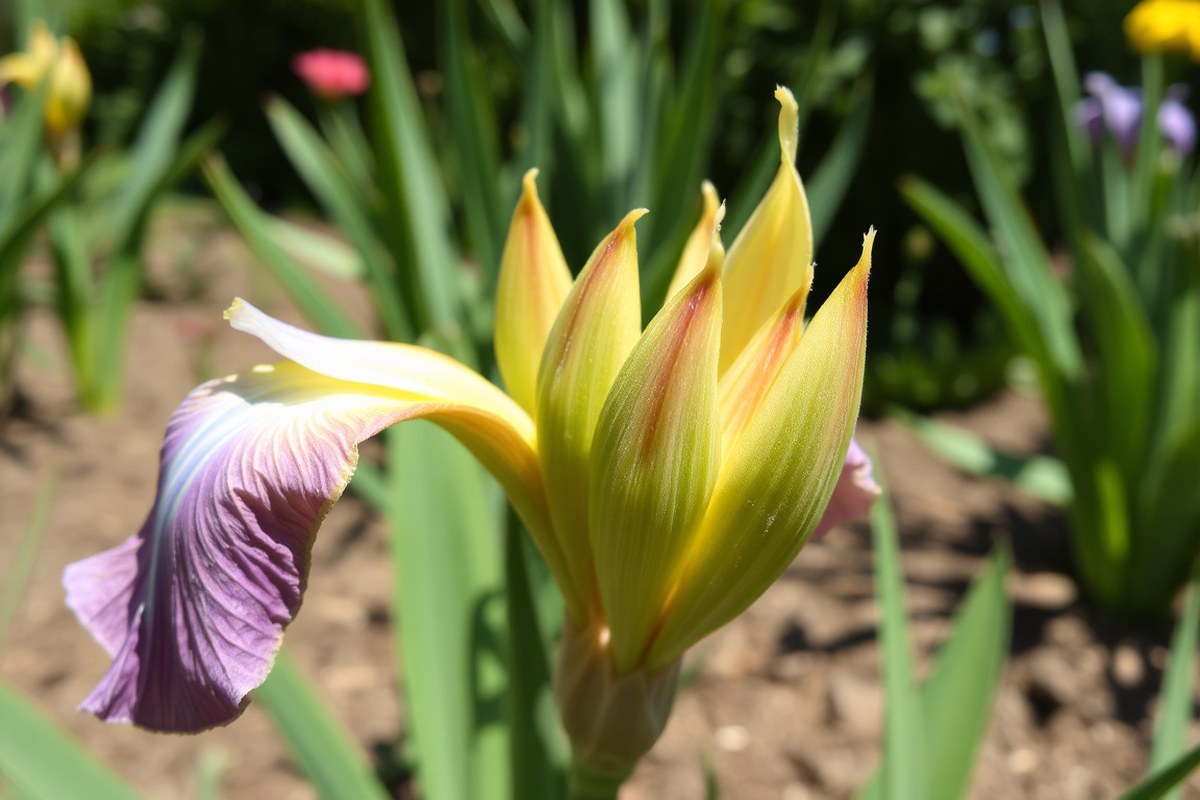
About a month before blooming, iris plants grow thick buds. These buds are pointed and appear at the center of leaf clusters. These buds may look like tight green spikes with leaf-like sheaths protecting the immature flower inside.
Watching for these signs helps you know when irises are healthy. It also shows when they are getting ready to bloom. Just give them plenty of sunlight and good soil to support bud growth and strong flowers.
Key Takeaways
- Iris leaves grow upright and sword-shaped before flower buds form.
- Flower buds appear 4 to 6 weeks before full bloom, as pointed spikes.
- At least 6 hours of sunlight daily helps irises produce healthy buds.
- Watch for buds early in spring for bearded irises, which bloom later.
- Protect plants from late freezes, which can kill buds and stop blooms.
- Dividing iris rhizomes every 3 to 5 years encourages consistent blooming.
What Do Iris Plants Look Like Before Blooming?
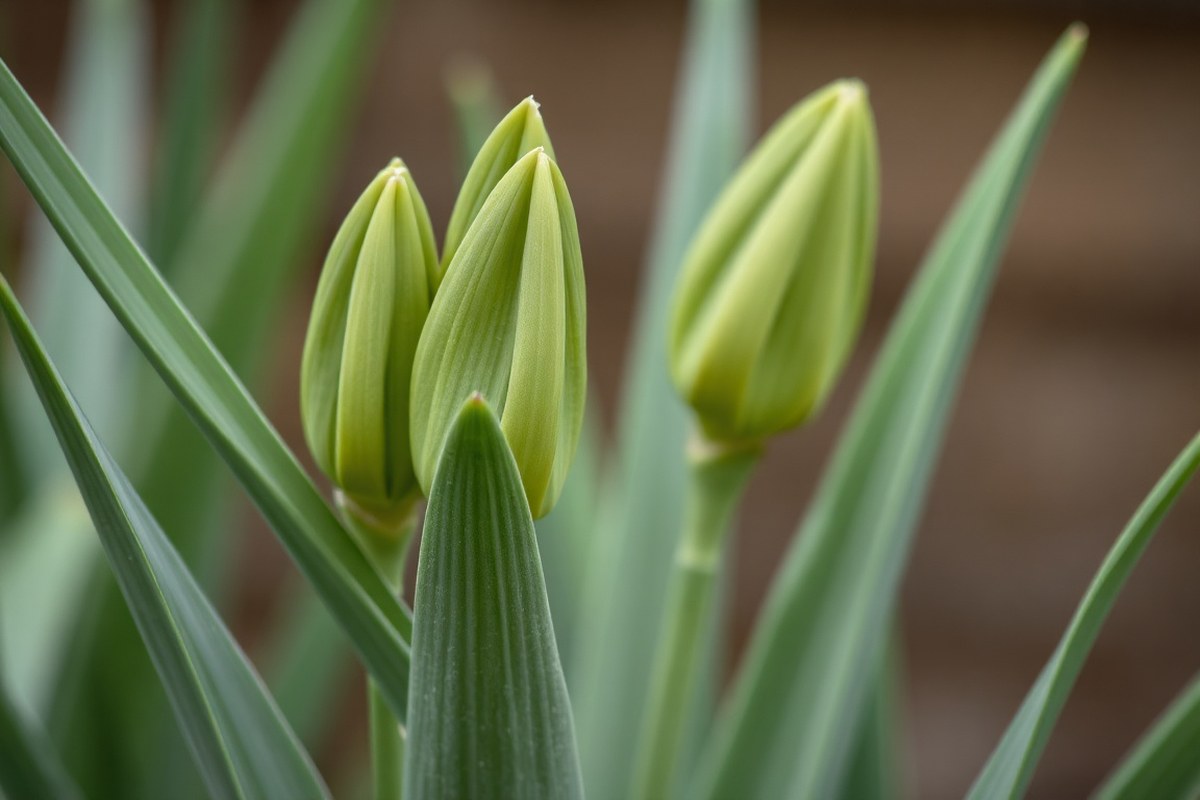
Before irises bloom, their tall stems rise above the ground. They reach from 8 inches up to about 4 feet. The height depends on the variety.
The stems vary too: bearded irises tend to have thinner, wiry stems. Japanese irises grow thick and fleshy stalks. The leaves are long and narrow.
They often grow straight up with a slight arch. This gives the plant a neat look before flowers appear.
Leaves play a big role before blooming. They soak up sunlight and store energy in the rhizomes underground. This helps the plant support its flower buds when they start to develop.
Healthy leaves look sturdy and green, not yellow or wilting. This shows the iris is ready to send up strong stems and buds.
At first, iris buds are hidden tightly inside thin, pointed sheaths on the stem. The buds vary by type. Some are slender and needle-like, like Siberian irises.
Others are larger and broader, like Japanese irises. Sometimes, you can see a hint of color through the translucent sheath right before the bloom. These buds often grow in numbers from one to ten on a single stem.
Notice buds stopping growth or turning brown? Your irises may have faced a freeze. They also might not have gotten enough nutrients.
Key Stages of Iris Bud Development Before Bloom
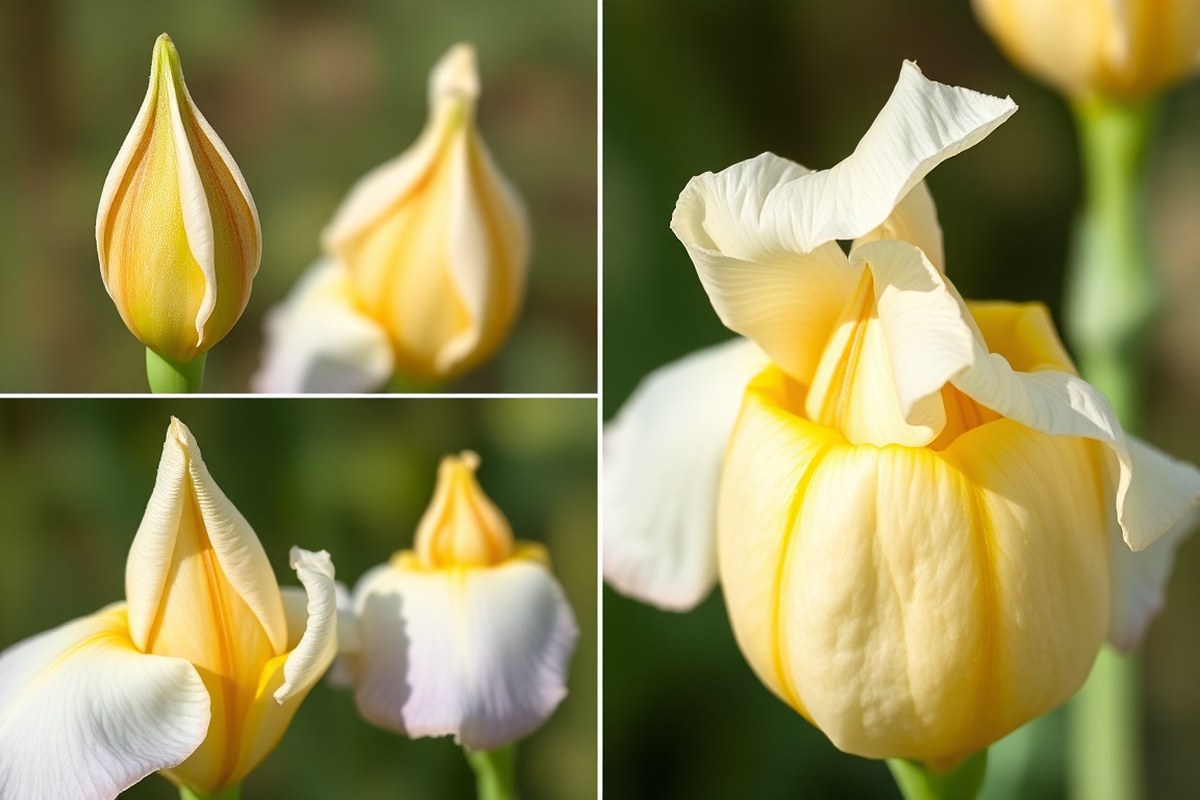
The iris flower bud changes in clear steps before it blooms. You first see swelling. Then color shows through the protective sheath.
Next, the spathe splits, and finally the flower opens. Each stage gives clues about when the bloom will appear.
Bud Swelling and Shape Changes
The very first sign of a bloom is the bud swelling on the iris stem. The bud grows plump and rounded as petals fill out beneath the surface. This swelling usually happens 4 to 6 weeks before the flower fully opens.
At this stage, the bud is mostly green but starting to turn lighter or cream-colored. The smooth bud indicates healthy petal development inside. The bud feeling soft or shriveled means the flower might not form.
Color Bleed and Peeking Through Sheaths
Next, you’ll notice hints of color peeking through the leaf-like sheaths around the bud. The petals press on the protective layer.
Colors show as purples, creams, or pale yellows. The bud is getting ready to burst.
The petal colors deepen and the bud may look glossy from nectar inside. This peek is a good sign the flower is close to blooming. Watch for the striped falls beginning to show their drooping shape.
- Bud changes from green to cream, apricot, or pale purple
- Petals press hard against the protective sheath
- Glossy nectar buildup starts inside the bud
- Edges of colored petals faintly visible at sheath seams
- Shape of drops or spirals may become noticeable
Don’t touch the bud too much, delicate petals can bruise easily.
The color staying dull or the bud turning black means the flower might fail.
Splitting of the Protective Spathe
The spathe is the green or brownish outer cover protecting the iris bud. Splitting of this sheath is a sign the flower is ready to emerge soon. You’ll see the sheath start to crack and peel back along the bud.
The spathe typically splits a few days before the iris blooms. This reveals the petal tips and the distinctive iris petal shapes. The falls will begin their cascade-like droop seen in mature flowers.
Final Unfurling Stage
Once the spathe separates, the petals quickly unfurl over one to three days. The flower slowly opens, showing bright colors and the iris’s unique petal structure. Standards rise up tall while falls hang down, creating movement.
The bloom is fully open when petals spread wide. The beard, if there, shows clearly too. Keep watering and avoid strong sun or wind until the flower is stable after opening.
Differences in Pre-Bloom Appearance by Iris Variety
Yes, different iris varieties show noticeable differences before blooming. Bearded iris buds look heavier and more strong.
Siberian iris buds stay slender until bloom time. Japanese iris buds seem larger and softer due to their moist habitat needs.
Bearded Iris Bud Characteristics
Bearded iris buds look thick and hefty. You’ll often see the fuzzy “beard” starting to peek out before the flower fully opens. Their color varies widely across cultivars, showing the flower’s future shade even as a bud.
These buds grow on sturdy stalks rising above clumps of sword-shaped leaves. Their rhizomes sit just above the soil surface, giving the buds strong support. Growth is usually vigorous, and the buds look tight but bulky before splitting open.
Siberian Iris Bud Features
Siberian iris buds develop a slim, streamlined shape. The buds keep a tight and lean profile right up to when they bloom suddenly. They’re not as heavy as bearded iris buds because these plants have more delicate flowers.
You’ll notice the fine, grassy leaves overshadowing the buds. This variety stays hardy in cold climates and has an elegant, slender growth habit. The buds hint at the flower’s color early on.
They stay small and tight during most of their growth. You can see the color but the shape is not open yet.
Japanese Iris Bud Traits
Japanese iris buds look large and “watery,” reflecting their preference for moist or damp soil. They appear more substantial compared to Siberian iris buds. The wide, bright green leaves create a lush backdrop for the swollen buds.
These buds feel softer and grow on taller stalks than bearded or Siberian irises. They bloom later in the season, usually midsummer, so their buds form more slowly. Expect the buds to seem more fragile and less tight before opening.
Here’s a quick comparison of common iris varieties’ pre-bloom bud traits:
| Variety | Budding Shape | Typical Stem Height | Leaf Shape | Favorite Growing Conditions | Bloom Time |
|---|---|---|---|---|---|
| Bearded Iris | Thick, bulky with fuzzy beard | 18, 36 inches | Broad, sword-shaped | Well-drained garden soil | Early to mid spring |
| Siberian Iris | Slender, tight, streamlined | 24, 36 inches | Fine, grass-like | Cool, moist but well-drained | Mid to late spring |
| Japanese Iris | Large, soft, and watery | 30, 48 inches | Wide, flat, bright green | Wet or damp soil | Midsummer |
Knowing these differences helps you spot your iris variety early on. It also aids in caring for each type properly. For example, positioning Japanese irises in moist garden spots matches their natural preferences.
Environmental Factors Affecting Iris Bud Growth and Blooming
Sunlight Exposure and Iris Bud Growth
Iris plants need full sun, about 6 to 8 hours daily, for strong bud growth. Sunlight helps the plant create enough energy to form healthy flower buds. Less than 6 hours of sun can make buds weak or reduce blooming.
You should plant irises in a spot where they get plenty of direct sunlight. Watch for shading from trees or buildings that might block sun late in the day. More sun means the leaves will be a healthy glaucous green, a sign of good photosynthesis.
Temperature Effects on Bud Development
Irises bloom best in moderate spring temperatures between 50°F and 70°F. Too cold slows down bud formation. Too hot may stress the plant.
This happens before the flowers open. Steady spring weather helps buds grow steadily into full blooms.
Check your local climate for frost dates and protect young buds from late freezes. In warmer zones, watch for signs of heat stress, like drooping leaves, which can delay blooming. You want stable temperatures for buds to fully develop.
Soil Type and Root Placement
Iris rhizomes need well-draining soil to prevent rot and encourage flower bud formation. The rhizomes should sit just below the soil surface, not deeply buried or covered by mulch. Too much mulch can stop buds from emerging.
Plant irises in moist but not soggy soil, ideally with a neutral to slightly acidic pH. Good soil drainage helps roots get oxygen, which supports bud growth and stronger flowers. Bearded irises especially need free-draining soil to bloom well.
Watering Practices for Healthy Buds
Consistent watering supports the new growth of leaves and buds. But avoid waterlogging the soil.
Irises prefer moist soil during spring when buds are forming. Water deeply once or twice a week, depending on rainfall and temperature.
Too little water can cause buds to dry out and fall off early. Overwatering leads to root rot and fewer blooms. Adjust watering schedules to maintain slightly moist soil without puddling or crusting on top.
Timing Care Around Iris Growth Stages
New leaf growth happens at the same time as bud development in early spring. Use a balanced or low-nitrogen fertilizer now. This helps flowers grow strong.
It stops leaves from taking all nutrients. Avoid heavy nitrogen fertilizers that cause more leaf growth but fewer buds.
Divide iris clumps every 3 to 5 years. This renews the plant’s energy. Better buds form in future seasons.
Divide and replant in late summer or early fall to prepare for next spring’s bloom. Good timing keeps iris beds healthy and full of buds.
Timeline of Growth: From Iris Emergence to Bloom
Iris growth starts in early spring when new shoots break through the soil. From this point, development moves steadily toward bloom.
The whole process from sprout to flower takes 2 to 3 weeks. This applies to most iris types.
The growth timeline matters because it helps you roughly predict when blooms will appear. This is useful for planning your garden’s peak display. Different iris varieties follow a similar pattern but may vary slightly in duration and size.
| Stage | Approximate Duration | Key Growth Feature |
|---|---|---|
| Shoot Emergence | Day 1, 3 | New green shoots push through soil |
| Leaf and Stem Growth | Days 4, 10 | Sturdy base develops; leaves elongate upwards |
| Bud Formation | Days 8, 14 | Compact buds start forming at stem tips |
| Bud Swelling | Days 15, 18 | Buds grow larger and become pointed |
| Bloom Opening | Days 19, 21 | Flower petals unfold and show colors |
Bearded irises usually follow this 2 to 3 week timeline closely. Cultivars like Iris germanica ‘Best Bet’ need about 2 to 3 weeks to bloom. ‘Champagne’ takes about the same time under full sun. Smaller varieties, such as ‘Carmel Celeste,’ might take slightly less time, around 2 weeks.
Environmental conditions like sunlight and soil temperature can speed or slow these stages. You should plant irises in full sun to encourage timely and healthy growth. Keeping the rhizomes shallow is another way to help buds develop properly.
Dividing irises every few years prevents overcrowding, which can delay or stop blooms.
Pay attention to the shoot base, midstem, and tip as they change during growth. The base holds the bud steady and strong. The middle part contains the folded petals.
The pointed tip helps the bud break out. These changes show your iris is on track toward flowering.
How to Identify Healthy Iris Buds vs. Problematic Signs
Healthy iris buds look firm and plump with smooth, green outer leaves. You’ll notice upright shoots without spots or discoloration. These buds usually appear evenly shaped, about 1 to 2 inches long before bloom.
Check for problems as soon as you spot buds. Leaves or buds with brown or yellow spots might mean bacterial leaf spot. Wilting or mushy sections could mean rot is present.
Pests like iris borers may also cause damage. They can chew into buds before the flowers open.
Digging up your iris with a clean, sharp shovel lets you inspect rhizomes. Look closely for soft, slimy patches or holes.
Damaged rhizomes increase the risk of buds failing to bloom. Good rhizomes are firm, pale, and free of blemishes.
- Buds should be firm and green, no mold or dark spots
- Look for signs of tiny holes or chewed leaves from iris borers
- Inspect soil depth; rhizomes too deep (over 4 inches) often stop blooming
- Check for wilting or drooping growth, which means stress or disease
- Remove damaged leaves to prevent disease spread
- Keep soil moderately moist, avoiding standing water or drought
Sometimes, irises start growing well but still don’t bloom that year. This usually happens when rhizomes get buried too deep in fall. It can also happen after dividing the clumps.
These plants spend energy on leaf growth instead of flowers. Cold climates limit blooming to spring and fall only. Warm zones may have several blooms during the year.
Broken buds or lack of flower growth often follow these problems. Poor sunlight, crowded plants, or late frost damage can cause buds to shrivel or drop.
Paying close attention to bud health early lets you act fast. Fixing soil level and controlling pests means better chances to enjoy iris blooms next spring.
Practical Tips to Encourage Strong Bud Development
Strong, healthy rhizomes play a big role in early iris growth. They store energy underground, feeding the leaves and buds you see above ground. To help rhizomes grow well, plant them with the top exposed.
Cover the roots lightly with soil. This helps the plant get started right. Avoid overwatering to prevent rot, especially in the first year after planting new rhizomes.
For bigger blooms, resist the urge to cut back iris leaves too soon. Leaves gather sunlight and turn it into food for your plant.
Wait at least two months after blooming before trimming leaves. Cutting leaves too early can weaken the plant and reduce next year’s bloom size.
A steady watering and feeding routine supports strong bud development. Water deeply once or twice a week during dry periods.
Use a balanced fertilizer in early spring when new leaves first appear. This helps build energy for bigger flowers.
- Plant rhizomes in well-draining soil with sunlight
- Water deeply but avoid soggy soil, especially early on
- Apply balanced fertilizer in early spring and after bloom
- Leave leaves intact for at least two months after blooming
- Cut leaves back to 4 inches after the first frost
- Divide and replant irises every 3 to 5 years for vigor
Leaf fans trap sunlight, fueling buds before bloom. After flowering fades, cut back old flower stems but keep leaves until frost. In colder areas, wait until after the first hard frost.
Then trim leaves down to about four inches. This protects the plant through winter. This gives rhizomes time to store nutrients for next year.
Newly planted rhizomes, especially small ones, need patience. They usually take a full year to grow strong enough for blooms.
Protect young plants from late freezes, which can kill early growth and delay blooms. Watching closely and following these care steps helps you grow beautiful, full iris flowers yearly.
Varieties and Frequency: How Multiple Bloom Cycles Affect Appearance
Most irises bloom once per year, usually in spring or early summer. Their buds show up all at once. They often cluster near leaf tips.
This leads to one bloom cycle. You will notice firm, pointed green buds before the flowers open.
Some iris varieties, like certain beardless types, can bloom multiple times yearly. These rebloomers show a different stage of readiness because their buds grow more gradually.
You don’t get a big flush of flowers. Smaller bud clusters form after the first blooms fade.
Reblooming irises often start their first buds in early spring, similar to once-bloomers. Their second or third bloom cycles happen later, sometimes into fall if the climate stays warm.
Fresh buds grow on the same stems over months. They don’t appear all at once.
In mild climates, reblooming irises make buds every six to eight weeks. This takes advantage of longer seasons. Each new bud cluster looks like the first: tapered and smooth.
But usually smaller and more spaced out. This repeated pattern usually needs steady sunlight and good soil moisture to succeed.
Keep your iris bed well watered and sunny to encourage multiple bloom cycles. Without these, rebloomers might not produce later buds.
Irises that bloom once will have a denser bud cluster during pre-bloom. Rebloomers show intermittent bud formation over longer periods.
Their pre-bloom appearance varies based on timing and frequent bud renewal. So observe your plants closely.
Step-by-Step Action Plan for Watchful Iris Bud Care
Follow these steps to spot and support your iris buds before they bloom. Each step shows what to do and signs of success.
- Early Spring: Look for bright green, sword-shaped leaves pushing up. Healthy new growth means your iris is waking up.
- 2 Weeks Later: Check for thickening stems near the leaf bases. Thick stems hint that buds are forming.
- 3 Weeks In: Watch for pointed buds wrapped in green sheaths. Their size should increase over days.
- Before Bloom: Inspect buds for firm, plump feel and no browning. A firm bud usually means a healthy flower is coming.
- During Bud Growth: Keep soil moist but not soaked. Buds that swell steadily show you are watering right.
- Right Before Bloom: Notice the stalk leaning upright and color beginning to peek. This signals blooms will open soon.
- After Bloom Starts: Remove spent flowers to encourage more buds. New shoots afterward show your pruning helped.
Frequently Asked Questions
What Do Iris Look Like Before They Bloom?
Before blooming, iris plants have tall green shoots with tightly wrapped buds. The buds are usually slender and pointed, showing hints of color inside as they grow larger. Keep an eye on healthy, firm buds for a sign of good blooms soon.
What Month Do Irises Start Blooming?
Irises usually begin blooming in late spring, around May. This timing depends on your local climate and the iris variety you grow. Some types bloom earlier or later, giving you a longer garden display.
Will My Irises Bloom the First Year?
Irises may bloom the first year, but it depends on planting time and care. New irises need good sunlight and well-prepared soil to develop strong rhizomes for flowers. Patience helps, sometimes the second year brings better blooms.
How Long Do Iris Stay in Bloom?
Iris flowers typically stay in bloom about two to three weeks. Weather affects this; rain or heat can shorten bloom time. To enjoy more blooms, remove spent flowers and keep plants healthy.
Do Irises Come Back Every Year?
Yes, most irises are perennial and come back yearly if cared for properly. They like full sun and well-drained soil. Dividing overcrowded clumps every few years helps maintain strong blooms and plant health.
Can Different Iris Varieties Bloom at Different Times?
Yes, iris varieties bloom at different times, ranging from early spring to early summer. Choosing a mix lets you enjoy colorful blooms over several months. This variety suits gardens that want year-round iris interest.
The Bottom Line
Knowing what iris look like before they bloom helps you catch each stage. Watching buds closely lets you spot trouble early. Take time now to check your irises and enjoy their beautiful flowers soon.