When to Start Growing Seeds Inside: A Complete Guide for Perfect Timing
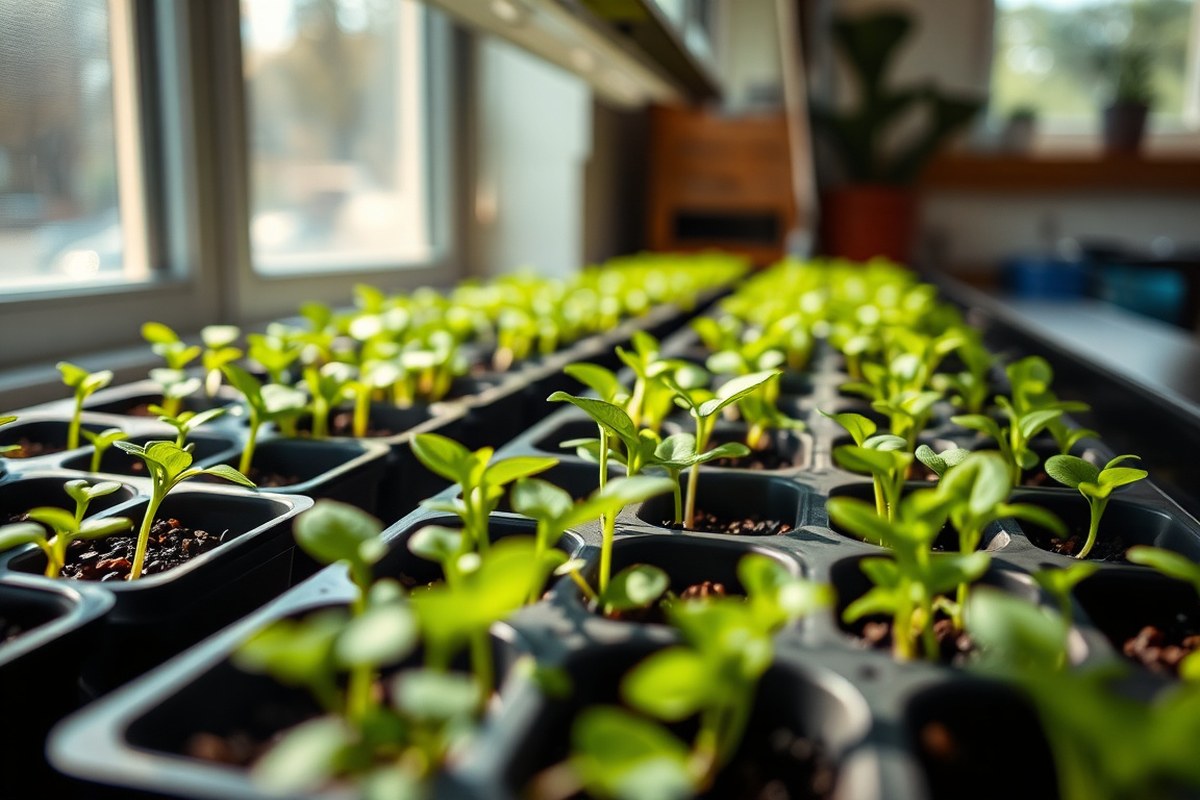
Knowing when to start growing seeds inside helps you get strong plants outdoors. Most vegetable seeds grow best when started 6 to 8 weeks early. Start them indoors well before the last spring frost.
This gives seedlings time to get strong. This timing lets seedlings grow enough to transplant safely after frost risk passes.
To find your last frost date, check an online frost date calculator or local gardening resources. Count back 6 to 8 weeks from that date, that’s your seed starting window. Starting seeds then gives plants time to grow roots and leaves indoors before facing outdoor weather.
Keep indoor soil temperatures between 65°F and 75°F for most seeds to sprout well. A heat mat keeps the soil warm in cooler indoor spots. This warmth helps seeds sprout faster.
Use one to improve germination speed. Also, keep the soil moist but never soggy until seeds sprout.
Key Takeaways
- Begin growing vegetable seeds indoors about 6 to 8 weeks ahead of the last frost. This timing helps plants mature before transplanting outside. Starting early gives seedlings a good head start.
- Use an online frost date calculator to find your local last frost day.
- Maintain indoor soil temperatures between 65°F and 75°F for good germination.
- Consider a seedling heat mat if your indoor area is cooler than 65°F.
- Keep seed soil moist but avoid overwatering to prevent rot and mold.
- Some seeds like onions need longer indoor time, about 10 weeks before frost.
When Is the Best Time to Start Seeds Indoors?
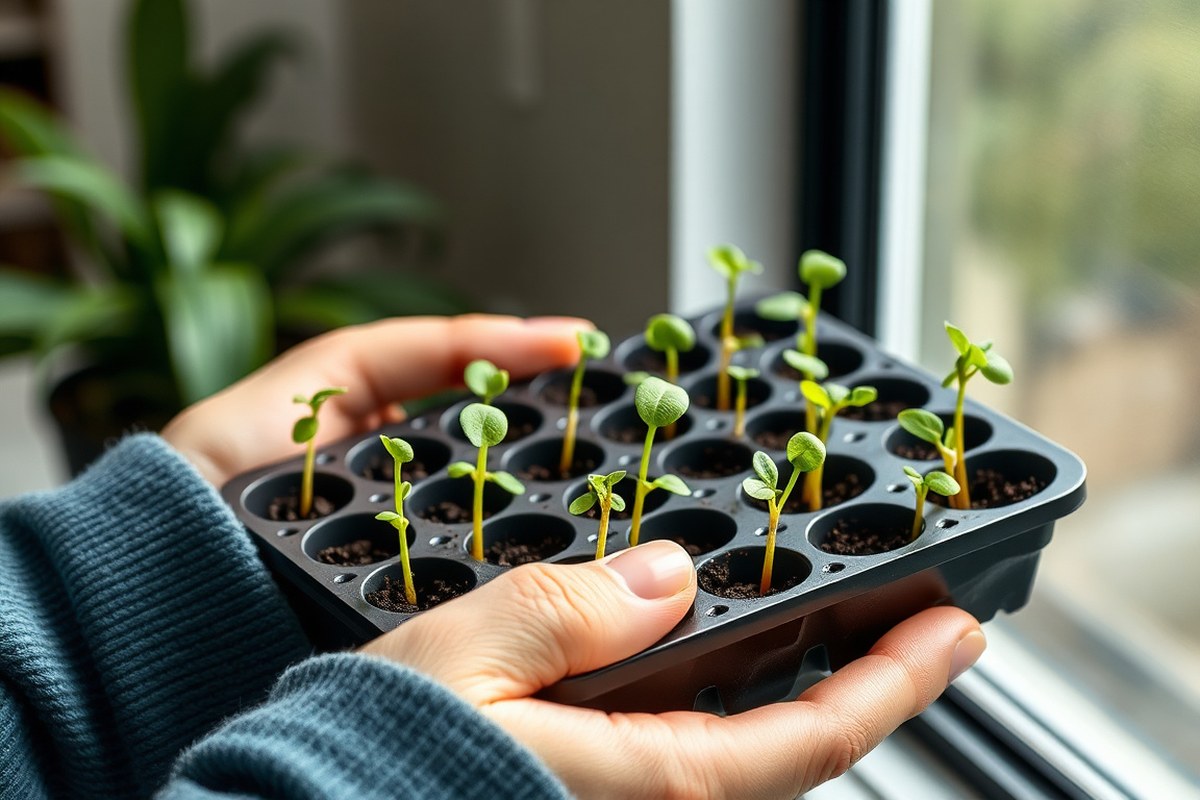
Most seeds should be started indoors about six to eight weeks before your last frost date. This timing lets seedlings grow strong enough to transplant outside safely. Tomato seeds take 6 to 8 weeks indoors to grow.
You can move them outside after the frost risk ends. This timing helps protect seedlings from cold damage.
Different plants need different lead times. Onions require about 10 weeks indoors before the last expected frost. Broccoli and cabbage need only 4 to 6 weeks.
Cucumbers and squash start indoors 3 to 4 weeks before transplanting. They grow faster than many other plants. Warm soil is best for these seeds.
Use your last frost date as a key marker. Count backward by the recommended weeks for each seed type based on its packet instructions. Plan when to sow seeds indoors by using frost dates.
Move seedlings outdoors after the last frost passes. This keeps plants safe from cold temperatures.
Some seeds like beans and carrots grow better sown outside. Plant them when the soil temperature is right. This avoids transplant shock for these vegetables.
Starting them indoors won’t improve growth and can lead to weak seedlings. Always check the seed packet for specific guidance to avoid wasting time.
Soil temperature and seedling size matter too. Peppers and eggplants need warm soil to thrive. Move them outside about two weeks after the last frost.
This timing helps them grow well. Wait longer if seedlings aren’t ready or weather is cold.
This reduces plant stress and improves growth. Patience gives better results.
Tracking your seed starting timeline keeps your garden on schedule. Write down your last frost date carefully. Then list seed start dates based on weeks before that frost.
This keeps your planting schedule organized. This plan simplifies seed starting and helps prevent transplant shock when the seedlings move outdoors.
Calculating Seed Starting Dates Using Your Last Frost Date
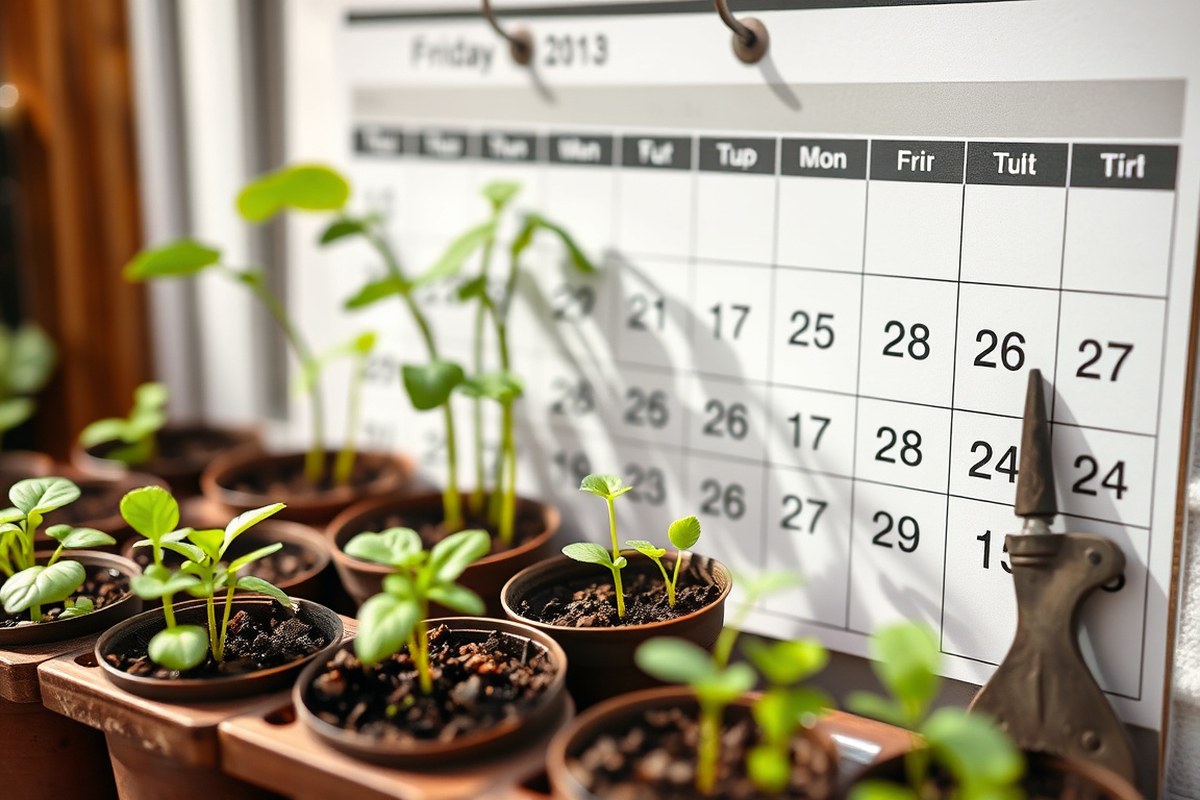
To grow seeds indoors at the right time, you need your local last average frost date. This is the date when frost usually stops in your area.
Count backwards from that date using your seed packet instructions. Pick the right day to start your seeds.
Finding Your Local Last Frost Date
Your last frost date is when your area usually stops getting freezing temperatures. It’s important because many seeds can’t grow well if planted outside before this. You can learn this by checking local gardening centers or extension offices.
Another easy way is to search online by entering your zip code. Websites and apps often list frost dates based on historical weather data. Knowing this date helps you avoid planting too early or late.
Counting Backwards to Start Seeds on Time
Seed packets usually say how many weeks before the last frost you should start seeds inside. For example, your packet says “start 6 weeks before last frost.” Count 6 weeks earlier than your last frost date.
Your last frost date is April 29. Count back 6 weeks to mid-March.
Prepare a calendar and mark your last frost date first. Then subtract the seed-starting time in weeks to find your indoor planting day. This method matches seed needs to outdoor growing conditions.
- Find the last average frost date for your area through local or online sources.
- Read your seed packet to find the recommended weeks before last frost to start indoors.
- Mark your last frost date on a calendar.
- Count backward the number of weeks from that date to get your indoor seed-starting date.
- Prepare your seed trays or containers a few days before this date.
- Sow seeds indoors on the counted date and provide proper light and temperature.
- Label your seed trays with the planting date and seed type to keep track.
- Monitor seedlings and be ready to transplant after the last frost passes.
Using Frost Date Calculators and Almanacs
Online frost date calculators are quick and easy tools. You enter your zip code and they show your last and first frost dates. The Farmers’ Almanac is a trusted source that gives regional frost tables too.
Local extension services might also provide tools and calendars specific to your county. These can be more precise for your microclimate than general national data. Free tools save time and give you accurate planning info.
Check seed packets carefully. Different seeds need different lead times before the last frost.
Which Seeds Should Be Started Indoors and When?
Starting seeds indoors works best for many vegetables and flowers that need a longer growing season. Cool-weather crops often benefit from an early indoor start to avoid summer heat stress. Warm-weather plants might need less indoor time or can be started closer to transplant.
Some seeds do fine sown directly outdoors. Root vegetables like carrots and radishes.
Some peas and beans, usually don’t need indoor starting. Weak or slow-growing seeds often do better indoors to protect seedlings early on.
Here’s a rough guide for popular seeds to start indoors and their timing. Adjust for your last frost date by counting backwards from the planting time. Cool-season crops get started earlier, while warm-season crops wait longer or get sown directly.
| Plant Type | Indoor Start Time Before Last Frost | Notes |
|---|---|---|
| Tomatoes | 6-8 weeks | Requires warm soil (65-75°F) to germinate well |
| Peppers | 8-10 weeks | Needs longer indoor time, sensitive to cold |
| Broccoli | 4-6 weeks | Cool-season, transplant before heat |
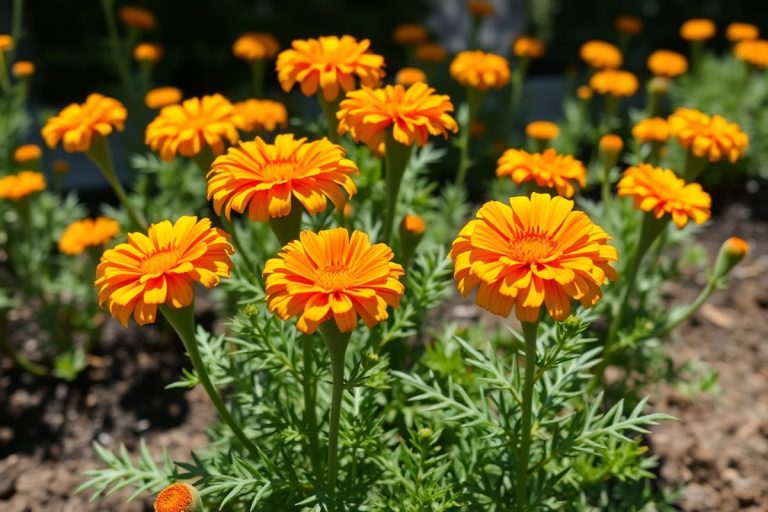
| Marigolds | 6-8 weeks | Flowers that benefit from a head start |
| Zinnias | 4-6 weeks | Can be started indoors closer to transplant |
| Beans | Direct sow recommended | Usually don’t transplant well |
| Carrots | Direct sow recommended | Prefer sowing seeds outdoors |
Time your seed starting indoors to match each plant’s needs. For example, peppers need at least 8 weeks inside.
But zucchini can be direct sown outdoors after frost danger passes. Seeds started too early can overgrow their containers and need repotting.
Good light and steady warmth indoors help germination. Use a seed-starting mix and keep soil at 65-75°F for most vegetables. Avoid starting seeds closer than 4 weeks before transplant unless the plant grows fast.
How Temperature and Light Influence Seed Starting Timing
Most seeds sprout best when soil temperature stays between 70 and 80 degrees Fahrenheit. Air temperatures around 65 to 75 degrees help seedlings grow strong after germination.
Your indoor spot is cooler than 70 degrees. Use a seedling heat mat to speed up sprouting and improve success.
Heat mats cost about $20 to $40 and fit under seed trays to warm the soil. They keep soil warm even when room temps drop. This helps a lot when your home is chilly in late winter.
Your indoor area is hotter than 80 degrees. Move seedlings to a cooler spot or shade grow lights to avoid stress and leggy plants.
Light is another key factor. Seedlings need about 12 to 16 hours of bright light daily. A sunny south-facing window works in milder climates.
In winter or darker rooms, use broad-spectrum LED grow lights. Fluorescent tubes with 6500K color temperature also work well. These lights mimic daylight and keep seedlings from stretching tall and weak.
Grow lights often give off some warmth, raising temperatures inside a seedling tent to 70-75 degrees. That warmth helps seed-starting without extra heat mats in many cases.
Your space stays dim or cold all year. Combine heat mats with grow lights for steady warmth and proper light.
Check seed packets for specific temperature needs since some seeds prefer cooler or warmer soil. For example, lettuce likes cooler soil around 60 degrees.
Peppers need about 80 degrees to germinate. Adjust heat mats, lighting, or placement based on these details for the best start.
Your indoor environment changes during the day. Watch soil and air temps with a simple thermometer.
Move trays closer to heat mats or lights when temperatures dip. Avoid heating the entire room, which uses more energy and changes humidity too much.
Steps for Starting Seeds Indoors at the Right Time
Starting seeds indoors means setting up the right conditions and timing for healthy sprouts. Start by picking containers and preparing soil carefully. Next, sow seeds correctly.
Finally, provide enough heat and light to help them grow strong. Careful monitoring follows until seedlings get ready for bigger pots or outdoor planting.
Preparing Containers and Growing Medium
Pick containers with good drainage to avoid waterlogged roots. Use seed-starting trays, small pots, or recycled containers with holes in the bottom. Fill them with a light, soilless growing medium that holds moisture but drains well.
This growing mix usually has fertilizer included. It feeds seedlings for about 6 to 8 weeks. Use it to support young plants early on.
Don’t use regular garden soil indoors. It might carry pests or diseases. Also, it’s too heavy for young roots to grow well.
Sowing Seeds and Managing Moisture
Plant seeds according to the depth instructions on the seed packet. Usually, this means covering seeds with soil about twice their size in thickness. Press the soil lightly to ensure good seed-to-soil contact without compacting it hard.
Keep the growing medium evenly moist by misting or gently watering. Use a spray bottle or a watering can with a fine rose. Avoid overwatering, which can drown seeds or cause mold.
Providing Heat and Light for Germination
Place containers in a warm spot, around 70°F to 75°F, to encourage germination. Heat mats can help keep soil warm if your home is cool. After seeds sprout, give seedlings 12 to 16 hours of light daily.
Use grow lights or place them near a bright window. That helps plants develop strong and healthy.
Natural light from a south-facing window is often too weak in winter. Grow lights set a few inches above the seedlings give better results by preventing leggy growth. Adjust the height as seedlings grow to keep light intensity steady.
Monitoring Seedlings and Timing Potting Up
Watch seedlings daily for signs of growth, disease, or dryness. Thin out overcrowded sprouts gently, leaving the strongest ones.
Move larger plants like tomatoes or peppers to bigger pots 2 to 3 weeks after sprouting. This helps them grow without getting root-bound.
Fresh soil for potting up provides more nutrients and space for roots. Start hardening off seedlings about a week before planting outside. Move them to a shady outdoor spot, gradually increasing sun and wind exposure each day.
Follow these sensible steps to start seeds indoors at the best time:
- Select containers with drainage holes and fill with seed-starting mix.
- Plant seeds at the depth the packet says. Cover them with a thin layer of soil to keep moisture in.
- Keep soil moist using gentle watering methods like misting.
- Place trays in warm locations near grow lights or bright windows.
- Provide 12, 16 hours of light daily once seeds sprout.
- Thin seedlings to avoid overcrowding and transplant bigger seedlings.
- Begin hardening off seedlings outdoors gradually before planting out.
Remember to label your seed trays with plant names and sowing dates. It helps track growth and timing accurately.
How and When to Harden Off Seedlings Before Planting Outside
Hardening off is a important step before planting seedlings outdoors. It means slowly exposing them to outdoor conditions over 7 to 10 days. This helps avoid shock from sudden changes in sun, wind, and temperature.
Understanding the Hardening Off Process
Seedlings grown indoors are used to steady warmth and gentle light. Moving them straight outside exposes them to wind, cooler nights, and direct sun. Sudden changes can weaken or kill young plants.
Hardening off toughens seedlings by gradually introducing these outdoor conditions. It allows their leaves, stems, and roots to adjust to the new environment. This process increases their chances of survival once planted.
The Recommended 7-10 Day Hardening Schedule
Start hardening off about one week before you want to plant seedlings outside. Begin by placing them in a shaded, protected outdoor spot for an hour or so. Add more time and sun exposure each day, but avoid harsh conditions at first.
Gradually extend the time seedlings spend outside over the next several days. By around day 4, move them to their final garden or container spot. This spot should have full sun and no wind protection to fully acclimate the plants.
Here is a simple step-by-step schedule to follow:
- Take seedlings outdoors in the shade for 1 hour on day 1, then bring inside.
- Increase time outside by 1 to 2 hours daily, still in shade or partial sun.
- Add brief periods of direct sun, starting with 30 minutes and increasing daily.
- Leave seedlings outside overnight in a protected place by day 5 or 6.
- Move seedlings to their final spot by days 7 to 10. Make sure they get full sun and wind exposure. This helps them grow stronger.
Signs Seedlings Are Ready for Transplant
Seedlings that tolerate a full day and night outside are ready for transplant. Look for leaves free of wilting or sunburn after full sun exposure. The plants should feel firm and sturdy rather than soft or droopy.
Seedlings with brown edges, wilting, or struggling after hardening off need more time inside. It’s normal for tougher varieties to harden off faster. Tender crops like tomatoes or peppers need the full 7 to 10 days.
Adjusting Seed Starting Timing for Different Growing Seasons
Your seed starting schedule depends on how long your growing season lasts. For shorter seasons, start seeds indoors earlier than usual to give plants extra time before frost. Count backwards from your last frost date using the seed packet days.
Start your indoor seeds that many days before frost. This helps your plants be ready on time. If seeds need 6 weeks indoors and you have 90 days, start 42 days before frost.
This timing gives seedlings enough time indoors. Then, they’re ready when frost ends.
Fall crops also benefit from indoor starts. Begin these seeds 6 to 8 weeks before the first expected frost in autumn. Crops like kale, broccoli, and lettuce grow well this way.
Starting indoors protects young plants during unpredictable weather. Then, transplant when outdoor temperatures are still mild but cooling.
Succession planting uses multiple seedings to extend harvests. You start seeds every 1 to 3 weeks depending on the crop. Sow leafy greens inside every two weeks for fresh salad all season.
This keeps a steady supply of greens. You’ll always have fresh leaves to harvest.
To do this right, keep a planting calendar. Mark dates for sowing seed trays, thinning, and transplanting to avoid overcrowding or wasted seed.
Checklist for managing timing includes checking seed packets carefully. Follow their indoor start recommendations. Use a reliable last frost date for your area.
Consult resources like The Farmers’ Almanac Gardening by the Moon for regional best days. Control light and temperature indoors to speed or slow germination as needed.
Start seeds 4 to 8 weeks before transplanting outside unless seed instructions say otherwise. Short-season growers should start seeds 8 weeks or more ahead. Fall crop starters work best with 6 to 8 weeks of indoor growth.
Succession planting needs flexible planning. After planting your first seedlings outside, start the next batch indoors two weeks later.
This staggers your harvest times. It keeps your garden producing longer.
Starting seeds too late indoors means weak or stunted plants. Too early can crowd your space or cause older seedlings to get leggy. Use a calendar or app to track your timing.
Keep your indoor seed trays in a warm, bright place with consistent moisture. Good results show as healthy seedlings ready to move outside when the weather suits.
Common Timing Mistakes and How to Fix Them
Starting seeds too early indoors often leads to leggy seedlings with thin stems. They stretch toward light because they outgrow their space before outdoor planting time. This makes them weak and harder to transplant.
Starting seeds too late means seedlings are too small or immature when you move them outside. They struggle to adapt, and growth slows as they try to catch up. This can increase the chance of transplant shock and poor plant growth.
One common error is leaving seedlings in seed trays too long. They become rootbound if roots circle around the container. This stunts growth and causes shock during transplanting.
Another mistake is using containers that are too small. This is a big problem for fast growers like squash or cucumbers. They need more room to grow strong roots.
They need bigger pots early to avoid root crowding and stress. Using cell trays is helpful for most seeds. But bigger pots work better for those plants.
- Check seed packets for indoor starting recommendations.
- Use seedling trays with drainage or small pots with holes.
- Watch for leggy seedlings as a sign of starting too early.
- Move seedlings outdoors or transplant when they have 2 to 4 sets of leaves.
- Start fast growers in 4- to 6-inch pots to prevent crowding.
- Harden off seedlings outdoors 1 to 2 weeks before planting.
- Label seedlings clearly to avoid confusion at transplant time.
Seedlings that get leggy need more light. Move them to a brighter spot. Next season, reduce how long you start them indoors.
Trim very long stems gently and plant seedlings a little deeper. This encourages stronger root growth and stability.
To fix seedlings that are rootbound, transplant them into larger pots right away. Water well and give them time to recover indoors before moving outside.
Start seedlings only as early as the packet says. Harden off well to avoid shock.
Step-by-Step Action Plan for Starting Seeds Indoors at the Right Time
Follow these steps to start seeds indoors and get strong seedlings on time. Check each step for signs of success before moving on.
- 2 to 3 months before last frost: Choose seeds suited for indoor starting and gather supplies. Make sure seeds look healthy and firm.
- About 8 weeks before last frost: Sow seeds in seed trays or pots with seed-starting mix. Seedlings should start sprouting within 7 to 14 days.
- Days 7-14: Place seedlings under grow lights or on a sunny windowsill. Look for strong, green leaves and steady growth.
- Week 3: Begin feeding seedlings diluted fertilizer once leaves have fully opened. Healthy seedlings stay green and grow upright.
- 1 to 2 weeks before transplant: Start hardening off seedlings by gradually exposing them outdoors. They should show no wilting or yellowing after this.
- After last frost date: Transplant seedlings outside on a calm, dry day. Check that plants look healthy and adapt well in the garden.
Frequently Asked Questions
Can You Start Seeds Indoors Any Time of Year?
You can start seeds indoors any time if you provide light and warmth. However, timing usually depends on your local frost dates and plant type.
Why Do Some Seeds Need Warmth to Germinate Indoors?
Warmth speeds up seed germination and growth for many plants like tomatoes. Aim for 65° to 75°F for most vegetable seeds.
How Long Before the Last Frost Should You Transplant Seedlings?
Transplant seedlings at least 4 weeks after your last frost date. This timing suits peppers, cucumbers, and basil for best growth.
Can Summer Be a Good Time to Start Seeds Indoors?
Summer is not usually good for indoor seed starting since outdoor conditions favor direct sowing. Focus on indoor starting in late winter or early spring.
Do All Seeds Require Light to Germinate Indoors?
Some seeds need light to start growing, like lettuce. Other seeds grow better in the dark.
Not all seeds are the same for light needs. Check seed packet instructions for best results.
How Can You Tell If Indoor Seedlings Are Ready to Move Outside?
Seedlings are ready when they have two to three true leaves and the weather warms up. Harden them off over 7 to 10 days before transplanting.
The Bottom Line
Starting seeds indoors at the right time helps plants grow strong and healthy. Watch your local frost dates and seed instructions closely. Now, prepare your seed trays and pick your favorite seeds to get going.