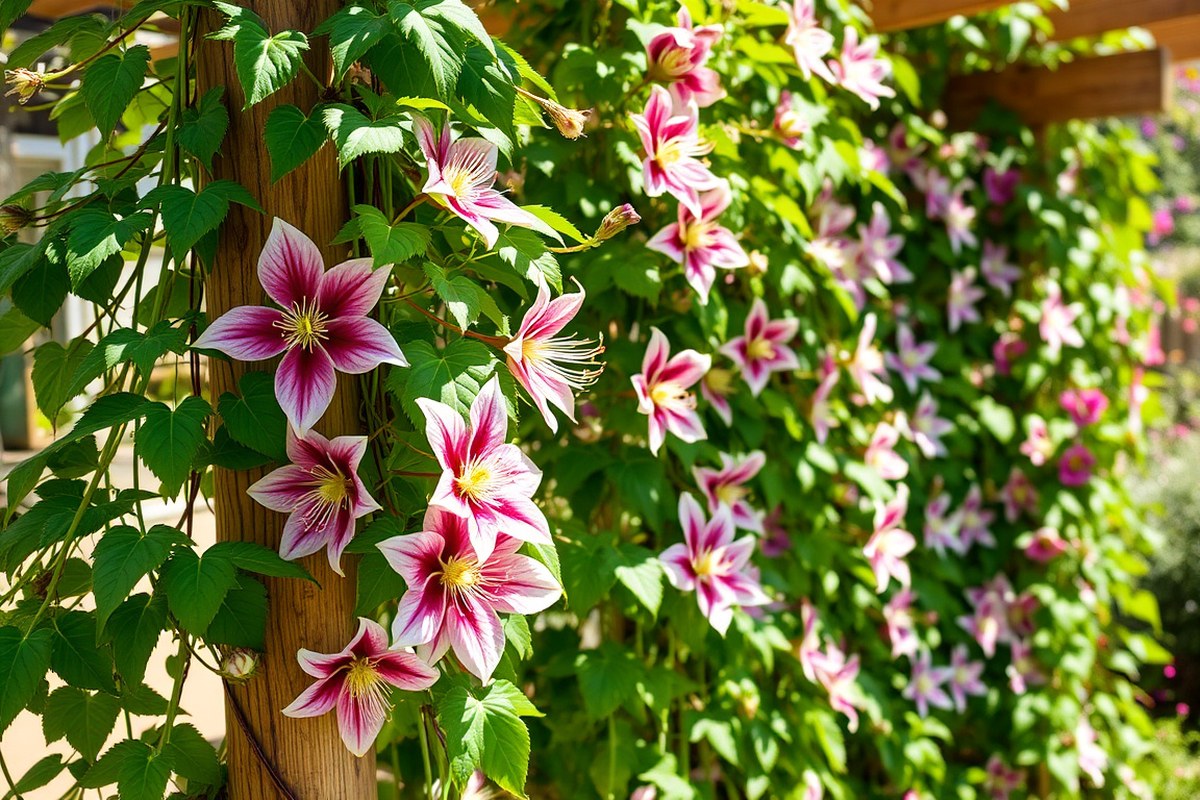
How Long Does Clematis Bloom? Complete Guide to Bloom Time and Extension
How long does clematis bloom? Most clematis varieties bloom for about 3 to 4 weeks in spring. Some types can flower nonstop for 2 to 3 months.
This usually happens from early summer until frost. They keep blooming throughout this period.
Bloom length depends a lot on the variety you choose. Hybrids like ‘Ernest Markham’ can grow vines up to 12 feet.
They produce large six-inch flowers from early summer to early fall. The flowers last for many months.
Sunlight plays a big role in bloom duration. Clematis needs at least 6 hours of sun daily for best flowering. Without enough light, the blooms will be sparse or short-lived.
Young clematis plants might not bloom well until they are 2 to 3 years old. Proper sunlight and yearly pruning also help extend their blooming season. Regular watering and feeding with balanced fertilizer encourage longer flowering too.
Key Takeaways
- Most clematis bloom about 3 to 4 weeks, mainly in spring.
- Some varieties bloom nonstop for 2 to 3 months till frost.
- ‘Ernest Markham’ blooms from early summer to early fall.
- New plants need 2 to 3 years before full bloom.
- Prune annually to encourage longer and stronger flowering.
- Part shade with 4 to 6 hours of sun boosts bloom quality.
How Long Does Clematis Typically Bloom?
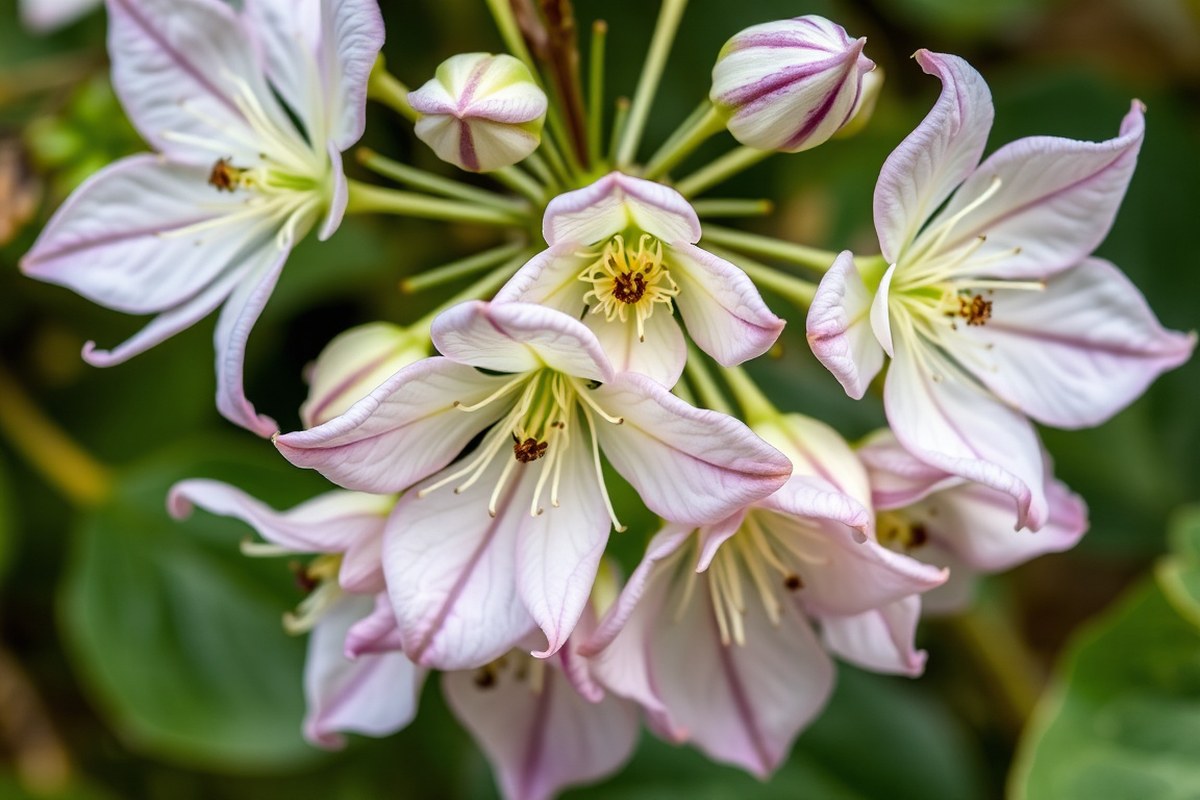
Clematis plants typically bloom for about four to eight weeks during their growing season. Some clematis, especially Group 3 like Sweet Autumn, bloom from mid-summer. They can keep flowering until fall without stopping.
Other clematis types bloom for just a few weeks. This usually happens in spring or early summer.
Most clematis bloom in one or two separate bursts rather than nonstop. Group 2 clematis flower early or mid-season. This happens mostly in May and June.
They might stop and bloom again later. You can get more blooms from ‘Nelly Moser’ or ‘Jackmanii’. Deadhead and fertilize them regularly to help.
The average bloom time often depends on the variety you grow and your garden’s conditions. Pick different clematis types with varied bloom times. This gives you flowers for a longer season.
Hybrid and viticella clematis bloom longer. Sometimes they flower without stopping through summer and fall.
Where you live, sunlight, and soil quality all matter. These factors change how long clematis bloom.
What Are the Major Clematis Blooming Groups?
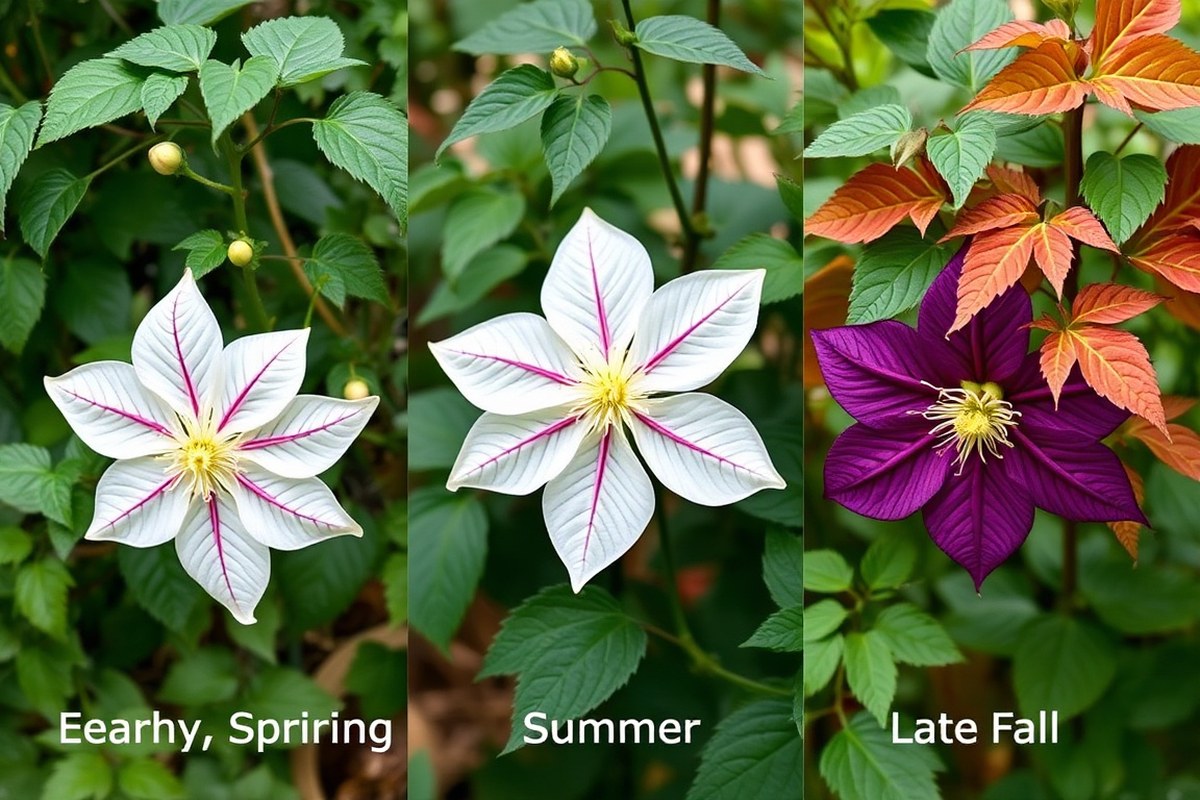
There are three main clematis pruning groups that determine when and how your clematis will bloom. Each group blooms at different times and needs specific pruning methods. Knowing your clematis group will help you get the best flowers for the longest time.
Group 1: Early Spring Bloomers
Group 1 clematis bloom on old wood grown the year before. Their flowers usually last between 3 and 4 weeks. You should prune them right after flowering, since they bloom only on last year’s growth.
Prune Group 1 clematis immediately after bloom. Cut only dead or weak stems.
This timing avoids removing buds that will bloom next spring. Pruning too late or too hard risks fewer flowers next spring.
Group 2: Repeat and Mid-Season Bloomers
Group 2 bloomers show flowers from late spring to early fall in two distinct waves. They bloom first on old wood. Light pruning follows.
Then late-season blooms grow on new stems. This group suits gardeners wanting longer bloom periods.
Prune Group 2 clematis lightly in early spring, removing weak stems. After the first bloom, prune stems lightly. Cut just enough to help new buds grow.
Keep some old wood to keep blooms coming. This two-step pruning supports their two bloom waves.
Group 3: Late Summer to Fall Bloomers
Group 3 clematis only bloom on new growth in late summer or fall. Their flowers appear once per year, with no rebloom later. Hard pruning every late winter or early spring helps keep flowers strong and plenty.
Cut Group 3 clematis hard every year. Prune stems back to 6 to 12 inches above the ground.
This triggers vigorous new growth that carries the summer blooms. Neglecting hard pruning can result in sparse flowers or weak vines.
Here is a comparison of the three groups to guide pruning and understand flowering times better:
| Pruning Group | Bloom Time | Bloom Characteristics | Pruning Method |
|---|---|---|---|
| Group 1 | Early Spring | Blooms on old wood, one wave, 3-4 weeks | Prune after flowering, remove only dead branches |
| Group 2 | Late Spring to Early Fall | Two waves: old wood then new wood blooms | Light prune in early spring; prune between blooms |
| Group 3 | Late Summer to Early Fall | Blooms once on new wood, no rebloom | Hard prune late winter/early spring to 6-12 inches |
Always match pruning timing to your clematis group to avoid losing flowers.
Understanding your clematis group can save time and effort. It also helps avoid common mistakes like pruning too early or too late. Each group’s proper pruning will keep your clematis healthy and blooming well year after year.
Which Varieties Have the Longest Blooming Seasons?
Some clematis varieties bloom longer than others, often because of their group or hybrid status. Hybrids are specially bred to flower continuously through summer and into fall. Choosing those types helps you enjoy flowers for several months with less intense breaks.
Sweet Autumn Clematis is famous for late, long blooms extending into early fall. Clematis montana Grandiflora blooms in late spring. The flowers appear in a burst.
They can keep blooming into summer. Madame Julia Correvon blooms again and again.
Its small flowers are fragrant. It stays colorful longer than many kinds.
- Sweet Autumn Clematis: vigorous vine, tiny white flowers, blooms late summer to fall
- Clematis montana Grandiflora: large pink flowers, blooms late spring through summer
- Clematis Madame Julia Correvon: medium-sized deep red flowers, repeat blooms mid-summer to fall
- Clematis vitalba: small creamy-white flowers, continuous blooms in summer and fall
- Hybrid cultivars: bred for nonstop bloom, various colors and sizes
The flowers come in many sizes. You can find tiny clusters or large single blooms. This adds variety to your garden.
Some hybrids keep producing flower buds on new shoots all season if you prune properly. Pruning Group 3 clematis encourages fresh growth, making the flowering period longer and fuller.
Sunlight, soil, and USDA zone affect how long these varieties bloom in your yard. Vines that get at least six hours of sun still need some shade on the roots. Good soil with plenty of organic matter makes the vines grow strong and bloom well.
How Pruning Influences Clematis Bloom Length
Pruning clematis correctly boosts bloom length and flower numbers. Each pruning group needs specific timing and techniques. Avoiding common pruning mistakes keeps your clematis flowering well.
Pruning Group 1 Plants
Group 1 clematis blooms on last year’s growth, so pruning is minimal. You only need to remove dead or weak stems right after blooming. Avoid heavy pruning, as it can cut off flower buds for next year.
Light pruning keeps vines tidy and encourages healthy growth. Prune in late spring or right after flowers fade. Cut back weak or dead stems to the base to promote new shoots.
Pruning Group 2 Plants
Group 2 blooms on both old and new wood. Pruning helps produce a second bloom later in summer or fall. Light pruning after the first flower flush encourages this extra blooming phase.
Trim just above a pair of strong buds on the main stems. Late winter or early spring, cut back weak, dead, or crowded stems. After the first bloom fades in early summer, lightly prune old flower stalks.
Follow these steps to prune Group 2 clematis correctly:
- Identify your clematis is Group 2 before pruning.
- In late winter, remove weak or dead stems at the base.
- Cut back main stems lightly to 12 to 18 inches to shape vine.
- After the first bloom, prune stem tips just above strong buds.
- Clear away faded flower stalks to encourage new growth.
- Use clean, sharp tools to make smooth cuts.
Pruning Group 3 Plants
Group 3 clematis flowers only on new wood that grows in spring. You prune these plants back hard each year in late winter or early spring. This encourages strong new growth and large flowers.
Cut all stems down to about 6 to 12 inches above the ground. This helps focus the plant’s energy on fresh shoots. Avoid pruning at other times since it can reduce blooming.
Tips to Avoid Common Pruning Errors
Pruning too early or heavy on Group 1 or 2 can remove flower buds. Avoid cutting Group 1 clematis in late winter, or you lose next summer’s blooms. For Group 3, don’t wait past early spring or the plant may not grow well.
Using dull or dirty tools causes jagged cuts, which slow healing. Prune with clean, sharp shears to prevent disease and stress. Learn your clematis group before pruning to match the right timing and method.
Environmental Factors That Affect Clematis Blooming
Clematis plants need about 4 to 6 hours of bright sunlight daily to bloom well. They can handle full sun, which is 6+ hours. But too much sun can stress them.
Use mulch or shade to keep roots cool. Let the top get enough light. This protects the plant while supporting growth.
Soil quality plays a big role in flower production. Clematis prefer well-drained, rich soil with lots of organic matter.
You want it slightly alkaline or neutral, with a pH around 6.5 to 7. Adding compost or aged manure can improve soil structure and fertility before planting.
Climate zones influence bloom time and length by affecting growing seasons. Most clematis thrive between USDA zones 4 and 9.
In cooler zones, blooming may start later and last shorter periods. Warmer zones can extend flowering but may need extra watering during dry spells.
Because clematis have deep roots, water deeply to saturate the entire root ball. Shallow watering won’t reach their roots and can shorten bloom duration. When possible, water early in the day to reduce leaf wetness and disease risk.
Adding a balanced fertilizer helps encourage blooms, especially in spring before flowering starts. Use a fast-release liquid fertilizer with an NPK ratio like 10-30-20 to boost flowering power. Follow the label for how much and how often to feed.
Overfeeding causes too many leaves and fewer flowers. Stick to the recommended amounts.
Keep clematis roots cool and moist while providing bright light up top for the best blooms.
How to Extend Your Clematis Blooming Season
Feed your clematis with a balanced fertilizer every four to six weeks. Use a product with equal parts nitrogen, phosphorus, and potassium, like a 10-10-10 formula. This steady feeding encourages strong growth and more flowers over time.
Water your clematis regularly, about 1 inch each week during dry spells. Keep the soil evenly moist but not soggy. Mulching around the base helps trap moisture and keeps roots cool, boosting bloom length.
Deadheading spent flowers prevents the plant from producing seeds and encourages new blooms. Snip off faded flowers just above a leaf or a new bud. Group 3 clematis bloom on new wood.
They benefit most from this. It helps them flower all summer long.
- Plant clematis with different blooming periods for continuous blooms.
- Choose varieties from different bloom groups to cover spring through fall.
- Locate clematis near the house or garden entrance for easier care and viewing.
- Apply fertilizer every 4 to 6 weeks during the growing season.
- Keep soil moist but well-drained, watering about 1 inch per week.
- Remove old flowers to boost repeat blooming, especially on Group 3 clematis.
Combining clematis types that bloom early, mid, and late season extends your garden’s display. Group 3 types only flower on new shoots.
So pruning for fresh growth also lengthens blooming. Planting near walkways gives easy access for deadheading and watering.
Common Reasons Clematis Fails to Bloom or Blooms Briefly
Clematis plants often need 2 to 3 years to establish before they bloom fully. Your clematis might be too young if it has few or no blooms. Be patient while caring for your plant.
Strong roots and shoots grow over time. This helps it bloom better later.
Pruning mistakes also cause poor blooming. Clematis fall into three groups based on their blooming and pruning needs. Cutting the wrong way or at the wrong time kills buds or stresses the plant.
First, find your clematis group. Some bloom on old wood.
Others bloom on new shoots. Use the right pruning method.
Environmental stress like drought or poor soil weakens your clematis and shortens bloom time. They want well-drained, fertile soil and regular watering, roughly 1 inch per week in dry weather. Spread a 1-inch layer of compost at the base in early spring.
This improves soil health. It adds nutrients for growth.
- Plant young clematis in early spring when dormant for best root growth.
- Use a compost layer about 1 inch deep around the plant’s base.
- Water deeply once a week during dry spells to reduce stress.
- Identify clematis pruning group before cutting to protect buds.
- Check for pests like aphids that drain energy and damage buds.
- Choose a site with morning sun and afternoon shade when possible.
Pests like aphids or slugs can also reduce blooms by damaging leaves and buds. Regular inspections help catch them early.
Use insecticidal soap or organic controls as needed. Keeping the plant healthy with good soil and water cuts down pest problems.
Diagnosing poor bloom starts by reviewing care steps. Check the plant’s age first, then pruning style. Look for dry soil, pests, and poor site conditions next.
Adjust these factors for better buds next season. Proper care shows clearer, fuller blooms in spring and summer.
How Clematis Life Cycle Impacts Bloom Time
How Clematis Life Cycle Impacts Bloom Time
Clematis blooms depend closely on the stages of its life cycle. Growth, dormancy, and yearly rhythms all shape its flowering. These phases set when clematis flowers appear and how long they last.
Dormancy and Growth Resumption
During winter, clematis enters dormancy to protect itself from cold. This resting stage slows growth and prepares the vine for spring. When temperatures rise above about 50°F, growth resumes steadily.
New shoots and leaves develop fast once dormancy ends. The vine draws on stored nutrients to push buds open. This restart sets up its blooming phase for spring and summer.
Don’t prune clematis too early in spring. Wait until new growth is visible to avoid cutting off flower buds.
Flower Bud Formation Timing
Flower buds usually form during late summer or early fall the year before blooming. They remain dormant through winter until warm weather triggers blooming. Timing varies slightly by species and climate but follows this annual cycle.
Spring blooming clematis open buds between April and June. Some types bloom again briefly in late summer. Knowing your clematis type helps predict when buds will appear.
Longevity and Bloom Reliability over Years
Clematis plants live for 50 years or more if cared for properly. They can produce flowers yearly for decades. Regular pruning and a sunny spot support consistent blooming over time.
While clematis life is long, individual plants may bloom best for 20 years. Older vines might need more attention or replacement. Healthy soil and water keep flowering strong and regular.
Step-by-Step Action Plan for Longer Clematis Blooms
Follow these clear steps to get your clematis blooming longer and stronger. Each step helps you see progress fast.
- Before spring: Choose the right clematis variety for long blooms. Check plant tags or seed catalogs for long-flowering types.
- Early spring: Prune your clematis as recommended by its bloom group. Watch for fresh shoots growing within two weeks.
- Late spring: Feed your clematis with a balanced fertilizer every 4-6 weeks. Leaves should look green and healthy after feeding.
- Summer: Water deeply at least once a week, more on hot days. The soil stays moist but not soggy.
- During bloom: Deadhead faded flowers as soon as you see them. New blooms often appear within days on pruned stems.
- Fall: Remove any dead or weak stems. This clears space for healthy growth next year.
- Year-round: Check for pests or diseases monthly. Treat problems early to keep your plant thriving long-term.
Frequently Asked Questions
How Long Can Clematis Flowers Bloom During One Season?
Clematis flowers can bloom for about 6 to 8 weeks on average. Some varieties last this whole time, especially with proper care and pruning to encourage fresh blooms.
Does Pruning Clematis Wrong Shorten Its Flowering Period?
Yes, pruning at the wrong time can reduce or stop flowering. Knowing your group type helps you prune at the right time.
You prune after blooming or in early spring. This way, you save the buds for next season.
Can Environmental Stress Shorten the Bloom Time of Clematis?
Yes, heat, drought, and poor soil can reduce how long clematis flowers last. Keeping the plant well-watered and mulched helps maintain a longer bloom period.
How Does Fertilizing Affect the Duration of Clematis Blooms?
Regular feeding with balanced fertilizer supports healthy growth and longer flowering. Start feeding in early spring and continue every 4-6 weeks during the bloom season.
Why Do Certain Clematis Varieties Bloom Longer Than Others?
Different species and hybrids have genetic bloom lengths. Some clematis, like Ramona or Multi Blue Double, bloom longer.
They can last up to 8 weeks in good conditions. This means more time to enjoy their flowers.
Can Planting Multiple Clematis Varieties Extend Overall Blooming in a Garden?
Yes, mixing varieties from different bloom groups spreads flowering across several months. This gives a longer visual display rather than a short, single bloom period.
Key Points to Remember
Clematis bloom time varies by type, care, and weather. But most last 6 to 8 weeks.
You can extend blooms with pruning, feeding, and deadheading. Start today by selecting a blooming group that fits your garden and care style.