What Is an Iris? Clear Answers on Eye and Flower Functions & Types
What is an iris? It can mean two very different things. The iris in your eye is the colored ring around the pupil.
It controls how much light gets inside your eye. Light passes through the pupil, adjusted by the iris size. It adjusts quickly to bright or dim light by changing size.
On the other hand, the iris is also a flower known for its striking blooms. These plants have many types and species to choose from. Some are short dwarf bearded irises.
Others are tall with large flowers. Growing them well takes knowing their sunlight and soil needs.
Understanding what iris means helps you spot it easily, whether in nature or your own eyes. The iris in your eye reacts instantly to changing light. The iris flower brings color and texture to gardens when planted right.
Key Takeaways
- The iris controls light entering your eye by adjusting pupil size.
- Iris eye color depends on pigments and genetics.
- Iris flowers vary widely, with about 300 known species.
- Bearded irises prefer full to part sun and well-drained soil.
- Divide irises every 2 to 5 years to keep them healthy.
- Dwarf bearded irises bloom in spring and are hardy to zone 2.
What Is the Iris in the Human Eye?
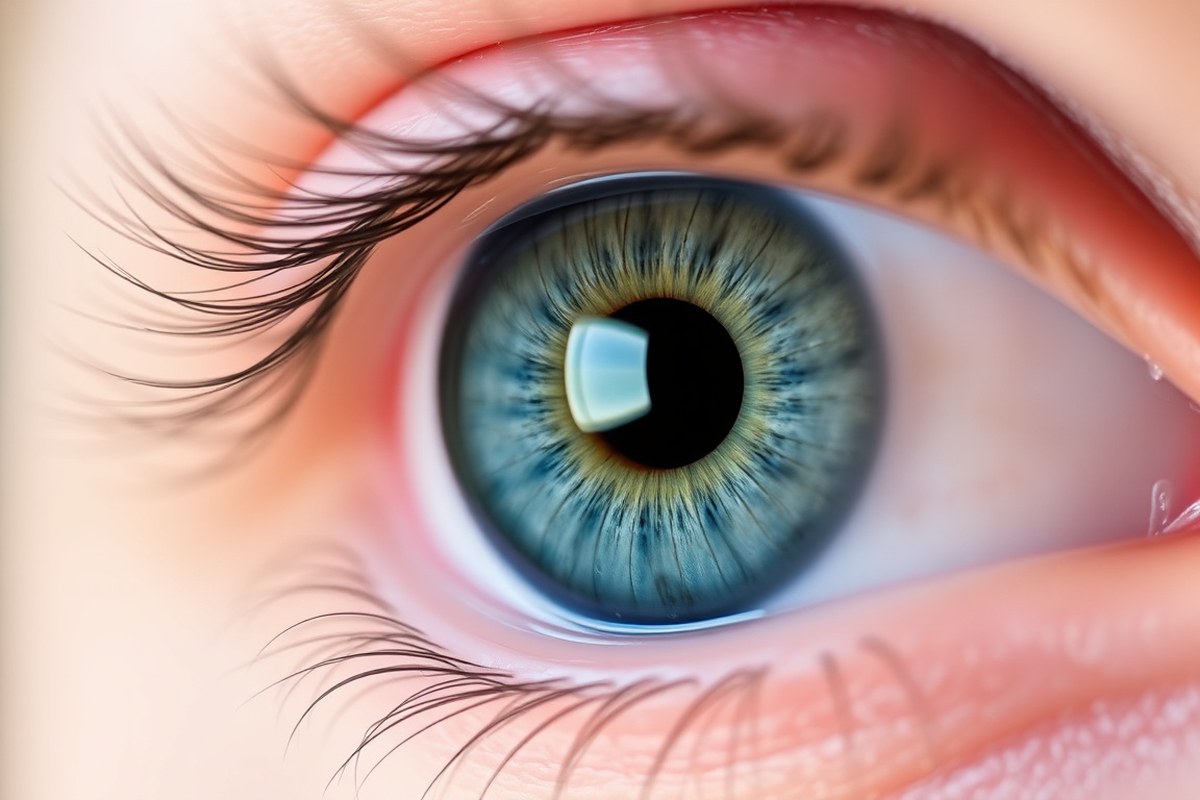
Your iris is the colored ring around your eye’s black pupil. It sits inside the middle layer of your eye, called the uveal tract. The iris adjusts your pupil size to control light entering your eye.
This structure is thin and pigmented, making it easy to spot. Small muscles in the iris squeeze or relax the pupil. This changes how much light reaches the retina at the eye’s back.
This action helps your eyes adjust to light. This process helps you see clearly in different lighting conditions.
The iris is different from other eye parts because it acts like a diaphragm for light. It also contains pigments that give your eyes their color. The iris sits just in front of the eye’s lens.
It controls light constantly to help you see clearly. It keeps the right light level for your vision.
How Does the Iris Control Light Entering the Eye?
How Does the Iris Control Light Entering the Eye?
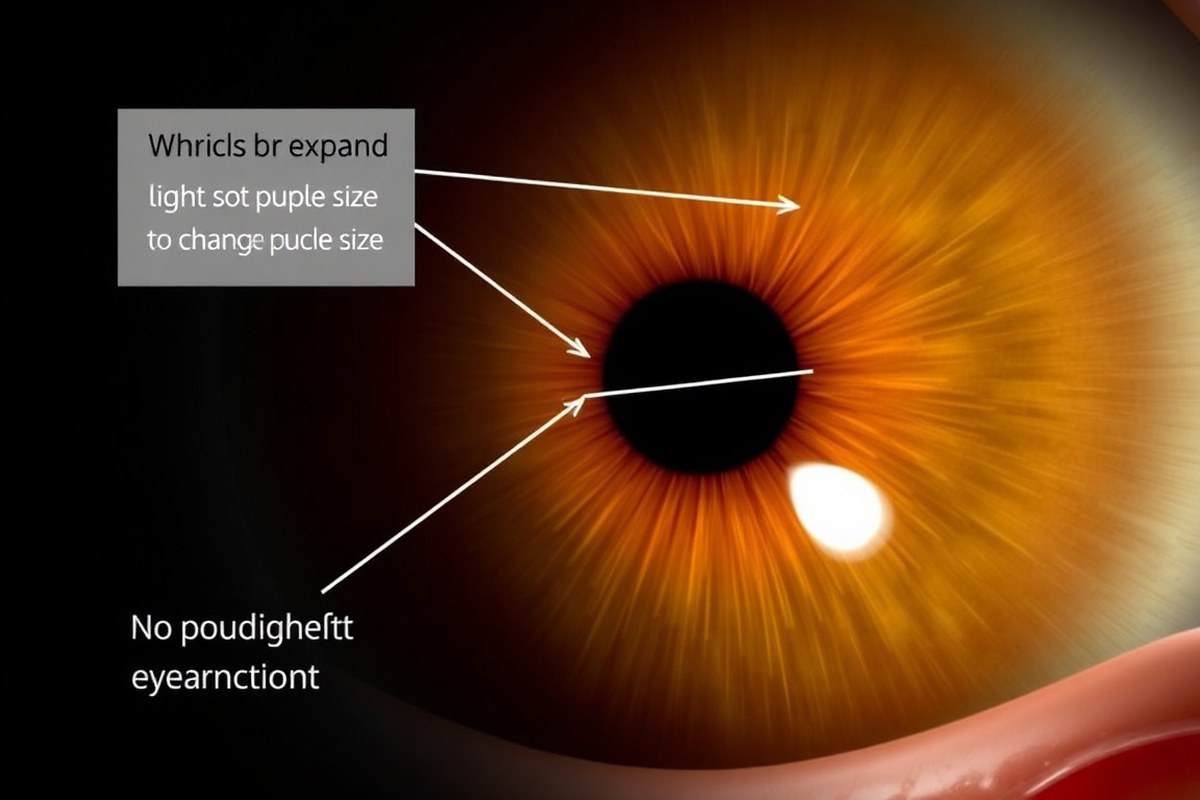
The iris adjusts the pupil’s size to control the light entering your eye. Small muscles inside the iris expand or contract the pupil in response to brightness. This action protects the retina and sharpens vision.
The Sphincter Muscle Functions
The sphincter muscle encircles the pupil like a tight ring. When it contracts, it makes the pupil smaller, reducing light entry. This protects the retina from too much light that can blur your vision.
In bright environments, the sphincter muscle quickly tightens the pupil. Narrowing the pupil also improves focus by reducing light scattering. This action helps you see clearly even under harsh lights like car headlights.
Role of Radial Muscles
Radial muscles run outward from the pupil like spokes on a wheel. They dilate, or widen, the pupil by pulling outward. This lets more light enter when you are in low-light or dim environments.
When it’s dark, these radial muscles contract to make the pupil diameter larger. Their action maximizes the light reaching the retina, helping you see better. This is why your pupils look bigger in the dark.
Neural Control of Iris Muscles
Your brain controls iris muscles via the pupillary light reflex. Sensors in your retina detect light levels and send signals to the brainstem. Then, the brain sends commands to the iris muscles to adjust pupil size accordingly.
This reflex happens automatically and very quickly after light changes. It also reacts to some emotions and focusing efforts, not just light. This neural control keeps your vision sharp under varying conditions.
Keep in mind that certain medications or eye conditions can slow pupil response and affect vision.
What Determines the Color of the Iris?
The color of your iris depends mainly on the amount and type of pigment in it. Melanin is the key pigment that influences eye color. This pigment is in cells called chromatophores.
They are inside the iris’s two layers. These layers are the stroma and the pigmented epithelial cells.
Melanin comes in two main forms that affect iris color differently. Eumelanin is a dark brown or black pigment. Its higher concentration makes eyes look brown or dark.
Pheomelanin is a yellowish pigment. It has a smaller role in the iris. It can lighten the iris color a bit.
Less melanin in the stroma causes eyes to appear blue or green. That happens because light scatters in the iris, producing those colors. Brown eyes have more melanin in both layers.
This blocks most light from passing through. That makes the iris appear darker.
Genetics controls how much melanin your iris produces and stores. Multiple genes work together to set pigment levels. That’s why eye color runs in families.
Siblings can still have very different shades. Sometimes, iris color can change over time, especially during childhood.
| Iris Color | Melanin Level | Layer with Most Influence |
|---|---|---|
| Brown | High | Both stroma and epithelium |
| Green | Medium | Primarily stroma |
| Blue | Low | Primarily stroma |
| Hazel | Variable | Stroma mostly |
Eye color can deepen slightly during childhood as melanin production increases. In rare cases, disease or medication changes melanin and iris color in adults. Your eye color can shift in some lighting.
Light interacts with the iris layers differently. This causes subtle changes in color.
Understanding the role of melanin and iris layers explains why eye color varies so much. Your unique mix of pigments and genetics gives your eyes their specific shade. This also helps doctors spot certain eye diseases that affect melanin or iris structure.
What Is an Iris Flower and Its Main Types?
The iris is a genus of flowering plants known for their showy blooms and variety. These plants belong to the Iridaceae family and appear in many types, mainly rhizomatous and bulbous. They usually flower in early summer, with some reblooming later in the season.
Rhizomatous irises divide into three main types: bearded, beardless, and crested. Bearded irises, like the German Iris (Iris germanica), have fuzzy “beards” on their petals called falls. This beard makes them stand out in any garden.
Their flowers are big and colorful. These traits make them popular among gardeners.
Siberian irises are a common beardless variety. They have no fuzzy beard, and their flowers look sleeker and more delicate.
Their leaves tend to be long and spiky, giving the plant a grass-like appearance. Siberian irises are known for their hardiness and graceful blooms in late spring.
Bulbous irises grow from bulbs, not rhizomes. They tend to bloom earlier in spring and have different flower shapes compared to rhizomatous types. These irises often have simpler leaves and smaller plants overall.
| Type | Growth Form | Flower Features | Bloom Time |
|---|---|---|---|
| Bearded iris | Rhizome-based | Fuzzy beard on falls, large flowers | Late spring to early summer |
| Siberian iris | Rhizome-based | No beard, slender petals, spiky leaves | Late spring |
| Bulbous iris | Bulb-based | No beard, smaller flower, simple leaves | Early spring |
These types differ in look and care. Bearded irises need well-drained soil and sunlight.
Siberian irises tolerate wetter soil and partial shade better. Bulbous irises require planting bulbs deeper and need less summer moisture.
The differences in flower shape and bloom time help gardeners choose irises to fit their landscape. Each type adds distinct texture and color at different parts of the growing season. This variety keeps gardens interesting from early spring to summer.
How to Grow and Care for Iris Plants Effectively?
Irises grow best in fertile, well-draining soil with full sun exposure. Plant iris rhizomes so the top lies just at or slightly above the soil surface. Avoid heavy shade, which can reduce flowering and weaken the plants.
Water irises moderately, about once a week during dry spells. Overwatering can cause rhizomes to rot.
Fertilize irises in early spring with a balanced fertilizer. For reblooming types, add fertilizer again after the first bloom ends.
Seasonal care includes cleaning up dead leaves and cutting back the plants after blooming. This prevents disease and encourages healthy regrowth. Avoid heavy mulching, which can trap moisture and cause rot.
- Plant rhizomes 2-3 inches apart and 2-3 inches deep for Dutch irises
- Choose a sunny spot, at least six hours of sunlight daily
- Water weekly unless the soil feels moist
- Use a balanced fertilizer (10-10-10) in spring and post-bloom for rebloomers
- Cut back foliage to 6 inches after the last bloom
- Remove dead or diseased leaves regularly to prevent spread
- Divide crowded rhizomes every 3-5 years for better flowering
Planting irises too deep or in poorly drained soil often leads to rot. Always ensure rhizomes sit just at the soil surface.
Fall is a good time to plant bulbs like the Dutch iris. Plant bulbs 2-3 inches deep and 3 inches apart to let them settle before winter. In colder zones, add a light mulch after the ground freezes.
It protects bulbs from extreme cold. Remove mulch in spring to stop moisture buildup.
When and How Should You Divide and Propagate Irises?
Dividing iris plants helps keep them healthy and blooming well. Do it after flowering or in late summer to fall. This prevents overcrowding and revives the rhizomes.
Signs It’s Time to Divide
Irises stop blooming or show fewer flowers over time. Their rhizomes become crowded, making leaves thin and plants weak. If you notice smaller or fewer flowers, it’s time to divide.
Look for thick clumps with little space between rhizomes. Older rhizomes may rot or get mushy. Healthy ones stay firm and should have several fans of leaves.
Tools and Preparation Needed
A sharp garden knife or spade helps cut through rhizomes cleanly. Garden gloves protect your hands from dirt and scratches. You’ll also need a bucket to carry the rhizomes and water to rinse them.
Prepare a sunny spot with well-draining soil before you start. Work in dry weather to prevent infection. Clean your tools with rubbing alcohol to avoid spreading diseases.
Step-by-Step Division Process
Follow these steps to divide irises safely and keep them strong. This takes about 30 to 60 minutes depending on plants’ size and number.
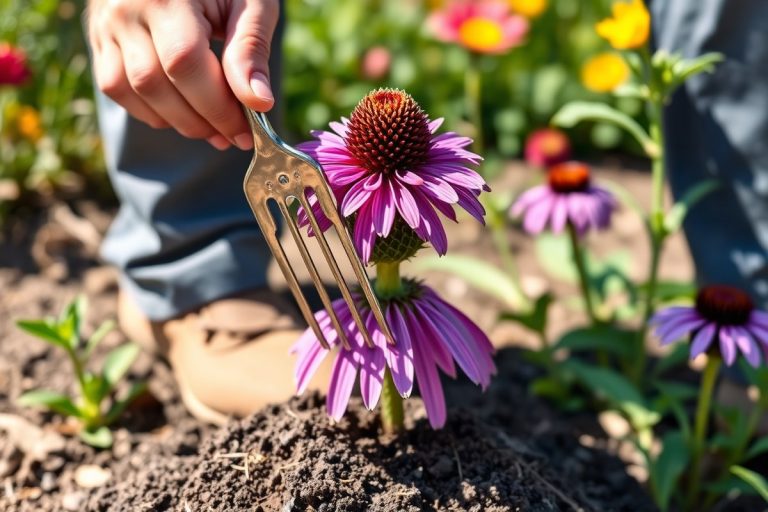
- Dig around the iris clump carefully, lifting it with a spade.
- Shake off excess soil to see the rhizomes clearly.
- Separate rhizomes by cutting through with a garden knife.
- Keep healthy rhizomes with firm texture and good roots.
- Trim leaves back to about 4 to 6 inches to reduce moisture loss.
- Discard old, mushy or diseased rhizomes.
- Let the cut rhizomes dry in shade for a day or two.
- Plant divisions about 12 to 18 inches apart in well-prepared soil.
Aftercare for Divided Irises
Water new plants moderately after division to settle the soil. Avoid overwatering which can cause rot. Mulch with straw or bark to protect roots and control weeds.
Watch for pests like iris borers and treat if needed. Add a balanced fertilizer high in phosphorus during planting to encourage flowering next season. Keep new divisions free from stress as they establish.
What Common Conditions Affect the Iris and Their Symptoms?
Several common eye conditions affect the iris, causing symptoms like pain, redness, and vision changes. These conditions need attention to prevent lasting damage. You should know when to see an eye doctor and what signs to watch for.
Iritis and Uveitis Overview
Iritis is inflammation of the iris, often causing redness and eye pain. It can also make your eyes sensitive to light.
This condition is part of uveitis. It affects parts inside the eye.
It can reduce your vision. Treatment usually includes steroid eye drops to reduce inflammation.
Without proper care, iritis can lead to complications like glaucoma or cataracts.
Iris Melanoma and Other Tumors
Eyelid doctors watch for dark spots or unusual growths on the iris to spot melanoma. This rare cancer starts in iris cells and requires early treatment.
Other tumors can also affect the iris, causing changes in eye color or pupil shape. These need a specialist’s diagnosis and sometimes surgery or radiation. Regular eye exams help catch such issues before they affect vision seriously.
Glaucoma Related to Iris Issues
Some glaucoma types involve iris problems, like the iris blocking fluid drainage in the eye. This blockage raises eye pressure, risking optic nerve damage.
Symptoms include eye pain, headaches, blurry vision, and halos around lights. Glaucoma treatment lowers pressure using drops or surgery. Untreated glaucoma leads to permanent vision loss.
Signs You Need an Eye Specialist
Visit an eye specialist if you have eye pain. Redness lasting more than a day is a concern.
Sudden vision changes also need quick attention. Also watch for unusual pupil shapes or color spots on the iris.
Regular checkups catch eye conditions before symptoms develop. Book an appointment if you notice any warning signs. A specialist can diagnose and treat iris problems early, preventing serious damage and preserving vision.
What Is the Cultural and Botanical Significance of the Iris?
The iris is linked to royalty because of its rich purple color. Ancient Greeks used purple irises on graves of women.
They believed Iris, the goddess, would guide the souls to Elysium. This connection with a goddess made the flower a symbol of divine messages and protection.
Iris appears often in art, likely second only to the rose. Artists appreciate its complex shape and variety of colors.
You’ll find irises in paintings from Egyptian palaces and in European gardens. Bearded irises like the award-winning ‘Beverly Sills’ draw attention for their striking look.
In gardens, irises add height and color variety. Bearded irises, with tall stalks and intricate petals, are favorites among gardeners.
You can also use Japanese or Louisiana irises near water. They thrive pondside once well established, creating a serene effect in landscaping.
Florists prize irises for bouquets because they stand tall and have bold colors. Bulbous types like Dutch iris provide early spring blooms.
Different species fit various climates. So choose based on your local conditions and garden style.
Plant irises in well-drained soil and full sun to prevent rot and encourage blooming.
Step-by-Step Action Plan for Understanding and Caring for Irises
Here’s a simple plan to help you learn about irises in the eye and garden. Follow these steps to see how iris functions and how to keep iris plants healthy.
- Today: Look closely at your eyes in the mirror to observe the iris color and shape. Notice how your pupil sizes change in different light.
- This week: Study pictures or samples of iris flowers online or nearby. Note the main types and differences in color and shape.
- Within two weeks: Plant your iris bulbs or rhizomes in a sunny spot. Make sure the soil drains well. Water them regularly but avoid soggy soil.
- After one month: Check for changes in light inside your eye. Also, watch your iris plants’ health carefully. Check for any unusual eye discomfort or plant issues like rot.
- Before flower division season: Plan to divide iris rhizomes in late summer or early fall. Split healthy clumps and replant to keep them strong.
- When noticing eye symptoms: See redness, pain, or color changes in your eye? Contact an eye doctor right away. These can signal iris problems like inflammation.
- Continuously: Keep your iris plants trimmed and soil clean to prevent disease. Observe your eyes in different lighting to understand iris function better.
Frequently Asked Questions
What Is the Shape and Size of an Iris Flower?
The iris flower shapes vary but often have wide, flat petals. Some irises, like the Japanese type, have large flowers.
They measure 4 to 6 inches across. These flowers have a flatter shape than tall Bearded Irises.
How Tall Do Bulb-Type Iris Plants Usually Grow?
Bulb-type irises generally grow between 30 cm and 60 cm tall. They spread about 5 to 7 cm wide, making them compact for garden beds.
How Many Iris Species Exist Worldwide?
There are about 300 known species within the Iris genus. They range widely in size, color, and habitat, showing great diversity.
What Is the Fruit Type Produced by Iris Plants?
Iris plants produce a dry, loculicidal capsule fruit. This means it splits open along the locule to release seeds when mature.
Which Iris Species Are Hardy to Very Cold Zones?
Dwarf bearded iris can survive in zone 2 and prefers full to part sun. Bearded iris are hardy down to zone 3.
What Is a Common Pigment Affecting Iris Color Intensity?
Eumelanin is a black-brown pigment that darkens the iris. Its concentration controls how intense the iris color looks.
The Bottom Line
The iris plays a key role in vision and adds beauty in gardens. Notice how your iris works in your eye. Learn how to care for iris flowers well.
Take one small step today. Observe your eye or check your iris plants for good growth.