Where Can Pomegranates Grow? A Complete Climate and Soil Guide
Where pomegranates can grow depends mostly on climate and soil. They thrive in warm places with full sun and dry conditions. These plants need 6 to 8 hours of direct sunlight every day to produce good fruit.
Pomegranates grow best in USDA Zones 7 to 11 with summer temperatures between 70 and 90°F. They tolerate drought and heat but can handle cold down to 12°F. Fruit usually won’t set in cooler areas like Zone 8 or below.
The soil needs to drain well and avoid waterlogging. Space trees about 18 feet apart when planting several to allow healthy growth. Pomegranates can grow like a bush or small tree, sometimes reaching 15 to 20 feet tall.
Key Takeaways
- Pomegranates prefer full sun with at least 6 to 8 hours of daily direct light.
- Grow pomegranates in USDA Zones 7 to 11 for best fruit production.
- Ideal summer temperatures range from 70 to 90°F for healthy growth.
- Space trees 18 feet apart when planting multiple pomegranates.
- Plant in well-draining soil to avoid root waterlogging and promote health.
- Pomegranates are hardy down to 12°F but usually don’t fruit in colder zones.
Which Regions and Zones Support Pomegranate Growth?
Pomegranates grow best outdoors in warm, dry regions with lots of sun. The plants do well in USDA hardiness zones 7 through 10. Winter temperatures in these zones rarely drop below 12°F. These zones cover much of the southern United States.
They include parts of Texas, California, and the Carolinas. Large commercial pomegranate farms are found in these areas. The climate helps support good fruit setting and harvesting.
Major pomegranate-producing regions worldwide include Iran, India, and parts of China. These areas have hot, dry summers with daytime temperatures between 70 and 90°F. Pomegranates can survive temperatures down to 12°F. They usually need warmer growing seasons to produce fruit.
Frost risk rises in zones above 8. Cooler climates outside these zones often require container growing or special frost protection to succeed.
| USDA Hardiness Zone | Temperature Range (°F) | Growth Suitability | Common US Regions |
|---|---|---|---|
| 7 | 0 to 10° (minimum winter) | Suitable; fruit set possible with care | Central Texas, Virginia |
| 8 | 10 to 20° (minimum winter) | Good; fruit grows well, outdoor safe | Southern California, Georgia |
| 9 | 20 to 30° (minimum winter) | Excellent; ideal commercial growing zone | Arizona, Florida, Central California |
| 10 | 30 to 40° (minimum winter) | Excellent; supports large commercial orchards | Southern Florida, Coastal California |
| 11 | Above 40° (minimum winter) | Possible; risk of too much heat or humidity | South Florida, Hawaii |
You can grow pomegranates commercially in cooler zones, but fruit production may suffer. The ‘Cold-Hardy Red’ variety grows down to zone 6 with some care.
This cultivar offers a chance to grow outdoors where other types cannot withstand winter cold. In colder areas, growers often move potted plants indoors or use greenhouses.
Pomegranates grow naturally at high altitudes, sometimes above 2,000 meters. This shows they can handle heat and dry conditions. However, they need full sun daily for at least 6 to 8 hours and well-drained soil.
Without this, fruit yield drops, and the plant may weaken. The key is balancing cold tolerance with enough warmth for fruit to develop.
What Climate Conditions Do Pomegranates Need?
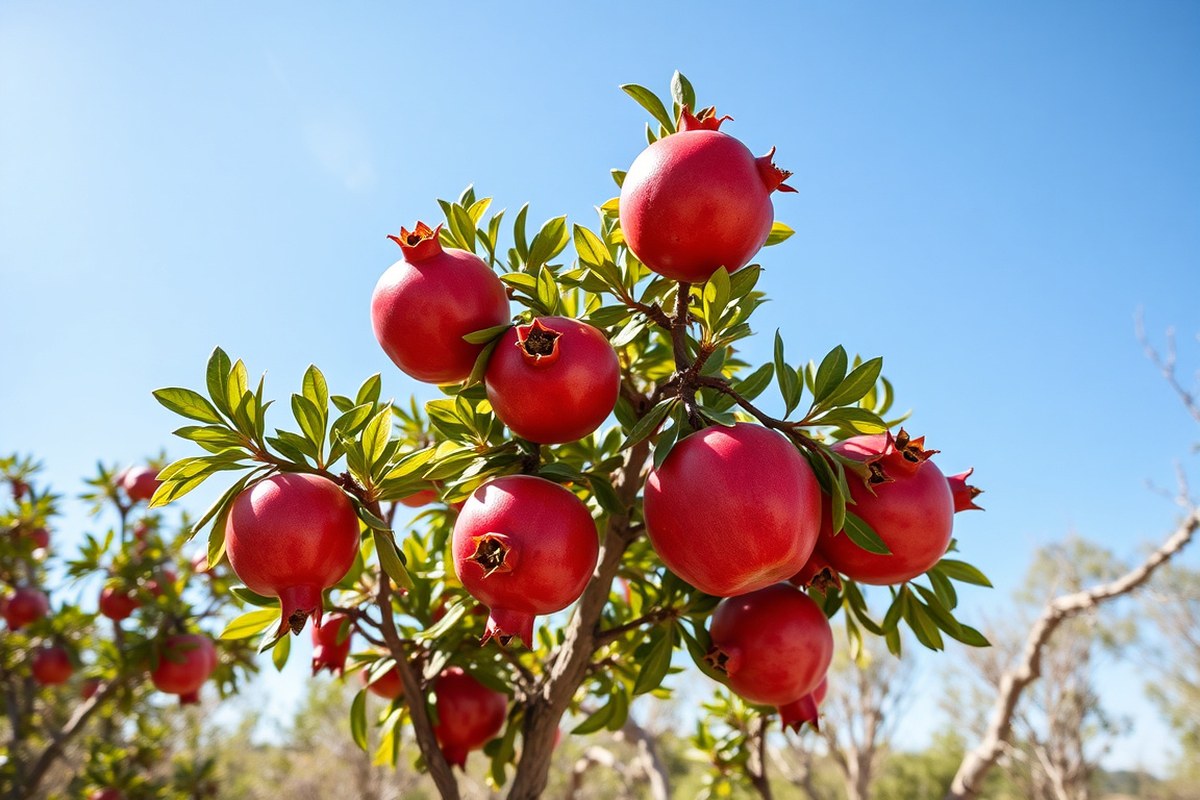
Pomegranates grow well between 41°F and 85°F. They like warm weather near 75°F to 85°F during fruit growth. Fruits can crack when temperatures pass 100°F (38°C). Low humidity under 60% makes cracking worse.
Dry spells followed by rain raise this risk. Maintaining steady warm weather helps pomegranates set better fruit and develop sweet, juicy arils.
These trees are drought tolerant but still need regular watering for the best fruit. Water deeply every 7 to 10 days in dry times. Focus on summer months to prevent fruit splitting.
Shallow or infrequent watering weakens trees and causes poor fruit quality. Lower humidity levels increase cracking risk. So consistent moisture helps the fruit skin stay tougher and healthier.
Pomegranates need full sun for at least six hours daily. This sunlight helps produce sweet, rich fruit.
Their thick skins and small leaves help save water. These features let pomegranates handle dry heat but don’t replace watering needs during fruit growth.
Water deeply and regularly during warm months to prevent fruit cracking and maintain tree health.
How Does Soil Type and Location Affect Growth?
Pomegranates grow best in well-drained, sandy loam soils with a pH between 5.5 and 7.0. Good drainage stops root rot.
The right pH helps the tree take in nutrients effectively. Altitude can affect fruit quality, so consider elevation when planting.
Optimal Soil pH Range for Pomegranates
Most pomegranates prefer slightly acidic to neutral soils with a pH from 5.5 up to 7.0. This pH range helps the roots absorb nutrients like potassium and manganese, which strengthen the tree. Testing your soil pH before planting keeps conditions ideal.
You can adjust soil acidity by adding lime to raise pH or sulfur to lower it. Soil tests cost about $10 to $20.
Testing every two or three years keeps conditions stable. Avoid soil outside this pH range because nutrient uptake drops and growth slows.
Importance of Drainage and Soil Texture
Rapid and excellent drainage prevents root rot and fungal problems in pomegranates. They do well in sandy loam, which balances moisture retention and air flow to the roots. Avoid heavy clay soils that hold too much water.
Prepare your soil by adding organic matter like compost. Mix in aged manure too. This improves texture and drainage.
Deep, loose soils encourage strong root growth and heavy fruit loads. Standing water is the biggest threat to pomegranate health.
- Choose sandy loam or well-drained loamy soils
- Incorporate 3 to 5 inches of organic matter before planting
- Test soil drainage with a percolation test if unsure
- Avoid spots where water pools after heavy rain
- Mulch around trees to keep soil moist but not wet
Good drainage and soil texture stop root diseases and keep trees productive. Watch for soggy soil signs, like wilting or yellow leaves, and improve drainage quickly if needed.
Altitude Impact on Fruit Quality and Yield
Altitude influences pomegranate fruit size, taste, and nutrient content. Studies found trees at higher elevations often have better fruit color.
These fruits also taste sweeter. The physical quality changes with altitude between roughly 1,500 and 2,000 meters.
Higher altitudes can lower total fruit yield a little. Cooler temperatures and shorter seasons cause this. Pick lower elevations for the best fruit yield.
Choose higher spots if you want top-quality fruit. Adjust growing practices based on how temperature and sunlight vary at your site.
Key Nutrients for Healthy Growth
Pomegranates need moderate organic matter and sufficient potassium, sulfur, and manganese for heavy fruit production. These nutrients support strong limbs and good fruit development. Applying compost before planting boosts organic content and supplies some nutrients.
Use a balanced fertilizer or soil amendments guided by a soil test. Nutrient needs vary but watch leaf color and fruit size for signs of deficiency. Too low potassium or sulfur will lower yield and fruit quality over time.
- Incorporate compost or well-rotted manure for organic matter
- Apply potassium-rich fertilizers during fruit set
- Test soil for sulfur and manganese every few years
- Adjust fertilizer rates based on leaf analysis results
- Water consistently but avoid overwatering to aid nutrient uptake
Healthy soils with balanced nutrients ensure your pomegranate trees grow strong. Keep nutrient levels steady through regular testing and timely fertilizing.
Can Pomegranates Grow in Colder or Frost-Prone Areas?
Pomegranates can grow in colder or frost-prone areas. But only certain varieties handle low temperatures well. Most types suffer damage if temperatures drop below 20°F. Cold-hardy cultivars survive down to about 5°F, making them suitable for Zones 7 and 8.
Trees tolerate cold better when dormant, surviving near 10°F if not exposed to frost. Multi-trunk shrubs offer better frost resilience than single-trunk trees in cooler winters.
Container-grown pomegranates face more cold risk than in-ground plants. But pots let you move them indoors during freezes.
Protecting pomegranates during winter means choosing the right variety and using winter care strategies. Dwarf or smaller pomegranates fit well in containers. Keep them outdoors during summer.
Bring them inside to a sunny place before frost hits. Covering outdoor plants with frost cloth or mulch around the roots helps too.
| Variety | Cold Hardiness Zones | Lowest Winter Temperature Tolerated | Growth Form |
|---|---|---|---|
| Russian 26 | 8 | About 15°F (-9°C) | Single-trunk |
| Cold-hardy Cultivars (general) | 7B | 5°F (-14.9°C) | Multi-trunk shrubs preferred |
| Common varieties | 7, 11 | Above 20°F (-6.7°C) | Single or multi-trunk |
| Dwarf varieties in containers | All zones (moved indoors) | Indoors minimum 40°F (4°C) | Container-grown |
Start protecting young trees before the first freeze by adding mulch. Wrap branches with burlap or frost cloth during cold snaps.
Bring container plants into a sunny room during cold months. Keep the temperature between 40 to 60°F. This helps the plants stay healthy.
Pomegranate trees survive better if you apply aged compost between winter and spring. This feed boosts their strength for cold tolerance. Avoid planting in frost pockets and aim for a sunny, sheltered spot to reduce cold stress.
How Far Apart and Where Should Pomegranates Be Planted?
Pomegranate trees need space. Plant them 12 to 15 feet apart. This helps good growth and fruit yield.
Picking a sunny, sheltered spot with well-drained soil will help the trees thrive. Avoid areas with heavy wind or poor drainage to prevent growth issues and fruit loss.
Recommended Spacing for Shrubs vs Trees
Pomegranates can grow as shrubs or small trees based on the variety and available space. Shrubs tend to spread wider but stay shorter. So you can space them closer, around 8 to 10 feet apart.
Trees for fruit need room to grow well. Give 12 to 15 feet between each tree. This lets branches and roots spread out.
Spacing affects air flow and sunlight exposure, which reduces disease and improves fruit quality. Closer spacing means more maintenance like pruning to avoid overcrowding. Planting too close limits root expansion and reduces overall fruit size and yield.
Choosing the Right Sun and Wind Exposure
Select a planting site that gets full sun for at least six hours daily. Pomegranates need plenty of light to develop good fruit color and sweetness.
Choose a spot that is sheltered from strong prevailing winds. Harsh winds can break branches and dry out the trees fast.
Find natural windbreaks nearby like fences or taller plants. They protect trees from strong winds. Make sure they don’t block sunlight.
Don’t plant in low spots where cold air settles. These areas can cause frost damage. Also, avoid places that hold too much moisture.
- Full sun, minimum six hours daily
- Sheltered from strong, prevailing winds
- Avoid frost pockets and low wet spots
- Use windbreaks to protect against drying winds
- Ensure nearby plants don’t block sunlight
This setup increases fruit size, flavor, and overall tree health by reducing stress.
Soil Preparation and Drainage
Good drainage is the single most important soil requirement for pomegranates. They dislike waterlogged soil that suffocates roots and promotes fungal disease. Choose well-drained loamy soil with a slightly acidic to neutral pH around 5.5 to 7.0 for best results.
Before planting, loosen soil and mix in organic compost to improve fertility and drainage. Stay away from clay or soil that drains poorly. Raised beds help if you must plant there.
Adding coarse sand and organic matter also improves soil. To check drainage, dig a hole 12 inches deep. Fill it with water to test how fast it drains.
Water should drain in less than an hour. If so, your soil drains well.
Avoiding Common Planting Mistakes
Planting pomegranates too close together often causes poor air flow and diseases. Crowding also leads to smaller fruits and weak branches. Poor drainage can kill young trees quickly or cause root rot, even in drought-tolerant varieties.
Choosing shady or overly windy sites reduces fruit yield and stresses the trees. Don’t plant in spots that collect cold air or flood after rain. Overwatering is a common mistake; pomegranates need steady, moderate moisture but not soggy soil.
Check the soil moisture weekly after planting and adjust watering to keep roots moist, not soaked.
Can You Grow Pomegranates in Containers or Indoors?
Pomegranates can grow well in containers and indoors if you give them the right care. Choose dwarf types like ‘Nana’ for smaller spaces. They only grow 3 to 4 feet tall.
Standard pomegranate trees grow much taller. So you need a bigger pot and more room if you pick those.
A good rule is to start with an 18-inch deep and wide pot for dwarf trees. For standard trees, use a container of at least 10 gallons. This size lets the roots spread without staying too wet, which can cause root rot.
Your tree will grow and may need repotting. Move it to a larger pot every 1 to 2 years. This helps keep the tree healthy.
Put your container so the pomegranate gets 6 to 8 hours of sun daily. Sunlight is important for good growth. Indoor trees also need good air circulation and warmth, about 65 to 75°F. Avoid spots near cold drafts or heaters.
Use a soil mix that drains well. Water only when the top inch of soil feels dry. Avoid watering on a schedule.
Container plants dry out faster than ground-planted ones, so watch the soil moisture closely. Overwatering or letting the soil stay soggy can kill your tree. Fertilize monthly with a balanced fertilizer during the growing season.
But reduce feeding in winter. Pomegranates in pots may produce fewer fruits, but they still bloom and look beautiful.
Growing pomegranates indoors suits those in cooler climates or without garden space. Keep a close eye on watering and light, especially in winter. Move your tree outside during warm months when indoors is too small.
It will get more light outside. This balance helps the tree thrive and may improve fruit yield.
What Are the Growth Variations Among Pomegranate Varieties?
Choosing between dwarf and standard pomegranate varieties matters if space or climate is a concern. Dwarf types like Punica granatum ‘Nana’ only grow about 4 feet tall.
They fit well in smaller gardens or containers. Standard varieties can reach 12 to 16 feet, needing more space but offering larger yields.
Cold hardiness varies by variety. ‘Nana’ is cold hardy to zone 7, making it a good pick for cooler areas. Other varieties may not tolerate mild frosts well and do best in warmer zones. Knowing your local zone helps pick the right type to avoid winter damage.
The fruiting time depends on the variety. Some pomegranates start ripening near the end of August.
Others, especially late-maturing types, can fruit as late as October or early November. Early bearers give a longer harvesting season but might be less cold hardy.
| Variety | Growth Form | Typical Height | Cold Hardiness Zone | Fruiting Time |
|---|---|---|---|---|
| ‘Nana’ | Dwarf | 4 feet | Zone 7 | Late summer |
| Standard variety (e.g., Wonderful) | Standard shrub | 12, 16 feet | Zone 8, 10 | Late summer to fall |
Pick dwarf types if you have limited room or want container growing. They need less space and can handle some chill better. Standard varieties suit larger yards and warmer zones, producing more fruit after several years.
Growing from hardwood cuttings helps maintain the variety’s traits. Cuttings are taken in late winter from last year’s growth. They should be 8 to 10 inches long and about the thickness of a pencil.
How to Manage Pomegranates When Growing Conditions Are Less Than Ideal
When you grow pomegranates where conditions are tough, care and protection help them survive. Protect the roots and stems in cold weather.
Make sure they get enough water without standing in soggy soil. Fixing soil and spotting problems early keeps your trees healthy.
Winter Protection: Mulching and Covers
Pomegranates don’t handle frost well, especially when exposed to freezing temperatures below 20°F (, 6°C). Using mulch and physical covers helps protect the roots and buds from damage during cold snaps. Start preparing before frost hits in late fall.
Here’s a step-by-step winter protection process for pomegranates:
- Remove fallen leaves and debris around the base to discourage pests and disease.
- Apply 3 to 4 inches (7.5 to 10 cm) of straw, wood chips, or shredded bark mulch around the root zone.
- Wrap the main trunk with burlap or frost cloth. This guards against freeze cracks. It also blocks cold winds.
- For young trees, cover them with frost blankets when freezing nights come. Use breathable fabric to protect the entire plant.
- Secure covers to the ground with stakes or sandbags to keep cold air out.
- Remove covers during the day if temperatures go above 40°F (4°C). This stops overheating. It also prevents fungal growth.
- Check mulch and covers regularly, replacing or adjusting them if weather or animals disturb them.
Covering pomegranates during frost requires breathable materials to avoid mold buildup under the covers.
Watering Strategies for Dry Climates
Pomegranate trees thrive in dry, arid zones but still need steady watering to produce fruit. Applying water deeply encourages strong roots without causing soggy soil. Short, frequent watering risks root rot and weak growth.
Use drip irrigation or soak soil around roots every 7 to 10 days. Do this during dry weather. Pomegranates need about 10 to 15 gallons (38 to 57 liters) of water each week.
This depends on tree size and weather. Reduce watering in the fall as the tree enters dormancy to prevent root diseases.
Waterlogging is more dangerous than drought; pomegranates hate sitting in wet soil.
Improving Soil Drainage and Fertility
Good drainage prevents root rot and fungal problems. Test soil drainage by digging a 12-inch (30 cm) deep hole. Fill the hole with water to check drainage time.
Water drains slowly after 4 hours. You need to change the soil then.
Add organic matter like compost or aged manure to heavy or clay soils. Raised beds or mounded rows help water run off and keep roots aerated. Balance pH near 5.Apply lime to acidic soil or sulfur to alkaline soil.
Base the amount on your soil test. Use about 5 to 7 pounds.
Using soil amendments regularly improves fertility and health over several seasons, which benefits fruit quality. Avoid heavy fertilizer use in wet soils to reduce stress and disease risk.
Recognizing and Fixing Growth Problems
Yellowing leaves, poor flowering, or stunted growth can signal watering, soil, or frost issues. Inspect leaves and stems for fungal spots or cracked bark after winter. Catching these signs early helps save the tree.
Improve drainage or reduce watering if roots look mushy or smell sour. Adjust mulch thickness if fungal spots appear on the base or lower branches. Move pomegranates from shaded or poorly ventilated areas to reduce mildew risk.
Early signs of distress often start with leaf discoloration or soft spots on the stem.
Step-by-Step Action Plan for Growing Pomegranates
Follow these steps to plant and care for pomegranates based on your region and soil. Track progress by watching leaves and fruit development.
- Before planting: Choose a sunny spot with well-drained soil. Check your USDA zone or climate to confirm pomegranates suit your area.
- Day 1: Prepare the soil by loosening it and mixing in compost. Healthy soil helps roots grow strong and absorb nutrients.
- Week 1: Plant young pomegranate trees 10 to 15 feet apart to allow full growth. Mark each tree for easy care and watering.
- Weeks 2-4: Water regularly to keep soil moist but not soggy. Look for new leaf growth as a sign of successful watering.
- Month 2: Mulch around the tree base to keep moisture in and reduce weeds. Mulch should be a few inches thick but kept away from the trunk.
- Month 3: Check for pests or diseases and treat naturally if needed. Healthy leaves and no spots mean your tree is doing well.
- Month 6: Prune the tree lightly to shape it and remove dead branches. Pruning encourages better fruit production next season.
- After 1 year: Expect your first small harvest if conditions are good. Keep track of fruit size and taste to adjust care for next season.
Frequently Asked Questions
Can Pomegranates Grow at High Altitudes?
Yes, pomegranates grow well at high altitudes above 2,000 meters. They thrive in mountainous regions from Iran to Yemen. Their adaptability helps them succeed even with cooler mountain temperatures.
Are Pomegranates Easy to Espalier Against Walls?
Yes, espaliering pomegranates on a south-facing wall works great. It protects them from cold and helps ripen fruit faster. Training them takes some time but saves space.
Do Pomegranates Grow Better as Shrubs or Trees?
Pomegranates naturally grow as shrubs but can reach 15 to 20 feet tall as trees. Training them changes shape and allows easier harvesting. Consider your available space before choosing.
How Adaptable Are Pomegranates to Different Soil Types?
Pomegranates are very adaptable but prefer deep, loamy, well-drained soil. Good drainage is the main factor for healthy growth. You can still grow them in less ideal soil if drainage is good.
Can I Grow Pomegranates from Seeds in My Garden?
Growing pomegranates from seed is not recommended for clones of parent plants. Seedlings can vary widely in fruit quality and timing. Most gardeners use cuttings or grafted plants instead.
What Is the Typical Size of Pomegranate Plants in Home Gardens?
Home garden pomegranates usually grow 15 to 20 feet tall and wide when trained. Shrub form is bushy and spreads naturally. Container varieties stay smaller for limited spaces.
Key Points to Remember
Pomegranates grow best in warm, sunny areas with well-drained soil. Start by picking the right spot and soil preparation. Check your tree’s growth every month.
Watch for signs of success. Enjoy fresh fruit as it develops.