Are Marigolds Perennials? What You Need to Know to Grow Them Year After Year
Marigolds usually live for one season and then die off. They finish their life cycle within a year.
To see them again next year, you need to plant new seeds. Some types of marigolds can survive multiple years in warm places.
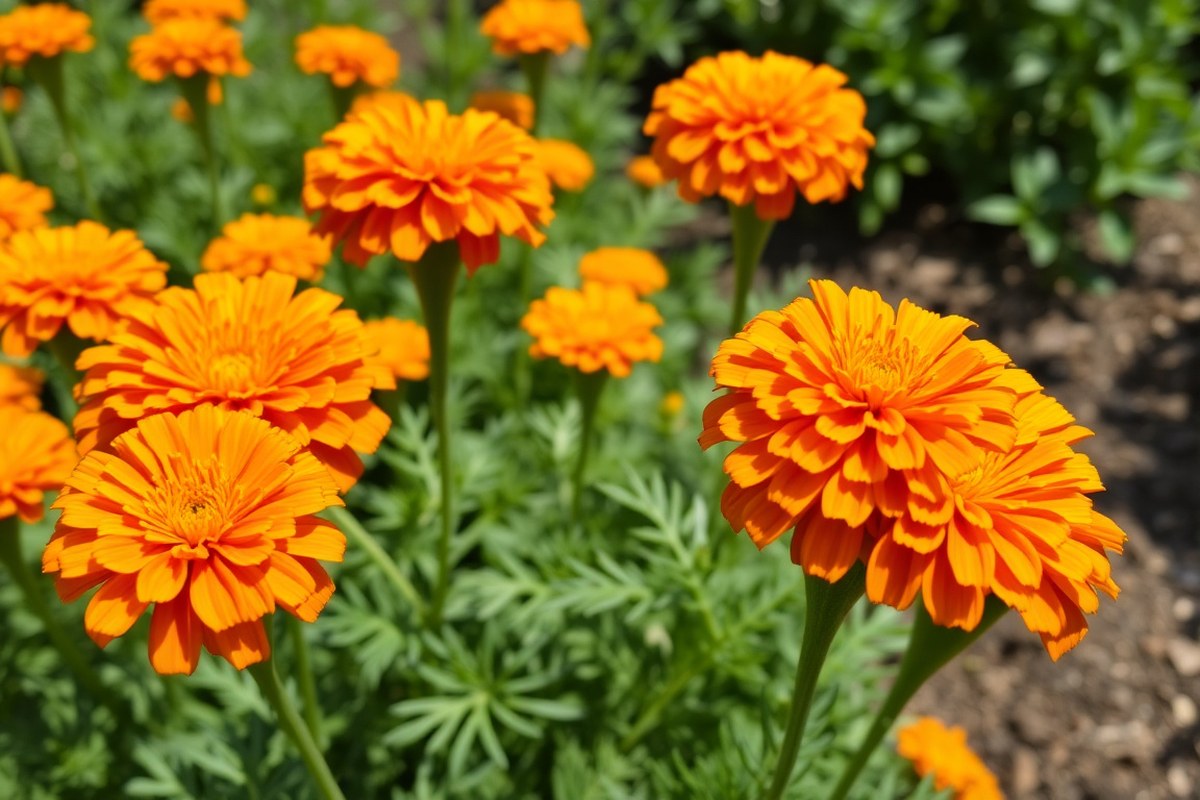
Mexican marigolds, for example, act as perennials in zones 8 through 11. In colder zones, even these species won’t survive the winter outdoors. Starting with healthy seedlings gives your marigolds a better shot at thriving through the growing season.
Marigolds need full sun and well-draining soil to do well. After blooming finishes in fall, cut them back to encourage strong regrowth next season. Keep an eye on your local hardiness zone to know what to expect from your marigolds.
Key Takeaways
- Most marigolds grow as annuals and won’t survive freezing winters.
- Mexican marigolds can behave as perennials in warm zones 8 to 11.
- Cut back marigolds to 2-3 inches above soil after blooming ends.
- Provide at least 6 hours of direct sunlight daily for best results.
- Start seeds indoors to extend the growing season in cooler areas.
- Check your USDA zone to know if your marigolds can overwinter.
Are Marigolds Perennials or Annuals in Different Climates?
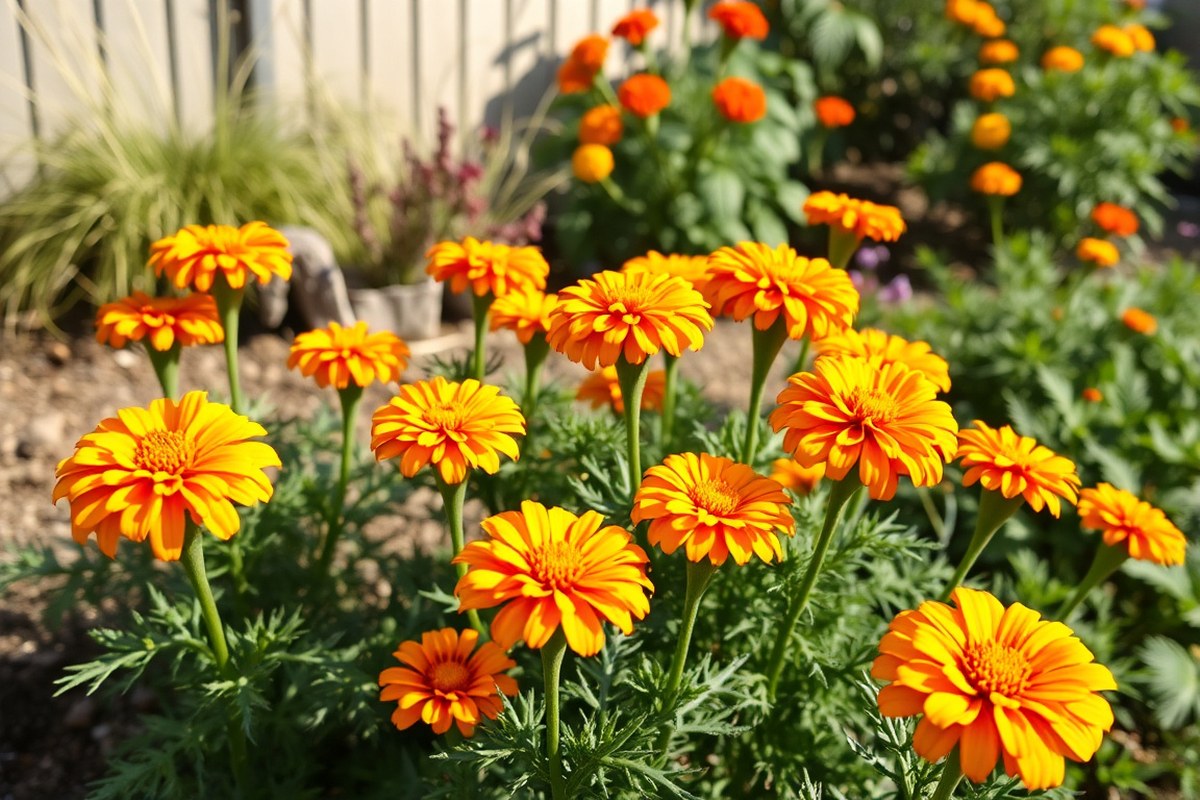
Marigolds generally live for just one growing season and are treated as annuals. This happens because their root systems die with the first frost. So they don’t survive cold winters.
Most common types are French, African, and Signet marigolds. They belong to this group. They grow in all USDA hardiness zones.
Climate makes a big difference for some marigold species. Mexican marigolds, for instance, can behave like perennials in warmer climates with mild winters. In USDA zones 8 to 11, marigolds grow back yearly.
They come up from their roots. They grow 4 to 6 feet tall.
In colder zones, below zone 8, Mexican marigolds don’t stand a chance through winter. Frost kills their above-ground parts, and their roots cannot survive. Treat them like annuals to keep them alive next season.
Or bring them indoors for winter. Otherwise, they won’t survive outside.
Other than Mexican marigolds, few marigold species act as perennials. Marigolds in zones 2 through 7 need yearly replanting. They can’t survive harsh, freezing winters.
So you must replant every year. This means gardeners in colder regions rely on seed-starting each spring.
The difference lies in the plant’s ability to survive frost. Perennial marigolds have roots that can endure mild winters underground and regrow.
Annuals lack this hardiness. So they finish their life cycle before winter and need reseeding.
In zone 9 or warmer, Mexican marigolds return yearly. They do this without extra care. You just let them grow back.
They bloom from summer until frost and can provide a consistent color splash each year. But in colder places, you’ll see these plants killed off by winter cold.
Which Marigold Species Are True Perennials?
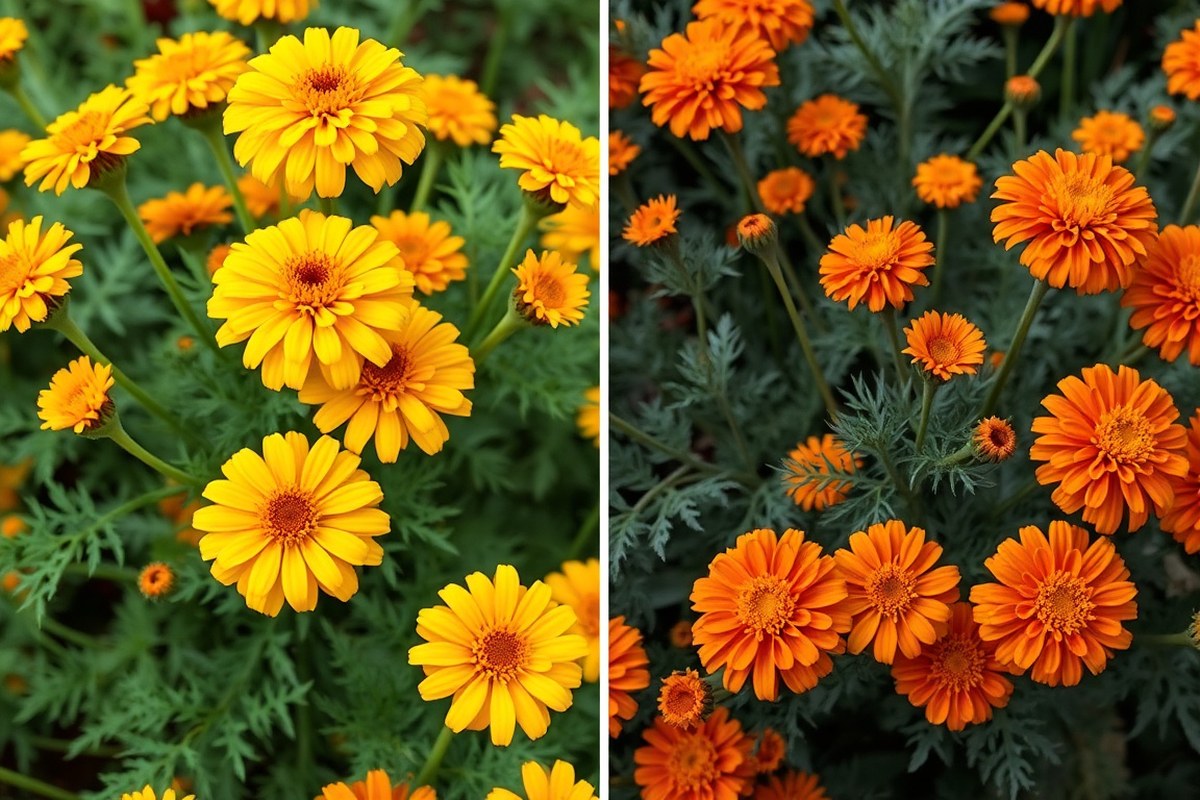
Only a few marigold species behave as true perennials. Tagetes lemmonii, known as Mexican marigold, grows as a woody herbaceous shrub. It thrives in frost-free areas and can survive multiple years.
Mountain marigold (Tagetes palmeri) grows about 3 feet tall. It acts as a perennial. It produces yellow flowers.
Most marigolds grown in home gardens are annuals. African marigolds (Tagetes erecta) and French marigolds (Tagetes patula) commonly grow as annuals. They vary in height but usually die after one season in colder zones.
Dwarf French marigolds are annual and typically under 1 foot. African marigolds can reach 3 feet or more.
| Marigold Species | Type | Height Range | Distinct Traits |
|---|---|---|---|
| Tagetes lemmonii (Mexican Marigold) | Perennial | 4-6 feet | Woody shrub, fragrant lemon scent |
| Tagetes palmeri (Mountain Marigold) | Perennial | About 3 feet | Single-row yellow petals, spreading habit |
| Tagetes erecta (African Marigold) | Annual in most zones | 1 to 3 feet | Largest marigold, tall, bold flowers |
| Tagetes patula (French Marigold) | Annual | 6 to 18 inches | Smaller size, popular bedding plant |
| Dwarf French Marigold | Annual | Under 1 foot | Compact, garden border favorite |
The tallest perennial marigold varieties can reach 6 feet, offering a good backdrop. Dwarf and giant marigolds you see in flowerbeds are usually annuals.
Larger kinds like African marigolds often grow 3 feet tall. They don’t survive frost outside.
Be cautious planting marigolds in colder areas if you expect perennials. Most won’t survive winter outside.
Knowing the species helps you pick the right marigold for your garden goals. Choose perennial types like Tagetes lemmonii if you want plants to come back every year.
African or French marigolds give you lots of flower sizes and shapes. They are good for quick color or annual planting.
How to Identify If Your Marigold Is Perennial or Annual
To tell if your marigold is perennial or annual, watch its growth pattern. Notice how it comes back after winter. This will help you understand its lifecycle.
True perennials regrow from the same roots year after year. Annuals live only one season and need replanting.
This growth difference is key to know. Tracking the plant’s flowering and knowing your local climate helps you identify its life cycle.
Observing Plant Growth and Root System
Look closely at your marigold’s root system after winter or frost. Perennial marigolds will have a sturdy root base that sends up new shoots each spring. Annual marigolds die off completely and won’t regrow from old roots.
You can gently dig around the base to check roots. Thick, woody roots suggest a perennial type. Thin or weak roots that collapse usually mean an annual plant.
Here’s a simple checklist to identify your marigold’s root type:
- Dig near base after frost to observe roots
- Check for thick, lasting root structure
- Look for new growth from old root system
- Note if roots wither away or disappear
- Compare root thickness and firmness
Annual marigolds regrow only from seeds, so bulbs and tuberous roots are not present. You find new green shoots from last year’s roots. This means your marigold is likely a perennial.
Tracking Flowering Cycles Through Seasons
Perennial marigolds often bloom in multiple seasons or come back to flower after winter. Annual marigolds typically flower only once for a few months before they die. Watch when and how long your marigold blooms.
Perennials may lose leaves during winter but regrow and flower again the next growing season. Annuals die back completely after flowering and won’t return without reseeding. Keep an eye on flower color, size, and leaf shape, they usually stay consistent on perennials.
Letting flowers drop seeds before frost can help annual marigolds reappear. But that’s not the same as true perennial growth.
Your marigold dies to the ground but grows back again. This shows it is more likely a perennial.
Assessing Local Climate and Frost Impact
Your local climate affects whether marigolds behave as perennials or annuals. In zones with mild winters (above 40°F), some marigold types can survive year-round. In colder zones, frost usually kills non-hardy marigolds, making them behave as annuals.
Check your USDA hardiness zone or local frost dates. Perennials survive mild freezes and regrow in zones 8 and warmer. In colder zones, even perennial marigolds may not survive freezing temperatures without protection.
The best way to know is to observe your marigolds after the first hard frost:
- Note if the plant dies back completely
- Record if new growth appears next spring
- Watch how long foliage lasts in fall
- Track local average winter lows
- Compare results for marigolds in pots versus garden soil
Marigolds often reseed easily, creating new plants even if the originals don’t survive. Use this information alongside root and flowering checks for clearer answers.
How Climate and Growing Conditions Affect Marigold Lifespan
Marigolds need full sun to thrive, about 6 to 8 hours daily. They grow best in warm temperatures above 60°F. Shade or cold snaps often shorten their life, especially for species treated as annuals.
Soil quality affects how long marigolds live. They prefer moderately fertile, well-draining soil. Soil that stays soggy can lead to root rot, which kills plants quickly.
French marigolds handle moist soil better than African marigolds. So choose species based on your soil conditions.
Watering practices can help marigolds last longer. Let the soil dry out between waterings to avoid overwatering.
Water at the base of the plant to keep leaves dry and prevent fungal diseases. Marigolds in containers dry out faster and need more frequent watering than those in garden beds.
You can overwinter marigolds indoors by moving container plants before frost hits. Keep them in a sunny window with 6 hours of light daily. Use grow lights to add more light if needed.
This helps them grow healthy and strong. Cut the plants back to 2-3 inches to encourage fresh growth in spring.
Outdoor marigolds are less likely to survive cold winters unless you live in mild climates. Protect outdoor perennials with mulch or bring potted plants indoors to extend their lifespan. Well-cared-for perennials may come back each year if temperatures don’t drop below freezing for long.
Care Tips for Growing Perennial Versus Annual Marigolds
Marigolds need similar care whether they are annual or perennial. The key difference is how you treat them for long-term growth. Pruning, deadheading, and fertilizing help perennials come back year after year.
Pruning and Deadheading Techniques
Deadheading keeps marigolds blooming for longer by removing spent flowers. For both types, pinch off old blooms regularly to encourage new buds. Perennial marigolds also benefit from light pruning in early spring.
Pruning shapes the plant and removes woody stems that slow new growth. Use clean scissors to cut back about one-third of the plant, focusing on leggy branches. This step helps the perennial marigold stay healthy for multiple seasons.
- Remove faded flowers weekly to boost flowering
- Cut back leggy or dead stems early each spring
- Pinch tips of young plants to promote bushiness
- For perennials, prune after the last frost date
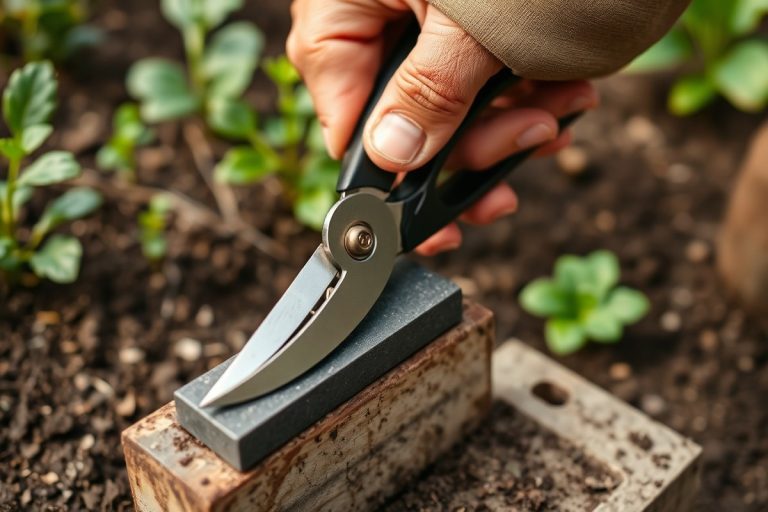
- Use sharp tools to avoid damaging stems
Keep deadheading even in fall for perennials to prepare buds for next year.
Fertilization and Watering Guidelines
Both annual and perennial marigolds prefer well-drained soil and moderate watering. Water when the top inch of soil feels dry. Too much water can cause root rot, especially in perennials.
A balanced fertilizer supports healthy blooms. Use a slow-release fertilizer during the growing season. Apply a liquid one every 4 to 6 weeks.
This keeps your plants fed regularly. Perennials may need slightly less frequent feeding in their second year once established.
In warm climates where marigolds survive multiple years, adjust watering to less during winter dormancy. In cooler zones, watering drops off greatly after flowering ends.
Seasonal Adjustment Tips for Different Zones
In cold zones, it’s best to treat common marigolds as annuals. They won’t survive freezing temperatures. Remove plants once frost hits and replant next year.
For gardeners in warmer zones, you can expect perennial marigolds to return each spring. Cut plants back in early spring to encourage fresh growth. Protect tender perennials by mulching in cooler months.
Deciding how to treat marigolds depends mostly on your local hardiness zone. Check with local extension offices for advice on your area. Most garden centers sell marigolds as annuals unless they specify a perennial variety.
Propagation Methods for Perennial Marigolds to Ensure Return
Perennial marigolds can be grown successfully by starting seeds indoors or rooting cuttings. You can also use container gardening to keep them alive in winter. These methods help your marigolds return year after year.
Starting Seeds Indoors and Transplanting
Start your marigold seeds indoors 4 to 6 weeks before the last expected frost date. Use seed trays or small pots filled with a light, well-draining seed-starting mix.
Keep the soil moist but not wet. Place the containers in a warm spot around 70°F to 75°F.
Once seedlings reach 2 to 3 inches tall, they have a few true leaves. Start exposing them slowly to the outdoors. Do this over several days for best results.
This process, called hardening off, takes about a week. After that, transplant the seedlings into your garden or larger pots.
- Sow seeds ¼ inch deep in moist soil
- Maintain temperature between 70°F and 75°F
- Provide 12-16 hours of light daily
- Keep soil moist but not soggy
- Harden off seedlings before transplanting
- Transplant when seedlings are 2-3 inches tall
- Space plants 8 to 12 inches apart outdoors
Starting seeds indoors helps you get an earlier bloom and stronger plants. You can sow seeds outside, but expect slower blooms.
This method may not work well in cooler places. Keep that in mind if you live somewhere cold.
Taking and Rooting Cuttings
To grow perennial marigolds fast, cut healthy stems. Choose non-flowering stems about 4 to 6 inches long. These grow roots easiest.
Cut just below a leaf node using clean scissors. Remove the lower leaves to expose some stem.
Dip the stem’s cut end into rooting hormone. Plant it in moist, well-draining soil or peat and perlite mix. This helps roots develop better.
Place the cutting in a warm spot with indirect light. Cover with a plastic bag to keep humidity high. Roots usually form in 2 to 3 weeks.
- Choose healthy, non-flowering stems
- Cut 4, 6 inches just below a leaf node
- Remove lower leaves for clean stem
- Use rooting hormone to boost success
- Plant in moist, well-draining soil mix
- Keep in warm area with indirect light
- Cover cuttings to maintain humidity
- Roots form in 2 to 3 weeks
Container Gardening for Overwintering
Container gardening lets you keep perennial marigolds alive through cold months. Use pots with drainage holes and quality potting mix. Water the plants lightly and put containers in sunlight.
You can keep them indoors or in a greenhouse. Both spots help plants grow strong.
During winter, marigolds need cooler temperatures around 50°F to 60°F and less water. Avoid too much moisture or poor light, which can cause rot and weak growth. This method helps marigolds survive where outdoors they wouldn’t.
- Choose pots with drainage holes
- Use fresh, well-draining potting soil
- Keep soil moderately moist
- Place in a sunny window or greenhouse
- Maintain temperatures between 50°F and 60°F
- Water less in winter, avoid soggy soil
- Check regularly for pests or rot
Common Myths and Mistakes About Marigold Perennials
Many gardeners think marigolds are perennials because their plants seem to come back. The truth is most common marigolds, like French and African types, are annuals. They grow, bloom, and die within one season and don’t return from their roots.
What you’re really seeing is marigolds growing from self-seeding. These seeds drop, sprout, and fill the same spots yearly. That can trick you into believing the original plants survived winter when it’s new plants instead.
Common mistakes that lead to confusion about marigold perennials include:
- Expecting roots to survive cold winters in frost-prone areas
- Not realizing new seedlings look like old plants returning
- Failing to save seeds or let marigold seeds drop for self-seeding
- Assuming marigolds behave like shrubs or true perennials
- Planting types that cannot reseed well in your climate
- Ignoring that marigold lifespans vary with species and zones
- Trying to overwinter tropical marigolds outdoors where it’s too cold
Frost kills marigolds’ roots in most places, so they won’t regrow after winter. In mild climates, some species act like perennials because they survive outdoors year-round. Still, it’s safer to plan for reseeding or replanting annual marigolds.
To enjoy marigolds every season, let flowers turn to seed naturally. Collect seeds before birds or rain wash them away. Store seeds in a cool, dry spot.
Plant them early in spring. This gives your plants the best start.
Benefits of Growing Perennial Marigolds in the Garden
Perennial marigolds offer lasting color in your garden without replanting every year. They bloom over multiple seasons, brightening beds and containers from spring through fall. You save time and money by not buying new seeds yearly.
Your garden tasks get easier with fewer planting chores. This lets you spend more time on other projects.
Having perennial marigolds nearby helps with companion planting. Their strong scent repels pests like nematodes and beetles that harm vegetables. Plant marigolds near tomatoes or peppers to cut pests.
This lowers the need for pest sprays in your garden. You get natural pest control alongside your veggies. This supports healthier, more productive crops.
Growing perennials lowers yearly garden work. You don’t need to pull out old plants or prep seedbeds every season.
Just trim spent blooms to keep marigolds looking fresh and encourage more flowers. A well-planned bed with perennials also stays tidier and fuller throughout the growing months.
Environmental benefits come in too. Marigolds with deep roots improve soil structure and help retain moisture.
This reduces the frequency of watering, saving resources. Since perennials live longer, they create habitat for beneficial insects like bees and ladybugs, fostering biodiversity.
For best results, plant perennial marigolds in full sun with well-draining soil. Water regularly the first growing season to establish roots.
After that, they handle dry spells better. In cooler zones, mulch around plants to protect roots during winter.
Don’t forget to deadhead old blooms regularly. It encourages new flowers and keeps plants healthy over multiple seasons.
Using perennial marigolds may not suit every gardener. They need a spot where they can grow undisturbed for years. Annual marigolds work better if you like changing garden layouts yearly.
They fit right in with a shifting garden plan. You get fresh planting options every season. Still, perennials create a stable, colorful base that supports long-term garden health and reduces hassle.
Step-by-Step Action Plan for Growing Marigolds as Perennials or Annuals
Use this plan to grow marigolds correctly. Some last one season. Others come back year after year.
- Before planting: Choose the right marigold type for your zone. Check if it’s a perennial species for your climate.
- Week 1: Plant seeds or seedlings in full sun. Good sunlight helps marigolds grow strong and bloom well.
- Week 2 to 4: Water regularly but avoid soggy soil. Soil that drains well helps roots stay healthy.
- Month 2: Deadhead spent blooms weekly. This encourages more flowers, especially for annual types.
- Month 4: For perennials, apply balanced fertilizer once a month for steady growth.
- End of season: In colder zones, dig up perennial marigolds before frost. Move them inside or cover with mulch outside.
- Next spring: Start seeds indoors early for annual marigolds. Trim perennials hard to help new growth.
- Ongoing: Watch for pests like spider mites and treat promptly. Healthy marigolds last longer and bloom better.
Frequently Asked Questions
Are Marigolds True Perennials or Just Reseeding Annuals?
Only a few marigold species are true perennials. Most reseed yearly and appear perennial but are actually annuals. This often causes confusion among gardeners.
Can Marigolds Survive Winters in Colder Zones as Perennials?
Most marigolds don’t survive winters as perennials in cold zones like USDA 7 and below. In such areas, they grow as annuals and must be replanted each year.
Do All Mexican Marigolds Behave as Perennials in Warm Climates?
Mexican marigolds often behave as perennials only in zones 8-11. In colder climates, they act as annuals and won’t survive freezing temperatures.
Are French and Desert Marigolds Reliable Perennial Choices?
Yes, French and desert marigolds are considered perennials in mild climates. They can return each year without reseeding if temperatures remain moderate.
Can I Force Annual Marigolds to Act Like Perennials Indoors?
Growing annual marigolds indoors won’t make them perennial. They need outdoor conditions and winters frost-free zones to thrive year round as perennials.
How Do I Recognize Perennial Marigolds Versus Annual Ones at the Nursery?
Perennials often have thicker stems and woodier bases. Ask nursery staff if a marigold is a true perennial.
Read plant tags for more details. This helps you know what type you have.
The Bottom Line
Marigolds are usually annuals, but some species can be perennials in warm climates. Knowing your marigold type helps you care for it the right way. Check your local zone and start growing your marigolds today for the best results.