When to Fertilise Fruit Trees: Precise Timing and Techniques for Healthy Growth
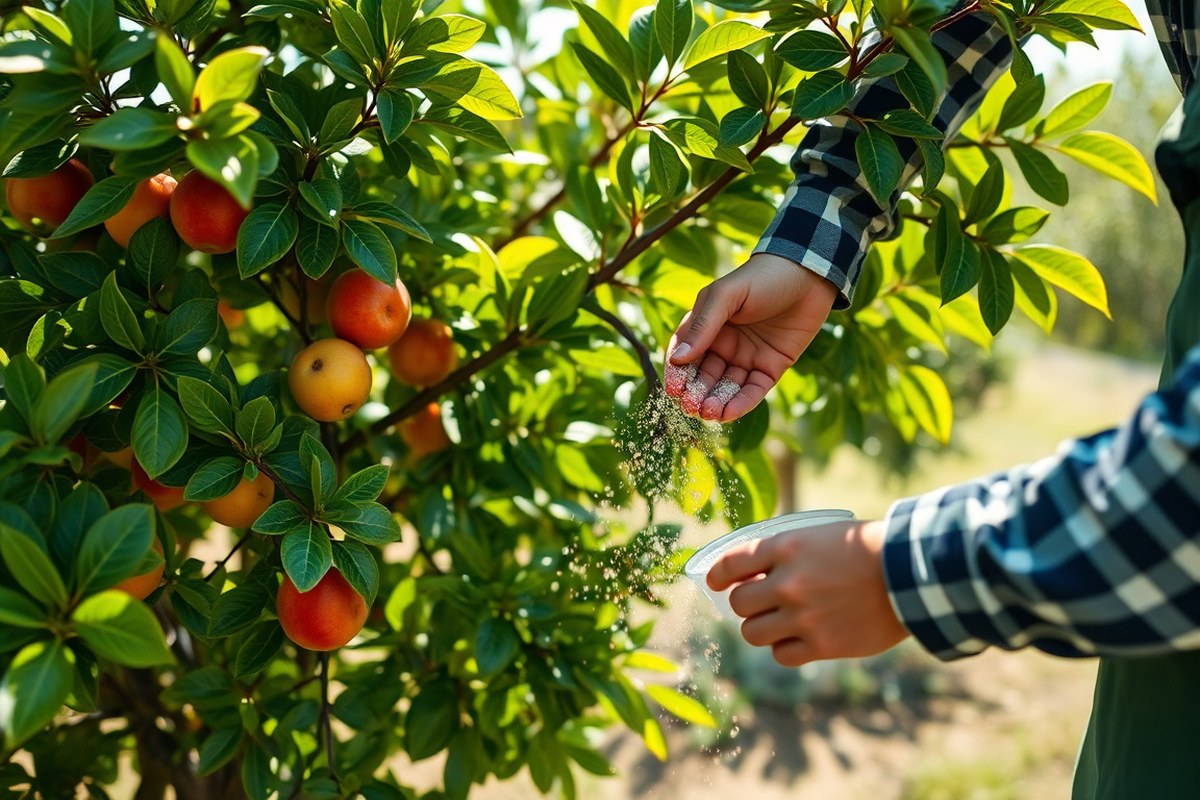
Knowing when to fertilise fruit trees is key to healthy growth. The best time is early spring before leaves start to appear. This timing gives trees nutrients right when new shoots and fruit buds begin forming.
Young fruit trees benefit from feeding every 4 to 6 weeks during spring and summer. This supports steady growth and helps build strong roots. Mature trees only need fertilizer once or twice a year, either in spring or after harvesting fruit.
Check your soil’s pH first. Keep it between 6 and 6.5 to help your tree absorb nutrients well. Balanced pH prevents nutrient lockout so fertilizer works properly.
Choose fertilizers based on your tree’s needs and soil test results. Too much fertilizer can burn roots or cause too much leafy growth. Using the right amount at the right time helps you grow healthier trees and better fruit.
Key Takeaways
- Fertilize fruit trees in early spring for the best growth results.
- Apply fertilizer every 4 to 6 weeks to young fruit trees during growing months.
- Mature fruit trees need fertilizer once or twice annually, mostly in spring.
- Check soil pH and keep it between 6 and 6.5 before fertilizing.
- Use balanced fertilizers like 10-10-10 for general fruit tree nutrition.
- Limit fertilizer amounts to avoid excess growth and nutrient burn.
Best Time to Fertilize Fruit Trees for Optimal Growth
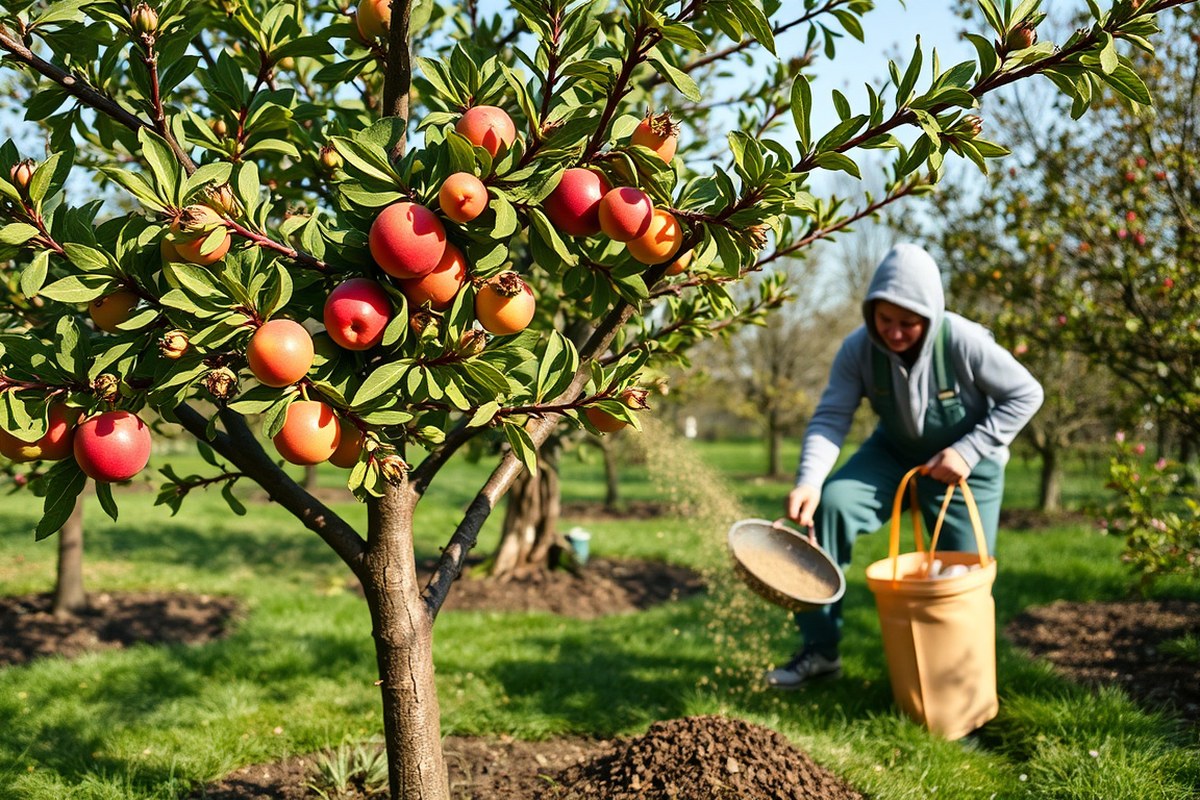
The best time to feed fruit trees is late winter to early spring. Nutrients support new growth and help buds and fruit develop. Feed trees before flowers open for best results.
Spring fertilizing promotes strong leaves, flowers, and fruit set. Applying fertilizer too late, especially in late summer or fall, risks pushing tender new growth.
This growth can freeze and die in winter, damaging your tree. Fall fertilization also often goes unused because trees slow down and stop absorbing nutrients.
Stop fertilizing by mid-summer to avoid late-season growth that won’t harden off before cold weather. Trees need time to prepare for winter dormancy.
In warmer climates, some trees may benefit from a light summer feeding. But it should be mild and early enough to avoid frost damage.
Environmental factors like climate and soil moisture change the best timing. Trees in containers often need a second feeding in late spring since soil dries faster there. Cooler climates require more caution; avoid late fertilizing to prevent frost damage.
Dry or sandy soils lose nutrients quickly. Watch tree health closely. Feed trees on time to replace lost nutrients.
Fertilizing fruit trees in fall or winter usually isn’t recommended. Trees use less energy and nutrient uptake slows sharply in cold months.
Only fertilize during dormancy if soil tests show severe deficiencies and choose slow-release formulations. Otherwise, stick to early spring feeding to power your trees through their active growth cycle.
How Often to Fertilize Fruit Trees Based on Age and Growth
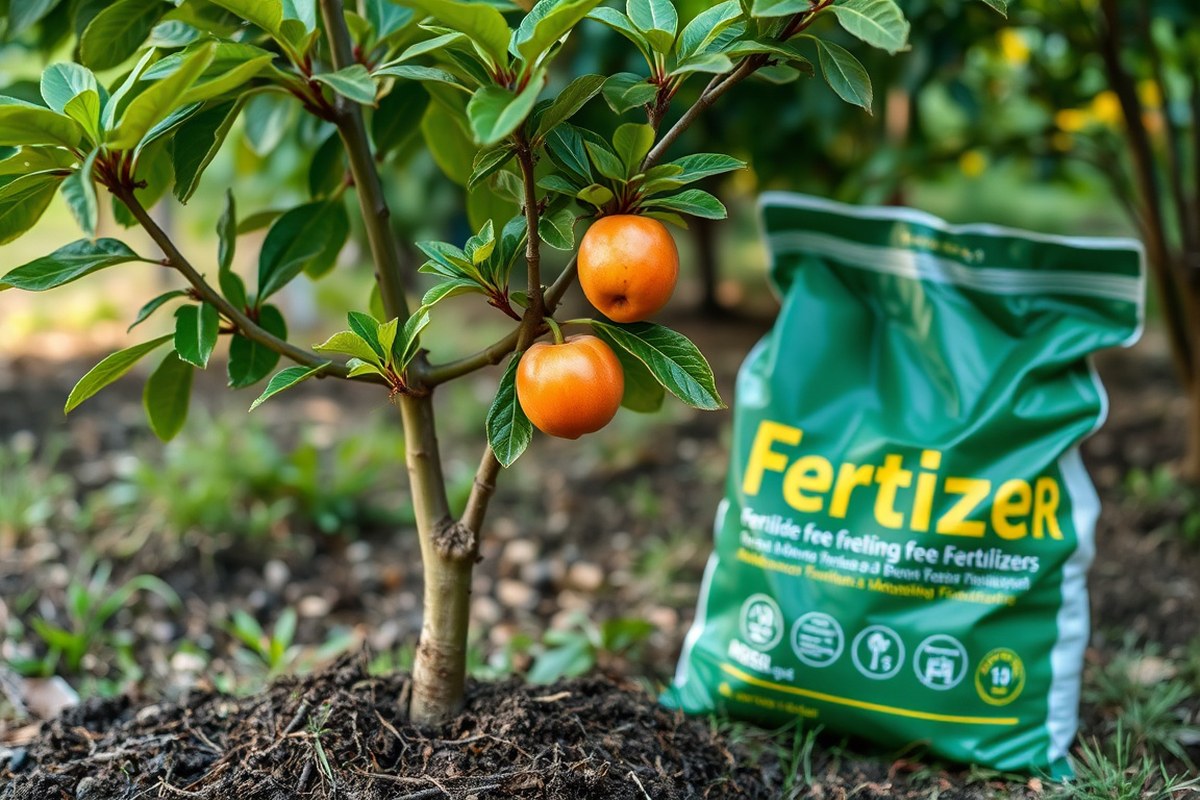
Newly planted fruit trees need very light fertilization. Focus mainly on watering and letting roots settle during the first year. Only apply a low-nitrogen root starter fertilizer if growth seems slow after planting.
Give about 0.05 to 0.10 pounds of actual nitrogen total in that first year. That’s typically a single, light surface topdress in spring.
Young trees usually require more frequent feeding to support fast growth. Fertilize every 4 to 6 weeks through the growing season. You want a balanced fertilizer to build strong branches and leaves.
The nitrogen amount should rise with the tree’s age. Aim for about 0.10 pound per year of age.
For a 3-year-old tree, that means 0.30 pounds annually, split across several applications. Spread fertilizer evenly from a foot beyond the trunk to the drip line.
Mature fruit trees need less frequent fertilization but still benefit from it. Feed once or twice a year, ideally in early spring and sometimes again in late summer. Focus fertilizer on boosting fruit quality and tree health rather than growth.
These trees often need balanced or potassium-rich fertilizer, not high nitrogen. Limit to about 1 pound of nitrogen annually for any tree older than 10 years. Base feeding on how much the tree grows and the soil’s nutrient level.
Checking growth helps you adjust fertilizer timing and amount. Measure trunk diameter as a quick guide to age and size. Look for healthy leaf color and plenty of new shoots.
Slow growth, pale leaves, or poor fruit sets often signal a need for more nutrients. Too much fertilizer causes excessive leaf growth with little fruit. Keep soil pH around 6 to 6.5 for best nutrient uptake.
- New trees: one light feeding in early spring, 0.05, 0.10 lb nitrogen total
- Young trees: fertilize every 4 to 6 weeks during growing season
- Use balanced fertilizer for young trees, more potassium for mature
- Mature trees: fertilize once or twice a year, max 1 pound nitrogen annually
- Spread fertilizer evenly out to the drip line from trunk
- Monitor trunk size and growth rate to fine-tune fertilizing
- Avoid fertilizing in fall to prevent late growth
Don’t overfeed young fruit trees; too much nitrogen reduces fruit production.
Calculating the Right Fertilizer Amount for Fruit Trees
To decide how much fertilizer your tree needs, check its age or trunk width. Use around 0.10 pounds of nitrogen for every year old or inch wide. Stop at 1 pound per tree once they are mature to prevent harm.
Measuring Tree Age and Trunk Diameter
Figure out how old your tree is from planting records or estimate by size. Measure the trunk’s diameter at 4 feet above ground if you don’t know the age.5 feet above the ground. Use a tape measure for the trunk’s circumference and divide by 3.14 to get diameter in inches.
This diameter helps set your fertilizer needs when you don’t know exact age. Younger or smaller trees need less fertilizer compared to older, bigger ones. Tracking these numbers each year improves how you feed your fruit tree over time.
Calculating Nitrogen Needs Using Recommended Ratios
Multiply the tree age or trunk diameter by 0.10 pounds of nitrogen. For example, a 7-year-old tree needs 0.7 pounds of actual nitrogen. Use a balanced 10-10-10 fertilizer, which has 10% nitrogen, phosphorus, and potassium each.
To get 0.7 pounds of nitrogen, divide by the 10% nitrogen content. You will apply 7 pounds of 10-10-10 fertilizer around the tree’s drip line. This approach works for most fruit trees if you spread fertilizer evenly under the canopy.
Adjusting Amounts to Avoid Overfertilizing
Keep nitrogen under 1 pound per tree yearly. Too much causes leaf burn. It also hurts the fruit’s quality.
Overfertilizing can cause excessive leafy growth but fewer fruits. Avoid fertilizing during drought or heat to prevent stressing your trees further.
Young trees usually need less fertilizer than mature trees, so reduce amounts accordingly. Container-grown trees often require more frequent but lighter feeding.
Watch for yellow leaves or slow growth as signs your tree might need fertilizer. But also be careful not to add too much.
Which Fertilizer Types and Nutrient Ratios Suit Fruit Trees Best
Fruit trees need fertilizers with the right balance of nutrients to grow healthy and produce well. The main focus is on nitrogen (N), phosphorus (P), and potassium (K). But you can’t ignore key micronutrients that support fruit quality.
Different fruit trees need NPK ratios that vary a little. They may respond better to organic or synthetic fertilizers. Choose what works best for your tree type.
Balanced NPK Ratios for Most Fruit Trees
Most fruit trees thrive with a balanced fertilizer like 10-10-10, especially familiar varieties like apples. Nitrogen helps leaves grow thick and green. Phosphorus helps roots and flowers grow strong.
Potassium makes fruit bigger and tastier. Citrus trees usually want more potassium than nitrogen to support their juicy fruit.
Here’s a simple guide for common fruit trees and their preferred NPK ratios:
| Fruit Tree Type | NPK Ratio | Comments |
|---|---|---|
| Apples | 10-10-10 | Balanced for growth, root, and fruit development |
| Citrus (oranges, lemons) | 6-6-12 | Higher potassium to support fruit quality |
| Stone fruits (peaches, plums) | 8-8-8 or 10-10-10 | Balanced, with a focus on nitrogen for shoot growth |
Fertilizer with the right NPK ratio helps shoots grow 12 to 24 inches. This shoot length supports good fruit production. Proper fertilizing boosts your harvest.
Organic Versus Synthetic Fertilizer Pros and Cons
Organic fertilizers release nutrients slowly and improve soil health over time. They boost soil microbes and structure but might take longer to show results. For example, compost is great when applied early in spring to feed fruit trees gradually.
Synthetic fertilizers deliver nutrients fast and have precise ratios. These fertilizers quickly fix nutrient problems in your fruit tree. They work well if your tree looks weak or fruits poorly.
Use them to help recover tree health fast. However, repeated use won’t improve soil health, and you risk overfeeding if not careful.
Regular soil tests are key to choosing which fertilizer to use. You don’t always need synthetic fertilizers if your trees look healthy and are producing well. Organic fertilizers like Down To Earth Fruit Tree Mix (6-2-4) cost $15 to $25 per 5-pound bag.
One bag can feed several trees. These last long and support growth well.
Micronutrients Important for Fruit Quality and How to Add Them
Fruit trees also need iron, magnesium, and other trace nutrients. These nutrients keep leaves green and fruit flavorful. Don’t forget these besides NPK for best results.
Iron is especially important if leaves turn yellow but veins stay green, which signals chlorosis. You can supply these micronutrients with foliar sprays or soil amendments.
Fruit trees generally don’t need many micronutrients if your soil is healthy. Adding compost or organic matter can naturally supply many trace elements. Your soil test directs the right nutrient supplements if deficiency shows.
This targeted feeding helps fix the problem effectively. Follow test results to avoid overfeeding. Avoid overapplication because excess micronutrients can harm the tree or soil life.
Symptoms That Show Your Fruit Tree Needs Fertilizer or Too Much
Leaves turning yellow or stunted growth often mean your fruit tree needs fertilizer. Poor flowering, small or misshapen fruit, and early fruit drop also signal nutrient problems. A soil test can confirm which nutrients are missing before you add fertilizer.
Too much fertilizer causes leaf burn, overly lush growth, and fewer fruits. It weakens the tree by forcing it to use too much energy on leaf production. Overfertilizing also risks polluting nearby water and damaging soil health.
Start fixing nutrient issues by matching fertilizer type to your tree’s need. Follow the package directions closely. Adjust the amount or frequency based on how your tree responds.
- Yellow leaves especially on older growth indicate nitrogen deficiency
- Stunted shoots and small fruits show lack of phosphorus or potassium
- Dark green, curling leaves and burnt edges often mean fertilizer burn
- Use a balanced fertilizer like 10-10-10 unless soil test says otherwise
- Apply fertilizer in early spring during active growth for best uptake
- Water the tree after fertilizing to help nutrients soak in
- Repeat soil tests every 2-3 years to track nutrient levels accurately
Clear signs like poor flowering mean you should act soon. Use slow-release fertilizers to avoid overfeeding.
Watch new growth for healthy shoot length and leaf color as markers of success. Adjust your feed amount if leaves yellow or burn again.
Check twice before adding more fertilizer. Too much hurts fruit trees more than too little.
Effective Methods to Apply Fertilizer Around Fruit Trees
To fertilize fruit trees properly, spread fertilizer evenly under the canopy’s drip line. This helps roots access nutrients where they grow best. Water and mulch around the tree after feeding to protect roots and lock in moisture.
Applying Granulated Fertilizer Under the Canopy Drip Line
Granular fertilizer should be applied evenly around the tree’s drip line. The drip line is the edge of branch tips.
Water falls off leaves there naturally. This is where water reaches the soil below.
First, clear away any grass or weeds that compete with your tree for nutrients. Start fertilizing 1 to 2 feet from the trunk.
Spread the fertilizer outward toward the drip line. Sprinkle evenly around the tree’s base.
Nutrients like phosphorus and potassium move slowly. So placing fertilizer in small holes 6 inches deep helps roots absorb them better.
- Remove weeds and grass within the tree’s root zone.
- Scatter fertilizer evenly, starting 1 to 2 feet from the trunk.
- Extend the spread to the drip line at the outer branch tips.
- For slow-moving nutrients, dig holes 6 inches deep around the drip line.
- Place fertilizer granules inside these holes and cover with soil.
- Use a hand spreader for even coverage if available.
- Wear gloves to avoid skin contact with fertilizer.
Watering and Mulching Best Practices Post-Fertilizing
Water the soil thoroughly after applying fertilizer to help nutrients soak in. Use a garden hose or watering can to wet the entire root area gently.
Adding a 3-inch layer of mulch helps keep moisture and nutrients near the roots. Keep mulch at least 6 inches away from the tree trunk to prevent rot problems.
Mulching also reduces weed growth that competes with your tree for fertilizer and water. Refresh mulch each season to maintain effectiveness.
Special Care for Container and Potted Fruit Trees
Potted fruit trees need more frequent fertilizing since nutrients wash out with watering. Use a fertilizer labeled for container or citrus fruit trees for best results.
Apply diluted liquid fertilizer every 4 to 6 weeks during active growth. Use a watering can or sprayer to spread fertilizer evenly over the soil surface.
Avoid letting fertilizer touch the trunk or leaves directly to prevent damage. Repotting every 2 to 3 years helps refresh soil and nutrients.
Adjusting Fertilization Based on Tree Type and Soil Conditions
Different fruit trees need different fertilizing approaches because they vary in nutrient needs. Apple and pear trees benefit from balanced fertilizers with moderate nitrogen. Peach and plum trees prefer slightly higher nitrogen levels to support vigorous growth.
Citrus trees need more frequent, lighter feedings than many other trees. Add micronutrients like magnesium and iron for better evergreen leaf health. These nutrients help the tree stay green year-round.
Soil pH strongly affects nutrient uptake for fruit trees. Most fruit trees grow best in slightly acidic to neutral soil, around pH 6.0 to 7.0. Your soil’s pH level can affect nutrient availability.
Too alkaline or acidic soil lowers the nutrients your tree can absorb. Test your soil every few years to check pH levels. You may need lime if it’s too acidic.
Use sulfur if the soil is too alkaline. For example, acidic soil suits blueberries and figs. But apples and peaches do better in neutral range.
Poor growth or pale leaves shows your tree may lack nutrients. It needs nutrient adjustments to stay healthy. First, test the soil to confirm nutrient levels and pH.
Add more nitrogen if leaves grow weak or pale. Increase phosphorus and potassium to improve poor fruit production. Adjust fertilizer based on what your tree needs.
For slow growth in summer, apply a supplemental light feeding around mid-June. This helps trees push new leaves and supports fruit development without encouraging excess leafy growth.
Fruit trees remove nutrients yearly through fruit and leaf growth. So tailoring fertilization prevents deficiencies. Feed young trees according to their age and growth speed.
Increase fertilizer amounts as they grow older and start fruiting. This helps support their changing needs. Mature trees need fertilizer based on how much new growth and fruit they make.
Adjust the amount when trees show slower growth or weak fruit. Using soil test results to guide fertilizer type and timing improves nutrient use and tree health.
Special Fertilizing Tips for Newly Planted and Heavily Pruned Fruit Trees
Newly planted fruit trees need gentle care to avoid root stress. Avoid heavy fertilizing right after planting.
Instead, use a low-nitrogen, balanced fertilizer at half strength. Apply it around the drip line, not near the stem, to protect fragile roots.
Wait about four to six weeks after planting before fertilizing again. Mulching with organic material like wood chips helps keep roots moist and cool. Mulch also slowly adds nutrients and prevents weeds from stealing fertilizer.
After heavy pruning, reduce or pause fertilizing to help the tree recover. Pruning cuts back leaves, so the tree uses less nitrogen.
Excess fertilizer now can stress the roots and cause weak regrowth. Use a smaller dose or skip fertilizing until new shoots appear, usually within a month.
Check soil moisture before adding fertilizer. Dry or flooded soil makes roots weak and unable to absorb nutrients.
Water deeply but avoid overwatering, especially after pruning or planting. Proper soil conditions let fertilizer work better, promoting steady root growth.
Give your tree time to settle before heavy feeding. Too much fertilizer on stressed roots harms overall growth.
In cooler climates, apply fertilizer when soil temperatures reach about 50°F. Cold soil slows nutrient uptake. So fertilizing too soon wastes effort.
Use a soil thermometer to check this and plan feeding accordingly. For warmer zones, early spring feeding suits newly planted and freshly pruned trees.
For example, an apple tree planted in spring should get a light feeding six weeks later. After pruning apple tree branches in late winter, wait at least 30 days before adding fertilizer. Adjust timing by tree type and local weather, as these affect root activity and nutrient needs.
Step-by-Step Action Plan for Fertilizing Your Fruit Trees
Follow these simple steps to fertilize your fruit trees at the right times. This will help your trees grow strong and produce lots of fruit.
- Early Spring: Apply a balanced fertilizer before buds break. Your tree should show new green growth within two weeks.
- Late Spring: Give a second light feeding if leaf color looks pale. Leaves will darken and grow fuller after two weeks.
- Early Summer: For young or rapidly growing trees, add nitrogen-rich fertilizer once more. Watch for steady new branch growth as a sign.
- Mid to Late Summer: Stop fertilizing at least 60 days before first expected frost. This pause helps wood harden for winter.
- After Heavy Pruning: Apply fertilizer right after pruning to aid recovery. Look for quicker leaf and shoot regrowth.
- Newly Planted Trees: Wait until the second growing season before fertilizing. This helps avoid shocking their roots. Give young trees time to settle first.
- Year-round: Check soil pH and nutrient levels every year. Adjust fertilizer type and amount based on test results.
Frequently Asked Questions
Can You Fertilize Fruit Trees Right After Planting?
Yes, but only sparingly. Use a light feeding to avoid root burn and help establish growth slowly.
Is Foliar Feeding Effective for Fruit Trees?
It can provide quick nutrient boosts. Spray nutrients on leaves during early growth for fast absorption.
Does Watering Affect Fertilizing Fruit Trees?
Yes, moist soil helps fertilizer absorb better. Water your tree after applying fertilizer to avoid root damage.
Can Over-Fertilizing Cause Fruit Trees to Produce Less Fruit?
Yes, too much nitrogen can lead to excessive leaf growth. This reduces flowering and fruit production.
Should You Fertilize Fruit Trees During Drought?
It’s best to avoid it. Fertilizer can stress drought-affected trees more and damage roots.
Are Organic Fertilizers Better for Fruit Trees?
Organic fertilizers improve soil health gradually. They release nutrients slowly and reduce chemical buildup risks.
The Bottom Line
Fertilize your fruit trees mainly in early spring to boost growth. Stop feeding by late summer to protect your tree’s health. Next, check your soil this fall to plan next year’s feeding well.