Where Do Tulips Grow: A Complete Guide to Growing Locations and Conditions
Tulips grow best in cool climates with cold winters. They naturally grow in places like Kazakhstan and the Netherlands.
These areas have chilly winters and mild springs. Tulips need cold weather to complete their chilling period before blooming.
Tulips grow well in USDA zones 3 through 7. These zones have daytime temperatures from 45 to 60 degrees.
Nighttime temperatures between 35 and 45 degrees help bulbs flower. Plant bulbs in fall to give them time for chilling.
Plant bulbs 4 to 8 inches deep, depending on their size. Choose well-drained soil and sunny spots for the best growth. Avoid soggy or shaded areas to prevent bulb rot and weak flowers.
Key Takeaways
- Grow tulips outdoors in cool climates with cold winters for best results.
- Plant tulip bulbs in USDA zones 3 through 7 for ideal temperature ranges.
- Ensure daytime temperatures stay between 45-60°F for healthy growth.
- Night temperatures between 35-45°F help tulips bloom properly.
- Plant bulbs in fall when soil is 40-50°F to support chilling requirements.
- Place bulbs 4-8 inches deep, deeper for larger bulbs, to protect roots.
Where Do Tulips Grow Naturally and Cultivated?
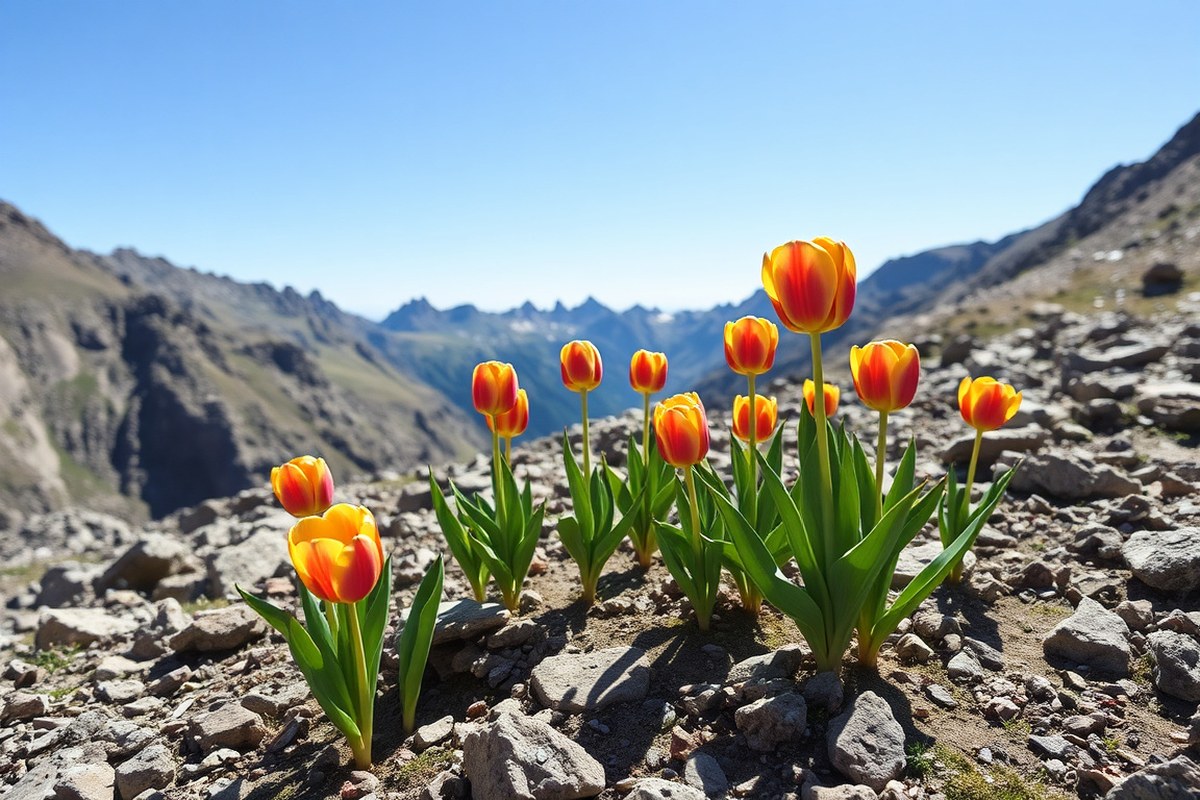
Tulips originally come from dry parts of Central Asia. This area includes a large Eurasian zone called the “wild tulip belt.”
Kazakhstan plays a major role here, hosting species like Kaufmann and Greig tulips. These species influenced about 75 percent of today’s cultivated tulips.
The wild tulip belt goes from Central Asia to parts of the Middle East. It also extends into Eastern Europe. The belt has dry, cool weather.
Tulips have learned to live through these hard conditions here. Native wild tulips grow outside Central Asia too.
You can find them in Turkey and Iran. They also grow around the Caspian Sea’s mountains.
Tulips have been cultivated extensively in the Netherlands since the 16th century. The country is famous for vast tulip fields.
But commercially grown tulips also thrive in countries like Germany, France, and the United Kingdom. These areas do not host wild tulips but provide ideal growing conditions through careful cultivation.
Tulips don’t originally come from the US. Still, many parts of the country grow them well with care. In the US, gardeners plant tulips for decoration.
These plants do best where winters are cold and soil drains well. Tulips won’t grow wild here, but they can naturalize over time in suitable gardens.
A general map shows wild tulips from Kazakhstan to Turkey. Cultivated tulips mostly gather in Western Europe. Cultivation moves beyond this native zone thanks to controlled climates and gardening expertise.
Gardeners in the US, Canada, and parts of Asia grow tulips, too. They enjoy the flowers in spring.
Understanding tulips’ native areas helps choose the right bulbs and growing spots. Tulips like cool weather for daytime temperatures between 45 and 60 degrees. They also prefer cold nights near 35 to 45 degrees.
These conditions match their original homes. Growing them outside these limits often requires special care to mimic natural conditions.
What Climate Zones and Temperatures Support Tulip Growth?
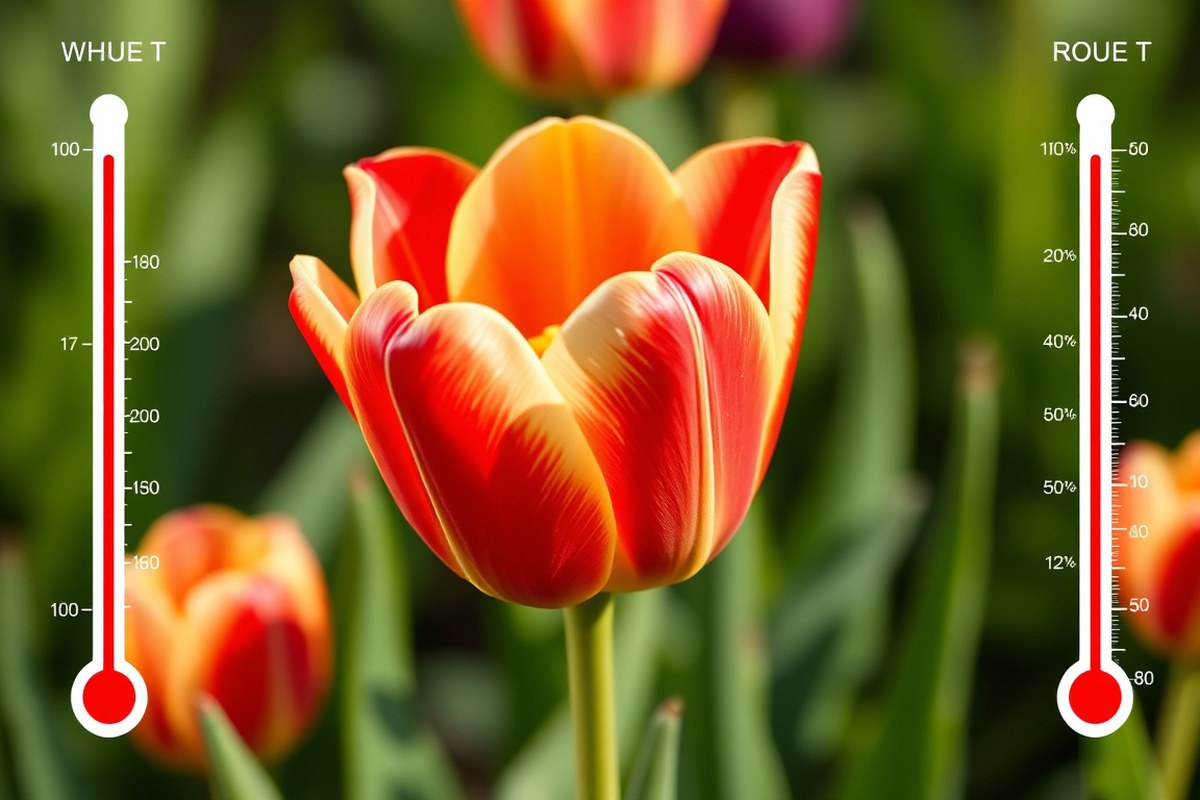
Tulips grow best in USDA zones 3 through 7. These zones offer cold winters needed for the bulbs to chill.
Tulip bulbs need 12 to 16 weeks of chilling to bloom well. The soil temperature should stay between 40 and 50 °F. This helps the bulbs grow strong flowers.
During bloom time, daytime temperatures around 50 to 60 °F help tulips thrive. Bulbs planted indoors need similar cold conditions to break dormancy. Many gardeners in warm areas pre-chill bulbs in refrigerators to mimic winter cold.
Some tulips grow in warmer coastal climates with mild winters. But higher heat zones often shorten bloom time and cause bulbs to weaken. This is why gardeners treat tulips as annuals in hot regions, planting fresh bulbs each year.
| USDA Zone | Winter Temperature | Chilling Weeks Needed | Bloom Temperature | Growth Notes |
|---|---|---|---|---|
| 3-7 | Cold, below freezing | 12-16 weeks at 40-50 °F | 50-60 °F | Ideal natural growing zones |
| 8-10 (mild coast) | Mild, above freezing | Must pre-chill bulbs indoors | 50-60 °F | Needs refrigeration for chilling |
| 11+ | Warm year-round | Pre-chill bulbs 12-16 weeks | May struggle in heat | Usually grown as annuals |
Plant bulbs in fall, about 6 to 8 inches deep. The cool soil encourages root growth before winter dormancy sets in. Water these bulbs well after planting to help roots develop in time for spring.
Without proper chilling, tulips may bloom poorly or not at all. So don’t skip fall planting or bulb refrigeration.
How Do Soil, Sunlight, and Water Affect Tulip Growth?
Tulips grow best in well-drained soil with plenty of sunlight and moderate water. Tulips need soil that drains water fast.
They also should get six hours of sun daily. Overwatering and poor drainage can cause bulbs to rot and damage your tulip stems.
Soil Preferences for Tulips
Tulips thrive in soil that drains well to prevent bulbs from sitting in moisture. Clay or sandy soils work if you improve drainage by mixing in compost or grit. The ideal soil pH ranges from 6.0 to 7.0, offering just enough nutrients without being too rich.
In heavy clay, add organic matter like compost to make it loose and crumbly. Your soil feels gritty or rocky.
Bulbs will grow fine as long as moisture drains well. Avoid heavy, waterlogged spots where water pools after rain.
Sunlight Needs and Shade Tolerance
Tulips need full sun for best blooms, around six or more hours of direct light daily. This mimics their natural mountain habitat, where sun is intense and steady. Some species, like Tulipa sylvestris, tolerate light shade but usually bloom less profusely there.
Plant tulips in open areas without too much shade from trees or buildings. Shadier spots might lead to weaker stems and fewer flowers, especially in hybrid varieties.
Your garden has partial shade. Pick woodland or botanical tulips that tolerate dappled light.
Why Drainage Matters for Tulip Health
Drainage prevents water from pooling around tulip bulbs, which reduces risks of rot and fungal diseases. Tulip bulbs naturally grow in rocky, fast-draining soil.
So mimicking that environment helps them last longer. Bulbs in standing water often become mushy or attract pests.
Test drainage by digging a hole about a foot deep and filling it with water. It should drain within an hour.
Clay-heavy soil might need raised beds or added sand for better drainage. Avoid low spots or flat areas where rain gathers.
Watering Tips for Strong Tulip Growth
Water tulip bulbs well right after planting to moisten the soil and encourage root growth. After that, rely mostly on spring rains but keep soil slightly moist during growth. Avoid watering in summer once leaves yellow and die back since bulbs prefer dry rest.
In dry regions or during drought, water deeply about once a week during growth periods. Too much water during summer dormancy invites rot and weakens bulbs. Pay attention to local rainfall and soil dryness to adjust watering safely.
Checklist for Site Conditions and Care
- Choose well-draining soil, adding compost or grit if needed.
- Plant where tulips get six or more hours of direct sunlight daily.
- Avoid areas with standing water or heavy shade.
- Water thoroughly after planting, then keep soil moderately moist in spring.
- Reduce watering in summer to keep bulbs dry.
- Test soil drainage by filling a hole with water and timing its soak.
- For clay soils, use raised beds or add sand to improve drainage.
When and How Should You Plant Tulip Bulbs for Best Growth?
Plant tulip bulbs in the fall, about 6 to 8 weeks before the first hard frost. Dig holes about 6 to 8 inches deep, spacing bulbs 2 to 4 inches apart. Prepare the soil well, and use mulch to protect bulbs during winter.
Ideal Planting Time and Soil Temp
Plant tulips after soil temperatures drop to around 50°F (10°C) and stay cool. This usually happens about 6 weeks before the ground freezes in your area. Early fall planting gives bulbs time to root before winter.
Delay planting if soil is still warm above 60°F (15°C) because bulbs may rot. You want soil cool, but not frozen, to start bulb growth properly. Check local frost dates to time it right.
Planting Depth and Spacing Guidelines
Plant bulbs about twice as deep as their height, usually 6 to 8 inches. Covering the bulbs well helps protect them from frost and pests. Space them about 2 to 4 inches apart to give roots room to grow.
For classic garden beds, spacing bulbs 3 inches apart allows fuller flower clusters. Plant bulbs in groups for borders.
Space them 2 inches apart. Too deep or too shallow planting can reduce blooms or cause rot.
Planting Tulips in Containers vs Ground
Use containers at least 10 inches deep to plant tulip bulbs. Plant bulbs at a depth twice their height within pots. Ensure good drainage by using pots with holes and a layer of gravel.
Group 5 to 10 bulbs in a pot, spacing them a couple of inches apart. Keep potted tulips outdoors in fall to experience cold necessary for bloom. Water well but avoid soggy soil to prevent bulb rot.
Soil Preparation and Mulching Tips
Before planting, loosen soil about 12 inches deep to improve drainage and root growth. Mix in well-rotted compost or balanced fertilizer to provide nutrients. Avoid heavy clay soils or improve them with organic matter.
After planting, cover bulbs with 2 to 3 inches of mulch to keep soil temperature steady. Mulch also keeps moisture in and stops soil from splashing onto flowers. Remove mulch carefully in spring to let shoots emerge.
Follow these steps to plant tulip bulbs correctly for solid growth:
- Choose a sunny spot with well-draining soil or select a deep container.
- Loosen and amend the soil with compost or fertilizer about a foot deep.
- Dig holes twice as deep as the bulb’s height. Usually, 6 to 8 inches deep.
- Place bulbs pointy side up, spacing 2 to 4 inches apart depending on garden style.
- Cover bulbs with soil and press lightly to remove air pockets.
- Apply a 2 to 3 inch thick layer of mulch over the planting area.
- Water thoroughly but avoid saturated soil to prevent bulb rot.
- For containers, use pots 10 inches or deeper with drainage holes, and plant similarly deep.
What Are the Differences Between Wild Tulips and Cultivated Varieties?
Characteristics of Wild Tulips
Wild tulips are smaller and simpler in shape than hybrids. Their colors often include soft reds, yellows, and purples, sometimes with striped petals. These tulips grow mostly in Central Asia and parts of the Mediterranean, adapting to tough conditions.
They grow naturally at different altitudes, from lowlands to high alpine zones. Wild tulips develop smaller bulbs but multiply by producing offsets, allowing them to spread and naturalize. Unlike hybrids, they stick to their natural growth cycle, blooming once a year in spring.
Traits of Cultivated and Hybrid Tulips
Cultivated tulips usually have bigger flowers and more varied colors than wild tulips. Breeders developed them to produce showy blooms for gardens and cut flowers. You’ll find hybrids like Dutch tulips, Darwin hybrids, and Parrot tulips sold widely in garden centers.
They often need well-prepared soil and some care, such as staking tall varieties. Hybrids tend to grow larger bulbs but don’t always produce offsets or spread naturally. Their appeal lies in dramatic flower size and unusual petal shapes or color patterns.
Lifecycle and Reflowering Patterns
Wild tulips are true perennials, they come back year after year and often multiply in place. Their bulbs store enough energy to survive winters and bloom repeatedly without lifting. These tulips are ideal for gardeners who want a natural look with less fuss.
Cultivated hybrids can struggle to bloom well after the first year. Many garden hybrids are treated as annuals, dug up after blooming to maintain flower quality. They often do not naturalize easily and may need replacing every season or two.
Choose species tulips if you want long-lasting, low-maintenance plants that naturalize well.
How Do Tulips Adapt to Different Regional Conditions?
Tulips grow naturally from Central Asia to Southern Europe and North Africa. In Europe and Turkey, they thrive in mountain valleys and cooler zones. These areas suit tulips because they mimic the plant’s original steppe environment.
In the United States, tulips grow well in northern and temperate regions. They need a climate close to their native range.
The Pacific Northwest’s cool, wet weather suits them. In warmer, dry states, extra watering during spring helps keep their blooms healthy.
Australia and New Zealand offer temperate climates with mild winters and warm summers. Tulips there require some shade and regular moisture. Protective steps like mulching prevent bulbs from drying out under strong sun.
| Region | Climate Type | Growing Conditions | Care Tips |
|---|---|---|---|
| Turkey | Mountain valleys, temperate | Cool, well-drained soil | Plant in fall, natural rainfall |
| Europe (France, England) | Temperate, mild winters | Loire Valley, Pyrenees soil | Plant bulbs 6-8 in deep, protect from frost |
| U.S. (Pacific Northwest) | Cool, wet | Rich, moist soil with good drainage | Water regularly in dry periods |
| U.S. (Southwest) | Warm, dry | Well-drained soil, shade | Extra water in spring, mulch bulbs |
| Australia & New Zealand | Temperate, mild winter | Cool to warm seasons | Shade in hot periods, frequent watering |
Warm or dry places need tulips that endure heat better. Species like Tulipa clusiana or the Fosteriana group adapt well for naturalizing. They survive with less water and bloom reliably after mild winters.
Adjust your care by watching temperature swings and soil moisture. In hot areas, water deeply once or twice a week in spring.
Use mulch to keep roots cool and moist. Cooler regions need less frequent watering but watch for late frost damage.
Follow a regional checklist for planting tulip bulbs. Choose bulbs suited to your zone. Plant in well-drained soil during fall.
Water moderately and protect from harsh sun or frost. These steps help tulips grow and bloom beautifully in many global regions.
Why Do Tulips Sometimes Fail to Bloom and How to Fix It?
Tulips often grow leaves but no flowers when they don’t get enough cold. This chilling period triggers the bulb to bloom. Without it, the bulb thinks winter isn’t over and only grows leaves.
Planting time affects this chilling requirement too. Bulbs planted too early may sprout leaves before winter sets in.
Those leaves waste the bulb’s stored food. If you pull green leaves off too soon, the bulb won’t build enough food to flower next year.
Planting depth also matters. Bulbs too shallow risk drying out in summer heat.
Those planted too deep may slow flowering or miss it altogether. Try planting 6 to 8 inches deep for most tulip varieties to balance moisture and temperature.
- Plant bulbs in fall, about 6 weeks before the first hard frost
- Set bulbs 6 to 8 inches deep in well-draining soil
- Let leaves die back naturally before removing them
- Keep bulbs in soil exposing them to about 12 to 16 weeks below 50°F
- Avoid early spring fertilizing to prevent excessive leaf growth over flowers
- Don’t deadhead expecting more blooms; it won’t help
- Protect flowers from freezing temps below 28°F to avoid bud damage
Fertilizer use affects blooming, but too much nitrogen favors leaves. Use a balanced fertilizer when planting or wait until after flowering. Poor nutrition or planting mistakes waste the bulb’s energy on leaves.
Healthy bulbs store energy from leaves after bloom. Removing leaves too soon leads to weaker blooms the following year.
How to Protect Tulips from Pests and Environmental Stress
Rabbits, deer, and squirrels are the main animals that damage tulips. They often eat the leaves and flowers in spring, which can ruin your blooms. Stop this by putting a wire fence or cages around tulips.
Do this as soon as you see shoots. The barrier keeps animals away effectively.
Rodents also dig up bulbs, especially in mild winters. Protect bulbs by spreading sharp sand or crushed oyster shells on soil. Do this right after planting the bulbs.
The layer prevents pests and rot well. This makes digging harder. You can plant bulbs deeper, about 6 to 8 inches below soil.
This depth helps shield them from damage. Deep planting keeps bulbs safer for spring growth.
Tulips face diseases like fungal bulb rot and tulip breaking virus. Avoid soggy soil because it invites rot. Always plant in well-draining soil with some sand or organic matter mixed in.
Remove any diseased leaves right away to prevent spreading infection. Don’t plant tulips in the same spot for several years. This practice helps reduce recurring problems.
Extreme weather, such as heavy rain or late frosts, can hurt tulips. Mulch your tulip beds with straw or shredded leaves to regulate soil temperature and moisture. Cover plants at night with cloth or old sheets during frost warnings.
This protects delicate blooms from frost damage. Remove covers during the day to avoid overheating.
- Use a 4-10-6 organic bulb fertilizer, one teaspoon per bulb, in fall
- Build a 3-foot wire fence to keep deer and rabbits out
- Remove dead leaves to prevent fungal diseases
- Plant bulbs 6-8 inches deep for rodent protection
- Mulch plants in winter to manage soil temperature and moisture
- Water tulips early to avoid wet foliage late in the day
Regular care lengthens bulb life and bloom quality. Adding fertilizer in fall builds strong roots and flowers.
Avoid watering late because wet leaves raise disease risk. Plant in sunny places since cloudy spots grow weak shoots that pests spot easily.
Keep fencing up until all tulips finish blooming to stop animals from sneaking back.
Step-by-Step Action Plan for Growing Tulips Successfully
Follow these steps to plant and care for tulips so they bloom well year after year.
- Before planting: Choose a sunny spot with well-drained soil. Tulips need at least 6 hours of sun daily and soil that doesn’t stay wet. You’ll know it’s right if the soil feels loose and drains water in minutes.
- Timing: Plant bulbs in the fall, about 6 to 8 weeks before the first hard frost. This lets bulbs develop roots before winter. Check local frost dates to avoid planting too early or late.
- Planting: Set bulbs 6 to 8 inches deep with the pointy side up. Space them 4 to 6 inches apart to allow room to grow. You’ll see shoots appear in early spring if you planted correctly.
- Watering after planting: Water bulbs well just after planting and keep soil moist but not soggy. This helps roots settle. Avoid overwatering; soggy soil causes bulb rot.
- Spring care: Fertilize when shoots reach about 2 inches tall with a balanced fertilizer. Water during dry spells to keep soil moist but not wet. Healthy leaves indicate good care.
- After blooming: Let foliage die back naturally; don’t cut it while green. This feeds the bulb and helps next year’s bloom. You’ll know it’s ready when leaves turn yellow and dry.
- Protecting bulbs: Use mulch to protect bulbs from frost and pests in winter. Check for signs of bugs or damage in spring and treat early. Healthy bulbs store energy for next season.
- Replanting (every 3-4 years): Lift and divide crowded bulbs after foliage fades. This prevents poor blooms and disease. Strong, separate bulbs grow bigger flowers.
Frequently Asked Questions
Can Tulips Grow Indoors Year-Round?
Yes, tulips can grow indoors in pots with enough sunlight and cool temperatures. Keep them near a bright window and water moderately to avoid mold.
Do Tulips Need a Dormant Period Each Year?
Tulips need a cool dormant period after blooming to store energy for next year. Leaving the foliage helps this process.
Can Tulips Survive in Tropical Climates?
Tulips struggle in tropical climates due to heat and humidity. They need a cool period to bloom properly.
How Deep Should Tulip Bulbs Be Planted?
Plant tulip bulbs about 6 to 8 inches deep. Deeper planting helps protect bulbs from winter freeze.
Will Tulips Grow in Sandy Soil?
Tulips can grow in sandy soil if it drains well and retains some moisture. Add organic matter to improve soil quality.
Do Tulips Spread Naturally in Gardens?
Tulips rarely spread naturally by seed in gardens. They mainly grow back from their bulbs each spring.
Before You Go
Tulips thrive when you match plant needs to your local conditions. Plant bulbs in fall in sunny, well-drained spots and care for them through spring. Start your tulip garden this fall to enjoy beautiful blooms next spring.