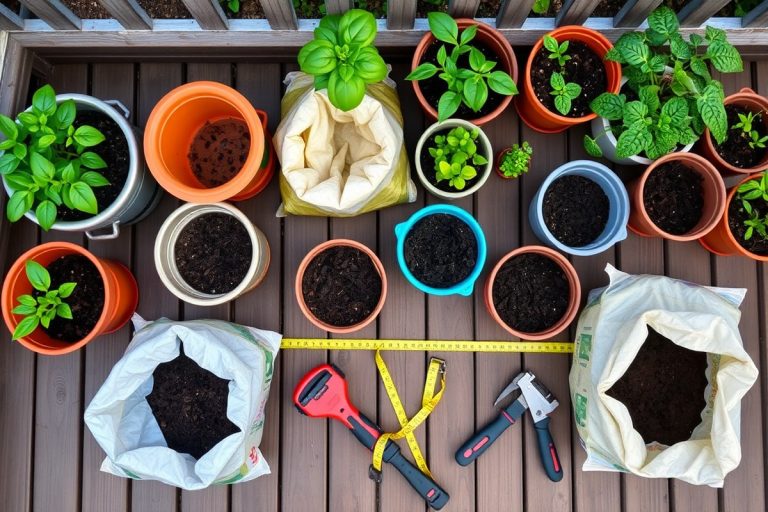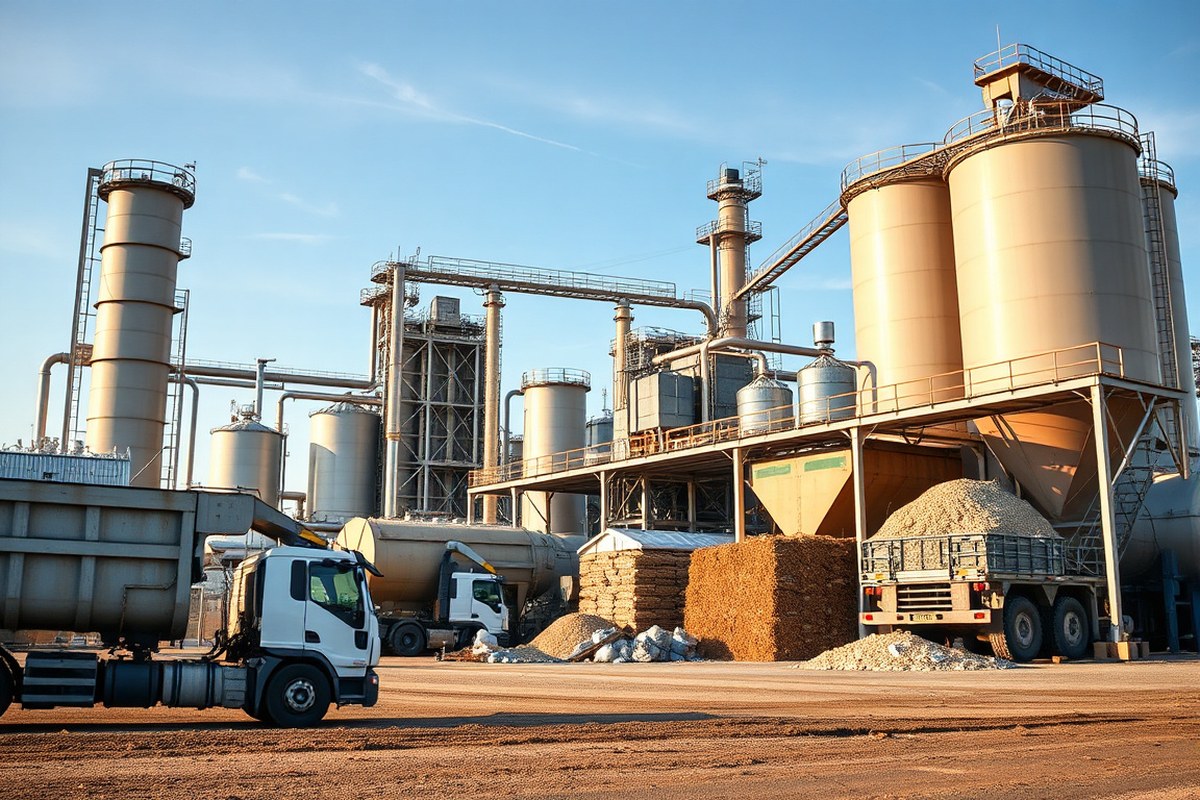
Where Does Fertilizer Come from? A Complete Guide to Sources and Production
Wondering where does fertilizer come from is a common question. Fertilizer mainly comes from natural resources like air, rocks, and gas. The biggest sources include nitrogen from the air and hydrogen from natural gas.
Nitrogen is tricky to get because it’s locked tightly in the air’s molecules. Special industrial methods break it apart using natural gas as fuel and raw material. This process produces ammonia, a key ingredient in many fertilizers you see on farms.
Besides nitrogen, phosphorus comes from phosphate rock, and potassium is mined as potash minerals. These raw materials turn into granules that gardeners and farmers use to help grow healthy crops. Watch for supply changes though, as global events can affect fertilizer prices quickly.
Key Takeaways
- Nitrogen fertilizer starts by breaking apart nitrogen gas from the air.
- Natural gas provides hydrogen atoms and energy for nitrogen fertilizer production.
- Phosphate rock and potash mines supply phosphorus and potassium ingredients.
- Ammonia is often converted into easier-to-handle fertilizer compounds.
- Granulated ammonium nitrate, potassium chloride, and ammonium phosphate are common blends.
- Five countries produce over 70% of the world’s nitrogen fertilizer supply.
What Are the Primary Sources of Fertilizer Ingredients?
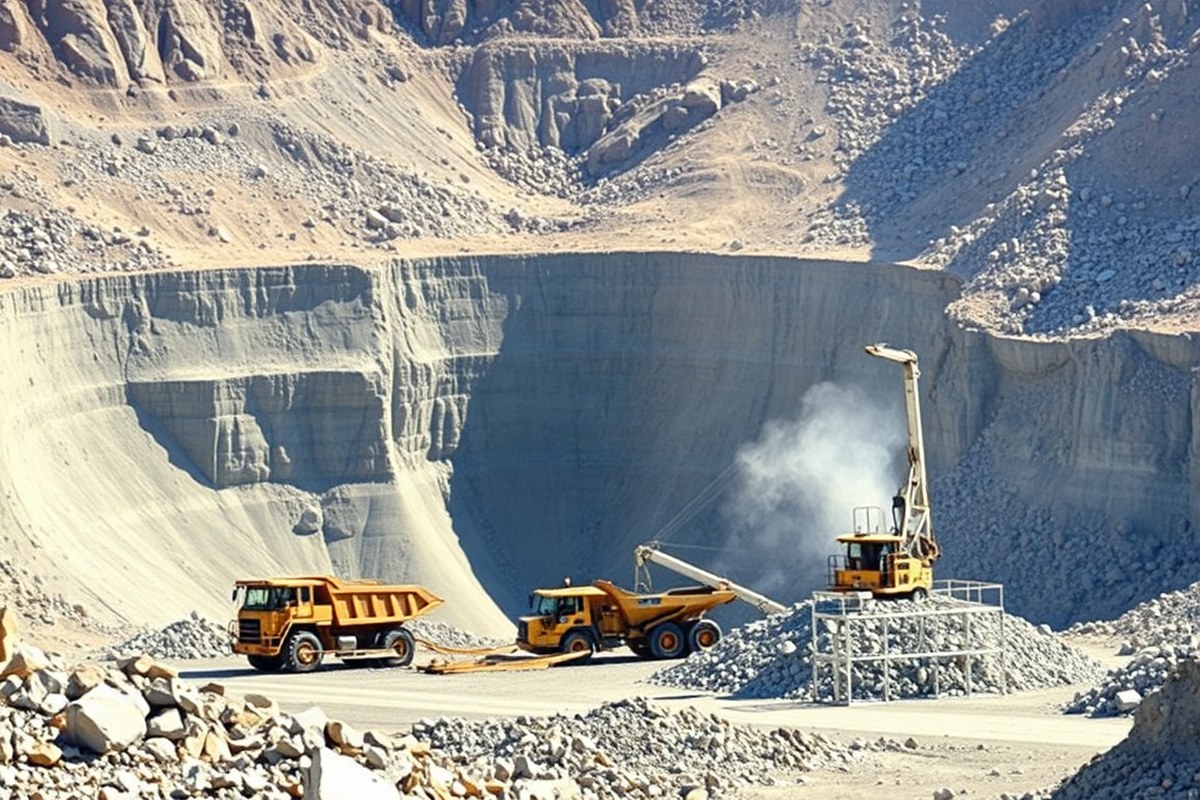
Fertilizers come from natural materials mined or extracted from the earth and air. These raw ingredients supply the essential elements plants need, like nitrogen, phosphorus, and potassium. Each material must be processed to transform it into a form plants can absorb.
Here are the main raw sources from which fertilizer ingredients are made:
- Atmospheric nitrogen, captured and combined with natural gas to produce ammonia.
- Phosphate rock, mined from deposits and treated with sulfuric acid to release phosphorus.
- Potash, consisting mostly of potassium salts mined from underground potash ore deposits.
- Sulfur often comes from oil refining and natural gas processing byproducts.
- Organic materials like animal manure and compost, which naturally release nutrients as they break down.
Plants need nitrogen, phosphorus, and potassium in forms they can absorb. Atmospheric nitrogen gas (N₂) is abundant but not usable until converted into ammonia via natural gas. Mining phosphate rock and potash supplies phosphorus and potassium but requires careful processing.
Sulfur removed from fossil fuel processing helps create phosphate fertilizers. Organic sources recycle nutrients naturally but release them slower than mined materials.
Access to these raw materials varies by region, affecting fertilizer availability and cost. Mining and extracting these materials needs special gear and energy. Transport and processing add $50 to $100 per ton.
Fertilizers require careful chemical treatment before use. Testing makes sure the quality and nutrients stay steady.
How Is Nitrogen Fertilizer Produced from Air and Natural Gas?
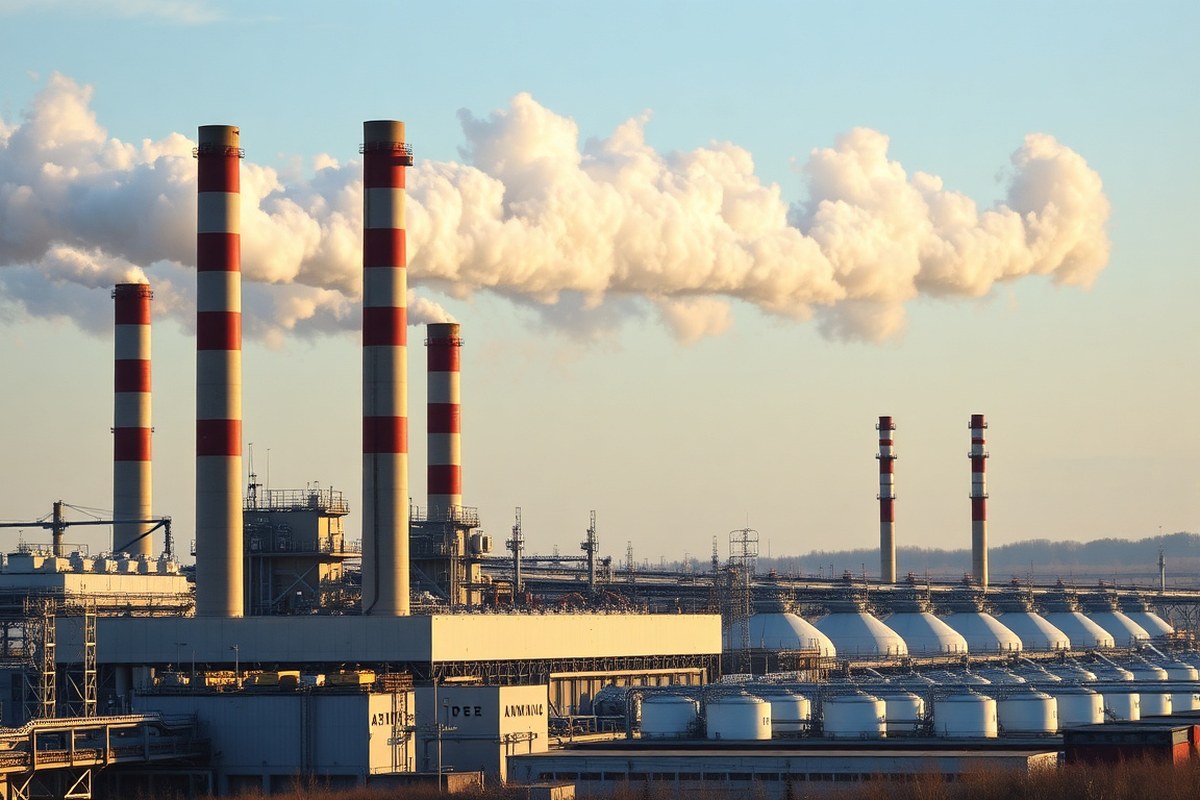
Nitrogen fertilizer comes from nitrogen in the air. It also uses hydrogen from natural gas. These two turn into ammonia.
The process that does this is called the Haber-Bosch process. It mixes nitrogen and hydrogen gases under heat and pressure.
This creates ammonia. Ammonia is the base for most nitrogen fertilizers.
The Role of Atmospheric Nitrogen
Air is about 78% nitrogen. But this nitrogen is very stable and doesn’t react easily. Nitrogen gas has a strong triple bond.
It holds atoms tightly. Breaking this bond needs lots of energy. This “locked” nitrogen must be converted into a reactive form for plants to use.
In fertilizer production, nitrogen is captured from the air and then combined with hydrogen. This step is important because it releases nitrogen from its strong bonds. Without this step, plants could not access the nitrogen needed for growth.
Natural Gas and Hydrogen Production
Natural gas is the main source of hydrogen needed in nitrogen fertilizer production. Natural gas has a lot of methane in it. Methane changes into hydrogen and carbon dioxide.
This happens through steam reforming. Steam reforming happens at very high temperatures around 700 to 1,000 °C.
The hydrogen created then mixes with nitrogen from the air. Without natural gas, producing hydrogen would be much more expensive and energy-intensive. This is why natural gas is critical for making nitrogen fertilizer affordably and in large amounts.
The Haber-Bosch Reaction Explained
The Haber-Bosch process uses high pressure and heat. It mixes nitrogen and hydrogen at about 200 bar.
The temperature is 400 to 500 °C. An iron catalyst speeds up the reaction without being consumed. The catalyst helps break the strong nitrogen bonds and lets ammonia form faster.
Nitrogen and hydrogen make ammonia in a chemical reaction. The formula is N₂ + 3H₂ → 2NH₃. This shows how atoms combine.
The ammonia produced is then cooled and collected. This ammonia is the base for fertilizers like urea and ammonium nitrate.
This process needs a lot of energy. It also needs careful control of pressure and temperature. This keeps the reaction efficient.
Ammonia production drops if pressure is too low. High temperatures also lower output.
You must keep the right conditions. Successful operation balances these conditions to maximize output over long runs.
Handling hydrogen and high-pressure gases safely is important. Leaks or faults can cause serious hazards.
Where Do Phosphorus and Potassium Come from in Fertilizers?
Phosphorus mostly comes from phosphate rock mined in places like Florida’s Bone Valley. It forms in sedimentary deposits over millions of years from marine life remains. Mining uses open-pit or underground methods to dig up this ore containing 12-17% phosphorus.
Potassium originates from potash salts found in ancient seabed deposits. Mining potash yields potassium chloride, which can be left as coarse crystals or processed further. Both phosphate rock and potash need chemicals to release nutrients the plants can use.
Sulfuric acid reacts with phosphate rock to make phosphoric acid. This process separates phosphorus from the rock’s apatite mineral. Then, phosphoric acid mixes with ammonia to create MAP and DAP fertilizers.
Potash processing uses several chemical treatments to make plant-ready potassium forms. Potassium chloride is the main potash product.
It can also change into potassium sulfate or potassium nitrate. These variations affect how quickly potassium releases in soil and its mobility.
| Aspect | Phosphate Rock | Potash |
|---|---|---|
| Source | Marine sedimentary deposits | Ancient seabed potash salts |
| Main Mining Methods | Open-pit and underground mining | Underground mining |
| Primary Chemical Treatment | Sulfuric acid to make phosphoric acid | Purification of potassium chloride |
| Final Fertilizer Forms | MAP, DAP, triple superphosphate | Muriate of potash (potassium chloride), potassium sulfate, potassium nitrate |
| Typical Nutrient Content | 12-17% phosphorus (in raw ore) | Potassium (varies by product) |
The sulfuric acid treatment breaks down phosphate rock into phosphoric acid and gypsum byproduct. This phosphoric acid then reacts with ammonia gas to form ammonium phosphates.
Potash chemicals mostly remove impurities to yield potassium chloride crystals. Some potash undergoes extra processing for special products.
Potassium sulfate is one example, good for chloride-sensitive crops. Processing costs depend on the level of purification and granulation required.
Both phosphate and potash mining take time and energy. Phosphate rock extraction requires handling acid safely.
Potash mining involves drilling and solution methods that demand careful salt brine management. Errors in processing can reduce fertilizer quality and plant uptake efficiency.
What Natural and Organic Sources Supply Fertilizer Nutrients?
Natural and organic fertilizers come from materials that once lived or grew. They release nutrients more slowly than synthetic fertilizers, feeding plants over time. Common sources include animal manures, compost, bone meal, seaweed, and other plant byproducts.
Animal Manures and Their Nutrient Profiles
Animal manures supply nitrogen, phosphorus, and potassium, often in balanced amounts. Fresh manure has a high nitrogen boost and works well for heavy-feeding crops like corn. Manure should be composted or aged to reduce pathogens and nutrient loss before applying.
Typical nutrient content varies: poultry manure has about 1.5% nitrogen, 1.2% phosphorus, and 0.9% potassium. Cow manure is lower, around 0.5%, 0.3%, and 0.5%. The nutrients release gradually as microbes break down the organic material over weeks or months.
Use manure carefully to avoid overapplying nitrogen, which can harm plants and pollute water. Incorporate it into soil to reduce ammonia loss and improve nutrient uptake by plants.
Composted Plant Matter and Green Waste
Compost comes from decomposed plant scraps, lawn clippings, leaves, and food waste. It offers moderate nutrients plus organic matter that improves soil structure and moisture retention. Nutrient release is slow and steady, supporting vegetables, flowers, and garden beds over time.
Green manure includes crops like clover or vetch. They capture nitrogen from the air.
When tilled in, they add nitrogen to the soil. This process replenishes nitrogen naturally without synthetic inputs and helps cover soil to prevent erosion.
- Mature compost typically contains 1-2% nitrogen, phosphorus, and potassium combined.
- Green manure crops provide up to 100 pounds of nitrogen per acre.
- Compost improves soil water retention and reduces erosion risks.
- Using green manure requires time for plants to grow and decompose.
- Both compost and green manure build long-term soil fertility.
Applying compost seasonally before planting helps ensure nutrients become available as crops grow. Green manure suits crop rotations and sustainable soil management.
Bone Meal, Seaweed, and Fish Emulsions
Bone meal is a slow-release source of phosphorus and some calcium. It supports root development and flowering, especially for bulbs and fruiting plants. Bone meal can take several months to break down but lasts through multiple seasons.
Seaweed fertilizers are rich in trace minerals, hormones, and potassium. They stimulate plant growth and stress resistance. Seaweed extracts act quickly.
You can spray them on leaves. Or add them to soil as mulch or liquid feed.
Fish emulsions contain nitrogen and minor nutrients in a liquid form. They feed plants quickly but do not last long.
So use them during active growing stages. Fish emulsion tends to smell strong and should be applied away from living spaces.
- Bone meal typically contains 12-15% phosphorus and some calcium.
- Seaweed fertilizer provides potassium and trace elements plus growth hormones.
- Fish emulsion contains around 5% nitrogen and other nutrients.
- Bone meal breaks down over months, feeding plants slowly.
- Seaweed and fish emulsions release nutrients quickly.
- These organic products supplement soil, but rarely meet full nutrient needs alone.
Combining these organic sources with compost or manure balances nutrient supply for healthy crops. Adjust amounts based on soil tests and crop growth stages.
How Are Raw Materials Processed into Finished Fertilizer Products?
Fertilizer production turns raw materials like ores, natural gas, and organic by-products into usable nutrients. This process includes chemical reactions and physical shaping to make products farmers can spread easily. Finished fertilizers can be solid granules or liquid forms, depending on how they will be applied.
Solid fertilizers are often granulated to improve handling, reduce dust, and control nutrient release. Liquid fertilizers dissolve nutrients in water or other solvents for quick absorption by soil and plants. Blending mixes nutrients to match crop needs.
It combines different granules or liquids. These mix in exact amounts for each crop.
These steps show how raw materials turn into granulated fertilizers. The granules get blended for farm use. This process prepares them for planting.
- Receive and test raw materials to confirm purity and nutrient content.
- Process raw ores or gases into nutrient compounds like ammonium nitrate or phosphate salts.
- Store nutrient compounds in silos or tanks until blending or granulation.
- Blend multiple nutrient particles to achieve target formula ratios.
- Granulate blended nutrients by drying and pelletizing for uniform size and stability.
- Cool and screen granules to remove fines and ensure consistent size.
- Package finished fertilizer in bags or bulk containers for shipment.
Granulation takes place at around 120°F to 180°F, allowing granules to harden without losing nutrients. Liquids are mixed under pressure and heated mildly to keep nutrients stable. Blending ratios vary to meet soil tests and crop needs, requiring precise measurement and mixing equipment.
Handle dry fertilizers with gloves and masks to avoid dust inhalation and skin contact.
Which Countries Lead Global Fertilizer Production and Why?
Fertilizer production depends strongly on natural resources and technology. Countries with large natural gas reserves often lead nitrogen fertilizer production.
Locations rich in phosphate deposits focus on phosphate fertilizers like MAP and DAP. These regional advantages lower costs and boost output.
The United States tops fertilizer production globally. It uses natural gas for synthetic nitrogen and mines phosphate rock.
Companies like Yara produce millions of tons yearly. Yara focuses on calcium nitrate and NPK blends, supporting both food security and sustainability.
| Country | Main Fertilizer Type | Annual Production (Million Tons) | Key Factor |
|---|---|---|---|
| United States | Nitrogen, Phosphate | 26 | Natural Gas & Phosphate Mining |
| China | Nitrogen, Phosphate, Potash | 20+ | Huge Domestic Demand, Diverse Resources |
| Russia | Nitrogen, Potash | 15-20 | Large Gas Reserves, Potash Mines |
| Morocco | Phosphate | 10-15 | World’s Largest Phosphate Deposits |
| Canada | Potash | 10 | Rich Potash Mines |
Fertilizer supply has geopolitical risks. Export restrictions or energy price changes disrupt production and food supply.
Countries relying on imported raw materials face higher costs and supply chain delays. Energy price increases can raise fertilizer prices significantly, making farming more expensive.
Technological advances also influence production efficiency and environmental impact. For example, the USDA developed technology to recycle ammonia from livestock wastewater.
This innovation reduces waste and supplies fertilizer locally, cutting costs. Countries investing in technology tend to have more stable fertilizer systems.
Major fertilizer producers balance resource access, technology, and economic factors. Their production results affect food prices and security worldwide. You’ll often find production clusters near natural gas fields or mineral deposits.
Knowing these factors shows why some countries lead in fertilizer supply. It also explains how this connects to farming worldwide.
What Are the Environmental and Economic Impacts of Fertilizer Production?
Fertilizer production releases several greenhouse gases, including carbon dioxide (CO2), methane (CH4), and nitrous oxide (N2O). Nitrogen fertilizer making is energy-intensive, often using natural gas, which results in significant CO2 emissions. Phosphate and potassium production emit fewer greenhouse gases but involve intensive mining processes that disrupt ecosystems.
Phosphate mining affects ecosystems by removing large surface areas, leading to habitat loss and soil degradation. Runoff from mines can pollute nearby water bodies, causing algae blooms and harming aquatic life. Solution mining of potassium causes less damage to the surface.
It still needs water and energy for evaporation. Crystallization also uses energy during this process.
Key cost drivers in fertilizer pricing include raw material availability, energy costs, and transportation expenses. Natural gas price swings greatly impact nitrogen fertilizer costs.
Mining phosphate and potassium involves large equipment and refined processing, adding to the price. Logistics costs rise with remote mine locations or shipping hurdles.
- Nitrogen production: high CO2 emissions, dependent on natural gas prices
- Phosphate mining: habitat loss, water pollution risk, moderate greenhouse gases
- Potassium mining: less surface disturbance, water and energy use for refining
- Supply chain risks: energy costs, transportation, regulatory compliance
- Economic pressures: raw material scarcity, global demand fluctuations
Environmental impacts vary across nitrogen, phosphorus, and potassium sources, requiring careful management. Monitoring production emissions and optimizing energy use can reduce carbon footprints.
Analyzing supply chains for energy efficiency and local impacts helps growers balance cost and sustainability. Matching fertilizer choice to soil needs and budgets cuts waste and environmental harm.
What New and Recycled Sources Are Emerging for Fertilizer Materials?
Fertilizers are now coming from new sources like recycled municipal waste, industrial leftovers, and bio-based materials. These options reuse nutrients, shrink waste, and offer alternatives to traditional synthetic fertilizers. They work well but require careful handling to avoid contaminants and to meet nutrient needs.
Treated Municipal Biosolids
Municipal biosolids come from sewage plants that clean and process sewage sludge. This sludge contains key plant nutrients like nitrogen, phosphorus, and organic matter. When treated properly, biosolids become safe, nutrient-rich fertilizer for agriculture and landscaping.
The treatment process involves thickening, digestion, and sometimes heat or chemical treatment. This kills pathogens and reduces harmful substances. The resulting biosolids meet legal limits on heavy metals and other pollutants before reuse.
- Ensure biosolids come from certified treatment plants.
- Check for heavy metal and contaminant limits compliance.
- Apply at recommended rates based on soil tests.
- Incorporate biosolids into soil to avoid runoff.
- Monitor nutrient levels to match crop needs.
- Store properly to prevent odors and contamination.
Use biosolids only after confirming they meet safety standards for your crop and soil type.
Biosolids offer slow-release nutrients and improve soil texture. They may cost less than synthetic fertilizers but require handling permits and careful timing. Overapplication or poor treatment risks soil contamination or reduced crop safety.
Industrial Residuals as Nutrient Sources
Industries like food processing, pulp and paper, and mining produce waste rich in plant nutrients. These residuals include ash, lime, and other by-products useful as fertilizers. Reusing industrial waste cuts disposal costs and supplies calcium, magnesium, or phosphorus.
Before use, these materials must be tested for contaminants like heavy metals and organic compounds. Processing might involve drying, grinding, or pelletizing to create a uniform product. Farmers should mix industrial residual fertilizers based on soil test results.
Using industrial residuals adds value to waste and conserves mineral resources. However, regulation varies by state and waste type. So check local rules before applying these materials on farmland.
Bio-Based and Recycled Fertilizers
Bio-based fertilizers come from plant or animal sources, like compost, manure, or food waste. They release nutrients slowly and improve soil health by adding organic matter. Recycled fertilizers can also include treated septage or processed kitchen waste.
Some bio-based fertilizers offer nutrients in less concentrated forms than synthetics. This means you might need larger applications to meet crop needs. Still, they reduce reliance on fossil fuels and support sustainable cycles.
- Compost from yard and food waste as a nutrient source.
- Manure from livestock operations, properly composted.
- Treated domestic septage processed for safe use.
- Processed food industry by-products as soil amendments.
- Algae-based fertilizers offering natural nitrogen and phosphorus.
Apply bio-based fertilizers with soil tests to avoid nutrient imbalances or deficiencies.
Evaluating nutrient content is important because recycled sources vary widely. Using these materials alongside synthetic fertilizers can meet nutrient demands. Watch for potential pathogens or weed seeds if organic matter isn’t fully treated.
Step-by-Step Action Plan for Using Fertilizer Knowledge
Use this plan to choose and apply fertilizers wisely. Taking each step helps protect your plants and the environment.
- Before planting: Test your soil to know its nutrient levels. This guides you on what fertilizer ingredients you need.
- Week 1: Pick fertilizers based on your soil test and plant type. Look for balanced mixes of nitrogen, phosphorus, and potassium.
- Week 2: Apply fertilizer at the recommended rates and spread it evenly. Over-applying can harm plants and soil health.
- After 3 weeks: Watch your plants for growth signs and color changes. Healthy green leaves mean nutrients are working.
- Week 4: Adjust your fertilizer use if plants show yellowing or stunted growth. These signs indicate nutrient shortages or excesses.
- Month 2: Start adding organic matter like compost to feed soil microbes. This supports natural nutrient recycling and reduces reliance on chemical fertilizer.
- Ongoing: Save and reuse organic materials like food scraps or manure. This cuts waste and supplies slow-release nutrients to your plants.
Frequently Asked Questions
Where Do Fertilizer Nutrients Come from Before Processing?
Fertilizer nutrients come from sources like air, rocks, and organic matter. These raw materials provide nitrogen, phosphorus, potassium, and other nutrients plants need.
How Is Ammonia Used in Fertilizer Production?
Ammonia is a key nitrogen fertilizer made from air and natural gas. It’s often converted into other compounds to make handling and spreading easier.
Why Are Phosphate Rock and Potash Critical for Fertilizers?
Phosphate rock and potash are mined minerals supplying phosphorus and potassium. Without them, global crop yields would fall nearly half, showing their importance.
Can Livestock Waste Be Recycled into Fertilizer?
Yes, ammonia emissions from livestock waste can be captured and reused. This recycling reduces pollution and provides a natural nutrient source for fields.
How Do Fertilizer Manufacturers Convert Raw Materials into Products?
They process raw materials through chemical reactions and blending. This turns mined or synthetic inputs into various formulations for specific crops.
Which Countries Dominate Global Fertilizer Production?
Five nations generate more than 70% of global nitrogen fertilizer supply. Political tensions often cause big swings in prices and access.
Before You Go
Fertilizers come from natural minerals and industrial processes. You can choose sources that fit your environmental values. Start by testing your soil to make smart decisions for your garden or farm.