What Does a Peace Lily Look Like? Complete Visual Guide with Variety Comparisons
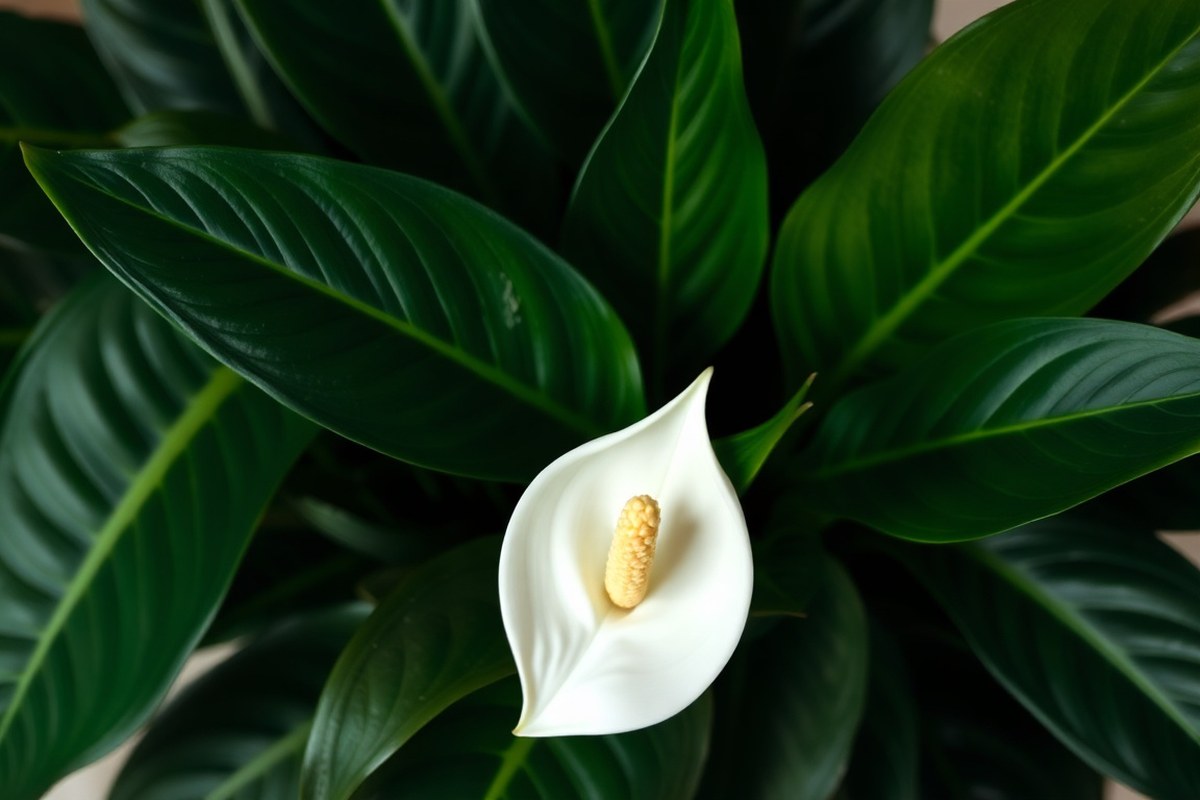
What does a peace lily look like? Peace lilies have shiny, dark green leaves that are long and pointed.
Their white flower-like parts look like a curved white hood, usually surrounding a finger-shaped spike. This easy-to-spot look makes them popular houseplants.
The leaves feel smooth and have deep ridges running along them. The flower parts, called spathes, emerge above the foliage and can last several weeks.
Look for leaves that are glossy and deep green. That shows your peace lily is healthy.
Some peace lilies stay small. But others grow quite tall, sometimes up to six feet.
They prefer a warm spot, between 65 and 80 degrees Fahrenheit. Keeping them cozy helps their leaves stay vibrant and their flowers last longer.
Key Takeaways
- Peace lily leaves are shiny, dark green, pointed, and have deep ridges.
- The white flower-like spathe curls around a central finger-like spadix.
- A healthy peace lily has glossy leaves without many brown or yellow spots.
- Some varieties grow compact, around 15 inches tall; others reach up to 6 feet.
- Keep peace lilies in temperatures from 65 to 80°F to maintain growth.
- Flower spikes grow above leaves and can last several weeks.
What Are the Key Visual Features of a Peace Lily?
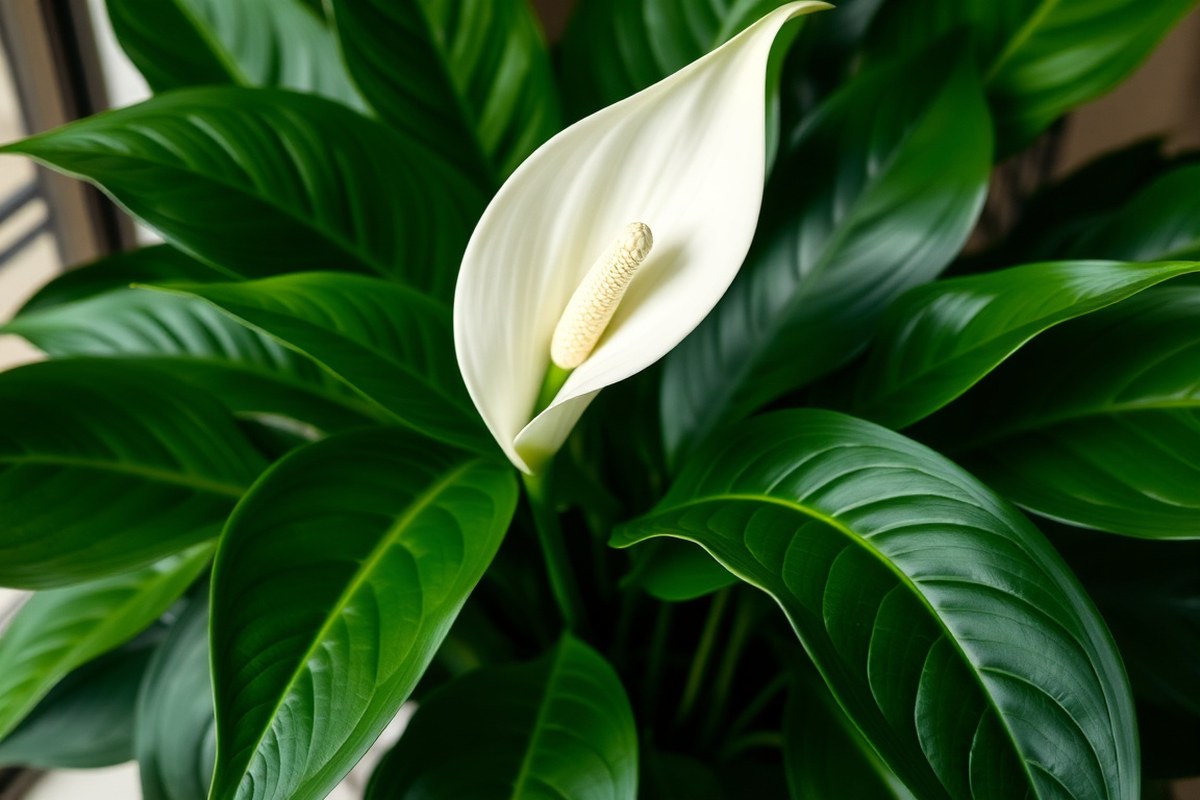
The peace lily has glossy, lance-shaped leaves that catch the eye. These leaves grow from a fibrous clump and have a smooth texture. They show a rich green color with a waxy shine that keeps dust from settling.
The plant’s signature feature is its white spathe flower. This spathe is a large, hood-like leaf that opens wide to reveal the spadix inside. The spadix is a cream or pale yellow spike where tiny flowers grow, helping with pollination.
These white spathes give the peace lily its name. They look like white flags. White flags are symbols of peace.
The flowers can turn pale green as they mature and may have a mild fragrance. The plant grows upright and clumping.
It can be compact or giant. The ‘Sensation’ type can reach 6 feet tall with wide leaves.
How to Identify Peace Lily Leaves: Shape, Size, and Texture
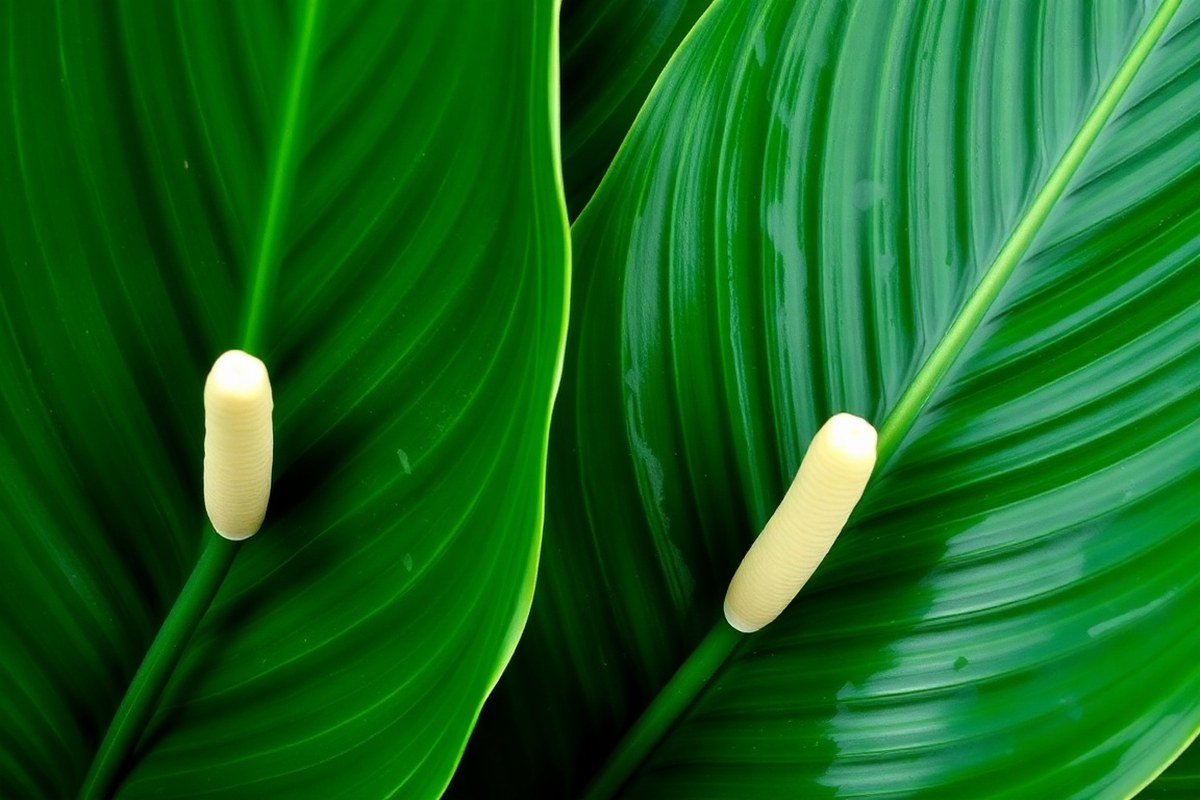
Peace lily leaves show a smooth, lance-shaped form with pointed tips. They usually range from 4 to 12 inches long. Some leaves on mature plants grow larger.
Sizes vary based on the cultivar and growth conditions. Leaf size gives clues about age. It also indicates the plant’s health.
The leaves feature prominent veins that create a neat, symmetrical pattern. These veins run from the base to the tip. They often appear in pairs on each side of the main vein.
Their clear veins and arrangement help you identify a true peace lily. This distinguishes it from similar plants.
Leaf color is a solid, rich green with a natural gloss. This shine comes from a waxy surface that gives the leaves a healthy, smooth look.
Glossiness can tell you how well the plant is thriving. Dull or faded leaves often mean low light or hydration issues.
The texture of peace lily leaves is soft yet firm, with a smooth feel underneath. They don’t have hairs, which keeps them easy to clean with a damp cloth. Their thickness protects them during the dry indoor air of most homes.
Variations exist, especially with some hybrids like ‘Diamond,’ where you might see speckled or variegated patches. These patches differ from the main leaf color and add some uniqueness. Comparing these patterns helps distinguish between common and rare types.
Your peace lily’s leaf shine will fade if dust builds up. Wipe leaves gently every 1-2 weeks to keep them glossy and healthy.
Understanding Peace Lily Blooms: Anatomy of the Spathe and Spadix
The peace lily’s flower has two main parts: the white spathe and the central spadix. The spathe looks like a single white petal but is actually a modified leaf. The spadix holds tiny true flowers.
It sits in the middle. It is often pale green or cream colored.
What Is a Spathe?
The spathe is a white, hood-like structure that partially wraps around the spadix. It’s a modified leaf, not a true petal, designed to catch your eye. This showy part draws attention to the small flowers, helping pollinators find them.
Sometimes, the spathe can have a slight green tint, especially when it first opens. It rises above the plant’s dark green leaves and looks like a smooth, curved flag. The bright white color has symbolic meaning, often representing peace or purity.
Role and Appearance of the Spadix
The spadix is a central spike covered with many tiny, true blooms packed closely together. It stands upright inside the curve of the spathe. It starts creamy white or pale green.
Each tiny flower on the spadix is a real bloom. But they’re hard to see without close inspection.
This spike is the actual flowering part and produces pollen and seeds. The spadix can vary in length but usually measures a few inches long. Its color slowly changes as the bloom ages, turning darker or browner over time.
Bloom Duration and Lifecycle
A peace lily’s flowers typically last for about two months before fading. At first, the spathe is bright white, signaling a fresh bloom. The white color dulls over weeks.
It can turn yellow or brown. This shows the flower is aging.
The bloom’s life cycle depends mostly on light and care. Peace lilies need bright, indirect light to produce and maintain healthy flowers.
When the plant gets too little light, it may not bloom. The spadix may wither quickly.
The best time to propagate peace lilies is right after the flowers fade. Dividing the plant encourages new growth and keeps it healthy for future blooming seasons. Watching the spathe and spadix change over time helps you know when to prepare for propagation.
Peace Lily Size and Growth Habit: From Compact to Giant Varieties
A peace lily’s size changes a lot depending on its variety. Most common houseplants grow about two feet tall and wide. They fit well on shelves or side tables.
You can easily place them around your home. Dwarf and compact types stay much smaller, perfect for desks or tight spaces.
Growth habit also varies. Smaller varieties, like the ‘Wallisii’ or ‘Petite’, stay dense and low-profile. Larger tropical plants can grow tall and wide.
They make nice corner plants. Their big leaves fill floor space well.
| Variety Type | Average Height | Average Width | Growth Style |
|---|---|---|---|
| Compact/Dwarf | 6″, 12″ | 6″, 12″ | Dense, low-profile, ideal for desks |
| Standard | 12″, 36″ | 12″, 24″ | Upright and arching, great for side tables |
| Large/Tropical | 3′, 6′ | 2′, 4′ | Expansive and lush, perfect for floor corners |
Size changes as your peace lily grows. Young plants start compact with smaller leaves.
Over months, leaves get bigger, sometimes reaching over 50 cm long in large varieties. The plant’s shape also shifts from tight clusters to more arching, spreading forms.
Dwarf plants will rarely exceed 18 inches tall, so they keep a neat look. Larger varieties need space to grow wide and tall, or they’ll get crowded. Look out for roots crowding in the pot.
Divide your plant if it looks sparse or uneven. This helps keep it healthy.
Popular Peace Lily Varieties: Visual Differences and Identifying Traits
You can identify peace lily cultivars by their leaf size and shape. Also, pay attention to their texture and flower features. Several popular varieties show clear differences that help you tell them apart.
Knowing these traits helps you choose the right plant for your space. It also matches better with how much care you can give.
‘Sensation’ Variety Characteristics
The ‘Sensation’ variety is the largest peace lily often found in nurseries today. It grows up to 80 cm tall and spreads about 0.5 meters wide. Its leaves are large and dark green.
They are glossy and have a thick texture. These features make it stand out in a room.
This cultivar grows bigger flowers than most others. The white spathe is broad, and the spadix is thick.
You will notice the ‘Sensation’ looks bold and lush. It fits well as a statement plant in spacious indoor areas.
‘Mauna Loa Supreme’ Traits
‘Mauna Loa Supreme’ grows between 3 to 4 feet tall, making it a mid-sized peace lily. The leaves can be up to 9 inches wide. They have a rich green color and smooth texture.
These traits make it a favorite for homes and offices. It fills space well without taking up too much room.
The flowers are large and white, similar to other varieties but not as wide as ‘Sensation.’ It usually blooms in spring but can flower sometimes all year with good care. Its size and bloom quality make it easy to spot among other types.
‘Power Petite’ and Compact Types
Compact cultivars like ‘Power Petite’ differ mainly in size. They stay much smaller, around 12 to 18 inches tall, with narrower leaves. These leaves have similar shapes as bigger varieties but feel lighter and less dense.
Flowers in these types are smaller and less frequent. They’re perfect for desks or small shelves where space is tight. The compact habit helps the plant fit into smaller rooms or crowded windowsills.
Below is a table showing key differences between some popular peace lily cultivars. It helps you compare their size, leaf width, and typical bloom features side by side.
| Variety | Height | Leaf Width | Flower Size |
|---|---|---|---|
| ‘Sensation’ | 80 cm (about 31 in) | Up to 12 in | Largest, broad white spathes |
| ‘Mauna Loa Supreme’ | 3 to 4 feet | Up to 9 in | Large but smaller than ‘Sensation’ |
| ‘Power Petite’ | 12 to 18 in | Smaller and narrower | Small and less frequent |
| ‘Domino’ (variegated) | Similar to mid-sized varieties | Variegated leaves, dark green with white streaks | Similar to ‘Mauna Loa Supreme’ |
Clear leaf and flower differences help you identify cultivars at a glance. Varieties like ‘Domino’ add another layer with their variegated leaves. The differences go beyond size to include leaf coloring and bloom presence.
Prune browned leaf tips to keep your peace lily looking fresh and healthy.
How to Recognize Peace Lily Health Through Visual Signs
Healthy peace lilies have glossy, deep green leaves with no spots or wilting. Drooping leaves usually mean the plant needs water but will perk up after watering. Yellowing leaves signal other problems, so look closely to spot the cause early.
Leaves turning yellow often mean overwatering or nutrient issues. When less than a third of leaves slowly turn yellow, about one leaf per month, it’s usually normal aging.
More than that suggests root rot or nitrogen deficiency. So check roots for softness or a bad smell.
Browning, dry leaf tips point to low humidity or water quality problems. Tap water with chlorine or fluoride can build up and cause tips to crisp. Brown spots or black dots on leaves often mean poor air flow.
Water sitting on leaves can cause infections. These are usually fungal or bacterial problems.
- Yellow leaves: overwatering or nutrient lack
- Brown, crispy tips: dry air or tap water chemicals
- Pale leaves: too much or not enough light
- Leaf spots: fungal or bacterial infection
- Drooping leaves: thirsty plant, recovers after watering
Checking soil moisture is key for good care. Stick your finger about 1 inch (2.5 cm) into the soil. Dry soil at this depth means plants need water.
Wet soil indicates you should wait to water again. Avoid letting water sit in the pot’s drainage tray to prevent root rot.
Roots need a pot big enough to avoid crowding, ideally 6 to 12 inches wide. Overcrowded roots struggle to absorb nutrients. So repot if roots spill out or look mushy.
Bright but indirect light helps avoid sunburned pale leaves. Keep the plant away from direct afternoon sun for best results.
Environmental Effects on Peace Lily Appearance and Growth
Peace lilies need steady, indirect light to stay healthy and look their best. Low light can cause leaves to turn pale and the plant to grow leggy.
You can move your plant to a brighter spot. But avoid direct sunlight, which can scorch its leaves.
The leaves have a deep emerald green shade to absorb enough light. When light is too dim, blooms may be fewer or not appear at all. Consistent, diffused light encourages the spathes, the white flower-like parts, to open fully and last longer.
Temperature affects your peace lily’s growth and appearance. Keep the room temperature above 45 °F (7 °C). Cold can hurt leaves and stems.
Avoid placing your plant in chilly spots. Ideal daytime temps range from 65 to 80 °F. Cold drafts or sudden temperature changes can cause leaf drop or color dulling.
Humidity levels matter too. Peace lilies thrive in high humidity, which keeps their leaves glossy and lush. Dry air makes leaves dry out and brown at the edges.
Use a humidifier near the plant to raise humidity. Or set the pot on a pebble tray with some water. This gently adds moisture to the air.
Watering is key for a fresh look. Peace lilies like consistently moist soil, not soggy or bone dry. A moisture meter helps you check soil dampness before watering.
Room temperature, filtered water prevents shocking roots. The plant wilts quickly if soil dries out but perks up within hours after watering.
Yellow leaves or drooping often mean overwatering or dry air. Check water levels and humidity around your plant. Adjust these for better health.
On the other hand, leggy growth signals your plant needs more light. Change only one care factor at a time.
Watch your peace lily for a few days. Note how it reacts before changing anything else.
Visual Guide to Peace Lily Lifecycle and Maintenance Stages
Peace lilies change quite a bit as they grow, showing new leaves and flowers over time. You can prune them anytime to keep them neat and help new growth.
Repotting is best done in late winter or early spring. But you should watch for signs your plant needs more space.
Early Growth Stage Appearance
Young peace lilies start with small, bright green leaves that slowly get bigger. The plant looks sparse at first, with space between leaves. You’ll see new shoots coming from the base as the plant grows.
Leaves grow in waves, starting smooth and shiny, then becoming more textured. Flowering often begins after several months, starting with small white spathes. This is a sign the plant is maturing well.
Mature Plant Visual Traits
Fully grown peace lilies have long, dark green leaves that arch outward. They form thick clumps that almost hide the soil underneath. You’ll notice multiple white flowers scattered among the leaf clusters.
The overall shape is round and full, with leaves overlapping to form a dense, lush look. Flowers last several weeks before fading. After that, the plant focuses on growing more leaves again.
Signs to Prune or Repot
Yellow or brown leaves show it’s time to prune. Regular pruning reduces clutter and helps the plant stay healthy. Remove old flowers to encourage new blooms and keep the plant tidy.
Check for roots coming out of the pot’s drainage holes. Peace lilies prefer being slightly potbound, so don’t rush it. Repot every 1 to 2 years, ideally in late winter or early spring.
Dividing clumps when repotting also helps you create new plants. This is best done during dormancy to avoid stressing the plant.
- Choose a pot one size larger with good drainage holes.
- Gently remove the plant and shake off excess soil from the roots.
- Locate natural divisions in clumps and separate carefully.
- Trim any broken or dead roots with clean scissors.
- Place each division or whole plant in fresh potting mix.
- Water lightly and place in indirect light to recover.
- Wait a few months for new growth to confirm success.
Don’t prune more than one-third of leaves at once; that can stress your plant.
Step-by-Step Action Plan to Identify and Care for Your Peace Lily
Follow these steps to spot and maintain a healthy peace lily in your home. Each phase helps you notice key features and check your plant’s well-being.
- Before you buy: Look for glossy, dark green leaves and a creamy white bloom. Make sure leaves show no brown spots or wilting.
- Day 1: Check leaf shape and texture; they should be smooth with pointed tips. Feel the leaves, they should be firm, not floppy.
- Week 1: Watch for new leaf growth and spathe formation. If new leaves appear bright and healthy, your plant is adjusting well.
- After 2 weeks: Assess the bloom’s spadix. It should be upright and creamy, not browning or shrinking.
- Month 1: Note plant size, compact or larger. Adjust your watering and light based on plant growth and leaf color.
- Ongoing: Monitor leaves for yellowing or drooping, signs of water or light issues. Adjust care accordingly.
- Every bloom cycle: Identify the flower shape and color changes. Healthy peace lilies drop old blooms and make space for new ones.
- Maintenance stages: Prune dead leaves and flowers promptly to keep the plant looking its best.
Frequently Asked Questions
What Does a Fully Grown Peace Lily Look Like?
A mature peace lily often reaches 1 to 4 feet tall. Leaves are glossy and dark green.
The plant has white flowers. These flowers are called spathes with a central spadix.
How Can I Tell If My Peace Lily Leaves Are Healthy?
Healthy peace lily leaves are shiny, firm, and deep green. Pale or yellow leaves usually mean too much sun or poor watering habits.
What Are the Differences Between Compact and Giant Peace Lily Varieties?
Compact varieties stay under 2 feet tall with smaller leaves. Giant types, like ‘Sensation,’ can reach 6 feet with huge leaves up to 20 inches long.
Does the Peace Lily’s Flower Change Its Look over Time?
Yes, the white spathe starts bright then fades to green as it ages. The spadix inside also darkens and shrinks after pollination is done.
How Can I Spot Environmental Stress on a Peace Lily Visually?
Watch for drooping leaves, yellowing, or browning edges. These signs mean your plant might be too cold, too dry, or overwatered.
What Should I Look for in Peace Lily Soil and Pot for Good Appearance?
Soil should be moist but not soggy and fresh every 1-2 years. A root-bound plant will look cramped and may stop growing.
Key Points to Remember
Knowing what a peace lily looks like helps you spot one and care for it properly. Watch its leaves and blooms for healthy signs. Start by checking your plant’s leaves carefully today.