Where Does Tomato Worms Come from? A Complete Guide for Gardeners
Tomato worms come from eggs laid by large gray-brown moths. These moths lay eggs on tomato plants or nearby nightshade weeds. The eggs stick to leaves or stems and hatch into green tomato hornworm caterpillars.
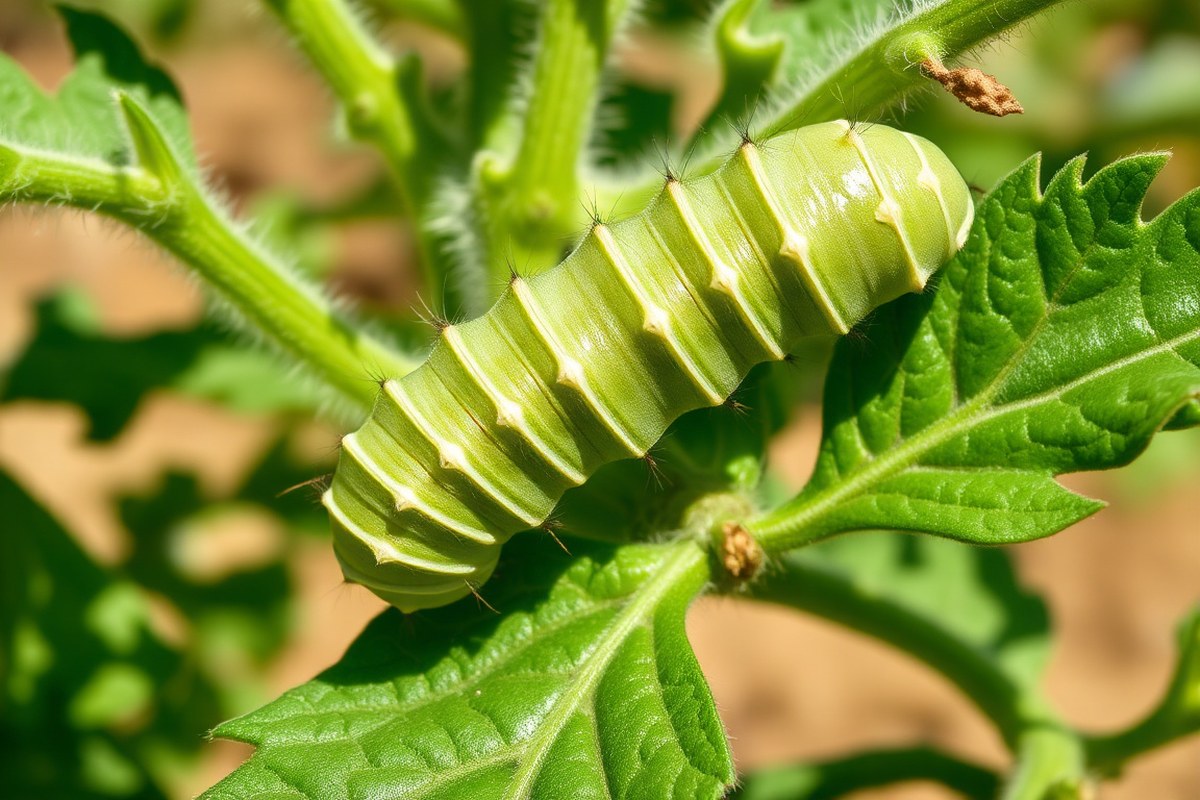
The caterpillars blend in with tomato foliage, making early detection tough. They grow 3 to 4 inches long before they become visible. Most damage happens quickly when the worms get bigger and feed heavily on leaves and stems.
Adult moths usually fly in from nearby fields or garden areas. Removing nightshade weeds around your garden lowers the chances of infestation.
Moths prefer laying eggs on these weeds. So fewer weeds mean fewer eggs on your plants.
Regularly checking your tomato plants for eggs and caterpillars helps prevent heavy damage. Early removal is key to protecting your tomato harvest. Stay alert for signs of chewing to catch worms early.
Key Takeaways
- Tomato worms originate from moth eggs on tomato or nearby nightshade plants.
- Eggs hatch into green caterpillars that immediately start eating leaves.
- These caterpillars grow 3 to 4 inches, blending in with tomato foliage.
- Most damage happens late, so watch for signs before caterpillars get big.
- Adult moths often come from nearby fields or garden areas.
- Removing nightshade weeds can reduce moth egg laying near your tomatoes.
Where Do Tomato Worms Originate from in Your Garden?
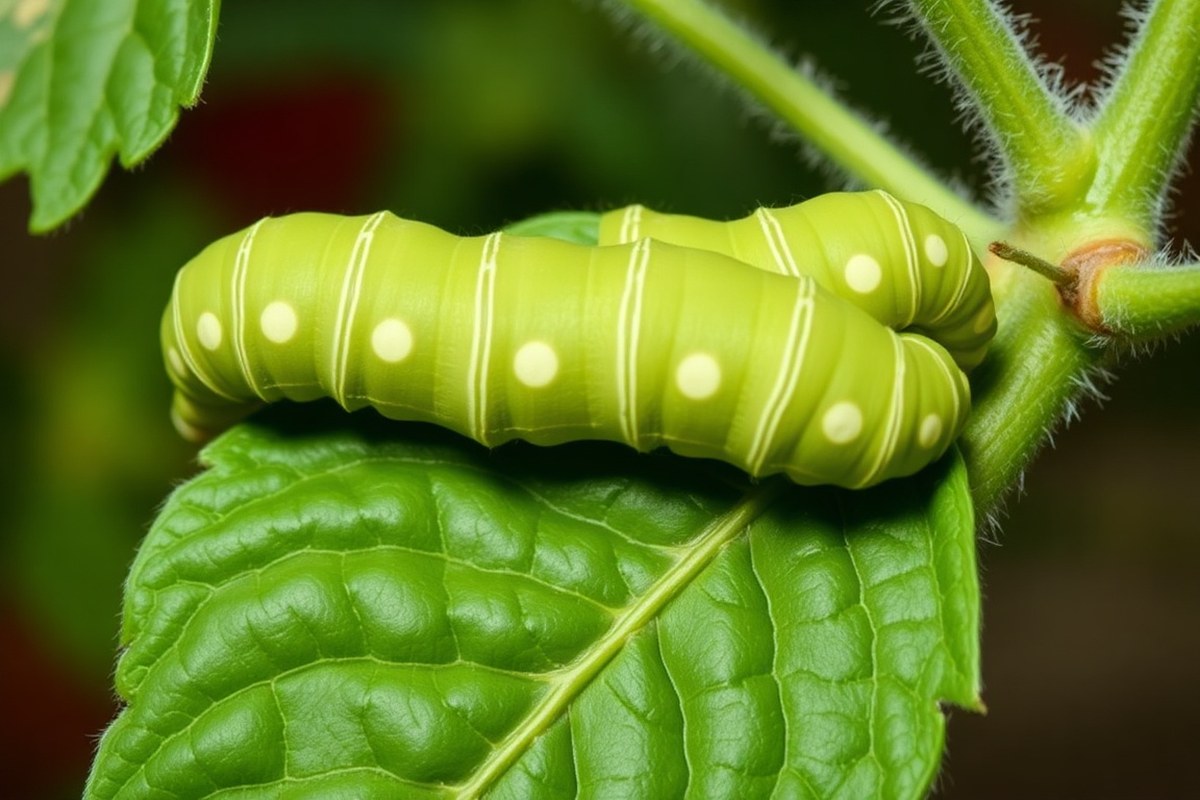
Tomato worms come from large moths that lay their eggs directly on your tomato plants. Female moths look for the undersides of leaves, especially near young growth shoots. These eggs hatch in late spring or early summer into the larvae you call tomato worms.
The adult moths emerge from pupae in the soil as the weather warms up. They then fly to gardens and nearby nightshade plants to mate and lay eggs.
These moths don’t travel far once they start laying eggs. So tomato worms typically hatch close to where the moths first land.
Adult moths come from nearby fields or wild places. Caterpillars do not move on their own. Only the moths fly to new spots.
Eggs hatch right where they are laid. They usually rest on tomatoes.
They also appear on eggplants, peppers, and potatoes. That means infestations begin locally with the first eggs laid on your plants.
Keeping your garden tidy and removing weeds helps reduce the spots moths choose for egg laying. Weeds provide extra leaf surfaces for the moths, increasing egg numbers.
Clearing weeds and regularly checking leaf undersides helps catch eggs early. You can remove the eggs before larvae hatch.
Using yellow sticky traps can also help catch adult moths before they lay eggs. Put these traps near young tomato plants in late spring.
This offers an easy, natural way to stop the life cycle. This stops the small eggs from turning into tomato worms that munch on your tomatoes.
The Tomato Hornworm Life Cycle and Development Timeline

Tomato hornworms pass through four life stages: egg, caterpillar, pupa, and adult moth. The caterpillar stage lasts about 18 to 21 days.
This stage causes all the damage to your tomatoes. Heavy feeding usually peaks during this larval phase before they drop to the soil to pupate.
Egg Stage: Appearance and Duration
Female moths lay tiny, pale green eggs singly on the underside of tomato leaves. These eggs are about 1 millimeter wide and blend in well with foliage.
You can expect the eggs to hatch in 4 to 6 days. This depends on temperature and weather conditions.
Warmer conditions speed up egg hatching, while cooler nights slow it down. Spotting eggs early helps limit later caterpillar damage. Watch especially in late spring and summer when the moths are most active.
Caterpillar Stage: Growth and Feeding Duration
The tomato hornworm caterpillar grows quickly over 18 to 21 days after hatching. It starts small but reaches up to 4 inches long and as thick as your finger. During this time, it voraciously eats tomato leaves and sometimes fruit.
Feeding damage peaks during the last week before pupation. That’s when you notice large holes and stripped leaves. The caterpillars feed mostly at night and hide during the day.
Handling the worms or relocating them away from your garden can protect your crops. Keep in mind the caterpillars change rapidly, so spot-check your plants every few days.
Pupation: Soil Dwelling and Overwintering
When ready to pupate, tomato hornworms leave the plant. They crawl 2 to 4 inches into loose soil. They stay underground for about 10 to 14 days.
This happens if conditions stay warm. This stage transforms them into sphinx moths.
In colder climates, the pupae can overwinter in garden soil, delaying emergence until spring. This is why some hornworms return year after year. Disturbing garden soil in fall may help reduce future populations by exposing pupae to predators.
Check your garden soil in fall. Turning it exposes overwintering pupae to cold and natural enemies.
How Tomato Worms Infest Tomato Plants and Spread in Gardens
Tomato worms appear on your plants when adult moths lay eggs on leaves. The eggs hatch into larvae that feed on the tomato foliage. These larvae then move through the garden to find new feeding spots.
Locating Tomato Hornworm Eggs on Plants
Adult moths lay tiny, oval eggs in groups on the undersides of tomato leaves. You’ll often find eggs tucked close to leaf veins or in small crevices near the fruit. The eggs are small but noticeable if you take time to inspect the plants carefully.
Checking the underside of leaves is key to spotting the eggs early. Moths prefer mid to late spring for laying eggs. You may find clusters ranging from just a few eggs to dozens on a single leaf.
Hatching and Initial Feeding Behavior
After about a week, the eggs hatch into larvae that immediately start eating the tomato plants. The young hornworms feed on leaves, stripping them and damaging stems. Early feeding damage looks like small holes or light bite marks especially near the leaf edges.
They move quickly to eat as much as possible before growing larger. You might notice leafless stems first as the caterpillars can rapidly devour foliage. Catching them before they grow protects your plants from severe damage.
Larval Movement and Distribution
Once hatched, the larvae spread out to find fresh tomato leaves to feed on. As they grow, they move more, crawling from plant to plant within the garden. This spreads the infestation and makes it harder to control.
Young hornworms stay in clumps initially but soon disperse widely across your garden. The larvae can crawl onto nearby tomato plants.
They also climb to different tomato types. They even reach related nightshade plants.
Early action can stop a bigger problem. Take these steps to check and manage tomato hornworms:
- Examine tomato plants regularly from mid to late spring for eggs.
- Look closely under leaves and near fruit crevices where eggs cluster.
- Spot hatchlings by checking for fresh bite marks on leaves.
- Remove any eggs you find by hand or gently wipe off leaves.
- Inspect surrounding plants to monitor larval movement through the garden.
- Start treatment with neem oil early to target young larvae before damage.
- Continue checking plants twice a week during growing season for new eggs or larvae.
Identifying Tomato Hornworms: Key Traits and Differences from Similar Pests
Tomato hornworms are big green caterpillars that eat tomato leaves. They reach lengths near 4 inches and have a curled tail end. These hornworms show white V-shaped or arrow patterns along their sides.
Tobacco hornworms look very similar but have 7 diagonal white stripes instead. Both pests target plants like tomatoes, peppers, and potatoes in the nightshade family. You might hear these called “tomato worms” or “hookworms,” but the markings help tell them apart.
Other caterpillars can also damage tomato plants. But tomato and tobacco hornworms are usually the largest and most destructive.
Handpicking these pests and removing their eggs helps protect your plants. Recognizing each type aids in managing them properly.
| Trait | Tomato Hornworm | Tobacco Hornworm | Other Similar Caterpillars |
|---|---|---|---|
| Length | Up to 4 inches | Up to 4 inches | Usually smaller, under 3 inches |
| Body Color | Bright green | Bright green | Varies; often green or brown |
| Markings | White V-shaped stripes | 7 diagonal white stripes | Different patterns or none |
| Horn at Rear | Curled, black or blue horn | Straight, red or orange horn | Usually no horn or different shape |
| Preferred Plants | Tomato, pepper, potato, eggplant | Same plants as tomato hornworm | Varies by species |
Knowing these differences lets you catch infestations early. For instance, the horn’s color helps a lot.
Tomato hornworms have a curled black or blue horn. Tobacco hornworms have a straight red or orange one.
You can check your tomatoes carefully for these traits during warm months. Look for large green caterpillars with clear V-shaped or diagonal stripes. Other pests usually look smaller and don’t match these exact patterns.
Natural Predators and Biological Controls for Tomato Hornworms
Several natural predators help control tomato hornworms in your garden. Birds like sparrows and finches feed on these caterpillars actively. Insects such as ladybugs, green lacewings, and praying mantises also prey on hornworms and their eggs.
Parasitic wasps are highly useful among helpful insects. Braconid wasps such as Cotesia congregatus deposit eggs on tomato hornworms. The larvae then grow inside the caterpillar, feeding on it and eventually killing it without harming surrounding plants or other insects.
This parasitism process looks unusual but is easy to spot. You might notice small white cocoons on the hornworm’s body.
Each cocoon houses a baby wasp that will emerge and attack more hornworms nearby. This natural control reduces hornworm populations over time without chemicals.
Encouraging these wasps means avoiding broad pesticide sprays. Chemicals often kill beneficial insects along with pests, making the problem worse.
Instead, plant flowers that attract parasitic wasps and other helpful insects. Planting herbs like dill or fennel nearby provides a habitat and food source for wasps.
Using this method costs little money and takes some patience. Start by monitoring your tomato plants regularly.
When you spot hornworms, look for wasp cocoons before you remove them. When you find cocoons, leave the hornworms alone to let wasps finish growing.
Besides wasps, attracting insect-eating birds also helps pest control. Provide fresh water and safe perching sites.
Birds will naturally patrol your garden for caterpillars to eat, keeping hornworm numbers down. Combining birds and beneficial insects boosts your garden’s defenses.
Don’t spray insecticides if you see white wasp cocoons on hornworms. These wasps protect your tomatoes naturally.
How to Spot Tomato Worm Damage and Can Plants Recover?
Tomato worms leave clear marks you can spot if you look closely. The first sign usually shows up as small holes or irregular patches chewed in tomato leaves.
You might also notice dark green droppings beneath the leaves or fruit. These pests don’t hide well once feeding damage becomes noticeable.
Severe feeding damage means lots of leaves missing and stems bitten. Fruits show scars or holes from the pests eating on them.
A single hornworm can destroy a 5-foot tomato plant in three days. Plants looking bare with exposed stems or holed fruit usually have hornworms feeding.
- Leaves with chewed edges or holes
- Dark green droppings underneath plants
- Missing large leaf areas or stripped branches
- Scars or feeding holes on tomato fruits
- Caterpillars up to 4 inches long on plants
- Rapid loss of foliage over a few days
- Wilting or sagging stems in severe cases
Tomato plants often bounce back if stems stay healthy and some leaves remain. They can still grow new leaves after hornworms feed on them. Recovery depends on not losing all the leaves or stem damage.
Mature, healthy plants tolerate significant leaf loss, often growing new leaves in a week or two. But young or stressed plants that lose lots of foliage might not bounce back quickly.
Feeding causes irreversible harm when it destroys main stems or fruits extensively. The plant’s growth slows or stops when photosynthesis can’t happen. Severe leaf loss stops the plant from making food and growing.
Without leaves, the plant cannot produce energy to grow properly. Leaves are important fuel for tomatoes.
So you want to catch hornworm damage early, before it gets this bad. Sometimes, a parasitized hornworm stops feeding, letting plants heal without more harm.
Safe and Effective Ways to Remove or Relocate Tomato Worms
Handpicking tomato hornworms lets you control them without chemicals. Decide to relocate small numbers if your garden can handle some damage. Larger infestations mean removing or killing them to protect your plants.
When to Handpick and Relocate
Relocate hornworms when you find just one or two on healthy plants. These few won’t usually hurt your crop much. You can move them away to avoid killing beneficial predators.
Kill hornworms if you spot many feeding heavily on leaves or fruit. Removing large groups stops them from multiplying and ruining tomatoes. Quick action prevents serious loss.
Proper Techniques for Removing Hornworms
Use gloves to protect your skin and gently pick the hornworms off. Hold a bucket of soapy water nearby to drown them safely. This method kills pests without harmful sprays.
Follow these steps for safe, effective removal:
- Put on garden gloves to avoid skin irritation.
- Look carefully along tomato stems and undersides of leaves.
- Grab the hornworm gently between your fingers.
- Place it into a bucket filled with soap and water immediately.
- Repeat regularly, checking plants every few days during summer.
Best Places to Release Hornworms Safely
Move hornworms at least 50 feet away from your vegetable garden. Release them into wild grassy areas or wooded spots where they won’t harm your plants. Avoid putting them in nearby gardens or farms.
Choose shady, moist places with natural hosts so they survive without eating tomatoes. This way, you help keep your garden safe and avoid killing the worms unnecessarily.
Preventing Tomato Worm Infestations with Garden Practices
Keeping tomato worms away starts with good garden habits. Inspect your tomato plants weekly, especially at night with a black light. Tomato worms camouflage well, so early spotting can prevent heavy damage.
Using row covers or fine netting protects mature plants. They block moths from laying eggs on the plants. This stops damage from caterpillars later on.
These covers must fit tight and stay on until you harvest. It costs around $20 to $40 for enough cover to protect a small garden.
Companion planting also helps reduce hornworm populations. Plants like basil, marigold, and borage confuse moths and attract beneficial insects. These companion plants lower the chances of tomato worms settling in your tomatoes.
- Apply Bacillus thuringiensis (Bt) spray weekly, especially on young plants
- Keep your garden free of weeds that can host hornworms
- Use row covers or insect netting early in the season
- Plant marigolds or basil near tomatoes for natural pest deterrence
- Lightly till the soil after harvest to disrupt worm pupae
- Inspect plants at night with a black light for early detection
Bacillus thuringiensis (Bt) is a safe soil bacterium spray that kills caterpillars but spares beneficial bugs. Spray Bt every 7 to 10 days on the undersides of leaves. Avoid spraying when bees are active to protect pollinators.
After harvest, lightly tilling your soil exposes hornworm pupae to predators and weather. This breaks their life cycle and reduces next season’s numbers. Be careful not to disturb nearby plants or beneficial ground insects.
Row covers must be sealed well around edges to keep moths out. Gaps let pests inside.
Step-by-Step Action Plan to Control Tomato Hornworms
This plan helps you spot, stop, and manage tomato hornworms early. Follow it closely to protect your plants.
- Before planting: Inspect old tomato plants for eggs or larvae. Remove any you find to stop infestations before they start.
- Week 1: Check your tomato plants carefully every two or three days. Look for big green worms or leaf damage.
- Week 2: Pick off any hornworms by hand using gloves. Drop them into a bucket of soapy water to kill them; this prevents spreading.
- Week 3: Introduce natural predators like ladybugs or parasitic wasps if you spot many worms. Their presence helps control infestations safely.
- Week 4: Use neem oil spray on plants once a week. This repels hornworms and slows their growth without harming beneficial insects.
- Throughout the season: Remove weeds and plant debris around your garden. This reduces places where hornworms and moths can hide.
- After harvest: Clear out all tomato plant residue and compost it away from your garden. This stops hornworms from completing their life cycle near your plants.
Frequently Asked Questions
Where Do Tomato Worms Come from Originally?
Tomato worms begin life as eggs laid by big moths on tomatoes. Their larvae eat the plant’s leaves and stems once hatched. You’ll find them more during moth flight seasons close to your garden.
What Are Safe Natural Ways to Kill Tomato Worms?
Birds, parasitic wasps, and some beetles can naturally kill tomato worms. You can attract these predators by planting flowers like marigolds nearby. Avoid pesticides that harm beneficial insects like bees in your garden.
Should I Remove or Kill Tomato Hornworms on My Tomatoes?
Yes, you should remove tomato hornworms to protect your plants from damage. They can strip leaves and fruit quickly. Handpicking them at night is effective and avoids harming helpful bugs.
Can Tomato Plants Recover After Worm Damage?
Tomato plants often recover if worm damage is caught early. Removing worms lets plants grow new leaves and fruit. Regular checking helps spot worms before serious harm occurs.
What Can I Use to Prevent Worms on My Tomato Plants?
Plant basil or marigolds near tomatoes to repel worms naturally. Maintaining garden cleanliness also reduces egg-laying moths. Companion planting improves tomato health and deters pests.
Where Do Tomato Hornworms Come from and How Do They Spread?
Tomato hornworms come from hawkmoth eggs laid on leaves. After hatching, the worms crawl across plants at night to feed. They spread by moving between nearby tomato plants in your garden.
Wrapping Up
Tomato hornworms come from eggs laid by moths nearby and grow fast. Early spotting and prompt removal protect your garden well. Start your daily plant checks now to catch any worms before they cause damage.